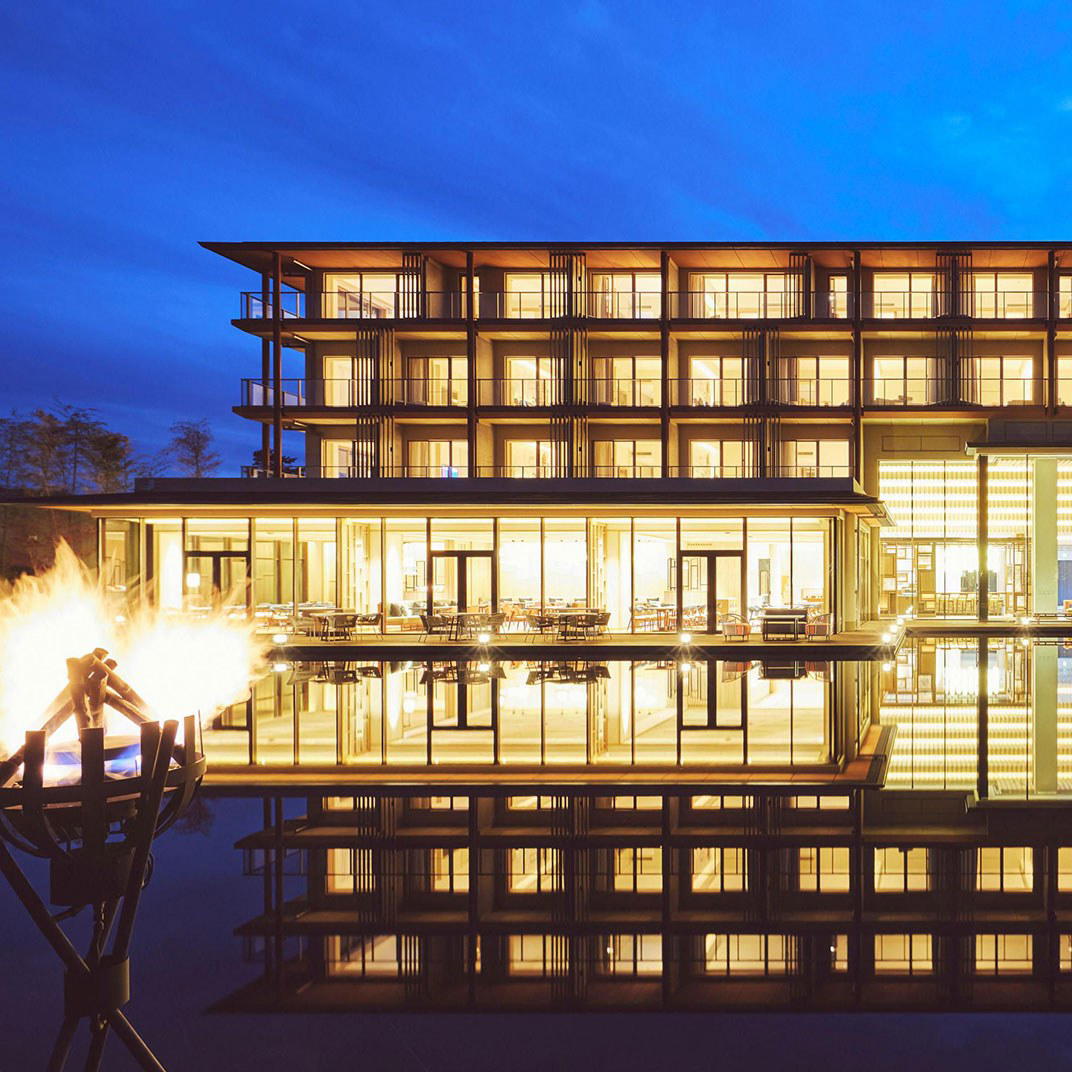
Tabelog 100 #72
Our verdict
Located in Gero, one of Japan's most celebrated onsen towns in Gifu Prefecture, 仲佐 occupies a quiet position within a regional dining scene shaped by mountain produce and thermal-bath culture. The restaurant sits at the confluence of Hida beef country and river-valley ingredient traditions, making sourcing the organizing principle of what arrives at the table. For travellers combining Gero's hot springs with serious eating, it warrants a closer look alongside our full Gero restaurants guide.

Pearl is the En Primeur Club membership app, where members save venues, book tables and use the concierge.
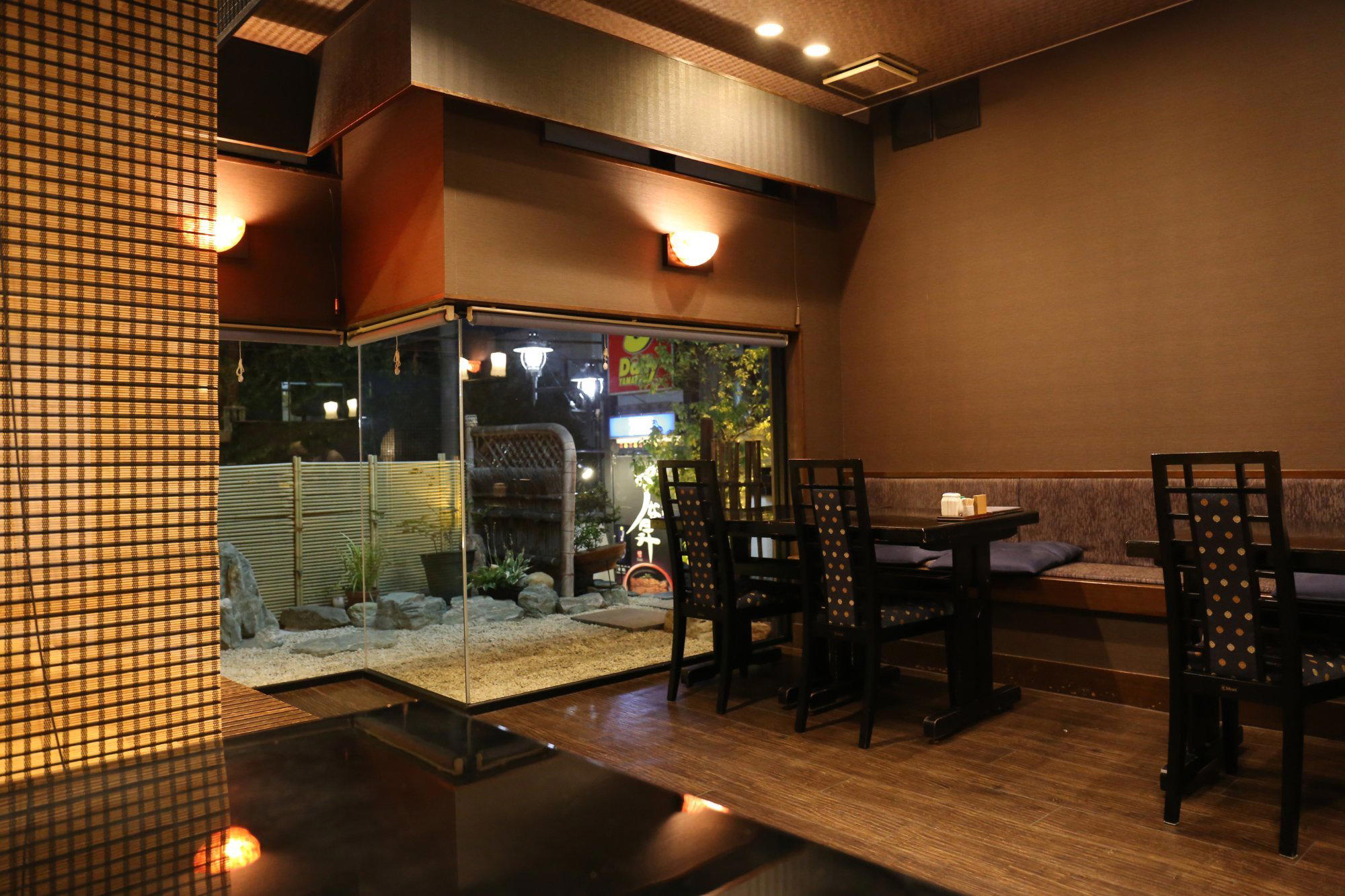
Where the Hida Valley Sets the Table
Gero's identity as a dining destination is inseparable from its geography. The town sits in a deep river valley in Gifu Prefecture, surrounded by the Hida highlands to the north and the Kiso range to the east, and that topography determines what ends up in local kitchens. Mountain streams supply freshwater fish. The surrounding forests and terraced hillsides yield foraged vegetables, wild mushrooms, and herbs that shift with the season. And the proximity to Hida beef country, whose cattle are raised at altitude on a diet shaped by that same mountain environment, gives restaurants in this area access to a marbled ingredient that rivals anything produced on the Kii Peninsula or the plains of Kagoshima. In that context, 仲佐, located at 918-47 Mori in Gero's quieter residential outskirts, draws meaning not from urban prestige but from proximity to the source.
This is the organizing logic of kaiseki and its regional variations across Japan's interior: the cuisine does not import ambition from the cities, it reads the land around it. The leading provincial dining rooms in Honshu's mountain belt, from 四季の郷 志むら in Gero to more formally structured kaiseki in Kyoto like Gion Sasaki, share this principle, even as their execution and price tiers diverge considerably. 仲佐 operates within that regional continuum.
The Logic of Mountain Sourcing
Gifu Prefecture occupies a peculiar position in Japan's culinary geography. It has no coastline, which means every piece of seafood that arrives here has been transported, and that constraint tends to concentrate kitchen attention on what the land and its rivers actually produce well. Ayu, the sweetfish native to the Hida and Nagara rivers, is the region's signature aquatic ingredient: small, delicate, and intensely seasonal, with a run that peaks in summer and tapers through early autumn. In most serious Gifu kitchens, ayu appears simply prepared, salt-grilled over charcoal or served with a light vinegar dressing, because the fish is delicate enough to be obscured rather than enhanced by complexity.
That instinct toward restraint in the face of good ingredients is what separates mountain kaiseki from its urban counterpart. In cities like Osaka, where restaurants such as HAJIME operate at the highest tier of Franco-Japanese innovation, or in Tokyo where Harutaka applies precision to Edo-mae sushi, the technique is often the story. In provincial Gifu, technique tends to support rather than announce itself. Gero's hot-spring setting reinforces this: the town's visitors are largely there to slow down, and the dining rooms that serve them well tend to match that pace rather than perform against it.
Hida beef, certified under strict regional criteria and produced in relatively small volumes compared to Wagyu brands with national marketing budgets, represents the other key ingredient axis for kitchens in this area. Its fat distribution and feed-to-finish profile reflect the mountain climate, and chefs who work with it regularly describe needing to cook it differently than lowland Wagyu, using lower heat over longer rests to avoid overwhelming the meat's more nuanced fat. For those travelling between the mountain interior and coastal Japan, the contrast in ingredient logic is one of the more instructive comparisons the country's regional dining scene offers. You can trace a comparable ingredient-first philosophy at akordu in Nara and at Goh in Fukuoka, where local produce anchors menus that could theoretically use anything.
Gero as a Dining Destination
Gero's status as one of Japan's three great onsen towns, alongside Arima in Hyogo and Kusatsu in Gunma, rests primarily on its thermal water, which rises at temperatures well above 40°C and has been drawing visitors since the Heian period. The dining ecosystem that has developed around the onsen trade is oriented toward ryokan meals rather than standalone restaurants: kaiseki served in traditional inn dining rooms, often as part of a two-meal accommodation package, constitutes the majority of serious eating here. Standalone restaurants in Gero therefore occupy a different position than they would in a city: they serve a mix of locals, day-trippers, and hotel guests looking for an alternative to their ryokan's in-house kitchen.
That context matters for understanding how 仲佐 positions itself and who it serves. Its address on the Mori side of Gero places it slightly away from the central onsen district, which is consistent with a neighbourhood restaurant model rather than a tourist-trap location. The quieter positioning is not unusual for the type of establishment that sustains itself on repeat local custom and word-of-mouth rather than walk-in foot traffic from the main bath-house streets.
For travellers planning around Gero's wider restaurant options, our full Gero restaurants guide maps the town's dining options across both the ryokan circuit and standalone venues. Those building longer Chubu itineraries can cross-reference with 一本杉 川嶋制 in Nanao, 古代山乃 in Sapporo, and 湖畔庵坊 in Takashima for a picture of how Japan's non-urban dining scene operates across different prefectures and climates.
Planning a Visit
Gero is accessible by limited express from Nagoya in approximately 90 minutes on the JR Takayama Line, which makes it a realistic day trip from the city or a logical stop on a Takayama-to-Nagoya route. The town is small enough that the central onsen district is walkable from the station, though 仲佐's address at 918-47 Mori sits at a distance that may require a taxi or bicycle depending on where you are staying.
Seasonality matters here more than in most urban dining environments. The mountain interior of Gifu moves through pronounced seasonal shifts, and ingredient availability at a sourcing-led kitchen like this one will reflect those rhythms directly. Summer brings ayu and mountain vegetables at their peak. Autumn adds foraged mushrooms and the onset of Hida beef's richer cold-weather preparation. Winter, when Gero's onsen business peaks with travellers seeking the bath experience at its most atmospheric, tends to bring the densest ingredient lists to local kitchens. Timing a visit around those windows adds a dimension that a city restaurant cannot replicate.
For broader reference on how ingredient-sourcing philosophies operate at the highest tier of Japanese cooking, Gion Sasaki in Kyoto and international comparisons like Le Bernardin in New York City and Atomix in New York City offer useful benchmarks for how kitchens at different price points and in different traditions handle the relationship between source and plate. Closer to Gero in geography and sensibility are 庄羽屋 in Nishikawa Machi, Birdland in Sakai, Bistro Ange in Toyohashi, Blue Ocean Steak in Nakagami District, bodai in 那智勝浦町, and Cafe Naoshima Konichiwa in Naoshima, each operating within regional constraints that shape their menus as directly as 仲佐's Gifu mountain setting shapes its own.
Frequently asked questions
Where is ä»²ä½ in Gero?
ä»²ä½ is located at 918-47 Mori, Gero, Gifu 509-2202, Japan, Gero.
What dish is 仲佐 famous for?
Specific menu details for 仲佐 are not published, but the restaurant sits in Gero, Gifu Prefecture, a landlocked mountain region where kitchens traditionally anchor menus around Hida beef, river fish such as ayu and iwana, and foraged mountain vegetables. Given the kaiseki tradition that defines Gero's higher-end dining, seasonal course composition tied to these local ingredients is the most plausible foundation of the kitchen's identity.
Do they take walk-ins at 仲�
Reservations are recommended for ä»²ä½ in Gero. Confirm current policy via the venue's official channels.
What do critics highlight about 仲�
ä»²ä½ is best approached by focusing on the core concept and signature offerings.
Can ä»²ä½ accommodate dietary restrictions?
Dietary accommodations can vary. Flag restrictions in advance via the venue's official channels.
Quick Comparison
Comparable venues nearby, for context on price, style, and recognition.
| Venue | Cuisine | Price | Awards | Notes |
|---|---|---|---|---|
| 仲佐This venue (the venue you are viewing) | japanese | Not listed | Tabelog 100 #72 | Not listed |
| 四季の郷 志むら | Hida Beef Kaiseki | $50–100 | Not listed | Gero |
| Kawakyu (とんかつ川久) | 鹿児島黒豚とんかつ | Not listed | Not listed | 鹿児島中央 |
| Gion Tokuya | Traditional Japanese Desserts & Sweets | $10–20 | Tabelog 100 #62 | Gion |
| Boteyan | Okonomiyaki (Japanese Savory Pancake) | $10–20 | Not listed | Toyama Station area |
| Japanese Soba Noodles Tsuta (Japanese Soba Noodles 蔦) | Michelin-Starred Japanese Soba Ramen | $20–30 | Tabelog 100 #32 | Yoyogi-Uehara |
Recognition history
Dated appearances from independent guides and award organizations, with the underlying list record or original source where available.
Tabelog 100 #72 · No. 72
Tabelog · Tabelog 100 - Soba - EAST - 2025
Continue exploring