Our verdict
Visitors to Gero's therapeutic spa district will find this property part of a broader culture of seasonal, locally rooted hospitality that defines the region.

Pearl is the En Primeur Club membership app — saves, bookings, and concierge access live there. Same editors, same standards.
- Address
- 583 Ogawa, Gero, Gifu 509-2203, Japan
- Phone
- +81576253256
- Hours
- Mon 11:30 AM–2 PMTue ClosedWed–Sun 11:30 AM–2 PM, 5–8 PM
- Website
- geroyama.com
- Directions
- Get directions
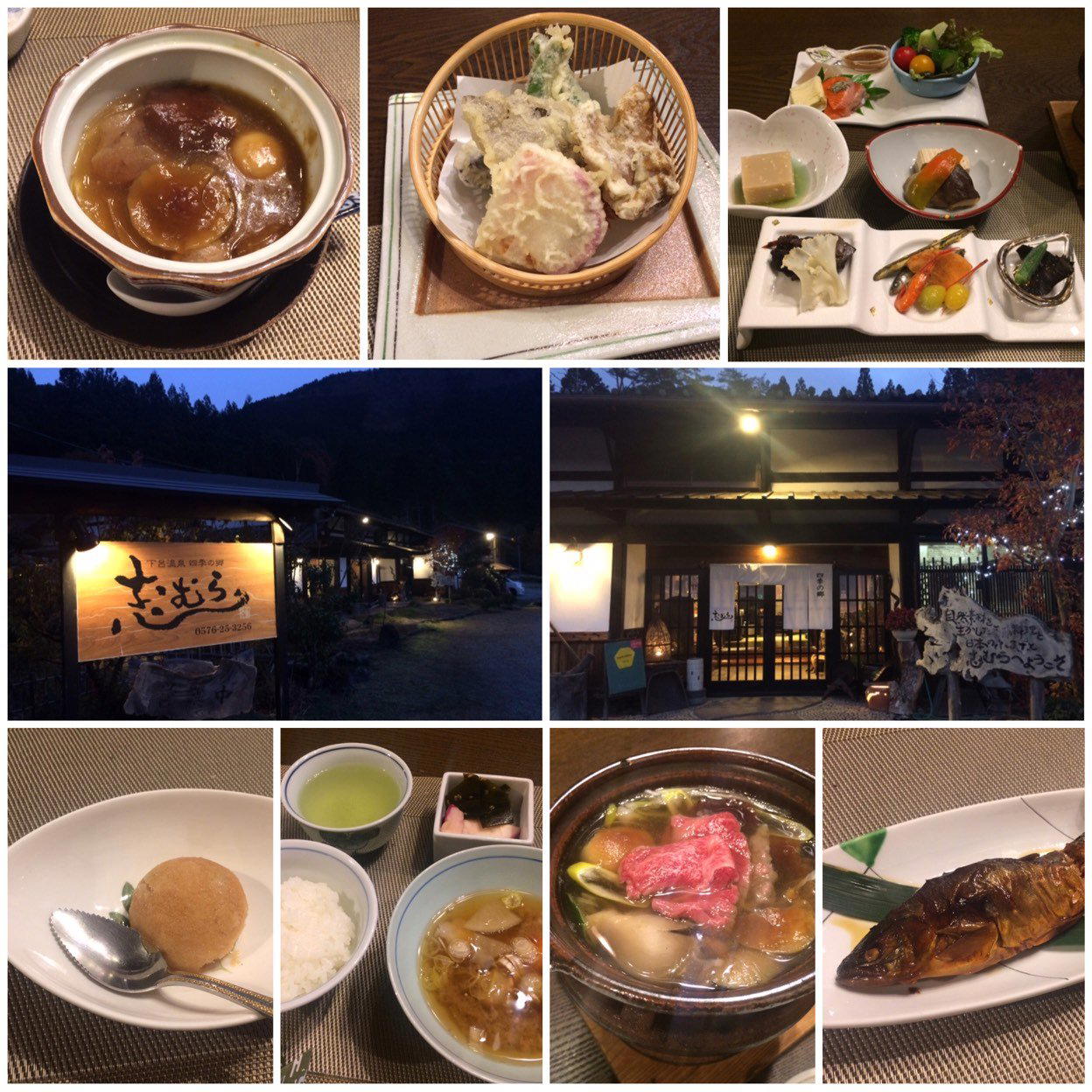
The menu
What to order
- Hida beef shabu-shabu
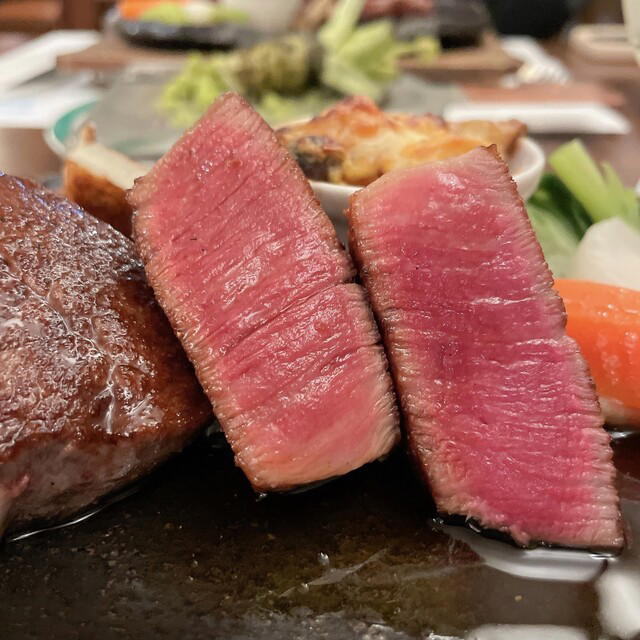
- Hida beef miso steak on magnolia leaf
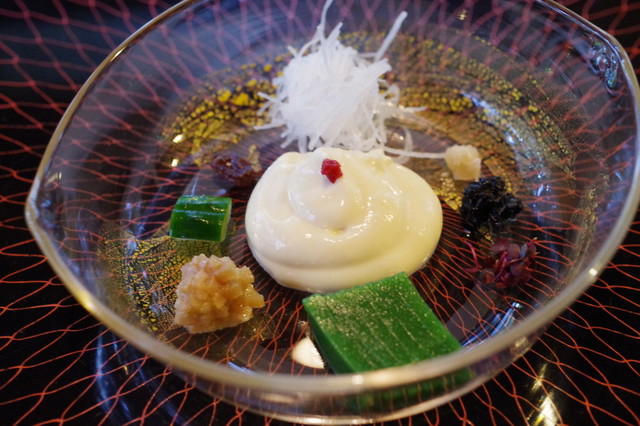
- Hida beef kaiseki course
Seasonal Cooking as Cultural Commitment
The name 四季の郷 translates roughly as "village of the four seasons," a framing that signals intent before any dish arrives. Spring brings mountain vegetables and bamboo shoots from the surrounding hills; summer introduces river fish and cooling preparations; autumn pivots to mushrooms, chestnuts, and the deeper flavors of the harvest; winter calls for warming broths and preserved ingredients that speak to the geography of a landlocked mountain prefecture.
This seasonal commitment is what separates the better onsen-town dining from the formulaic. Properties that treat the kaiseki progression as a fixed template rather than a living seasonal document tend to plateau. The ones that hold a reputation across years do so because the kitchen treats the calendar as a primary creative constraint, not a marketing angle. Visitors who have eaten at places like Gion Sasaki in Kyoto or akordu in Nara will recognize the underlying discipline, even as the regional expression differs substantially.
The Onsen Town Dining Context
Gero's dining scene does not operate on the same discovery logic as a major city. There are no late-opening natural wine bars, no ramen shops running past midnight, no street-food corridors. The town's hospitality is concentrated and intentional: guests arrive, settle in, bathe, and eat within the framework their accommodation provides. This means the quality of the table matters more, not less, than in a city where a disappointing dinner can be corrected with a short walk to an alternative. For properties in Gero, the meal carries the full weight of the guest's evening.
That structural reality raises the stakes for places like 四季の郷 志むら in ways that urban restaurants rarely face.enprimeurclub.com/restaurants/0b3a4b49-nanao-restaurant">一本木 最川制 in Nanao operates within the Noto Peninsula's seafood-forward tradition, while 琵琶湖荘 in Takashima draws on Lake Biwa's freshwater resources. Each of these properties exists within a regional food logic that is legible only when you understand the geography it comes from. Gero's logic is mountain and river: clear-water fish, foraged greens, and the kind of broth that takes on mineral depth from local water.
For a wider view of dining across the region, the our full Gero restaurants guide maps the options within the town and its immediate surroundings, including 仲佐, which represents another established point of reference within the same hospitality corridor.enprimeurclub.com/restaurants/goh-fukuoka-restaurant">Goh in Fukuoka). What that framing underweights is the substantial tradition of regional inn dining, which operates outside the award infrastructure but within a deeply codified set of quality standards maintained by generation after generation of proprietor families. Gero belongs to this secondary tier not in terms of quality ceiling, but in terms of the mechanisms by which quality is recognized and transmitted.
The comparison to internationally recognized formats is instructive. A tasting menu at Le Bernardin in New York City or a kaiseki-informed progression at Atomix in New York City operates within a global critical framework where every element is benchmarked against an international standard. A ryokan kitchen in Gero is benchmarked against its own past, against the season, and against the expectations of guests who return year after year. These are genuinely different systems of excellence, and conflating them misreads both. Properties like 夕佳仙乃乃 in Sapporo and 羽根屋 in Nishikawa Machi operate within similarly localized registers of hospitality, where regional identity carries more weight than category positioning.
Planning a Visit
Gero is accessible by limited express train from Nagoya in approximately one hour and twenty minutes, or from Takayama to the north in under an hour, making it a practical stop on a Chubu or Hida region itinerary. The town is compact enough to explore on foot, and the onsen district runs along the river with most properties within walking distance of the main hot spring facilities. Visitors combining Gero with broader central Honshu dining itineraries might also consider Bistro Ange in Toyohashi or bodai for contrast in format and style. For those traveling through the Chubu coastal corridor, Blue Ocean Steak in Nakagami District and Cafe Naoshima Konichiwa in Naoshima represents yet another axis: art-island café culture at the far end of the Seto Inland Sea.
Frequently asked questions
Does 四季の郷 志むら work for a family meal?
Gero is one of Japan's three designated great hot spring towns, and its hospitality properties generally accommodate multigenerational groups within a relaxed, structured setting. The ryokan format — with set meal times and private or semi-private dining arrangements — suits families better than open-seating restaurants. Confirming group size and any dietary requirements directly with the property at 583 Ogawa, Gero is advisable before arrival.
Is 四季の郷 志むら formal or casual?
Onsen-town dining in Japan occupies a specific register: more considered than a casual city restaurant, but without the strict protocols of Kyoto kaiseki rooms. At a Gero property framed around the four seasons, guests are expected to arrive in yukata for evening meals if staying on-site, which sets a relaxed but ceremonial tone. Footwear norms and seating style (often floor-level with cushions) are worth checking ahead if mobility is a factor.
What type of setting does 四季の郷 志むら occupy in Gero's onsen district?
The property sits at 583 Ogawa in Gero, Gifu — a concentrated onsen district built along the Hida River valley where the majority of the town's ryokan and dining properties are clustered within walking distance of the hot spring baths. This proximity to Gero's shared bathing infrastructure means guests can combine meals with access to the broader onsen network, which holds one of Japan's longest-standing hot spring designations. The Ogawa address places it within the core of the district rather than on its outskirts.
What's the signature dish at 四季の郷 志むら?
Confirmed dish details for this property are not in the public record. Within the broader Gifu ryokan tradition, meals are typically structured around seasonal kaiseki courses that reflect local mountain and river produce — Hida beef, river fish such as ayu, and foraged mountain vegetables appear across the region's better tables. The property name, 四季の郷 (village of the four seasons), suggests the menu rotates with the agricultural calendar rather than holding a fixed signature item.
Where do I go for 四季の郷 志むら?
四季の郷 志むら is located at 583 Ogawa, Gero, Gifu 509-2203, Japan, Gero.
What's the best way to book 四季の郷 志むら?
Across Gero's onsen district, direct contact with the property is the standard route — phone and in-person inquiry remain the primary channels at many traditional venues. Japanese-language booking platforms such as Jalan and Rakuten Travel also list Gero properties and may carry availability for 四季の郷 志むら. Gero is reached by limited express from Nagoya in approximately one hour and twenty minutes, making same-day arrivals feasible, though advance booking is advisable during autumn foliage and new year periods.
Price and Positioning
Comparable venues nearby, for context on price, style, and recognition.
| Venue | Cuisine | Price | Awards | Notes |
|---|---|---|---|---|
| 四季の郷 志むらThis venue — the venue you are viewing | Hida Beef Kaiseki | $50–100 | Not listed | Not listed |
| 仲佐 | Gero, japanese | Not listed | Tabelog 100 #72 | Not listed |
| Wabiya Korekidou (侘家古暦堂 祇園花見小路本店) | Traditional Yakitori & Oyakodon | $30–50 | Tabelog 100 #4 | Gion, Traditional Japanese Yakitori & Chicken Specialties |
| Unagi Yondaime Kikukawa | Traditional Japanese Unagi | $30–50 | Not listed | Kanazawa Station Area, Traditional Japanese Unagi |
| Yakiniku Yamachan | Premium Wagyu Yakiniku with Japanese Fusion | $100–150 | Tabelog 100 #17 | Nakagyo-ku, Premium Wagyu Yakiniku with Japanese Fusion |
| うなぎ四代目菊川 | Not listed | Not listed | Not listed | Kanazawa Station, Kansai-style Whole Eel (Unagi) |
Continue exploring
More in Gero
Restaurants in Gero
Browse all →
Details
- Rustic
- Elegant
- Intimate
- Scenic
- Special Occasion
- Celebration
- Date Night
- Private Dining
- Historic Building
- Standalone
- Sake Program
- Farm To Table
- Local Sourcing
- Organic
- Set Menu
- Tasting Menu
- Sake
- Shochu
- Wine
- Allergy Accommodating
Current opening hours
- Monday
- 11:30 AM–2 PM
- Tuesday
- Closed
- Wednesday
- 11:30 AM–2 PM, 5–8 PM
- Thursday
- 11:30 AM–2 PM, 5–8 PM
- Friday
- 11:30 AM–2 PM, 5–8 PM
- Saturday
- 11:30 AM–2 PM, 5–8 PM
- Sunday
- 11:30 AM–2 PM, 5–8 PM
Hours can change for holidays and private events. Last verified .
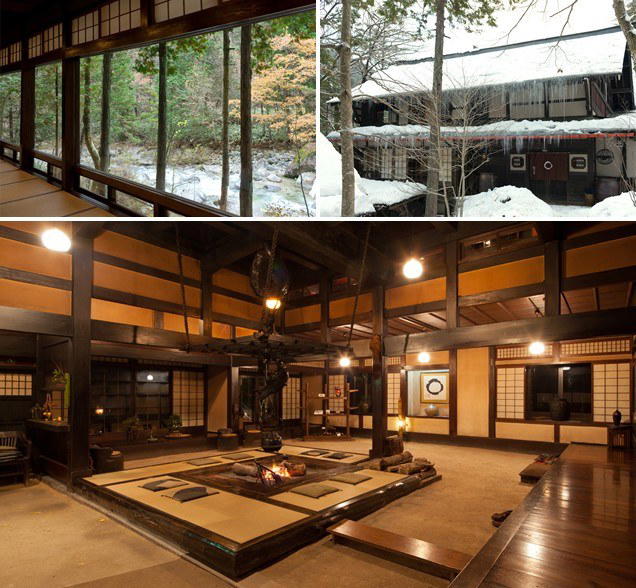
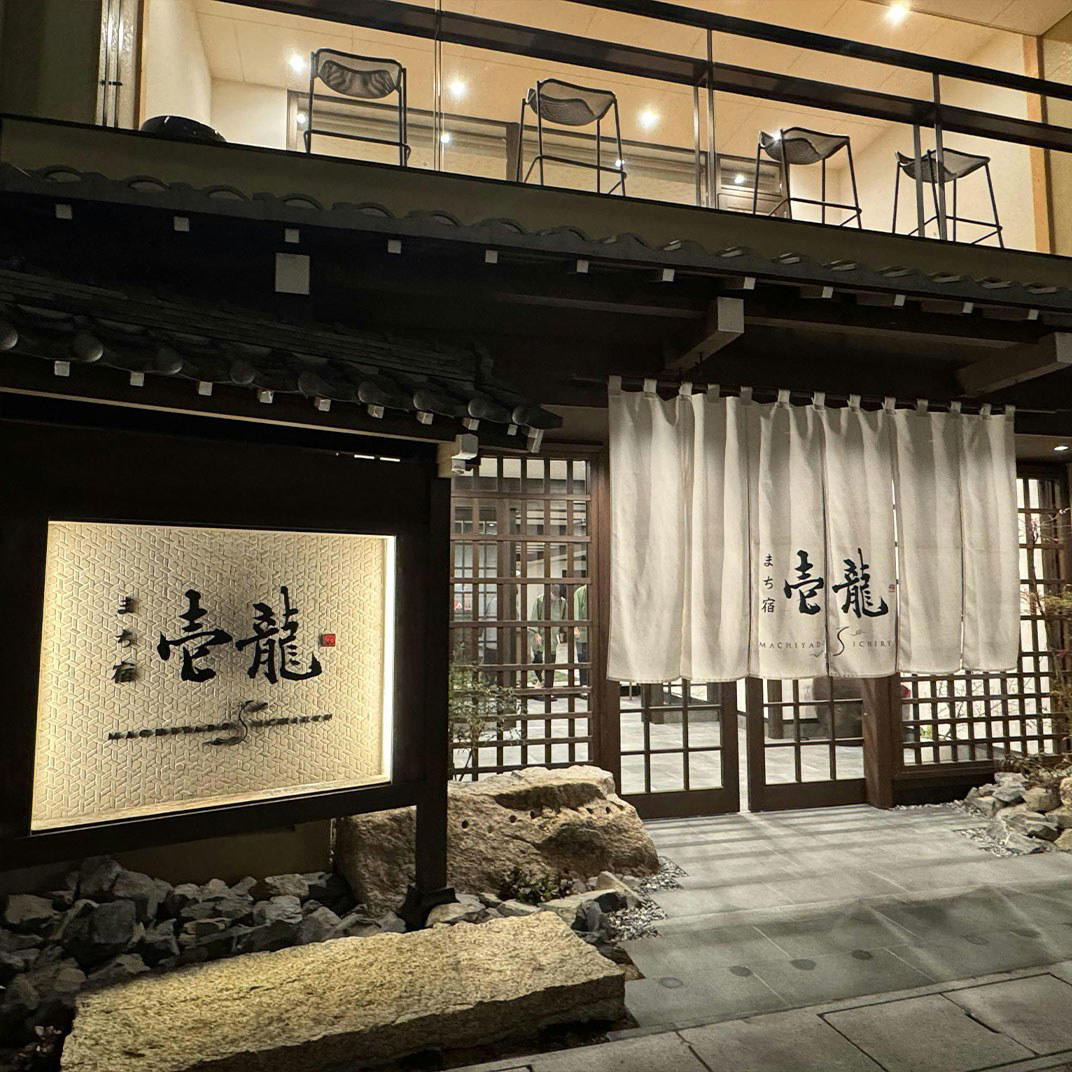
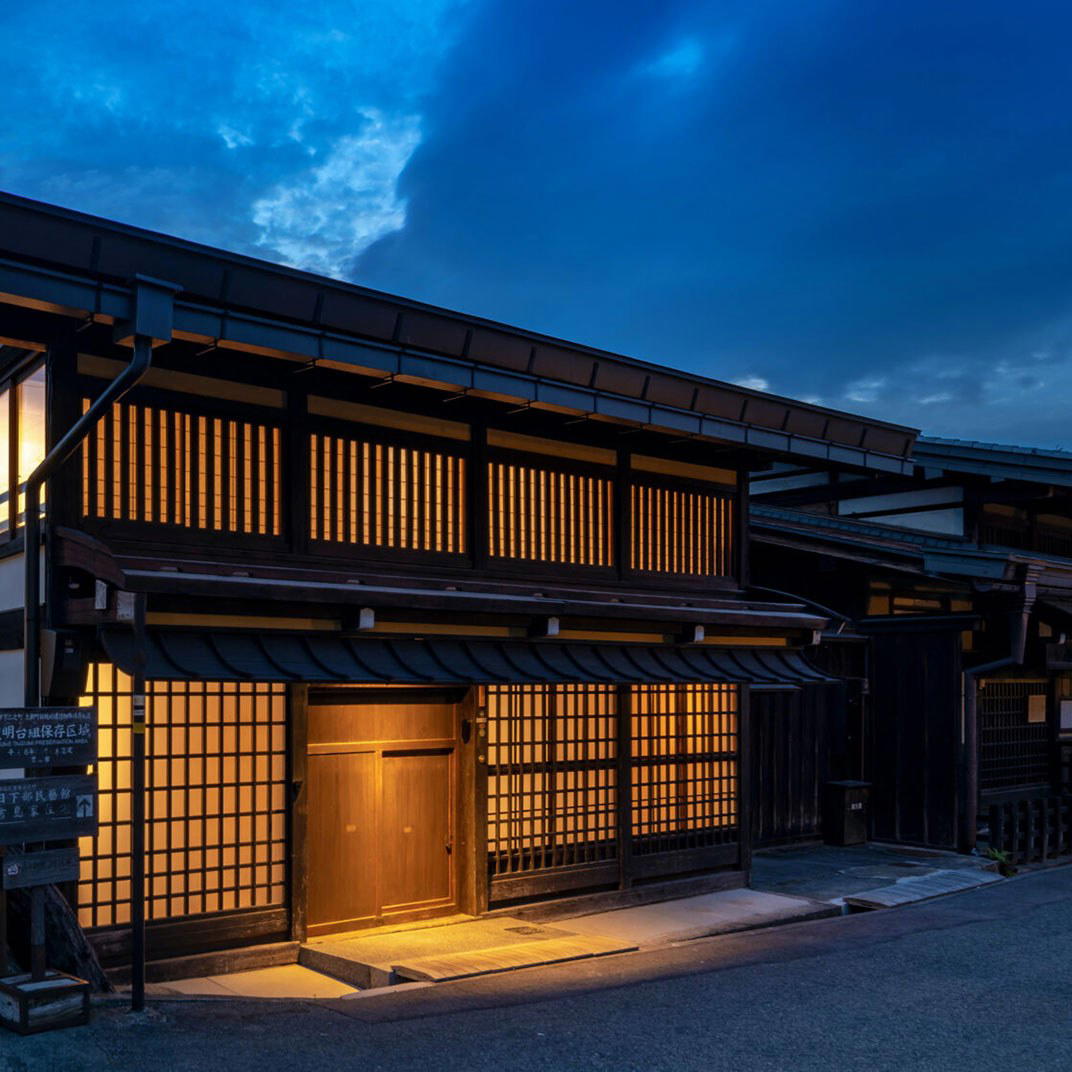
Pure Japanese aesthetic with traditional entrance, tatami rooms, and intimate irori fireplace setting that evokes a serene mountain retreat.