
Botefuku puts Kani into Japan’s serious okonomiyaki conversation without the gloss of a city dining room. The draw is a counter-only, house-restaurant format recognized in Tabelog’s Okonomiyaki 100 selections from 2022 through 2025, where the category’s everyday ingredients are treated with unusual focus rather than luxury theatre.
Pearl is the En Primeur Club membership app — saves, bookings, and concierge access live there. Same editors, same standards.
- Address
- 2763-3 Dota, Kani, Gifu 509-0206, Japan
- Phone
- +81 574-26-4786
- Website
- localplace.jp
 Saves & bookings on Pearl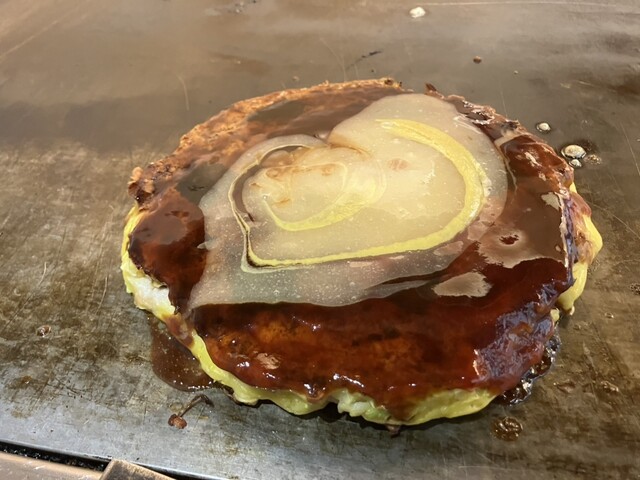
Approach in Kani is not a grand-entrance affair. The setting reads as a house restaurant, and the room is built around counter seating rather than ceremony. That matters for okonomiyaki: this is food whose credibility often comes from proximity to the griddle, the batter, the cabbage, and the cook’s timing. In a category often misunderstood by visitors as casual filler between temples and train rides, Botefuku belongs to the more serious end of the form, where modest materials carry the argument.
Okonomiyaki rewards restraint more than excess. The dish can absorb pork, seafood, noodles, egg, sauce, and mayonnaise, but its structure depends on balance: cabbage cut, batter density, heat control, and the point at which the surface firms without drying the centre. Regional loyalties in Japan can be fierce, particularly around Osaka and Hiroshima styles, yet the stronger counters outside the big-city circuits make a different point. They show that okonomiyaki is not only an urban snack tradition; it is also a local craft shaped by repeat customers, family use, and the availability of ordinary ingredients handled with discipline.
Why a Kani counter belongs in the okonomiyaki conversation
Tabelog’s Okonomiyaki 100 selection is useful here because it separates dedicated specialists from places where the dish is merely part of a wider menu. Botefuku has appeared in the Okonomiyaki 100 selections for 2022, 2023, 2024, and 2025, a run that gives the restaurant more weight than a single-year listing. Its Tabelog score of 3.72 also places it in the kind of range where Japanese users tend to reward consistency rather than novelty.
The ingredient question is central. Okonomiyaki’s base pantry is plain by design: flour, cabbage, egg, sauce, and add-ins that vary by house and region. There is nowhere for luxury sourcing to hide a weak cook. In smaller cities such as Kani, the appeal often lies in everyday Japanese produce and a short-distance dining culture rather than imported status signals. The better version of this experience is not about rare ingredients; it is about making common ingredients justify attention.
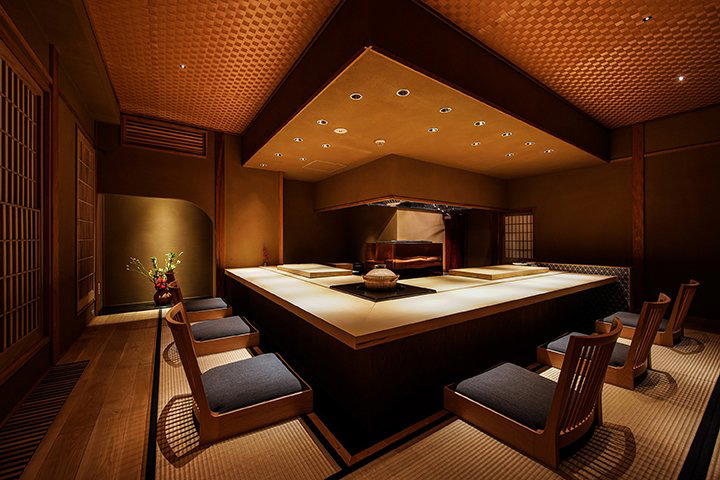
That distinction helps explain why a counter-only room matters. Sixteen seats put the format closer to a working griddle bar than a broad family restaurant, even though children are welcome and the mood is not formal. Counter dining also changes how okonomiyaki is read: cooking, portioning, and timing become part of the meal’s logic. The dish arrives as the result of heat management, not plating theatre.
Compared with broader regional options, Botefuku occupies a notably accessible lane. Original Daifuku Okashi Dokoro Yoro Ken Honten and Yamada Gohei Mochi Ten sit in a similar everyday-price register, while Tokiwa 1921 and Seimen Misaku move into higher casual brackets. Sushi Konno, by contrast, belongs to a different spending category altogether. That spread is useful for travelers mapping Gifu-area dining: okonomiyaki here is not a fallback from more formal meals, but a separate tradition with its own benchmarks.
The pleasure is in the format, not the performance
Kani is not usually framed internationally as a dining destination, which makes places like this more revealing. Away from Tokyo, Kyoto, and Osaka, Japanese restaurant culture often becomes less about spectacle and more about repeatability. A room that is non-smoking, counter-based, and small in capacity points toward a local rhythm: solo diners, friends, and families can all fit the same format, but nobody is being processed through a large dining machine.
Botefuku’s house-restaurant setting also keeps the category grounded. Okonomiyaki has always moved between home cooking, festival food, and specialist counters. Its modern appeal comes from that flexibility: it can be inexpensive without being careless, filling without being crude, and social without demanding a group. For travelers who tend to over-index on sushi, wagyu, and tasting menus, this kind of stop corrects the balance. It shows how Japanese dining culture protects skill inside dishes that look simple from a distance.
The practical read is equally clear without turning the meal into logistics. The restaurant is near Kanigawa Station and also lists parking, which makes it easier to fit into a Gifu itinerary by rail or car. Reservations are not part of the format, so the sensible approach is to treat it like a small counter with limited seats rather than a flexible drop-in hall. Midday and evening service both exist on operating days, with weekly closures to factor into planning.
For a wider Kani itinerary, start with Our full Kani restaurants guide, then build around the city’s broader travel infrastructure through Our full Kani hotels guide, Our full Kani bars guide, Our full Kani wineries guide, and Our full Kani experiences guide. Readers comparing casual Japanese formats across the country can also look at -Grilled beef Sukiyaki- KAMAKURA TANUKIAN 鎌倉 たぬき庵 in Kamakura, . 鮪と炭火焼き うお炭 秋葉原店 in Tokyo, .cafe in Osaka, .know in Kumamoto, (Shoku) Vietnam in Kawasaki, [Curry Senmon Ten] Maruyama Kyoju. in Sapporo, [ki:] in Kyoto, #肉といえば松田 奈良本店 in Kashihara, 1/3 HAMBURGER FACTORY in Kanazawa, 1000 in Yokohama, 1000mヒュッテ 1000m Hut in Kutchan, Jōdo Saké Bar in Los Angeles, and Onigiri Time in Pasadena.
Quick Comparison
Comparable venues by cuisine and price in the same metro.
| Venue | Cuisine | Price | Notes |
|---|---|---|---|
| BotefukuThis venue — the venue you are viewing | Okonomiyaki & bote-yaki | $ | Not listed |
| つけめん 頑者 新横浜ラーメン博物館店 | Tsukemen (Dipping Ramen) | $ | Shin-Yokohama |
| Ayu Ramen Plus (鮎ラーメンプラス) | Traditional Ayu Ramen | $ | Toranomon |
| 京ゆば工房 | Kyoto Yuba Workshop | $ | Higashiyama |
| 中華そば 速水 | 和歌山ラーメン | $ | 緑ヶ丘 |
| Chuka Soba Hayami | Traditional Wakayama Ramen | $ | Shingu |
Recognition history
Dated appearances from independent guides and award organizations, with the underlying list record or original source where available.
Tabelog 100 #55 · No. 55
Tabelog · Tabelog 100 - Okonomiyaki - 2025
Continue exploring
More in Kani
Restaurants in Kani
Browse all →

At a Glance
- Cozy
- Lively
- Classic
- Casual Hangout
- Family
- Solo
- Group Dining
- After Work
- Standalone
- Chefs Counter
Current opening hours
- Monday
- 11 AM–2 PM, 5–9 PM
- Tuesday
- 11 AM–2 PM, 5–9 PM
- Wednesday
- Closed
- Thursday
- 11 AM–2 PM, 5–9 PM
- Friday
- 11 AM–2 PM, 5–9 PM
- Saturday
- 11 AM–2 PM, 5–9 PM
- Sunday
- Closed
Hours can change for holidays and private events. Last verified .
A compact, local okonomiyaki joint with counter seating facing the hot griddle, creating a warm, slightly bustling atmosphere where guests watch their bote-yaki and yakisoba cooked to order.