
Tabelog Bronze #228
Our verdict
A 2026 Tabelog Award Bronze winner and Tabelog French EAST '100' selection, Belle Equipe brings French technique to Mizunami in Gifu Prefecture — a region better known for ceramics than cuisine. With a Tabelog score of 4.04, a 24-seat room with private dining options, and dinner averaging JPY 10,000–14,999, it offers serious French cooking at a considerable distance from Japan's metropolitan fine-dining circuits.

Pearl is the En Primeur Club membership app — saves, bookings, and concierge access live there. Same editors, same standards.
- Address
- 2 Chome-55-1 Yakushicho, Mizunami, Gifu 509-6135, Japan
- Phone
- +81 572-68-2361
- Hours
- Daily 12–3 PM, 6–10 PM
- Website
- restaurant.ikyu.com
- Directions
- Get directions
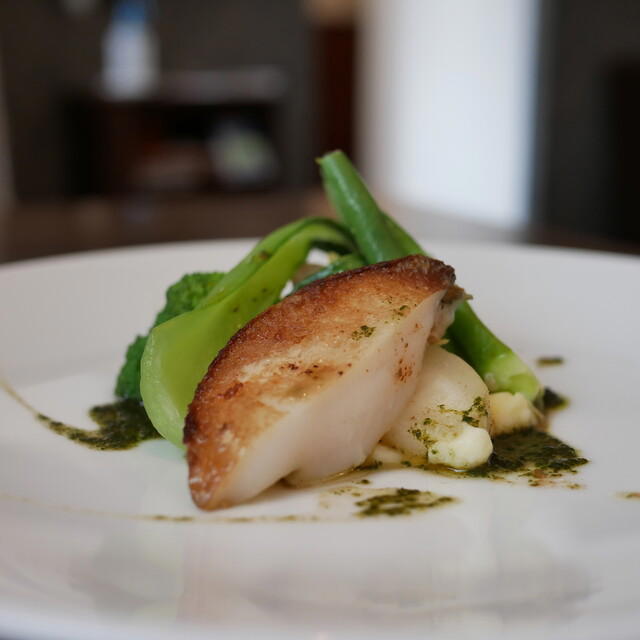
French Cooking, Far from the Obvious Address
Japan's provincial French restaurant scene operates on a different logic than the one familiar to visitors who confine themselves to Tokyo or Osaka. In cities like Nagoya, Kanazawa, or the smaller municipalities of Gifu Prefecture, a long-established French house can accumulate a loyal regional following, earn sustained critical recognition, and charge prices that reflect genuine culinary ambition — all without appearing on the radar of the international dining press. Belle Equipe, located in Mizunami in southern Gifu, sits squarely in that category. It holds a Tabelog score of 4.04 and won the Tabelog Award Bronze in 2026, placing it in a tier that across Japan's restaurant universe represents consistent, peer-reviewed quality rather than fashionable moment. It was also selected for the Tabelog French EAST "Tabelog 100" in 2023, a list that maps the strongest French addresses across Japan's eastern prefectures and does not skew toward metropolitan density.
The address itself is telling. Mizunami is a city in the Tono region of Gifu, positioned along the Chuo Expressway corridor between Nagoya and the mountainous interior of the prefecture. The area carries a quieter, more considered tempo than its larger neighbours, and its dining culture reflects that: restaurants here tend to serve committed regulars rather than transient footfall. Arriving from Mizunami IC on the Chuo Expressway takes roughly three minutes by car. The surrounding terrain — forested hills, river valleys, the agricultural rhythms of inland Japan, shapes the context in which a French restaurant in this location makes a particular kind of sense. France's provincial cooking tradition has always been about rooting European technique into local land and seasons. Japan's regional French houses, at their leading, operate on an analogous principle.
The Room and the Scale
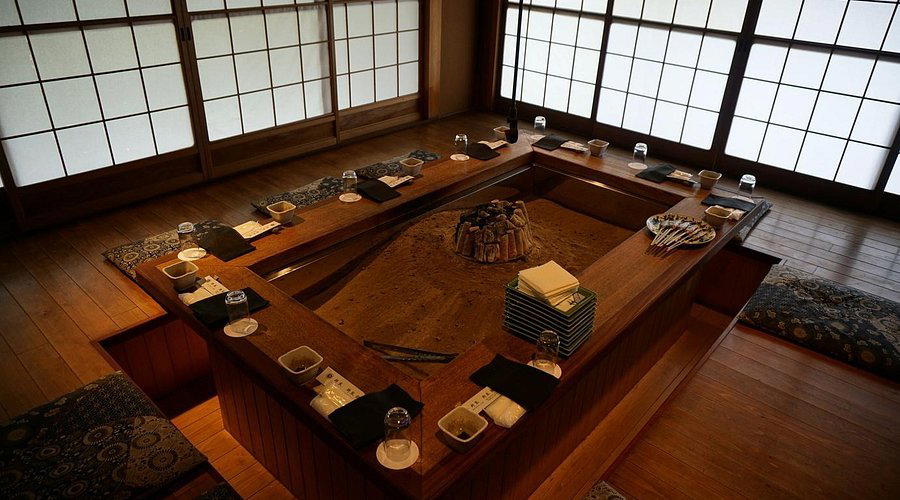
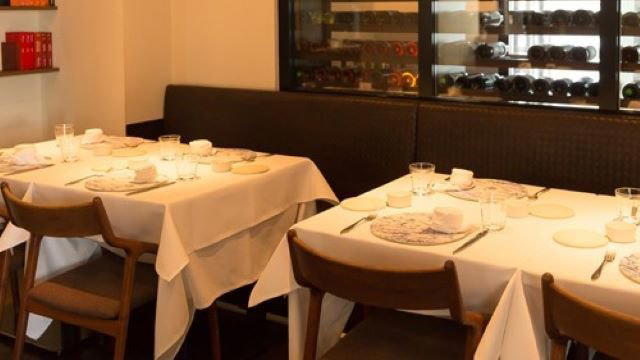
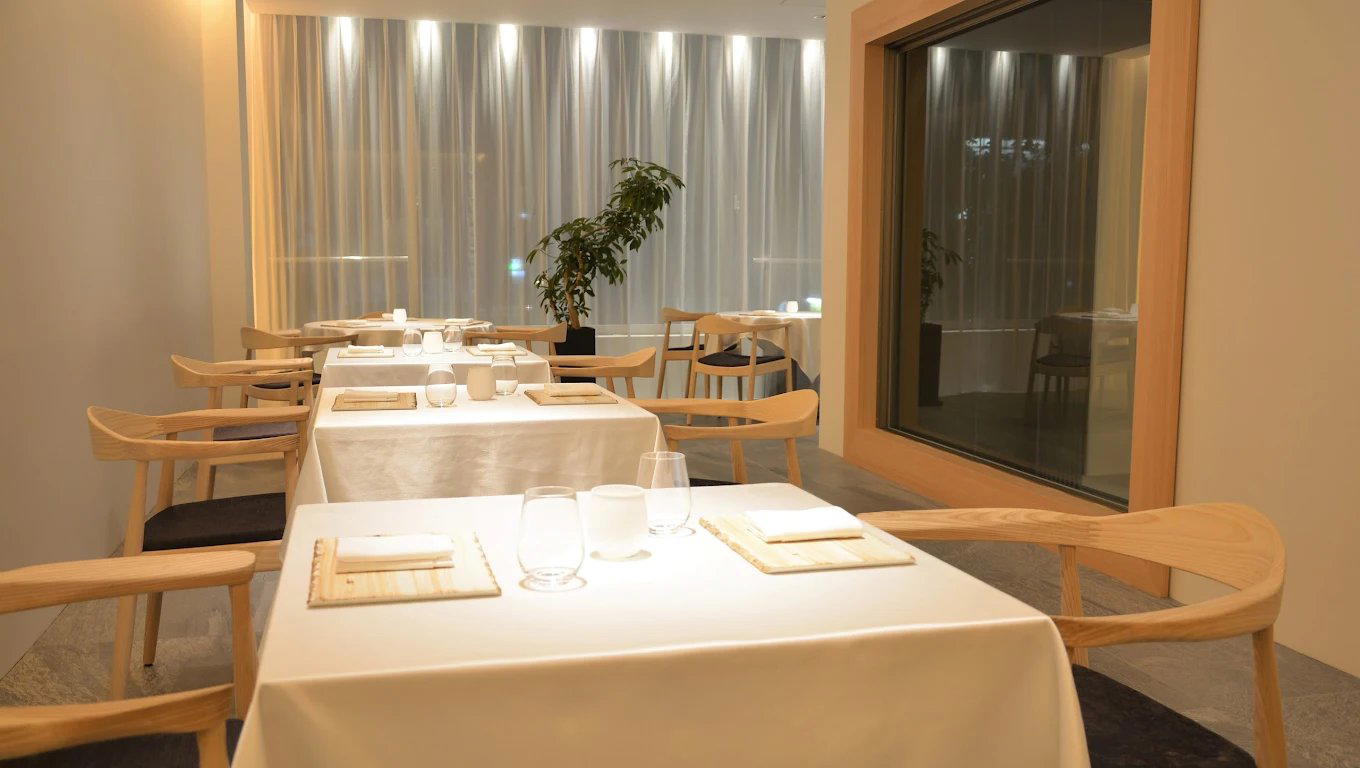
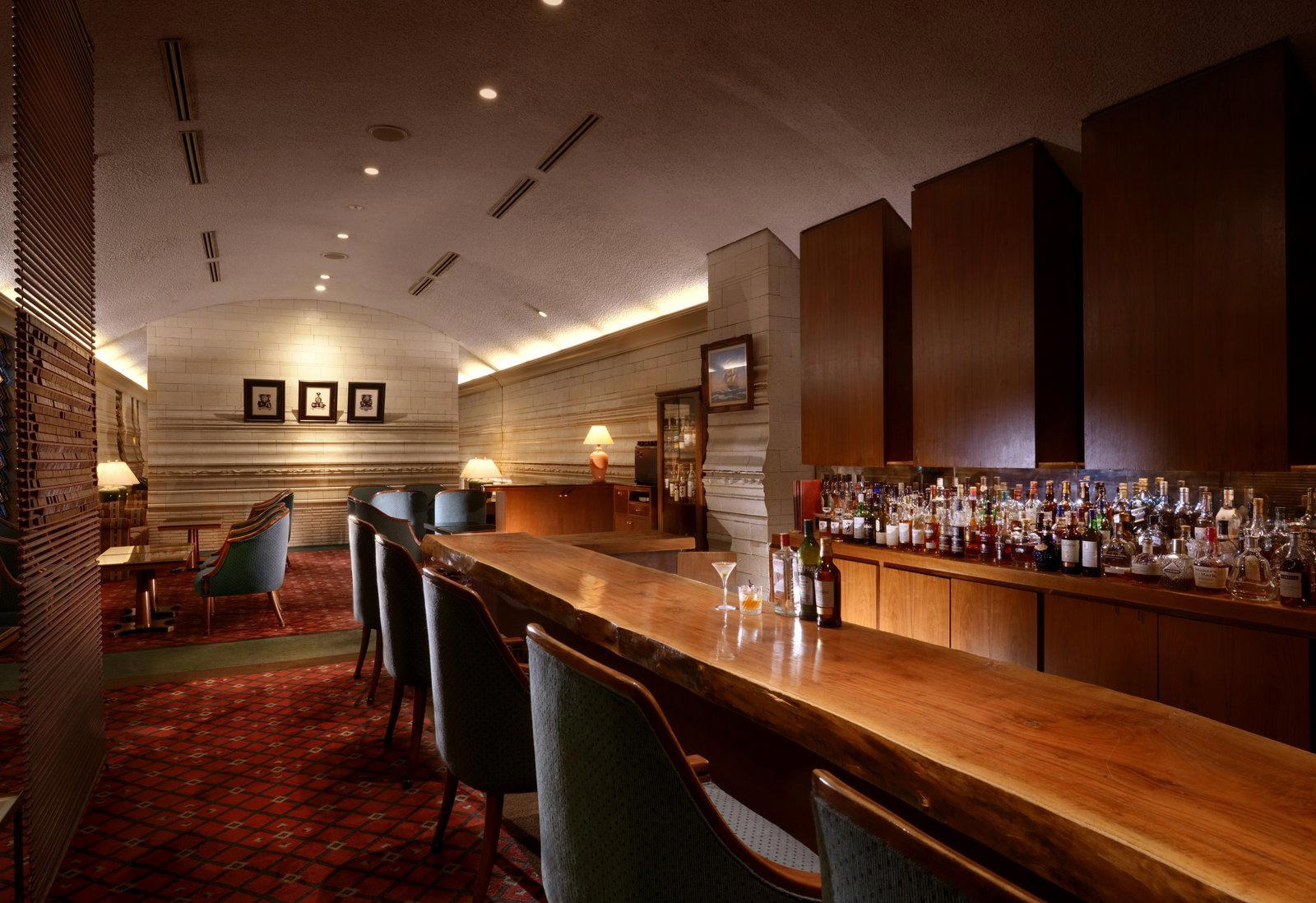
Belle Equipe seats 24 across what the venue describes as a relaxing, spacious interior, with a tatami room among its spaces and the capacity for live music. Private rooms are available for parties of two, and the restaurant can be reserved for exclusive private use. Parking for ten cars is provided on site, a practical detail that signals this is not a restaurant designed for the passing pedestrian but for the deliberate visitor who has made a specific choice to be here. The non-smoking environment and a no-service-charge policy round out a set of operating conditions that point toward a certain kind of understated hospitality. Children are welcome, and the Tabelog user base consistently recommends it for family occasions as well as groups of friends.
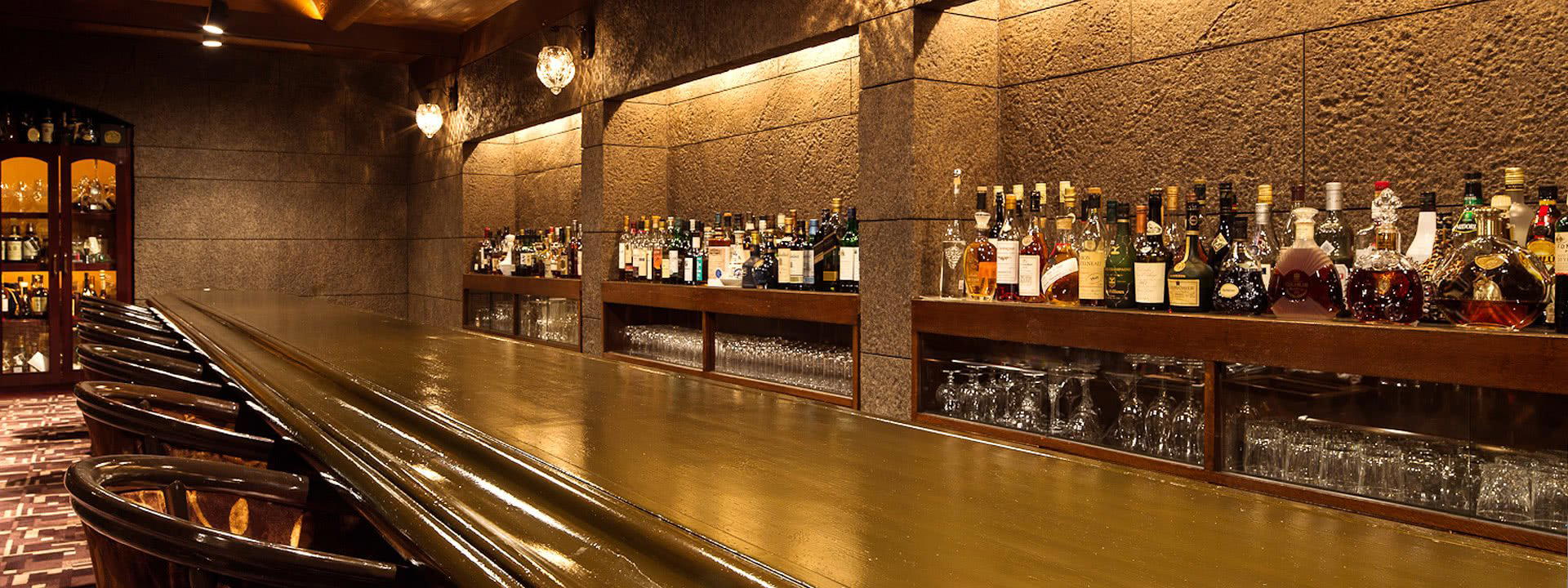
The drink list sits at the intersection of two traditions: sake and wine. That pairing is less unusual in regional French Japan than it might appear, sake and French food share an affinity for umami and fermentation depth that has been explored seriously across the country, from HAJIME in Osaka to akordu in Nara. At a restaurant in Gifu, where local sake culture runs deep, offering nihonshu alongside wine is a statement about context as much as it is a beverage choice.
Provenance in a Landlocked Prefecture
The editorial angle that matters most when writing about a French restaurant in Gifu is provenance. This is not a prefecture that sends its name into conversations about, say, the coastal seafood of Shizuoka or the wagyu of Mie. But inland Gifu has its own agricultural identity: river fish, mountain vegetables, Hida beef from the prefecture's northern reaches, miso traditions with centuries of local character. The Tono region specifically, where Mizunami sits, is part of the broader agricultural corridor linking Nagoya's supply chain to the mountain interior. A French kitchen in this setting has access to a sourcing geography that differs from what a comparable Tokyo address would draw on, and that difference, executed with intent, is where regional French cooking in Japan finds its strongest argument.
France's own provincial tradition offers the relevant comparison: the cooking of Lyon or the Auvergne gains credibility from its insistence on local material, the quenelles are made with the river's fish, the cheese comes from the plateau's cattle. Japan's regional French houses that hold sustained Tabelog recognition tend to apply the same logic, using French technique as a grammar and regional Japanese product as the vocabulary. This is the frame in which Belle Equipe's awards carry their most weight. A Tabelog Bronze and a French EAST Hyakumeiten selection are not given for theatrical presentation or novelty; they reflect accumulated reviewer consensus over multiple visits across seasons, which means the kitchen is producing something consistent and grounded. Peer restaurants operating in a similar register across Japan include L'Effervescence in Tokyo, where French structure and Japanese ingredient sourcing converge at a higher price tier, and Gion Sasaki in Kyoto, which demonstrates how French-inflected technique can take deep root in a Japanese regional context.
Price, Value, and the Gap Between Menu Price and Average Spend
The stated dinner price range is JPY 10,000–14,999, while the lunch is priced at JPY 2,000–2,999, a gap that makes the lunch sitting one of the more accessible entry points to a Tabelog-awarded French kitchen in the region. What is notable is that actual average spend reported by Tabelog reviewers sits considerably higher: JPY 20,000–29,999 at dinner and JPY 15,000–19,999 at lunch. This divergence between listed range and actual spend typically reflects how a kitchen is used in practice, more courses, wine pairings, or special menus selected by diners who have travelled specifically for the meal. It also positions Belle Equipe in a pricing tier closer to mid-range Osaka or Nagoya French houses than the listing price alone would suggest, though still well below the upper brackets represented by Hotel de Ville Crissier or Tokyo's highest-ticket French counters.
One practical note: the restaurant does not accept credit cards, electronic money, or QR code payments. Cash is required, which is worth factoring into plans, particularly for visitors arriving from abroad or from larger Japanese cities where cashless payment is increasingly the norm. No service charge is applied.
Planning a Visit
Belle Equipe operates across both lunch (11:30–14:00) and dinner (18:00–21:00) seven days a week, though closing days are not fixed and the venue advises confirming directly before visiting. Reservations are available and, given the restaurant's awards recognition and its 24-seat capacity, are advisable rather than optional for dinner. The phone number on record is +81-572-68-2361. The restaurant is three minutes by car from Mizunami IC on the Chuo Expressway, direct access from Nagoya, which sits roughly 40 kilometres southwest along the same expressway corridor.
For visitors building a broader Gifu itinerary, the prefecture's French and fine-dining scene extends across several addresses worth pairing: Une Fleur and hiro in the region, alongside Katatsumuri, Kobanzushi, and Mizuki for a fuller picture of what the prefecture's dining scene can offer. Further reading on the region is available through [our full Gifu restaurants guide](), [our full Gifu hotels guide](), [our full Gifu bars guide](), [our full Gifu wineries guide](), and our full Gifu experiences guide.
For comparison at other price points and in other Japanese cities, Harutaka in Tokyo, Goh in Fukuoka, and 1000 in Yokohama each represent how serious kitchens operating outside Tokyo's densest fine-dining corridors have built reputations through consistency and regional grounding, the same dynamic that defines Belle Equipe's position in Gifu.
Frequently asked questions
What should I budget for a meal at Belle Equipe?
Pricing at Belle Equipe is listed as JPY 10,000 - JPY 14,999 JPY 2,000 - JPY 2,999.
What part of town is Belle Equipe in?
Belle Equipe is located at 2 Chome-55-1 Yakushicho, Mizunami, Gifu 509-6135, Japan, Gifu.
What distinctions does Belle Equipe have?
Belle Equipe has received recognition including: {"Year":"2026","Award Source":"Tabelog","Award Type":"The Tabelog Award","Award Group":"bronze","Award Group Rank":"228","Restaurant Name":"Belle Equipe","Score":"4.04","Budget":"Dinner: JPY 10,000 - JPY 14,999; Lunch: JPY 2,000 - JPY 2,999….
What's the best thing to order at Belle Equipe?
The menu specifics are not publicly listed, but the lunch sitting at JPY 2,000–2,999 draws particular attention given the kitchen's Tabelog Award Bronze 2026 credentials and a 4.04 score — that price-to-recognition ratio is the sharpest entry point. Dinner runs JPY 10,000–14,999 on the stated menu, though reviewer-reported spend trends higher, toward JPY 20,000–29,999, suggesting the kitchen's full range is explored in the evening.
Do I need a reservation for Belle Equipe?
Reservations are available and advisable. The dining room holds 24 seats, closing days are not fixed, and the venue itself recommends confirming hours before visiting. Contact via phone at +81-572-68-2361 or check the website at j47.jp/belle for current availability.
What makes Belle Equipe worth seeking out?
It holds a Tabelog Award Bronze 2026 and was selected for the Tabelog French EAST 'Tabelog 100' in 2023 — recognition that places it among the top-ranked French tables in eastern Japan, operating from a provincial address in Mizunami, Gifu rather than a major city. The combination of a tatami room, live music, and cash-only payment policy signals a restaurant that has built its reputation on local terms, not on the infrastructure of urban fine dining.
Comparable Venues
Comparable venues nearby, for context on price, style, and recognition.
| Venue | Cuisine | Price | Awards | Notes |
|---|---|---|---|---|
| Belle EquipeThis venue — the venue you are viewing | Classic French | Not listed | Tabelog Bronze #228 | Not listed |
| Hida Gyu Grill Bakuro | Modern Hida beef steakhouse | $50–100 | Tabelog 100 #89 | Komeyacho |
| Akane Ya | Yakiniku & Chinese Grill | $50–100 | Tabelog 100 #5 | Mitonocho |
| Une Fleur | Hidden French Fine Dining | $500+ | Tabelog Bronze #497 | Hirugano |
| たか田 八祥 | Michelin-Starred Kaiseki Japanese | $150–200 | Tabelog 100 #3 | Gifu City |
| Kikyo En Honten | Traditional Yakiniku & Wagyu Grill | $50–100 | Tabelog 100 #87 | .null |
Recognition history
Dated appearances from independent guides and award organizations, with the underlying list record or original source where available.
Tabelog Bronze #228
Tabelog
Details
- Elegant
- Classic
- Intimate
- Date Night
- Special Occasion
- A La Carte
Current opening hours
- Monday
- 12–3 PM, 6–10 PM
- Tuesday
- 12–3 PM, 6–10 PM
- Wednesday
- 12–3 PM, 6–10 PM
- Thursday
- 12–3 PM, 6–10 PM
- Friday
- 12–3 PM, 6–10 PM
- Saturday
- 12–3 PM, 6–10 PM
- Sunday
- 12–3 PM, 6–10 PM
Hours can change for holidays and private events. Last verified .