In Fukuoka's Shirogane district, あ三五 occupies a quiet first-floor space that sits apart from the city's more trafficked dining corridors. The restaurant draws from the traditions that define Fukuoka's neighbourhood dining culture, where format and restraint tend to matter more than spectacle. For visitors already familiar with the city's better-known addresses, it offers a different register entirely.
 Discover on Pearl
Pearl is the En Primeur Club membership app — saves, bookings, and concierge access live there. Same editors, same standards.
- Address
- Japan, 〒810-0012 Fukuoka, Chuo Ward, Shirogane, 1 Chome−4−14 原ビル 1F
- Phone
- +81925264582
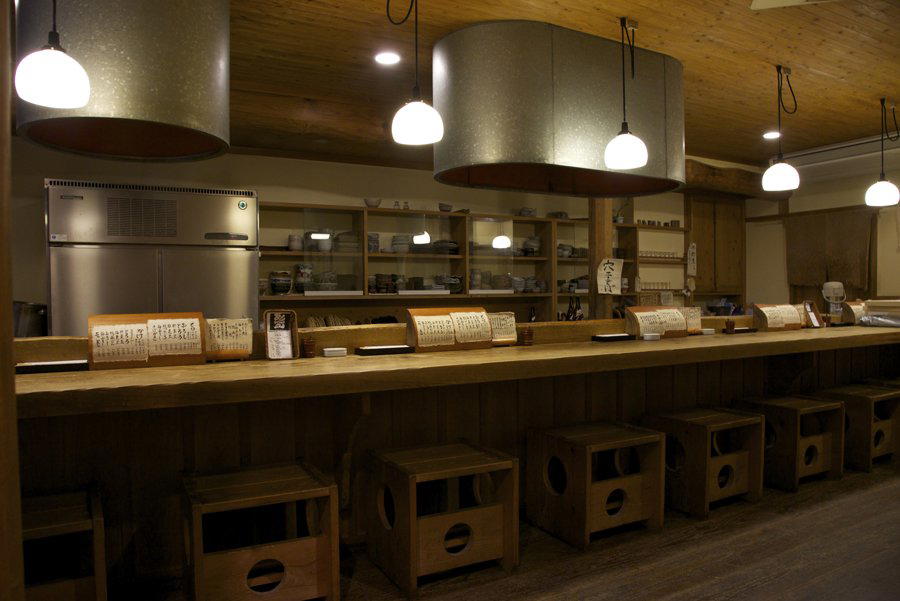
Shirogane and the Neighbourhood Dining Pattern
Fukuoka's Chuo Ward has a particular relationship with its quieter streets. While the city's most discussed restaurants tend to cluster around Daimyo and Yakuin, the Shirogane area operates on a different rhythm: smaller buildings, ground-floor spaces, and a dining culture that rewards familiarity over discoverability. あ三五 sits inside that pattern, occupying a first-floor unit in a low-rise building at 1 Chome-4-14 Shirogane. It is a restaurant in Fukuoka's Chuo Ward serving Masterful Soba Kaiseki at about $120 per person. The physical address is the first signal, this is a neighbourhood-scale venue in a city that has increasingly learned to support them.
That matters as context because Fukuoka's dining scene has developed along two reasonably distinct lines. On one side sit the higher-profile addresses: the French-leaning kitchens like Goh (French), the serious sushi counters like Chikamatsu (Sushi), the izakaya-adjacent specialists like Asago. On the other side are the less prominent, harder-to-classify spaces where the city's actual dining character tends to emerge. あ三五 belongs to the second category. It does not announce itself with awards or a polished web presence, and that positioning is itself a form of editorial information.
What the Menu Structure Reveals
The restaurant's Masterful Soba Kaiseki focus suggests a structured, deliberate meal. In Fukuoka, restaurants at this neighbourhood scale and in this district typically operate either as kaiseki-adjacent multi-course formats, where the progression of dishes carries the evening, or as more flexible à la carte structures that allow regulars to build a meal around what they know to order. The distinction matters because it shapes everything from how long a table expects to sit to how the kitchen organises its mise en place.
The city's strongest neighbourhood dining rooms tend to lean toward the former: a structured sequence where the cook, not the diner, controls the pacing. This is partly a function of Japanese hospitality logic and partly a practical one, smaller kitchens operate more efficiently when the output is predictable. The address, scale, and neighbourhood position suggest a format built around deliberate composition rather than spontaneous ordering.
For comparison, the broader Japanese dining tradition rewards this kind of structure. Venues like Gion Sasaki in Kyoto and HAJIME in Osaka represent the formal end of that spectrum, where menu architecture carries explicit philosophical weight. あ三五, at its neighbourhood scale, likely operates somewhere considerably less formal, but the underlying logic of the sequenced meal is a durable feature of how serious Japanese kitchens at any price point tend to organise themselves.
Placing あ三五 in Fukuoka's Competitive Set
Fukuoka is a city that punches above its restaurant-per-capita weight. The local food culture is underpinned by serious produce access, proximity to Kyushu's fishing ports, strong agricultural supply chains, and a tradition of treating ingredients with minimal intervention, and that access filters down to neighbourhood-level kitchens, not just the higher-profile rooms. This is the context in which あ三五 operates.
The relevant peer comparison is not with the city's headline addresses. Beef Taigen and Bekk occupy specific, well-defined niches with established identities. あ三五's positioning is less defined in public record, which places it in a category that Fukuoka supports particularly well: the local essential, understood by regulars and underexplored by visitors who stick to the recognised names. For those planning a broader itinerary across Japan, the logic of including a venue like this, alongside more documented stops like Harutaka in Tokyo or akordu in Nara, is that it gives the trip a different kind of texture.
Planning a Visit
The Shirogane address puts あ三五 within Chuo Ward, one of Fukuoka's more navigable central districts and accessible from Tenjin or Yakuin on foot or by a short taxi ride. As with many neighbourhood restaurants of this type in Japan, advance contact is likely advisable, smaller kitchens without published booking systems often operate through telephone or referral, and arriving without a reservation at a venue of this scale and format risks a turn-away. Given the absence of a published website or phone number in current records, the most reliable approach is to ask the concierge at your accommodation to make contact on your behalf, particularly if you are staying at a hotel with a Japanese-speaking front desk.
Dress expectations at this category of Fukuoka restaurant are typically smart-casual at a minimum. The city is not as formally coded as Tokyo in this respect, but neighbourhood rooms with serious culinary intent tend to attract a clientele that reads the room accordingly. Come prepared for a seated, unhurried meal rather than a quick drop-in.
For those building a fuller Fukuoka itinerary, the city's dining scene is covered in more depth in our full Fukuoka restaurants guide. Across Japan more broadly, the neighbourhood dining model あ三五 represents has strong parallels in other cities: venues like 三本木 糸川制 in Nanao, 湖辺庵 in Takashima, and 羽黒庵 in Nishikawa Machi all sit within a similar tradition of quiet, location-grounded Japanese dining that requires a degree of effort to access but tends to reward it. Further afield, 夕月山乃 in Sapporo and Birdland in Sakai offer related points of comparison for travellers mapping this category across the country.
The Essentials
Comparable venues nearby, for context on price, style, and recognition.
| Venue | Cuisine |
|---|---|
| あ三五This venue — the venue you are viewing | |
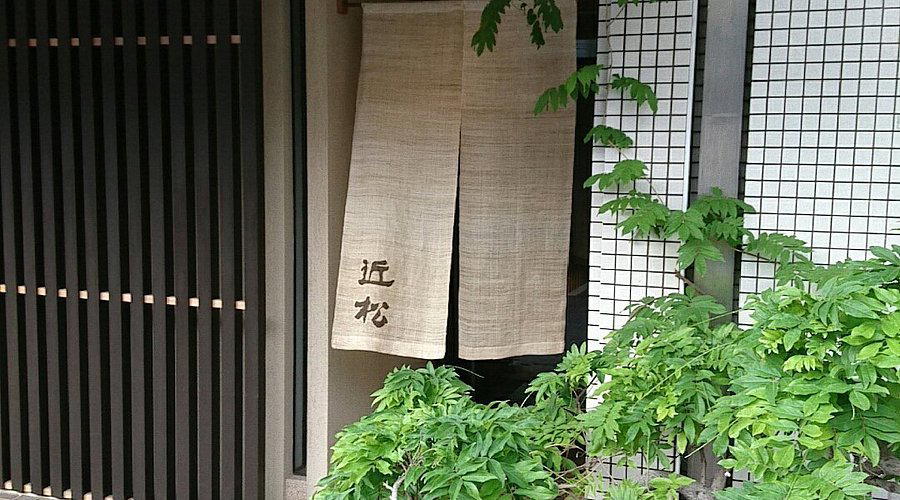
| Chikamatsu | Sushi |
| Gahoujin 我逢人 | Sushi |
| Genkiippai | Ramen |
| Matsuyama | Western |
| Mihara Tofuten | Tofu |
At a Glance
- Elegant
- Intimate
- Sophisticated
- Special Occasion
- Date Night
- Solo
- Chefs Counter
- Open Kitchen
- Sake Program
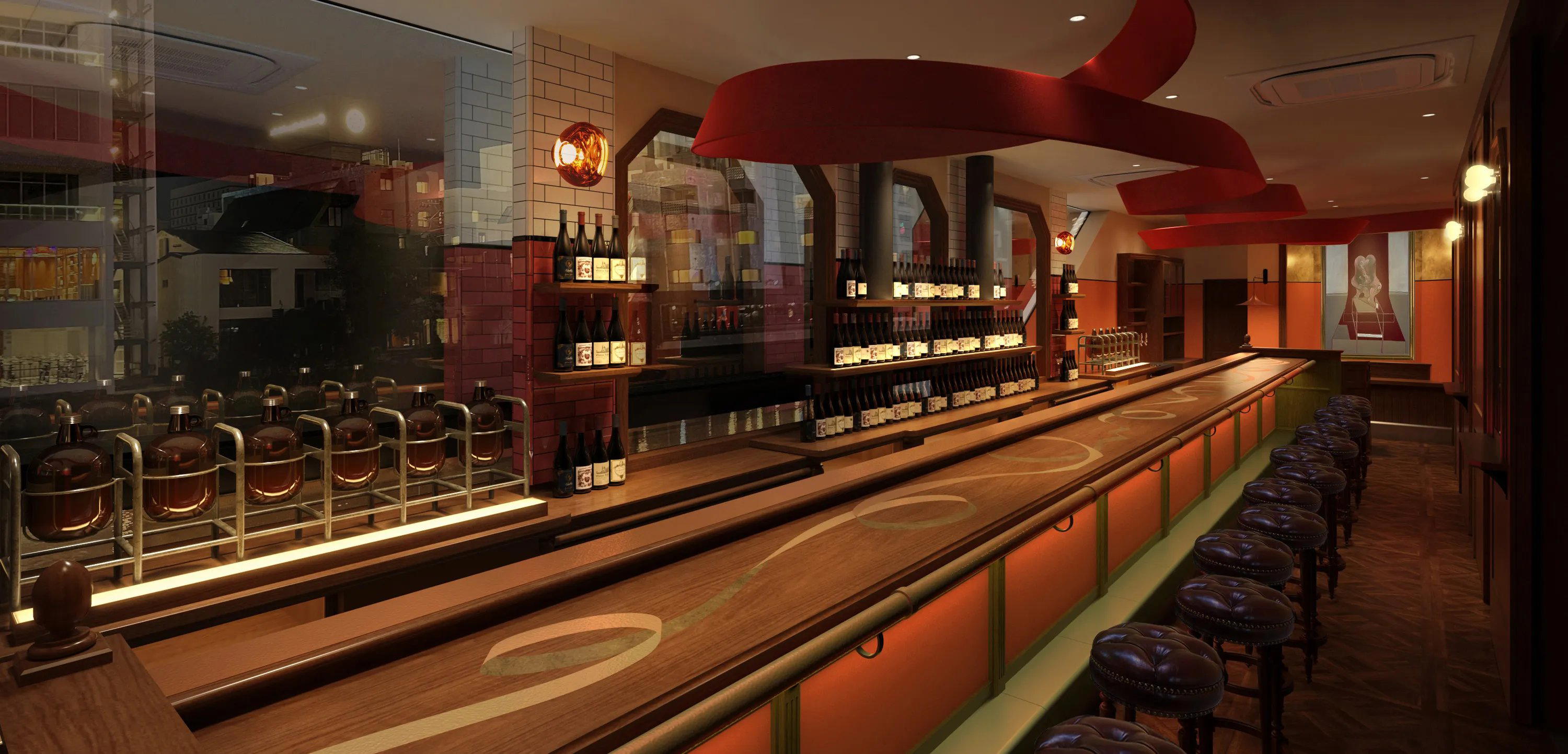
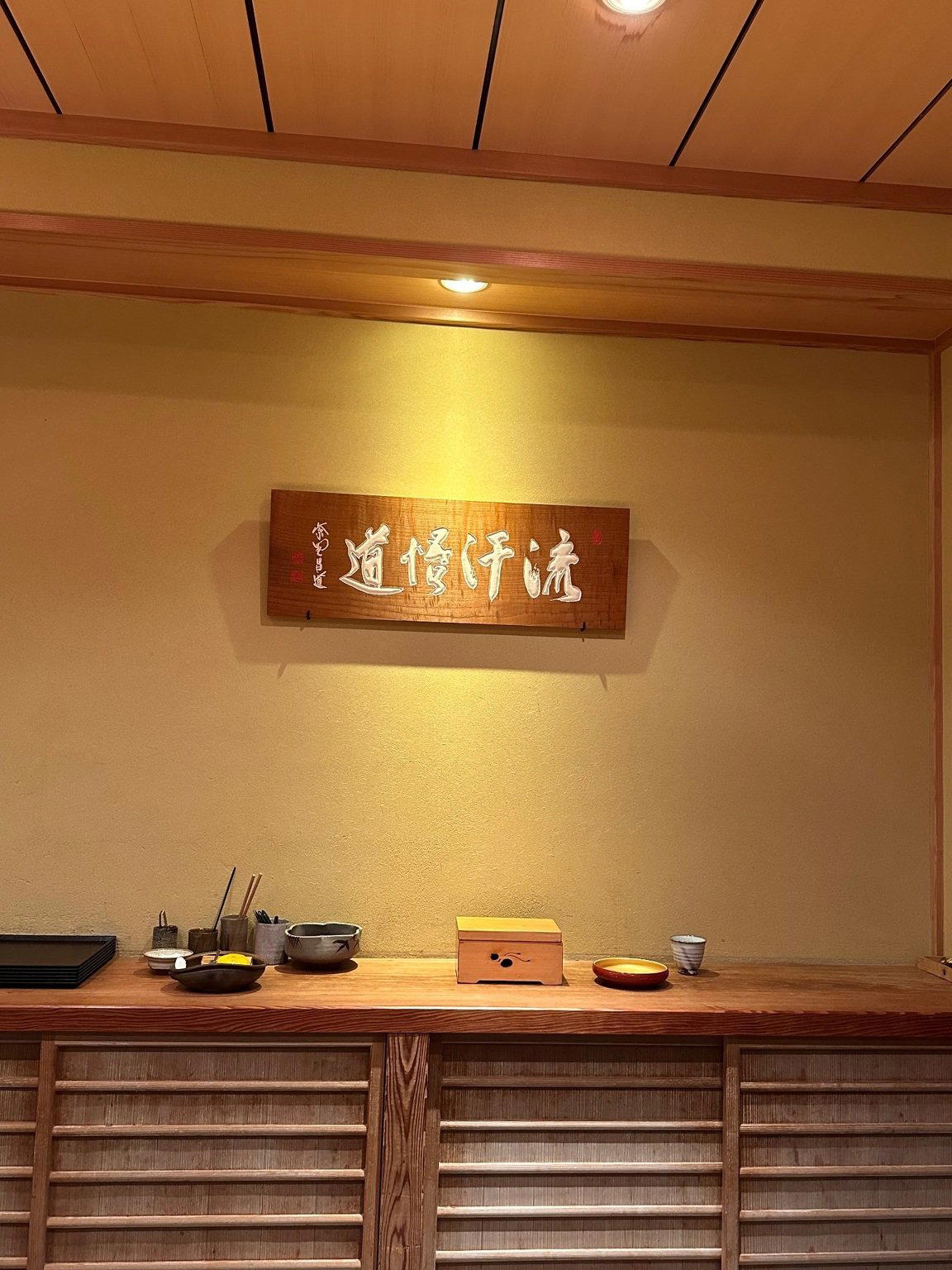
Intimate counter-only seating with open kitchen view, offering a refined, craftsman-focused atmosphere.