
Tabelog 100 #37
Our verdict
ラピ serves Modern Italian in Iyo with panoramic view seating, leisurely pacing, and an upscale casual setup for lunch or dinner; Tabelog 100 #37: 3.9pts adds context.

Pearl is the En Primeur Club membership app, where members save venues, book tables and use the concierge.
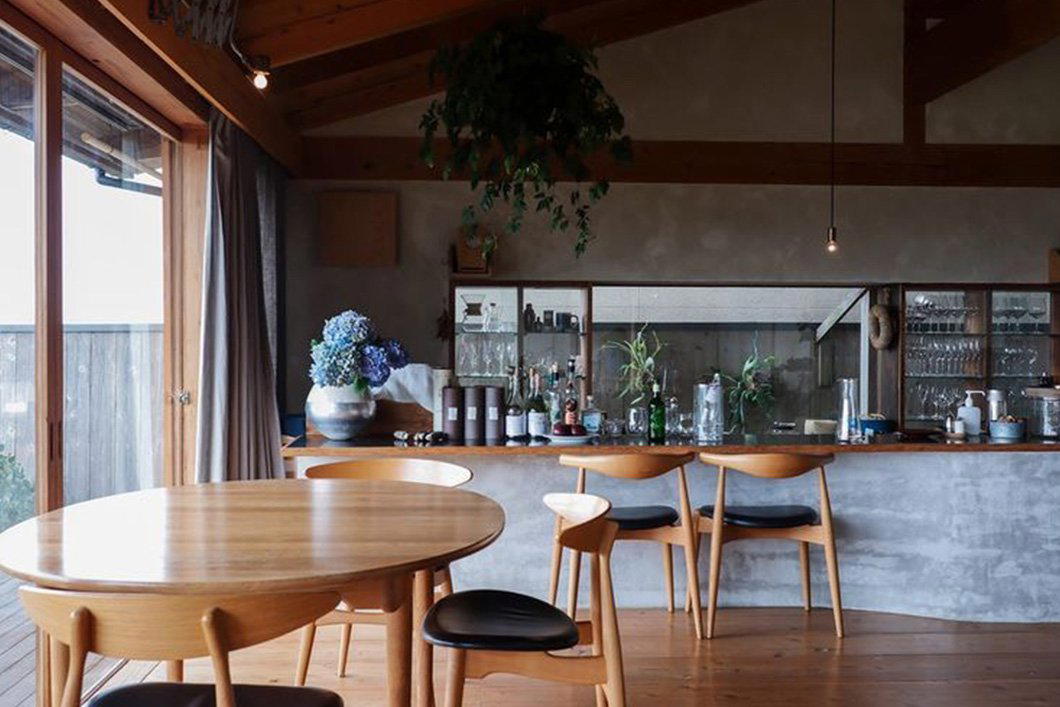
Iyo and the Question of Provenance
Ehime Prefecture sits on the northern coast of Shikoku, an island that remains, by the standards of Japan's culinary press, genuinely off the radar. The agricultural belt running inland from Iyo city produces citrus, vegetables, and seafood that appear on tables in Osaka and Tokyo with enough frequency to carry regional prestige, yet the local dining scene that uses those same ingredients rarely receives the same attention. That gap, between the quality of what Ehime grows and catches and the visibility of the restaurants that cook it, is the more interesting story for anyone willing to make the trip.
ラピ operates out of Kamimitani, a district of Iyo that sits well outside the city's commercial core. The address, 甲2209-13, places it in the kind of semi-rural residential zone that characterises much of Shikoku's mid-sized cities: low buildings, agricultural land nearby, a quietness that has nothing to do with obscurity and everything to do with geography. Approaching on a clear day, the physical setting reads as deliberate rather than accidental. Restaurants that locate here are not competing for foot traffic. They are assuming you came specifically.
Ingredient Logic in Shikoku's Kitchen
Across Japan, the conversation about ingredient sourcing has matured considerably over the past decade. The farm-to-table framing that once felt imported and approximate has been replaced, in the most considered regional kitchens, by something closer to supply-chain specificity: a chef who can name the fishing port, the farm plot, the seasonal window. Ehime's geography makes that specificity more achievable than in many prefectures. The Seto Inland Sea to the north delivers sea bream, octopus, and a range of shellfish with documented provenance. The Shikoku highlands push cold air down into agricultural zones that support late-harvest vegetables with concentrated flavour. Citrus, particularly the varieties for which Ehime holds national recognition, bridges both culinary and geographic identity.
For a small restaurant in Iyo to anchor its menu in this regional supply chain is not a novel idea, but it remains a meaningful one. The kitchens at Gion Sasaki in Kyoto and akordu in Nara demonstrate how deep regional sourcing can anchor menus that hold Michelin recognition, while restaurants like Goh in Fukuoka show the same logic applied in cities that were, not long ago, considered secondary to Tokyo and Osaka. The pattern holds: sourcing clarity produces culinary identity, and culinary identity is what earns sustained attention.
What the Absence of Data Signals
ラピ's public footprint is limited. This is not unusual for a certain tier of Japanese restaurant, particularly outside the major cities. Some of the country's most demanding kitchens operate without English-language presence and without the infrastructure of international booking platforms. Their reservation systems run through word of mouth, local introduction, or simply calling ahead in Japanese during operating hours.
That absence of documentation is worth reading carefully. It does not signal a casual operation. In the Japanese regional dining context, it more often signals a kitchen that has not sought external validation and does not need to. Those kitchens exist inside a system of international visibility. ラピ, for now, does not. Whether that changes depends partly on whether the broader attention paid to Shikoku's dining scene deepens.
For reference points outside Japan, the dynamic is not unlike early-stage restaurants in cities that later broke into broader critical consciousness. Atomix in New York City and Le Bernardin in New York City both carry the kind of documentation and award history that ラピ currently lacks, but the underlying question of ingredient integrity and kitchen focus is shared.
Getting to Iyo
Iyo is accessible by the Yosan Line from Matsuyama, Ehime's prefectural capital, which is itself reachable by ferry from Hiroshima or by flight into Matsuyama Airport. The Kamimitani district requires additional local transport from central Iyo, making a car or taxi the practical choice for the final leg. Visitors building an itinerary around Shikoku's dining and landscape might combine this with the cultural draw of Cafe Naoshima Konichiwa in Naoshima or a longer circuit taking in Denko Sekka in Hiroshima before crossing to Shikoku. For anyone already committed to regional Japanese dining, the journey to Iyo sits within a larger itinerary logic that covers the Seto Inland Sea corridor. Additional reference points across Japan's regional scene include 一本杉 川島酒造 in Nanao, 奥芝商店 in Sapporo, 湖飯屋彦 in Takashima, and 庄羽屋 in Nishikawa Machi. Our full Iyo restaurants guide covers the broader dining context for the city and its surrounding districts.
Because contact details are not publicly listed, the practical approach is to arrive with local assistance or to make contact through a hotel concierge in Matsuyama who has established regional relationships. Visiting without prior confirmation carries real risk in a restaurant of this type. For comparison on how regional Japanese kitchens of similar profile handle access, Bistro Ange in Toyohashi, Birdland in Sakai, Blue Ocean Steak in Nakagami District, and bodai in 那智勝浦町 offer useful parallels in how regional operators structure access outside the major booking platforms.
Frequently asked questions
Is ラピ child-friendly?
No children's menu or family seating policy is documented for ラピ. Given its location in Kamimitani, Iyo, a residential rather than tourist-facing address, it is worth contacting the venue directly before visiting with young children, though no public phone number is currently listed.
What's the overall feel of ラピ?
ラピ operates in Iyo, a quiet city on Shikoku's northern coast that draws little of the culinary press attention directed at larger Japanese prefectures. The absence of a website or listed contact details points toward a neighbourhood-facing operation rather than a destination dining room. Expect a local, untheatrical register.
Is ラピ in Iyo worth the journey from Matsuyama?
Iyo is roughly 20 minutes from Matsuyama by the Yosan Line, making ラピ accessible as a half-day side trip rather than a major detour. The venue carries no listed awards or documented chef credentials, so the journey is best suited to travellers already exploring Ehime's quieter stretches rather than those making a dedicated dining pilgrimage.
What's the must-try dish at ラピ?
Ehime Prefecture is associated with citrus produce, freshwater fish from the Shikoku interior, and seafood from the Seto Inland Sea, ingredients that inform many kitchens in the Iyo area, though specific dishes at ラピ can change. Check the venue's official channels for the latest details.
Where do I go for ラピ?
ラピ is located at 甲2209-13 Kamimitani, Iyo, Ehime 799-3104, Japan, Iyo.
Can I walk in to ラピ?
The venue's address, Kamimitani, Iyo, Ehime, is not in a high-footfall retail district, which makes an unplanned visit a reasonable risk. Arriving at off-peak hours on a weekday is the most practical approach without a reservation.
What's the signature at ラピ?
The venue holds no documented awards and lists no chef publicly. What can be said is that kitchens in the Iyo area operate within Shikoku's broader culture of ingredient-led, season-driven cooking, shaped by proximity to both mountain and coastal produce.
How It Stacks Up
Comparable venues nearby, for context on price, style, and recognition.
| Venue | Cuisine | Price | Awards | Notes |
|---|---|---|---|---|
| ラピThis venue (the venue you are viewing) | Modern Italian | $100–150 | Tabelog 100 #37 | Not listed |
| ALTEZZA | Hokkaido Italian with Tableside BBQ | Not listed | Not listed | Tomamu, Shimukappu-mura, Yufutsu-gun |
| DIRETTO | Wood-Fired Italian | $100–150 | Tabelog 100 #77 | Naka |
| トラットリア リーベロ | Contemporary Italian with Kochi Local Ingredients | $50–100 | Not listed | Otesuji (追手筋) |
| Ristorante Da Nino | Authentic Sicilian | $100–150 | Gambero Rosso 2 Forchette | Minami-Aoyama / Nogizaka |
| Mr. Maurice’s Italian | Modern Italian Pasta and Pizza | $30–50 | Not listed | 中京区 |
Recognition history
Dated appearances from independent guides and award organizations, with the underlying list record or original source where available.
Tabelog 100 #37 · No. 37
Tabelog · Tabelog 100 - Italian - WEST - 2025
Continue exploring
More in Iyo

Details
- Elegant
- Scenic
- Romantic
- Sophisticated
- Date Night
- Special Occasion
- Business Dinner
- Panoramic View
- Standalone
- Local Sourcing
- Farm To Table
- A La Carte
- Set Menu
- Vegetarian Friendly
Current opening hours
- Monday
- Closed
- Tuesday
- 12–2:30 PM, 6–10 PM
- Wednesday
- 12–2:30 PM, 6–10 PM
- Thursday
- 12–2:30 PM, 6–10 PM
- Friday
- 12–2:30 PM, 6–10 PM
- Saturday
- 12–2:30 PM, 6–10 PM
- Sunday
- Closed
Hours can change for holidays and private events. Hours as of .
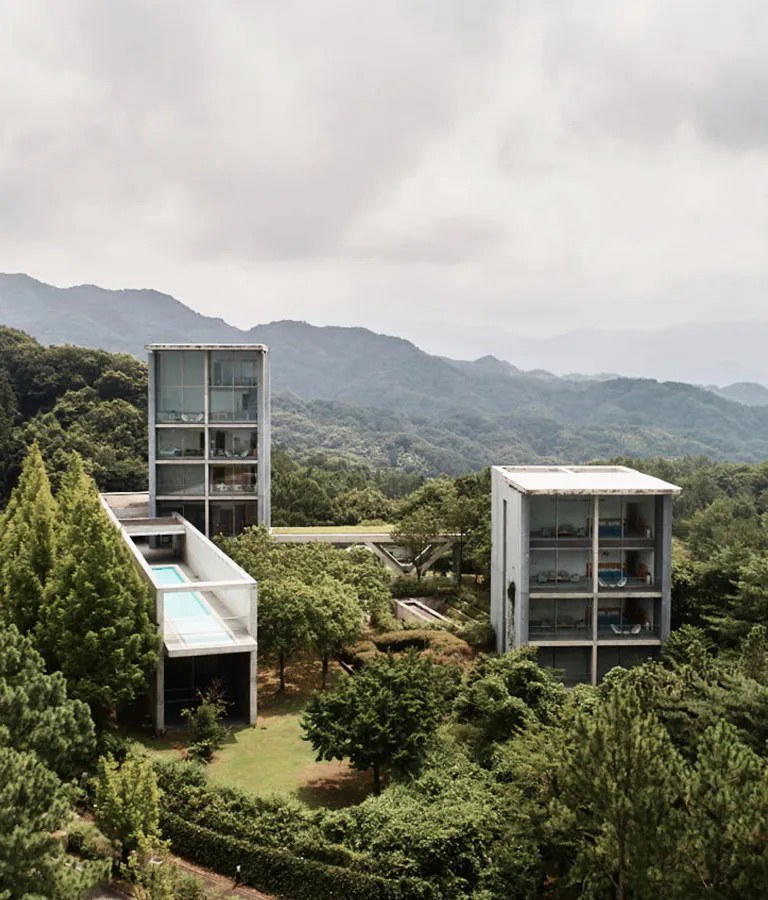
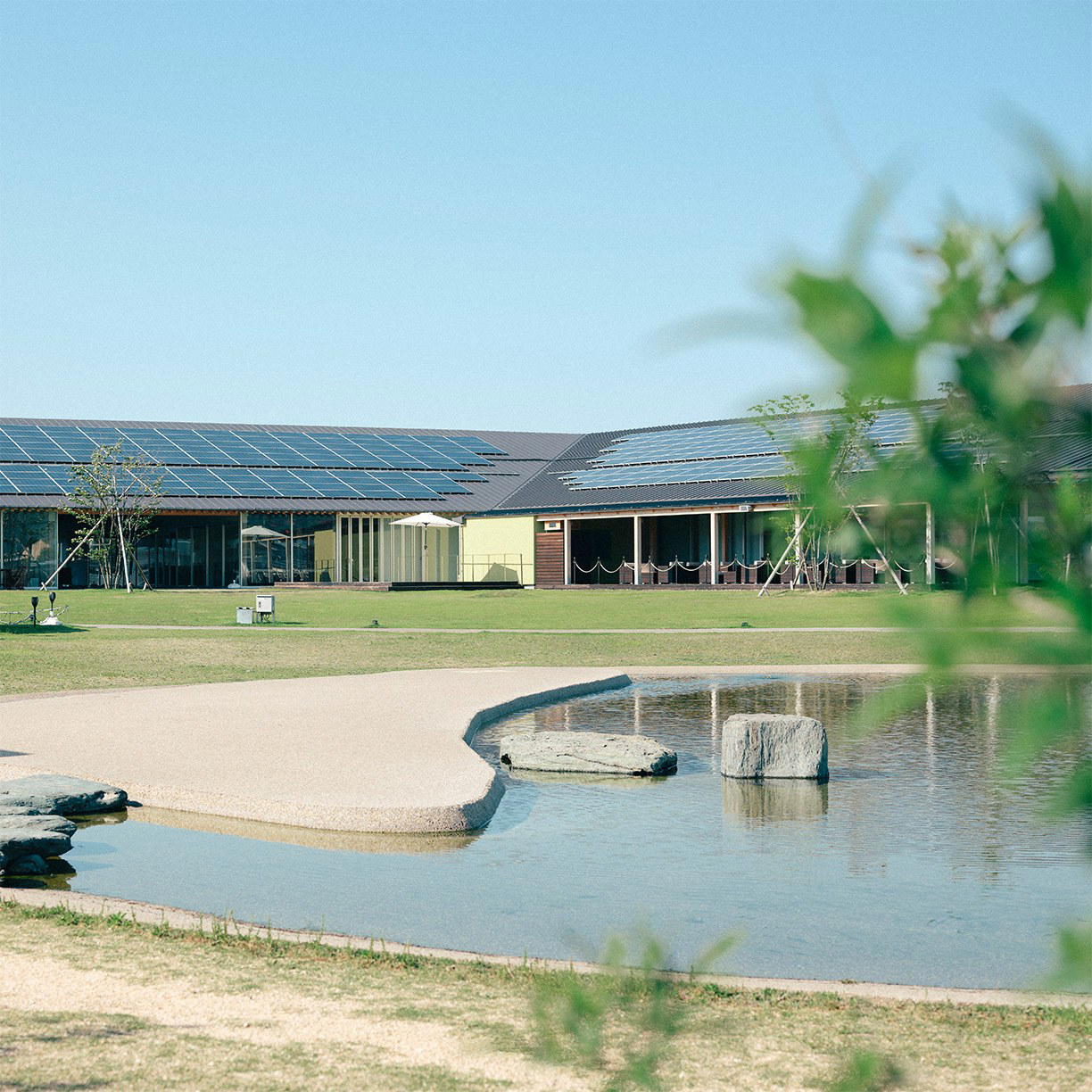
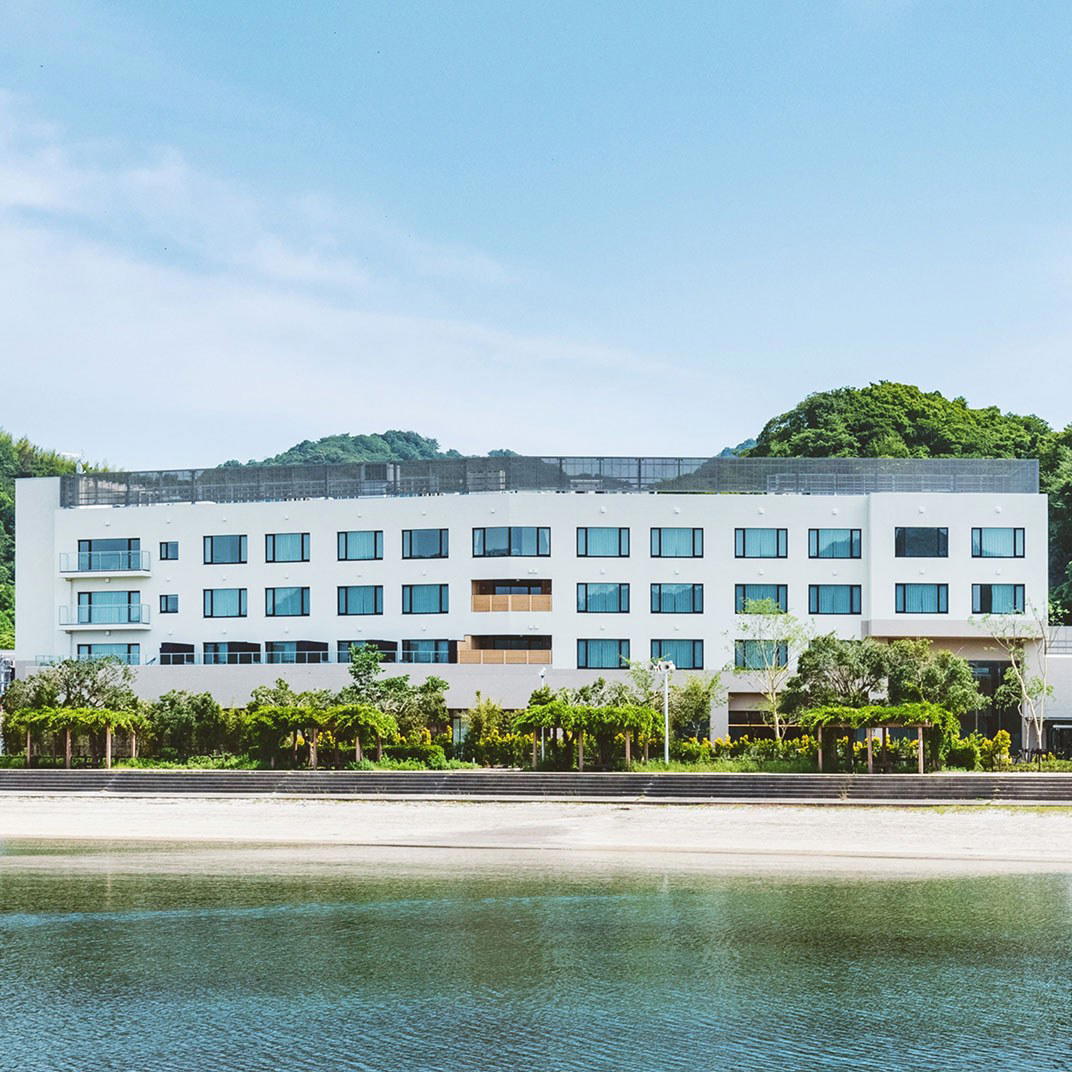
Stylish and relaxing space with spacious seating and views of the Iyo Strait from a hilltop location.