Our verdict
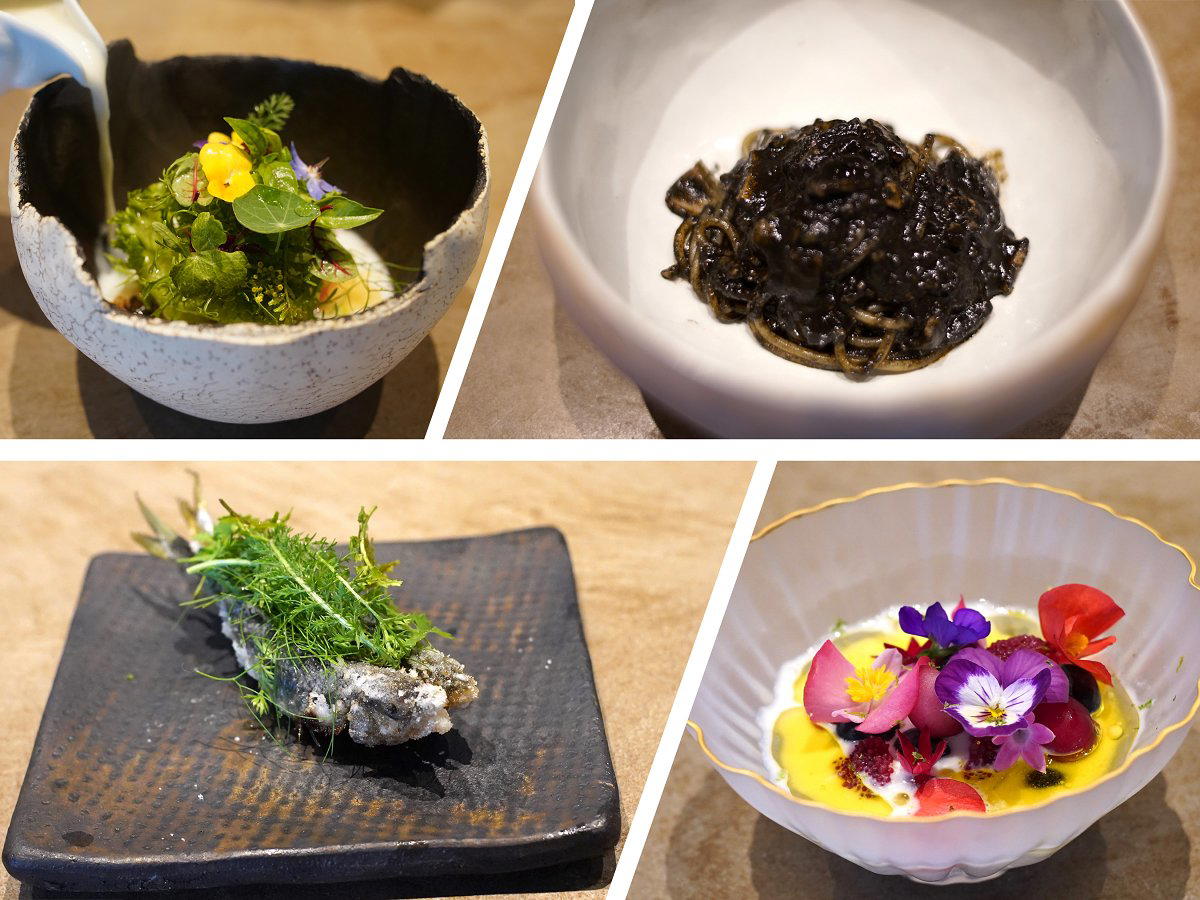
トラットリア リーベロ serves contemporary Italian with Kochi local ingredients from an open kitchen in Otesuji, with an extensive wine list and street scene views for lunch or dinner.

Pearl is the En Primeur Club membership app — saves, bookings, and concierge access live there. Same editors, same standards.
- Address
- Japan, 〒780-0842 Kochi, Otesuji, 1 Chome−2−7 スクエアワンビル2F
- Phone
- +81888555873
- Hours
- Mon–Sat 11:30 AM–2:30 PM, 6–10 PMSun Closed
- Website
- hitosara.com
- Directions
- Get directions
The menu
What to order
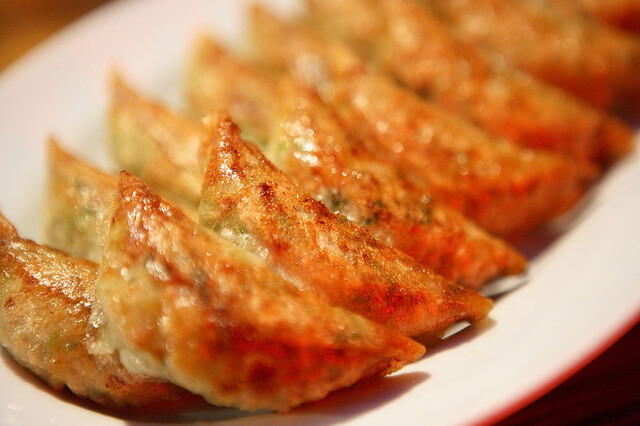
- Hamburger with Avocado Cheese and Tomato Sauce
- Wagyu Hamburger
- Shime Chicken Roast
- Tosa Akushi Ragu Tomato Sauce Pasta
- Fresh Fish and Vegetable Herb Roast
Italian in Shikoku: The Context Around a Second-Floor Trattoria
Kochi sits at the southern edge of Shikoku, a prefecture more associated with bonito tataki, sudachi citrus, and the kind of ingredient-forward Japanese cooking that comes from proximity to both ocean and mountain. Against that backdrop, Italian restaurants occupy a particular position: they either chase familiar red-sauce templates or, increasingly, find ways to work with local Kochi produce inside a recognisably Italian structure. The city's dining scene has expanded enough to support both modes, and the Otesuji area, one of the main commercial corridors running through central Kochi, has become a reasonable concentration point for evening dining across several cuisines.
Trattoria Libero occupies the second floor of Square One Building on Otesuji 1-chome, a location that places it physically above street level in the way many Japanese urban restaurants operate, where the climb of a staircase functions as a small threshold between the city and the room. That verticality matters in how Italian trattorias read in Japanese cities: the format signals a certain deliberateness, a choice to go somewhere rather than pass through it.
The Trattoria Format in a Japanese City
Across Japan, the Italian trattoria has become one of the more successfully transplanted European formats. Unlike French fine dining, which retained much of its original formality as it moved east, Italian cooking absorbed local ingredient sensibilities with less friction. Seasonal Japanese produce, the emphasis on freshness, the respect for single sourced ingredients: these align well with how a trattoria kitchen is supposed to work. Cities without Michelin coverage, like Kochi, often develop their own calibration for this format, where a place earns local trust through consistency and sourcing relationships rather than through award recognition.
In Kochi specifically, the dining conversation tends to move between izakayas built around local seafood, a few Western-style restaurants, and the casual-to-mid category that Italian fits into most naturally. For comparison, venues like Canvas Restaurant and Pizzeria and MIKI ドゥーブル operate in a similar register, while Hirome Market and Kochi Izariya anchor the more purely Japanese end of the evening eating circuit. Brasserie 一汁 sits closer to the French-inflected end of the Western dining spectrum. Within this spread, a trattoria format finds a workable niche: more structured than an izakaya, less ceremonial than a French restaurant.
Reading the Meal as a Sequence
The trattoria format earns its meaning through progression. Unlike a la carte dining where courses arrive in whatever combination the table chooses, a well-run trattoria tends to structure the meal from lighter to heavier, from raw or cured to braised or roasted, following a logic that the diner feels without necessarily naming. Antipasto sets expectations: it tells you whether the kitchen is working with seasonal local material or with imported pantry staples. Primo piatto, typically a pasta or risotto, is where technique becomes most visible. Secondo is where sourcing decisions about protein show up clearly. Dolce, if the kitchen takes it seriously, closes the arc rather than simply adding sweetness.
In a city like Kochi, with access to Pacific seafood and produce from the surrounding agricultural land, the antipasto and primo stages carry particular potential. Kochi's yellowtail, bonito, and other local fish translate into Italian antipasto approaches with relatively little friction. Whether Trattoria Libero draws on this geography directly is a dimension worth exploring when you visit, as the sourcing relationship between a restaurant and its local suppliers is one of the more reliable signals of how seriously a kitchen takes its position in the place where it operates.
For context on what a rigorously sequenced Italian or European meal looks like at the higher end of Japan's dining spectrum, akordu in Nara offers one reference point, as does the broader kaiseki-influenced European cooking at Gion Sasaki in Kyoto. At the most structurally ambitious level, HAJIME in Osaka shows how deeply the progression format can be taken. Trattoria Libero operates well below that register of formality and price, but understanding the tradition it sits within helps calibrate what to look for in the meal.
Kochi as a Dining City
Kochi does not appear in Michelin's Japan guides, which means the evaluation framework shifts to local reputation, repeat custom, and the kind of consistency that keeps a restaurant in conversation over years rather than seasons. This is not a disadvantage for the diner. Some of the more honest and ingredient-driven meals in Japan happen outside award coverage, in cities where restaurants answer to a local clientele rather than to visiting critics or tourists optimising for a single high-stakes meal.
The city's restaurant culture is shaped by its relative geographic isolation. Shikoku as a whole requires intention to reach, which affects the kind of traveller who ends up eating here and the kind of restaurateur who chooses to open here. A restaurant on Otesuji is aiming at Kochi residents and the smaller number of visitors who have made a deliberate decision to spend time in the city, not at a passing flow of tourists. That changes the hospitality register: familiarity and regularity carry more weight than impression management.
For a fuller picture of where Trattoria Libero sits within Kochi's eating options, the EP Club Kochi restaurants guide maps the broader scene across cuisines and formats. Elsewhere in Japan, readers building a regional itinerary might also consider Goh in Fukuoka, Harutaka in Tokyo, 一本杉 川島 in Nanao, 古仁屋山乃 in Sapporo, 湖畔荘 in Takashima, 庄羽屋 in Nishikawa Machi, or Birdland in Sakai. For international comparison points on how Italian-European progression menus are executed at the top of the format, Le Bernardin in New York City and Atomix in New York City illustrate how course sequencing functions as a structural argument in fine dining.
Planning a Visit
Trattoria Libero is located at Square One Building 2F, Otesuji 1-chome 2-7, Kochi. The second-floor position on a central commercial street makes it findable on foot from most of the city's main hotel and accommodation cluster. As with most independently operated trattorias in Japanese cities outside the major metropolitan areas, walk-in availability tends to depend heavily on the day of the week and the season.
Frequently asked questions
Where exactly is トラットリア リーベロ?
トラットリア リーベロ is located at Japan, 〒780-0842 Kochi, Otesuji, 1 Chome−2−7 スクエアワンビル2F, Kochi.
What's the must-try dish at Trattoria Libero?
EP Club does not hold verified dish-level data for Trattoria Libero at this time. At a trattoria operating in Kochi — a city defined by ingredient-forward produce like bonito and sudachi — the most practical approach is to follow the server's recommendation on arrival, which typically reflects what is freshest that day. The multi-course format itself is the frame worth committing to rather than arriving with a fixed order in mind.
How far ahead should I plan for トラットリア リーベロ?
Reservations are recommended for トラットリア リーベロ in Kochi. Confirm current policy via the venue's official channels.
How far ahead should I plan for Trattoria Libero?
Kochi is not a high-volume international tourist destination, so walk-in availability may be more realistic here than in Tokyo or Osaka. That said, a second-floor trattoria on Otesuji — a central commercial street — with a following built on repeat local custom warrants a call ahead, particularly on weekends.
Awards and Standing
Comparable venues nearby, for context on price, style, and recognition.
| Venue | Cuisine | Price | Awards | Notes |
|---|---|---|---|---|
| トラットリア リーベロThis venue — the venue you are viewing | Contemporary Italian with Kochi Local Ingredients | $50–100 | Not listed | Not listed |
| ピーニャ・アルテッツァ | Italian Trattoria | $50–100 | Not listed | Minamino Kawazoe |
| Kochi Izariya | Tosa Japanese Izakaya & Kaiseki | $500+ | Not listed | Nijudaimachi |
| Kuroson | Seafood-focused Kochi izakaya | $50–100 | Tabelog 100 #46 | Hommachi |
| Brasserie 一柳 | Seasonal Kaiseki | $100–150 | Not listed | Katsurahama |
| アンナータ | Modern Italian with Local Kochi Ingredients | $100–150 | Tabelog 100 #52 | Minami Harimaya-cho |
Details
- Elegant
- Romantic
- Sophisticated
- Intimate
- Date Night
- Special Occasion
- Business Dinner
- Open Kitchen
- Extensive Wine List
- Sommelier Led
- Local Sourcing
- Farm To Table
- Street Scene
- Prix Fixe
- Counter Dining
- Wine
- Italian Wine
- Vegetarian Friendly
- Pescatarian Friendly
Current opening hours
- Monday
- 11:30 AM–2:30 PM, 6–10 PM
- Tuesday
- 11:30 AM–2:30 PM, 6–10 PM
- Wednesday
- 11:30 AM–2:30 PM, 6–10 PM
- Thursday
- 11:30 AM–2:30 PM, 6–10 PM
- Friday
- 11:30 AM–2:30 PM, 6–10 PM
- Saturday
- 11:30 AM–2:30 PM, 6–10 PM
- Sunday
- Closed
Hours can change for holidays and private events. Last verified .
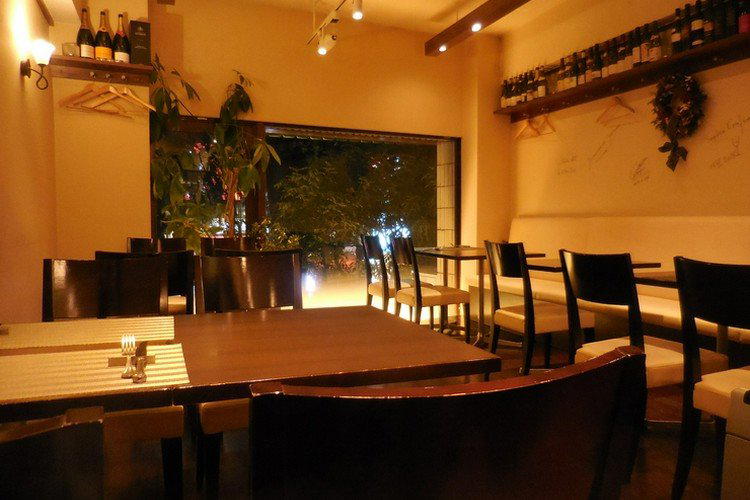
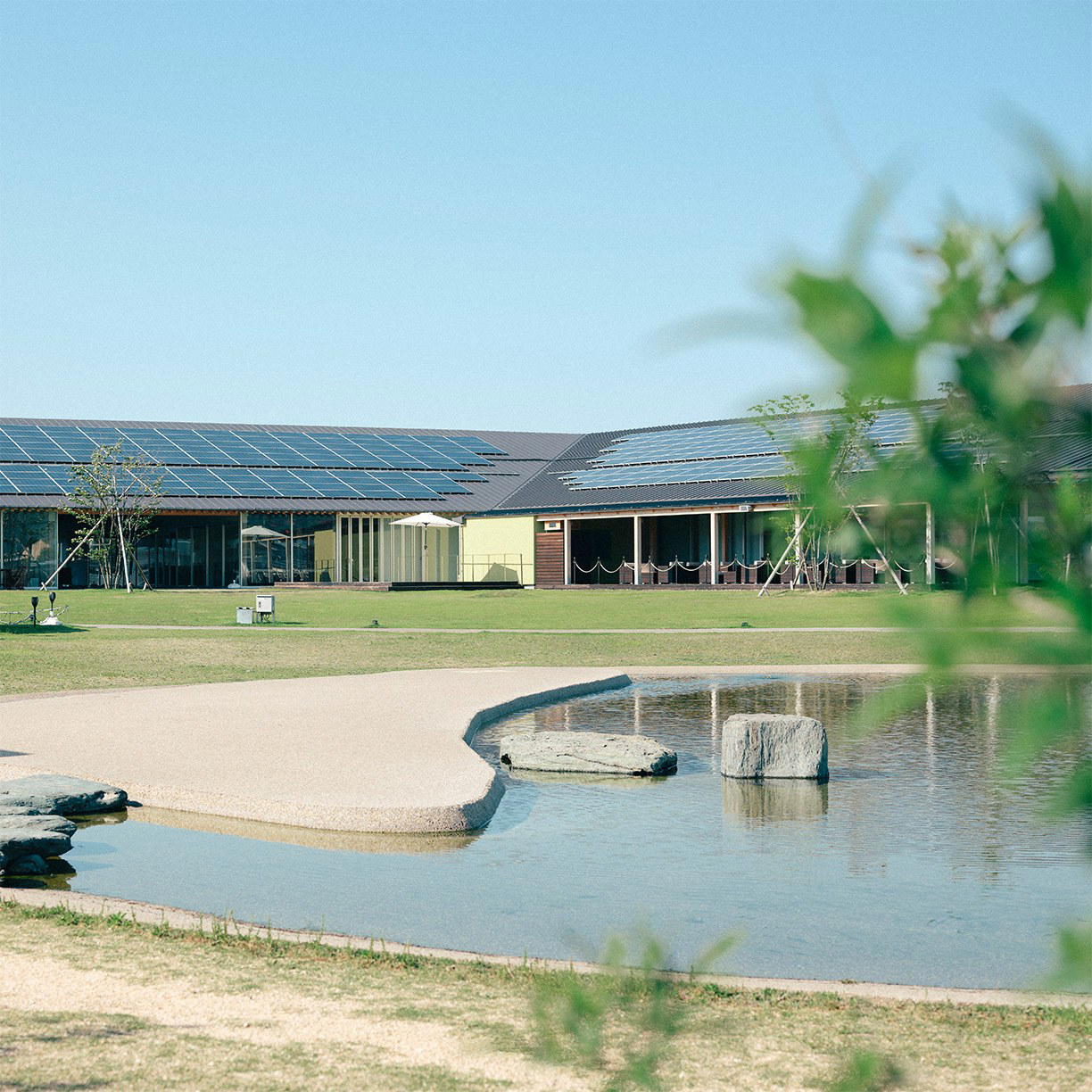
Sophisticated and refined with large windows overlooking the tree-lined Otesuji street, creating an open yet intimate European atmosphere.