
Kotori is a Matsuyama udon shop selected for Tabelog 100 Udon WEST 2024, placing a modest local noodle counter inside a wider western Japan conversation about everyday wheat noodles. The appeal is cultural as much as culinary: short daytime service, no reservations, take-out, tatami seating, and a cash-only rhythm that keeps the meal close to neighborhood habit rather than destination-dining theatre.
Pearl is the En Primeur Club membership app — saves, bookings, and concierge access live there. Same editors, same standards.
- Address
- 3 Chome-7-2 Minatomachi, 湊町 Matsuyama, Ehime 790-0012, Japan
- Phone
- +81 89-921-3003
- Website
- tabelog.com
 Saves & bookings on Pearl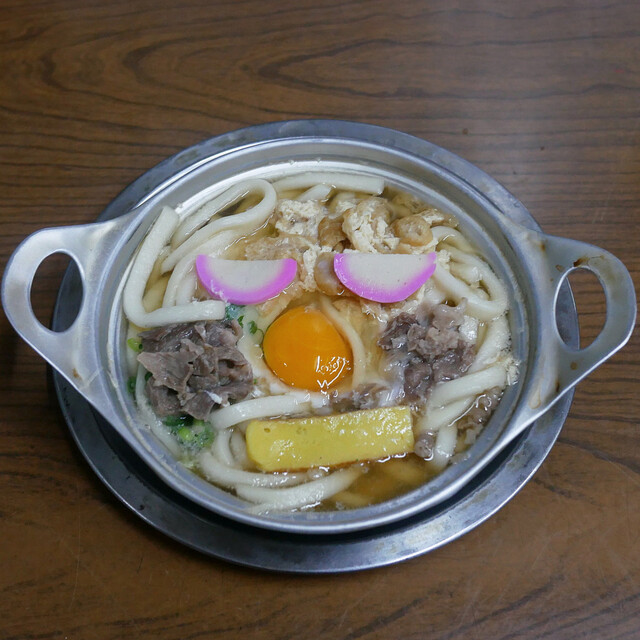
Minatomachi is not Matsuyama’s ceremonial face. It is the working centre: shopping streets, tram stops, small lunch counters, and the practical pace of people eating before the afternoon resumes. Kotori belongs to that register. Its 40 seats are split between tables and tatami, a format that says more about local udon culture than tasting-menu language could. In Ehime, noodles are not luxury performance; they are part of the city’s daily grammar.
That is why the recognition matters. Selection for Tabelog 100 Udon WEST 2024 places Kotori in a regional category spanning western Japan, where udon traditions vary sharply by broth, noodle texture, portion size, and local habits. Matsuyama’s contribution is quieter than better-known noodle centres, but the city has a strong appetite for compact, daytime, family-friendly shops where turnover and familiarity matter as much as formal technique.
Udon as Matsuyama daily culture, not a special-occasion format
Japanese udon can look simple from outside: wheat noodle, broth, garnish, speed. The deeper reading is regional. Sanuki udon in nearby Kagawa is often framed through firmness and self-service efficiency; Kansai styles tend to privilege softer textures and gentler broth; western Japan’s udon map is full of small local deviations. Matsuyama sits within that orbit, but its most convincing noodle rooms feel less doctrinaire. They serve a civic function: lunch, family tables, friends, take-out, a meal that fits into the day rather than interrupts it.
Kotori’s format supports that reading. Reservations and private rooms are unavailable, and the room includes tatami seating rather than a chef-facing counter. The operating model rejects premium-restaurant signals common on Japan travel itineraries. Here, credibility comes from specialization, repetition, and public recognition within a narrow field. A Tabelog score of 3.64 is not a luxury badge; in this category, it signals that a low-cost, high-frequency noodle shop has earned sustained attention beyond neighborhood habit.
The Matsuyama comparison is useful. Nabeyaki Udon Asahi sits in the same modest udon price tier, so the choice is less about occasion than which expression of local noodle culture a traveler wants to understand. Sumishin occupies a far higher spend bracket, showing how sharply Matsuyama dining splits between everyday specialism and formal dining. La Sera and Namae no Nai Italia Ryori Ten point to the city’s non-Japanese layer, while No Name reflects the smaller independent end. Kotori’s place is clear: it belongs to the city’s edible routine, not its dressed-up evening economy.
What the room tells you about the meal
The seating mix matters. Tatami rooms in casual noodle shops are not nostalgia props; they change the pace, making the space usable for children, older diners, and small groups treating udon as a shared local habit. The no-smoking policy and children-welcome listing broaden that function. This is not a hushed room engineered for culinary reverence. It is a civic lunch room with enough recognition to draw serious noodle hunters.
Payment policy also says something about the category. Credit cards, electronic money, and QR code payments are not accepted, keeping the transaction in the older register of small Japanese eateries. For travelers, that is not incidental. It separates this shop from the frictionless hospitality systems around major stations and hotel districts. The experience is more local because diners conform to the shop’s rhythm, not the reverse.
Menu specifics should be read with restraint. Publicly listed notes from October 2025 mention udon and inari, placing the order squarely in traditional low-cost noodle-shop vocabulary. Inari with udon is familiar across Japan: sweet-savoury seasoned tofu pockets and noodles make a fast, filling meal without courses. The point is not novelty, but how little the format needs to explain itself to local diners.
For a broader Matsuyama itinerary, Kotori pairs naturally with other low-friction food stops rather than long-form fine dining. Hinode gives another view of the city’s everyday table, while Chuka Soba Fukamidori shifts the noodle conversation toward ramen. For a more formal Japanese meal, Dogo Kaishu (Japanese Cuisine) and Ino sit in a different register. Bettei Oborozukiyo belongs to the hospitality side of the same city conversation, where ryokan-adjacent dining changes the tempo.
How to place Kotori in a Matsuyama food day
Use Kotori as a cultural anchor, not a trophy booking. Matsuyama travel is often organized around Dogo Onsen, castle views, and the city’s literary associations, but its food rhythm is more revealing at midday. A short udon service compresses several local truths into one meal: cash, no reservation layer, family usability, and a dish category central to western Japan’s everyday eating.
That makes it a stronger editorial choice for travelers who want to understand how the city eats outside hotel dining rooms. The absence of private rooms, the take-out option, and the practical seating plan all point to repeat local use. Recognition from Tabelog 100 Udon WEST 2024 adds external validation without changing the format. The meal remains small-scale, quick, and rooted in a wheat-noodle tradition that predates the current international appetite for Japanese reservations.
Readers building a wider route can use Our full Matsuyama restaurants guide to balance udon with Japanese cuisine, ramen, and higher-spend rooms. For planning beyond meals, Our full Matsuyama hotels guide, Our full Matsuyama bars guide, Our full Matsuyama wineries guide, and Our full Matsuyama experiences guide map the rest of the city. Related Japan and Japanese-food references farther afield include -Grilled beef Sukiyaki- KAMAKURA TANUKIAN 鎌倉 たぬき庵 in Kamakura. 鮪と炭火焼き うお炭 秋葉原店 in Tokyo.cafe in Osaka.know in Kumamoto, (Shoku) Vietnam in Kawasaki, [Curry Senmon Ten] Maruyama Kyoju. in Sapporo, Jōdo Saké Bar in Los Angeles, and Onigiri Time in Pasadena.
The verdict is simple: Kotori is not the place to project grand dining fantasies onto Matsuyama. It is better evidence: a compact udon shop with regional recognition, local utility, and enough old-school operating texture to feel tied to the city rather than packaged for visitors.
Budget and Context
Nearby venues at a similar price tier for orientation.
| Venue | Cuisine | Price | Notes |
|---|---|---|---|
| KotoriThis venue — the venue you are viewing | Minatomachi, Japanese Udon | $ | Not listed |
| Nabeyaki Udon Asahi | Not listed | $ | Okaido / Gintengai area, Traditional Matsuyama nabeyaki udon shop |
| Dogo Kaishu | Dogo Onsen, Setouchi Kaiseki | $$$ | Not listed |
| No Name | Not listed | $$ | Matsuyama, Traditional Matsuyama Regional Cuisine |
| ベトナムフード | Katsuyama, Traditional Vietnamese | $ | Not listed |
| Yoshokuya Shii | Not listed | $$ | Sambancho, Japanese-style Western Cuisine (Yoshoku) |
Recognition history
Dated appearances from independent guides and award organizations, with the underlying list record or original source where available.
Tabelog 100 #42 · No. 42
Tabelog · Tabelog 100 - Udon - WEST - 2024
Continue exploring
More in Matsuyama
Restaurants in Matsuyama
Browse all →


At a Glance
- Classic
- Cozy
- Solo
- Family
- Casual Hangout
- Standalone
Current opening hours
- Monday
- 10 AM–2 PM
- Tuesday
- 10 AM–2 PM
- Wednesday
- Closed
- Thursday
- Closed
- Friday
- 10 AM–2 PM
- Saturday
- 10 AM–2 PM
- Sunday
- 10 AM–2 PM
Hours can change for holidays and private events. Last verified .
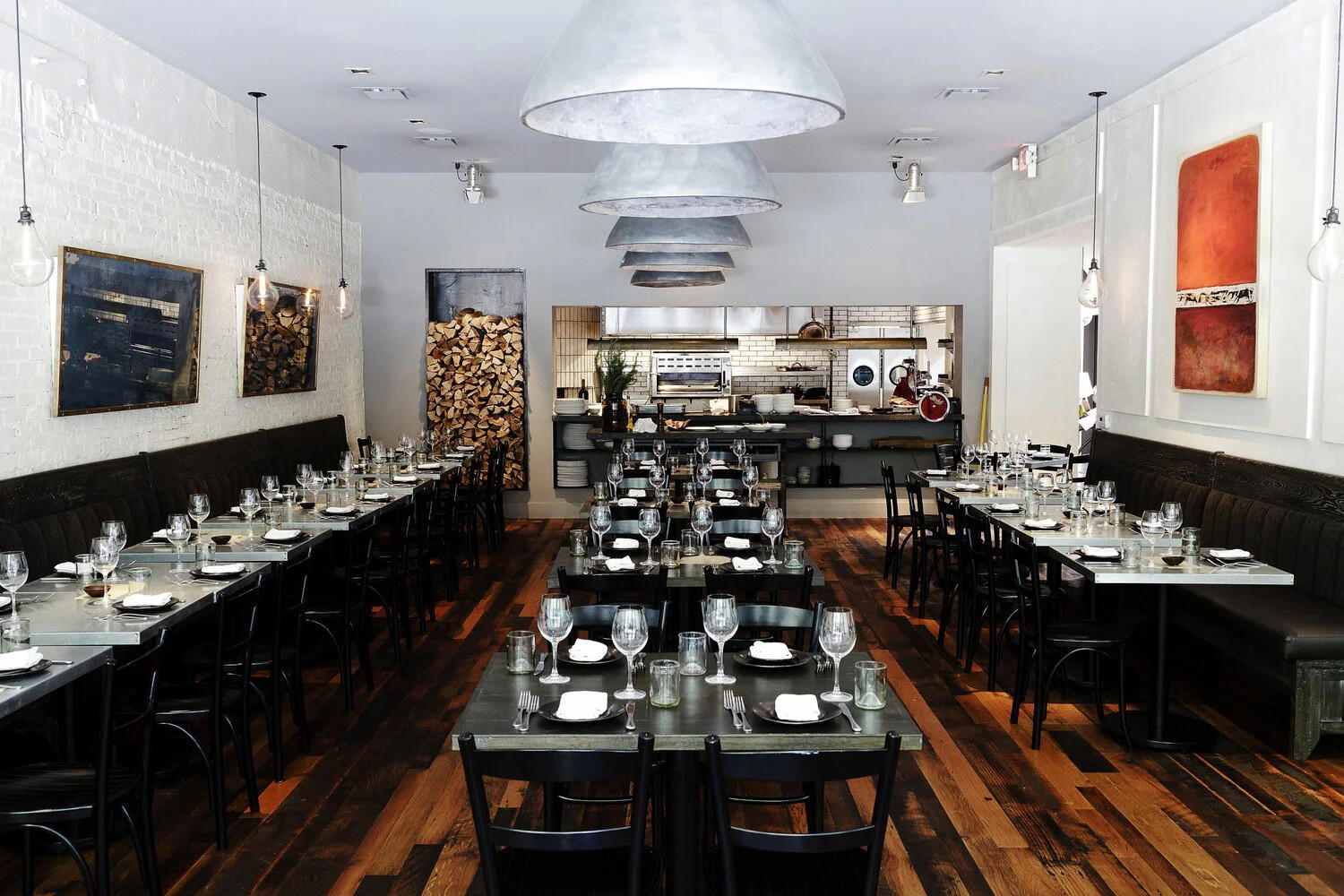
Simple, retro, and unpretentious, with a relaxed neighborhood feel and tatami seating that matches its old-school udon-shop character.