
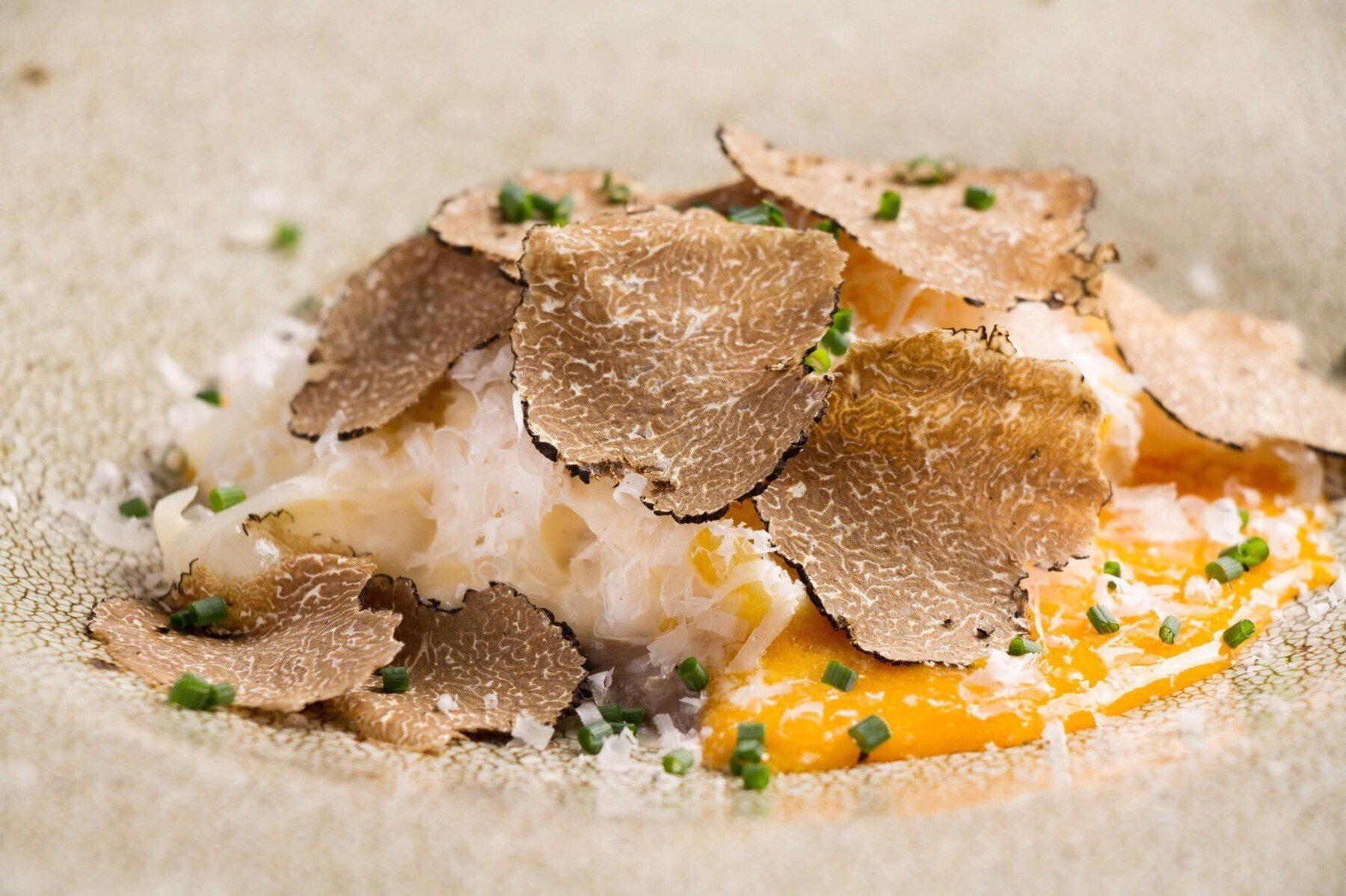
DIRETTO places Hiroshima’s Italian dining conversation in a compact counter format, with fish, wine, and firewood shaping the public identity rather than hotel-dining polish. Recognition in Tabelog’s Italian WEST “Tabelog 100” in 2023 and 2025 puts it in a selective regional bracket, while the room’s eight counter seats make the experience feel closer to a focused atelier than a conventional trattoria.
Pearl is the En Primeur Club membership app — saves, bookings, and concierge access live there. Same editors, same standards.
- Address
- 5-16 Fujimicho, Naka Ward, Hiroshima, 730-0043, Japan
- Phone
- +81 70-8338-4140
- Website
- tabelog.com
 Saves & bookings on Pearl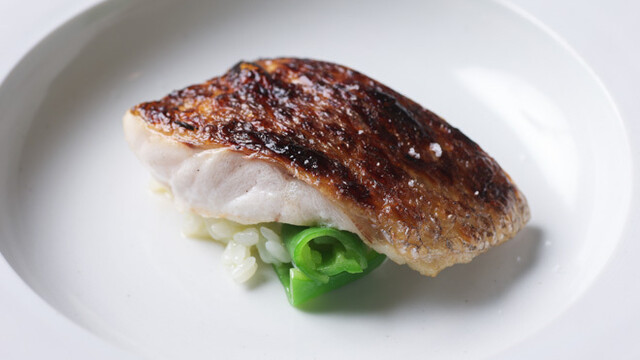
The first cue is concentration, not grandeur: a standalone modern room in Fujimicho, counter seating, and a controlled scale that changes how Italian cooking reads in Hiroshima. In a city internationally known for okonomiyaki, oysters, and Setouchi seafood, serious Italian restaurants often succeed by dropping Tokyo luxury signals and working with the local pantry, especially fish. DIRETTO belongs to that smaller category: Italian by classification, but culturally tied to Hiroshima’s access to the Seto Inland Sea and Japan’s counter-dining discipline.
That matters. Italian food in Japan has moved beyond red-sauce familiarity and hotel pasta rooms; at its sharper end, it is now a framework for seasonality, heat management, seafood handling, and wine service. Hiroshima adds another layer because its dining identity is not built around a single international fine-dining district. Restaurants here feel more personal, compact, and dependent on regulars than equivalent rooms in Tokyo or Osaka. Recognition in Tabelog’s Italian WEST “Tabelog 100” in 2023 and 2025 puts DIRETTO in a regional conversation, not only a local one.
Setouchi seafood gives the Italian format its Hiroshima accent
The public markers are clear: Italian category, fish as a stated focus, wine as a stated focus, and a firewood-led atmosphere. Together, they suggest Italian cooking built less on rustic abundance than control. Firewood in contemporary Japanese dining is rarely theatre alone; it introduces smoke, char, and heat variation to ingredients that might otherwise receive kappo or sushi-like restraint. In Hiroshima, where seafood can carry the meal’s argument, that format makes sense.
This is not simply Japanese-Italian fusion, a term that often explains less than it claims. The better reading is cultural: Italian technique gives structure, Japanese sourcing gives precision, and the counter keeps the diner close to the work. At eight seats, the room cannot behave like a broad-market restaurant. Timing, pacing, and the chef’s sequencing matter because the experience is built on proximity. That places it closer to Hiroshima’s serious counter tradition than to the casual pasta-and-wine model visitors may expect from Italian.
Within Hiroshima, DIRETTO sits in a compact but ambitious dining tier that also includes Chiso Sottakuito, hiroto, 馳走啐啄一十, MOZAIK, and SENSUI. The comparison is not menu similarity but scale and seriousness: small rooms, higher spend, and a clientele prepared to plan rather than drift in. hiroto, for example, occupies the same dinner price band listed for DIRETTO, helping define the bracket. This is not casual neighborhood Italian; it is a controlled evening for diners who know Hiroshima’s restaurant culture reaches beyond famous street-level specialties.
A counter restaurant, not a trattoria translated into Japanese
Counter dining changes the social contract. In larger dining rooms, Italian hospitality often depends on amplitude: plates across a table, shared bottles, conversational looseness. At a small Hiroshima counter, the meal becomes narrower and more observant. The guest watches heat, plating, and wine movement rather than disappearing into the room. That intimacy helps explain how Japan reinterprets European cuisines with confidence; the service architecture borrows from sushi and kappo even when the culinary vocabulary points to Italy.
DIRETTO’s Tabelog score of 3.96 and repeat Tabelog 100 selection separate it from Hiroshima’s many pleasant Italian addresses. Tabelog’s Hyakumeiten lists are not Michelin equivalents, but in Japan they are a strong domestic signal: restaurants are measured inside a category and region, not merely praised by passing travelers. For visitors, that is practical editorial intelligence. A place can be locally loved yet not reward a detour; repeat inclusion in the Italian WEST list suggests relevance beyond neighborhood convenience.
The price bracket also clarifies expectations. This is a premium Hiroshima meal, especially by local standards, but not priced like the highest international tasting counters in Tokyo. That middle-high position is where regional Japanese cities often become interesting for culinary travel: the spend buys focus, intimacy, and sourcing without global trophy-restaurant machinery. For a Hiroshima itinerary, pairing this dinner with vernacular stops gives the city its range. Akai (Creative Cuisine), ANDERSEN, Bishu Bikou Hamai, Butter Cake no Nagasaki Do, and CHILAN each map a different part of that spectrum.
How to place it in a Hiroshima trip
The strongest case for booking is cultural contrast. Hiroshima dining is often reduced to civic symbols, but the city’s more compelling food story is how local ingredients move through multiple formats: grill counters, kappo rooms, bakeries, Italian kitchens, and modern creative restaurants. DIRETTO belongs in that broader reading. It gives Italian cuisine a Hiroshima accent without turning the meal into a tourist lesson, and its scale suits solo diners as much as couples who prefer concentration over ceremony.
For a tighter restaurant plan, start with Our full Hiroshima restaurants guide, then build through the city’s hospitality and drinking scene with Our full Hiroshima hotels guide, Our full Hiroshima bars guide, Our full Hiroshima wineries guide, and Our full Hiroshima experiences guide. Wider Japan comparisons sharpen the reading: -Grilled beef Sukiyaki- KAMAKURA TANUKIAN 鎌倉 たぬき庵 in Kamakura. 鮪と炭火焼き うお炭 秋葉原店 in Tokyo.cafe in Osaka.know in Kumamoto, (Shoku) Vietnam in Kawasaki, [Curry Senmon Ten] Maruyama Kyoju. in Sapporo, Jōdo Saké Bar in Los Angeles, and Onigiri Time in Pasadena show how Japanese dining formats travel, localize, and shift meaning across cities.
The verdict is simple: choose this for a compact, serious Hiroshima counter where Italian cooking is filtered through fish, wine, and firewood rather than imported restaurant glamour. The appeal is precision at regional scale. Diners seeking a loose trattoria mood will read the room differently; those interested in how Hiroshima expresses European technique through local dining habits will see why a small Italian counter can say more about the city than another checklist meal.
Price Lens
Side-by-side context: comparable cuisine and price.
| Venue | Cuisine | Price | Notes |
|---|---|---|---|
| DIRETTOThis venue — the venue you are viewing | Naka, Wood-Fired Italian | $$$ | Not listed |
| ブルッティ エ ブォーニ | Not listed | $$$ | Higashi, Low-profile address Italian Pasta |
| イプシロン | Naka, Italian Trattoria | $$$ | Not listed |
| ラ セッテ | Nishi, Italian | $$$ | Not listed |
| NICON | Naka, Modern Italian | $$$ | Not listed |
| ピッツァリーヴァ | Nishi, Neapolitan Pizza | $$ | Not listed |
Recognition history
Dated appearances from independent guides and award organizations, with the underlying list record or original source where available.
Tabelog 100 #77 · No. 77
Tabelog · Tabelog 100 - Italian - WEST - 2025
Continue exploring
More in Hiroshima
Restaurants in Hiroshima
Browse all →
Bars in Hiroshima
Browse all →
At a Glance
- Modern
- Cozy
- Sophisticated
- Intimate
- Date Night
- Special Occasion
- Celebration
- Solo
- Private Event
- Chefs Counter
- Open Kitchen
- Standalone
- Extensive Wine List
- Sommelier Led
- Local Sourcing
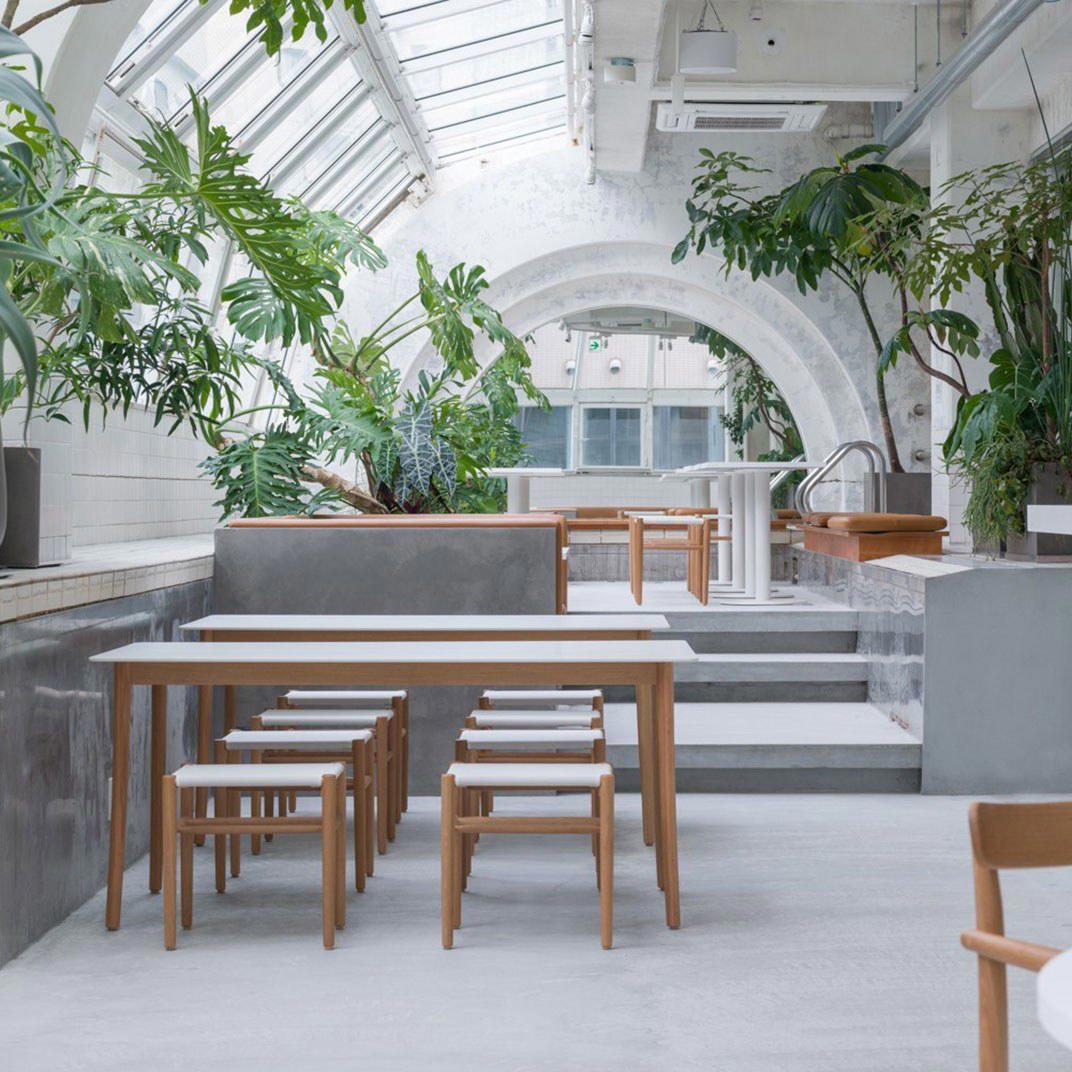
A refined, intimate counter-focused space with the atmosphere shaped by crackling firewood, warm firelight, and a calm adult dining mood.