
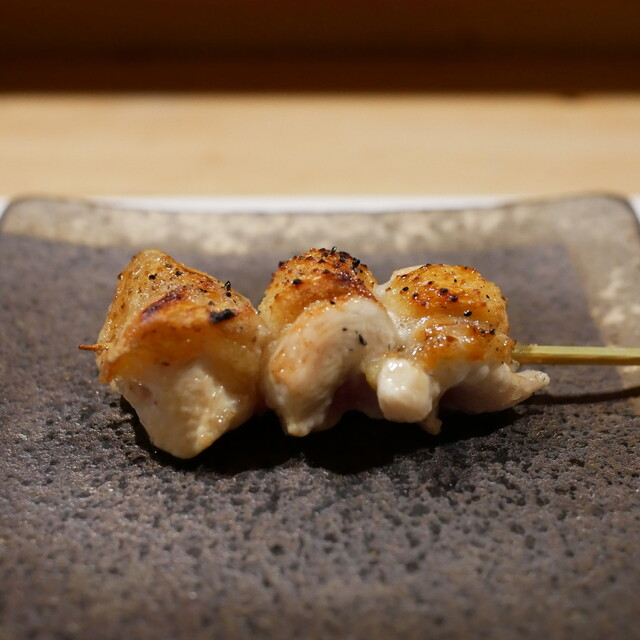
Sakana Kobo Maruman puts Matsuyama’s fish-shop lineage into izakaya form: seafood-led drinking food, sake and shochu, and a small-room rhythm built around counter and sunken seating. Its Tabelog 100 Izakaya WEST selections in 2024 and 2025 place it in a regional bracket above ordinary neighborhood taverns, while the price band keeps the experience grounded in the city’s everyday dining culture.
Pearl is the En Primeur Club membership app — saves, bookings, and concierge access live there. Same editors, same standards.
- Address
- 愛媛県松山市祇園町3-21
- Phone
- +81899217242
- Website
- sakana-koubou.com
 Saves & bookings on Pearl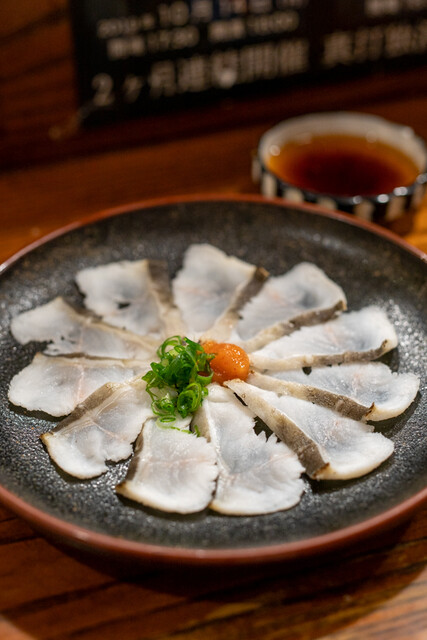
Approach in Gionmachi and the mood is closer to a local drinking quarter than a ceremony of fine dining. The appeal of Sakana Kobo Maruman is not theatre; it is the compact grammar of a Japanese seafood izakaya: a small room, counter seats, raised and sunken seating, and a meal paced by drinking rather than by courses. In Matsuyama, where the Seto Inland Sea shapes what restaurants can be good at, that format matters. Fish is not an accessory here; it is the organizing principle.
Matsuyama dining often splits between quick, inexpensive regional staples and destination meals tied to ryokan culture around Dogo Onsen. For context, the city’s casual canon includes low-cost bowls at Kotori and Nabeyaki Udon Asahi, while ryokan-adjacent Japanese cooking appears in places such as Dogo Kaishu (Japanese Cuisine) and stays like Bettei Oborozukiyo. Sakana Kobo Maruman occupies a different lane: dinner-led, seafood-focused, alcohol-aware, and small enough that the room itself sets the pace.
A fish izakaya built around drinking rhythm, not tasting-menu choreography
The izakaya ritual is elastic. Dishes arrive to match conversation, sake, shochu, and appetite; the table does not surrender to a chef’s fixed sequence. That is why a fish-focused izakaya in a port-facing prefecture can be more revealing than a formal restaurant. The category rewards sourcing, knife work, and restraint, but it also rewards timing: food has to sit comfortably beside nihonshu and shochu rather than dominate the evening.
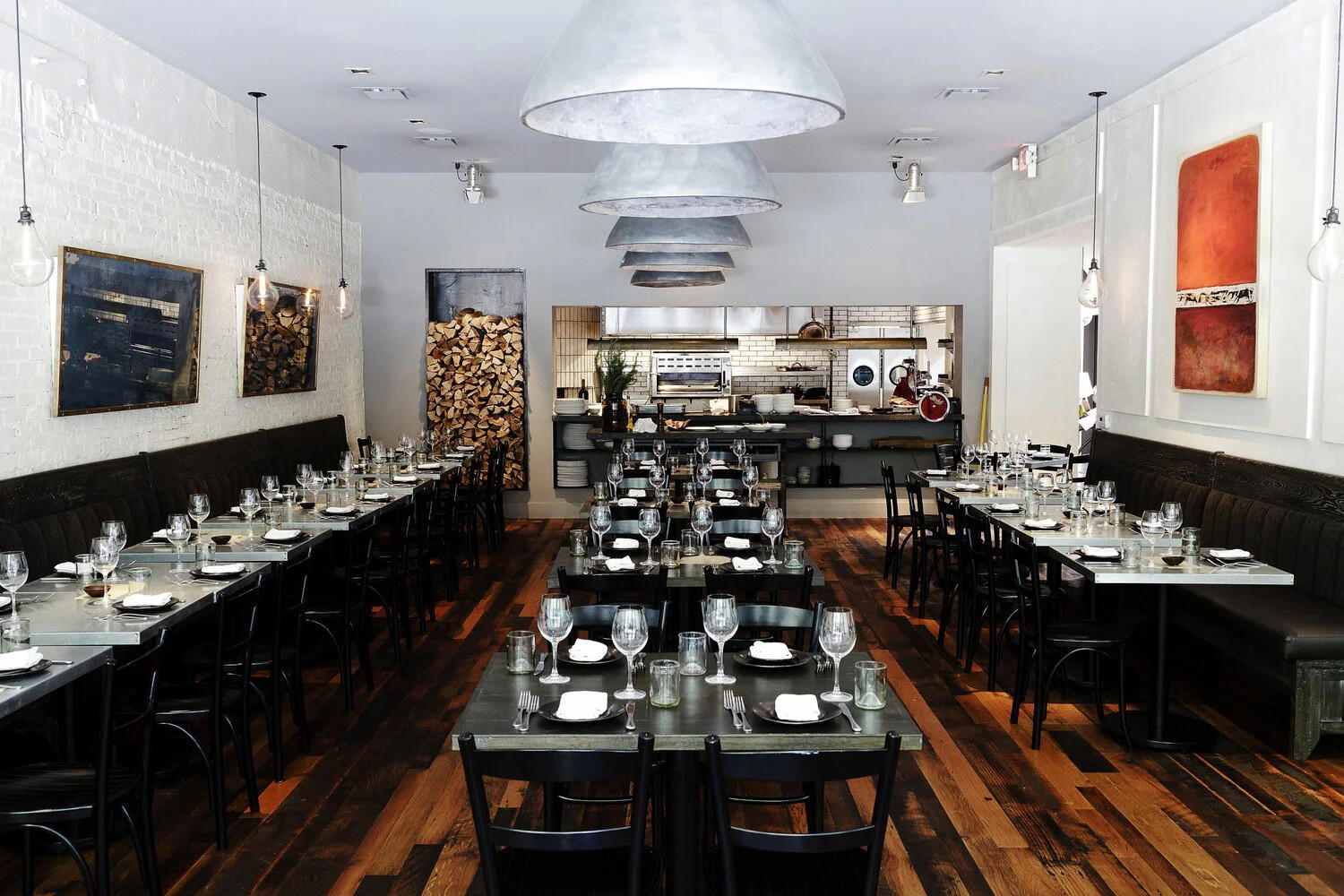
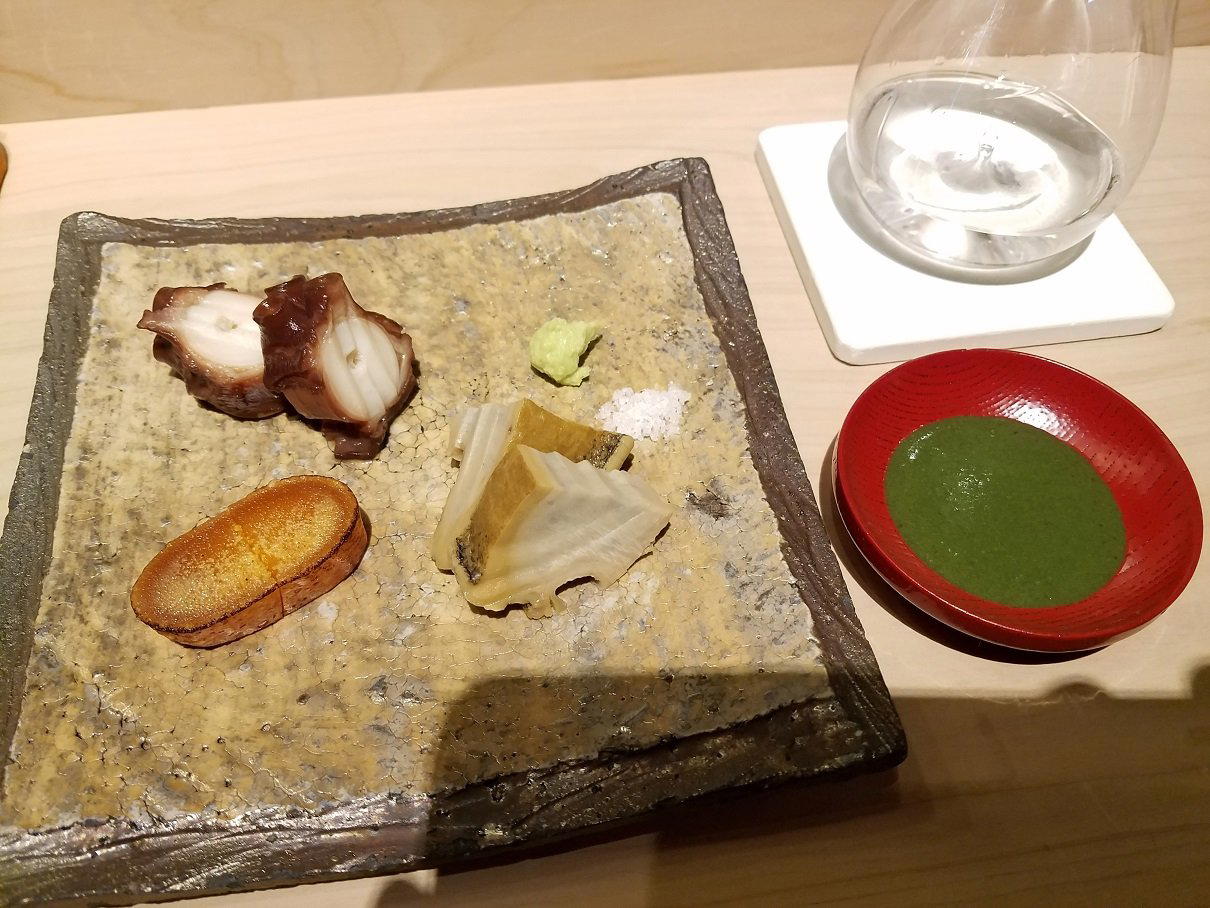
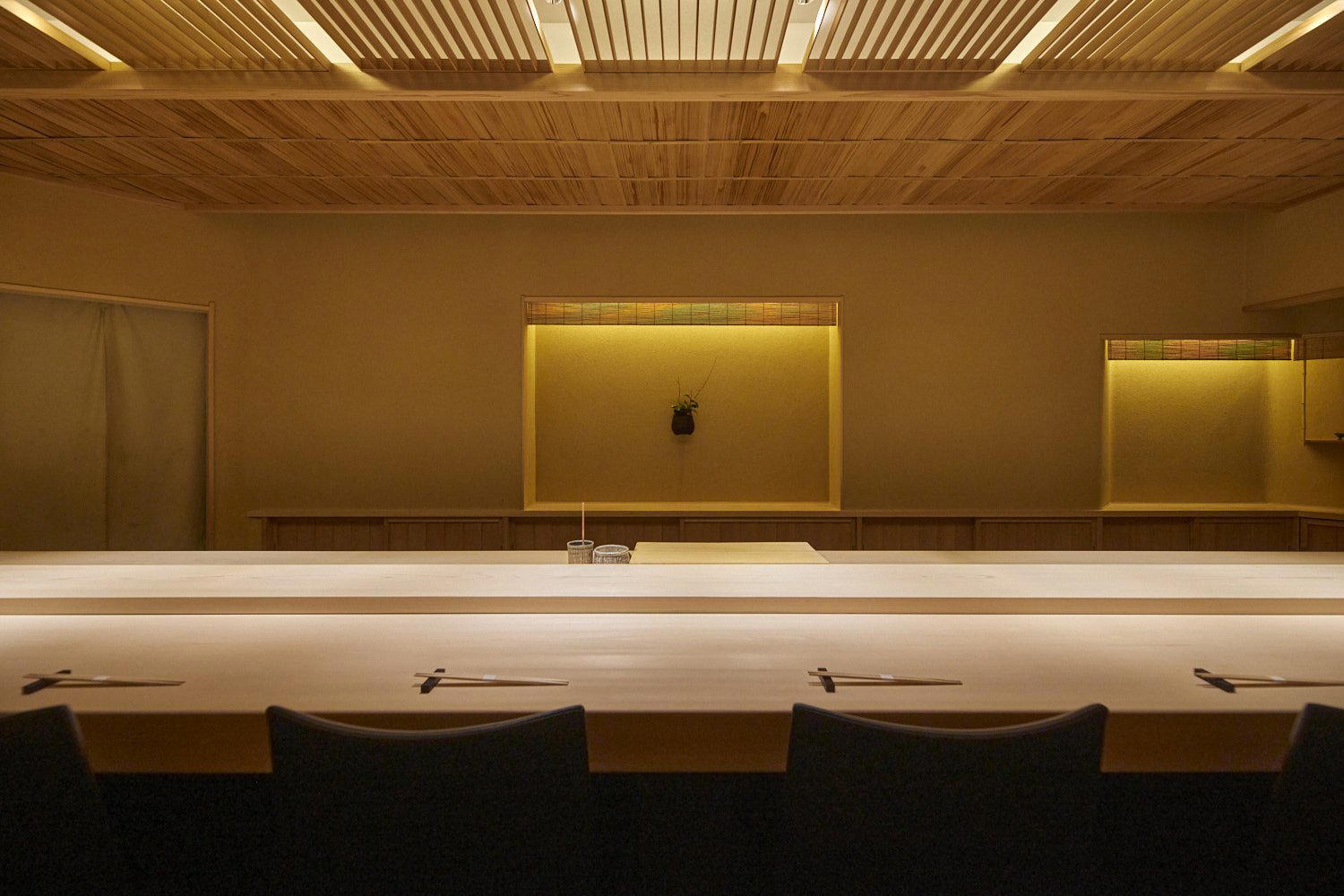
Sakana Kobo Maruman’s public identity is unusually clear for this genre. It is listed as an izakaya and seafood restaurant, with a stated emphasis on fish and drinks that include sake and shochu. The small capacity sharpens that identity: 14 seats, counter seating, and sunken seating, including a raised area for up to 6 people. That configuration suits friends or a small group more than a large celebration, and it keeps the meal close to the kitchen’s cadence.
The credibility signal is not a Michelin-style hierarchy but a domestic one: selection for Tabelog 100 Izakaya WEST in both 2024 and 2025, with a 2025 Tabelog score of 3.64. In Japan’s food culture, that kind of recognition is useful because it captures genre-specific excellence. It says less about luxury and more about whether a restaurant works inside its own category. For a seafood izakaya, that distinction is exactly the point.
Matsuyama's seafood culture in a small-room format
Ehime’s food identity leans naturally toward the sea, and Matsuyama’s better casual meals often depend on how directly a place connects fish, drink, and local habit. Sakana Kobo Maruman’s background gives the room an older commercial logic: the business traces its fish-shop roots to 1879, and the current fish-cuisine izakaya sits downstream from that trade. The detail matters because it explains why the restaurant reads as a fish specialist rather than a tavern that happens to serve seafood.
That distinction separates it from other Matsuyama decisions a traveler might make. Chuka Soba Fukamidori is a ramen choice; Hinode points toward another local casual tradition; Ino and higher-touch Japanese restaurants answer a different evening. A seafood izakaya like this is for diners who want the city’s everyday food intelligence: what locals drink with fish, how small rooms handle pacing, and why a dinner can feel serious without becoming formal.
Price is part of the editorial read. The listed dinner range of JPY 5,000 to JPY 5,999 places Sakana Kobo Maruman above Matsuyama’s cheap noodle-and-udon bracket but below destination kaiseki pricing. Review-based spending is listed higher, at JPY 8,000 to JPY 9,999, so the practical expectation should be a moderate dinner that moves with drinks and ordering style. That range fits the izakaya ritual: the bill depends less on a fixed menu and more on how long the table stays with sake, shochu, and seafood.
How to use it in a Matsuyama itinerary
The planning logic is simple: treat this as a dinner built around fish and drinks, not as a quick refueling stop. Reservations are available, and the 14-seat scale makes advance planning sensible, especially for groups. The restaurant is listed near Iyo Tachibana Station, about a 10-minute walk, with no dedicated parking and coin parking nearby. It is non-smoking inside, with an ashtray outside, and accepts Visa and MasterCard; electronic money and QR payments are not listed.
The room is casual in form but not careless in expectation. A Tabelog 100 Izakaya WEST selection brings a certain seriousness, yet the format remains izakaya: counter seats, shared ordering, and the social tempo of drinking food. Families should think in practical terms rather than category labels. The space has no private rooms, maximum seated party size is listed at 6, and the friend-oriented occasion note suggests a grown-up small-group dinner rather than a child-centered venue.
For broader planning, pair this page with Our full Matsuyama restaurants guide, Our full Matsuyama hotels guide, Our full Matsuyama bars guide, Our full Matsuyama wineries guide, and Our full Matsuyama experiences guide. Readers comparing Japanese casual formats beyond Ehime can also look at -Grilled beef Sukiyaki- KAMAKURA TANUKIAN 鎌倉 たぬき庵 in Kamakura,. 鮪と炭火焼き うお炭 秋葉原店 in Tokyo,.cafe in Osaka,.know in Kumamoto, (Shoku) Vietnam in Kawasaki, [Curry Senmon Ten] Maruyama Kyoju. in Sapporo, Jōdo Saké Bar in Los Angeles, and Onigiri Time in Pasadena.
Cuisine-First Comparison
Side-by-side context: comparable cuisine and price.
| Venue | Cuisine | Price | Awards | Notes |
|---|---|---|---|---|
| Sakana Kobo MarumanThis venue — the venue you are viewing | Seafood Izakaya | $$$ | , | |
| Sushi Kawanaka | Edomae Sushi Omakase | $$$ | , | Okaido |
| Dogo Kaishu | Setouchi Kaiseki | $$$ | Dogo Onsen | |
| Kotori | Japanese Udon | $ | , | Minatomachi |
| Bettei Oborozukiyo | Traditional Japanese Kaiseki | $$$$ | , | Dogo Onsen |
| 上海点心 豫園 | 上海点心専門店 | $$ | , | 朝生田町 |
Continue exploring
More in Matsuyama
Restaurants in Matsuyama
Browse all →
At a Glance
- Hidden Gem
- Classic
- Cozy
- Intimate
- Sophisticated
- Solo
- Casual Hangout
- Group Dining
- Special Occasion
- Chefs Counter
- Standalone
- Sake Program
- Beer Program
- Local Sourcing
- Sustainable Seafood
A small, intimate fish-focused eatery with a counter seating layout and a refined but unpretentious atmosphere centered on seasonal seafood and direct chef guidance.