
Shokuji to Sake Dokoro Makoto sits in Fukuoka’s izakaya conversation through a fish-led format, shochu focus, and repeated Tabelog 100 Izakaya WEST selection. In Tenjin, where casual counters and office-district drinking rooms compete on speed, value, and regular-customer loyalty, Makoto reads as a compact, reputation-backed stop rather than a showpiece dining room.
Pearl is the En Primeur Club membership app — saves, bookings, and concierge access live there. Same editors, same standards.
- Address
- 1 Chome-15-3 Tenjin, Chuo Ward, Fukuoka, 810-0001, Japan
- Phone
- +81 92-712-0201
- Website
- tabelog.com
 Saves & bookings on Pearl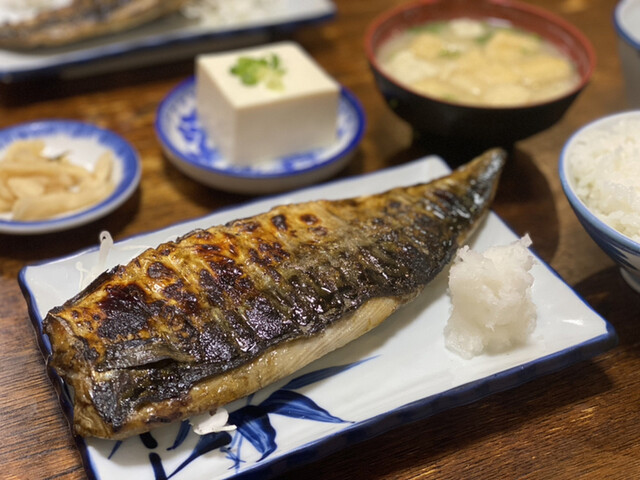
Tenjin’s better izakaya rooms do not announce themselves with ceremony. The signal is usually more practical: a compact frontage, counter seats, a room built for regulars, and a menu that treats fish and drink as the evening’s main structure. Shokuji to Sake Dokoro Makoto belongs to that Fukuoka register, the kind of house restaurant where the city’s drinking culture is measured less by spectacle than by repetition, confidence, and a narrow sense of purpose.
Fukuoka has always been a sharper izakaya city than many visitors expect. The national image leans hard on ramen, yatai, and late-night Hakata energy, but the stronger dining map includes fish counters, fried-fish specialists, tonkatsu shops, curry rooms, and small Japanese kitchens that run on local demand before travel demand. For a wider read on the city, Our full Fukuoka restaurants guide gives the broader frame; within that frame, Makoto’s critical reception places it in the more selective izakaya tier rather than the generic drinking-house category.
Fish, shochu, and the serious end of Fukuoka izakaya culture
The useful way to read Makoto is through category discipline. Its listed categories are izakaya, Japanese cuisine, and seafood, with a stated emphasis on fish and shochu. That combination matters in Kyushu. Shochu is not an incidental back-bar option here; it is part of the region’s drinking grammar, especially when paired with seafood and compact Japanese cooking rather than elaborate tasting-menu pacing.
The Tabelog 100 Izakaya WEST 2025 selection is the clearest public trust signal. The restaurant also appears in the 2024 WEST list and the 2021 izakaya selection, which suggests continuing recognition rather than a single-cycle spike. Tabelog’s Hyakumeiten lists reward depth within categories, and izakaya is a particularly competitive one because the format stretches from casual beer rooms to highly focused seafood counters. In that context, Makoto’s fish-and-shochu profile reads as a specialist position, not an all-purpose night out.
That distinction helps explain why this address belongs in the same itinerary conversation as more tightly defined Fukuoka specialists. Aji Furai Shokudo Kaba narrows the lens around fried horse mackerel, while Aji no Katsueda represents the city’s affection for focused set-meal cooking. Afterglow and 106 South Indian Fukuoka tenjin ten show another side of the city’s appetite, where spice-led cooking has earned its own following. Makoto’s place is different: it sits closer to the after-work izakaya tradition, with seafood and spirits doing the heavy lifting.
Comparison within Fukuoka also clarifies the value proposition. Tonkatsu Wakaba and Tempura Dokoro Hirao Akurosu ten operate in a lower casual-meal band, while Riki Hanten occupies a far higher dinner spend. Makoto lands in the everyday-serious middle: accessible enough to function as a repeatable local meal, but recognized enough to warrant planning around the format rather than treating it as an interchangeable tavern.
Recognition without ceremony
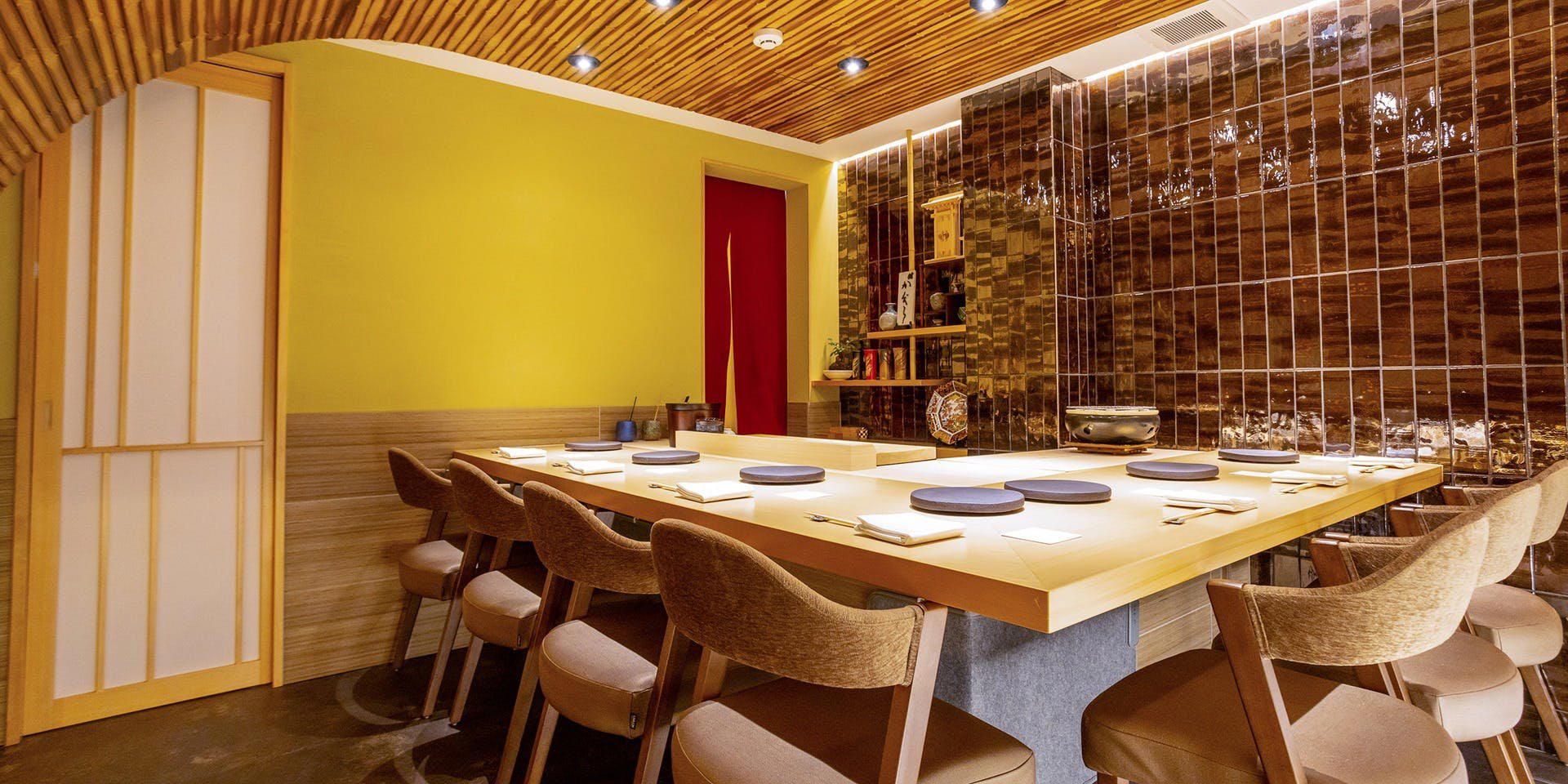
The room details point toward usefulness over theatre: two floors, counter seating, non-smoking service, and a small-house scale. That is the right architecture for an izakaya whose reputation is tied to fish, drink, and turnover rather than elaborate staging. The second-floor tatami room also signals a social use case that many polished restaurants cannot handle as naturally: friends, families, and small groups eating in a Japanese tavern idiom rather than a formal dining-room script.
Makoto’s appeal is not chef-mythology. No public-facing chef narrative is needed for the restaurant to make sense. Fukuoka’s izakaya culture is full of places where the credibility sits in procurement focus, consistency, and how the room fits the city’s daily rhythm. Awards help outsiders identify that credibility, but the category itself is local before it is touristic. A Tabelog 100 izakaya in Tenjin is not being judged against a hotel dining room; it is being judged against other places where people actually drink, eat fish, and return.
For visitors building a sharper Fukuoka run, the surrounding map matters. Tenjin and nearby central districts allow a day to move from lunch counters to fish-led evening rooms without crossing the city repeatedly. Aji Dokoro Taro Gen Sougyou ten belongs in that same practical restaurant vocabulary, while the city’s non-restaurant planning can be filled through Our full Fukuoka hotels guide, Our full Fukuoka bars guide, Our full Fukuoka wineries guide, and Our full Fukuoka experiences guide.
The broader Japan file also shows how different regional specialisms read when viewed side by side. -Grilled beef Sukiyaki- KAMAKURA TANUKIAN 鎌倉 たぬき庵 in Kamakura sits in a beef-sukiyaki lane;. 鮪と炭火焼き うお炭 秋葉原店 in Tokyo turns on tuna and charcoal;.cafe in Osaka,.know in Kumamoto, (Shoku) Vietnam in Kawasaki, and [Curry Senmon Ten] Maruyama Kyoju. in Sapporo each show how narrow concepts travel across Japanese cities. Makoto is more regional in temperament: seafood, shochu, and Tenjin’s working-night rhythm.
How to place it in a Fukuoka itinerary
Makoto suits travelers who want Fukuoka beyond ramen shorthand and are comfortable with a Japanese izakaya format where the room, drinks, and fish-led cooking define the experience. It is not the obvious choice for diners seeking luxury signals or chef-counter ceremony. It is the stronger choice for readers who care about category recognition, local usage, and a restaurant that has been repeatedly noticed within a competitive western Japan izakaya field.
There is also a useful international comparison for sake- and shochu-curious diners. A bar such as Jōdo Saké Bar in Los Angeles reframes Japanese drinking culture through a U.S. lens, while Onigiri Time in Pasadena translates everyday Japanese formats for a different audience. Makoto requires less translation. Its value is that it operates inside the source culture, with the compactness and specificity that make Fukuoka’s better casual restaurants worth seeking out.
Cost Snapshot
Side-by-side context: comparable cuisine and price.
| Venue | Cuisine | Price | Awards | Notes |
|---|---|---|---|---|
| Shokuji to Sake Dokoro MakotoThis venue — the venue you are viewing | $$ | , | ||
| Kiharu no Gomasaba ya | Chūō, Mackerel-focused Japanese Izakaya | $$ | , | |
| Teuchi Soba Yabukin | $$ | , | Chūō, Handmade Soba (Japanese Buckwheat Noodles) | |
| Onokoro Hanjou | Chūō, Seafood-focused Japanese izakaya | $$ | , | |
| Motsunabe Rakutenchi Tenjin Imaizumi So-Honten | Chūō, Hakata Motsunabe | $$ | , | |
| Sabatarou | $$ | , | Chūō, Traditional Japanese clay-pot rice breakfast & lunch |
At a Glance
- Cozy
- Lively
- Hidden Gem
- Classic
- Solo
- Casual Hangout
- After Work
- Family
- Group Dining
- Late Night
- Standalone
- Chefs Counter
- Sake Program
- Beer Program
A relaxed, no-frills neighborhood izakaya with counter seating and simple table and tatami areas over two floors, non-smoking, usually busy and energetic during meal times but still comfortable enough for solo diners and small groups.