Our verdict
Asakusa Mugitoro Honten has served its signature tororo (grated mountain yam) cuisine in the Kaminarimon district of Asakusa since the mid-twentieth century, making it one of Tokyo's most enduring addresses for a style of Japanese cooking rarely spotlighted abroad. The restaurant sits steps from Senso-ji, placing it at the centre of old shitamachi culture rather than the city's contemporary dining circuit.

Pearl is the En Primeur Club membership app, where members save venues, book tables and use the concierge.
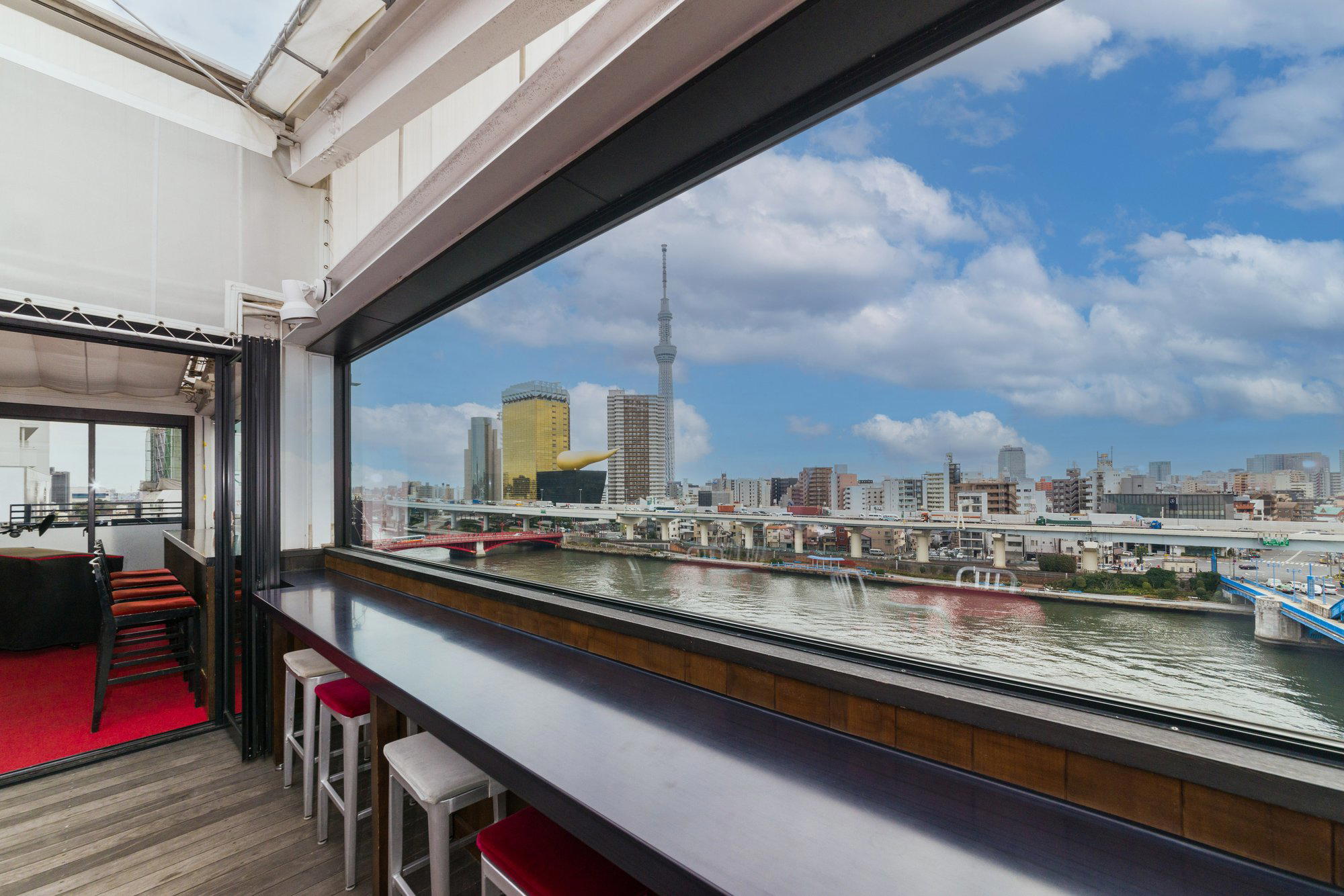
Asakusa as a Dining Address: What the Neighbourhood Tells You
Tokyo's fine dining conversation tends to anchor in Ginza, Minami-Aoyama, and Roppongi, where counter omakase formats and French-influenced tasting menus compete for Michelin attention. Venues like Harutaka, L'Effervescence, and Sézanne operate in that western arc of the city, where the architecture is newer and the clientele tends toward business dining and international visitors. Asakusa is a different proposition entirely. The Taito ward sits on the older, eastern side of the city, historically known as shitamachi: the low city, the merchant quarters, the districts that kept pre-war Tokyo's social texture longer than anywhere else.
Kaminarimon, the address of 浅草むぎとろ本店 (Asakusa Mugitoro Honten), is the commercial and cultural gateway to Senso-ji, Tokyo's most-visited temple precinct. The surrounding streets are dense with craft shops, street food, and mid-century establishments that have outlasted the city's repeated reinventions. Dining here is not about discovering what Tokyo cooking is becoming, it's about encountering what it has been. That positioning is not a limitation; it's a specific kind of value that the western dining districts cannot replicate.
Tororo Cuisine and Why It Occupies a Specialist Niche
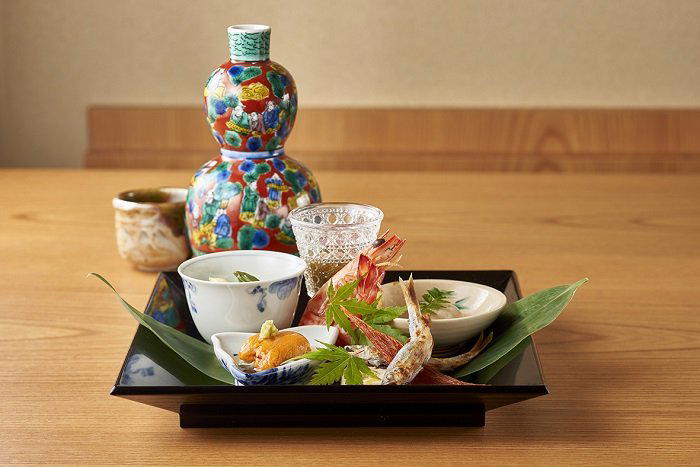
The restaurant's defining specialty is tororo: grated mountain yam (yamaimo or nagaimo) served over rice or barley rice (mugi gohan), often accompanied by dashi-based broths, pickles, and small seasonal dishes in a washoku format. This is not a cuisine that travels well through trend cycles. Tororo doesn't photograph with the drama of a marbled piece of toro or a lacquered duck breast. Its appeal is textural and nutritional, the gluey, viscous consistency of freshly grated yam over warm rice is an acquired taste with deep roots in Japanese home and temple cooking.
The word mugitoro in the restaurant's name is itself a compound of mugi (barley) and toro (the grated yam), naming the defining dish directly. This is the kind of naming convention that signals a single-discipline kitchen rather than a broad Japanese menu, comparable in its specificity to the way a soba-ya or unagi-ya announces its focus before a guest even steps inside. Establishments with this degree of cuisine focus tend to develop over decades, building regulars through consistency rather than novelty. The Asakusa Mugitoro Honten has done exactly that since its founding in the mid-twentieth century, making it a reference point for a style of cooking that has very few dedicated practitioners in a city otherwise dominated by sushi, ramen, tempura, and the full range of kaiseki traditions explored at places like RyuGin.
Tororo cuisine sits in the broader washoku tradition that UNESCO recognised in 2013 as an intangible cultural heritage. That designation applies to the principles of the cuisine, seasonal ingredients, dashi as a flavour base, visual presentation keyed to the season, not to any individual restaurant. But it gives context for why a restaurant specialising in tororo rice carries cultural weight beyond its menu size. The tradition it represents is the same one that shapes the kaiseki counter and the neighbourhood shokudo alike.
The Senso-ji Proximity: Timing and Visitor Patterns
The Kaminarimon address shapes the visitor profile in a way that distinguishes Asakusa Mugitoro Honten from almost any other specialist restaurant in Tokyo. Senso-ji draws millions of visitors annually, and the streets around Kaminarimon peak in foot traffic well before noon, particularly on weekends and public holidays. Visitors arriving in the morning temple rush and those arriving after the crowds thin will encounter different versions of the neighbourhood. The quieter late-morning window, after the early tourist surge, tends to offer the most settled conditions for a proper sit-down meal in the area.
Asakusa is accessible via the Tokyo Metro Ginza Line (Asakusa Station) and the Tobu Skytree Line, making it a practical stop from both central Tokyo and from Akihabara or the Skytree area to the south. From Ginza, the journey is under fifteen minutes. From Shinjuku, allow around thirty minutes with a connection. The neighbourhood rewards a longer visit than many itineraries allow, the Nakamise shopping arcade, the Asakusa Shrine adjacent to the temple, and the craft district along Kappabashi-dori (ten minutes on foot to the northwest) all justify anchoring a half-day here rather than treating Senso-ji as a pass-through.
How Asakusa Mugitoro Honten Fits the Broader Tokyo Dining Picture
Tokyo's restaurant culture across its current premium tier is dominated by French technique, omakase counter formats, and modern kaiseki, many of which push ingredient sourcing and presentation to a level of intensity that can feel relentless over a long trip. Crony and its innovative French peers, the kaiseki counters, the high-concept tasting menus, these represent the competitive edge of what Tokyo cooking is doing right now. Asakusa Mugitoro Honten sits outside that competition deliberately. It is not attempting to occupy the same tier as the award-chasing restaurants of Minami-Aoyama or Roppongi-Hills.
For visitors building a multi-day Tokyo dining itinerary, that difference in register matters. A meal here functions as counterweight to the intensity of a kaiseki progression or a tasting menu built around technique. Washoku in its daily form, warm barley rice, freshly grated yam, clean dashi, pickled vegetables, asks nothing of the diner except attention. That is its own kind of discipline. Readers planning regional Japanese itineraries might also note that similar principles of single-ingredient focus and long-form establishment culture appear at restaurants like Gion Sasaki in Kyoto, HAJIME in Osaka, or the quieter specialist venues of smaller cities such as akordu in Nara and Goh in Fukuoka. For broader Tokyo restaurant context, see our full Tokyo restaurants guide.
Japan's regional dining scene is full of addresses that operate in this mode: establishments like this Nanao restaurant, this Sapporo address, Takashima's notable table, Nishikawa Machi's specialist, and dedicated establishments like Birdland in Sakai or Bistro Ange in Toyohashi all share a commitment to depth over breadth that this Asakusa institution embodies.
Planning Your Visit
Asakusa Mugitoro Honten is located at 2 Chome-2-4 Kaminarimon, Taito City, a two-minute walk from Asakusa Station on the Ginza Line, directly in the approach to Senso-ji. Given the Asakusa tourism pattern, weekday lunches typically offer the most manageable conditions. The restaurant has operated long enough that advance planning is advisable, particularly during Golden Week (late April to early May), the Obon period (mid-August), and the autumn foliage season in November.
Quick reference: Kaminarimon, Taito City, Tokyo, 2 min walk from Asakusa Station (Ginza Line).
Frequently asked questions
What do regulars order at 浅草むぎとろ本店?
The restaurant's name is its answer: mugitoro, the combination of barley rice (mugi gohan) and freshly grated mountain yam (tororo), is the defining order. In Japanese single-discipline restaurants of this type, the house specialty functions as both the entry point and the measure of the kitchen's standard. Supplementary dishes in washoku format, dashi-based soups, pickles, small seasonal preparations, typically accompany the main combination. Regulars at establishments of this category rarely deviate from the signature; that's precisely what builds a long-term following.
Do I need a reservation for 浅草むぎとろ本店?
Asakusa's proximity to Senso-ji means foot traffic in this immediate area is consistent and high, particularly on weekends and during Tokyo's major holiday windows. For a restaurant with this address and this history, a reservation is advisable rather than optional during peak periods, Golden Week, summer Obon, and November weekends in particular. Weekday visits outside public holiday clusters carry lower risk of a long wait, but given that this is a fixed-address specialist with decades of local following, calling ahead is the more reliable approach. Tokyo's dining culture at this level generally rewards advance planning over spontaneity.
What is 浅草むぎとろ本店 leading at?
The restaurant's sustained reputation rests on tororo cuisine specifically: a style of washoku cooking centred on grated mountain yam that has very few dedicated practitioners in Tokyo. In a city where the dominant premium formats are omakase sushi, kaiseki, and French-influenced tasting menus, a kitchen that has spent decades refining a single, nutritionally distinct Japanese tradition occupies a narrow but durable position. That focus, combined with the Kaminarimon address inside one of Tokyo's most historically intact neighbourhoods, makes it a specific kind of reference point for washoku in its everyday, non-theatrical form.
How does 浅草むぎとろ本店 relate to the broader tradition of yamaimo (mountain yam) in Japanese cuisine?
Mountain yam has appeared in Japanese cooking and medicinal tradition for centuries, valued for its digestive properties and distinctive viscous texture when grated. In washoku contexts, tororo is frequently served over rice as a light, restorative meal, a format associated with temple cooking and the kind of ingredient-forward simplicity that defines the best of the tradition UNESCO recognised in 2013. A restaurant that builds its entire identity around this single preparation is participating in a long culinary lineage rather than a contemporary trend, which explains both its longevity in Asakusa and its particular relevance to visitors seeking something outside Tokyo's current tasting-menu circuit. For comparison, the discipline of single-ingredient focus in Japanese cooking informs everything from the sushi counter at Harutaka to the ingredient philosophy at Atomix in New York, where Korean culinary identity is expressed through similar depth-over-breadth thinking.
Recognition, Side-by-Side
Comparable venues nearby, for context on price, style, and recognition.
| Venue | Cuisine | Price | Awards | Notes |
|---|---|---|---|---|
| 浅草むぎとろ本店This venue (the venue you are viewing) | Traditional Japanese Tororo Kaiseki | $20–30 | Not listed | Not listed |
| Tonkatsu Yutaka | Traditional Asakusa Tonkatsu & Japanese Cuisine | $10–20 | Tabelog 100 #90 | Taitō |
| HARU | Japanese Ramen | $10–20 | Tabelog 100 #47 | Taitō |
| Kuriya Kurogi | Japanese sweets & kakigori cafe | $20–30 | Tabelog 100 #81 | Taitō |
| Shinsuke | Traditional Japanese Izakaya | $30–50 | Tabelog 100 #56 | Bunkyō |
| Teuchi Soba Ginnan | Handmade Soba & Sake | $20–30 | Tabelog 100 #65 | Kōtō |
Continue exploring
More in Tokyo
Restaurants in Tokyo
All restaurants in Tokyo →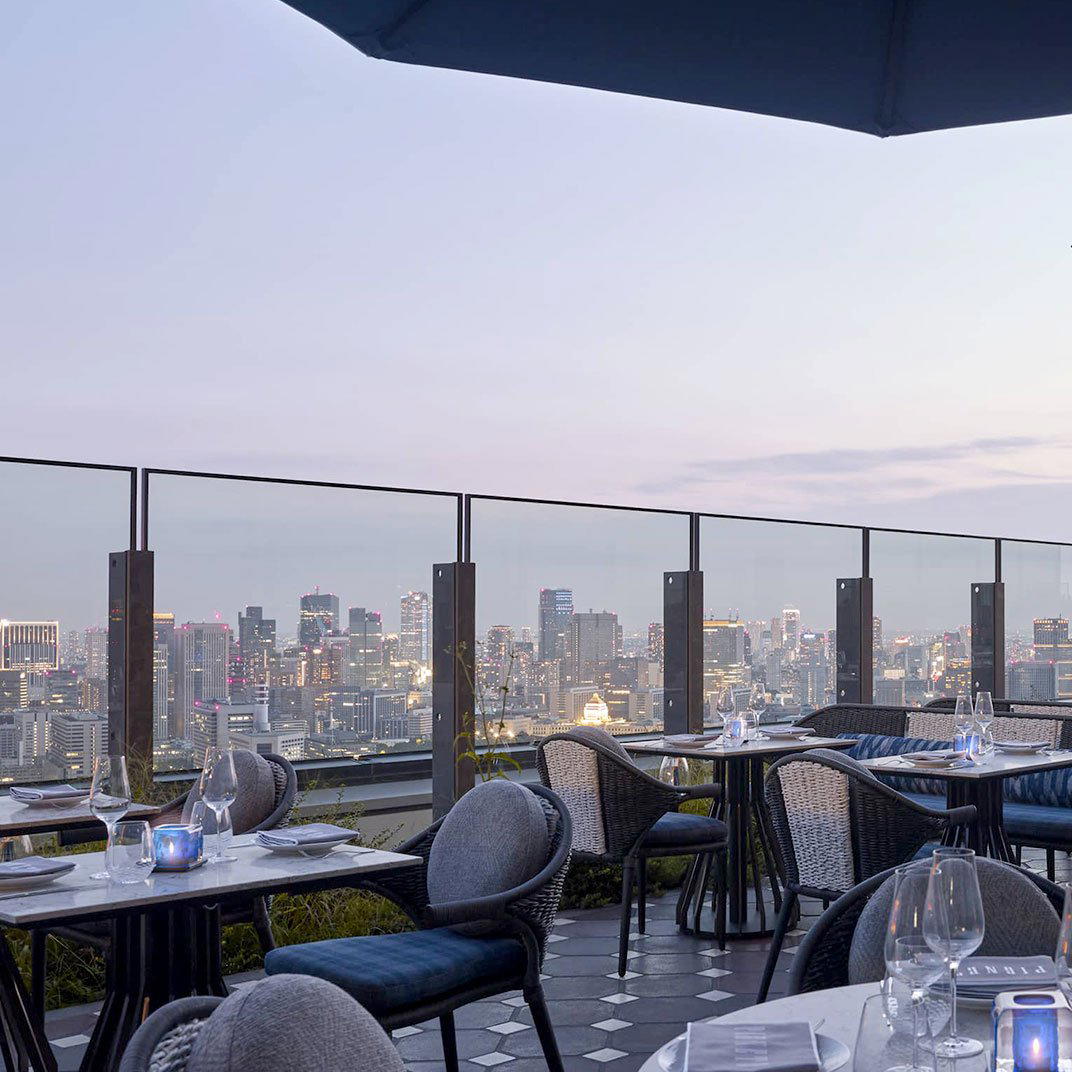






Details
- Classic
- Cozy
- Well Known
- Family
- Casual Hangout
- Special Occasion
- Historic Building
- Open Kitchen
- Sake Program
- Skyline
- Street Scene
- A La Carte
- Buffet
- Vegetarian Friendly
Current opening hours
- Monday
- 11 AM–4 PM, 5–10:30 PM
- Tuesday
- 11 AM–4 PM, 5–10:30 PM
- Wednesday
- 11 AM–4 PM, 5–10:30 PM
- Thursday
- 11 AM–4 PM, 5–10:30 PM
- Friday
- 11 AM–4 PM, 5–10:30 PM
- Saturday
- 11 AM–10:30 PM
- Sunday
- 11 AM–9 PM
Hours can change for holidays and private events. Hours as of .
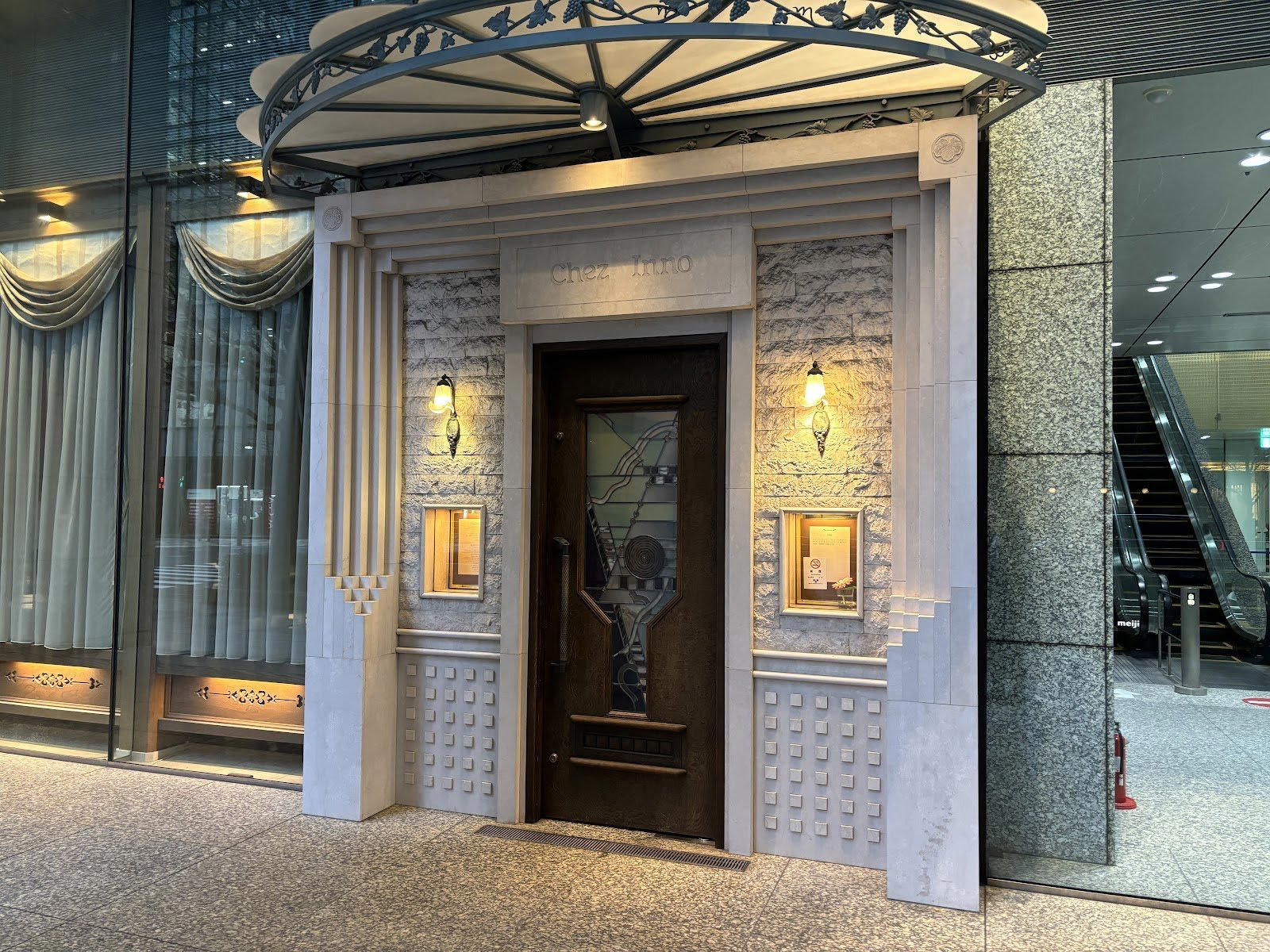
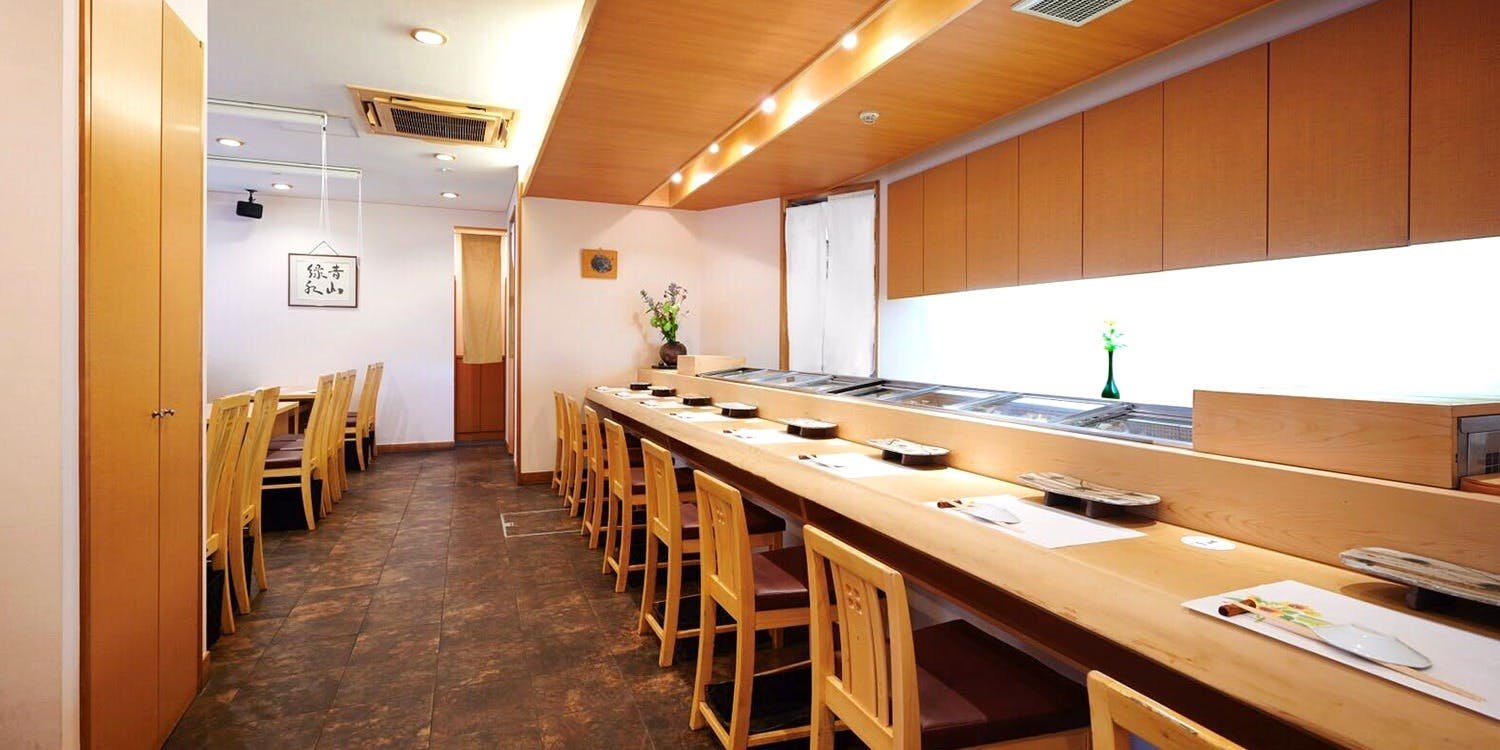
シックで落ち着いた和の風情漂う空間 with elegant lighting and serene atmosphere.