Tabelog 100 #56
Our verdict
Shinsuke sits in Tokyo’s serious izakaya conversation through a reputation built on fish, sake, and repeat Tabelog 100 Izakaya EAST selections in 2024 and 2025. The appeal is not novelty; it is the disciplined old-Tokyo tavern format, with a two-floor setup, counter seating, and a drinks program that treats nihonshu as the center of gravity.

Pearl is the En Primeur Club membership app, where members save venues, book tables and use the concierge.
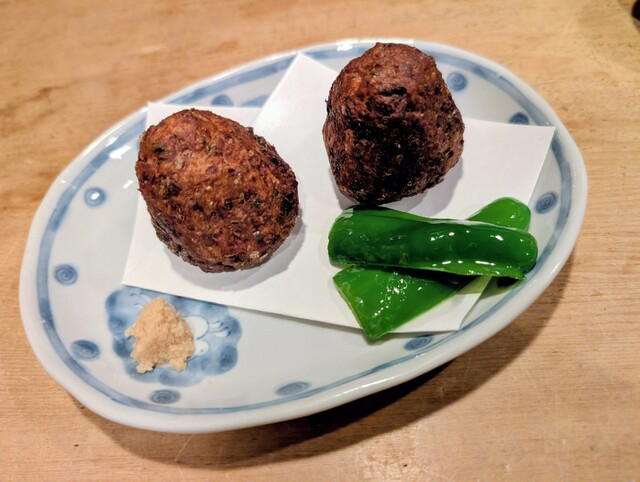
Tokyo is not only hotel-lobby dining rooms or camera-ready tasting counters. Away from the city’s more theatrical restaurant formats, its better drinking rooms often announce themselves quietly: modest frontage, stairs, counter, a first drink before the next round. Here, Shinsuke belongs to a Tokyo tradition that values repetition over theatre. The format is izakaya and Japanese sake bar; the sharper reputation is a room for people who came to eat properly while drinking.
Overseas, Tokyo izakaya culture is often flattened into a generic pub category. The stronger version is more exacting: food that can carry a meal, drinks that reward pacing, and a room that avoids turning every table into performance. Shinsuke’s recognition in the 2025 Tabelog Hyakumeiten places it in a scrutinized tier, where consistency outweighs trend-cycle attention. A Tabelog score of 3.58 here is not throwaway; in Tokyo, it signals judgment against deep local competition, not tourist convenience.
Food, sake, and the disciplined Tokyo izakaya format
Read the menu by category rather than by assuming a single signature dish. The listed identity is izakaya and Japanese sake bar. That matters because Tokyo izakaya dining is a sequence more than a single cuisine: small plates, heat, salt, acidity, then another pour. When a room is both izakaya and Japanese sake bar, expectation moves from casual snacking to a meal whose drinks list shapes the pace.
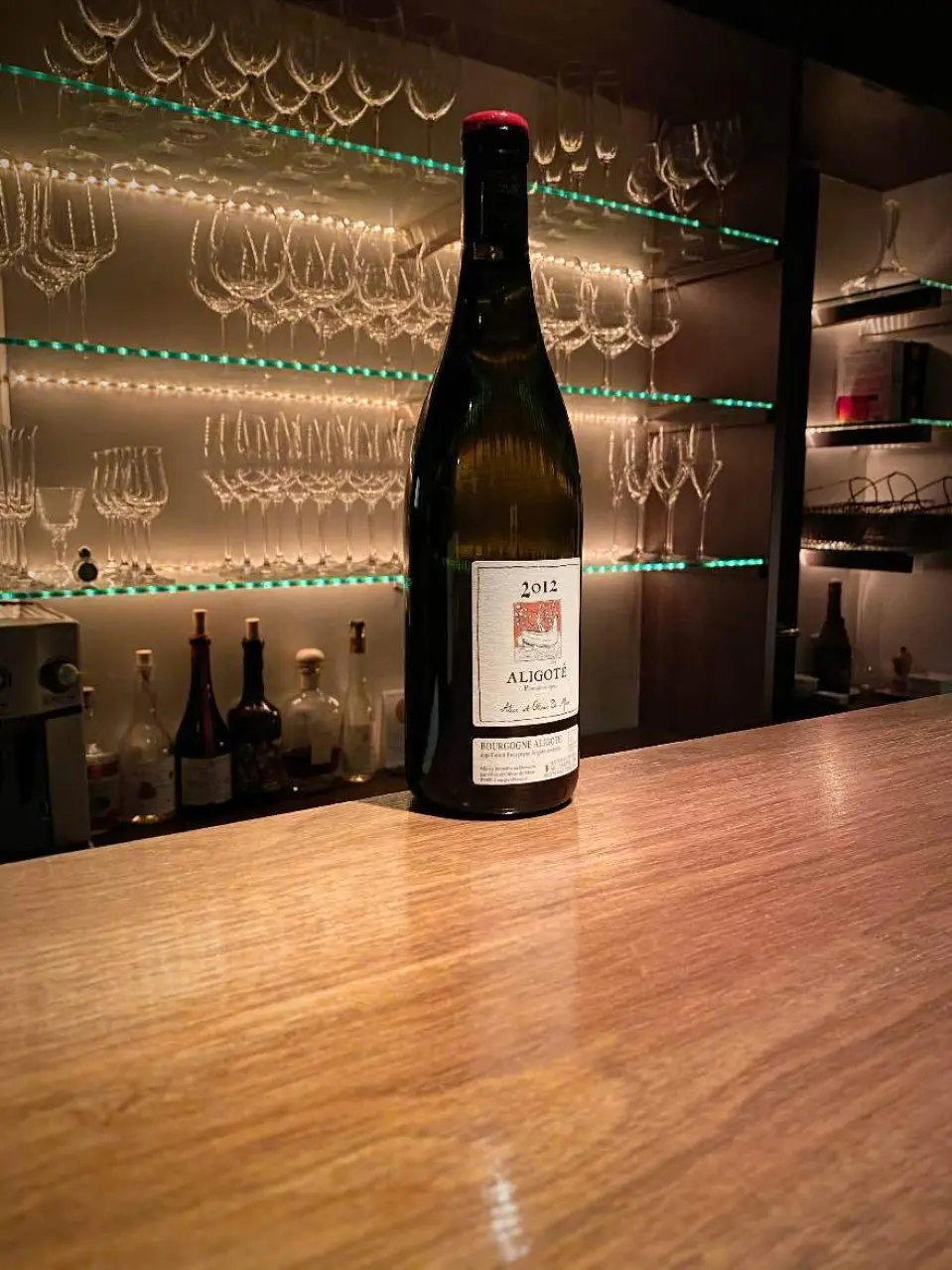
The sake-bar identity gives the clearest editorial signal. In this kind of Tokyo setting, the drink is not merely an add-on after the food order; it helps determine tempo, appetite, and how the table moves through the evening. The best version of the format rewards patience: begin lightly, order in stages, and let the room’s rhythm shape the meal rather than forcing it into a tasting-menu logic.
That rhythm also changes the experience for visitors. A serious izakaya is not just a cheaper alternative to formal dining; it is its own grammar of counter, table, shared plates, and repeated pours. In Tokyo terms, that is more than seating or decor: it creates an encounter where the pleasure comes from pacing, familiarity, and the ability of the house to make ordinary-looking service feel exact.
Recognition without luxury signalling
Tabelog Hyakumeiten recognition matters because it measures the category on its own terms. Tokyo has many restaurants using luxury cues to justify attention: counter pricing, chef biography, imported stemware, long-form tasting menus. Izakaya recognition works differently. It rewards a venue that absorbs regular use, stands up to local comparison, and keeps a clear identity without becoming fine dining.
That distinction helps travelers plan Tokyo meals. A high-end counter asks surrender to a sequence. Formal Japanese dining asks attention to season, vessel, and progression. A serious izakaya asks for judgment: what to drink first, how much to order, when to move from lighter dishes to richer ones, and when to stop. Shinsuke’s reputation sits there. It does not compete with formal dining rooms; it belongs to the Tokyo where the meal is social and standards exacting.
Tokyo reinforces that reading. Arrangiarsi occupies another dining bracket. Against that mix, Shinsuke’s role is specific: evening izakaya dining with enough critical recognition to pull interest beyond immediate regulars.
The broader Tokyo map sets expectations. Visitors can compare the izakaya lane with other restaurant formats in Tokyo, from casual counters to specialist dining rooms and coffee stops. For city-wide planning, use Our full Tokyo restaurants guide alongside Our full Tokyo hotels guide, Our full Tokyo bars guide, Our full Tokyo wineries guide, and Our full Tokyo experiences guide.
Who should put it on a Tokyo dining plan
This suits diners who know izakaya quality is measured in cadence, not spectacle. Read the house as an izakaya and Japanese sake bar, not a broad crowd-pleaser or luxury performance. The structure remains Japanese in spirit: order in stages, drink with the food, and treat the meal as an evening rhythm rather than a checklist.
Vegetarian diners should check carefully before relying on it as a primary dinner plan. The listed category is izakaya and Japanese sake bar, not a dedicated plant-based restaurant, and traditional tavern menus may not be organized around vegetarian needs. For mixed groups, treat Shinsuke as a choice for sake-minded izakaya diners first, and confirm suitability before building the evening around it.
Across Japan and beyond, EP Club readers might compare it with other unnamed dining rooms, sake bars, cafes, and casual restaurants that translate local habits into a clear evening format. Shinsuke’s place is clear: a Tokyo izakaya with 2025 Tabelog Hyakumeiten recognition, a Japanese sake-bar identity, and little interest in dressing tavern format as luxury dining.
Frequently asked questions
What's Shinsuke's location?
Tokyo.
How much does it cost to eat at Shinsuke?
Pricing at Shinsuke is listed as JPY 4,000 - JPY 4,999.
How hard is it to get a table at Shinsuke?
Access depends on the night and on how busy the room is. With 2025 Tabelog Hyakumeiten recognition and a listed Tabelog score of 3.58, it is sensible to plan rather than treat it as a casual last-minute backup.
What has Shinsuke built its reputation on?
Shinsuke is listed as an izakaya and Japanese sake bar. Its 2025 Tabelog Hyakumeiten recognition is the clearest public marker of that standing in Tokyo’s izakaya scene.
Is Shinsuke good for vegetarians?
It is not listed as a dedicated vegetarian restaurant, so vegetarians should check options in advance. Expect an izakaya and Japanese sake bar at JPY 4,000 - JPY 4,999, rather than a venue built specifically around plant-based dining.
Cuisine and Recognition
Comparable venues to calibrate price, style, and recognition.
| Venue | Cuisine | Price | Awards | Notes |
|---|---|---|---|---|
| ShinsukeThis venue (the venue you are viewing) | Traditional Japanese Izakaya | $30–50 | Tabelog 100 #56 | Not listed |
| Hamburg Will | Japanese Hamburg steak & yoshoku | $30–50 | Tabelog 100 #29 | Shinjuku |
| Ebisu no Yasubee | Kochi‑style gyoza izakaya | $20–30 | Tabelog 100 #31 | Shibuya |
| Homemade Ramen Muginawa | Homemade Shoyu Ramen | $10–20 | Michelin Bib Gourmand · Tabelog 100 #100 | Shinagawa |
| Maru Ichi | Tonkatsu Specialist | $20–30 | Tabelog 100 #44 | Ōta |
| Yamada Ya | Tokyo Yakiniku (Japanese BBQ) | $20–30 | Tabelog 100 #73 | Arakawa |
Recognition history
Dated appearances from independent guides and award organizations, with the underlying list record or original source where available.
Tabelog 100 #56 · No. 56
Tabelog · Tabelog 100 - Izakaya - EAST - 2025