
Tabelog 100 #90
Our verdict
Asakusa’s tonkatsu culture rewards repeatable craft over spectacle, and Tonkatsu Yutaka sits squarely in that lane. Selected for Tabelog 100 Tonkatsu 2026 and listed across multiple prior years, it is a compact, regulars-friendly address for pork cutlet, Japanese tavern touches, sake and shochu, with prices in the JPY 2,000–2,999 range.

Pearl is the En Primeur Club membership app, where members save venues, book tables and use the concierge.
The menu
What to order
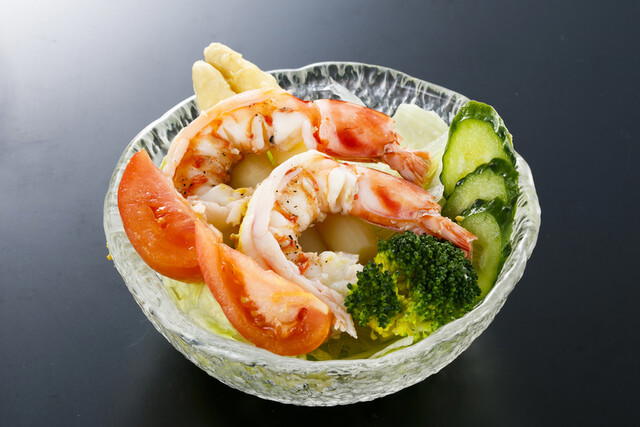
- Tonkatsu set (fillet or loin)
- Yamato pork tonkatsu
- Fried scallops
- Assorted fried items with sashimi or yakitori side dishes
Tokyo changes texture once the busiest crowds thin and side streets take over. Around Tonkatsu Yutaka, the mood belongs to older Tokyo: modest frontage, a dining room scaled for a straightforward meal, and tonkatsu treated less as spectacle than routine craft. In a city where visitors chase snacks between stops, this is the slower, seated version of the appetite.
Tokyo’s tonkatsu hierarchy is built not only on luxury ingredients or elaborate tasting formats, but on repetition: breading, oil management, pork quality, rice, cabbage, sauce, and a kitchen’s ability to make fried cutlet feel composed rather than heavy. Tonkatsu Yutaka’s selection for Tabelog 100 Tonkatsu 2026 places it where consistency matters more than novelty. Its Tabelog score of 3.65 is not tourist-facing flourish; in Japan’s user-rating culture, it signals a serious specialist.
Tokyo tonkatsu for people who return, not just people passing through
The regulars’ perspective matters because tonkatsu is a cuisine of small differences. A first-time diner may register pork cutlet and rice; repeat diners notice crunch, whether coating separates or clings, the balance of fat and lean, and whether the meal feels clean enough to repeat next month. Long-running tonkatsu rooms earn loyalty here: the dish is familiar, the standard unforgiving.
The public category listing points clearly to tonkatsu, izakaya, and Japanese cuisine. These details sit inside classic Tokyo tonkatsu grammar rather than reinventing it. The cutlet is expected to carry itself without many distractions. This is not high-concept Tokyo dining, but a meal built around temperature, texture, and restraint.
Tokyo gives such a restaurant a particular role. The city can be theatrical at street level, but its durable food culture often lives in shops serving familiar meals to diners who know exactly what they want. Tonkatsu Yutaka reads as a specialist whose appeal rests on the direct pleasure of pork cutlet rather than a dramatic opening story or elaborate concept.
The format sits between family meal, tavern table, and specialist cutlet house
The category listing matters: tonkatsu, izakaya, and Japanese cuisine. That combination explains why the room can be read more broadly than a strict cutlet counter. The result is not a hushed temple to frying, but a Tokyo dining room where tonkatsu is central and the meal can still feel practical, familiar, and social.
That breadth separates it from other comparisons. Asakusa Sanboa, Larousse, Misojyu, Royal Coffee Ten Honten, and 鷹匠 寿 each answer different dining moods within Tokyo’s broader range. Tonkatsu Yutaka’s listed JPY 2,000–2,999 range for both lunch and dinner keeps it in the serious everyday-meal bracket: not cheap convenience food, not occasion dining, but a deliberate tonkatsu stop.
For a Tokyo food day, that distinction helps. The city can be paired with casual café stops, grazing, or a more formal dinner elsewhere, but tonkatsu lunch or early evening here has a specific role. It suits a grounded Japanese staple by a recognised specialist, not a long tasting menu or bar-led night.
How to read the meal before ordering
The unwritten menu at a tonkatsu house begins with keeping things simple. Pork cutlet is the anchor; the question is not how many flourishes surround it, but how carefully the core is handled. Regulars treat these restaurants with ritual: cutlet first, rice as counterweight, cabbage as reset, sauce or salt in moderation. That rhythm is part of the point.
The most useful practical detail is the budget: dinner and lunch are both listed at JPY 2,000–2,999. Travelers should treat this as a focused Tokyo tonkatsu meal rather than a frictionless international dining product. The value depends less on ceremony than on whether the cutlet delivers the balance of crunch, pork, rice, and pace that makes the genre satisfying.
For visitors, the choice is clear: come for everyday tonkatsu and expect the dynamics of a recognised Tokyo specialist, or plan the rest of the day around other meals elsewhere in the city. The value is strongest when approached as regulars would approach a familiar tonkatsu house: with patience, attention, and interest in the cutlet rather than ceremony.
For broader Tokyo planning, compare this stop with other city food formats rather than treating every meal as a substitute. Other Tokyo dining rooms, casual cafés, specialist counters, and Japanese restaurants answer different cravings. For the wider city edit, use Our full Tokyo restaurants guide, alongside Our full Tokyo hotels guide, Our full Tokyo bars guide, Our full Tokyo wineries guide, and Our full Tokyo experiences guide.
Japan’s regional dining spread adds perspective: other dining across the country shows how specific each category becomes by city. For Japanese food culture abroad, international Japanese restaurants can contrast with the everyday precision of a Tokyo tonkatsu house.
Frequently asked questions
Is Tonkatsu Yutaka better for a quiet night or a lively one?
It suits a focused tonkatsu meal more than a loud night out. The appeal is the pork cutlet itself and the steady rhythm of a Tokyo specialist rather than a party-venue atmosphere.
Is Tonkatsu Yutaka expensive?
Pricing at Tonkatsu Yutaka is listed as JPY 2,000 - JPY 2,999 JPY 2,000 - JPY 2,999.
What's Tonkatsu Yutaka's location?
Tokyo.
Do they take walk-ins at Tonkatsu Yutaka?
The provided listing does not specify a reservation policy. Plan it as a practical Tokyo tonkatsu stop and confirm directly if timing matters.
What's the defining dish or idea at Tonkatsu Yutaka?
Tonkatsu is the point: pork cutlet served in the idiom of a Tokyo specialist. The restaurant is listed under Tonkatsu, Izakaya, and Japanese Cuisine, with prices in the JPY 2,000–2,999 range.
Can Tonkatsu Yutaka adjust for dietary needs?
The kitchen is centered on pork cutlet, so diners with restricted diets should confirm directly before going. The core identity remains tonkatsu in Tokyo.
Price and Positioning
Comparable venues at the same tier.
| Venue | Cuisine | Price | Awards | Notes |
|---|---|---|---|---|
| Tonkatsu YutakaThis venue (the venue you are viewing) | Traditional Asakusa Tonkatsu & Japanese Cuisine | $10–20 | Tabelog 100 #90 | Not listed |
| tonkatsu.jp表参道 | Premium Tonkatsu Specialist | $20–30 | Tabelog 100 #86 | Omotesando, Premium Tonkatsu Specialist |
| Kooriya Peace | Japanese Kakigori Shaved Ice | $10–20 | Not listed | Kichijoji, Japanese Kakigori Shaved Ice |
| Maruchiba | Classic Tokyo Izakaya & Seafood Tavern | $30–50 | Tabelog 100 #23 | Taitō, Classic Tokyo Izakaya & Seafood Tavern |
| Hasegawa | Tonkatsu (Japanese Pork Cutlet) | $20–30 | Tabelog 100 #57 | Sumida, Tonkatsu (Japanese Pork Cutlet) |
| 川田 | Sushi Omakase | Not listed | Not listed | Chūō, Sushi Omakase |
Recognition history
Dated appearances from independent guides and award organizations, with the underlying list record or original source where available.
Tabelog 100 #90 · No. 90
Tabelog · Tabelog 100 - Tonkatsu - 2026
Continue exploring
More in Tokyo
Restaurants in Tokyo
All restaurants in Tokyo →













Details
- Quiet
- Classic
- Cozy
- Intimate
- Family
- Group Dining
- Casual Hangout
- Business Dinner
- Solo
- Historic Building
- Standalone
- Private Dining
- Local Sourcing
- Street Scene
- A La Carte
- Set Menu
- Beer
- Sake
- Shochu
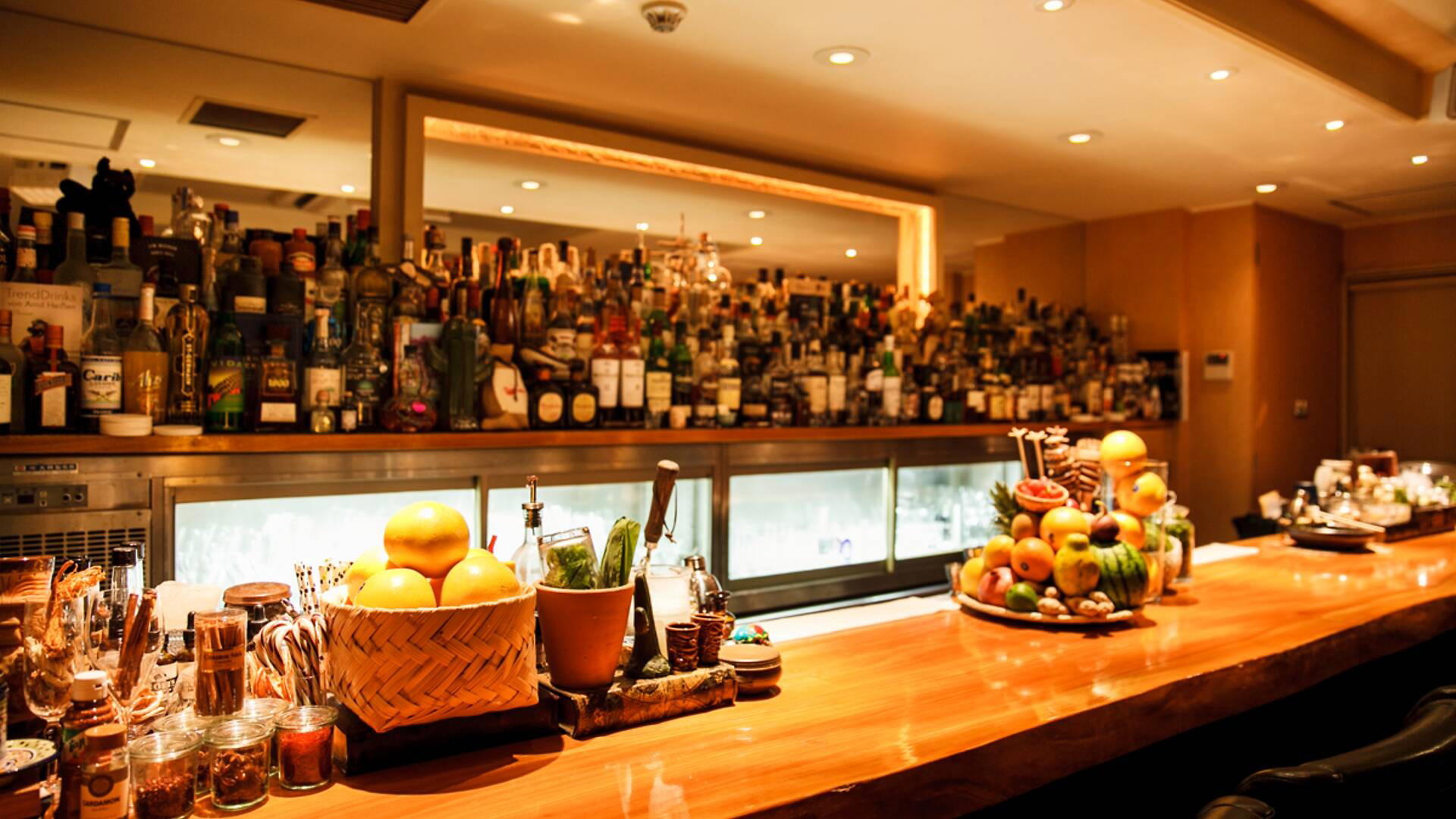
A quiet, traditional Japanese space tucked in an Asakusa back alley, with classic wood-heavy interiors that feel like an old-school ryotei; the mood is relaxed and unhurried, suited to lingering over carefully prepared tonkatsu and small plates away from the tourist crowds.