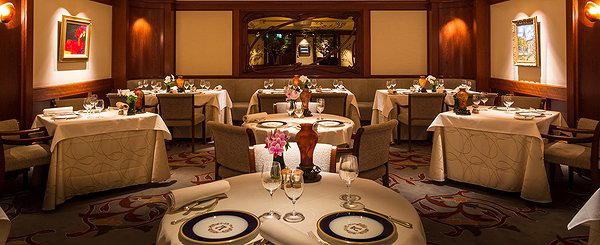
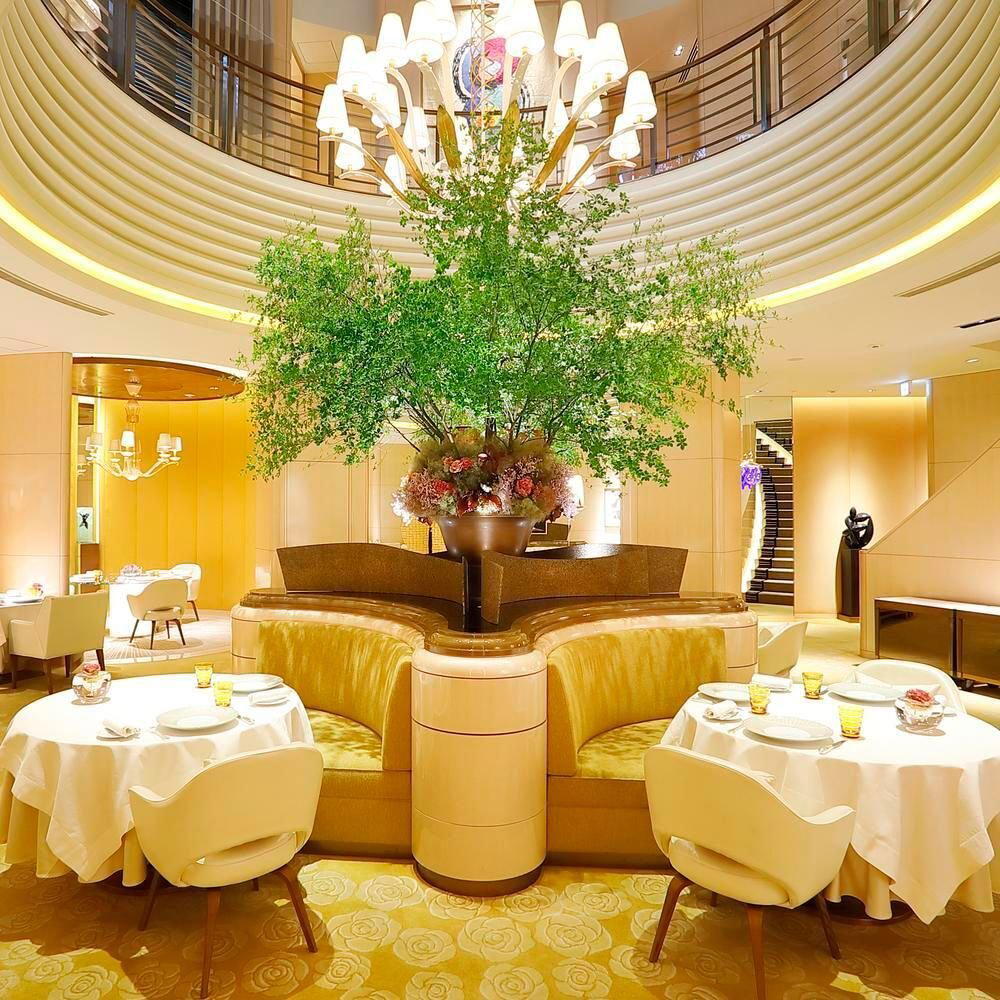
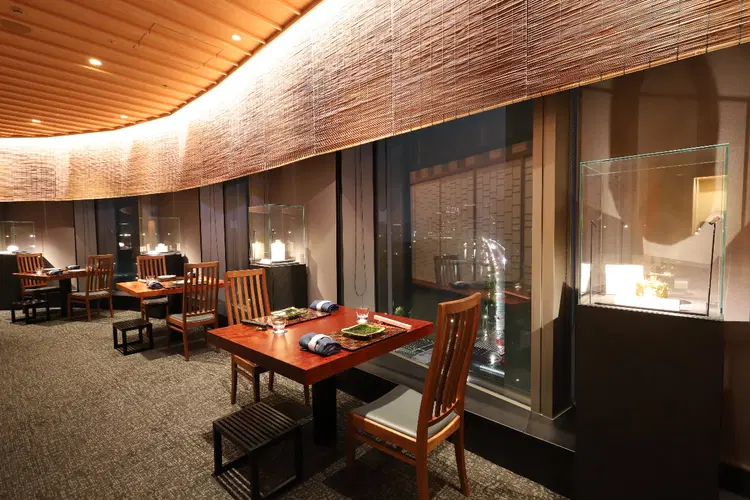
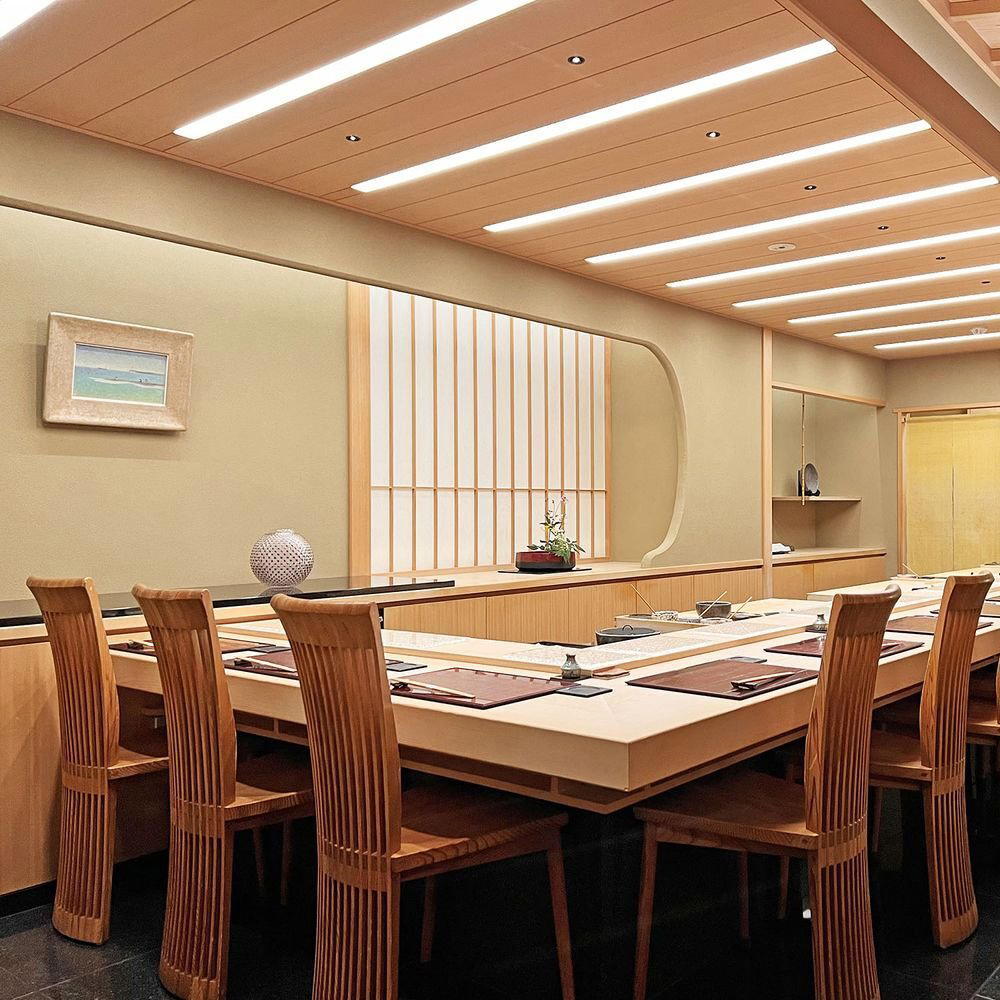
Located on the fourth floor of the Ginza Kanaria Building in Chuo City, 銀座 小山 occupies a quiet tier within one of Tokyo's most concentrated blocks of serious dining. The address alone positions it inside a competitive set where the ritual of the meal, its pacing, its silences, and its choreography, carries as much weight as what arrives at the table. Contact and booking details are available directly through the venue.
 Discover on Pearl
Pearl is the En Primeur Club membership app — saves, bookings, and concierge access live there. Same editors, same standards.
- Address
- Japan, 〒104-0061 Tokyo, Chuo City, Ginza, 5 Chome−4−8 銀座カリオカビル 4F
- Phone
- +81362159544
- Website
- kojyu.jp
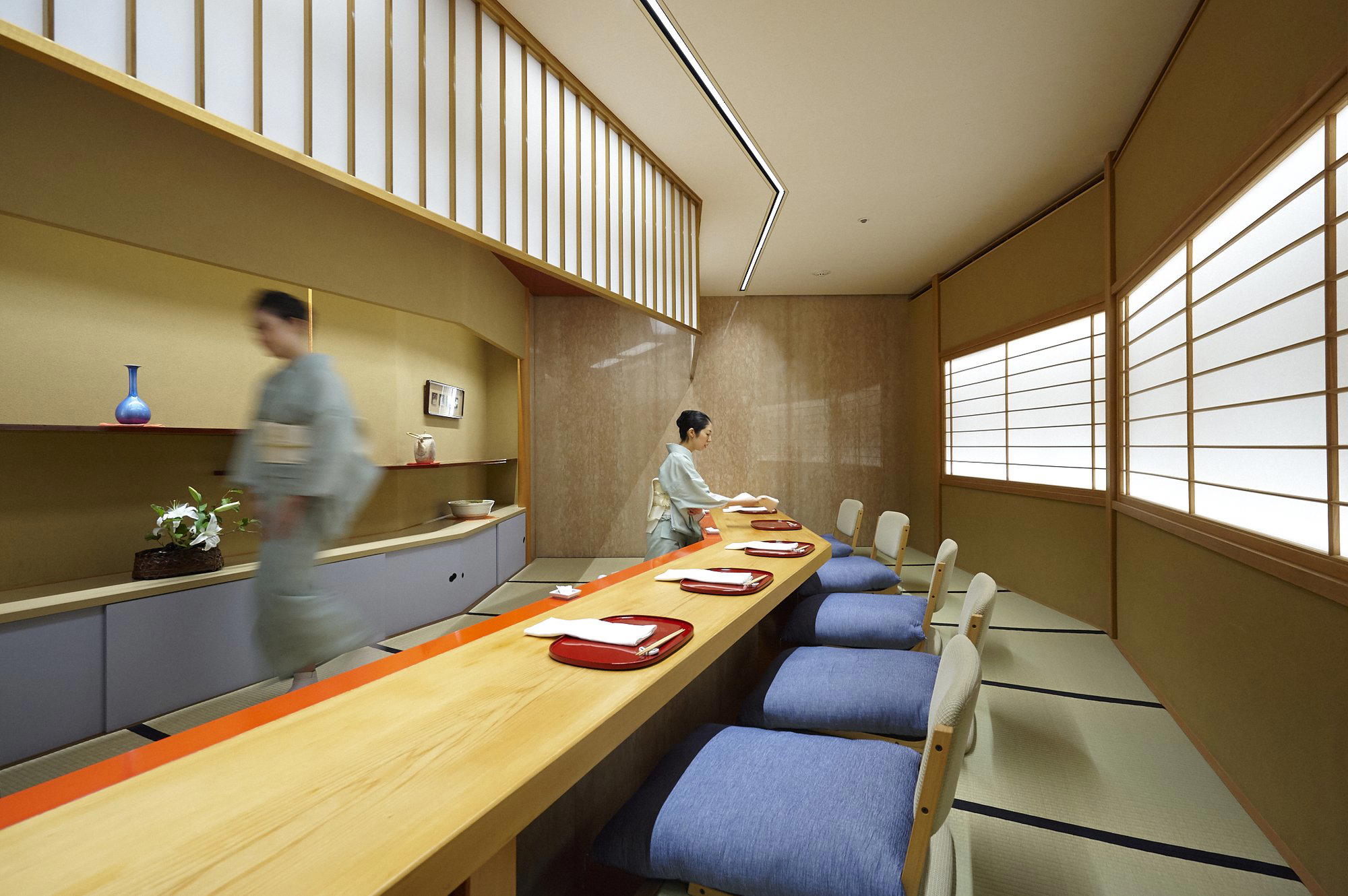
The Fourth Floor and What It Signals
Ginza's upper floors have long functioned as a kind of culinary shorthand. Street-level restaurants in this district court foot traffic; the serious rooms sit above it, accessible only by elevator, announced only to those who already know to look. The fourth floor of the Ginza Kanaria Building on 5-chome puts 銀座 小十 inside that established logic, a positioning that tells a careful reader something before a single dish arrives. It belongs to a Ginza tradition in which the room is earned, not stumbled upon.
Ginza's dining culture has for decades concentrated some of Japan's most disciplined counters and private dining rooms within a few city blocks, from the omakase counters around 6-chome to the kaiseki rooms tucked between the luxury retail of Chuo-dori. Properties like Harutaka operate in this same compressed geography, where proximity to premium neighbours sets the competitive baseline. 銀座 小山's 5-chome address places it squarely within that concentration.
The Architecture of a Japanese Meal
Across Japan's serious dining rooms, the ritual of the meal is rarely incidental. It is, in most cases, the point. The sequence matters: how courses arrive, the interval between them, the temperature at which each element is presented, the moment a host chooses to speak or to remain silent. This choreography is most visible in kaiseki, where the structure of the meal mirrors the seasons and each remove signals a movement in a longer composition, but it extends across counter sushi, tasting-menu formats, and intimate Japanese dining rooms of every register.
In the Ginza context specifically, that ritual has been refined over generations to account for a clientele with high exposure to both Japanese tradition and international fine dining. Rooms like RyuGin have built international reputations on the precision of their sequencing as much as the quality of individual dishes. The same principle applies further afield: Gion Sasaki in Kyoto and HAJIME in Osaka each represent regional versions of this same ritual logic, adapted to local ingredient cultures and local pacing expectations. What connects them is an understanding that the experience is structured, not improvised.
For a visitor approaching 銀座 小十, that context is the right frame. The Ginza address, the fourth-floor remove from the street, and the neighbourhood's established norms all suggest a room oriented around the considered meal rather than the convivial one.
Where Ginza Dining Sits in Japan's Broader Map
Tokyo concentrates more Michelin-starred restaurants than any other city on the planet, and Ginza holds a disproportionate share of that count within Tokyo itself. But the city's dining credibility is not only a Ginza story. The map extends nationally to rooms that have earned comparable attention in different registers: Goh in Fukuoka, akordu in Nara, and aki nagao in Sapporo each operate serious tasting formats far from the capital, drawing on regional ingredient cultures that Tokyo rooms sometimes import at cost. affetto akita in Akita, Aji Arai in Oita, and Akakichi in Imabari represent the depth of Japan's regional dining infrastructure, rooms where the provenance argument is even stronger because the produce travels no distance at all.
Ginza rooms compete differently. They compete on technique, on service discipline, on the symbolic weight of the address, and on access to a clientele that books months ahead and expects a certain density of craft per course. L'Effervescence and Sézanne demonstrate that Tokyo's premium tier is not exclusively Japanese in format: French-influenced and innovative tasting menus compete directly for the same reservation slots and the same critical attention. Crony sits in a similar comparable set, where the format is international but the discipline is Tokyo-calibrated.
Internationally, that discipline finds equivalents in rooms like Le Bernardin in New York City and Lazy Bear in San Francisco, where the tasting format and the ritual of service carry comparable weight. The common thread is that the meal is a structure, not a collection of dishes.
Etiquette and Expectations
In Ginza's serious rooms, a few conventions apply broadly. Reservations at this level of the market are typically made well in advance, and late arrivals carry a social cost that is difficult to recover from in a room where the kitchen is pacing a counter or a small dining room as a single unit. Dress codes in comparable venues tend toward smart formal, though the specific expectation at 銀座 小山 should be confirmed directly with the venue.
The convention of omakase, where the guest defers to the kitchen's judgment on the meal's composition, is the dominant format at Ginza's upper-tier counters. Even in rooms that offer some degree of choice, the expectation is that the guest arrives prepared to follow, not to direct. That disposition is not merely cultural politeness; it is what allows the kitchen to execute the sequencing with the control that distinguishes these rooms from more flexible formats.
For international visitors, the practical implication is to communicate dietary restrictions and allergies at the point of reservation, not on arrival. Menus are adjusted in advance.
Planning Details
| Detail | 銀座 小山 | Harutaka (peer reference) | RyuGin (peer reference) |
|---|---|---|---|
| Location | Ginza 5-chome, 4F, Chuo City | Ginza, Chuo City | Roppongi, Minato City |
| Format | Japanese restaurant | Omakase counter | Kaiseki tasting menu |
| Price range | Confirm with venue | ¥¥¥¥ | ¥¥¥¥ |
| Booking | Advance reservation essential | Advance reservation required | Advance reservation required |
| Dress code | Confirm with venue | Smart formal | Smart formal |
Beyond the capital, the range extends to rooms including Abon in Ashiya and Ajidocoro in Yubari District, which represent the breadth of Japan's serious dining outside the major urban centres.
Price and Recognition
Comparable venues nearby, for context on price, style, and recognition.
| Venue | Cuisine | Price | Awards | Notes |
|---|---|---|---|---|
| 銀座 小十This venue — the venue you are viewing | Chūō, japanese | , | , | |
| 銀座寿司幸本店 | Chūō, Traditional Japanese Sushi Omakase | , | , | |
| Sumatra Curry Kyoei Do | $$ | , | Chiyoda, Historic Sumatra-style Japanese curry | |
| . 鮪と炭火焼き うお炭 秋葉原店 | $$ | , | Chiyoda, Maguro and Charcoal-Grilled Fish Izakaya | |
| 隼 | Minato, Japanese Cuisine | , | , | |
| Kosetsu | $$ | , | Bunkyō, Traditional Japanese Soba & Kaiseki |