Tabelog 100 #23
Our verdict
セミーナ occupies the ground floor of Lions Mansion Odori Koen in Sapporo's Chuo Ward, placing it within walking distance of the city's most concentrated dining corridor. Readers are advised to verify current arrangements directly before visiting.

Pearl is the En Primeur Club membership app, where members save venues, book tables and use the concierge.
The menu
What to order
- Risotto ai Funghi
- Osso Buco
- Pasta al Pomodoro
- Tiramisu
Dining in Sapporo's Chuo Ward: Reading the Room Before You Sit Down
Sapporo's Chuo Ward has become the organizing spine of serious dining in Hokkaido's capital. The strip running from Odori Park south through Susukino concentrates the city's most purposeful restaurants into a walkable corridor, where kaiseki counters, sushi bars, and European-influenced rooms sit within a few city blocks of each other. セミーナ operates from the ground floor of Lions Mansion Odori Koen on Minami 1-jo Nishi, a residential-commercial building type common to this part of the ward, where ground-floor restaurant tenants often develop tight, neighborhood-rooted followings rather than the broader tourist traffic that flows through higher-profile addresses. That physical context matters: it shapes the pace and register of a meal before the first course arrives.
Across Chuo Ward, the dining ritual varies considerably by format. At sushi counters like Arima (Sushi), the meal is structured around the chef's sequencing and the diner's silent deference to it. At kaiseki rooms like Hanakoji Sawada (Kaiseki), the ritual is more elaborate, with seasonal kaiseki unfolding across multiple removes in an order governed by centuries of Kyoto convention. Both formats ask the diner to surrender a degree of control, to trust the kitchen's structure rather than impose their own preferences on the meal. Restaurants occupying a less codified format, as セミーナ appears to from its address and setting, tend to offer a different kind of ritual: one built around the neighborhood, the regulars, and the unspoken tempo of a room that knows its own rhythm.
What the Address Tells You About the Experience
Restaurant addresses in Japan communicate more than geography. A ground-floor mansion tenancy in a mid-block Chuo Ward location signals a certain kind of establishment: not a destination property chasing visiting diners, but a place that earns its clientele through repetition and word of mouth. Sapporo has produced several restaurants of this type that have gone on to receive significant recognition, including Higebozu and Hidetaka, both of which built their reputations inside the city before attracting wider attention. The pattern repeats across Japan's regional cities: Goh in Fukuoka and akordu in Nara are both examples of restaurants that cultivated a local dining ritual before being absorbed into the national conversation.
For the diner approaching セミーナ, the implication is to arrive without the framing that a formal Michelin-starred counter imposes. What can be said with confidence is that the address places the restaurant in a part of Chuo Ward where the dining experience tends to be driven by return visitors rather than occasion dining, and where the ritual of the meal is quieter and more local in register.
Sapporo in the Wider Japanese Dining Conversation
Hokkaido's culinary reputation rests on ingredient quality above all else: dairy, seafood, and produce that other Japanese prefectures source from the island precisely because the cold climate and agricultural scale produce ingredients with a distinct character. Sapporo's better restaurants use that supply chain as a structural advantage, and the city has attracted increasing attention from diners who previously concentrated their Japan itineraries on Tokyo, Kyoto, and Osaka. Gion Sasaki in Kyoto and HAJIME in Osaka represent the Kansai pole of serious Japanese dining, while Harutaka in Tokyo anchors the capital's sushi conversation. Sapporo sits at a different point on that map: less codified, more reliant on ingredient availability than on inherited culinary tradition, and more open to formats that have not yet been fixed by precedent.
That openness is part of what makes the city interesting to a certain kind of traveler. Our full Sapporo restaurants guide covers the range from format-driven counters to neighborhood-rooted rooms like the one セミーナ appears to occupy. The city also supports a wider network of regionally focused restaurants across Hokkaido and the broader Sea of Japan coast, including 一本木 高川製 in Nanao and 羽根屋 in Nishikawa Machi, that share a similar orientation toward local produce and low-profile settings.
The Ritual of Eating in a Room You Don't Fully Know
There is a particular dining ritual specific to restaurants where the format is not pre-announced: you read the room on arrival, take your cue from the staff, and let the meal structure itself around what the kitchen is prepared to offer that day. This mode of eating is more common in Japan than in most Western dining cultures, and it rewards a certain kind of attentiveness. The diner who arrives with fixed expectations about format, portion count, or meal duration tends to do worse in these rooms than one who arrives with openness to the kitchen's logic.
At aki nagao in Sapporo, that kind of attentive, format-responsive dining is built into the counter experience. The same orientation applies at European-inflected rooms elsewhere in Japan, where the meal is structured around the chef's sourcing decisions on a given day rather than a fixed printed menu. Whether セミーナ operates on a similar principle cannot be confirmed from available data, but the address and setting suggest a room where the ritual is relational rather than procedural.
For comparison, restaurants operating at the more highly codified end of the spectrum, such as Le Bernardin in New York City or Atomix in New York City, build their ritual around a tightly controlled sequence that leaves little ambiguity. The interest of less codified rooms is precisely that the ritual is negotiated rather than imposed, and that negotiation is itself part of the experience.
Planning a Visit: What to Verify Before You Go
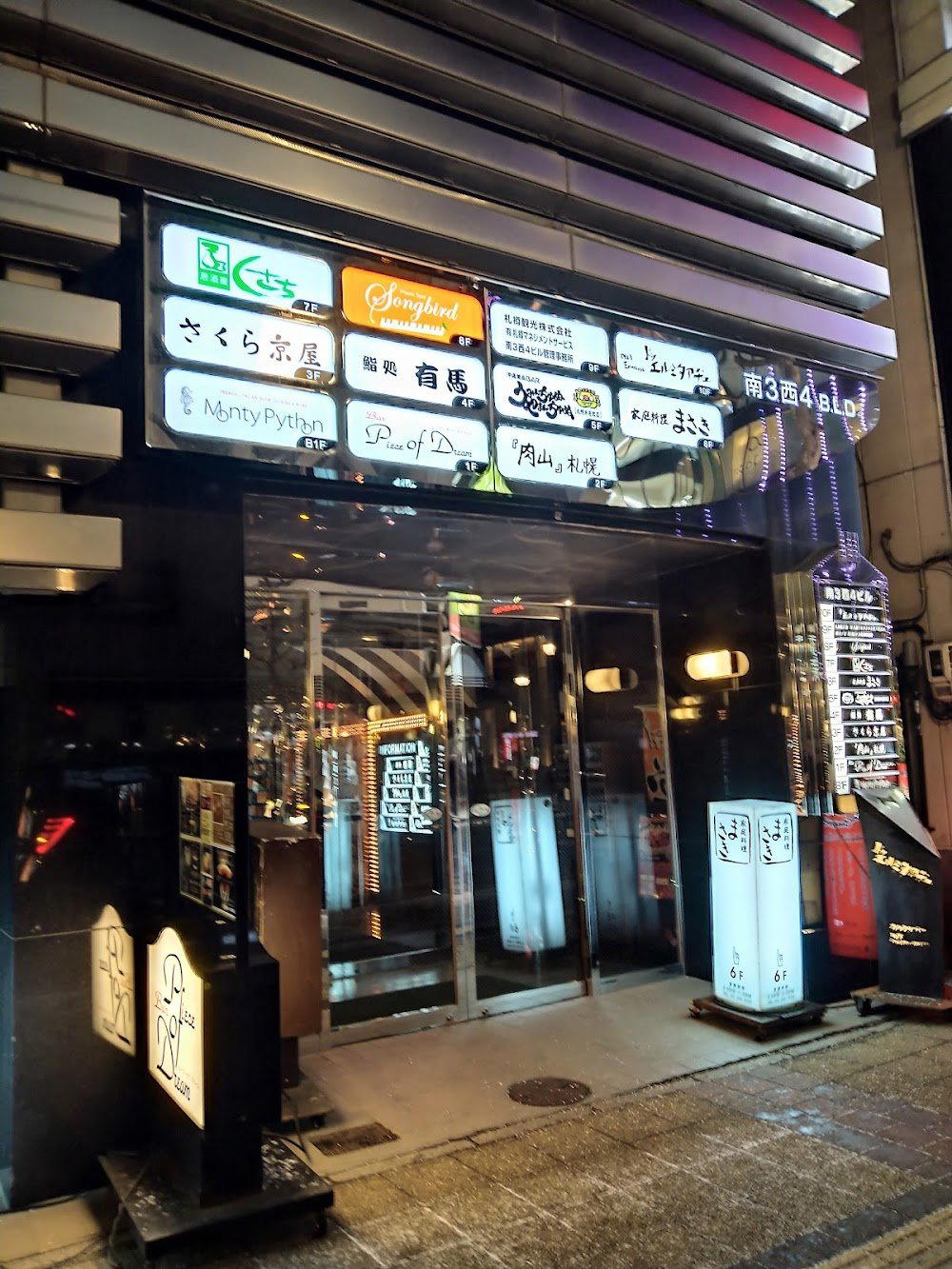
Readers planning a visit should verify all practical details directly with the venue before making arrangements. The restaurant is located at 〒060-0061, 8 Chome-20-1 Minami 1-jo Nishi, Chuo Ward, Sapporo, Hokkaido, on the ground floor of Lions Mansion Odori Koen, a residential building within comfortable walking distance of Odori Station on the Sapporo Municipal Subway. For broader context on the Chuo Ward dining scene and how to structure a Sapporo itinerary, the EP Club Sapporo guide covers the full range of formats and price tiers currently tracked by our editorial team.
Frequently asked questions
Is セミーナ a family-friendly restaurant?
The venue's ground-floor Chuo Ward address in Sapporo places it within a residential mansion block, a setting that typically signals an intimate, quieter dining register rather than a casual family format.
What is the atmosphere like at セミーナ?
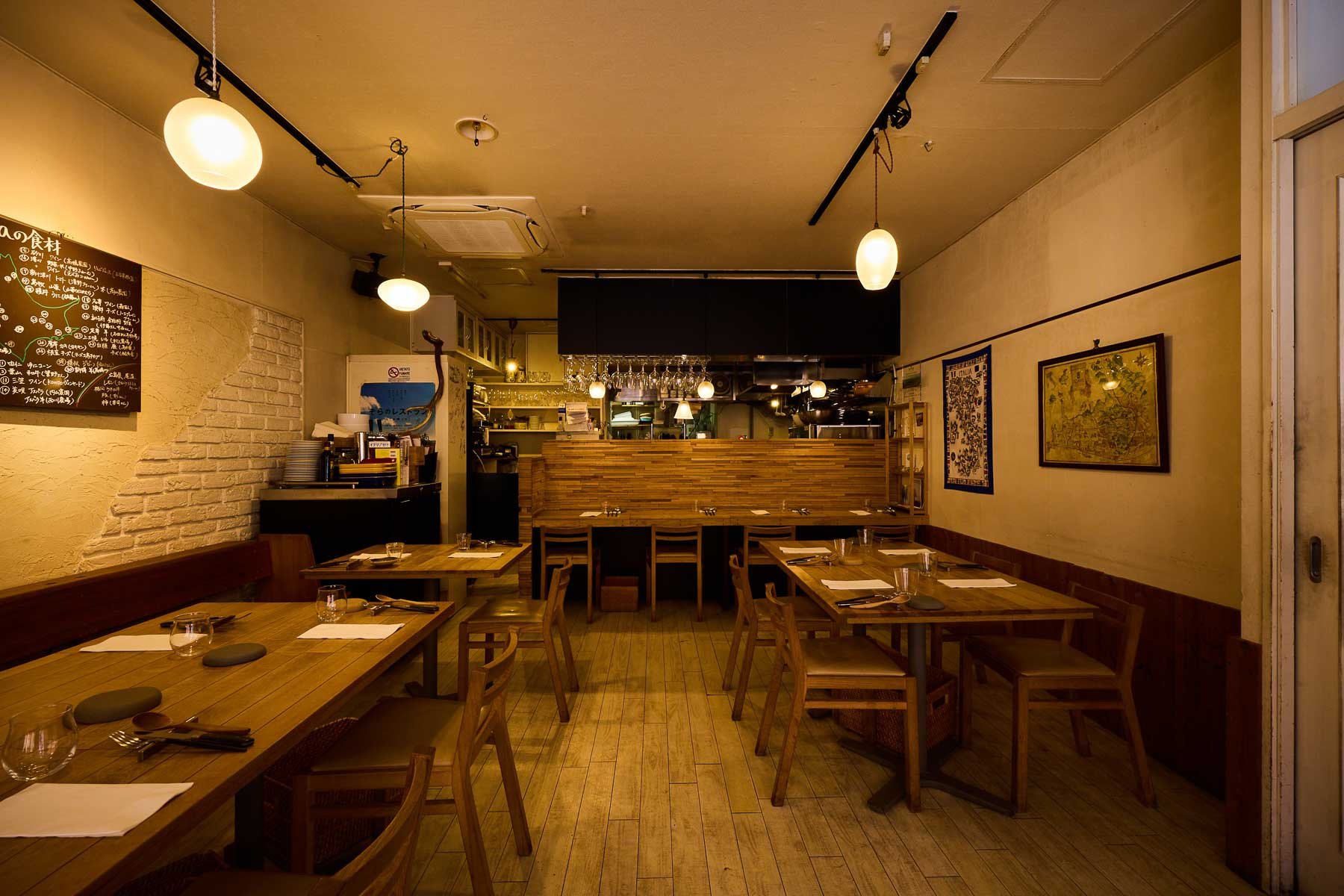
A ground-floor tenancy inside a Lions Mansion building in Sapporo's Minami 1 Jo Nishi district points toward a contained, low-key setting rather than an open street-front room. Chuo Ward restaurants in this configuration tend to run small, with a neighbourhood character that rewards guests who already know what they are walking into.
Where exactly is セミーナ located in Sapporo, and how does the address shape the dining experience?
セミーナ occupies the ground floor of Lions Mansion Odori Koen at 8-chome, Minami 1 Jo Nishi, Chuo Ward, Sapporo, a mid-block residential building a short distance from Odori Park. In Sapporo's dining geography, a mansion ground-floor address in this part of Chuo Ward typically indicates a small, reservation-focused room rather than a walk-in destination. The location places it within easy reach of the Odori and Susukino corridor, which concentrates the bulk of serious dining in Hokkaido's capital.
Where exactly is セミーナ?
セミーナ is located at Japan, 〒060-0061 Hokkaido, Sapporo, Chuo Ward, Minami 1 Jonishi, 8 Chome−20−1 Lions Mansion Õdõrikõen, 1F, Sapporo.
Cost Snapshot
Comparable venues nearby, for context on price, style, and recognition.
| Venue | Cuisine | Price | Awards | Notes |
|---|---|---|---|---|
| セミーナThis venue (the venue you are viewing) | Northern Italian Farm-to-Table Trattoria | $30–50 | Tabelog 100 #23 | Not listed |
| オステリア クロッキオ | Hokkaido-Inspired Italian Osteria | $50–100 | Not listed | Chūō, Hokkaido-Inspired Italian Osteria |
| マガーリ | Innovative Italian with Hokkaido Ingredients | $100–150 | Tabelog 100 #1 | Chūō, Innovative Italian with Hokkaido Ingredients |
| Susukino Niku Seafood Robata Shinshin | Japanese Robatayaki Izakaya | $100–150 | Tabelog 100 #64 | Chūō, Japanese Robatayaki Izakaya |
| ゴーシェ | French Wild Game Bistro | $50–100 | Tabelog 100 #81 | Chūō, French Wild Game Bistro |
| Sapporo Kanihonke (札幌かに本家 すすきの店) | Hokkaido Crab Specialty | Not listed | Not listed | Susukino, Hokkaido Crab Specialty |
Recognition history
Dated appearances from independent guides and award organizations, with the underlying list record or original source where available.
Tabelog 100 #23 · No. 23
Tabelog · Tabelog 100 - Italian - EAST - 2025