Our verdict
ç sits in Sapporo's Maruyama district, one of Hokkaido's quieter residential precincts, where a small cohort of serious restaurants operates at some distance from the city's more trafficked dining corridors. The address alone signals a particular kind of ambition: the choice to build a following in a neighbourhood rather than chase footfall. Booking ahead and arriving without assumptions are both advisable.

Pearl is the En Primeur Club membership app — saves, bookings, and concierge access live there. Same editors, same standards.
- Address
- 4 Chome-6-17 Maruyama Nishimachi, Chuo Ward, Sapporo, Hokkaido 064-0944, Japan
- Phone
- +81116166462
- Hours
- Daily 12–9:30 PM
- Website
- masaki-maruyama.com
- Directions
- Get directions
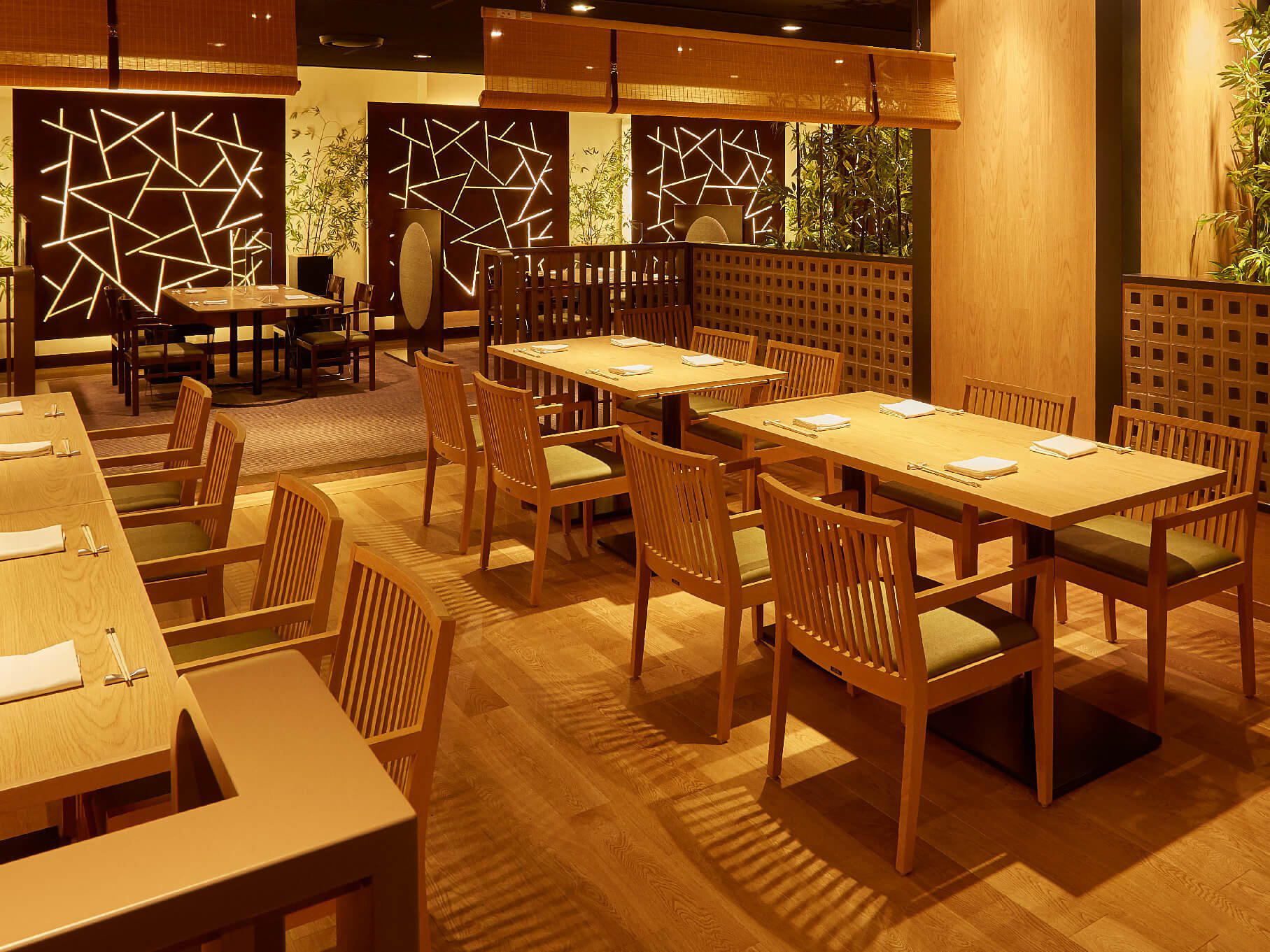
Maruyama's Quieter Register
Sapporo's restaurant scene divides more sharply by district than most Japanese cities its size. The areas around Susukino and Odori draw the broadest mix of diners and formats, from casual ramen counters to the kind of sushi rooms that attract visitors from Osaka or Tokyo. Maruyama, by contrast, operates on a slower frequency. The neighbourhood sits west of central Sapporo, closer to the shrine and the park than to the nightlife corridors, and the restaurants that have chosen to open here tend to do so deliberately. ç, at 4 Chome-6-17 Maruyama Nishimachi in Chuo Ward, belongs to that deliberate cohort.
The Maruyama address matters because it shapes the terms of the visit before a guest even sits down. There is no foot traffic to rely on, no cluster of competitor venues to catch the overflow. A restaurant in this part of the city builds its audience through reputation alone, which tends to concentrate the room and set a particular tone at the table. This pattern holds across Hokkaido's more serious dining addresses: the further from the main tourist circuits, the more the room tends to fill with people who have made a specific decision to be there.
Hokkaido's Ingredient Advantage and the Restaurants That Use It
Understanding any serious Sapporo restaurant requires some grounding in what Hokkaido produces. The prefecture supplies a disproportionate share of Japan's dairy, seafood, and produce. Sea urchin from Rishiri and Rebun, crab from the Sea of Okhotsk, Yubari melons, Tokachi beef, and an extensive range of cold-water fish all circulate through the city's better kitchens before reaching the rest of the country. For restaurants operating at the sharper end of Sapporo's dining scene, proximity to these ingredients is less a marketing point than a structural fact of how menus get built.
This is the context in which ç should be read. Both illustrate how the city's top tier tends to use local sourcing not as novelty but as foundation. Where ç sits within that picture remains leading understood through a visit rather than a description, given the limited data in the public record.
The Broader Sapporo Scene as Context
Sapporo has attracted growing attention from serious diners over the past decade, partly because it operates outside the Tokyo-Kyoto-Osaka circuit that dominates most Japan itineraries. The city's Michelin coverage, while smaller than those three cities, has expanded in recognition of a restaurant culture that draws seriously on its regional setting. Restaurants like Higebozu and Hidetaka represent different registers of that scene, and aki nagao adds another point of reference for how the city's more considered restaurants approach their work.
For visitors mapping Sapporo against Japan's wider fine dining geography, the relevant comparisons extend well beyond Hokkaido. Restaurants like HAJIME in Osaka, Harutaka in Tokyo, and Gion Sasaki in Kyoto each represent their city's approach to ingredient-led precision at the highest level. Sapporo's strongest rooms operate from a different position: they have direct access to ingredients that other cities import, and that proximity tends to show in what arrives at the table. Visitors combining Sapporo with stops in Nara, Fukuoka, or Ashiya, where akordu, Goh, and Abon each anchor their respective scenes, will find Sapporo holds its own in that company.
Japan's regional dining circuit beyond the main cities has also produced serious addresses in Akita, Oita, Yubari District, and Imabari, where affetto akita, Aji Arai, Ajidocoro, and Akakichi each demonstrate that the country's most compelling dining is no longer concentrated in its three or four largest cities. Sapporo, as Hokkaido's main urban centre, benefits from this shift in attention.
Planning a Visit
The Maruyama Nishimachi address places ç within Chuo Ward, Sapporo's central administrative district, though Maruyama sits toward the ward's western edge rather than at its commercial core. The neighbourhood is accessible from central Sapporo by the Tozai subway line, with Maruyama Koen station serving as the practical arrival point. From there, the address is walkable, passing through the kind of low-rise residential streets that distinguish this part of the city from the denser grid further east.
Restaurants of this type in Japanese cities often operate on shorter booking windows than their counterparts in Tokyo's highest tier, but that can shift with reputation. Arriving in Sapporo with the broader dining scene mapped is useful regardless; the Our full Sapporo restaurants guide covers the city's range in more detail.
For international visitors arriving from cities with well-documented fine dining cultures, the comparison point that may be most useful is how neighbourhood-anchored restaurants in other contexts operate. Le Bernardin in New York City and Lazy Bear in San Francisco both illustrate, in their respective ways, how serious restaurants that operate away from the most obvious tourist corridors tend to build loyal, informed audiences. The dynamic in Sapporo's Maruyama district runs on a similar logic, scaled to a city that rewards the visitor willing to look past the most familiar addresses.
Frequently asked questions
Is ç good for families?
ç sits in Maruyama Nishimachi, a residential pocket of Chuo Ward that runs at a quieter register than central Sapporo's Susukino district. The neighbourhood itself is calm and accessible.
Where is ç located?
ç is located at 4 Chome-6-17 Maruyama Nishimachi, Chuo Ward, Sapporo, Hokkaido 064-0944, Japan, Sapporo.
How far ahead should I plan for ç?
Reservations are recommended for ç in Sapporo. Confirm current policy via the venue's official channels.
What do critics highlight about ç?
ç is best approached by focusing on the core concept and signature offerings.
| Venue | Cuisine | Price | Awards | Notes |
|---|---|---|---|---|
| çThis venue — the venue you are viewing | Not listed | Not listed | Not listed | Not listed |
| Arima | Hokkaido Ezo-mae Omakase Sushi | $100–150 | Tabelog Bronze #26 | Sushi |
| Hanakoji Sawada | Michelin-Starred Kaiseki | Not listed | Tabelog 100 #6 | Kaiseki |
| Menya Saimi | Sapporo Miso Ramen | $1–10 | Tabelog 100 #36 | Ramen |
| Nukumi | Contemporary Kaiseki | $150–200 | Tabelog Bronze #330 | Crab |
| Sushi Miyakawa | 3 Michelin-Star Edomae Sushi Omakase | $200–300 | Tabelog Silver #80 | Sushi |
Continue exploring
More in Sapporo
Restaurants in Sapporo
Browse all →


Details
Current opening hours
- Monday
- 12–9:30 PM
- Tuesday
- 12–9:30 PM
- Wednesday
- 12–9:30 PM
- Thursday
- 12–9:30 PM
- Friday
- 12–9:30 PM
- Saturday
- 12–9:30 PM
- Sunday
- 12–9:30 PM
Hours can change for holidays and private events. Last verified .