
Tabelog 100 #29
Our verdict
ファン・ダルクオーレ is a dining address in Tatsumicho, Takasaki, Gunma, operating in a regional city that punches above its size for serious table experiences. For broader context on eating well in the area.

Pearl is the En Primeur Club membership app, where members save venues, book tables and use the concierge.
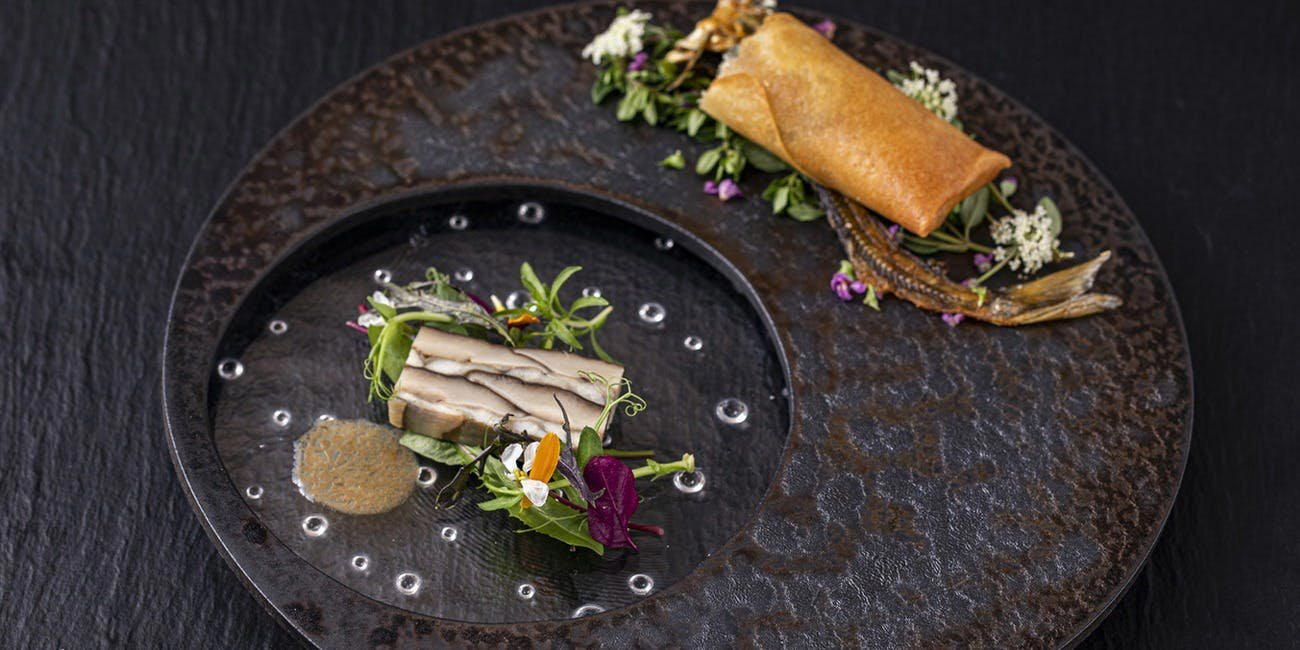
Takasaki and the Question of Regional Ambition
Japan's dining conversation concentrates on its three or four major cities, but the country's regional table has always been more consequential than that framing suggests. Gunma Prefecture sits roughly 100 kilometres northwest of Tokyo, close enough for Shinkansen access yet far enough to sustain a food culture shaped by local agriculture, mountain produce, and the kind of neighbourhood loyalty that keeps kitchens accountable in ways that tourist-facing restaurants rarely have to be. Takasaki, the prefecture's largest city, is a transit hub with a dining scene that rewards attention rather than demanding it. Serious addresses in cities like this tend not to broadcast themselves; they accumulate regulars and operate on word-of-mouth in ways that few urban restaurants can afford to rely on.
ファン・ダルクオーレ, located at 10-8 Tatsumicho in Takasaki, sits within that regional context. Its name, a transliteration of Italian phrasing, signals a European culinary reference point in a city where French and Italian cooking traditions have taken root through decades of Japanese chefs training abroad and returning to smaller cities, applying classical technique to local ingredients. That pattern is not unique to Takasaki: it runs through prefectural capitals and second-tier cities across Honshu, producing restaurants that are positioned against their local peers rather than the headline counters of Osaka or Tokyo.
European Cooking Traditions in a Japanese Regional Setting
The Italian-language name places ファン・ダルクオーレ within a long lineage of Japanese restaurants that draw directly from European kitchen culture. Japan's engagement with French and Italian cooking began seriously in the postwar decades and intensified from the 1980s onward, as chefs moved through European kitchens and returned with technical foundations that they then rebuilt around Japanese produce, seasonality, and service sensibility. The results, across several generations of practice, have produced a category of Japanese European restaurant that operates quite differently from its Western counterparts.
At the highest tier, that category includes addresses like HAJIME in Osaka, a three-Michelin-star French-innovative kitchen that treats European culinary architecture as a departure point for something distinctly Japanese in philosophy, or akordu in Nara, which brings a similarly cross-cultural intelligence to bear on Yamato produce. Further afield, Le Bernardin in New York City and Atomix in New York City represent different expressions of how European and Asian culinary traditions intersect at a fine-dining level. Regional Japanese restaurants working within this European framework operate several rungs below those flagship addresses in terms of public profile, but they serve a function those headline kitchens cannot: they put serious cooking within reach of diners who live outside the major urban centres, and they do so within a price structure that reflects local rather than international demand.
Gunma's agricultural character adds a layer of local specificity to any restaurant working in this tradition. The prefecture produces konnyaku, wheat, and a range of mountain vegetables that give regional kitchens access to ingredients that Tokyo restaurants import at considerable cost. A European-leaning kitchen in Takasaki has structural reasons to source locally that its urban counterparts may lack.
The Tatsumicho Address
The street address, 10-8 Tatsumicho, places ファン・ダルクオーレ in a residential-commercial zone characteristic of mid-size Japanese cities, where restaurants occupy ground-floor units in mixed-use buildings rather than the purpose-built dining districts of larger urban centres. That setting shapes the dining experience in ways that go beyond aesthetics. Restaurants in these neighbourhoods serve a community rather than a passing crowd, which tends to produce tighter service rhythms, menus calibrated to returning guests, and a kitchen culture less oriented toward spectacle.
For visitors arriving from Tokyo, Takasaki Station is a primary Shinkansen stop on the Joetsu and Hokuriku lines, placing it under an hour from Ueno on the fastest services. That accessibility makes day-trip or overnight dining in Takasaki a practical proposition, though the city's dining scene rewards a longer stay. Our full Takasaki restaurants guide maps the broader picture, including Mikumano and Mokkosu, two other addresses that represent different points on the city's culinary range.
Regional Peers and the Wider Japanese Table
Placing ファン・ダルクオーレ in competitive context requires looking across Japan's regional dining tier rather than against its metropolitan flagships. Restaurants working in European traditions outside the major cities operate in a space where local recognition matters more than national press, and where the competitive set is defined by geography as much as category. Addresses like Bistro Ange in Toyohashi occupy a comparable position in their respective cities, French and Italian-influenced kitchens embedded in regional communities, accountable to a returning local clientele rather than the touring audience that sustains destination restaurants.
Further along the regional spectrum, kitchens like 一本木 石川製 in Nanao and 湖畔荘庵 in Takashima demonstrate how Japanese culinary traditions root themselves in specific landscapes and local produce outside the headline cities. 羽根屋 in Nishikawa Machi and 古仲山乃 in Sapporo add further regional texture to that picture. The pattern that emerges is consistent: Japan's most interesting dining is not confined to its most photographed cities, and regional addresses reward visitors willing to look beyond the established itinerary.
That point extends to the broader Japanese fine-dining scene. Harutaka in Tokyo, Gion Sasaki in Kyoto, and Goh in Fukuoka each anchor their respective cities' premium tier, but they also function as reference points that calibrate expectations for what serious Japanese cooking looks like at different price levels and in different cultural settings. Regional restaurants like ファン・ダルクオーレ contribute to that picture from the ground up.
Planning a Visit
EP Club's available data for ファン・ダルクオーレ is limited to the address at 10-8 Tatsumicho, Takasaki, Gunma 370-0835. Visitors should contact the restaurant directly or consult a local concierge for current operating information before making plans. Given that many regional Japanese restaurants of this type operate on reservation-only schedules with limited covers, advance inquiry is advisable rather than attempting a walk-in. Additional restaurants worth exploring in Gunma and the surrounding region include Birdland in Sakai, Blue Ocean Steak in Nakagami District, and bodai in 那智勝浦町 for a broader regional perspective.
Frequently asked questions
What part of town is ファン・ダルクオーレ in?
ファン・ダルクオーレ is located at 10-8 Tatsumicho, Takasaki, Gunma 370-0835, Japan, Takasaki.
Is ファン・ダルクオーレ worth traveling to Takasaki specifically for?
Takasaki sits roughly 100 kilometres northwest of Tokyo on the Shinkansen, making it a feasible half-day or day trip for dedicated diners. A European-named kitchen operating in Gunma's largest city occupies a specific niche in Japan's regional dining tier, where European-influenced restaurants tend to attract a loyal local following and can hold a level of craft that urban venues at equivalent price points may not. EP Club recommends confirming cuisine format and reservation availability directly with the restaurant before planning a dedicated trip.
What's the best thing to order at ファン・ダルクオーレ?
EP Club does not hold confirmed menu data for ファン・ダルクオーレ, so dish-level guidance isn't possible here. Restaurants operating under an Italian-language name in a Japanese regional city like Takasaki typically anchor their menus around European course structures, where the kitchen's strongest statement usually comes through the main protein course or a house pasta. Visiting with an open-format approach and asking staff about the day's kitchen focus is the more reliable strategy than arriving with a fixed dish in mind.
Can I walk in to ファン・ダルクオーレ?
Given the Tatsumicho address in Takasaki, a mid-size city where serious dining rooms often run on tighter seat counts than their metropolitan counterparts, walk-in availability is not something EP Club can confirm. European-influenced restaurants at this level in Japanese regional cities typically seat small parties and fill quickly on weekends. Contacting the venue directly before visiting is the practical approach, particularly for dinner service.
Booking and Cost Snapshot
Comparable venues nearby, for context on price, style, and recognition.
| Venue | Cuisine | Price | Awards | Notes |
|---|---|---|---|---|
| ファン・ダルクオーレThis venue (the venue you are viewing) | Chinese-Italian Fusion Fine Dining | $100–150 | Tabelog 100 #29 | Not listed |
| Mikumano | Japanese Teppanyaki & Kaiseki | $150–200 | Not listed | Yanagawacho, Japanese Teppanyaki & Kaiseki |
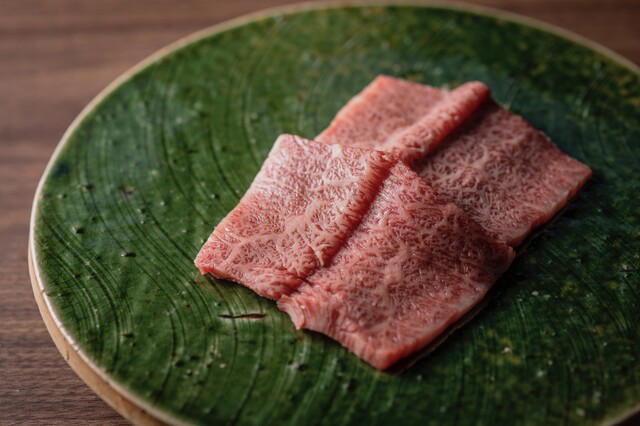
| Yakiniku Sumikou | Aged Sendai Wagyu Yakiniku | $50–100 | Tabelog 100 #51 | Shimo-Wada-machi, Aged Sendai Wagyu Yakiniku |
| Jikaseimen Kuromatsu | Japanese Ramen | $10–20 | Tabelog 100 #79 | Yanagawamachi, Takasaki, Japanese Ramen |
| BRAZIL GRILL | Traditional Brazilian Churrasco Grill | $30–50 | Tabelog 100 #72 | Sayamachi / central Takasaki, Traditional Brazilian Churrasco Grill |
| Takasaki Geijutsu Yasai to Italian Pizza Maro | Neapolitan-style Italian Pizzeria | $20–30 | Tabelog 100 #42 | Not listed |
Recognition history
Dated appearances from independent guides and award organizations, with the underlying list record or original source where available.
Tabelog 100 #29 · No. 29
Tabelog · Tabelog 100 - Innovative / Creative cuisine - 2025
Continue exploring
More in Takasaki
Restaurants in Takasaki
All restaurants in Takasaki →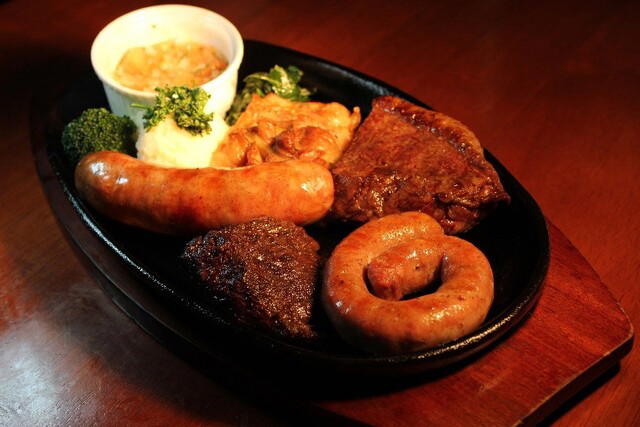
Hotels in Takasaki
Browse all →
Wineries in Takasaki
Browse all →
Details
- Sophisticated
- Elegant
- Modern
- Date Night
- Special Occasion
- Chefs Counter
- Sake Program
- Local Sourcing
- Omakase
- A La Carte
Current opening hours
- Monday
- 6–10:30 PM
- Tuesday
- 6–10:30 PM
- Wednesday
- 6–10:30 PM
- Thursday
- 6–10:30 PM
- Friday
- 6–10:30 PM
- Saturday
- 6–10:30 PM
- Sunday
- 6–10:30 PM
Hours can change for holidays and private events. Hours as of .
Calm and sophisticated atmosphere suitable for fine dining.