
Tabelog 100 #79
Our verdict
Jikaseimen Kuromatsu puts Takasaki ramen in the small-shop, ingredient-led lane: house-made noodles, ramen and tsukemen, counter seating, and recognition in Tabelog 100 Ramen EAST 2024 and 2025. It is a low-cost, compact stop rather than a long-dinner address, with a format better suited to focused solo diners and families comfortable with counter service.

Pearl is the En Primeur Club membership app, where members save venues, book tables and use the concierge.
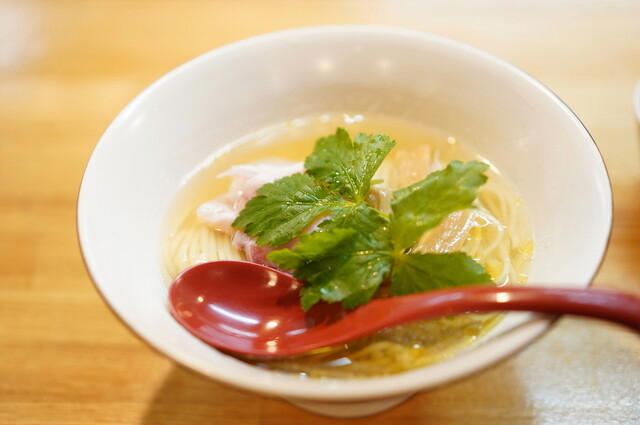
Takasaki is not the theatre district version of ramen culture. The approach is quieter: a focused ramen stop, a direct meal, and the quick recalibration that happens when the experience is built around bowls rather than lingering. In Takasaki, ramen works as both daily meal and destination cooking. Jikaseimen Kuromatsu belongs to the latter camp, not because it turns the format formal, but because it treats the noodle side of the bowl as the centre of the argument.
The useful distinction here is in the name: jikaseimen, a signal that points diners toward noodles as identity. In Japanese ramen, broth often receives the critical attention, yet noodle texture decides whether a bowl has structure. A shop identity built around noodles points diners toward thickness, hydration, bite, and how the noodle carries soup or dipping broth. That matters even more when the listing crosses ramen and tsukemen, since dipping noodles need a different physical confidence from noodles served in hot soup. The point is not novelty; it is focus on the component that makes the bowl cohere.
House-made noodles put Takasaki ramen in a sharper frame
Takasaki gives ramen room to read as local craft: compact, repeatable, and built around texture. Jikaseimen Kuromatsu’s selection in the 2025 Tabelog Hyakumeiten gives that local reading an external signal, placing it among recognised ramen and tsukemen shops without stripping away the everyday scale of the format. Its Tabelog score is listed at 3.93, with the price band shown as - JPY 999.
That recognition is useful because ramen awards often reveal consistency more than luxury. A focused ramen shop has few places to hide. Service is compressed, turnover is part of the format, and the kitchen’s margin for error is narrow. The bowl has to justify the attention immediately: noodle spring, broth clarity or depth, seasoning balance, and temperature all register before ambience can do much persuasion. For travellers accustomed to longer restaurant meals, this is a different kind of discipline. It is less ceremonial, but not less exacting.
Ingredient sourcing, in this context, is not a list of named producers on a menu. It shows up in decisions about what the kitchen foregrounds and what that allows it to tune. A noodle-led identity gives the shop command over the starch backbone of the meal; tsukemen puts that decision under closer scrutiny because the noodles are encountered more directly, often with less masking from soup. The same logic explains why regional ramen specialists can be worth building a day around even when the spend remains modest. The craft is not in luxury ingredients alone, but in calibrating ordinary ones with repetition.
The counter format rewards focused eating, not lingering
Takasaki’s dining scene spreads across several registers. There are higher-spend rooms such as Potoro, meat-led addresses including BRAZIL GRILL, and more formal local Japanese options such as Mikumano. Ramen sits outside that dinner-length economy. Its value is concentration: a short meal, a narrow menu logic, and a high ratio of technique to ceremony. That is why a recognised ramen stop can matter as much to understanding a city as a larger restaurant with broader service ambitions.
Within that frame, the format is not merely a seating plan. It shapes behaviour. Solo diners fit naturally because ordering, eating, and leaving are all part of the social contract. Families can also make it work when children are comfortable with the pace and practical realities of a focused ramen room. The atmosphere is direct rather than theatrical: bowls move quickly, decisions are made fast, and conversation tends to stay secondary to the food. For a visitor, that makes the experience legible even without a long explanation of the menu.
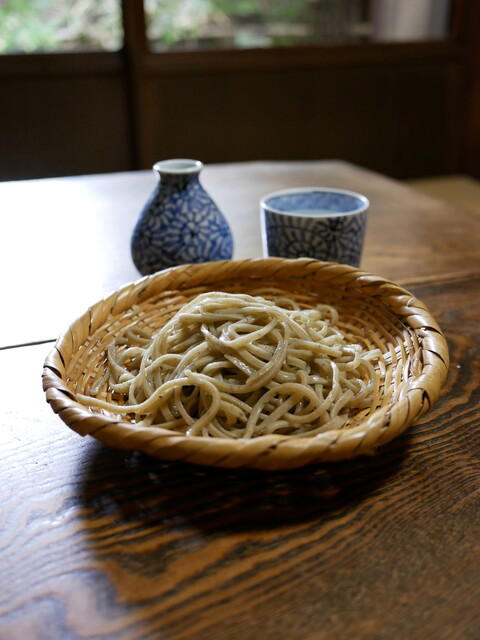
Comparison helps clarify the decision. Other Takasaki dining rooms point to different routes in the city, while soba specialists such as Teuchi Soba Maizuru draw the noodle conversation toward buckwheat rather than ramen. Those distinctions matter: soba asks the diner to read fragrance and cut; ramen and tsukemen ask for the interplay of wheat noodles, soup, tare, fat, and toppings. Jikaseimen Kuromatsu’s appeal is strongest for travellers who want that ramen-specific grammar in a compact, ingredient-led form.
How to place it in a Takasaki food day
The smarter way to use a ramen stop in Takasaki is not to treat it as a consolation meal between reservations. Make it the anchor for the daytime portion of the itinerary, then let dinner move in another direction. That might mean beef, yakitori, soba, or a quieter Japanese room later, but ramen deserves its own appetite and pace. The city’s advantage is scale: it allows a visitor to read several Japanese dining modes in a single stay without the logistical sprawl of a larger city.
Travellers planning around the city can map the wider scene through Our full Takasaki restaurants guide, then build the rest of the trip through Our full Takasaki hotels guide, Our full Takasaki bars guide, Our full Takasaki wineries guide, and Our full Takasaki experiences guide. For broader Japan comparisons, it is enough to think generically across grilled beef, seafood, cafe, curry, and casual Japanese formats in other cities, rather than treating any one outside address as the point. Across the Pacific, Japanese formats also change when transplanted, but Takasaki’s ramen rooms remain tied to the directness of local daily eating.
The editorial case for Jikaseimen Kuromatsu is therefore specific rather than grand. It is a ramen and tsukemen venue with 2025 Tabelog Hyakumeiten recognition, a noodle-led identity, and a format that compresses the meal into a short, technique-heavy encounter. For travellers reading Takasaki through food, that combination says more about the city than a longer meal trying to impress by scale.
Frequently asked questions
Is Jikaseimen Kuromatsu a family-friendly restaurant?
Jikaseimen Kuromatsu is best approached as a focused ramen and tsukemen stop. Families can consider it if everyone is comfortable with a quick, focused meal in Takasaki.
What is the atmosphere like at Jikaseimen Kuromatsu?
It is a ramen and tsukemen venue in Takasaki. The format suits a quick, focused meal, and the 2025 Tabelog Hyakumeiten selection signals serious local standing.
How much does it cost to eat at Jikaseimen Kuromatsu?
Pricing at Jikaseimen Kuromatsu is listed as - JPY 999.
Where is Jikaseimen Kuromatsu in Takasaki?
Takasaki.
Fast Comparison
Comparable venues by cuisine and price in the same metro.
| Venue | Cuisine | Price | Awards | Notes |
|---|---|---|---|---|
| Jikaseimen KuromatsuThis venue (the venue you are viewing) | Japanese Ramen | $10–20 | Tabelog 100 #79 | Not listed |
| Yakitori Ko no Ji | Traditional Yakitori | Not listed | Tabelog 100 #29 | . Takasaki |
| Bommi Sobakiri | Traditional Japanese soba noodle shop | Not listed | Tabelog 100 #83 | Not listed |
| Takasaki Geijutsu Yasai to Italian Pizza Maro | Neapolitan-style Italian Pizzeria | $20–30 | Tabelog 100 #42 | Takasaki |
| The Good Bear Burger | American-style Burger Shop | $20–30 | Tabelog 100 #7 | Kaizawamachi, Takasaki |
| Mikumano | Japanese Teppanyaki & Kaiseki | $150–200 | Not listed | Yanagawacho |
Recognition history
Dated appearances from independent guides and award organizations, with the underlying list record or original source where available.
Tabelog 100 #79 · No. 79
Tabelog · Tabelog 100 - Ramen - EAST - 2025
Continue exploring
More in Takasaki
Restaurants in Takasaki
All restaurants in Takasaki →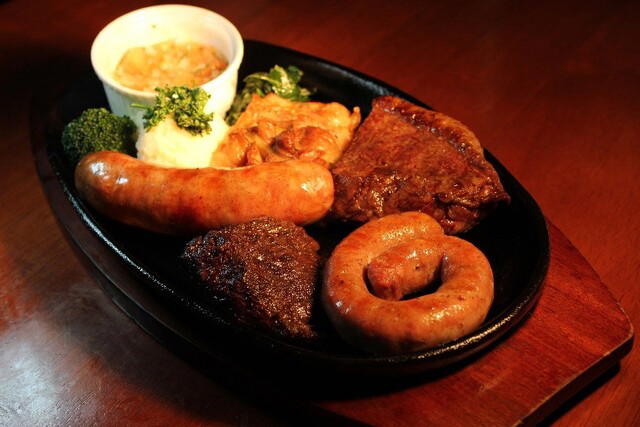
Hotels in Takasaki
Browse all →
Wineries in Takasaki
Browse all →
Details
- Quiet
- Cozy
- Minimalist
- Solo
- Family
- Casual Hangout
- Standalone
- Sake Program
- Counter Dining
- Set Menu
- Sake
Compact and focused, with a counter-only layout that suits a quiet, quick ramen visit rather than a lingering dining experience.