Our verdict
Mikumano sits in Yanagawacho, Takasaki, within a city that rewards the kind of patient, ingredient-focused cooking that rarely travels far from its source. The address places it in Gunma Prefecture, a region whose agricultural depth, mountain vegetables, cold-water fish, local livestock, shapes the character of serious tables across the area. For dining that draws on what the surrounding land actually produces, Takasaki is a more considered choice than most visitors expect.

Pearl is the En Primeur Club membership app, where members save venues, book tables and use the concierge.
Gunma's Agricultural Identity and What It Means at the Table
Takasaki sits at the southwestern edge of Gunma Prefecture, a landlocked region whose culinary identity is built almost entirely on what the surrounding terrain produces. The Tone River basin delivers clean cold water that supports both agriculture and freshwater fish. The Haruna and Myogi mountain ranges push vegetables and mountain herbs into restaurant supply chains that larger cities rarely access directly. When a restaurant in this city sources with genuine attention to provenance, the raw material it works with is meaningfully different from what arrives at urban distribution centers in Tokyo or Osaka.
That geographic specificity matters when assessing Mikumano, located on the second floor of Gran View Takasaki in Yanagawacho. The address places it in a modern commercial context, but the ingredient story around any serious Takasaki table runs back into the prefecture's farming and foraging networks rather than toward any branded supply chain. Gunma is not a prefecture that announces itself loudly on the national dining map, which is precisely why the tables here that use it well tend to reward closer attention.
The Room and Its Register
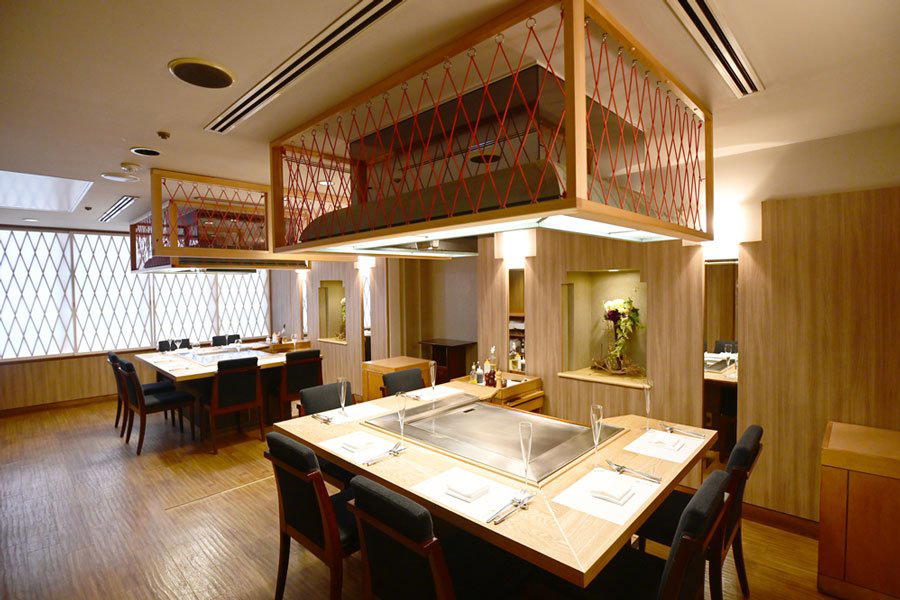
The second-floor position inside Gran View Takasaki carries a particular kind of quiet. Street-level noise settles below, and the building's architecture creates a buffer between the commercial energy of the Yanagawacho district and whatever interior atmosphere the kitchen is trying to sustain. In Japanese restaurant culture, the separation of a dining room from the street is often deliberate, it signals a shift in register, an invitation to slow down before the food arrives.
What can be said is that the address type, a named commercial building in a mid-sized provincial city, places Mikumano in a category of Japanese restaurants that serve a local professional clientele first and visiting travelers second. This is often where the most grounded cooking happens: the kitchen does not perform for novelty-seekers, and the supplier relationships that define the menu have often been in place for years.
Ingredient Sourcing in Gunma: The Context Behind the Cooking
The sourcing story in Gunma Prefecture is worth understanding in some detail, because it shapes what appears on any thoughtful menu in the region. Konnyaku, the gelatinous root processed into blocks and noodles, is produced here in quantities that account for the vast majority of Japan's national output. Konyaku's culinary range extends well beyond its common use as a hotpot component, and chefs who work with it directly from the source can access fresher, more textured versions than the packaged product found in urban supermarkets.
Beyond konnyaku, the prefecture produces significant volumes of burdock root (gobo), chrysanthemum greens, and a range of mountain vegetables collectively known as sansai, which include fiddlehead ferns and wild garlic shoots in spring. The Tone River system supports both ayu (sweetfish) and iwana (char), species whose flavor is acutely sensitive to water quality and which deteriorate quickly in transport. A kitchen in Takasaki that works with local fishmongers has access to these at a stage of freshness that is essentially unavailable to restaurants in Tokyo, regardless of price tier.
This is the framework against which ingredient-focused cooking in Gunma should be assessed. The question is not whether a restaurant here can match the technical ambition of HAJIME in Osaka or the produce curation of Gion Sasaki in Kyoto, but whether it uses what is immediately available better than a restaurant with greater distance from the source. That is a different competition, and in some respects a more demanding one.
Takasaki in the Wider Japanese Dining Conversation
Japan's serious dining map extends well beyond the Michelin-dense corridors of Tokyo, Kyoto, and Osaka. Venues like Harutaka in Tokyo, Goh in Fukuoka, and akordu in Nara represent regional poles of serious cooking, each with distinct ingredient environments. Gunma, as yet, does not carry the same international profile. That gap is partly a function of access, Takasaki's bullet train connections to Tokyo are direct and fast, but the city rarely appears on international itineraries as a dining destination in its own right.
Within Takasaki itself, the serious dining options have a different texture than in a city with dense restaurant competition. Tables like Mokkosu and ファン・ダルクオーレ represent parts of the city's restaurant character, and Mikumano occupies its own register within that local conversation. For anyone planning a broader itinerary through Japan's secondary food cities, the full Takasaki restaurants guide provides useful orientation across the range of options available.
Comparisons with international reference points are instructive for calibration. The prefecture-focused ingredient sourcing that characterizes Gunma cooking shares certain structural principles with what Le Bernardin in New York City applies to seafood provenance, or what Atomix in New York City does with Korean ingredient traditions. In each case, the discipline is sourcing specificity over geographic range.
Planning a Visit
Mikumano's address at Gran View Takasaki, Yanagawacho 70, places it within easy reach of Takasaki Station, which sits on the Joetsu and Hokuriku Shinkansen lines. The station is approximately 25 minutes from Tokyo by the fastest services, making a day trip or overnight stay feasible for travelers based in the capital. The building address and the second-floor position suggest that a reservation, or at least direct contact through local channels, is advisable before visiting, this is not the kind of address that operates as a walk-in casual dining venue.
Visitors are advised to confirm hours and reservation procedures through the Gran View Takasaki building directory or through a local concierge before arrival. Given the venue's position in a city where English-language information is sparse, using a Japanese-language search or a Tokyo-based hotel concierge to confirm details is the most reliable approach.
Frequently asked questions
Is Mikumano child-friendly?
Mikumano occupies a second-floor position inside Gran View Takasaki, which provides a quieter, more considered dining environment than a typical casual restaurant. The room's register leans toward unhurried dining, which tends to suit older children better than young ones. Specific family amenities are not confirmed in available documentation, so contacting the venue directly before visiting with young children is advisable.
What's the vibe at Mikumano?
The second floor of Gran View Takasaki insulates the room from street-level noise, creating a composed, low-key atmosphere more aligned with intent than occasion dressing. This is a setting built around the food and the prefecture's agricultural identity rather than spectacle. Takasaki itself sits outside Japan's Michelin-dense urban corridors, and Mikumano reflects that geography, purposeful without performance.
Is Mikumano worth a trip from Tokyo for a Gunma regional cuisine experience?
Takasaki Station is served by both the Joetsu and Hokuriku Shinkansen lines, placing it under 90 minutes from Tokyo, a manageable day-trip distance for a focused dining visit. Mikumano sits at Yanagawacho 70 inside Gran View Takasaki, close to the station. Gunma Prefecture's distinct agricultural identity, built on landlocked produce rather than coastal ingredients, gives serious restaurants here a differentiated sourcing story that is difficult to replicate in Tokyo.
What's the signature dish at Mikumano?
What is clear from the venue's context is that Gunma's agricultural output, Konnyaku, locally grown produce, and regional ingredients, shapes menus at serious Takasaki restaurants. Any signature at Mikumano is likely grounded in that sourcing tradition rather than imported luxury ingredients.
Where exactly is Mikumano?
Mikumano is located at Japan, ã370-0185 Gunma, Takasaki, Yanagawacho, 70 ããã«ã°ã©ã³ãã¥ã¼é«å´ ï¼é, Takasaki.
How hard is it to get a table at Mikumano?
The venue is located at Yanagawacho 70, Gran View Takasaki, within easy reach of Takasaki Station on the Joetsu and Hokuriku Shinkansen lines. For a restaurant at this address and positioning in Gunma, booking in advance is a reasonable precaution, particularly on weekends when Takasaki draws visitors from Tokyo, under 90 minutes by Shinkansen.
What's the signature at Mikumano?
The venue's address within Gran View Takasaki and its positioning within Gunma Prefecture point toward a kitchen engaged with the region's distinct agricultural produce. Gunma's landlocked geography produces a sourcing identity that differentiates serious local restaurants from the ingredient profiles common in coastal Japanese dining.
In Context: Similar Options
Comparable venues nearby, for context on price, style, and recognition.
| Venue | Cuisine | Price | Awards | Notes |
|---|---|---|---|---|
| MikumanoThis venue (the venue you are viewing) | Japanese Teppanyaki & Kaiseki | $150–200 | Not listed | Not listed |
| Beef Laboratory | High-end Wagyu Yakiniku | $50–100 | Tabelog 100 #15 | Iizuka-cho |
| Sumibi Yakiniku Ichiba Jejuya Honten | Charcoal-grilled Yakiniku & Donburi | $50–100 | Tabelog 100 #18 | Takasaki |
| Yakitori Ko no Ji | Traditional Yakitori | Not listed | Tabelog 100 #29 | . Takasaki |
| Chuka Soba Narugami Shokudo | Japanese Ramen | Not listed | Tabelog 100 #92 | Nakaizumimachi |
| Yakiniku Sumikou | Aged Sendai Wagyu Yakiniku | $50–100 | Tabelog 100 #51 | Shimo-Wada-machi |
Continue exploring
More in Takasaki
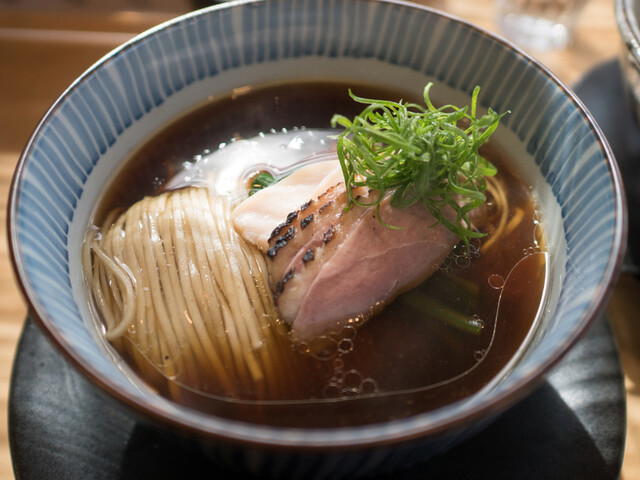
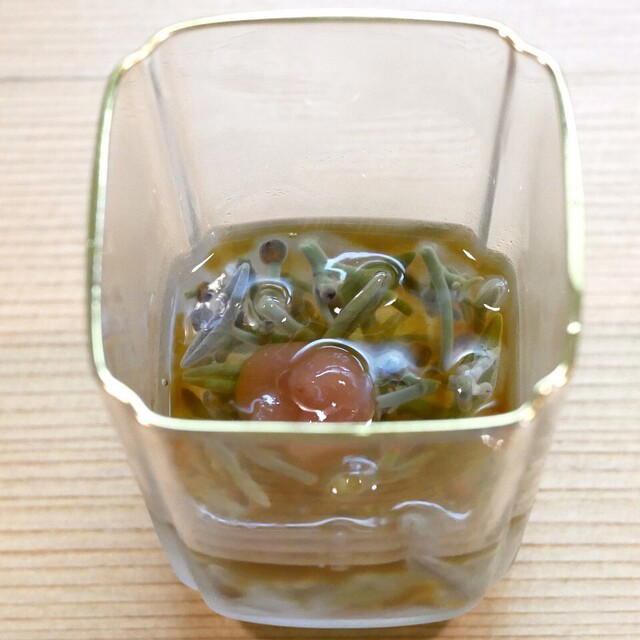
Restaurants in Takasaki
All restaurants in Takasaki →
Hotels in Takasaki
Browse all →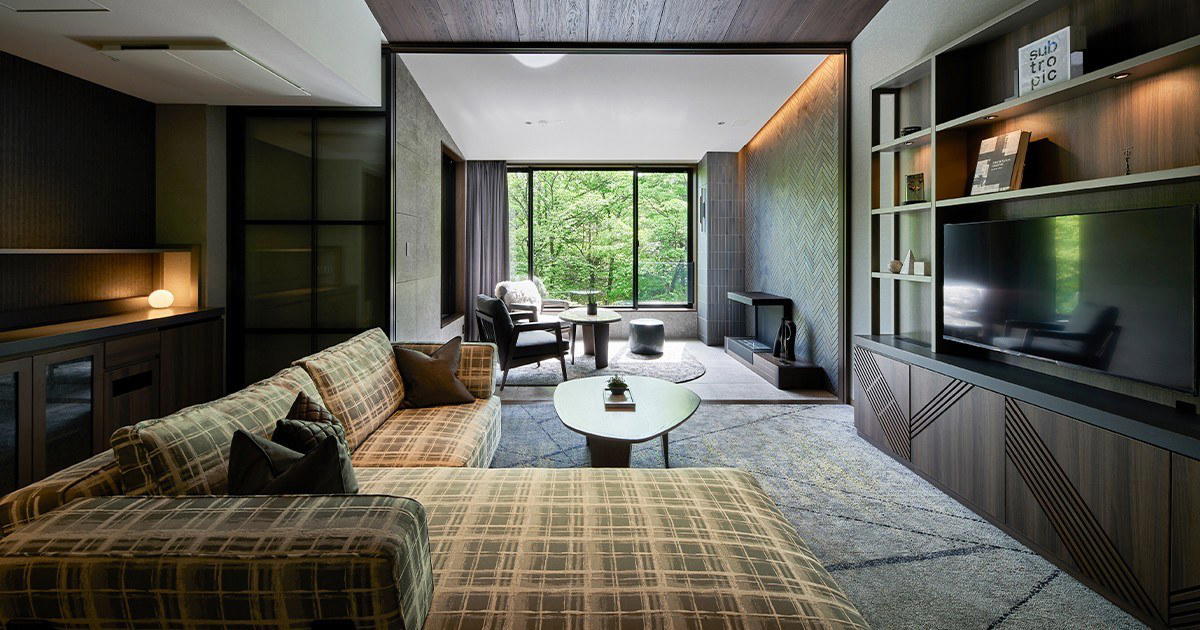
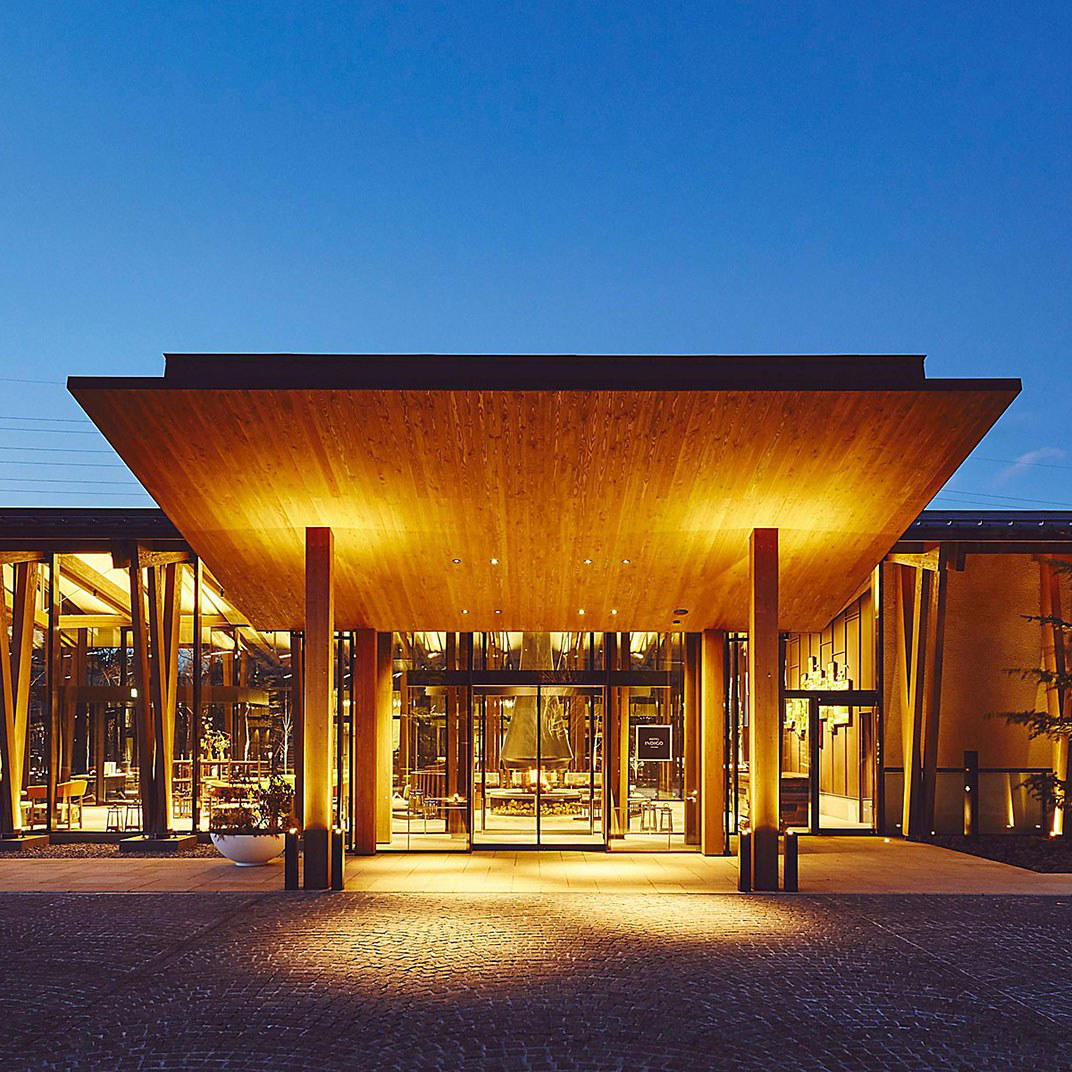
Wineries in Takasaki
Browse all →
Mikumano
The wine
- Wine program
- Deep wine list
- Extensive wine list
- Sake program
Details
- Elegant
- Intimate
- Sophisticated
- Special Occasion
- Business Dinner
- Private Dining
- Extensive Wine List
- Sake Program
- Local Sourcing
- Garden
- A La Carte
- Sake
- Wine
- Vegetarian Friendly
Current opening hours
- Monday
- Closed
- Tuesday
- 5–11 PM
- Wednesday
- 5–11 PM
- Thursday
- 5–11 PM
- Friday
- 5–11 PM
- Saturday
- 11:30 AM–3 PM, 5–11 PM
- Sunday
- 11:30 AM–3 PM, 5–11 PM
Hours can change for holidays and private events. Hours as of .
Calm traditional Japanese atmosphere with beautifully decorated alcoves, tatami rooms, and views of a rooftop garden.