Our verdict
åç §åºµ serves Traditional Kaiseki Kappo at 25 Komeyacho, with formal, quiet service, a leisurely pace, sake program, and local sourcing.

Pearl is the En Primeur Club membership app — saves, bookings, and concierge access live there. Same editors, same standards.
- Address
- 25 Komeyacho, Gifu, 500-8046, Japan
- Phone
- +81582653608
- Website
- kisshouan-gifu.com
- Directions
- Get directions
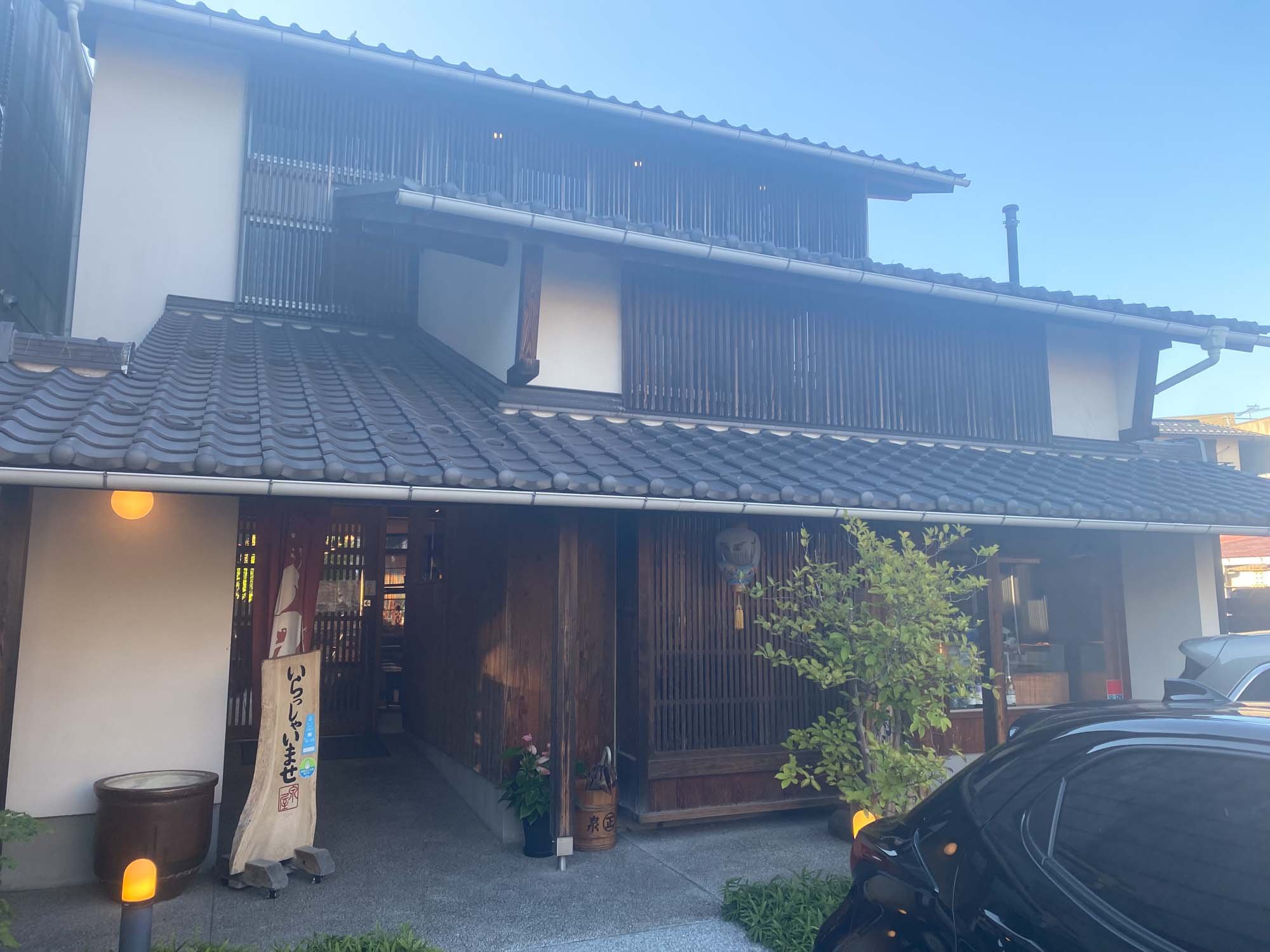
Komeyacho, Gifu: Reading a Street Through Its Kitchens
Komeyacho is the kind of address that rewards patience. The street runs through the older commercial fabric of central Gifu, away from the Nagara River tourist circuit and the covered arcades near Gifu Station, and the buildings here tend toward the worn and the functional rather than the designed and the curated. It is precisely this context that makes the dining rooms along this stretch worth attention: they operate for a local clientele, not a touring one, and the standards they maintain are set by regulars with long memories, not by algorithm-fed review platforms.
Åç §åºµ, at 25 Komeyacho, sits inside this framework. The venue data available is spare, which itself signals something about how the place operates: no prominent web presence, no published phone number, no price range posted for the browsing traveller. In Gifu's dining culture, that profile tends to correspond to establishments that rely on word of mouth and repeat custom, formats that predate digital-first hospitality and have seen little reason to change.
The Sourcing Question in Provincial Japanese Cooking
To understand what a restaurant at this address likely represents, it is worth placing it inside the broader context of ingredient sourcing in provincial Japanese cities. Gifu Prefecture sits at the intersection of several significant agricultural and culinary zones. The Hida beef corridor to the north produces marbled wagyu that rivals Kobe and Matsusaka in fat distribution and flavour concentration, though it commands a smaller international profile. The Nagara River system, one of the few remaining rivers in Japan where traditional cormorant fishing (ukai) is still practised as a commercial enterprise, provides sweetfish (ayu) with a flavour profile shaped by the river's clean, swift water. The mountainous interior of the prefecture yields mountain vegetables (sansai) and wild mushrooms through spring and autumn that appear on menus across central Japan.
Restaurants operating in Gifu's older commercial neighbourhoods frequently draw on this supply chain more directly than their counterparts in Nagoya or Tokyo, where the same ingredients arrive through layers of wholesale intermediaries. The geographical proximity to producing areas compresses that chain. A kitchen in Komeyacho has logistical access to mountain vegetables that a kitchen in Osaka's Shinsaibashi does not, and the seasonal rhythm of those ingredients tends to drive menu structure more visibly when the kitchen is close to the source. This is the central argument for dining in provincial Japan rather than concentrating solely on the major cities: the ingredient connection is shorter and the seasonal logic is more legible. Venues like Gion Sasaki in Kyoto and HAJIME in Osaka achieve considerable critical stature, but they are also operating in cities where ingredient provenance must be asserted rather than assumed.
Gifu in the Context of Japan's Regional Dining Circuit
Japan's regional dining circuit has developed considerably over the past decade, and cities outside the Tokyo-Kyoto-Osaka triangle now sustain serious kitchens with national-level ambitions. Fukuoka is the clearest example, anchored by venues like Goh in Fukuoka, and the pattern repeats across the archipelago in smaller cities: affetto akita in Akita, akordu in Nara, Aji Arai in Oita. Gifu fits this pattern: it is not a dining destination in the way that Kyoto is, but it sustains a layer of serious local cooking that visitors concentrating only on the major cities will miss entirely.
Within Gifu itself, the dining options across neighbourhoods and formats vary meaningfully. Belle Equipe operates in the French register at a price point in the JPY 10,000 to JPY 14,999 range per person, which places it at the upper tier of the city's restaurant pricing. Kobanzushi and Mizuki represent other points on the local dining map, and hiro and Katatsumuri fill out a scene that rewards methodical exploration. The our full Gifu restaurants guide maps this range in more detail. Åç §åºµ occupies a position in this ecosystem that the sparse public record makes difficult to precisely characterise, but the Komeyacho address and the absence of digital noise both point toward an establishment oriented around its immediate community rather than inbound visitors.
Arriving in Komeyacho
Gifu City is accessible from Nagoya in approximately 20 minutes by JR rapid service, which places it within practical day-trip range from one of Japan's largest transport hubs, though the city functions better as an overnight stay for anyone intending to engage seriously with its dining options. Komeyacho itself is reachable on foot or by short taxi from Gifu Station. The neighbourhood's character is commercial and low-key rather than atmospheric in the curated sense, which is not a shortcoming so much as an accurate description of what provincial Japanese town centres frequently look like outside the preserved historic zones.
Gifu's better hotels will have the local knowledge to assist.
Other regional comparisons reinforce how this kind of locally anchored dining operates across Japan: Abon in Ashiya, Ajidocoro in Yubari District, and Akakichi in Imabari each operate in cities outside the major circuits and reward the traveller who treats provincial dining as a distinct category rather than a fallback option.
Planning Your Visit
Given the absence of published booking details, the practical approach for Åç §åºµ is to plan through local channels in Gifu well in advance of your intended visit. Venues of this profile in provincial Japanese cities tend to have limited covers and a clientele that books ahead; arriving without a reservation is a lower-probability strategy than it might be in a larger city with more dining inventory. The Gifu dining scene has enough depth across formats, from the French precision of Belle Equipe to the local options at Kobanzushi, that a multi-day itinerary centred on Komeyacho and its surrounding streets makes structural sense for a visitor with serious interest in regional Japanese cooking.
Frequently asked questions
Is 矢切庵 a family-friendly restaurant?
No specific family policy is published for 矢切庵. The address at 25 Komeyacho places it within central Gifu's older commercial district, which typically hosts establishments oriented toward adult diners seeking quieter, more considered meals. Contacting the venue directly through local Gifu channels before visiting with children is advisable.
Where is åç §åºµ located?
åç §åºµ is located at 25 Komeyacho, Gifu, 500-8046, Japan, Gifu.
How far ahead should I plan for åç §åºµ?
Reservations are recommended for åç §åºµ in Gifu. Confirm current policy via the venue's official channels.
What do critics highlight about åç §åºµ?
åç §åºµ is best approached by focusing on the core concept and signature offerings.
How It Stacks Up
| Venue | Cuisine | Price | Awards | Notes |
|---|---|---|---|---|
| åç §åºµThis venue — the venue you are viewing | Traditional Kaiseki Kappo | $200–300 | Not listed | Not listed |
| Yanagiya | Seasonal Japanese Irori Country Cuisine | $100–150 | La Liste Top Restaurants | Regional -Grilling |
| Belle Equipe | Classic French | Not listed | Tabelog Bronze #228 | French, JPY 10,000 - JPY 14,999 JPY 2,000 - JPY 2,999 |
| hiro | Refined Chinese | Not listed | Tabelog Bronze #116 | Not listed |
| Katatsumuri | 摘草・ジビエ料理 | $100–150 | Not listed | Not listed |
| Kobanzushi | Traditional Japanese Sushi Omakase | Not listed | Tabelog Bronze #189 | Not listed |
Details
- Elegant
- Intimate
- Sophisticated
- Special Occasion
- Date Night
- Business Dinner
- Sake Program
- Local Sourcing
- A La Carte
- Set Menu
- Sake
- Vegetarian Friendly
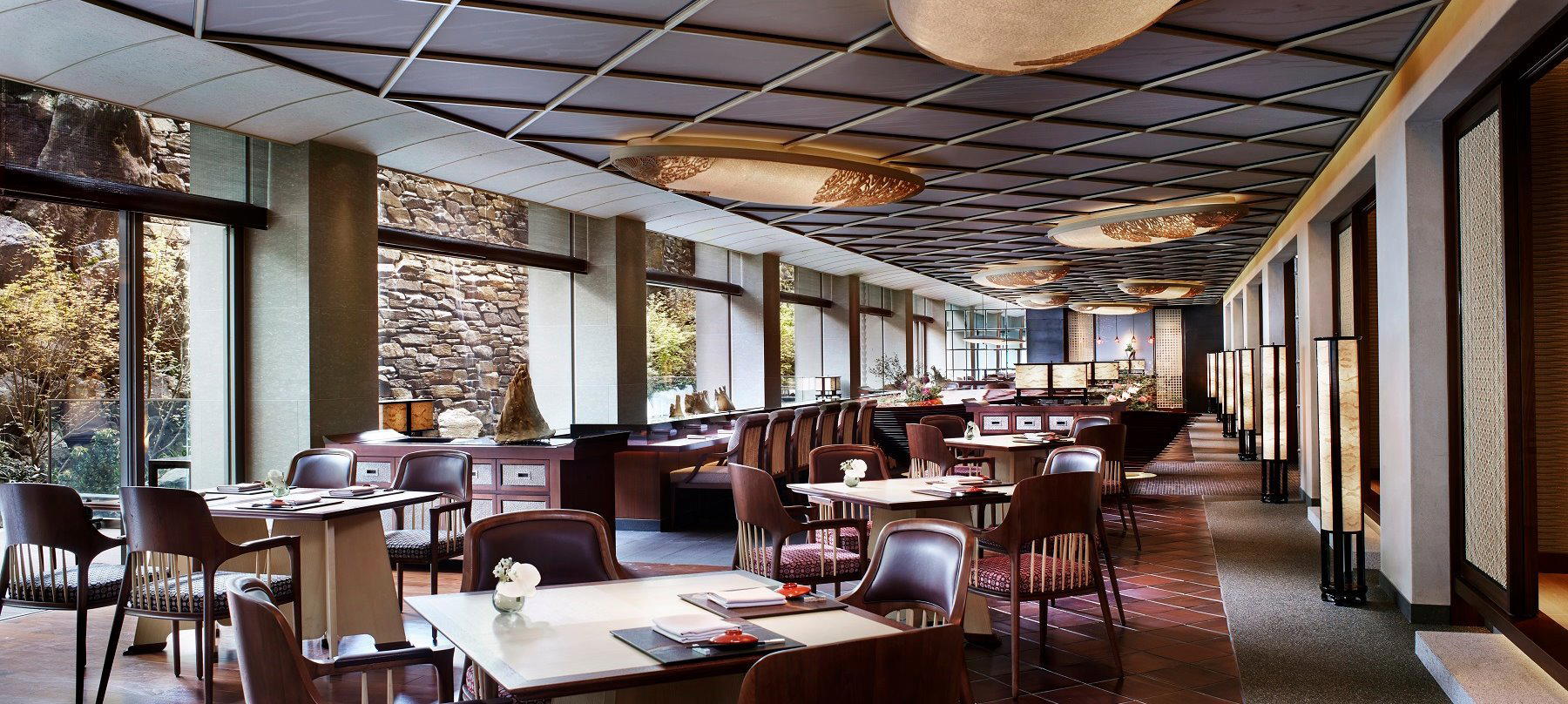
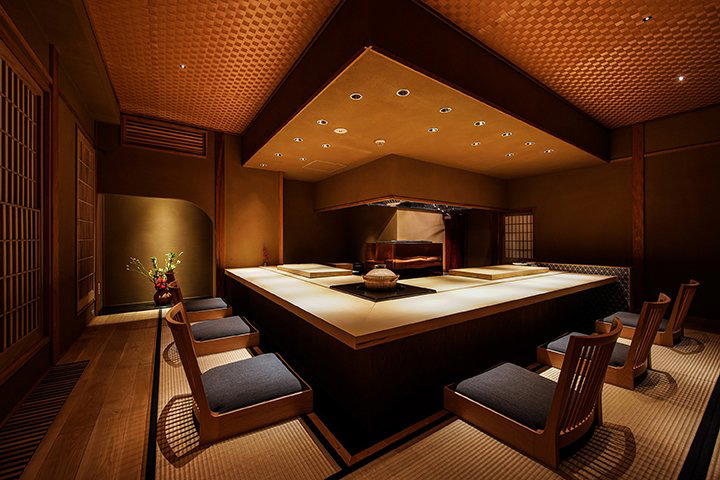
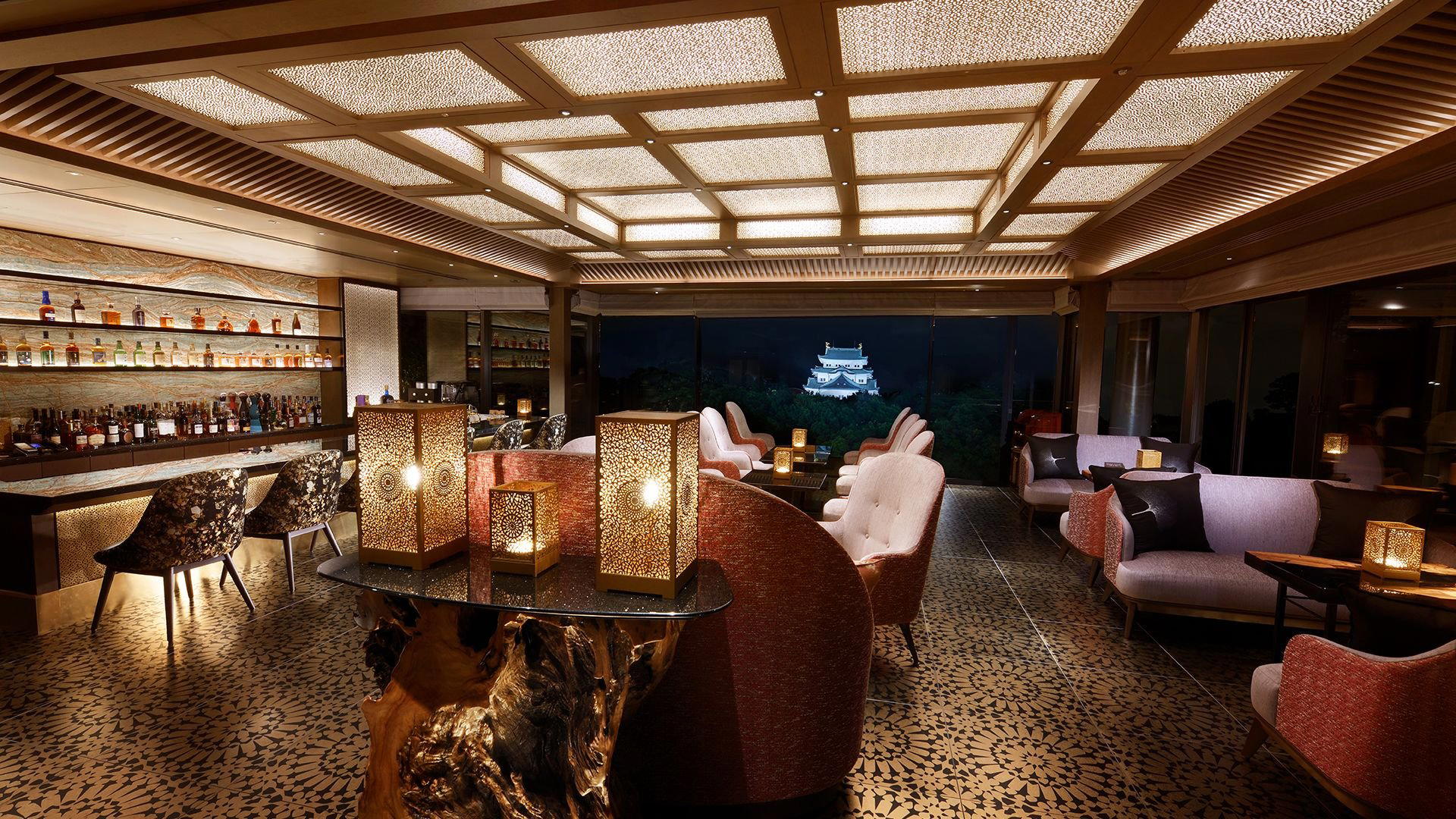
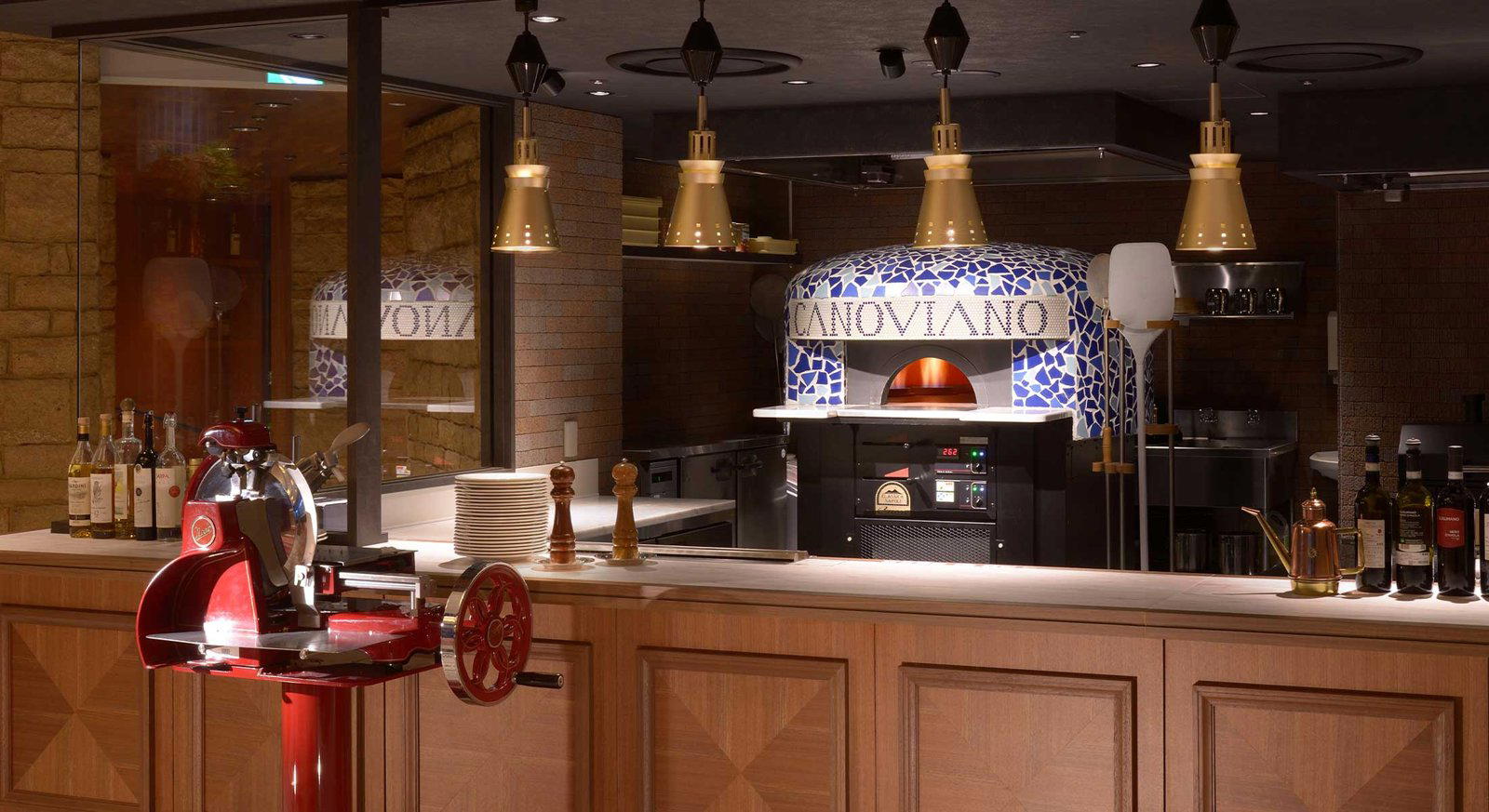
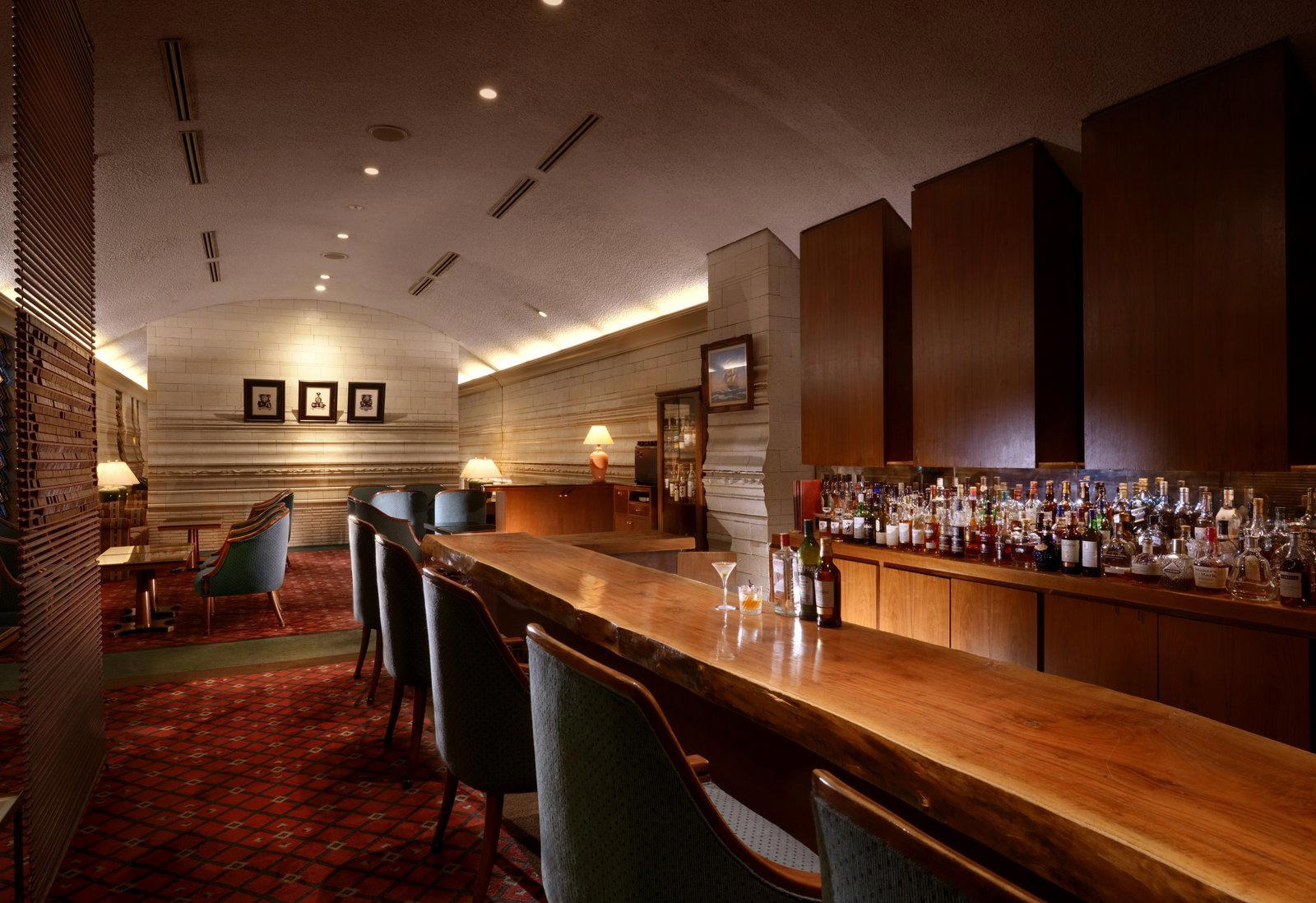
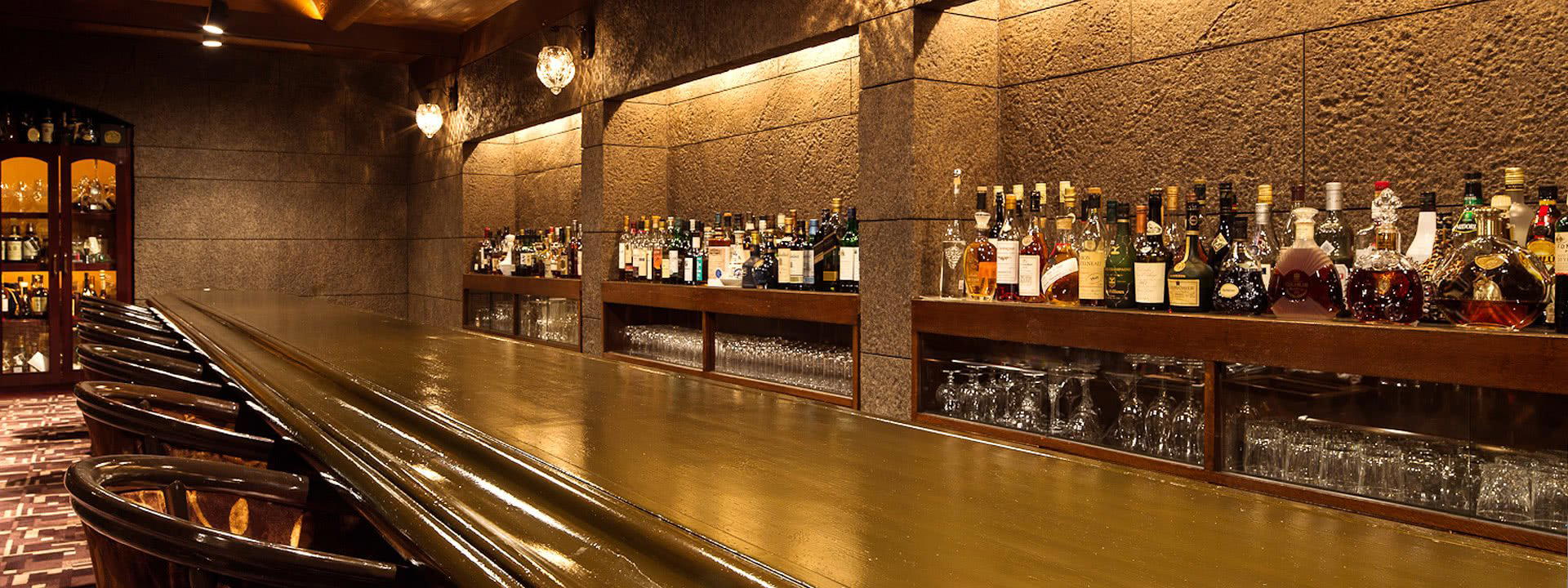
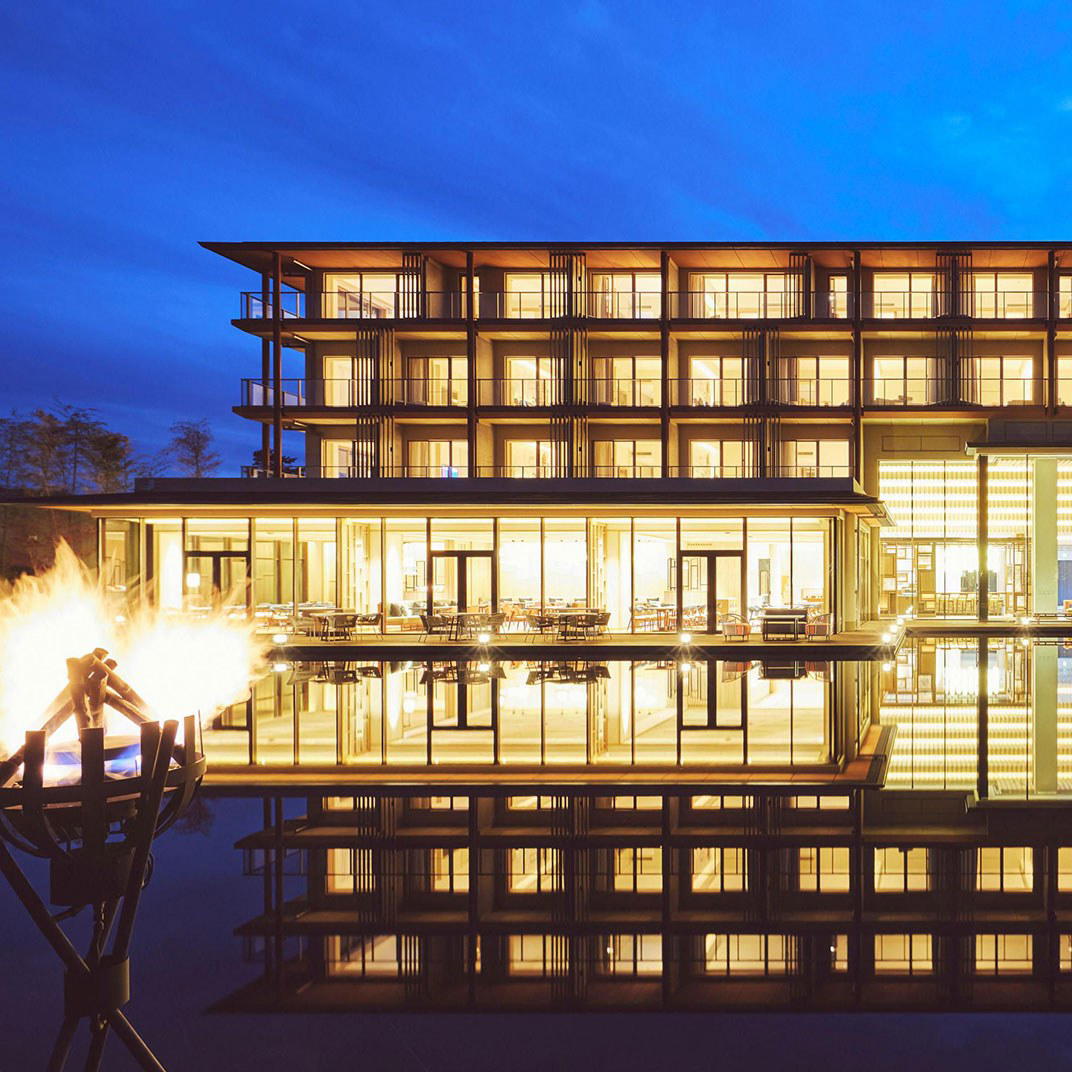
Dimly lit with traditional Japanese aesthetics, creating a serene and refined atmosphere well-suited for special occasions.