
Gifu’s beef culture is inseparable from Hida-gyu, and this Kandamachi address treats the ingredient through yakiniku, sukiyaki and shabu shabu rather than a single-course format. Selection for Tabelog 100 Yakiniku EAST 2025 gives it a clear trust signal in a city where cattle provenance matters as much as technique.
Pearl is the En Primeur Club membership app — saves, bookings, and concierge access live there. Same editors, same standards.
- Address
- 7 Chome-7 Kandamachi, Gifu, 500-8833, Japan
- Phone
- +81 58-264-4129
- Website
- bakuroichidai.jp
 Saves & bookings on Pearl
Near Gifu’s station-side dining grid, the appeal is not theatrical minimalism or chef-counter scarcity. It is the older pleasure of beef as shared ritual: grills, hotpots, private rooms, sunken seating and a format for groups that want Hida-gyu to carry the evening. In Gifu, that matters. The prefecture’s premium beef identity is not decorative; it shapes restaurant positioning, menu reading and why yakiniku competes with sukiyaki and shabu shabu rather than replacing them.
Hida Gyu Ittouya Bakuro Ichidai Gifu kanda sits in that ingredient-first lane. Its listed categories cover yakiniku, sukiyaki and shabu shabu, three formats showing different sides of the same cattle culture: direct heat, sweet soy simmering and broth-led restraint. Read it as a Hida-gyu house with multiple service modes, not a generic Japanese barbecue room. That distinction separates it from casual station meals and places it closer to Gifu’s beef-specialist bracket.
Hida-gyu as the organising principle, not a garnish
Japan’s regional wagyu names carry different expectations. Kobe beef dominates overseas shorthand, Matsusaka signals luxury to many domestic diners, and Hida-gyu belongs to inland Chubu: mountain climate, cattle-raising tradition and a local restaurant culture that treats beef as civic pride. In that context, a Gifu yakiniku table is not just about marbling. It is about whether the room gives the ingredient range.
The three-format structure matters. Yakiniku rewards portion-by-portion control and lets diners pace richer cuts against leaner ones. Sukiyaki brings sweetness, egg and soy, turning beef into a communal centrepiece. Shabu shabu moves the other way, giving a cleaner read on texture and fat. Working across all three makes a broader claim about source material: Hida-gyu can survive different methods without becoming anonymous.
The Tabelog 100 Yakiniku EAST 2025 selection gives that claim a public marker. It is not the same signal as a Michelin star and should not be read as one. For yakiniku in eastern Japan, however, the Hyakumeiten lists are a serious consumer-facing filter, especially for restaurants outside Tokyo competing in a category with deep regional loyalty.
Within Gifu, comparison is partly price tier and partly use case. BAROSSA cocktailier and BAROSSA cocktailier belong to a drinks-led evening; BAR-BAROSSA points to a lighter bar circuit; DA ACHIU sits in a more modest dining band; THE Setsugekka occupies a higher beef-specialist bracket. Hida Gyu Ittouya Bakuro Ichidai Gifu kanda lands in the middle: serious enough for beef-focused planning, broad enough for a group wanting choice rather than one set menu.
A room designed for shared beef rather than counter theatre
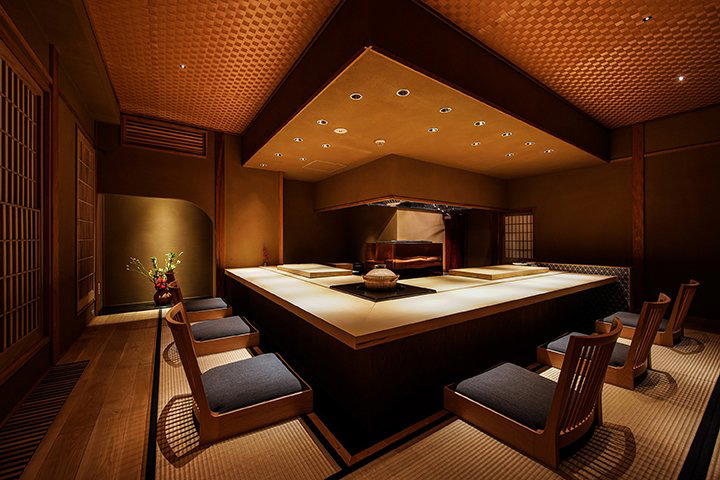
Gifu does not need to imitate Ginza to be compelling. Its dining strength is often practical: station access, local products, multi-generational tables and restaurants that absorb both business dinners and family meals. This address follows that logic with a large room count, private-room options, tatami, table seating and horigotatsu-style arrangements. The format says as much about the local scene as the beef. Premium dining here can be communal without losing seriousness.
That matters for travellers building a Gifu itinerary. A two-seat counter can be thrilling, but not always after castle walks, river-season sightseeing or a train arrival with luggage and children in tow. A beef house with private spaces and several cooking formats gives the evening a lower-friction rhythm. The meal can be celebratory without becoming rigid.
The drinks list reflects how yakiniku has changed. Sake and shochu are expected, but wine and cocktails now appear more often in beef-led rooms, especially where marbling and smoke require more than one pairing logic. That shift connects Gifu to a broader Japanese pattern: restaurants built around regional ingredients are widening their beverage language without abandoning domestic drinking culture.
For a wider city read, Our full Gifu restaurants guide gives the cleanest overview of the dining circuit. Travellers planning beyond dinner can also map the stay through Our full Gifu hotels guide, the after-hours scene through Our full Gifu bars guide, regional bottles through Our full Gifu wineries guide, and cultural time outside the table through Our full Gifu experiences guide.
How to place it in a Gifu eating plan
The strongest argument is ingredient specificity rather than rarity of access. It makes most sense when Hida-gyu is the point and the group wants to choose between grill, sukiyaki and shabu shabu at the table. It is less suited to diners chasing a chef-led tasting narrative or small-room omakase atmosphere. Gifu has those moods elsewhere, but this is a beef house in the civic sense: local product, flexible format and enough recognition to justify building an evening around it.
Nearby and citywide alternatives sharpen the decision. Aka Renga, Akane Ya and Belle Equipe (French) point to different Gifu registers, from local Japanese rooms to European technique. Do not rank them against one another; match the night to the appetite: beef provenance here, bar craft after dinner, French structure on another evening.
For travellers comparing Japan more broadly, the same category logic applies across cities. -Grilled beef Sukiyaki- KAMAKURA TANUKIAN 鎌倉 たぬき庵 in Kamakura frames beef through a coastal day-trip setting, while 鮪と炭火焼き うお炭 秋葉原店 in Tokyo shows how charcoal can anchor a different ingredient set. Casual Japanese eating moves elsewhere at.cafe in Osaka.know in Kumamoto, (Shoku) Vietnam in Kawasaki and [Curry Senmon Ten] Maruyama Kyoju. in Sapporo. Outside Japan, Jōdo Saké Bar in Los Angeles and Onigiri Time in Pasadena show how Japanese formats change when they leave their regional source context.
The verdict is direct: choose this Kandamachi beef house when the priority is Hida-gyu in a flexible, group-friendly format with credible category recognition. It is a strong Gifu answer to the question visitors often ask too late: where does regional beef belong when the meal must satisfy both the ingredient obsessive and the rest of the table?
Comparison Snapshot
Nearby venues at a similar price tier for orientation.
| Venue | Cuisine | Price | Notes |
|---|---|---|---|
| Hida Gyu Ittouya Bakuro Ichidai Gifu kandaThis venue — the venue you are viewing | Hida beef yakiniku, sukiyaki & shabu-shabu | $$$ | Not listed |
| Setsu Gekka Nagara | Yakiniku (Japanese BBQ) | $$$ | Gifu City |
| THE Setsugekka | Luxury Wagyu Yakiniku | $$$$ | Tamamoricho |
| Yoshina | Creative Japanese course dining | $$ | Gifu City |
| Takumi Hirano | Traditional Japanese Kaiseki | $$$ | Yanagase / Onamicho |
| åç §åºµ | Traditional Kaiseki Kappo | $$$$ | Kanayama-machi |
Recognition history
Dated appearances from independent guides and award organizations, with the underlying list record or original source where available.
Tabelog 100 #99 · No. 99
Tabelog · Tabelog 100 - Yakiniku - EAST - 2025
Continue exploring
More in Gifu
Restaurants in Gifu
Browse all →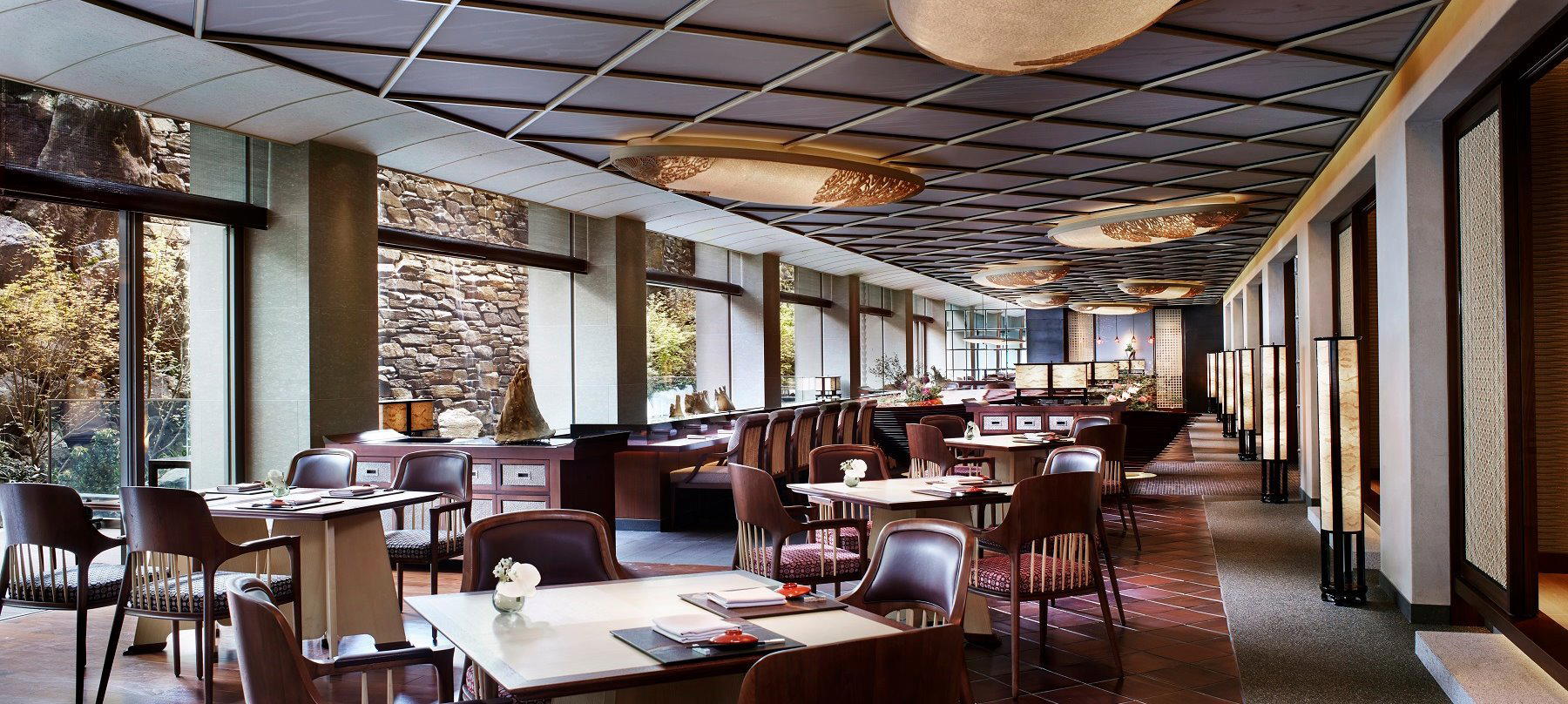
At a Glance
- Elegant
- Cozy
- Romantic
- Classic
- Intimate
- Business Dinner
- Date Night
- Group Dining
- Family
- Celebration
- Special Occasion
- Private Dining
- Design Destination
- Standalone
- Sake Program
- Beer Program
- Local Sourcing
- Garden
Current opening hours
- Monday
- 11:30 AM–11 PM
- Tuesday
- 11:30 AM–11 PM
- Wednesday
- 11:30 AM–11 PM
- Thursday
- 11:30 AM–11 PM
- Friday
- 11:30 AM–11 PM
- Saturday
- 11:30 AM–11 PM
- Sunday
- 11:30 AM–11 PM
Hours can change for holidays and private events. Last verified .
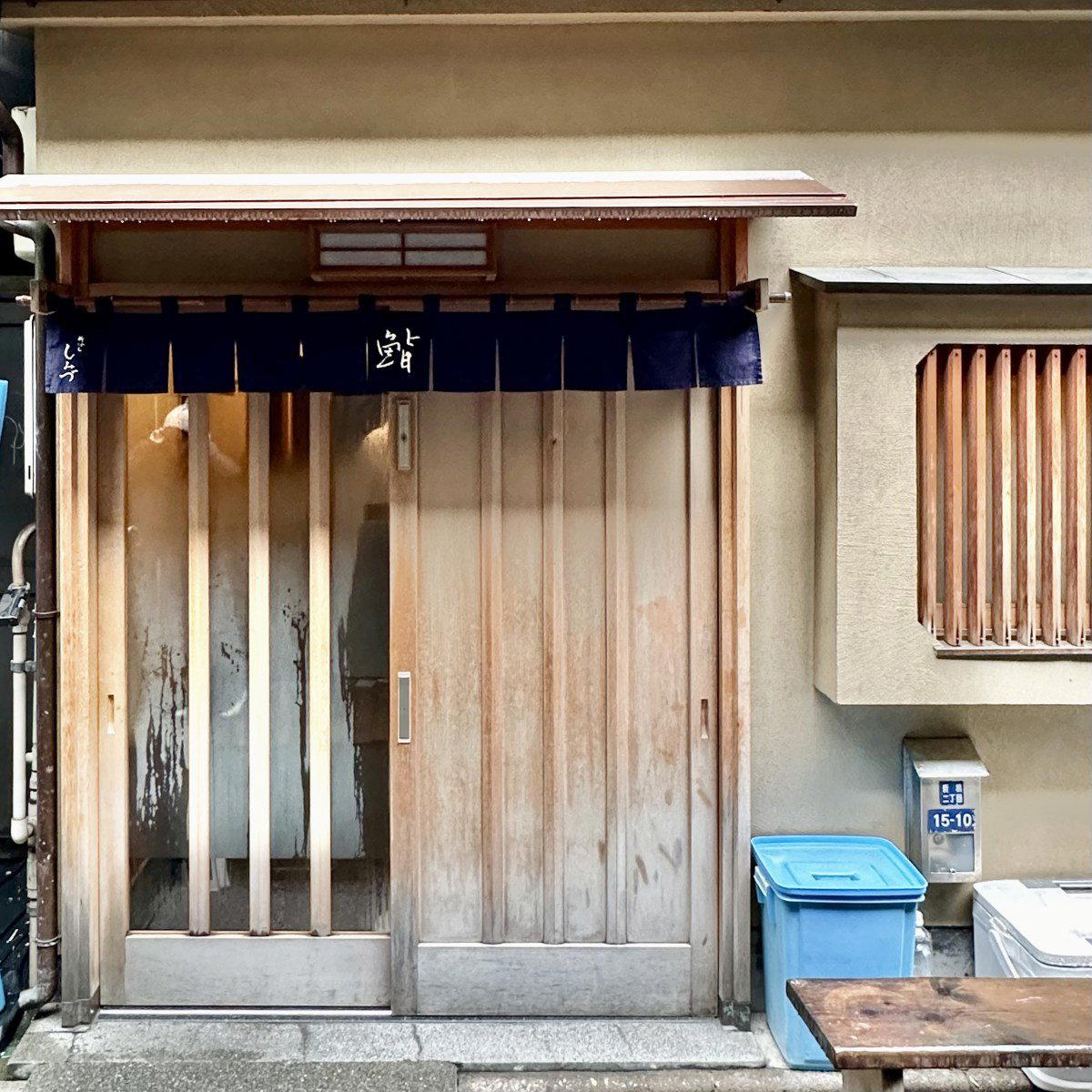
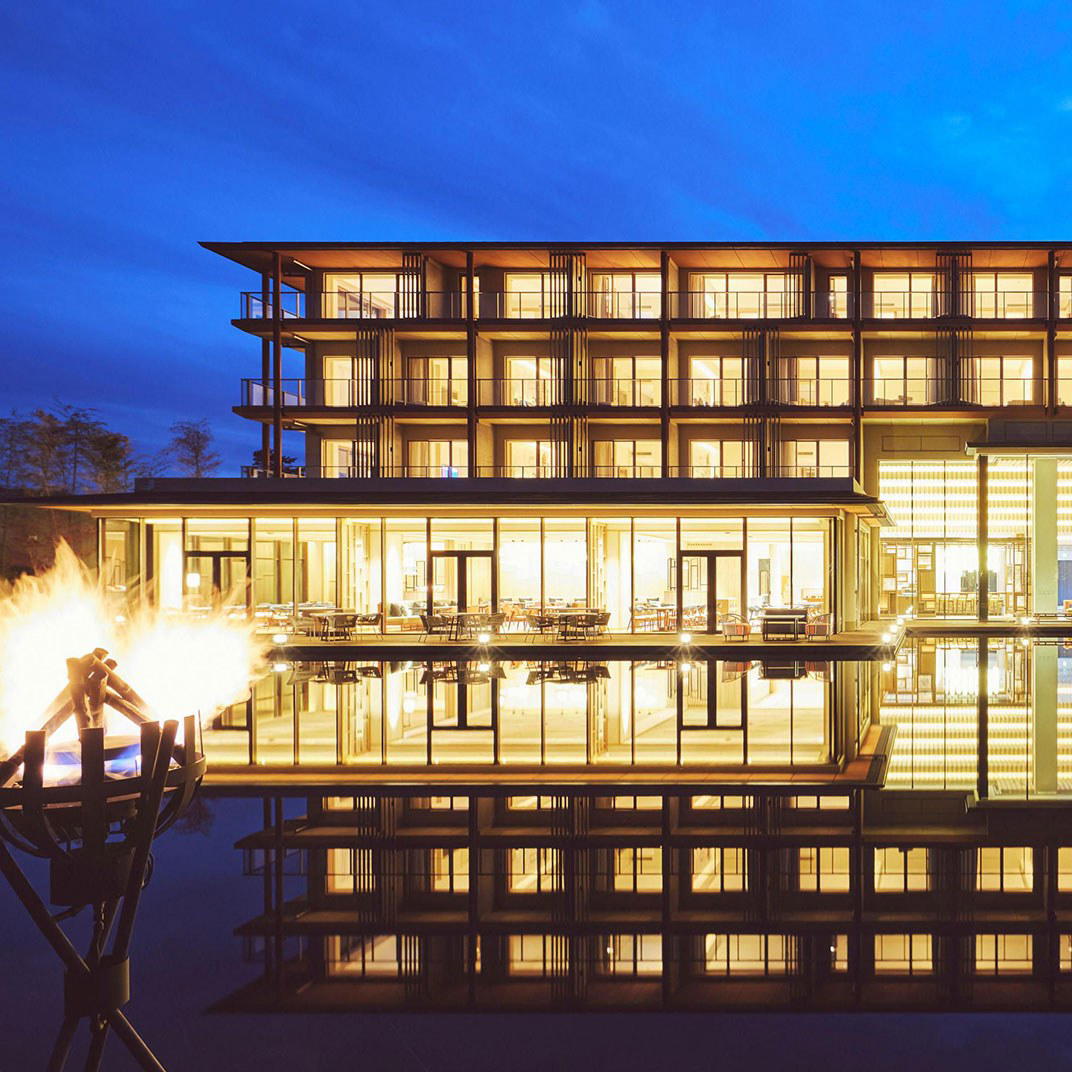
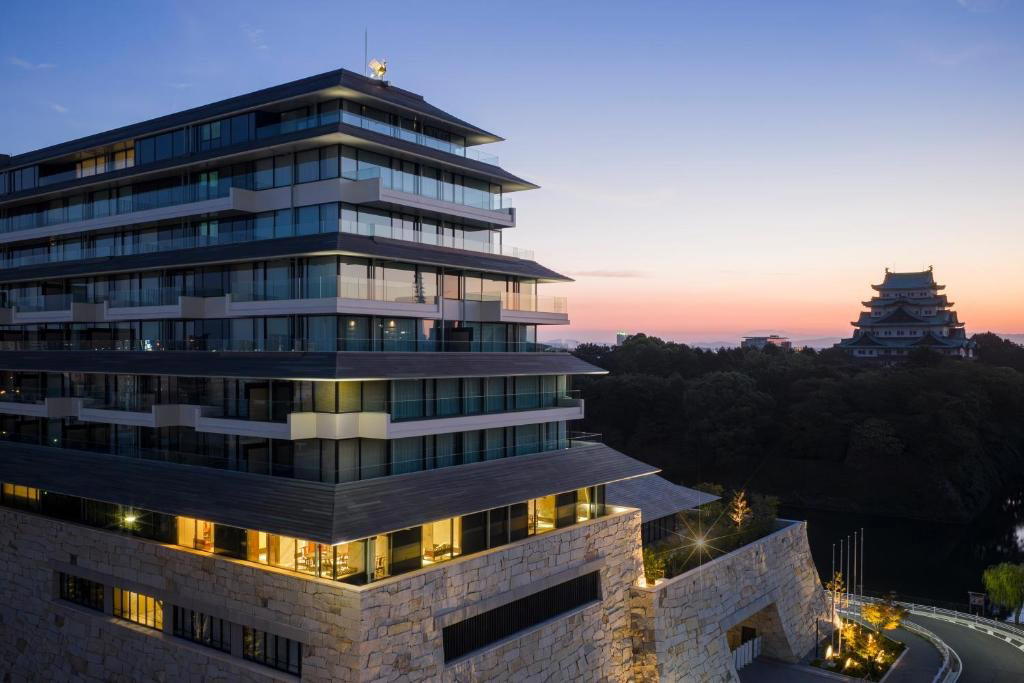
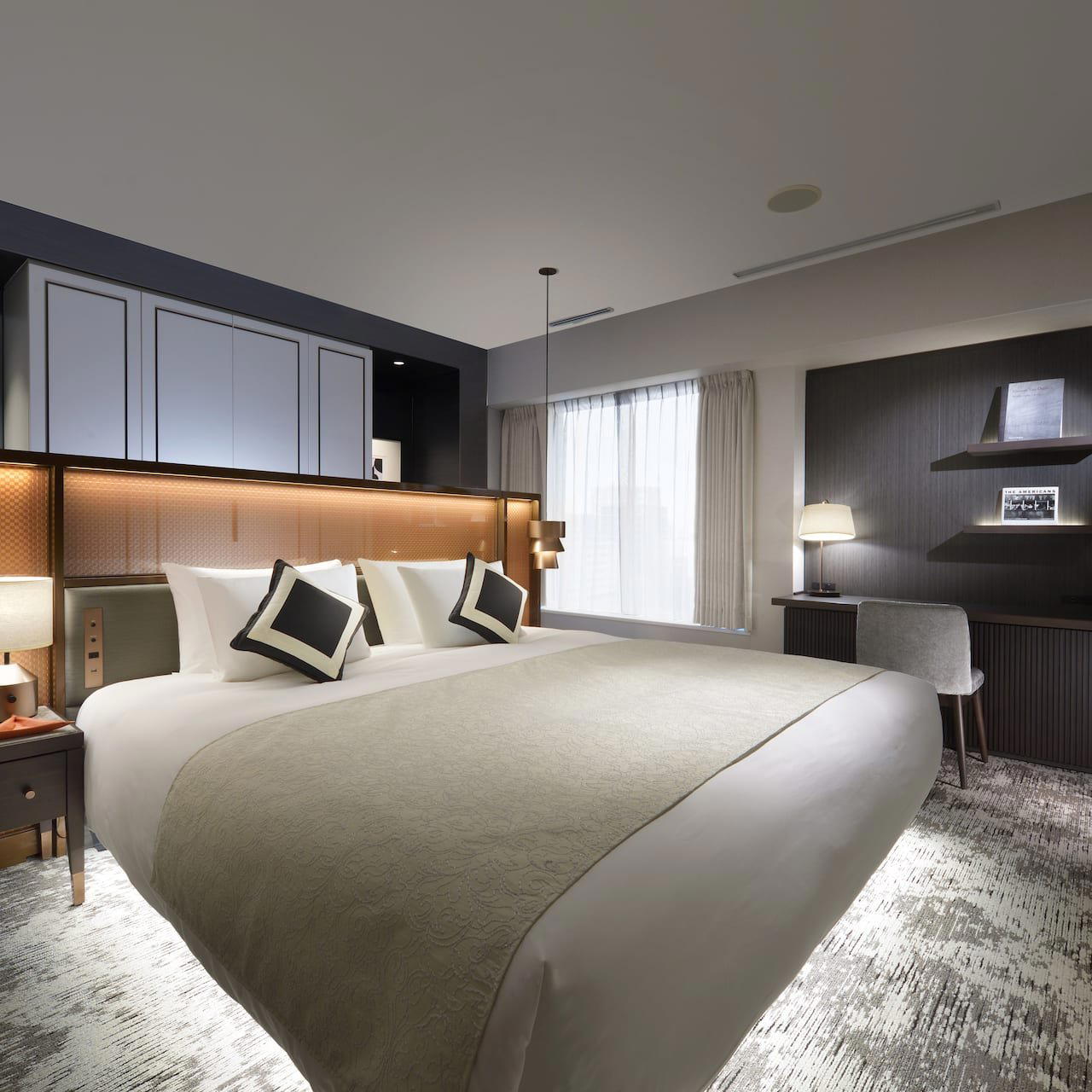
A refined, somewhat secluded atmosphere featuring stone walls with a cascading indoor waterfall, seasonal flowers, and private rooms with small courtyard-style garden views; lighting is warm and subdued, suited for business entertaining and special occasions rather than a noisy BBQ feel.