Katatsumuri belongs to the small, serious tier of rural Japanese restaurants where ingredient sourcing is not a slogan but the organising principle. In Yamagata, Gifu, its regional, vegetable-led cooking, 10-seat scale, reservation-only format, and repeated Tabelog Award recognition place it outside the casual countryside-lunch category and closer to a destination meal built around place.
Pearl is the En Primeur Club membership app — saves, bookings, and concierge access live there. Same editors, same standards.
- Address
- 502 Nagataki, Yamagata, Gifu 501-2135, Japan
- Phone
- +81 90-5497-9792
- Website
- tabelog.com
- Directions
- Get directions
 Saves & bookings on Pearl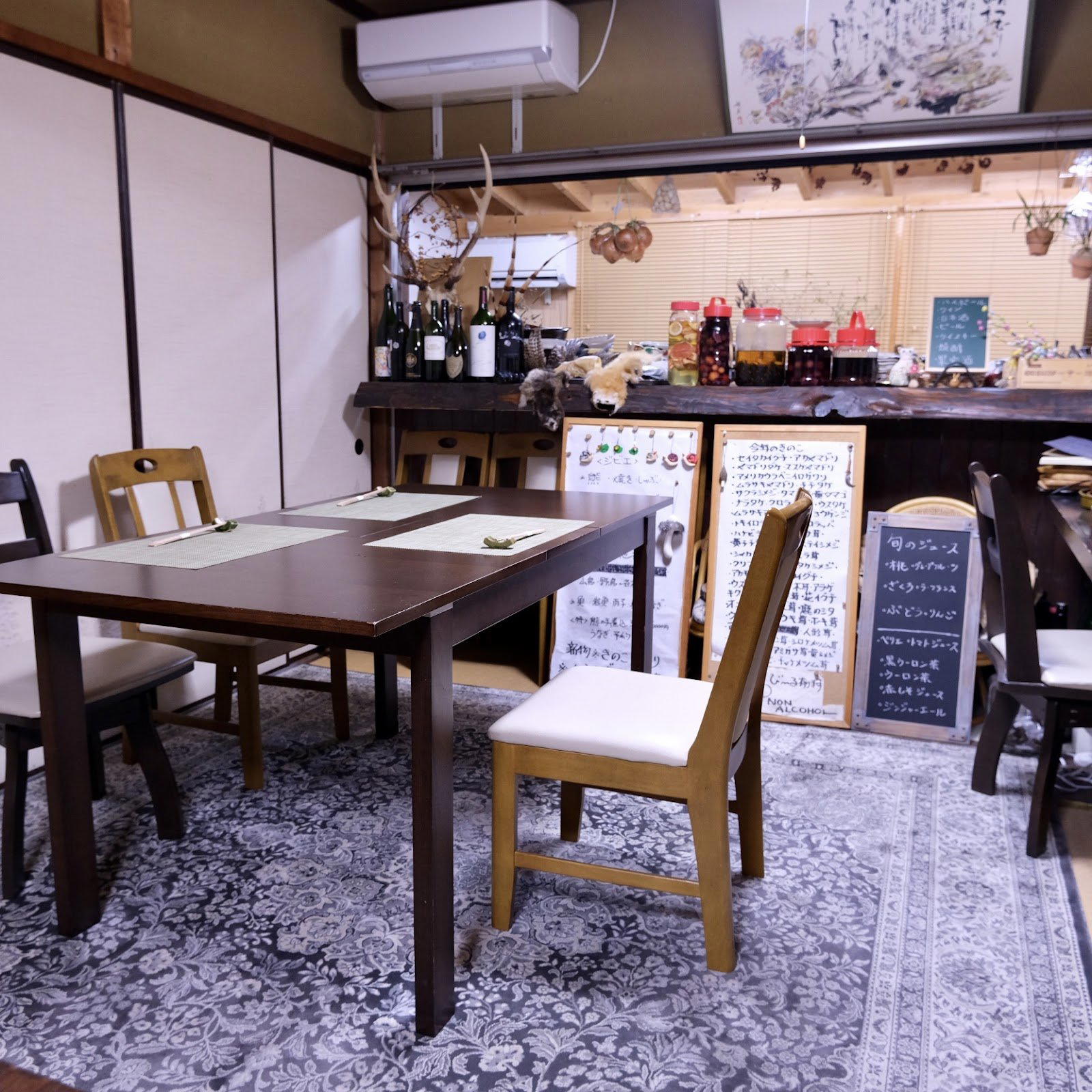
The approach to rural restaurants in Gifu shifts expectations before the menu appears. City dining announces itself through frontage, lighting, and pace; the countryside asks for attention to terrain, season, and silence. Katatsumuri sits in Yamagata, north of central Gifu, where regional cuisine reads less as nostalgia than as a working relationship with fields, hills, and local producers.
That matters because this is not broad Japanese dining. Katatsumuri is listed around regional cuisine, vegetable dishes, and creative cooking, pointing to ingredients as the main argument. In Japan, rural fine dining has increasingly diverged from the urban luxury template: fewer seats, less imported prestige produce, and more dependence on what the immediate area can supply at a given moment. Katatsumuri belongs to that line, not the hotel-restaurant model or polished counter culture of major cities.
Vegetable-led regional cooking with a narrow, serious frame
Gifu’s food identity is often discussed through mountain rivers, inland farming, preserved foods, and distance from coastal abundance. A restaurant built around regional cuisine here has a different burden from one in Tokyo or Kyoto: locality must feel precise, not decorative. The strongest signal is vegetable-focused cooking in a 10-seat room. Small capacity does not guarantee quality, but it changes sourcing economics; a compact dining room can work with limited harvests and irregular supplies in a way a larger restaurant cannot.
The Tabelog Award trail adds weight. Katatsumuri is a Tabelog Award 2026 Bronze recipient with a 4.00 score, after Bronze in 2025, 2024, 2023, 2022, 2021, and 2019, plus Silver in 2020. In Japan’s restaurant culture, where Tabelog’s user base can be demanding and localised, sustained recognition over multiple years signals more than a single burst of attention. It suggests the restaurant has held its place among diners who closely track regional destination restaurants.
The price band sets the meal in a distinct tier. Lunch and dinner are both listed at JPY 15,000 to JPY 19,999, with review-based spending often higher. This is not casual countryside pricing. It belongs to destination dining rather than inexpensive local set meals, asking diners to judge ingredient quality, seasonality, and menu coherence rather than volume or convenience.
A Gifu address that changes the dining equation
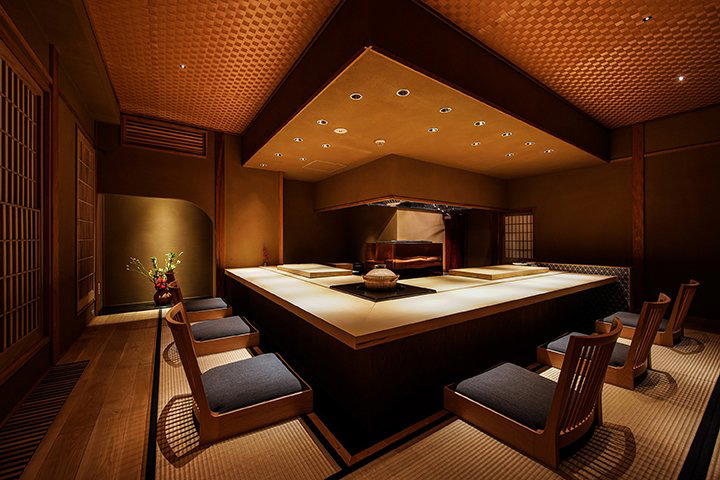
Location is part of the editorial point, not a footnote. Rural Japanese restaurants often gain seriousness when journey and meal align: the diner leaves the commercial centre, reaches a quieter residential or countryside setting, and encounters cooking that would lose meaning if transplanted unchanged into a shopping district. Katatsumuri’s house-restaurant character and tatami-room setting fit that pattern. The room does not compete with urban spectacle; it frames the meal as a local, seasonal appointment.
That positioning separates it from much of Gifu’s dining map. A steak-focused meal such as Setsu Gekka Nagara, where dinner is listed at JPY 10,000 to JPY 14,999 and lunch far lower, answers a different appetite: meat, polish, and a familiar luxury register. Casual local addresses such as Prelude Fukumitsu ten and Kochouan Semba sit in a lower price band and suit everyday use. Katatsumuri is narrower and more deliberate. Its value depends on whether the diner wants the countryside itself to shape the meal.
For a Gifu itinerary, separate categories before booking. The city rewards different routes: restaurant-led planning through Our full Gifu restaurants guide, accommodation decisions through Our full Gifu hotels guide, drinking after dinner through Our full Gifu bars guide, regional bottles through Our full Gifu wineries guide, and cultural programming through Our full Gifu experiences guide. Within restaurants, nearby references such as Aka Renga, Akane Ya, BAR-BAROSSA, BAROSSA cocktailier, and Belle Equipe (French) show how varied the field becomes when drinking rooms, French cooking, and regional Japanese meals are viewed together.
Who should make the detour
This is strongest for diners who care about provenance, vegetable cookery, and the discipline of a small room, not those seeking a broad à la carte evening. Drinks categories, sake, shochu, and wine, support Japanese ingredients without excluding non-Japanese pairings. BYO is also listed, giving serious drinkers another route, though the right bottle should suit regional, seasonal cooking rather than weight alone.
The practical profile is disciplined: reservation required, irregular closing days, credit cards accepted, no electronic money or QR payments, non-smoking, no private rooms, parking for three cars on the left side of the building, and children welcome. The maximum seated party is 10, with private use listed for up to 20 people, so the room remains intimate even for a group. These details matter because a meal here is not easily folded into loose sightseeing. It works better as the anchor of a Gifu day, with transport and timing planned around it.
Readers comparing Japanese regional dining beyond Gifu can place Katatsumuri alongside broader EP Club coverage, from -Grilled beef Sukiyaki- KAMAKURA TANUKIAN 鎌倉 たぬき庵 in Kamakura and. 鮪と炭火焼き うお炭 秋葉原店 in Tokyo to.cafe in Osaka.know in Kumamoto, (Shoku) Vietnam in Kawasaki, [Curry Senmon Ten] Maruyama Kyoju. in Sapporo, Jōdo Saké Bar in Los Angeles, and Onigiri Time in Pasadena. The useful comparison is not cuisine type alone, but how each place defines scale, sourcing, and the planning it asks from the diner.
The editorial case for Katatsumuri is clear: a small rural restaurant with repeated national-platform recognition, a vegetable-led regional frame, and a price point that demands attention. Go for a meal where Gifu is not background scenery but the organising logic of the table.
Comparison Snapshot
Comparable venues by cuisine and price in the same metro.
| Venue | Cuisine | Price | Notes |
|---|---|---|---|
| KatatsumuriThis venue — the venue you are viewing | Seasonal Foraged Wild Game & Regional Cuisine | $$$ | Not listed |
| Kikyo En Honten | Traditional Yakiniku & Wagyu Grill | $$$ | .null |
| Tsubaki | Yoshoku (Japanese Western) | $$$ | Uchikoshi |
| Kawaramachi Izumiya | Traditional Ayu Fish Cuisine | $$$ | Kawaramachi |
| Setsu Gekka Nagara | Yakiniku (Japanese BBQ) | $$$ | Gifu City |
| Akane Ya | Yakiniku & Chinese Grill | $$$ | Mitonocho |
At a Glance
- Rustic
- Intimate
- Scenic
- Special Occasion
- Celebration
- Group Dining
- Open Kitchen
- Historic Building
- Standalone
- Sake Program
- Byob
- Local Sourcing
- Farm To Table
- Mountain
Current opening hours
- Monday
- 12–2 PM, 6–9 PM
- Tuesday
- 12–2 PM, 6–9 PM
- Wednesday
- 12–2 PM, 6–9 PM
- Thursday
- 12–2 PM, 6–9 PM
- Friday
- 12–2 PM, 6–9 PM
- Saturday
- 12–2 PM, 6–9 PM
- Sunday
- 12–2 PM, 6–9 PM
Hours can change for holidays and private events. Last verified .
Traditional Japanese folk house set in tranquil mountain ranges with tatami rooms and a relaxing, intimate atmosphere.