
Sake no Tori puts Kyushu-style chicken cooking into Gifu’s compact evening dining circuit, with charcoal, flame and shochu carrying the story more than formality. Its selection for Tabelog’s 2025 Chicken Cuisine 100 gives the room a clear signal beyond neighbourhood regulars, while the format remains closer to a small drinking-and-grilling address than a ceremony-driven counter.
Pearl is the En Primeur Club membership app — saves, bookings, and concierge access live there. Same editors, same standards.
- Address
- 1 Chome-12 Suminoecho, Gifu, 500-8408, Japan
- Phone
- +81 58-263-6977
- Website
- sakenotori.web.fc2.com
 Saves & bookings on Pearl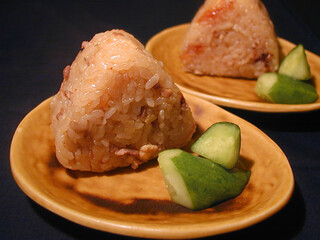
Approaching the small-room chicken houses around Gifu Station, the appeal is rarely theatrical. The point is heat, smoke, counter rhythm and the social pace of a table that can move from grilled chicken to shochu without turning dinner into a long-form tasting menu. In that context, Sake no Tori belongs to a Japanese tradition where poultry is not treated as a generic izakaya category but as a specialist craft, shaped by cut, fuel, salt and drinking culture.
Gifu’s dining identity is often discussed through river fish, Hida beef and regional sake, but its strongest small restaurants also reward narrower obsessions. Chicken cuisine sits in that lane. It lacks the international shorthand of sushi or wagyu, yet the discipline can be just as exacting: free-range domestic chicken, charcoal heat, skewerless grilling and the different role of shochu all change the meal’s centre of gravity. The room’s recognition in Tabelog’s 2025 Chicken Cuisine 100 matters because it places a Gifu address inside a national category usually dominated by larger dining markets.
Kyushu-style flame grilling shifts the meal away from standard yakitori
The useful distinction here is not “yakitori versus izakaya” but skewered precision versus momoyaki-style directness. Kyushu’s chicken traditions often favour larger pieces, firm-textured birds and high-heat grilling, a format that reads less like a sequence of delicate bites and more like a drinking meal built around char, salt and chew. Sake no Tori’s own positioning points to momoyaki, domestic free-range chicken, Binchotan charcoal, flame grilling without skewers, salt rather than sauce, and a shochu list with a Kagoshima emphasis. Those details explain why the place is filed under chicken cuisine rather than simply another casual grill.
That distinction matters for travellers who have already eaten polished counter yakitori in Tokyo or Osaka. Gifu’s version of the category has a different tempo: less about the choreography of a chef placing each skewer in front of the diner, more about a compact room where the grill anchors the evening and drinks do serious supporting work. The presence of wine alongside sake and shochu widens the table, but the shochu angle is the more culturally specific signal. Kagoshima remains one of Japan’s great shochu regions, and pairing that spirit with charcoal chicken is not an afterthought; it is part of the food’s native logic.
For visitors mapping a broader Gifu itinerary, this gives the city a useful counterpoint to beef-led dining such as Yakiniku Shun Yasai Fanbogi, lower-budget local meals such as Gishu, or bar-led evenings at Mikazuki Bar. It also sits apart from Italian-accented casual dining at DA ACHIU and the kappo register of Tejaku Kappou Terada. The comparison is not a ranking. It is a question of appetite: chicken over beef, flame over course structure, shochu culture over wine-list ceremony.
A small Gifu room with national-category recognition
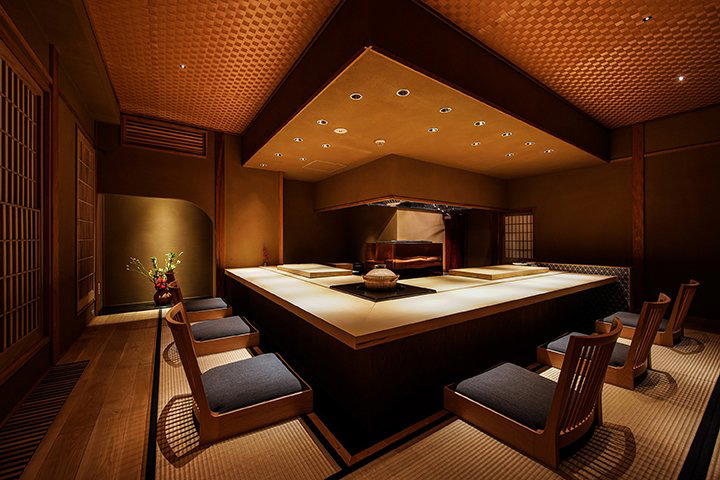
The restaurant’s scale is part of the editorial read. Counter seating gives chicken restaurants their pressure and their appeal: the diner is close enough to understand that the grill is not background equipment but the main instrument. Tables change the social register, making the format easier for friends than for hushed solo appraisal. That balance suits Gifu, a city where serious eating often happens without the visual codes of luxury dining.
The Tabelog Chicken Cuisine 100 selection in 2025 gives Sake no Tori a credential that travellers can actually use. Tabelog’s category lists are not the same kind of signal as Michelin stars, but they are influential within Japan because they sort narrow genres with local granularity. For a chicken specialist outside Tokyo, Osaka or Kyoto, inclusion says the address is being assessed within its craft category rather than merely as a convenient station-area dinner.
There is also longevity in the story: the opening date is listed as 2003, which places the restaurant well beyond the novelty cycle. In Japan’s specialist dining culture, time in operation is not a romantic footnote; it often indicates that a narrow format has found a repeat audience. The non-smoking setting and take-out service add practical shape without changing the basic proposition. This is still an evening built around flame-grilled chicken and drinks, not a general-purpose restaurant trying to serve every occasion.
Readers building a wider Gifu short list can place it alongside nearby editorial picks such as Aka Renga, Akane Ya, BAR-BAROSSA, BAROSSA cocktailier and Belle Equipe (French). For planning beyond dinner, EP Club’s city pages cover Gifu restaurants, Gifu hotels, Gifu bars, Gifu wineries and Gifu experiences.
How to read it against Japan's broader casual-specialist dining culture
Japan’s casual specialist restaurants often look modest from the outside because the specialisation is carried by repetition rather than décor. A curry counter in Sapporo, a sake bar in Los Angeles, an onigiri shop in Pasadena or a charcoal fish restaurant in Tokyo can each be narrow by design. That is the category logic to understand before judging a place like this: a small number of core decisions, executed with consistency, can be more meaningful than a broad menu.
For that reason, the restaurant is better read as part of a national culture of focused formats than as a broad Gifu introduction. Travellers comparing Japanese casual specialists may find useful contrasts in -Grilled beef Sukiyaki- KAMAKURA TANUKIAN 鎌倉 たぬき庵 in Kamakura. 鮪と炭火焼き うお炭 秋葉原店 in Tokyo.cafe in Osaka.know in Kumamoto, (Shoku) Vietnam in Kawasaki, [Curry Senmon Ten] Maruyama Kyoju. in Sapporo, Jōdo Saké Bar in Los Angeles and Onigiri Time in Pasadena. The shared lesson is restraint by category, not sameness by cuisine.
The editorial case is clear: go when the evening calls for a compact, chicken-led meal with shochu in the frame, not when the brief is a polished celebration restaurant. Gifu rewards diners who leave space for these smaller specialists. This one gives the city a credible entry in Japan’s chicken-cuisine conversation, grounded in Kyushu technique and sized for a close, smoke-and-counter style of night.
Price Lens
Nearby venues at a similar price tier for orientation.
| Venue | Cuisine | Price | Notes |
|---|---|---|---|
| Sake no ToriThis venue — the venue you are viewing | Not listed | $ | Not listed |
| Kochouan Semba | Nikkō-cho, Traditional Japanese soba | $ | Not listed |
| Chaya Akawani | Not listed | $ | Hachimancho, Japanese shaved ice & sweets cafe |
| Soba Kura Tomi | Yanagase area, Traditional Japanese Soba | $$ | Not listed |
| Kawaramachi Izumiya | Not listed | $$$ | Kawaramachi, Traditional Ayu Fish Cuisine |
| Tsubameya Yanagase honten | Yanagase, Japanese Confectionery | $ | Not listed |
Recognition history
Dated appearances from independent guides and award organizations, with the underlying list record or original source where available.
Tabelog 100 #32 · No. 32
Tabelog · Tabelog 100 - Chicken cuisine - 2025
Continue exploring
More in Gifu
Restaurants in Gifu
Browse all →

At a Glance
- Cozy
- Classic
- After Work
- Casual Hangout
- Group Dining
- Solo
- Late Night
- Standalone
- Sake Program
- Beer Program
- Street Scene
Current opening hours
- Monday
- 5–10 PM
- Tuesday
- 5–10 PM
- Wednesday
- Closed
- Thursday
- 5–10 PM
- Friday
- 5–10 PM
- Saturday
- 5–10 PM
- Sunday
- 5–10 PM
Hours can change for holidays and private events. Last verified .
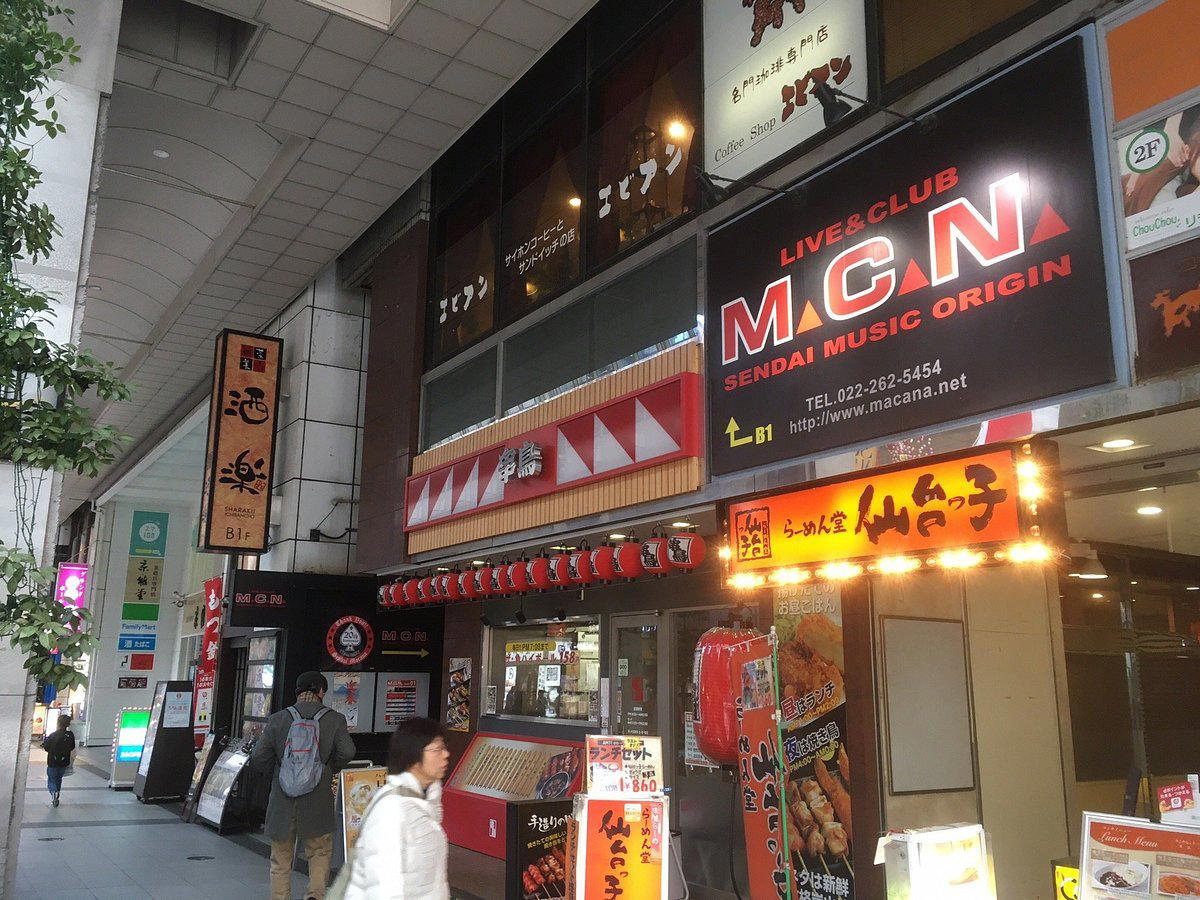
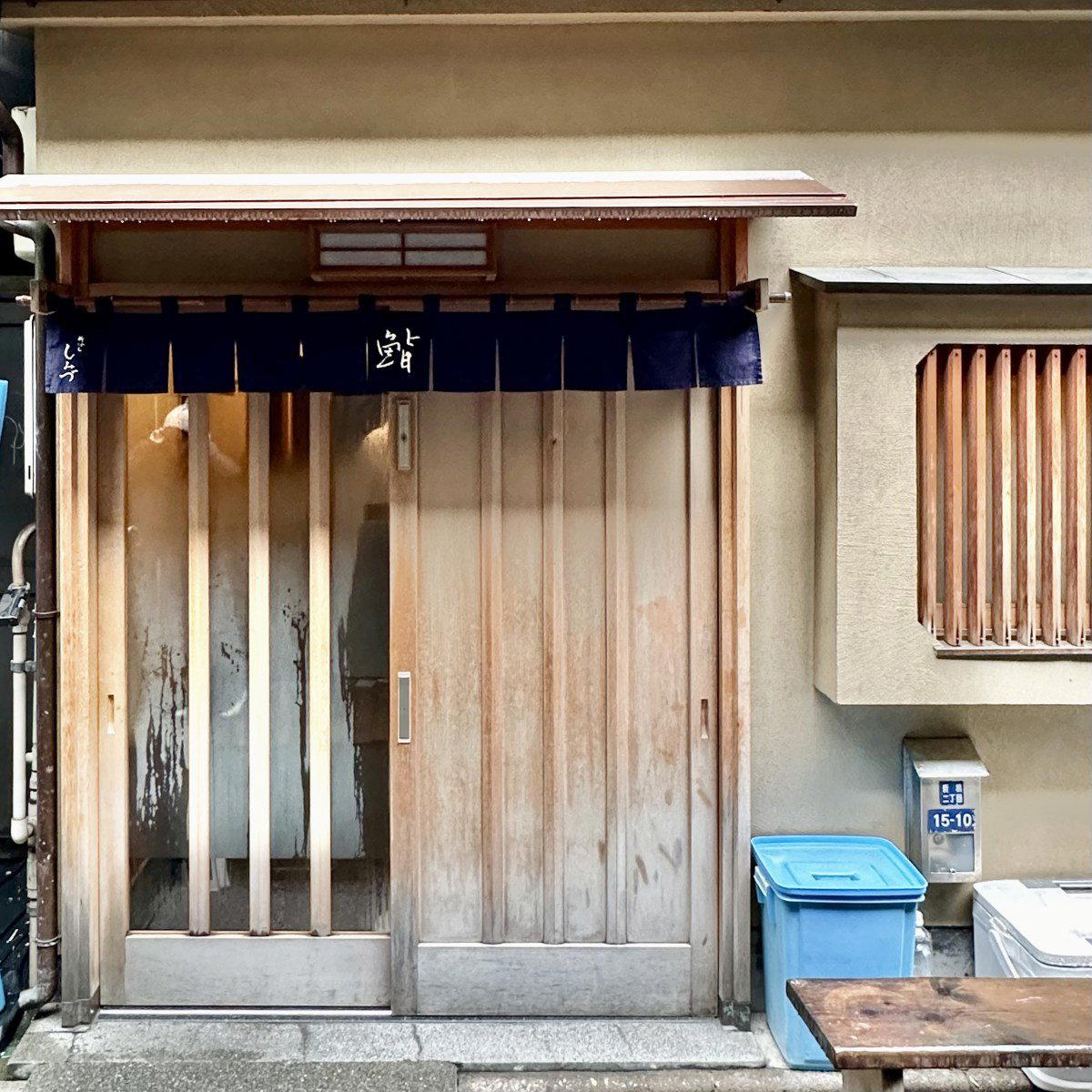
A compact, old-school neighborhood yakitori spot with counter seating, close tables, and a relaxed, slightly lively atmosphere typical of classic Japanese izakaya-style joints near major stations.