Olh Eum

Michelin Plate
Our verdict
Olh Eum holds consecutive Michelin Plate recognition (2024 and 2025) in Gangnam's Dosan-daero corridor, where contemporary Korean cooking has matured into a confident, ingredient-forward register. The restaurant sits in the ₩₩₩₩ tier alongside Seoul's most ambitious modern tables, drawing. Reservations are advisable well in advance for this compact Cheongdam-adjacent address.

Pearl is the En Primeur Club membership app, where members save venues, book tables and use the concierge.
The menu
What to order
- Shrimp and Sea Urchin Noodle
- Korean Beef Carpaccio
- Taste of Seoul
Where Dosan-daero's Ingredient Culture Comes Into Focus
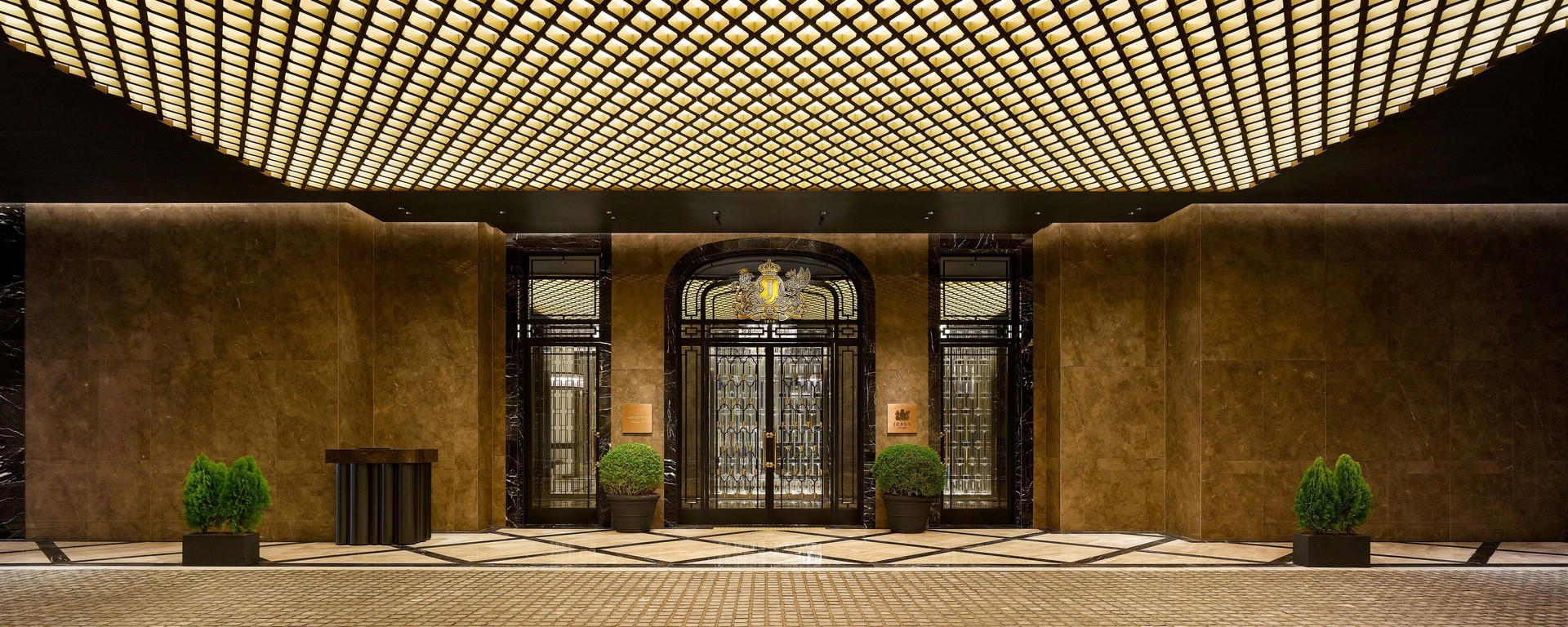
The stretch of Dosan-daero running through Gangnam's Cheongdam corridor has become one of Seoul's most concentrated zones for serious contemporary cooking. The addresses here are not the grand hotel dining rooms of central Seoul or the tasting-menu theatre found near Gyeongbok Palace; they are tighter, more considered spaces where the kitchen's relationship with suppliers tends to define the identity of the room as much as any interior decision. Olh Eum sits on a side lane off this corridor at Dosan-daero 100-gil, and the physical approach reflects that register: a Gangnam address that carries status without announcing it, the kind of block where the restaurants take the produce more seriously than the signage.
Contemporary Korean cooking at the ₩₩₩₩ level in Seoul has, over the past decade, split into two recognisable camps. One group works primarily with Western fine-dining architecture, inserting Korean flavour references into a French or European tasting-menu frame. The other moves from Korean culinary logic outward, treating doenjang fermentation timelines, heirloom grain varieties, or seasonal banchan traditions as structural principles rather than garnish. Olh Eum's Michelin Plate recognition in both 2024 and 2025 places it inside this broader conversation, and the consecutive citations suggest the kitchen is doing something consistent enough for Michelin's inspectors to return.
Sourcing as the Kitchen's Central Argument
In Seoul's most ambitious contemporary rooms, the sourcing story is no longer peripheral. At peer-level tables in the ₩₩₩₩ bracket, from Solbam to Eatanic Garden, where the ingredient comes from and how it was grown or raised has become the organising principle for menus that change with unusual frequency. This is partly a response to Korea's genuine regional agricultural diversity: the peninsula's compressed geography means that a kitchen with the right supplier relationships can draw on distinct seasonal produce from Jeju, the southern coast, the Gangwon highlands, and the central plains within a single menu cycle.
The EA-GN-02 angle that defines contemporary Korean ingredient culture at this price point is not simply farm-to-table rhetoric borrowed from Northern California or Nordic templates. It reflects something more specific to Korean culinary tradition: the idea that the transformation of a raw ingredient, through fermentation, drying, curing, or slow cooking, is itself the cooking, not a preliminary step. Restaurants working in this register tend to highlight not just what they source but how the ingredient has been handled before it reaches the kitchen. That distinction is what separates the more considered contemporary Korean tables from those that apply modern technique to conventional supply chains.
Across the Michelin Plate cohort in Seoul, this sourcing intelligence tends to show up in the detail: a specific variety of perilla from a named region, aged kimchi that has run for a defined number of months, or a particular strain of Korean beef that differs in feed and raising method from the standard hanwoo supply. These are the signals that indicate a kitchen operating with genuine supplier depth rather than seasonal menu copy. Olh Eum's position in the 2024 and 2025 Michelin guides places it among restaurants whose sourcing is legible enough to justify that recognition across consecutive inspection cycles.
The Gangnam Context: Competing at ₩₩₩₩
Gangnam's fine-dining tier is not a single scene; it stratifies sharply by price and ambition. At the top of the bracket sit operations like Jungsik and Gaon, both carrying Michelin stars and drawing international recognition. Below that, but still operating at ₩₩₩₩, is a denser cluster of contemporary and Korean-contemporary tables that compete for a more local clientele of Seoul professionals and food-focused visitors who want serious cooking without the ceremony of the starred rooms. Kwon Sook Soo and Restaurant Allen represent different inflections of this tier, the former rooted in refined Korean tradition, the latter more European in structure.
What the Michelin Plate classification signals in this competitive environment is not star-level recognition but something more useful for practical planning: that Michelin's inspectors consider the kitchen to be producing food of a quality that warrants attention, without necessarily meeting the consistency threshold for a star. In a city where the gap between a Plate and a star can be a matter of service environment or room polish rather than cooking, that distinction matters.
For a ₩₩₩₩ contemporary table in Gangnam, this is a score that reflects general satisfaction rather than enthusiasm, suggesting a room that delivers on its food-forward premise for most visitors while perhaps leaving some in the demographic that prioritises service spectacle less fully served. That is not unusual for kitchens at this level in Seoul, where the cooking is often the acknowledged priority.
For international comparisons at the contemporary fine-dining level, the ingredient-forward Korean approach places Olh Eum in a conversation with restaurants like Orfali Bros in Dubai or Alo in Toronto, both of which operate in the same contemporary register with a strong sense of regional culinary identity driving the menu. The difference is context: Seoul in 2025 is arguably the most competitive city in Asia for contemporary tasting-menu cooking, and a Michelin Plate here carries more implied competition than equivalent recognition in most other markets.
Planning Your Visit
Olh Eum is located at 24 Dosan-daero 100-gil in Gangnam, a short distance from the main Cheongdam shopping and dining corridor. The ₩₩₩₩ price tier places an evening here in the range of Seoul's most serious contemporary tables, and advance booking is advisable given the restaurant's Michelin recognition and the generally compressed seating capacity of addresses in this part of Gangnam.
| Venue | Cuisine | Price | Michelin | |
|---|---|---|---|---|
| Olh Eum | Contemporary | ₩₩₩₩ | Plate (2024, 2025) | |
| Solbam | Contemporary | ₩₩₩₩ | — | — |
| Restaurant Allen | Contemporary | ₩₩₩₩ | ||
| Exquisine | Contemporary | ₩₩₩₩ |
For broader planning across Seoul's dining and hospitality options, see our full Seoul restaurants guide, our full Seoul hotels guide, our full Seoul bars guide, our full Seoul wineries guide, and our full Seoul experiences guide. If your itinerary extends beyond Seoul, Mori in Busan and Baegyangsa Temple in Jangseong-gun represent the ingredient-forward Korean tradition at very different scales and settings. For a contemporary dining reference closer to the starred tier, The Flying Hog in Seogwipo and César in New York City offer instructive comparisons in how contemporary kitchens outside Seoul are working through similar ingredient-sourcing arguments.
Frequently asked questions
What's Olh Eum's location?
Olh Eum is located at South Korea, Seoul, Gangnam District, Dosan-daero 100-gil, 24 옳음 OLH EUM, Seoul.
What's the pricing like at Olh Eum?
Pricing at Olh Eum is listed as ₩₩₩₩.
What's Olh Eum known for in terms of accolades?
Olh Eum has received recognition including: Michelin Plate (2025); Michelin Plate (2024).
What should I eat at Olh Eum?
Olh Eum holds consecutive Michelin Plate recognition for 2024 and 2025 in the contemporary category, which points to a kitchen with a consistent point of view rather than a single breakout dish. At the ₩₩₩₩ price tier in Gangnam, the format at peer-level restaurants typically centres on a set or tasting structure built around sourced seasonal produce. Arrive with the menu rather than a specific request in mind.
A Pricing-First Comparison
| Venue | Cuisine | Price | Awards | Notes |
|---|---|---|---|---|
| Olh EumThis venue (the venue you are viewing) | Modern Korean Fine Dining | Not listed | Michelin Plate | Not listed |
| 7th Door | Modern Korean Fermentation Fine Dining | $100–150 | 1 Michelin Star · World's 50 Best #49 | Korean, Contemporary |
| Solbam | Contemporary Neo-Classical Korean | $200–300 | 1 Michelin Star · World's 50 Best #55 | Contemporary |
| Onjium | Modern Korean Royal Court Cuisine | Not listed | 1 Michelin Star · World's 50 Best #14 | Korean |
| L'Amitié | Classic French Fine Dining | $100–150 | 1 Michelin Star · La Liste Top Restaurants | French |
| Zero Complex | Modern French Neo-Bistro | $100–150 | 1 Michelin Star · La Liste Top Restaurants | Korean-French, Innovative |
Recognition history
Dated appearances from independent guides and award organizations, with the underlying list record or original source where available.
Michelin Plate
Michelin
Full recognition history (2 entries)
Michelin Plate
Michelin