
Kuni Hachi Shokudo is a low-cost Takayama shokudo with Tabelog 100 Diner recognition in 2026, built around cafeteria cooking, regional dishes, tofu, and sake rather than luxury dining signals. Its appeal sits in the Hida region’s everyday food culture: plain-spoken, local, family-friendly, and practical, with reservations unavailable and cash-style planning required.
Pearl is the En Primeur Club membership app — saves, bookings, and concierge access live there. Same editors, same standards.
- Address
- 1441-3 Shimogirimachi, Takayama, Gifu 506-0041, Japan
- Phone
- +81 577-33-5171
- Website
- tabelog.com
 Saves & bookings on Pearl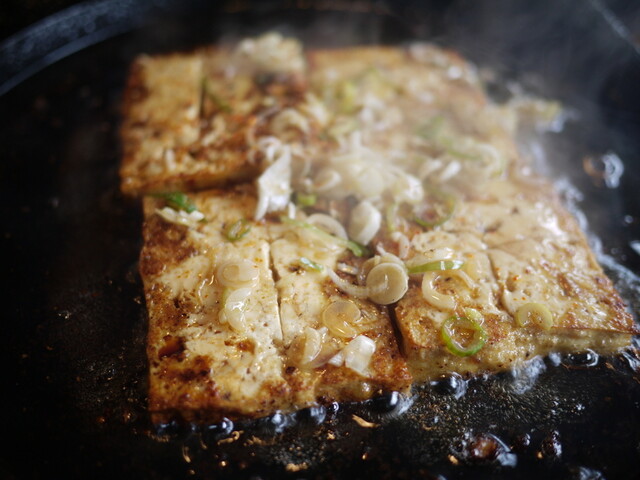
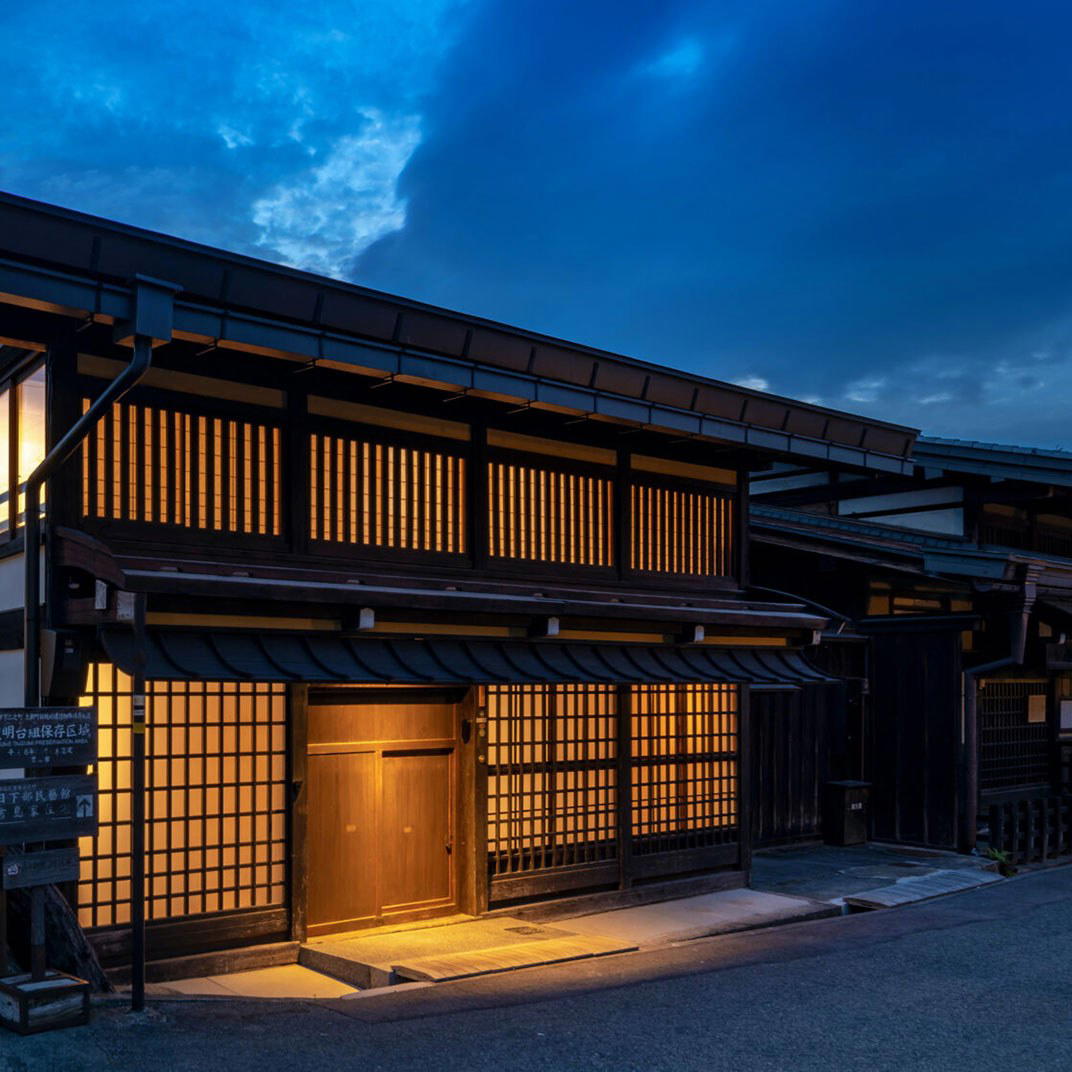
Approaching the northern side of Takayama’s dining map, the mood changes from preserved merchant-house streets to the working rhythm of a regional road town. The restaurant category matters here. A shokudo is not a chef’s theatre or a tasting-menu room; it is Japan’s everyday dining grammar, built for rice, miso, protein, vegetables, tofu, and the kind of meal that has to make sense on a weekday. Kuni Hachi Shokudo sits inside that tradition, and its 2026 selection for Tabelog 100 Diner gives a modest format the kind of national recognition usually reserved for more expensive rooms.
Hida's everyday table, not a luxury performance
Takayama is often sold through Hida beef, morning markets, sake breweries, and ryokan dinners, but its more useful food story is the relationship between mountain agriculture, preserved foods, soy, rice, and small-scale regional cooking. The categories attached to this address, cafeteria, regional cuisine, and tofu dishes, are the clue. They place the meal closer to local provision than destination dining, where sourcing is less about imported prestige and more about what the surrounding region has historically cooked well.
That makes the Tabelog 100 Diner selection more interesting than a conventional award badge. The diner category rewards a different kind of excellence from fine dining: consistency, value, local loyalty, and a clear sense of place. Kuni Hachi Shokudo also appeared in the Tabelog 100 Diner selections for 2024 and in the earlier set-meal category in 2021, which points to repeat recognition across Japan’s everyday-food tier rather than a single-year spike. In a city where visitors often chase formal Hida beef dinners, this is the counterargument: a regional table can be compelling without ceremony.
The ingredient angle is the reason to pay attention. Tofu dishes in Gifu and the wider mountain interior are not a decorative vegetarian option; soy has long been part of the area’s practical protein culture, especially where cold winters and inland geography shaped preservation habits. Regional cafeterias tend to make those ingredients legible through direct preparations rather than technique-heavy transformation. The point is not novelty. The point is whether the cooking lets a traveller understand how local staples function in daily life.
The shokudo format explains the appeal
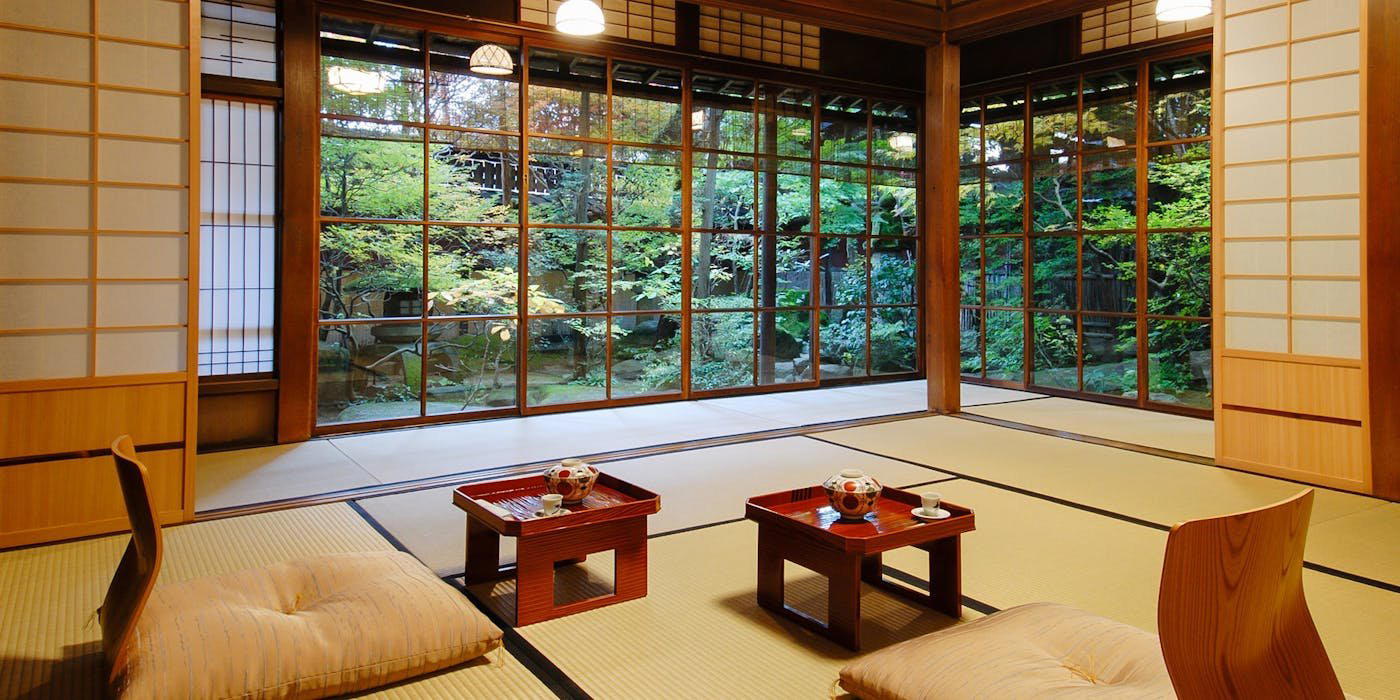
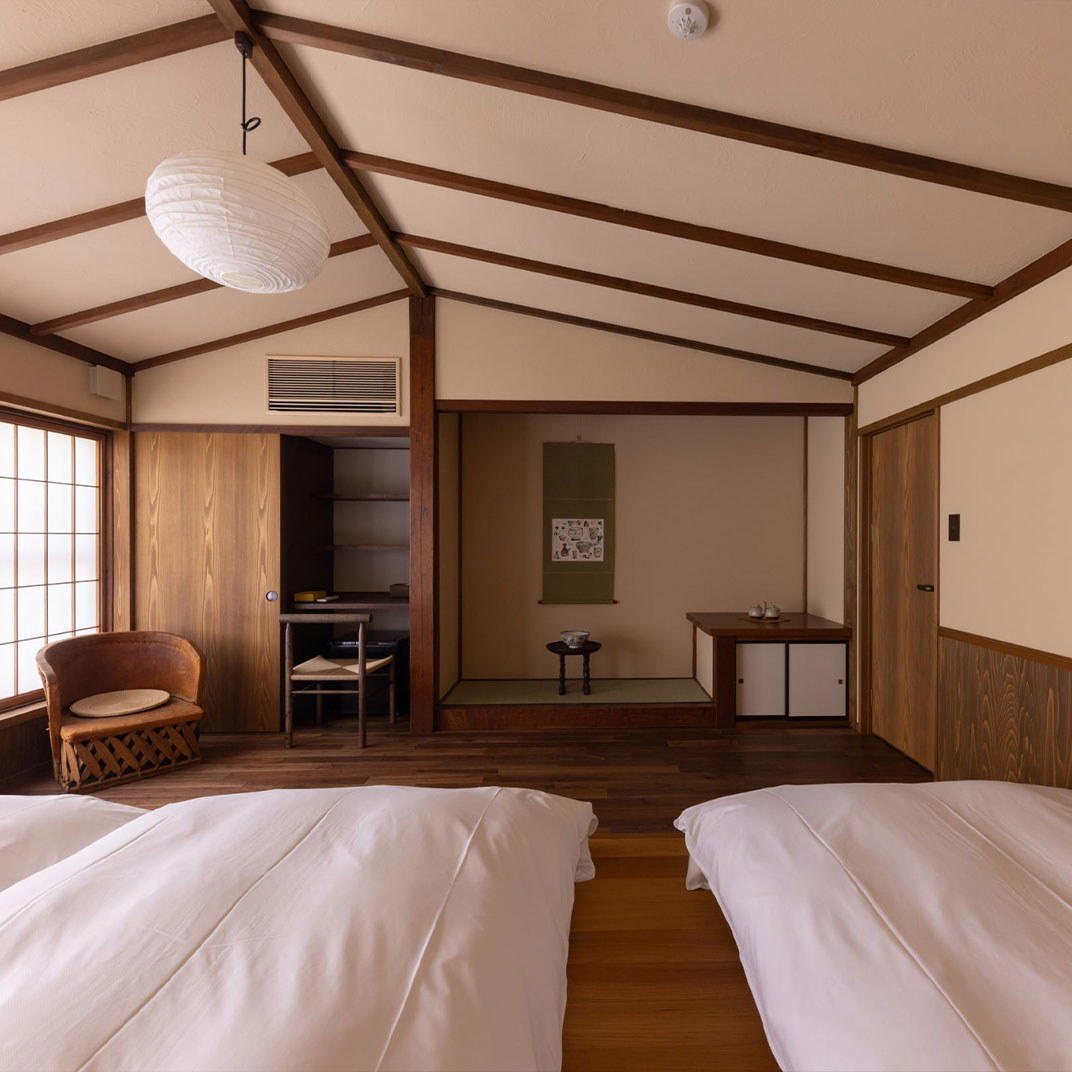
Japan’s high-recognition dining scene can be punishingly narrow for travellers: counter seats, prepaid courses, fixed start times, and a constant fear of etiquette missteps. The shokudo format is more democratic. It gives families, workers, and groups a shared language. Here the room is described with table seating and raised tatami-style seating, which fits the genre: a house-restaurant feel rather than a polished urban dining room. Children are welcome, and the format is recommended for families and friends, useful context in a city where many stronger dining experiences can feel oriented toward adults or ryokan guests.
Capacity also changes the decision. With 52 seats, including multiple tables and raised seating, the restaurant operates on a scale that separates it from the tiny counter culture associated with much of Japan’s serious dining. That does not make it easier in every respect, since reservations are unavailable and the restaurant may close once sold out, but it does change the mood. This is not a hushed room designed around scarcity. It is a local dining house with national notice, which is a rarer combination than it sounds.
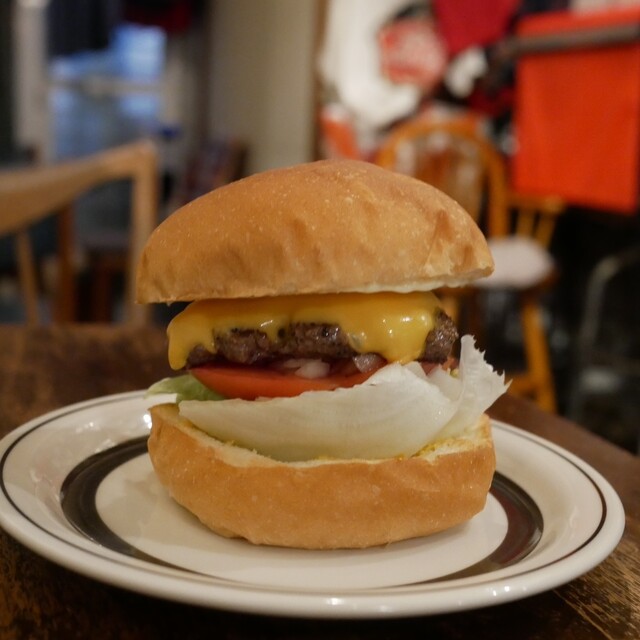
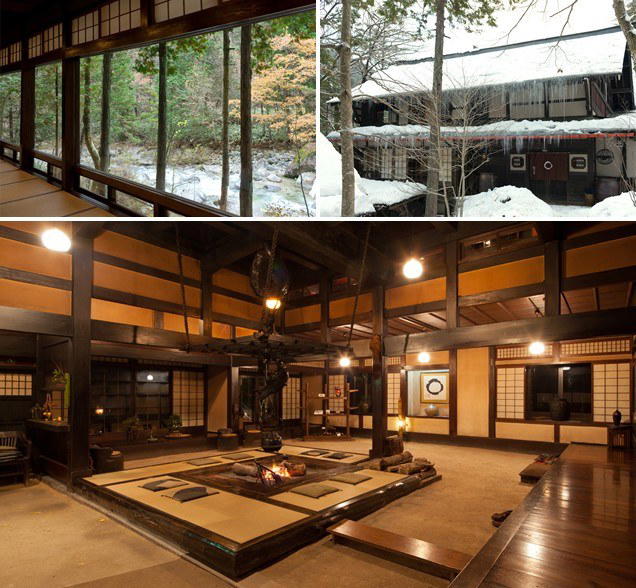
Against Takayama’s broader dining scene, the comparison is useful. Amane Dining and Hida Takayama Kakusho point toward more composed destination meals; Bourbon sits in a higher spending bracket; CENTER4 HAMBURGERS shows how international comfort food has entered the city’s visitor circuit; and Hanaougi Bettei Iiyama Ryokan represents the lodging-led meal culture that shapes many Takayama itineraries. Kuni Hachi Shokudo belongs to another lane: regional, inexpensive, informal, and anchored in ordinary Japanese dining rather than travel theatre.
How to read it within a Takayama itinerary
The strongest use case is not a grand finale dinner. It is the meal that corrects an itinerary leaning too heavily on polished beef courses and ryokan service. Takayama rewards travellers who understand its ordinary rhythms as well as its preserved streets, and a recognized shokudo does that job cleanly. The presence of sake is another local signal, not because the restaurant is a bar, but because Hida’s brewing culture belongs naturally beside regional food rather than apart from it.
Planning requires a practical mindset. Reservations are unavailable, payment is not listed for cards, electronic money, or QR methods, and parking is available in gravel lots by the restaurant and across National Route 41. The location is outside the densest tourist core, so it pairs better with a car-led or bicycle-flexible day than with a casual stroll between old-town sights. Closed Wednesdays also matter in Takayama, where small restaurants often run on personal schedules and sell-out risk is part of the genre rather than a service flaw.
For wider planning, keep it in conversation with Our full Takayama restaurants guide, then separate the city’s other needs through Our full Takayama hotels guide, Our full Takayama bars guide, Our full Takayama wineries guide, and Our full Takayama experiences guide. Readers comparing regional Japanese comfort formats beyond Gifu can also look at -Grilled beef Sukiyaki- KAMAKURA TANUKIAN 鎌倉 たぬき庵 in Kamakura. 鮪と炭火焼き うお炭 秋葉原店 in Tokyo.cafe in Osaka.know in Kumamoto, (Shoku) Vietnam in Kawasaki, [Curry Senmon Ten] Maruyama Kyoju. in Sapporo, Jōdo Saké Bar in Los Angeles, and Onigiri Time in Pasadena, not as direct equivalents, but as reminders that casual formats often reveal more about a food culture than its formal rooms.
Quick Comparison
Comparable venues by cuisine and price in the same metro.
| Venue | Cuisine | Price | Notes |
|---|---|---|---|
| Kuni Hachi ShokudoThis venue — the venue you are viewing | Casual Hida regional diner & tofu-teppan shokudo | $ | Not listed |
| Jinya Dango Ten | Japanese Sweets / Dango | $ | Honmachi |
| Kin no Kotteushi (金乃こって牛) | Hida Beef Nigiri Sushi | $$ | 上二之町 |
| フランス食堂Nature | Casual French Bistro with Hida Ingredients | $$ | Hachikenmachi |
| Hida Takayama Kakusho | Traditional Shojin Ryori Kaiseki | $$$$ | Babamachi / Takayama city center |
| オステリア・ラ・フォルケッタ | Seasonal Italian Trattoria | $$$ | Takayama |
Recognition history
Dated appearances from independent guides and award organizations, with the underlying list record or original source where available.
Tabelog 100 #23 · No. 23
Tabelog · Tabelog 100 - Diner - 2026
Continue exploring
More in Takayama
Restaurants in Takayama
Browse all →
At a Glance
- Lively
- Cozy
- Rustic
- Well Known
- Family
- Casual Hangout
- Solo
- Group Dining
- After Work
- Standalone
- Sake Program
Current opening hours
- Monday
- 11 AM–2:40 PM, 5–7:50 PM
- Tuesday
- 11 AM–2:40 PM, 5–7:50 PM
- Wednesday
- Closed
- Thursday
- 11 AM–2:40 PM, 5–7:50 PM
- Friday
- 11 AM–2:40 PM, 5–7:50 PM
- Saturday
- 11 AM–2:40 PM, 5–7:50 PM
- Sunday
- 11 AM–2:40 PM, 5–7:50 PM
Hours can change for holidays and private events. Last verified .
Casual, bustling house-style shokudo with simple interiors, tatami seating and closely packed tables, where the atmosphere is energetic at meal times and focused on quick, satisfying teishoku rather than décor.