CP RESTAURANT
Our verdict
CP RESTAURANT sits in Tokorozawa, a Saitama city where everyday dining is shaped less by destination hype than by commuter rhythms, family meals, and tightly focused neighborhood kitchens. Its appeal is best read against that local context: a restaurant for diners mapping the city beyond central Tokyo, with nearby comparisons ranging from hand-worked ramen to soba, hamburgers, and traditional Musashino cooking.

Pearl is the En Primeur Club membership app, where members save venues, book tables and use the concierge.
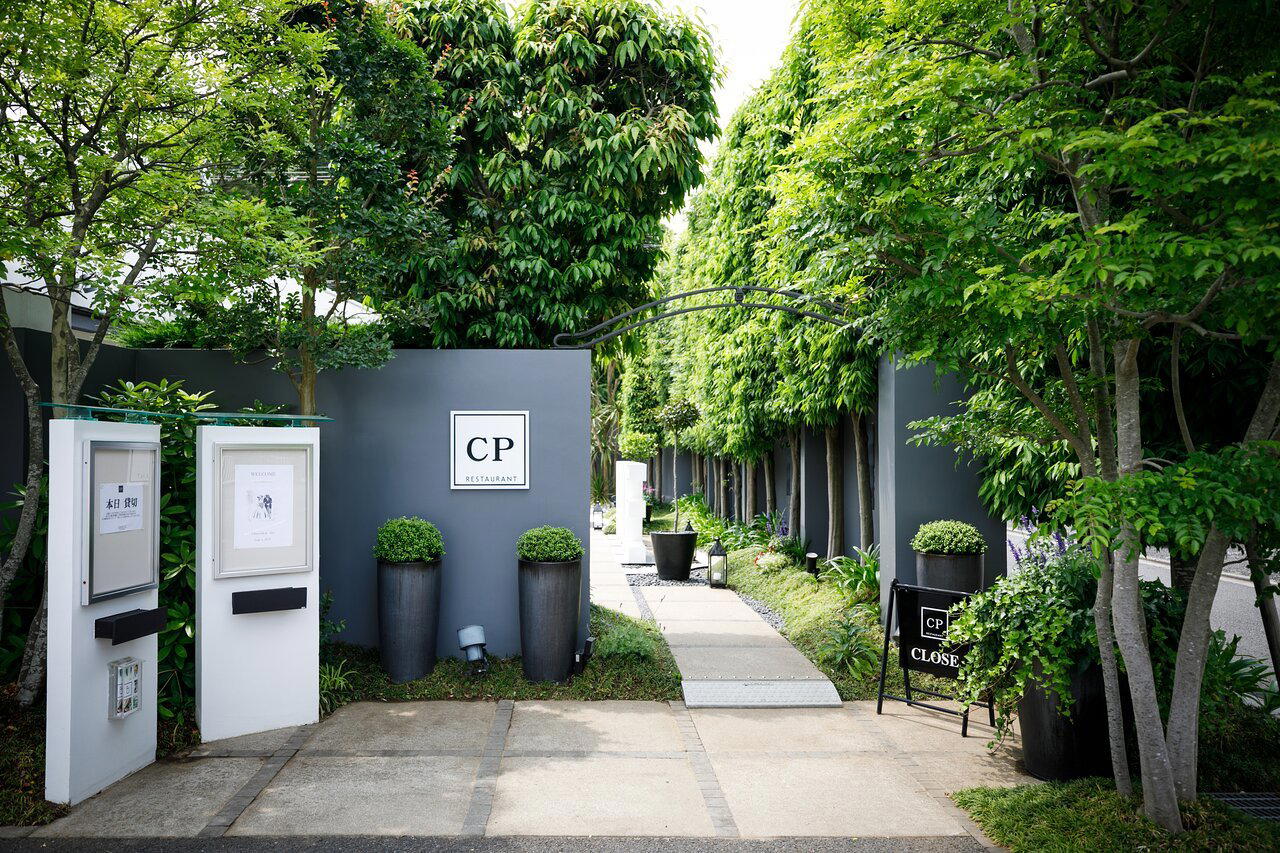
Tokorozawa dining begins with the city’s in-between character. It is close enough to Tokyo to absorb capital-city expectations, yet far enough into Saitama to keep a stronger neighborhood pulse: lunch services that matter, weekday closures that locals learn, and restaurants judged by repeat use rather than spectacle. CP RESTAURANT belongs to that Tokorozawa register, where the room, menu format, and local role carry more weight than imported glamour.
The city rewards a different kind of attention from central Tokyo. Around Tokorozawa, dining choices often split between quick specialist counters, family restaurants, soba and udon traditions, and casual Western-influenced rooms. That range is visible in the local peer group: Jikasei Temomi Men Suzunoki represents the low-ticket specialist end, while CHOPPERS HAMBURGER & CAFE sits in the casual café bracket and Unagiya Shubo Gasou Echigoya prices higher around eel and drinks. CP RESTAURANT should be read inside that practical local spectrum rather than through the luxury-restaurant codes of Ginza or Roppongi.
Tokorozawa dining works by neighborhood loyalty, not destination theatre
Suburban Japanese restaurant culture is often more exacting than visitors expect. The standard is not necessarily a tasting menu, a famous chef, or a published award; it is whether a place fits the tempo of the week. In cities like Tokorozawa, restaurants survive by being useful across lunch, dinner, family occasions, and regular returns. That gives the scene a grounded quality: less ceremony, more repetition, with diners building trust through consistency.
That context matters for CP RESTAURANT because no public award trail or chef-led mythology defines the restaurant. The trust signal is instead logistical and local: a full service pattern across most of the week, with lunch and dinner operating on separate sittings and midweek closures giving the schedule a clear rhythm. In Japan, those rhythms are part of the dining culture. Regulars know which days are active, when lunch is viable, and when a restaurant belongs to the weekly map rather than a once-a-year plan.
Tokorozawa also sits within the old Musashino area, where wheat, soba, udon, and homestyle regional cooking have historically shaped everyday eating. That does not mean every restaurant is traditional, but it explains why the city’s restaurant mix is broad rather than trend-led. Musashino Dentou no Aji Ryotaro points directly to that regional food memory, while Kuromugi and Udonya Kazu underline the continuing pull of noodle culture. A restaurant in this market competes for habitual attention, not only for special-occasion spend.
The useful comparison is with Tokorozawa's everyday specialists
For a traveler, the decision is less “Is this the destination meal of the trip?” and more “What kind of Tokorozawa meal is this?” That is the right question. Beruteko, CHOPPERS HAMBURGER & CAFE, and Jikasei Temomi Men Suzunoki all show how the city’s dining map is built from specific needs: a casual Western-style meal, a quick noodle stop, a local table with repeat value. CP RESTAURANT fits the same city logic, with appeal tied to context and convenience rather than a publicly documented accolade system.
Pricing is not published for the restaurant, so it is more useful to compare the surrounding market than to invent a bracket. Nearby examples show how compact Tokorozawa’s range can be: Jikasei Temomi Men Suzunoki is listed below JPY 999, CHOPPERS HAMBURGER & CAFE sits around JPY 1,000 to JPY 1,999, STEAK HOUSE BRASE Tokorozawa ten moves higher at dinner, and Unagiya Shubo Gasou Echigoya reaches a stronger evening spend. Those figures help frame the neighborhood, but they should not be transferred to CP RESTAURANT.
The broader point is cultural. Japanese suburban dining often gives visitors a clearer read on daily life than a central-city trophy counter. The meal is shaped by train access, family schedules, school calendars, and the expectation that a restaurant can serve more than one occasion. In that sense, CP RESTAURANT is most interesting as part of Tokorozawa’s working food fabric: a place to understand how the city eats when it is not performing for visitors.
How to place it in a Tokorozawa food day
A good Tokorozawa itinerary should not be built around a single table. The city is better approached as a set of small decisions: noodles at one end, casual café cooking at another, regional Musashino references in between. Start with our full Tokorozawa restaurants guide to see how those categories sit together, then use CP RESTAURANT as a flexible local meal rather than the sole anchor.
Travelers staying nearby should also think beyond restaurants. Our full Tokorozawa hotels guide is useful for judging whether the city works as a base, while our full Tokorozawa bars guide, our full Tokorozawa wineries guide, and our full Tokorozawa experiences guide help place a meal inside a wider day. This is not a city that needs the same strategy as Tokyo’s reservation-heavy dining districts; it rewards pacing and local clustering.
For readers building a wider Japan file, Tokorozawa can be compared with other regional and city-specific dining formats without forcing false equivalence. Beef-led dining such as -Grilled beef Sukiyaki- KAMAKURA TANUKIAN 鎌倉 たぬき庵 in Kamakura, charcoal and tuna formats like. 鮪と炭火焼き うお炭 秋葉原店 in Tokyo, café culture at.cafe in Osaka, and regional rooms such as.know in Kumamoto show how varied Japan’s casual-to-specialist dining field becomes once the frame moves beyond central Tokyo.
The same applies internationally. (Shoku) Vietnam in Kawasaki, [Curry Senmon Ten] Maruyama Kyoju. in Sapporo, Jōdo Saké Bar in Los Angeles, and Onigiri Time in Pasadena each show a different expression of Japanese or Japan-adjacent dining culture. CP RESTAURANT’s role is quieter: it gives Tokorozawa visitors a local point of reference in a city where daily dining, not spectacle, sets the terms.
Frequently asked questions
What are the opening hours for CP RESTAURANT?
Hours at CP RESTAURANT: Mon: 11:30 AM–3 PM, 5:30–10 PM; Tue: Closed; Wed: Closed; Thu: 12–3 PM, 5:30–10 PM; Fri: 11:30 AM–3 PM, 5:30–10 PM; Sat: 11:30 AM–3 PM, 5:30–10 PM; Sun: 11:30 AM–3 PM, 5:30–10 PM.
What's CP RESTAURANT's location?
CP RESTAURANT is located in Tokorozawa.
What has CP RESTAURANT built its reputation on?
Its appeal is tied to a Tokorozawa address at 2 Chome-153-2 Kitanaka and a service pattern built around lunch and dinner on Monday, Thursday, Friday, Saturday, and Sunday. That makes it the kind of local restaurant people plan around rather than treat as an afterthought.
Is CP RESTAURANT allergy-friendly?
The venue details only confirm the Tokorozawa location and opening hours, so allergy handling should be confirmed before a visit. With service running from lunch into dinner on several days, it is sensible to discuss any dietary restrictions in advance of a meal at 2 Chome-153-2 Kitanaka.
Is CP RESTAURANT suitable for children?
The daytime service on Friday through Sunday, plus Monday lunch, makes it workable for families planning a meal in Tokorozawa. Suitability will depend on the dining format on the day, so the address and hours at 2 Chome-153-2 Kitanaka are the practical points to check first.
Price and Positioning
Nearby venues at a similar price tier for orientation.
| Venue | Cuisine | Price | Awards | Notes |
|---|---|---|---|---|
| CP RESTAURANTThis venue (the venue you are viewing) | French Fine Dining | $100–150 | Not listed | Not listed |
| イタリアンオット | Seasonal Italian Course | $50–100 | Tabelog 100 #8 | Prope Street, Seasonal Italian Course |
| 中国割烹旅館 掬水亭 | Chinese Kappo Ryokan Dining | $50–100 | Not listed | 山口, Shanghai Chinese Fine Dining |
| Unagiya Shubo Gasou Echigoya | Traditional Unagi & Kaiseki | $50–100 | Tabelog 100 #29 | Kotesashi, Traditional Unagi & Kaiseki |
| Jikasei Temomi Men Suzunoki | Handmade ramen with house-made temomi noodles | $10–20 | Tabelog 100 #8 | Sayamagaoka, Handmade ramen with house-made temomi noodles |
| Gyoza no Manshu (ぎょうざの満洲) | Japanese Gyoza Specialist | $10–20 | Not listed | 新所沢, Japanese Gyoza Specialist |
Continue exploring
More in Tokorozawa
Restaurants in Tokorozawa
All restaurants in Tokorozawa →


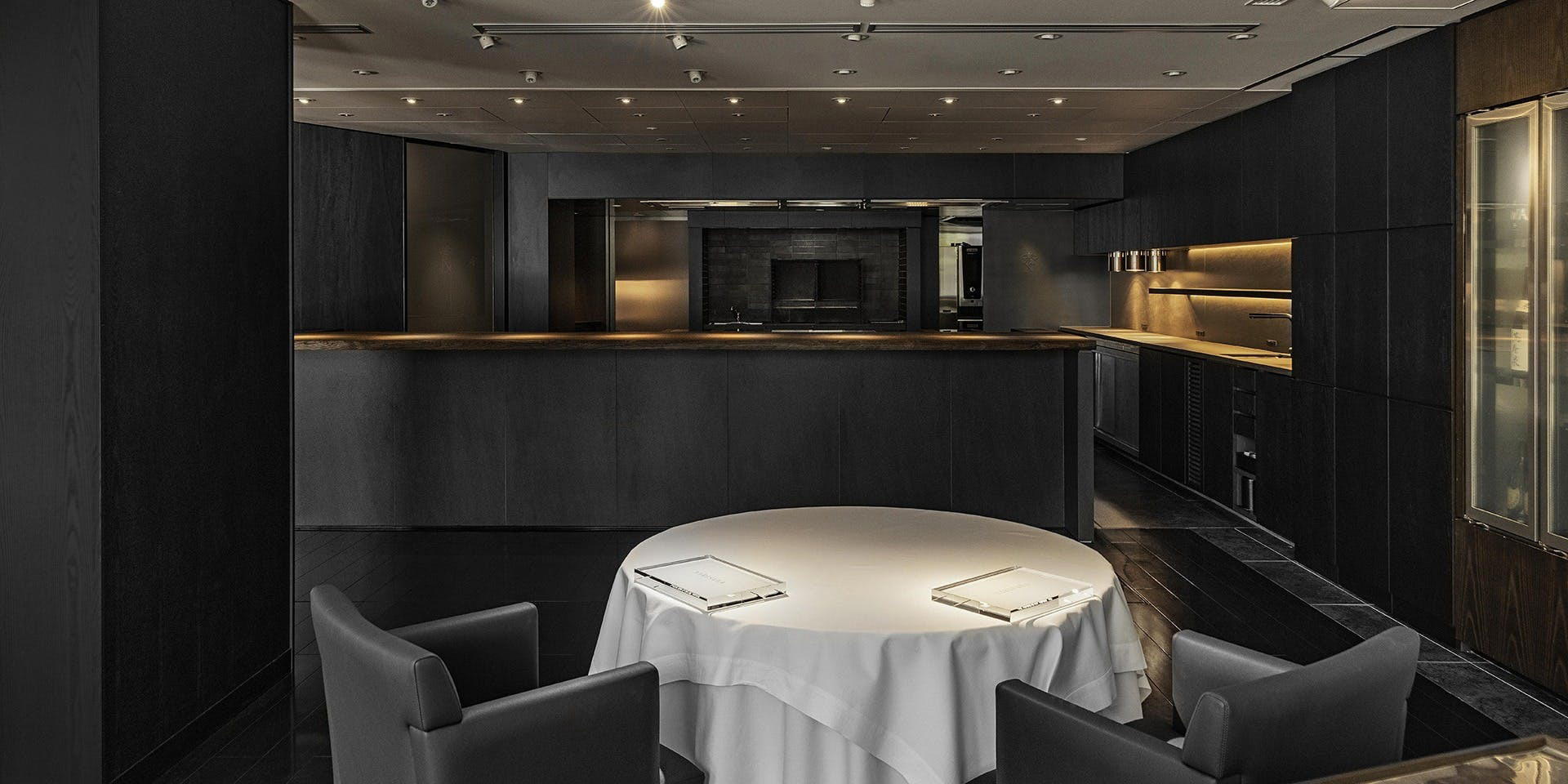

Bars in Tokorozawa
Browse all →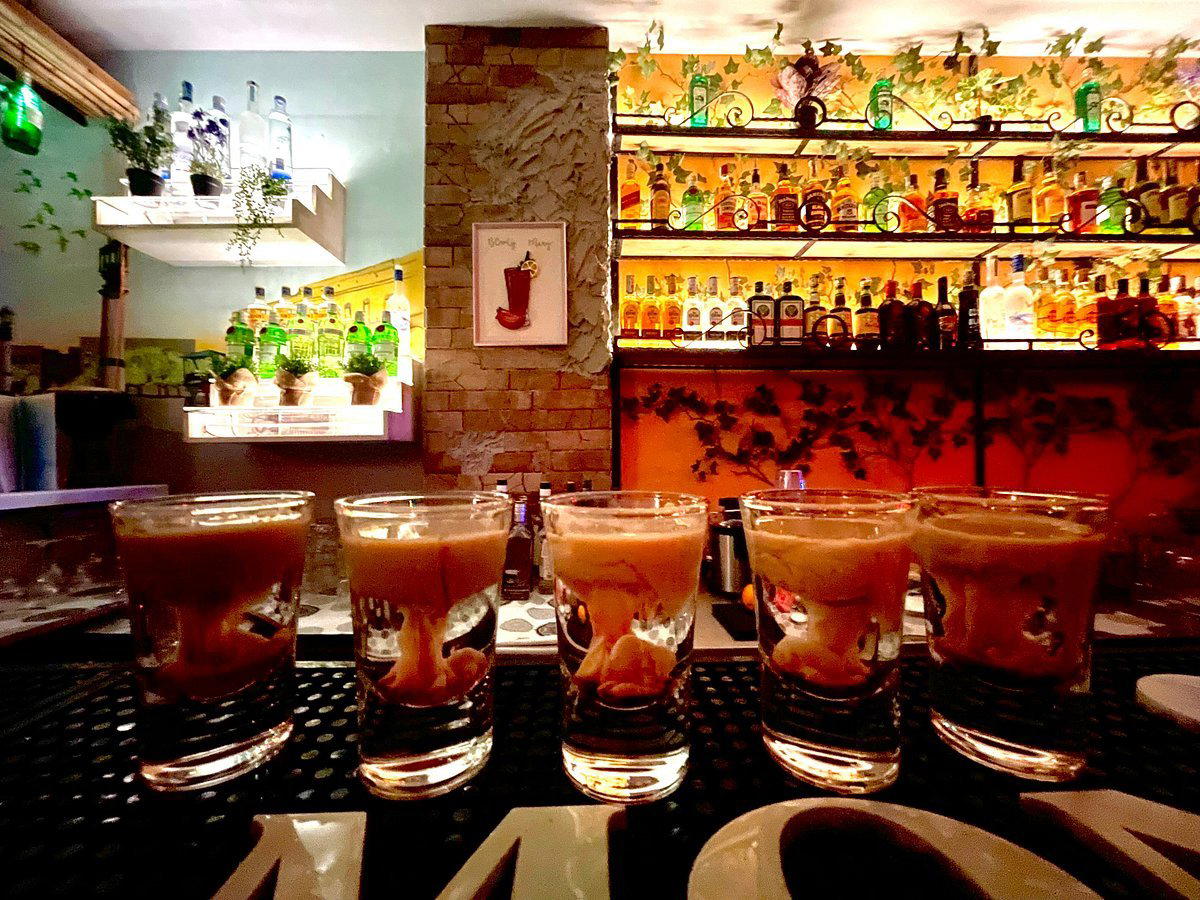
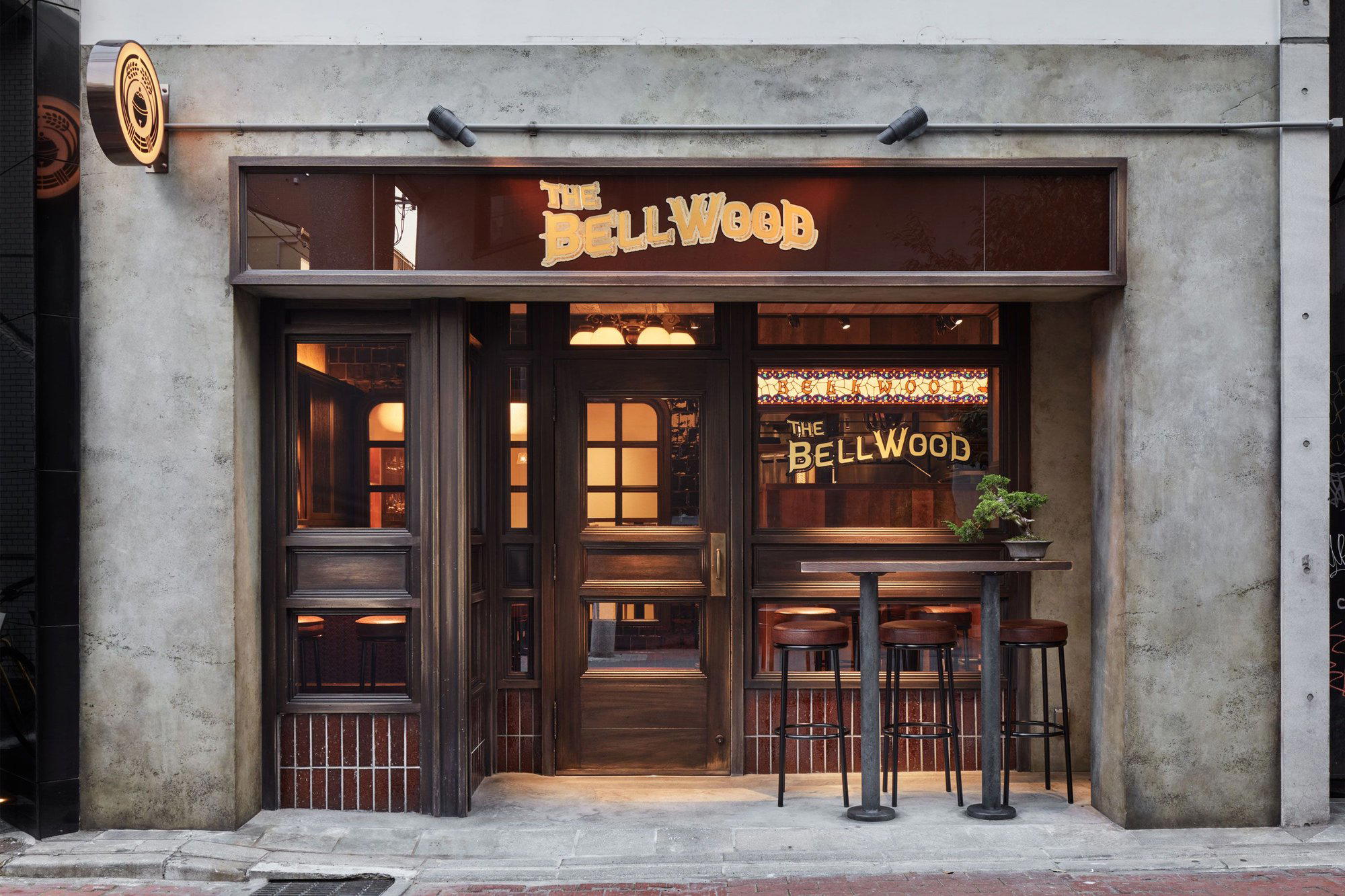

Hotels in Tokorozawa
Browse all →

Wineries in Tokorozawa
Browse all →
Details
- Elegant
- Sophisticated
- Intimate
- Date Night
- Special Occasion
- Business Dinner
- Private Dining
- Extensive Wine List
- Sake Program
- Prix Fixe
Current opening hours
- Monday
- 11:30 AM–3 PM, 5:30–10 PM
- Tuesday
- Closed
- Wednesday
- Closed
- Thursday
- 12–3 PM, 5:30–10 PM
- Friday
- 11:30 AM–3 PM, 5:30–10 PM
- Saturday
- 11:30 AM–3 PM, 5:30–10 PM
- Sunday
- 11:30 AM–3 PM, 5:30–10 PM
Hours can change for holidays and private events. Hours as of .
Elegant and sophisticated with a focus on beautiful plating and gentle flavors that highlight seasonal ingredients.