Our verdict
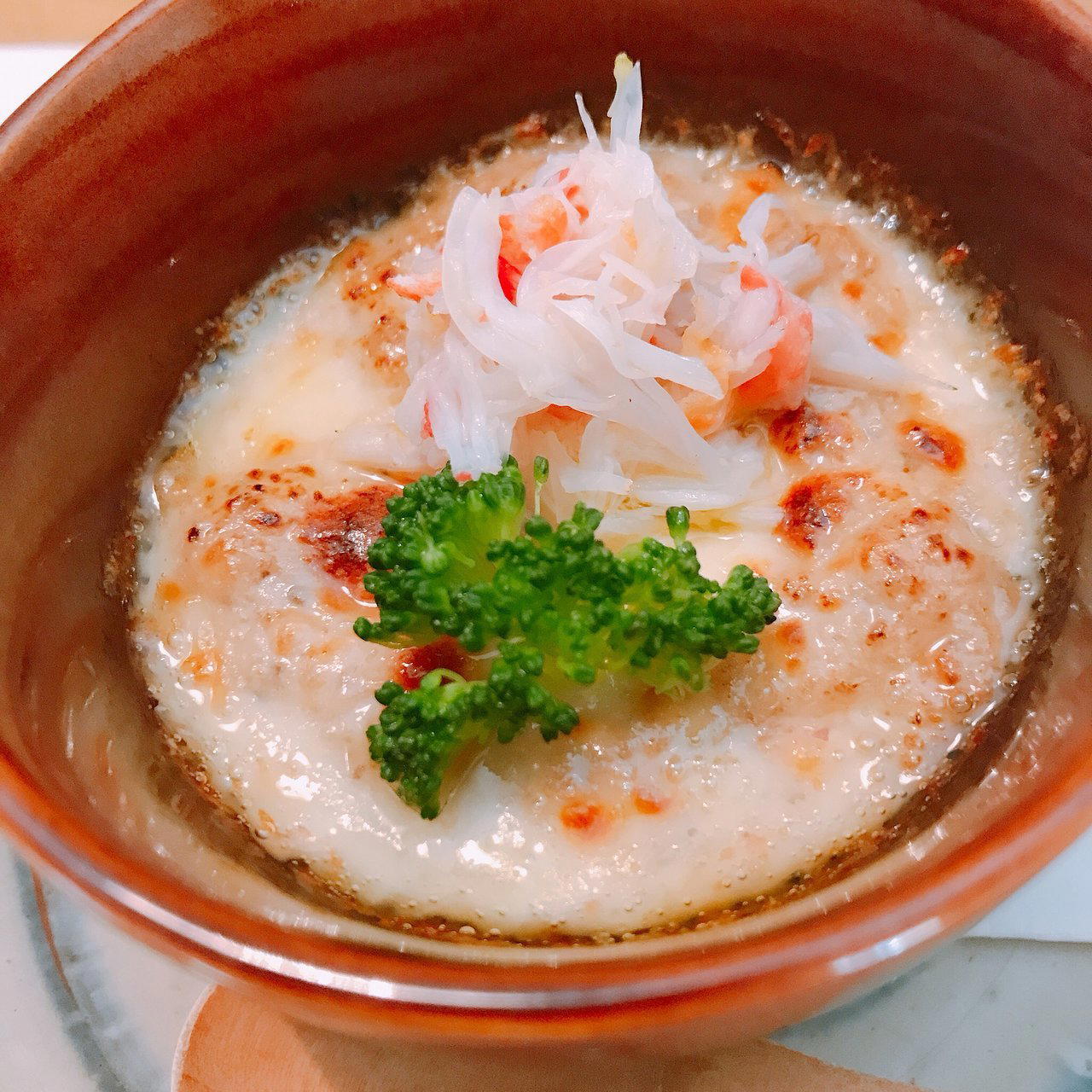
Quiet elegance in every bite, with restrained skill

Pearl is the En Primeur Club membership app, where members save venues, book tables and use the concierge.
Fukui's Ingredient-Led Dining Scene
Fukui Prefecture occupies a particular position in Japan's regional food culture that most visitors from Tokyo or Osaka overlook. Flanked by the Sea of Japan to the west and mountain terrain inland, the prefecture produces some of the country's most closely watched ingredients: Echizen crab, considered among the most prized species of snow crab landed in Japan; Echizen soba, grown in cooler highland conditions that concentrate its flavour; and a range of fermented and cured seafood traditions that predate modern restaurant culture by centuries. Against this backdrop, dining in Fukui is less about culinary performance and more about direct proximity to source material that restaurants in larger cities pay considerably more to import. Our full Fukui restaurants guide maps the city's dining across price points and formats.
Approaching Takagi-cho
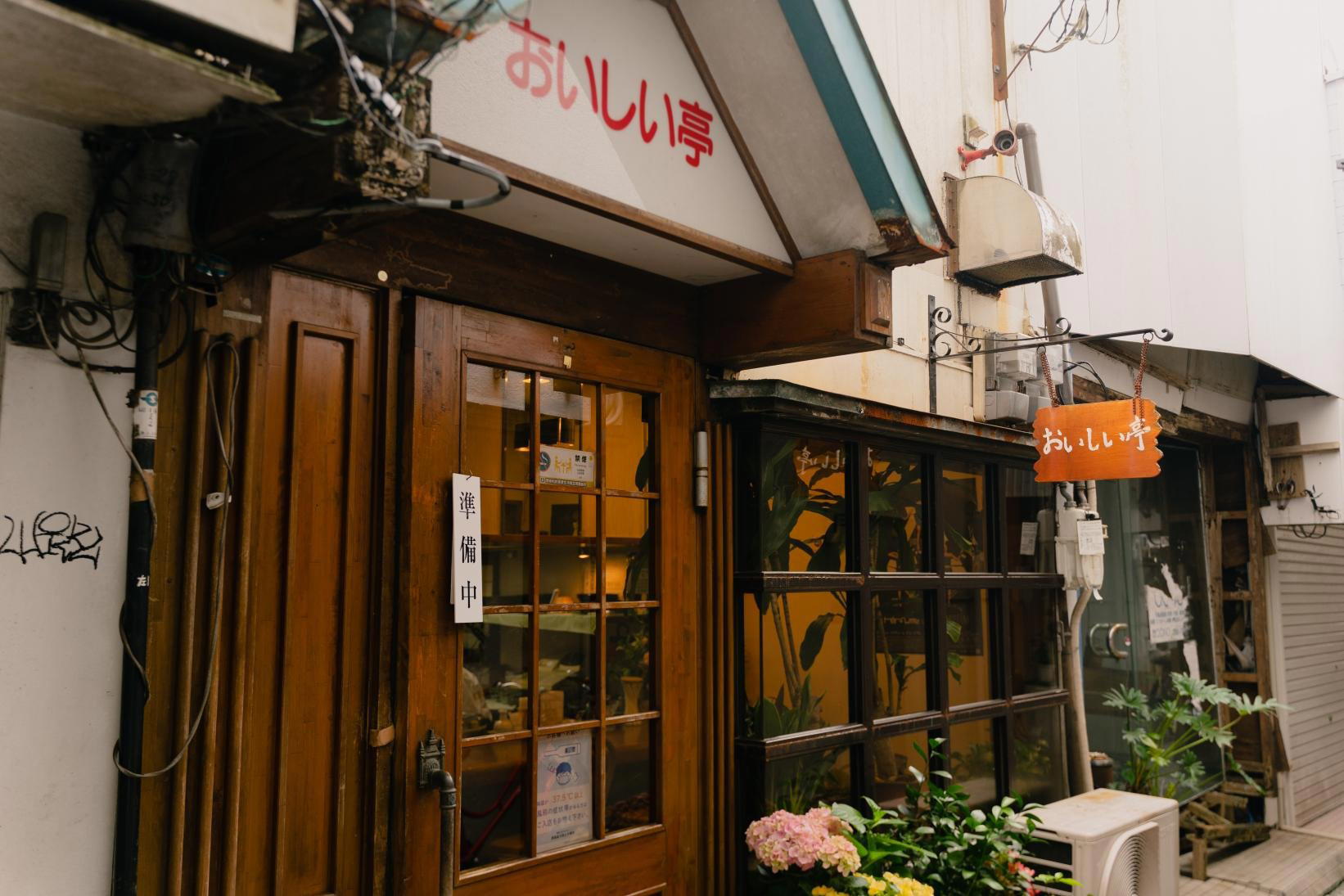
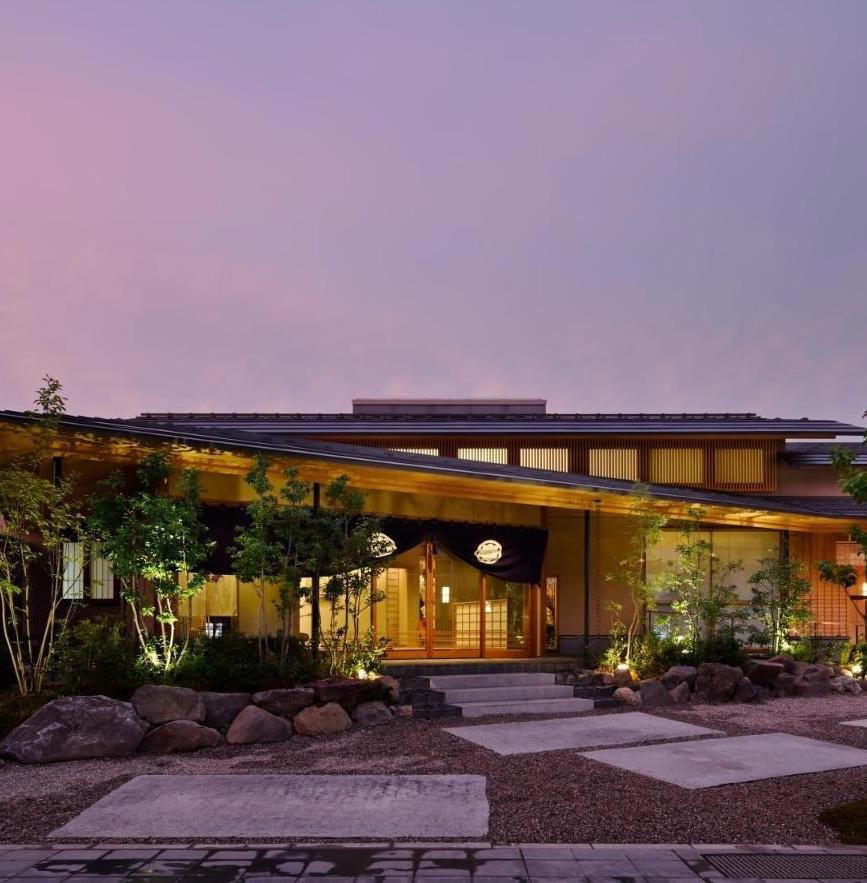
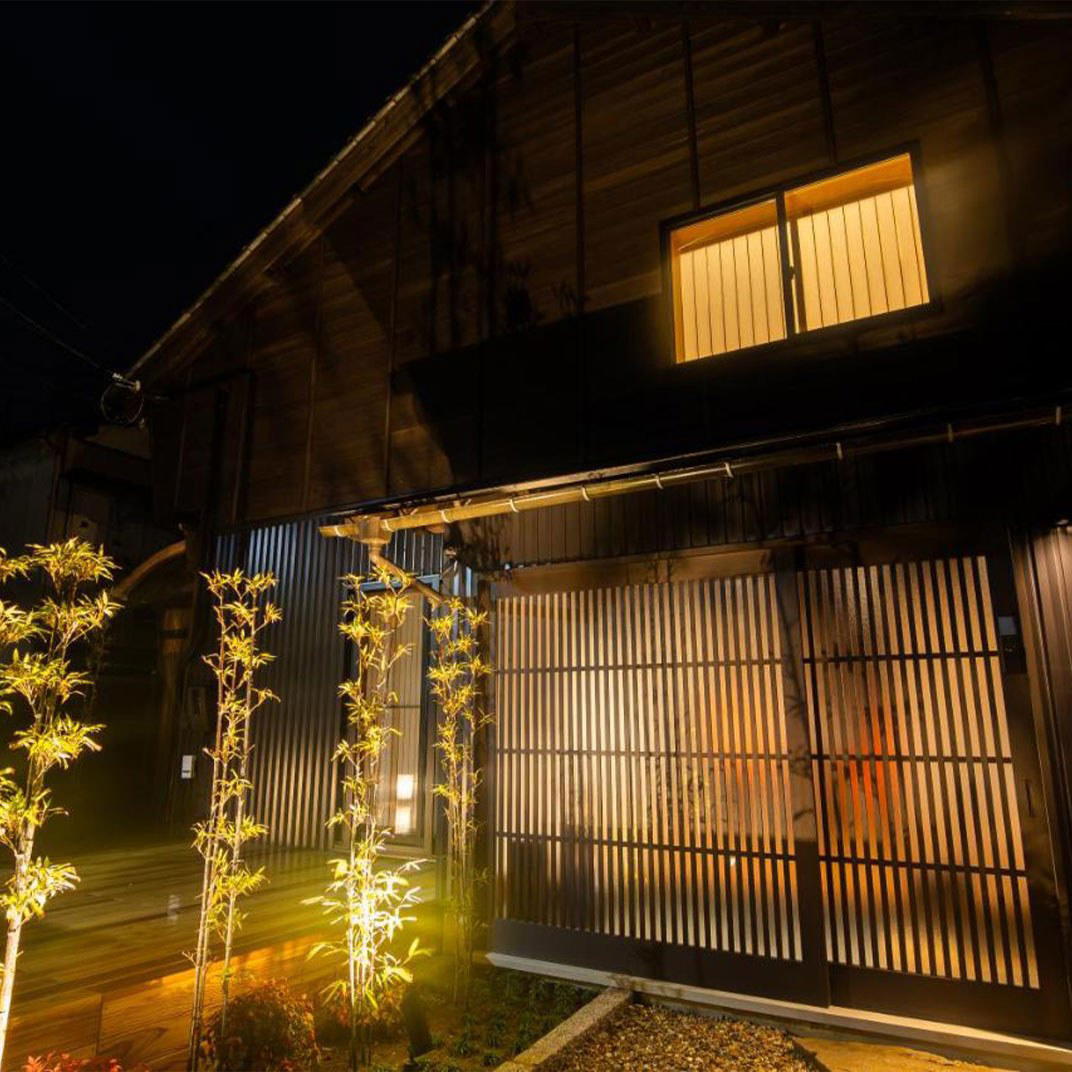
The address in Takagi-cho, in the 910-0804 postal district of Fukui city, places this restaurant in a residential and light commercial zone rather than the concentrated dining strips that define central Fukui. In Japan, this kind of address often signals a specific local audience: regulars who arrive with intent rather than visitors browsing a street. The approach on foot from central Fukui involves passing through blocks where signage thins out and the built environment shifts toward smaller-scale, neighbourhood-facing businesses. That physical remove from the tourist circuit is, in many Japanese cities, an accurate predictor of a kitchen operating on its own terms rather than to tourist traffic patterns.
Where the Food Comes From
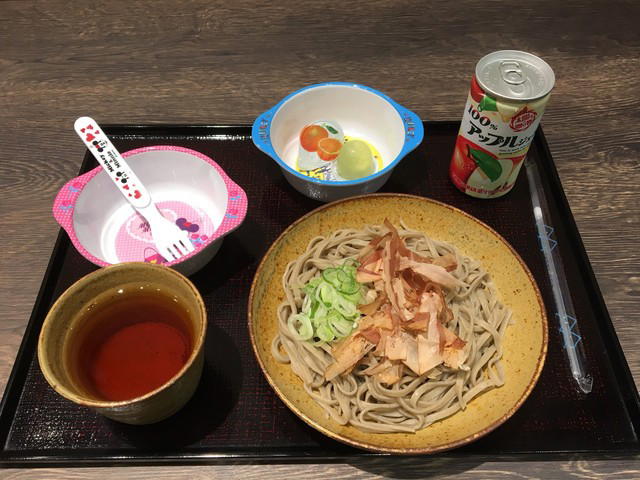
Fukui's ingredient culture is built around a handful of seasonal anchors. Echizen crab season runs from November through March, and during those months, the prefecture's restaurants and fishing ports become the primary reference point for snow crab in Japan. The crab carries a prefectural certification tag at auction, and the volume that stays within Fukui for local consumption is meaningfully different in freshness terms from what reaches Tokyo fish markets days later. Echizen soba, made from locally grown buckwheat, holds a regional designation and is served in formats specific to the prefecture, including oroshi soba dressed with grated daikon radish, a preparation that functions as a regional marker rather than a generic menu choice.
Fermented seafood, including the intensely concentrated funazushi-adjacent preparations found throughout the Lake Biwa and Sea of Japan corridor, represent a deeper preservation tradition. Restaurants in this part of Honshu that commit to local sourcing are drawing on a supply chain that predates refrigeration and reflects centuries of making flavour out of necessity. That's a different kind of provenance argument than the farm-to-table language used in contemporary Western restaurants, and it carries a different kind of culinary weight.
For comparison, the sourcing calculus at high-end counters elsewhere in Japan involves significant transport distances. Harutaka in Tokyo and Gion Sasaki in Kyoto operate at refined price points partly because premium regional ingredients, including those from Fukui itself, arrive as imports. A Fukui restaurant working with the same ingredients operates with a structural sourcing advantage that doesn't always translate into higher prices but does tend to translate into fresher product and stronger relationships with producers.
Within Fukui city, the restaurant scene divides broadly between traditional Japanese formats (sushi, kaiseki-adjacent, soba), Chinese-influenced establishments, and the kind of neighbourhood-facing general dining that defines Japanese provincial cities. Kaikatei represents the Chinese strand of the city's dining; Sushi Jubei anchors the sushi tier; Miyazaki, 寿し懐, and 御料理 山中 fill out the broader range of serious dining options across different format types.
Compared to the more internationally recognised dining cities on this axis of Honshu, Fukui operates below the Michelin inspection threshold for much of its history, meaning that quality here has been validated through local knowledge and word-of-mouth rather than external awards infrastructure. That dynamic is familiar across Japan's secondary cities. HAJIME in Osaka and Goh in Fukuoka represent how Michelin recognition eventually reaches regional Japanese cities when inspection coverage expands. Beyond Japan, the same sourcing-first argument that defines Fukui dining appears in different forms at Le Bernardin in New York City and Atomix in New York City, both of which have built reputations substantially on the quality and traceability of their primary ingredients.
Regional comparators within Japan's Sea of Japan corridor include 一本木 石川製 in Nanao and 湖邸庵 in Takashima, both operating in prefectures that share Fukui's cold-water seafood and mountain-foraging traditions. Further afield, 大仙山之 in Sapporo, 羽根屋 in Nishikawa Machi, Birdland in Sakai, and akordu in Nara represent the broader Japanese regional dining circuit where ingredient provenance drives the editorial case for making a trip.
Planning a Visit
Fukui is accessible by limited express train from Osaka (approximately two hours) and from Nagoya via connection, or from late 2024 onward by the extended Hokuriku Shinkansen, which added Fukui to its high-speed network and significantly reduced travel times from Tokyo. That infrastructure change has already begun shifting the calculus for visitors considering Fukui as a destination rather than a transit point. The leading period for visiting, from a seasonal ingredient standpoint, runs November through March for crab, while summer brings different mountain and coastal produce.
English-language booking infrastructure is inconsistent across regional Japanese restaurants, and a Japanese-speaking intermediary improves the booking success rate considerably. Arriving without a reservation at a neighbourhood-facing establishment of this type in Japan carries meaningful risk of unavailability, particularly during peak seasonal periods.
Frequently asked questions
Where do I go for çå µè¡?
çå µè¡ is located at î1 Chome-2701 Takagichuo, Fukui, 910-0804, Japan, Fukui.
What do people recommend at çå µè¡?
Visitors travelling specifically for seasonal ingredients typically time their trips around those winter months. Asking staff directly about current seasonal offerings is the most reliable approach given Fukui's ingredient-driven dining culture.
Can I walk in to çå µè¡?
Reservations are recommended for çå µè¡ in Fukui. Confirm current policy via the venue's official channels.
What's the defining dish or idea at çå µè¡?
çå µè¡ is best approached by focusing on the core concept and signature offerings.
Is çå µè¡ good for vegetarians?
Dietary accommodations can vary. Flag restrictions in advance via the venue's official channels.
At-a-Glance Comparison
| Venue | Cuisine | Price | Awards |
|---|---|---|---|
| çå µè¡This venue (the venue you are viewing) | This venue | Not listed | Not listed |
| Kaikatei | Modern Kappo Kaiseki | $100–150 | La Liste Top Restaurants · Tabelog 100 #40 |
| Sushi Jubei | Traditional Fukui Omakase Sushi | Not listed | Not listed |
| Miyazaki | Michelin-Starred Seasonal Kaiseki Omakase | $150–200 | Tabelog Bronze #282 |
| æ¬å³ æ³°å¹³ | Honzen-ryori | Not listed | Not listed |
| 鮨 åå µè¡ | Traditional Fukui Omakase Sushi | Not listed | Not listed |
Continue exploring