
Tabelog 100 #6
Our verdict
ル クーリュズ occupies a quiet address in Tokoname, a city better known for ceramics than cuisine, placing it among a small tier of dining destinations that reward deliberate travel. The Aichi Prefecture setting connects the kitchen to a region with serious agricultural and coastal supply chains. For visitors already planning a ceramics or Central Japan itinerary, this is a logical addition worth researching in advance.

Pearl is the En Primeur Club membership app, where members save venues, book tables and use the concierge.
Tokoname at the Table: Why the Ceramics City Has a Dining Argument
Tokoname is entered in most travel itineraries for one reason: the kilns. The city's position on the Chita Peninsula, overlooking Ise Bay, has made it one of Japan's six ancient ceramic production centers for over a thousand years, and the brick chimneys and clay-dust streets of the old kiln district still pull serious collectors and design travelers through Aichi Prefecture year-round. What those visitors are beginning to discover is that the same geographic conditions that make Tokoname a craft destination, proximity to the coast, access to Central Japan's agricultural belt, a city culture oriented toward material quality and process, also underpin a small but considered dining scene. Our full Tokoname restaurants guide maps that scene in detail, but ル クーリュズ at 3 Chome-143 Kumanocho sits as one of the addresses drawing travelers who extend their stay beyond the kilns.
The Supply Chain That Defines Central Japan Dining
To understand what a kitchen in Tokoname has to work with, it helps to map the region. Aichi Prefecture is not a marginal agricultural zone. The Chita Peninsula produces vegetables in volume, the Mikawa Bay coastline to the east delivers shellfish and fish, and the broader Tokai region connects by road and rail to some of Japan's most productive farming prefectures. A restaurant operating in this geography, if it chooses to engage seriously with local sourcing, has access to ingredients that larger city kitchens often import at greater cost and with more handling time between harvest and plate.
This is the argument that has made regional Japan an increasingly serious dining destination over the past decade. The pattern at work in Tokoname mirrors what has happened in other small Japanese cities with strong food-producing hinterlands: as ingredient-focused cooking has become the dominant grammar of serious Japanese restaurants, proximity to producers has started to function as a competitive asset rather than a consolation for not being in Tokyo or Osaka. Kitchens at Gion Sasaki in Kyoto and akordu in Nara have demonstrated how regional settings can anchor menus in ways that major-city addresses cannot always replicate, and Aichi's coastal and agricultural diversity places Tokoname in a comparable position of supply-chain advantage.
Where ル クーリュズ Sits in the Regional Picture
The name, phonetically rendered from French, pointing toward European culinary reference, places ル クーリュズ within a category of Japanese restaurants that operate in the French or French-adjacent tradition while drawing on local Japanese ingredients. This combination is not unusual in Japan, but its execution varies enormously between operators. At the upper end of the category, restaurants like HAJIME in Osaka work at a level of technical precision and conceptual ambition that has earned sustained international recognition. The broader tier of French-influenced regional restaurants in Japan occupies a different position: more accessible in format and price geography, more dependent on the strength of local sourcing relationships, and often more legible to a general dining audience than the tasting-menu-only operations that define the leading bracket.
Tokoname's size means ル クーリュズ operates in a context with limited direct local competition at the serious dining level. That positioning is worth noting for travelers calibrating expectations: a restaurant in a city this size is typically serving a local clientele alongside visitors, which tends to produce a dining room atmosphere different from the concentrated-tourist energy of major urban restaurant districts. The comparison point is less the hyper-competitive sushi counter tier represented by addresses like Harutaka in Tokyo and more the kind of regional French house that anchors a community while maintaining enough ambition to reward a deliberate trip.
The Ceramics Context and What It Means for the Table
One aspect of Tokoname that has direct bearing on a meal here is the ceramic tradition itself. Tokoname ware, known for its dense, iron-rich clay and unglazed surfaces, has long been used in Japanese tea culture and food service. A kitchen operating in the city with any awareness of its surroundings has access, at minimum, to the aesthetic vocabulary of local craft, and potentially to working relationships with potters whose output defines how food is presented. This is not a minor detail in Japanese dining culture, where the vessel is treated as part of the dish rather than merely its container. Comparable thinking about ceramics and presentation is visible at restaurants like Goh in Fukuoka, where the material logic of the tableware is inseparable from the menu's identity.
For context on how regional Japanese dining traditions differ from each other, the contrast between Aichi's coastal and agricultural identity and the mountain-inflected kaiseki tradition of somewhere like 湖畔荘 in Takashima is instructive. Each region produces a different pantry, and kitchens that work fluently with local supply reflect that difference on the plate. The more technically international frame of a French-named restaurant in Tokoname suggests a kitchen that may translate regional ingredients through a European technical lens, a format that has proven durable across Japan's provincial dining scene.
Traveling to Tokoname for Dinner
Tokoname sits approximately 35 minutes by meitetsu rail from Nagoya, making it a practical extension of any Nagoya-anchored stay. Chubu Centrair International Airport is directly connected to Tokoname via the same rail line, which opens a specific itinerary logic: arrive into Centrair, spend time in the city before continuing to Nagoya or onward. The address at 3 Chome-143 Kumanocho places ル クーリュズ in a residential-commercial zone of the city, removed from the main tourist kiln district, suggesting a venue oriented toward neighborhood regulars and intentional visitors rather than walk-in ceramic-trail traffic. Given that the venue's phone number and booking method are not publicly listed in available databases, contacting directly via any web presence the restaurant maintains, or inquiring through a hotel concierge in Nagoya, represents the practical path to securing a reservation.
Travelers building a broader Central Japan dining itinerary might also consider Bistro Ange in Toyohashi, which operates in a comparable French-inflected regional register further along the Tokai corridor. Further afield, the ingredient-sourcing arguments that make regional Japan compelling appear at full intensity at destinations like 一本杉 川島 in Nanao on the Noto Peninsula, where coastal supply chains define everything on the menu. For comparison with what French-tradition cooking looks like at the international reference level, Le Bernardin in New York City and Atomix represent the category at its most decorated, while Denko Sekka in Hiroshima and 羽根屋 in Nishikawa Machi show how regional Japan continues to produce serious dining beyond the major metropolitan circuits.
Frequently asked questions
Would ル クーリュズ be comfortable with kids?
The French culinary framing and the address in Kumanocho, Tokoname suggest a setting oriented toward adult dining rather than family groups.
How would you describe the vibe at ル クーリュズ?
The name derives phonetically from French, placing this Tokoname address in a category of Japanese restaurants that take European culinary tradition seriously rather than casually referencing it. Tokoname itself is a working ceramics city on the Chita Peninsula, and the local aesthetic tends toward the considered and unfussy rather than destination-resort polish. Expect something quieter and more deliberate than anything you'd find in central Nagoya.
Is ル クーリュズ a practical dining stop when transiting through Chubu Centrair International Airport?
Tokoname sits immediately adjacent to Chubu Centrair International Airport, the city and the airport share the southern Chita Peninsula, making ル クーリュズ at 3 Chome-143 Kumanocho one of the few French-reference restaurants within genuine reach of an international terminal in central Japan. For travellers with a layover or an early departure from Centrair, this is a more considered option than airport-precinct dining. Confirm hours and reservation requirements before planning around a flight.
What do people recommend at ル クーリュズ?
Given the French culinary orientation and Tokoname's position within Aichi Prefecture, one of Japan's more productive agricultural prefectures, with strong Ise Bay seafood access, the kitchen almost certainly draws on regional supply. Confirm current offerings directly with the restaurant.
What's ル クーリュズ's location?
ル クーリュズ is located at 3 Chome-143 Kumanocho, Tokoname, Aichi 479-0817, Japan, Tokoname.
Do they take walk-ins at ル クーリュズ?
No walk-in policy is publicly documented for ル クーリュズ. A French-inflected restaurant at this address in Tokoname, a city not typically treated as a dining destination in its own right, is likely operating at a scale where reservations are advisable, if not required. Contact the venue ahead of any visit from Nagoya or Centrair.
Fast Comparison
Comparable venues nearby, for context on price, style, and recognition.
| Venue | Cuisine | Price | Awards | Notes |
|---|---|---|---|---|
| ル クーリュズThis venue (the venue you are viewing) | Chita Peninsula French | $100–150 | Tabelog 100 #6 | Not listed |
| Hanzou Seimen | Modern Japanese ramen & tsukemen | $10–20 | Tabelog 100 #43 | Chubu Centrair International Airport |
| Okura Mochi Tokoname honten | Traditional Japanese wagashi & kakigori cafe | $10–20 | Tabelog 100 #82 | Not listed |
| Menbo Showa Tei | Seafood-focused Japanese Ramen | $10–20 | Tabelog 100 #48 | Tokoname |
| Mauvaise herbe | Okinawan Terroir-Driven French Omakase | $200–300 | Not listed | Uruma |
| ミチノ・ル・トゥールビヨン | Avant-Garde French | $150–200 | Michelin Plate · Tabelog 100 #91 | Fukushima |
Recognition history
Dated appearances from independent guides and award organizations, with the underlying list record or original source where available.
Tabelog 100 #6 · No. 6
Tabelog · Tabelog 100 - French - EAST - 2025
Continue exploring
More in Tokoname
Restaurants in Tokoname
All restaurants in Tokoname →
Details
- Intimate
- Elegant
- Cozy
- Sophisticated
- Date Night
- Special Occasion
- Chefs Counter
- Open Kitchen
- Sake Program
- Local Sourcing
- Tasting Menu
- Counter Dining
Current opening hours
- Monday
- 11:30 AM–9 PM
- Tuesday
- 11:30 AM–9 PM
- Wednesday
- 11:30 AM–9 PM
- Thursday
- 11:30 AM–9 PM
- Friday
- 11:30 AM–9 PM
- Saturday
- 11:30 AM–9 PM
- Sunday
- Closed
Hours can change for holidays and private events. Hours as of .
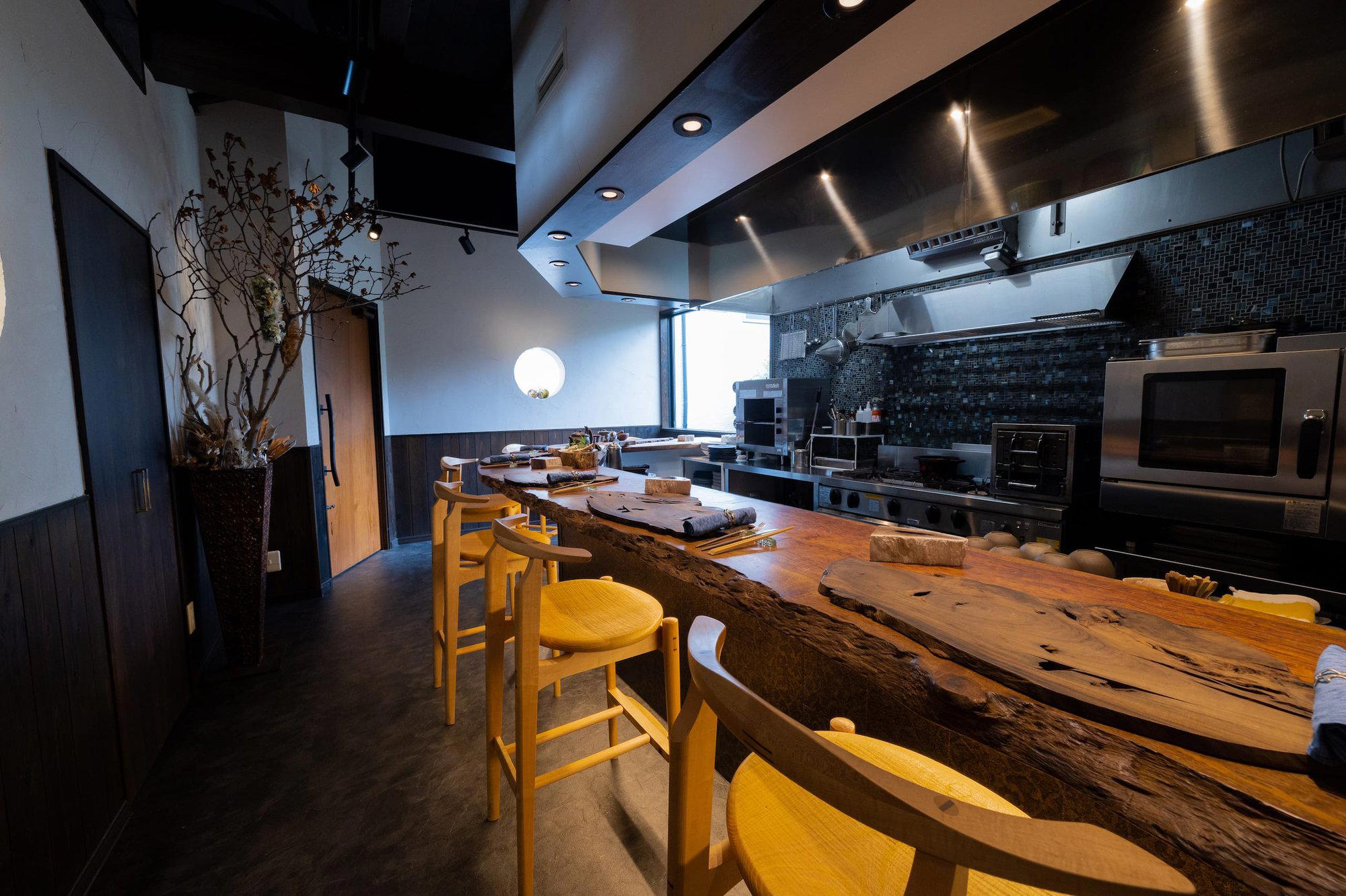
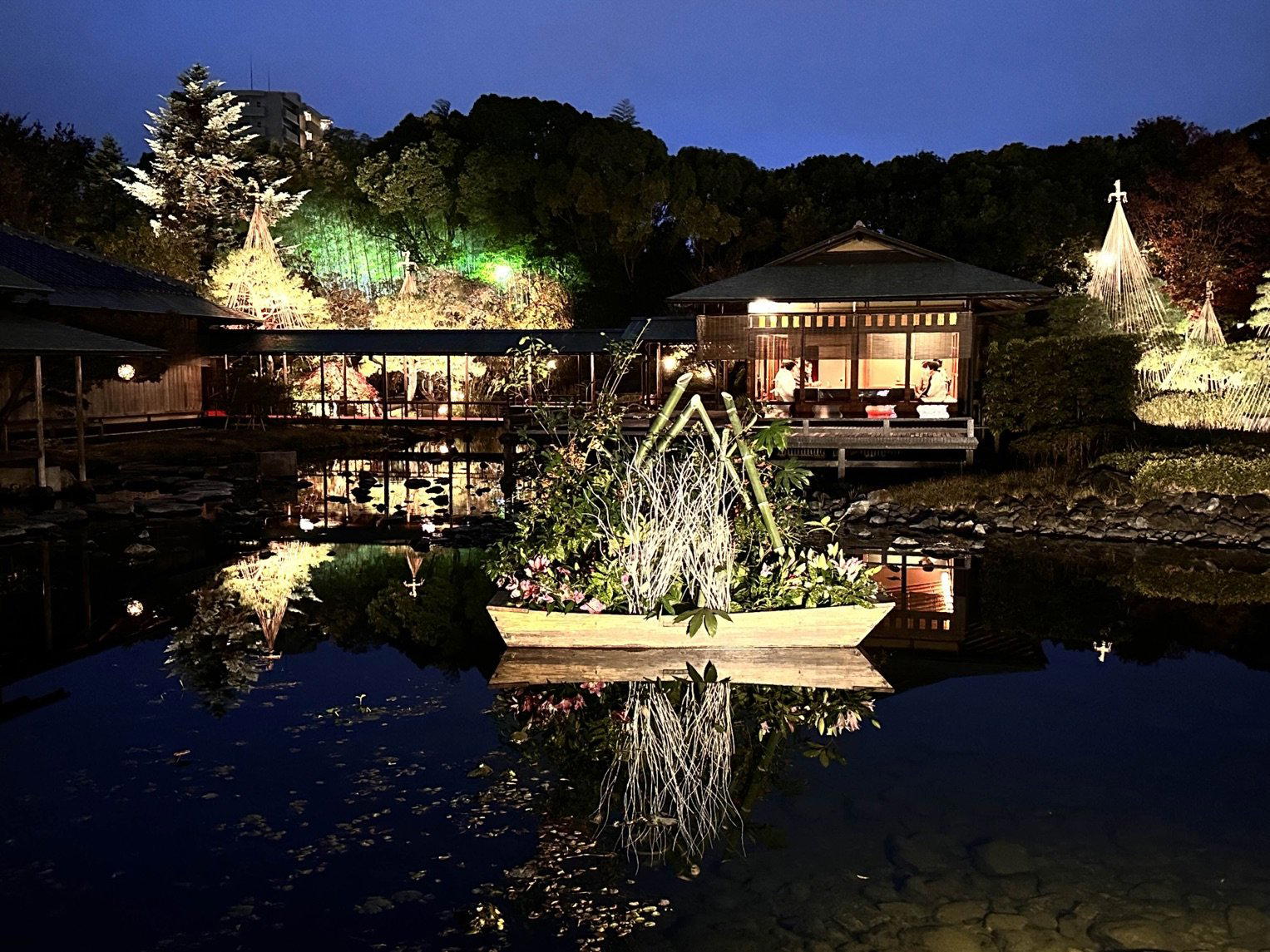
Serene residential area space adorned with traditional crafts like Tokoname ware and Chita cotton, evoking Chita Peninsula atmosphere.