
Hanzou Seimen puts ramen, tsukemen, and tantan-men inside the practical rhythm of Chubu Centrair International Airport rather than the usual street-side noodle-shop circuit. Its 2025 Tabelog 100 Ramen Aichi selection gives the counter a reason to matter beyond convenience, especially for travellers who want Aichi noodle craft before or after a flight.
Pearl is the En Primeur Club membership app — saves, bookings, and concierge access live there. Same editors, same standards.
- Address
- 愛知県常滑市セントレア1-1 中部国際空港 第1旅客ターミナルビル 4F
- Phone
- +81569381307
- Website
- menya-hanzo.com
 Saves & bookings on Pearl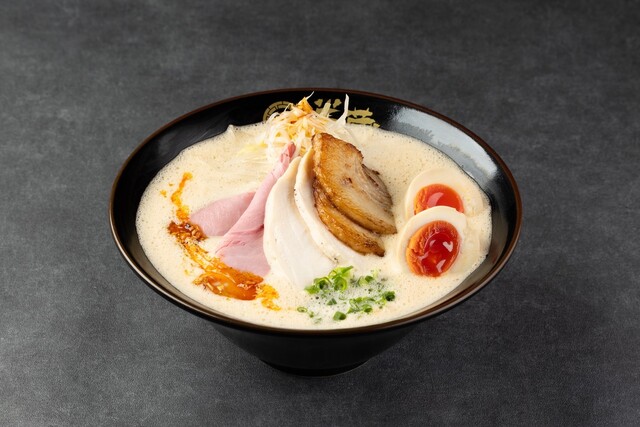
Airport dining in Japan has its own tempo: rolling suitcases, departure-board glances, solo diners eating precisely, families solving dinner before security or after arrival. In that setting, the ramen counter is less detour than civic service. Hanzou Seimen sits inside Chubu Centrair International Airport’s passenger-terminal rhythm, where speed matters but better shops must still hold their own against the region’s street-level noodle culture.
Aichi’s ramen scene is not one narrow orthodoxy. Nagoya and nearby cities absorb miso depth, Taiwanese-style heat, dipping-noodle density, and the national appetite for house-made noodles. That matters because airport ramen often defaults to safe, soft-focus regional food. This counter’s inclusion in the Tabelog 100 Ramen Aichi 2025 list places it in a more demanding category: a travel-facing shop judged within a prefectural ramen conversation, not merely against terminal meals.
House-made noodles in a terminal built for turnover
The editorial point is not that a bowl can be eaten before a flight. It is that noodle craft has become portable, and expected, enough to survive inside a transport hub. The listed categories, ramen, tsukemen, and tantan-men, map three expectations onto one compact format: soup noodles for immediacy, dipping noodles for texture and concentration, and spicy noodle soup for diners who want heat rather than comfort.
The sourcing angle starts with the name. “Seimen” signals noodle-making, and in Japanese ramen culture that is not decorative. Noodles determine how broth reads: thickness, chew, hydration, and surface texture decide whether soup feels clipped and clean or heavy and lingering. In tsukemen, the noodle carries more responsibility because it meets the dipping broth separately; weak noodles collapse in that format. A shop presenting ramen and tsukemen side by side asks to be judged on noodle as much as soup.
Terminal context sharpens the comparison. A neighbourhood ramen shop can build loyalty through repeat visits, late-night habits, and local routine. An airport counter faces a less forgiving audience: hungry, time-bound, often with no plan to return soon. Recognition from Tabelog’s prefectural ramen selection therefore carries weight. It does not turn the meal into ceremony, but it indicates the counter belongs in Aichi’s ramen discussion rather than the anonymous food-court tier.
For a Tokoname eating itinerary beyond the airport, the contrast is useful. Menbo Showa Tei represents a more local ramen comparison in the city, while Okura Mochi Tokoname honten points toward Tokoname’s sweeter, everyday side. ル クーリュズ gives another register, showing how small-city dining around the airport moves between quick bowls, confectionery tradition, and more composed restaurant formats.
Why this matters in Tokoname rather than just at the airport
Tokoname is often treated as a transit label by travellers using Centrair, but the city has its own food logic. Ceramics, port traffic, airport infrastructure, and Nagoya proximity shape how people eat here: efficiently, locally, and often without the long tasting-menu choreography of larger Japanese dining destinations. Ramen fits that pattern, rewarding technical repetition, fast service, and strong ingredient decisions without luxury cues.
Hanzou Seimen’s price band keeps it everyday, which is part of the appeal. The useful comparison is not premium omakase or destination dining in Tokyo; it is the sub-JPY 1,000 and low-thousand-yen noodle economy where Japanese diners expect value and competence together. Menbo Showa Tei’s listed pricing sits in a higher everyday band, while Okura Mochi Tokoname honten occupies a similarly accessible spend range for a different stop. That spread says more about Tokoname than any single counter can: the city’s better casual eating is not built around spectacle.
The airport also changes access. Reservations are not the currency; timing, seat turnover, and appetite are. A compact terminal noodle shop has to serve solo diners and families without becoming a wait-driven event. Counter seating, children-welcome positioning, non-smoking operation, card and cashless payment acceptance, Wi-Fi, and wheelchair accessibility all point to a format designed for movement. In airport ramen, they are the infrastructure that lets the food remain the point.
For broader planning, Our full Tokoname restaurants guide is the natural companion, especially for travellers deciding whether to eat at Centrair or in town. The wider city context also sits alongside Our full Tokoname hotels guide, Our full Tokoname bars guide, Our full Tokoname wineries guide, and Our full Tokoname experiences guide.
The reader decision: quick bowl or city detour
The strongest case for eating here is time discipline. If the day is built around arrival, departure, or a connection through Centrair, the counter offers a credible Aichi ramen stop without pretending to be a destination dinner. If the schedule allows a proper Tokoname circuit, compare it with the city’s more settled addresses and treat the airport bowl as one part of the local map, not a substitute.
That distinction matters because ramen quality in Japan is often misunderstood by visitors. The category is democratic, but not casual in technique. Flour selection, noodle cutting, broth concentration, tare balance, spice management, and service temperature matter more than décor. A Tabelog 100 Ramen Aichi selection is a practical trust signal because it recognizes shops working within everyday constraints.
Readers building a wider Japan dining file can place this alongside other focused, format-led stops: -Grilled beef Sukiyaki- KAMAKURA TANUKIAN 鎌倉 たぬき庵 in Kamakura. 鮪と炭火焼き うお炭 秋葉原店 in Tokyo.cafe in Osaka.know in Kumamoto, (Shoku) Vietnam in Kawasaki, [Curry Senmon Ten] Maruyama Kyoju. in Sapporo, [ki:] in Kyoto, and #肉といえば松田 奈良本店 in Kashihara. For a trans-Pacific comparison in compact Japanese dining formats, Jōdo Saké Bar in Los Angeles and Onigiri Time in Pasadena show how narrow specialties travel differently outside Japan.
The verdict is measured but clear: this is a smart Centrair meal when the brief is ramen with credible local recognition, not a long-form restaurant experience. Read it as part of Aichi’s casual noodle culture, compressed into an airport setting and held to a standard beyond convenience.
At-a-Glance Comparison
Comparable venues by cuisine and price in the same metro.
| Venue | Cuisine | Price | Notes |
|---|---|---|---|
| Hanzou SeimenThis venue — the venue you are viewing | Modern Japanese ramen & tsukemen | $$ | Not listed |
| Okura Mochi Tokoname honten | Traditional Japanese wagashi & kakigori cafe | $ | .null |
| Menbo Showa Tei | Seafood-focused Japanese Ramen | $$ | Tokoname |
| ル クーリュズ | Chita Peninsula French | $$$$ | Tokoname |
| Jiyuken | Japanese Izakaya with Western Fusion | $$ | Motomachi |
| 和風レストラン 青葉の庄 | Traditional Japanese Washoku Set Meals | $$ | 宇陀市 |
Recognition history
Dated appearances from independent guides and award organizations, with the underlying list record or original source where available.
Tabelog 100 #43 · No. 43
Tabelog · Tabelog 100 - Ramen - AICHI - 2025
Continue exploring
More in Tokoname
Restaurants in Tokoname
Browse all →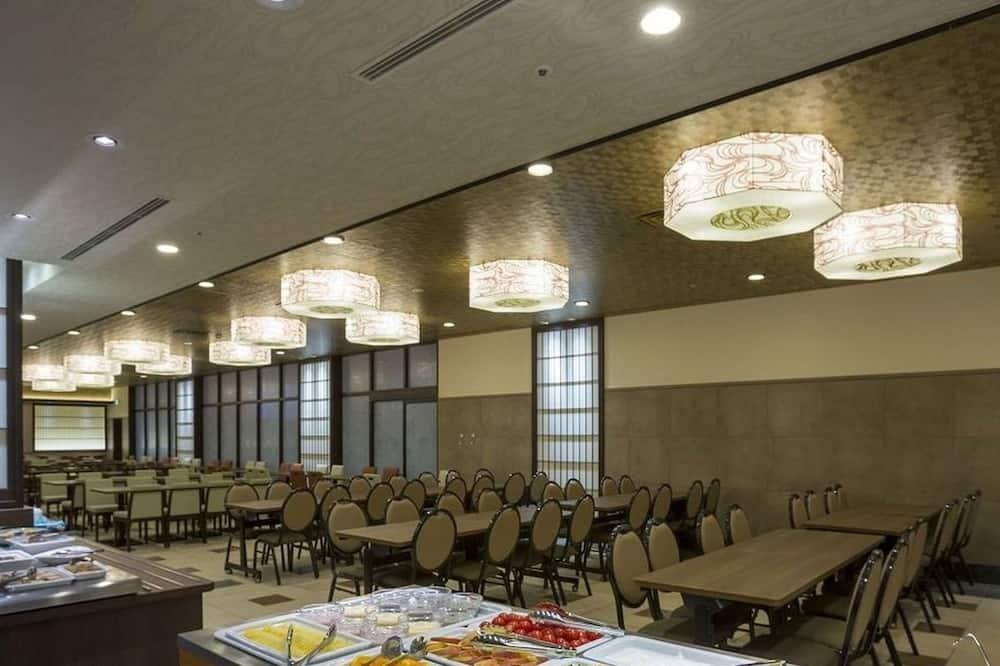

At a Glance
- Modern
- Lively
- Solo
- Family
- Casual Hangout
- After Work
- Late Night
- Standalone
- Local Sourcing
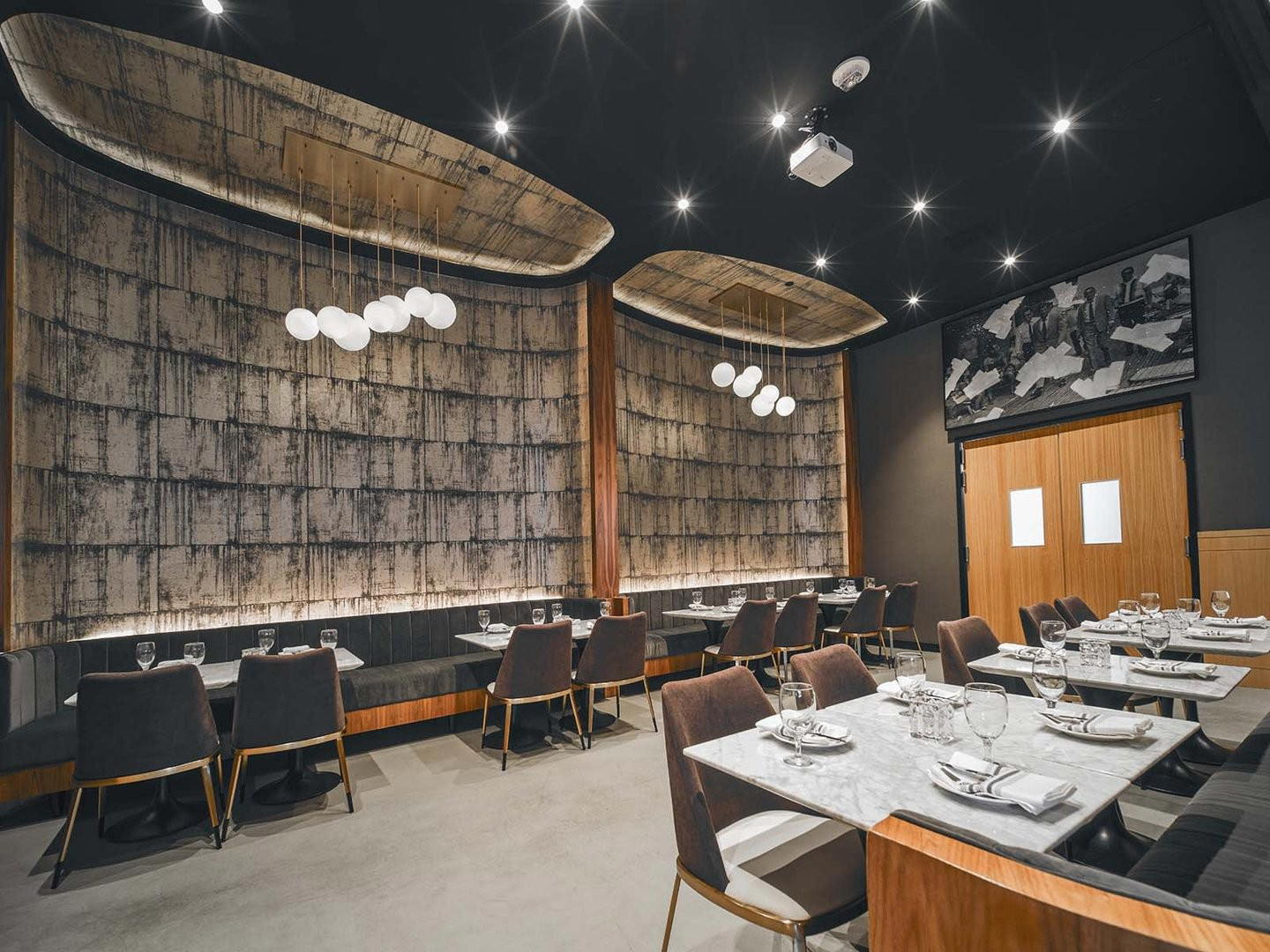
Bright, modern airport noodle shop with counter seating and compact table layout, typically busy and energetic around meal times but suitable for solo travelers and families in transit.