Compared to the larger luxury addresses clustered around Via Veneto or the Tridente, it operates at a different register — smaller, more residential, and defined by its river address.

Pearl is the En Primeur Club membership app — saves, bookings, and concierge access live there. Same editors, same standards.
- Address
- Lungotevere delle Armi, 22/23, 00195 Roma RM, Italy
- Phone
- +39 06 322 6776
- Website
- villalaetitia.com
- Directions
- Get directions
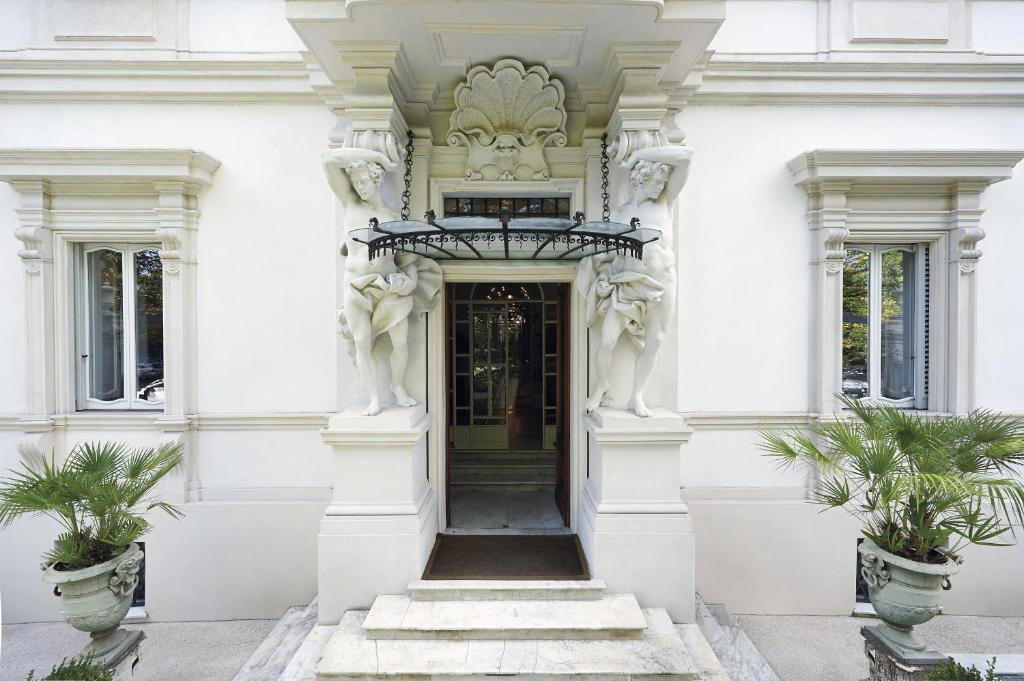
A River Address That Changes the Geometry of Rome
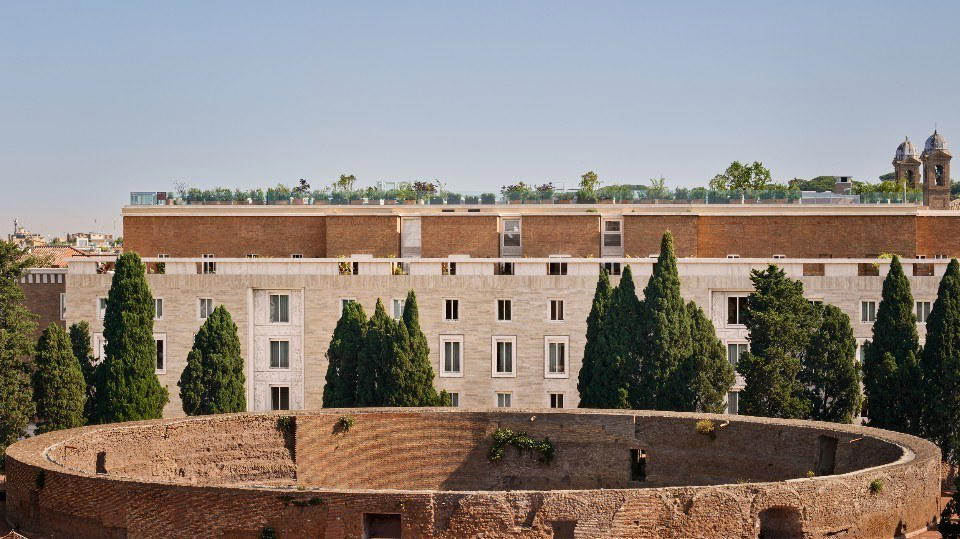
Most of Rome's premium hotel addresses cluster around a handful of well-worn coordinates: the Spanish Steps, Via Veneto, the area immediately south of the Pantheon. It is a working artery of the city rather than a tourist corridor, and staying on it means orienting yourself to Rome by the river rather than by monument density. The Liberty-style palazzo faces the water, and the address puts Castel Sant'Angelo within a short walk while keeping the Vatican's immediate crowds at a comfortable remove.
For travellers comparing Rome's design-led boutique tier against its larger luxury competitors, this location is the primary argument. Properties like Bulgari Hotel Roma and Hotel Eden operate from the Borghese hill, closer to the Tridente's commercial spine. Hassler Roma commands the best of the Spanish Steps. Villa Laetitia takes a different position entirely, on the water, in a neighbourhood where Romans actually live and shop, rather than one designed primarily for visitor circulation.
What the Prati Address Delivers
Prati is one of Rome's more coherent residential quarters. Built in the late nineteenth and early twentieth century to house civil servants and the professional middle class, it has a grid layout unusual for Rome, wider pavements, and a market culture centred on Via Cola di Rienzo that feeds the neighbourhood rather than performing for tourists.
The practical implications are real. Morning coffee at a bar where the clientele is local, afternoon access to one of Rome's more serious food markets, and evening walks along the embankment when the light over the Tiber reflects off the stone bridges — these are experiences tied directly to the address rather than to any particular hotel programme. For the traveller whose interest in Rome extends beyond its most photographed square kilometre, proximity to a functioning neighbourhood adds depth that no in-house amenity can replicate. The Vatican Museums and St Peter's Basilica are accessible on foot, though the route through the crowds immediately surrounding them is a different experience from the quieter embankment walk. The Tiber island and Trastevere are farther, leading reached by a short taxi or tram ride. Villa Laetitia fits that category. The Liberty-style architecture, which corresponds to what the rest of Europe calls Art Nouveau, is relatively rare among Rome's historic hotel stock, which skews more heavily toward Baroque palazzo conversions and mid-century grande dame addresses.enprimeurclub.com/hotels/aman-venice-venice-hotel">Aman Venice works on a comparable logic in Venice, as does Passalacqua on Lake Como. Within Rome, the closest comparison in terms of scale and residential character might be Hotel Locarno, another early twentieth-century address that operates well outside the grand hotel format. Hotel Vilòn and Maalot Roma occupy a similar boutique tier, though in different neighbourhoods. Portrait Roma and JK Place Roma compete for the design-conscious traveller who wants fewer than fifty rooms and a strong interior point of view.
Rome's Boutique Tier in Context
The Italian peninsula has generated some of the most coherent small-luxury hotel arguments in Europe, from Il Pellicano in Porto Ercole to Borgo Santandrea on the Amalfi Coast, Il San Pietro di Positano, and inland properties like Castello di Reschio in Umbria or Rosewood Castiglion Del Bosco in Montalcino. Rome's contribution to this category is smaller and less heralded than Tuscany's or the south's, partly because the city's most visible luxury hotels operate at a larger and more formal register. What the boutique tier in Rome offers, when it works, is access to the city at a pace that the larger properties rarely allow.
Villa Laetitia's Tiber address is the strongest version of that argument available in the city's boutique category. It is not a central location by the standard mapping of Rome's tourist geography, but it is, for a certain kind of traveller, a better one: quieter approach roads, a river view, a residential neighbourhood as the immediate context, and enough distance from the Tridente's density to make the evenings feel like Rome rather than an extension of a tour itinerary. Those looking at the broader Italian itinerary alongside Rome might also consider Casa Maria Luigia in Modena, Corte della Maestà in Civita di Bagnoregio, or Borgo Egnazia in Puglia as part of a wider southern itinerary. For those extending to Florence, Four Seasons Hotel Firenze and Portrait Milano represent the northern Italian end of the same design-literate, smaller-scale spectrum. See our full Rome restaurants and hotels guide for the broader picture. The property is in the 00195 postal district of Rome, in the Prati rione. Given the residential character of the neighbourhood, arrival in the early evening — when the embankment is quieter and the light on the Tiber is at its finest, rewards the approach. Spring and autumn are the most comfortable seasons on the embankment; summer brings heat retained by the stone riverbanks, while December and January offer the quietest version of the neighbourhood.
A Tight Comparison
| Venue | Price | Awards |
|---|---|---|
| Villa LaetitiaThis venue — the venue you are viewing | $300–500 | Not listed |
| Bulgari Hotel Roma | Not listed | 3 Michelin Keys · World's 50 Best #32 |
| Rocco Forte Hotel De La Ville | Not listed | 2 Michelin Keys · Forbes 5-Star |
| Rocco Forte Hotel de Russie | Not listed | 2 Michelin Keys · La Liste Top Hotels |
| Singer Palace Hotel | Not listed | 1 Michelin Key · Virtuoso Luxury Hotel Partner |
| Six Senses Rome | Not listed | 1 Michelin Key · Virtuoso Luxury Hotel Partner |

Details
- Romantic
- Elegant
- Sophisticated
- Intimate
- Classic
- Romantic Getaway
- Honeymoon
- Anniversary
- Weekend Escape
- Historic Building
- Design Destination
- Garden
- Waterfront
- Terrace
- Panoramic View
- Wi Fi
- Fitness Center
- Restaurant
- Room Service
- Concierge
- Garden
- Hot Tub
- Waterfront
- Garden
- Skyline
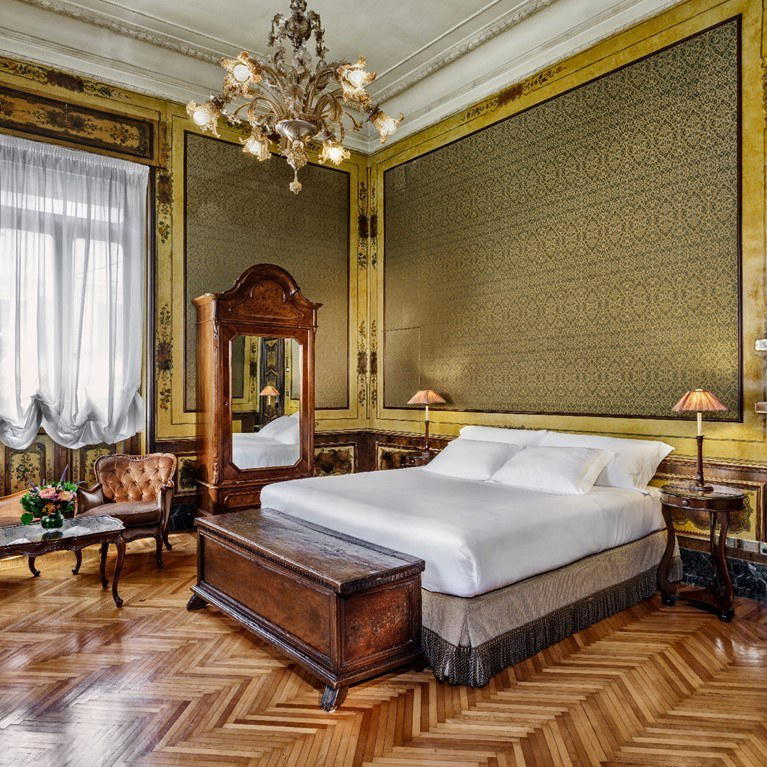
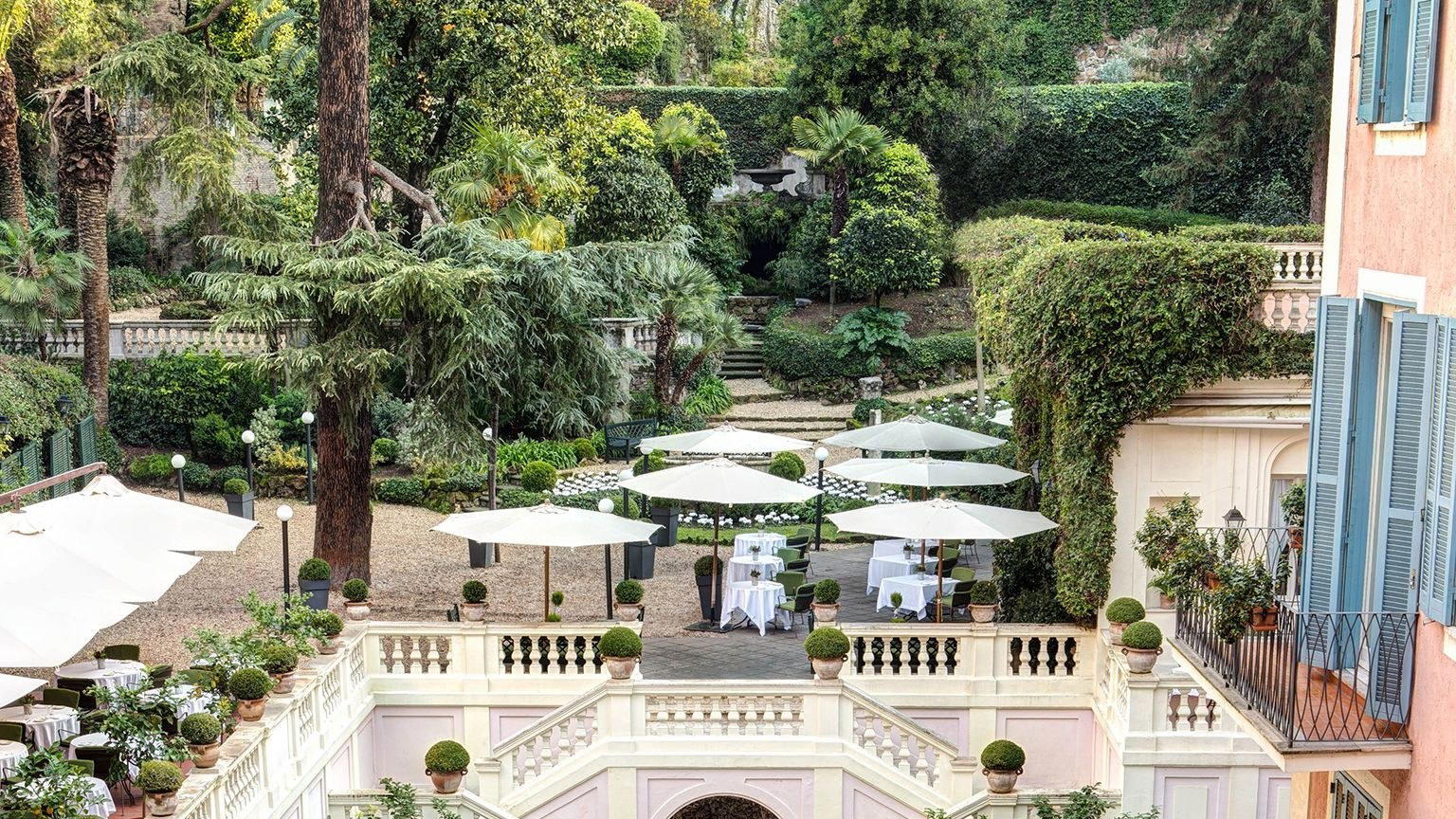
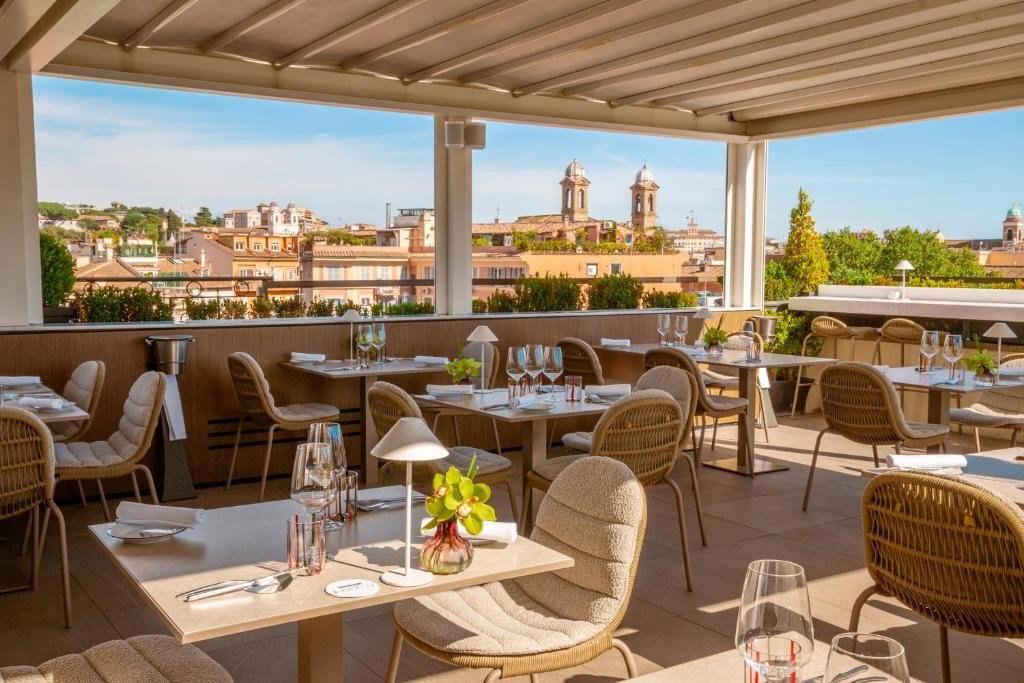
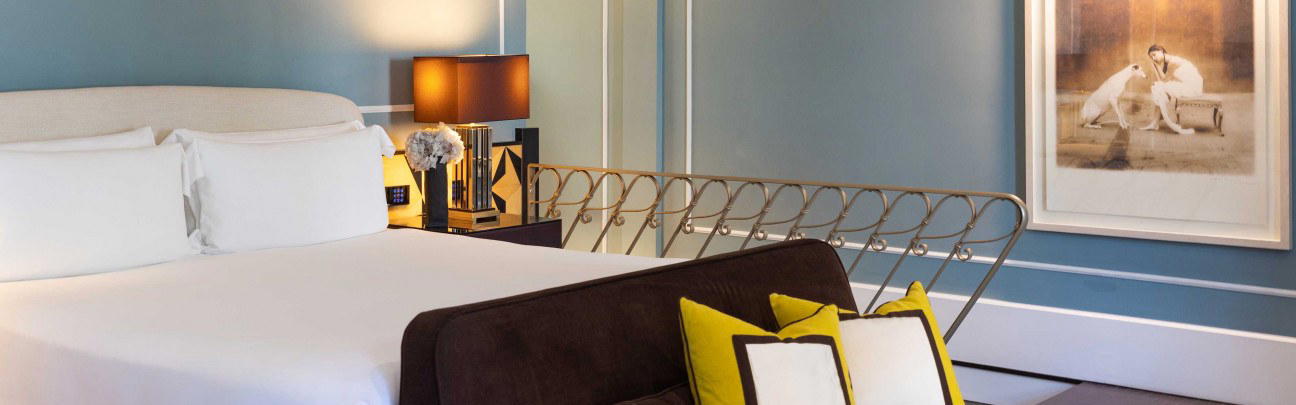
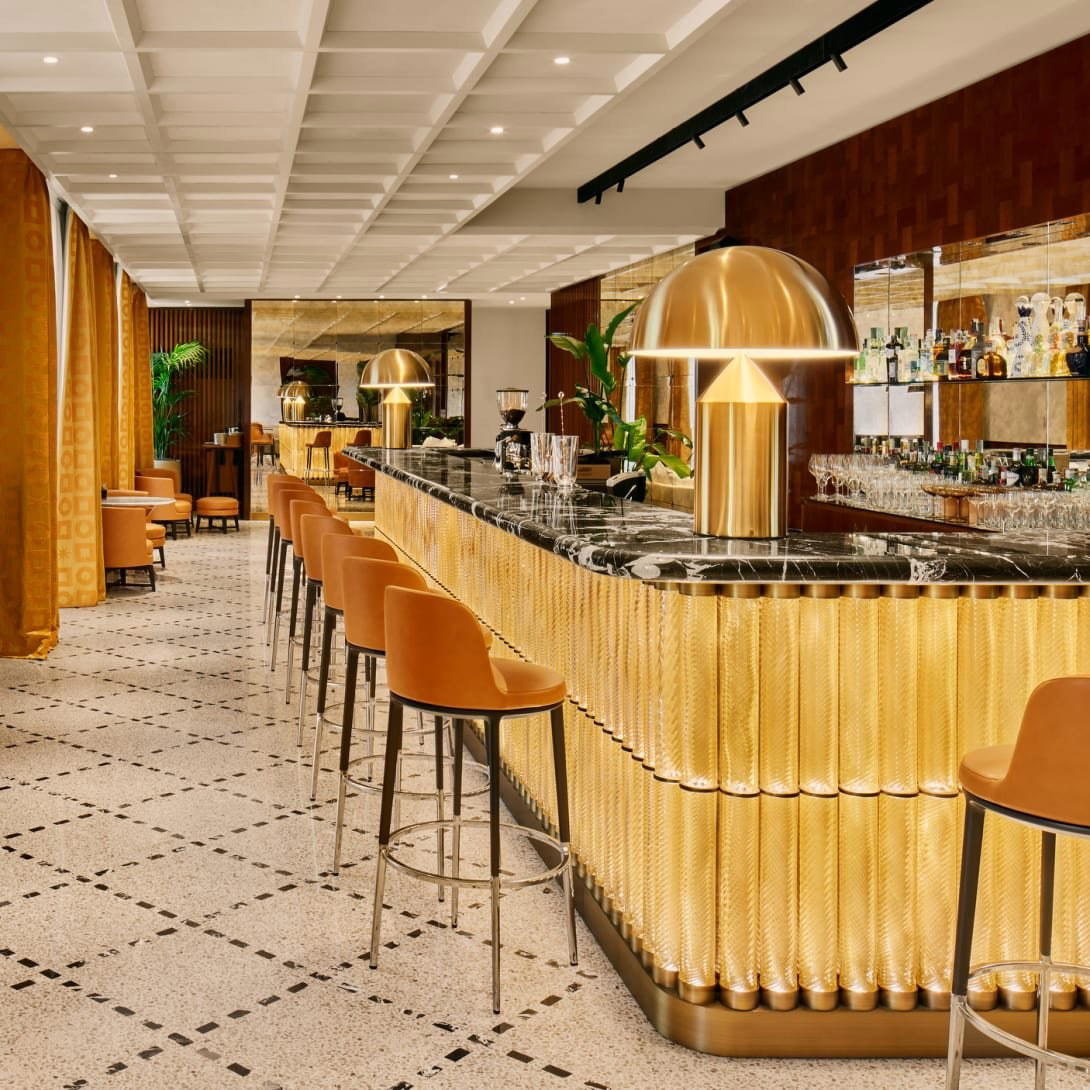
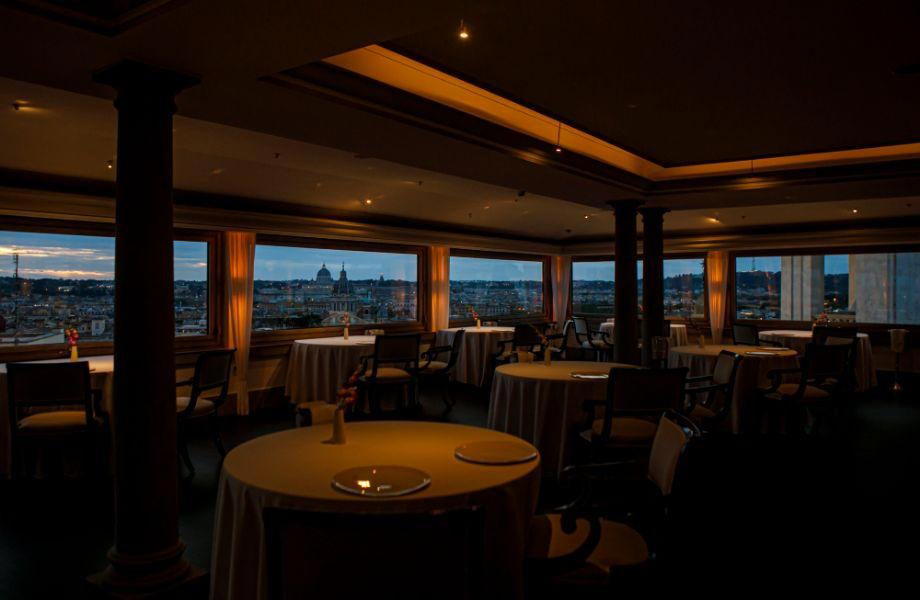
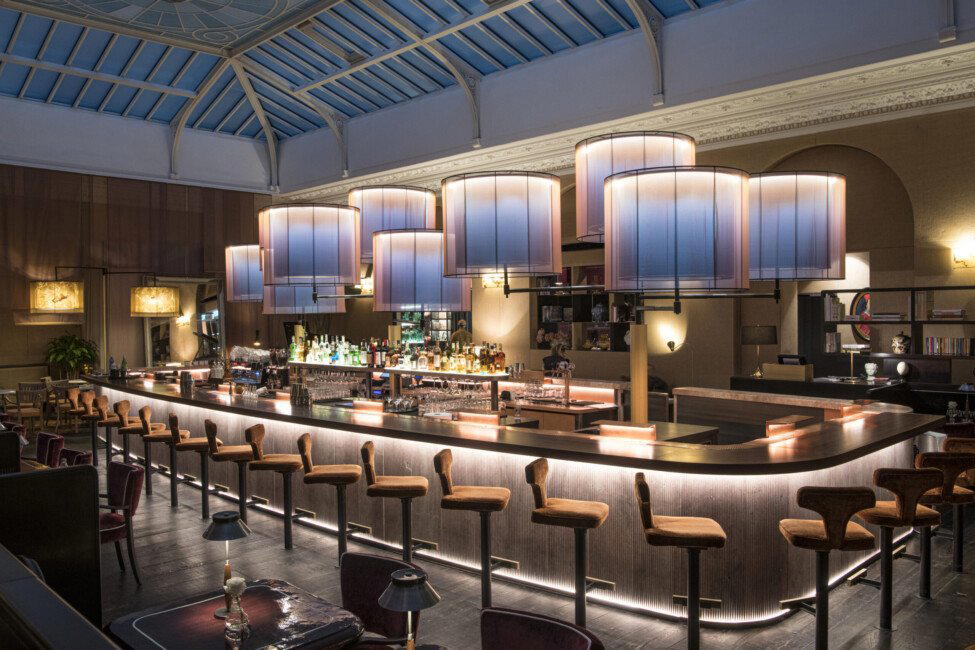
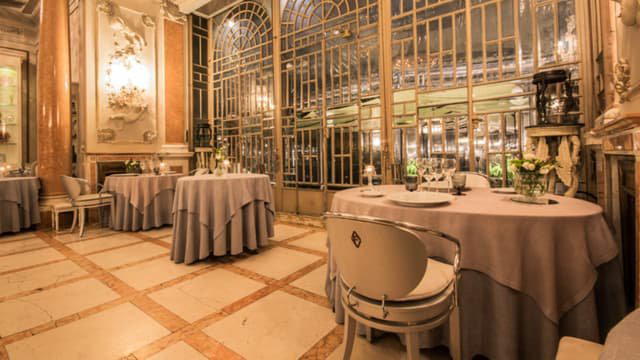
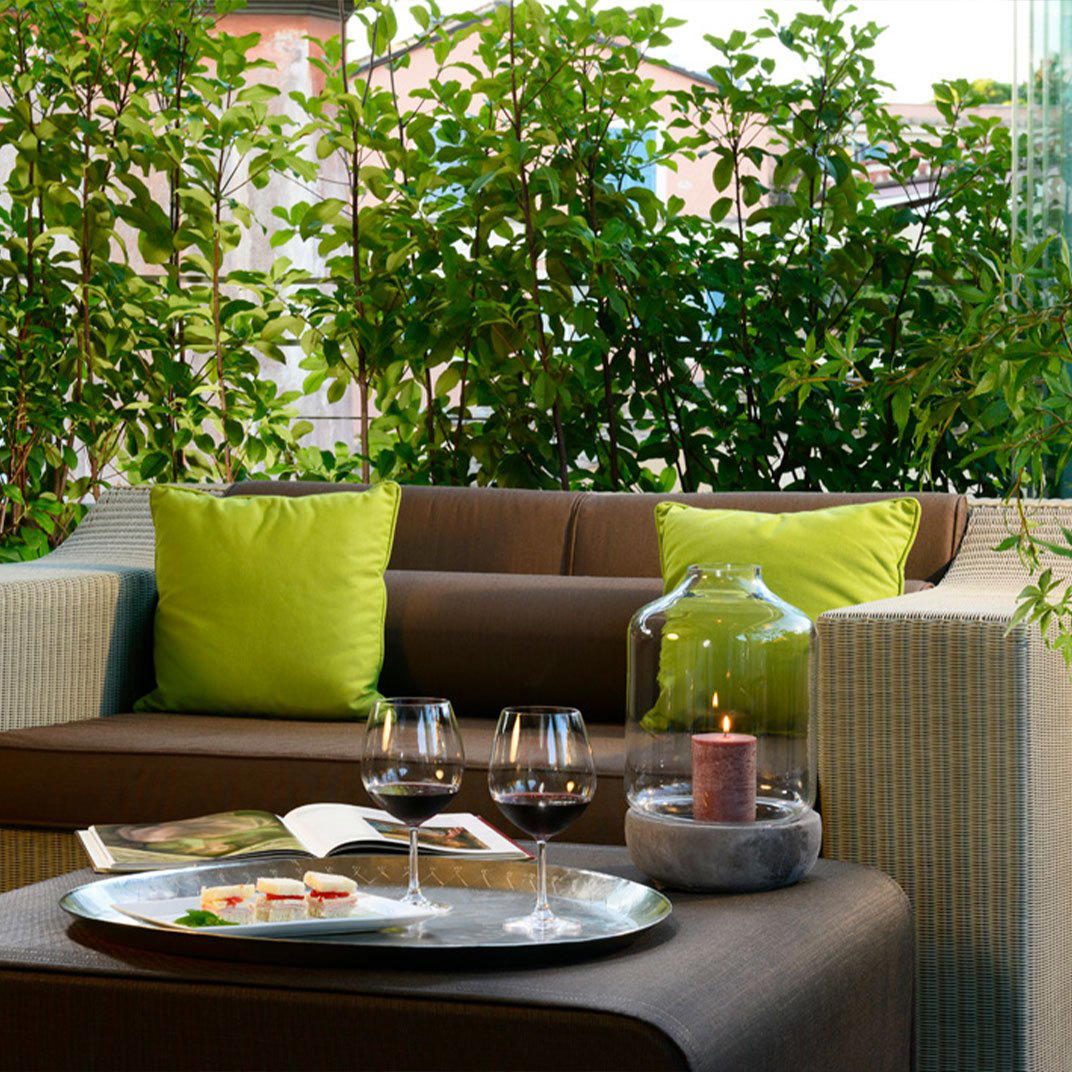
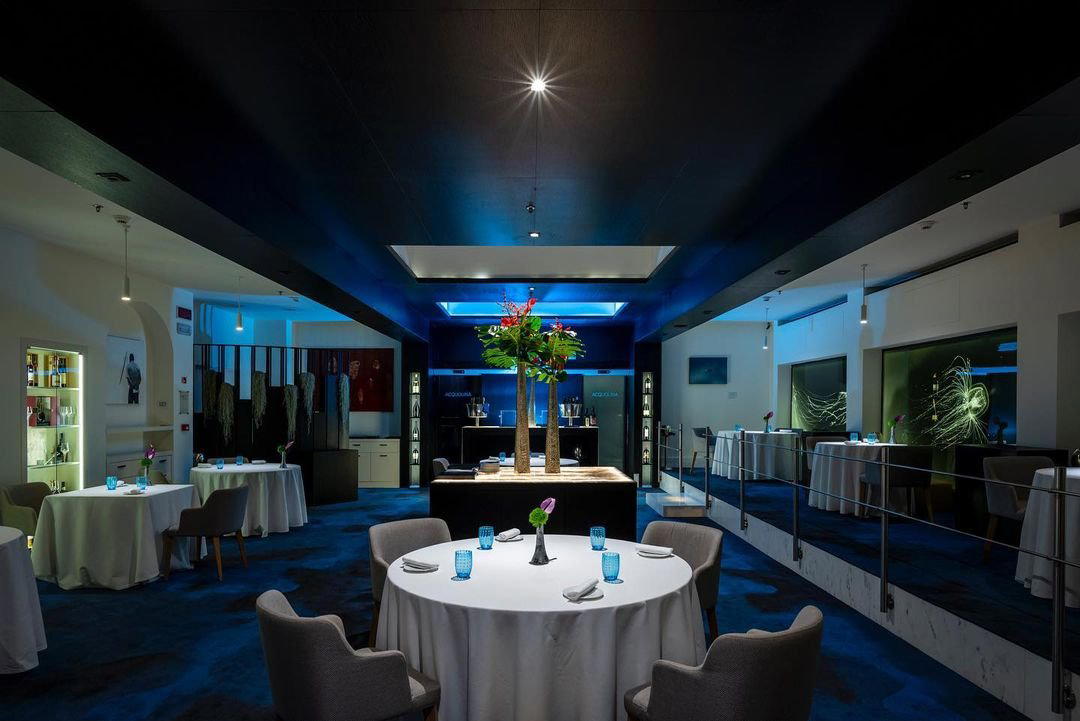
Elegant and intimate with flamboyant chandeliers, crystal glassware, and abundant art throughout; warm and inviting rather than institutional, with soft Roman light filtered through gardens and the Tiber River.