
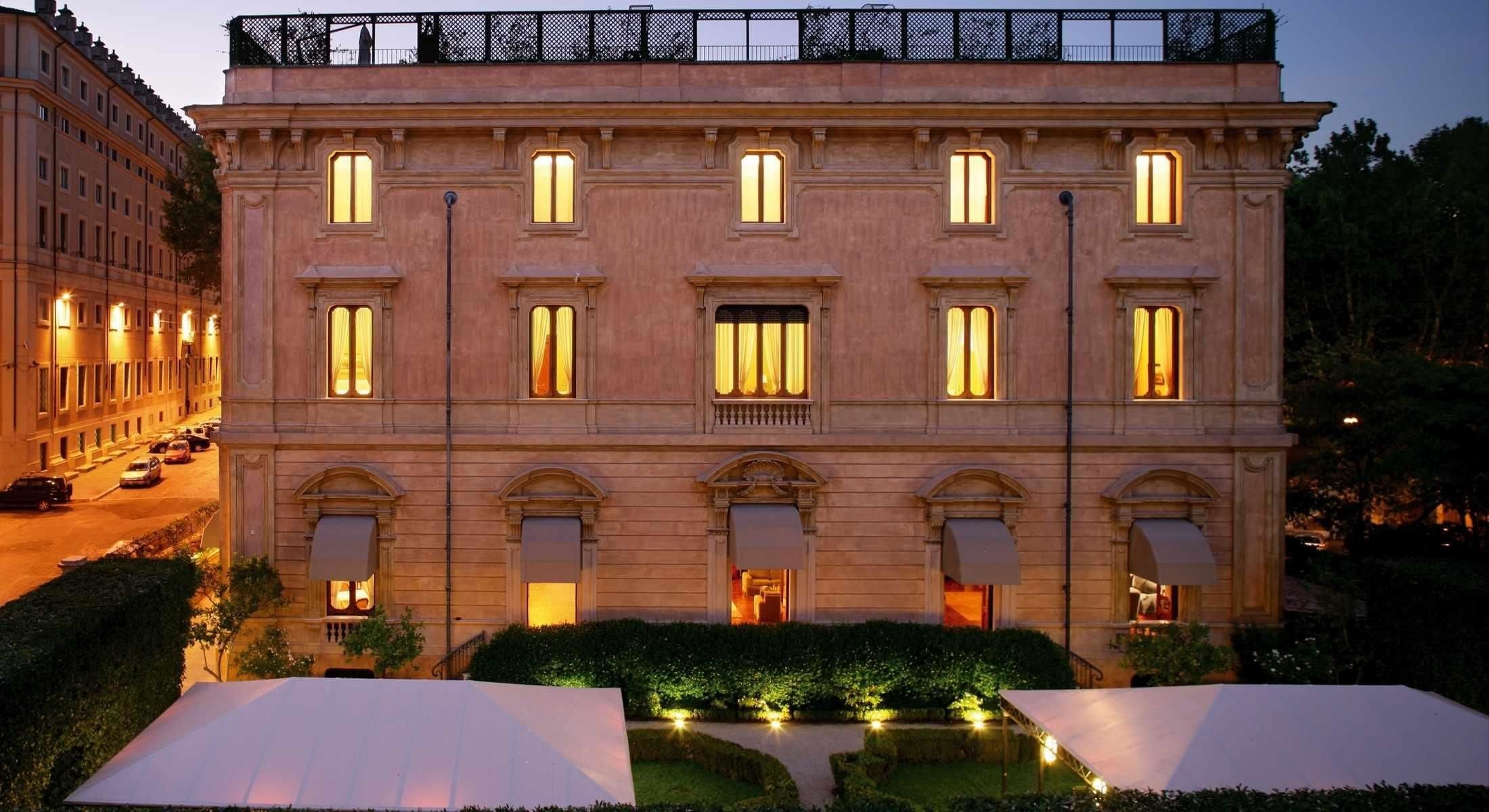
On a narrow street running through the Rione Monti district, The Fifteen Keys Hotel occupies a converted palazzo within walking distance of the Colosseum and the Esquiline Hill markets. The property belongs to Rome's small-scale boutique tier, where limited room counts and neighbourhood integration matter more than lobby spectacle. For travellers prioritising location density and residential scale over branded amenity stacks, it sits in a distinct competitive position.
Pearl is the En Primeur Club membership app — saves, bookings, and concierge access live there. Same editors, same standards.
- Address
- Via Urbana, 6, 00184 Roma RM, Italy
- Phone
- +39 06 4891 3446
- Website
- fifteenkeys.com
- Directions
- Get directions
 Saves & bookings on Pearl
A Street That Earns Its Reputation
Via Urbana runs through Rione Monti, Rome's oldest inhabited quarter and, by most measures, its most genuinely mixed neighbourhood. The street connects the market activity around Piazza Vittorio Emanuele II to the lower slopes of the Esquiline Hill, passing ceramic studios, independent wine bars, and trattorias where the menu changes by what arrived at the Campo de' Fiori that morning. This is the context in which The Fifteen Keys Hotel operates — not the grand-boulevard luxury of the Via Veneto corridor, and not the polished minimalism of Prati, but something more embedded in the grain of the city itself.
Rome's boutique hotel segment has bifurcated over the past decade. On one side sit the major international investments: properties like the Bulgari Hotel Roma, which brought the brand's Milanese design language to a historic garden site near the Borghese, or Hotel Eden, which retains the large-scale grandeur of a classical Roman address. On the other side sits a smaller cohort of properties where room count is deliberately constrained and neighbourhood positioning is the primary value proposition. The Fifteen Keys Hotel belongs to the latter group. With fifteen rooms implied by its name, it operates at a scale where individual attention is structural rather than aspirational.
Monti as a Dining and Cultural Address
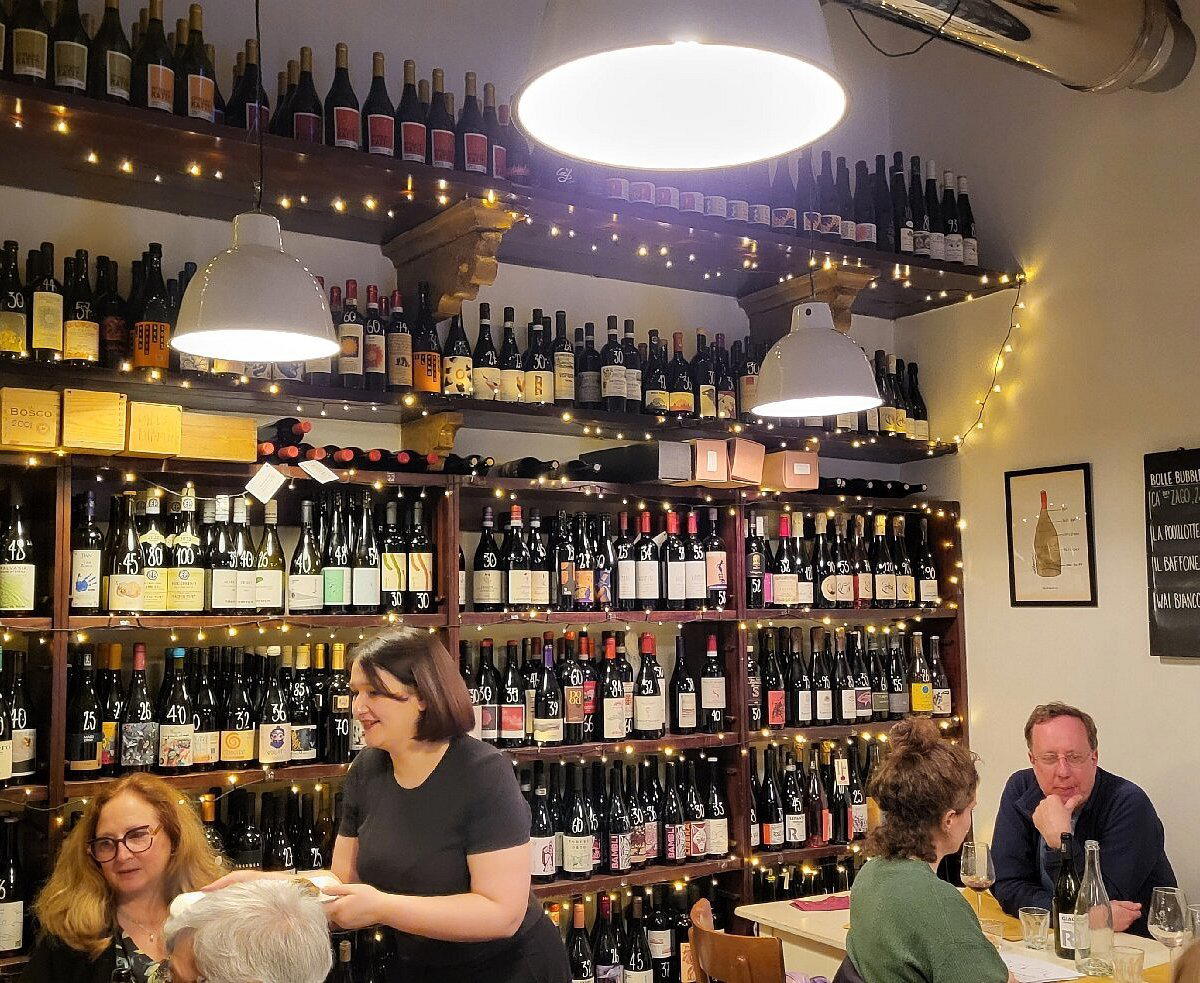
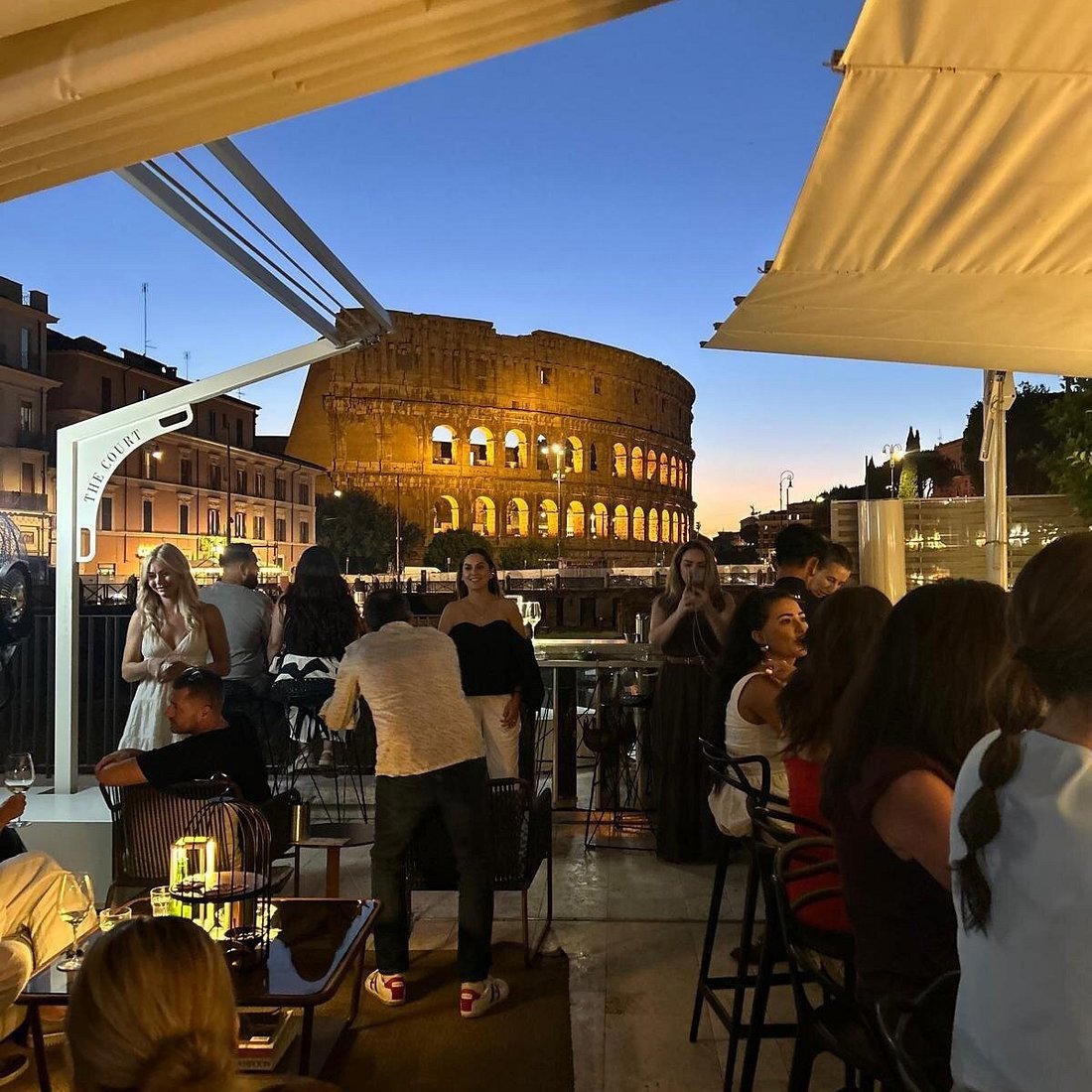
The neighbourhood argument for Via Urbana is direct: Rione Monti gives guests walkable access to multiple layers of Roman history and contemporary food culture simultaneously. The Colosseum sits roughly ten minutes on foot. The Basilica di Santa Maria Maggiore is closer still. But the more day-to-day draw is the density of food and wine operations along Via del Boschetto, Via Panisperna, and the surrounding streets — a cluster of wine bars, natural wine shops, and casual restaurants that has made Monti one of the more interesting places to eat in a city not short of competition.
That food culture intersects directly with the broader question of what Rome's contemporary dining scene is doing with local ingredients and imported technique. Roman cuisine has historically been defined by economy and locality: offal preparations, dried pasta with cured pork, vegetables from the Castelli Romani and the Pontine markets. The generation of chefs working in and around Monti now tends to hold that localism intact while applying more precise modern technique, shorter cooking times, sharper acid balance, more deliberate texturing. Staying in the neighbourhood puts guests in proximity to that shift, which is increasingly where the more compelling eating in Rome is happening, rather than in the formal dining rooms of the five-star hotels near the Spanish Steps.
For broader orientation across the city's restaurants, bars, and hotels, the full Rome guide covers the competitive set in detail.
Where It Sits in the Rome Boutique Tier
The Roman boutique hotel market now includes several distinct sub-segments. Properties like Hotel Vilòn and Portrait Roma occupy a design-forward, high-service tier that competes directly with the major branded properties on amenity breadth while maintaining lower room counts. JK Place Roma and Maalot Roma represent the palazzo-conversion approach, where architectural character carries significant weight. Hotel Locarno, with its Art Nouveau interiors and long-running reputation among returning guests, shows what longevity does for a neighbourhood property's standing.
The Fifteen Keys Hotel sits in a tier defined less by amenity competition and more by scale and location logic. At fifteen rooms, the property cannot and does not compete with the Hassler's sweeping terrace views or the Hassler Roma's position at the top of the Spanish Steps. What it offers instead is a residential-scale experience in one of Rome's most walkable and historically dense neighbourhoods, at a price point that typically sits below the major design-led boutiques without dropping to the anonymity of a chain hotel.
Across Italy more broadly, this model, small palazzo conversion, neighbourhood integration, limited service stack, has found consistent demand among travellers who know the country well. Properties like Corte della Maestà in Civita di Bagnoregio and Castello di Reschio in Lisciano Niccone apply the same logic to rural settings. In Rome, the urban version requires a location that genuinely rewards walking, and Monti qualifies.
Planning a Stay
Via Urbana 6 places guests at the lower end of Monti, closer to the Esquiline Hill than to the Piazza della Repubblica end of the neighbourhood. The Termini railway station is approximately a fifteen-minute walk, making airport transfers via the Leonardo Express train direct. The nearest metro station, Cavour on Line B, is within a few minutes on foot and connects directly to Termini for onward connections.
Rome's shoulder seasons, March through May and September through November, remain the most practical windows for a stay in this neighbourhood. July and August bring significant pedestrian congestion around the Colosseum and the Fori Imperiali, which is visible from much of Monti. Spring and autumn keep temperatures in a range that makes the neighbourhood's walkability an asset rather than an endurance test.
Travellers building an Italian itinerary around this property might consider pairing it with contrasting property types elsewhere in the country. Aman Venice represents the palazzo conversion taken to its most formal expression. Casa Maria Luigia in Modena connects food-focused travellers to the Emilian producer network. Borgo Santandrea on the Amalfi Coast offers a coastal counterpoint to the urban density of Rome. For those extending further south, Borgo Egnazia in Puglia and Il San Pietro di Positano each represent a distinct register of Italian hospitality. Further north, Four Seasons Hotel Firenze, Passalacqua in Moltrasio, and Portrait Milano anchor the northern Italian end of a longer journey. For those continuing beyond Italy, Rosewood Castiglion Del Bosco in Montalcino, Il Pellicano in Porto Ercole, and JK Place Capri offer strong coastal and Tuscan alternatives within the same quality tier.
Recognition history
Dated appearances from independent guides and award organizations, with the underlying list record or original source where available.
Mr & Mrs Smith Smith Seal of Approval
Mr & Mrs Smith
Michelin Selected
Michelin
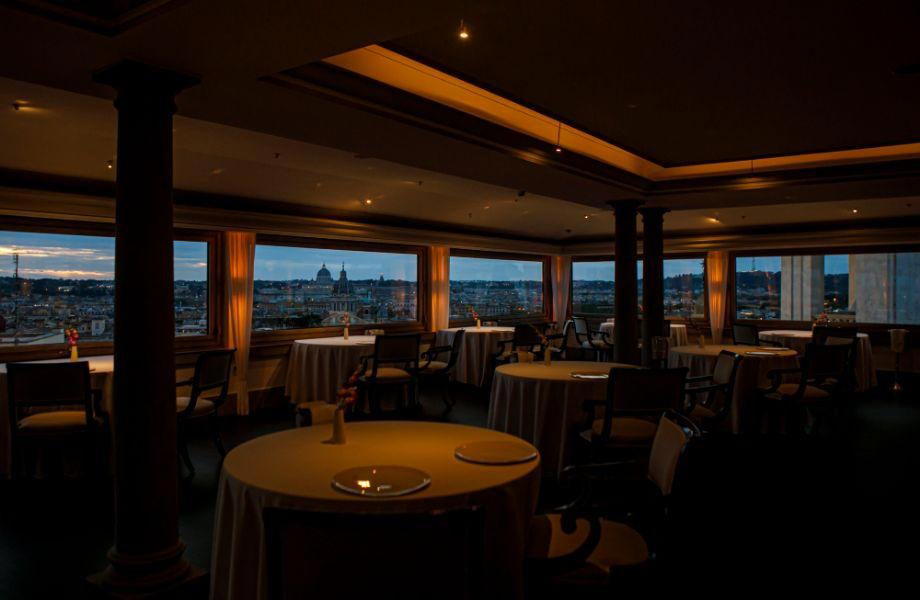
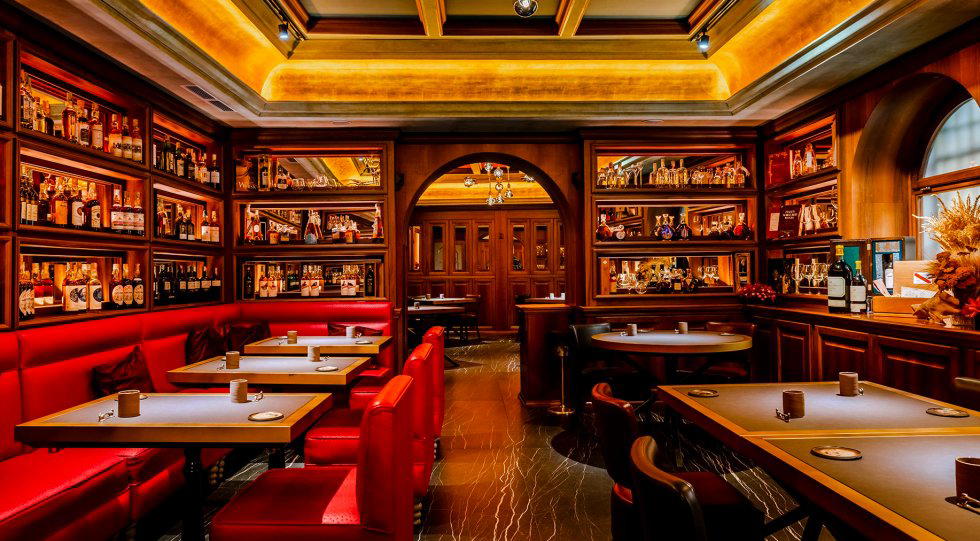
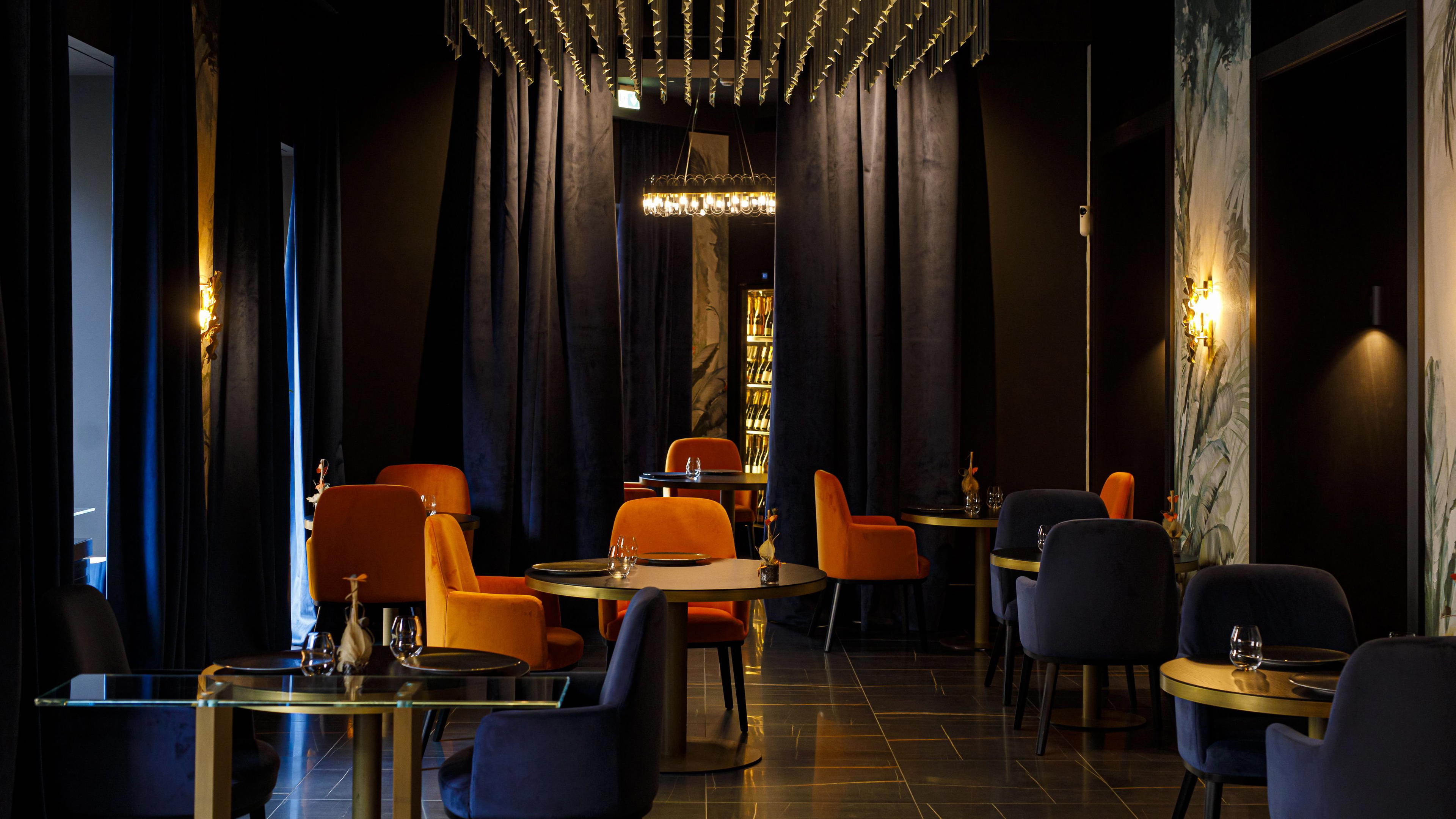
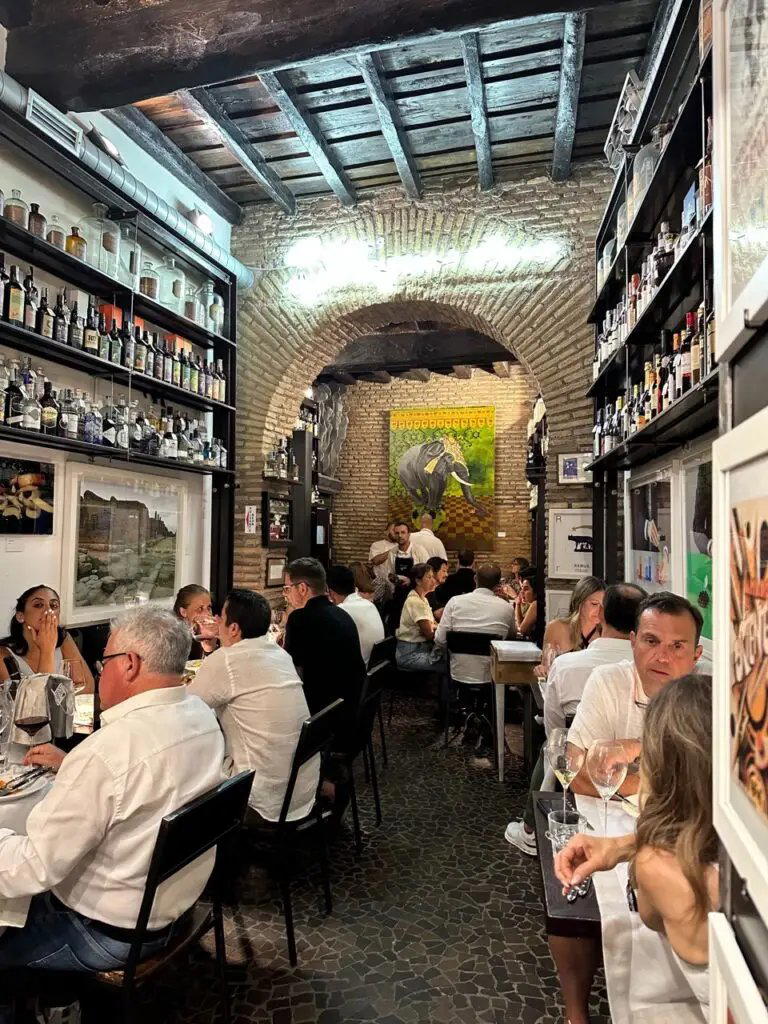

At a Glance
- Whimsical
- Bohemian
- Cozy
- Elegant
- Modern
- Sophisticated
- Romantic Getaway
- Weekend Escape
- Terrace
- Historic Building
- Design Destination
- Concierge
- Room Service
- Luggage Storage
- Garden
- Street Scene
- Concierge
- Room Service
- Luggage Storage
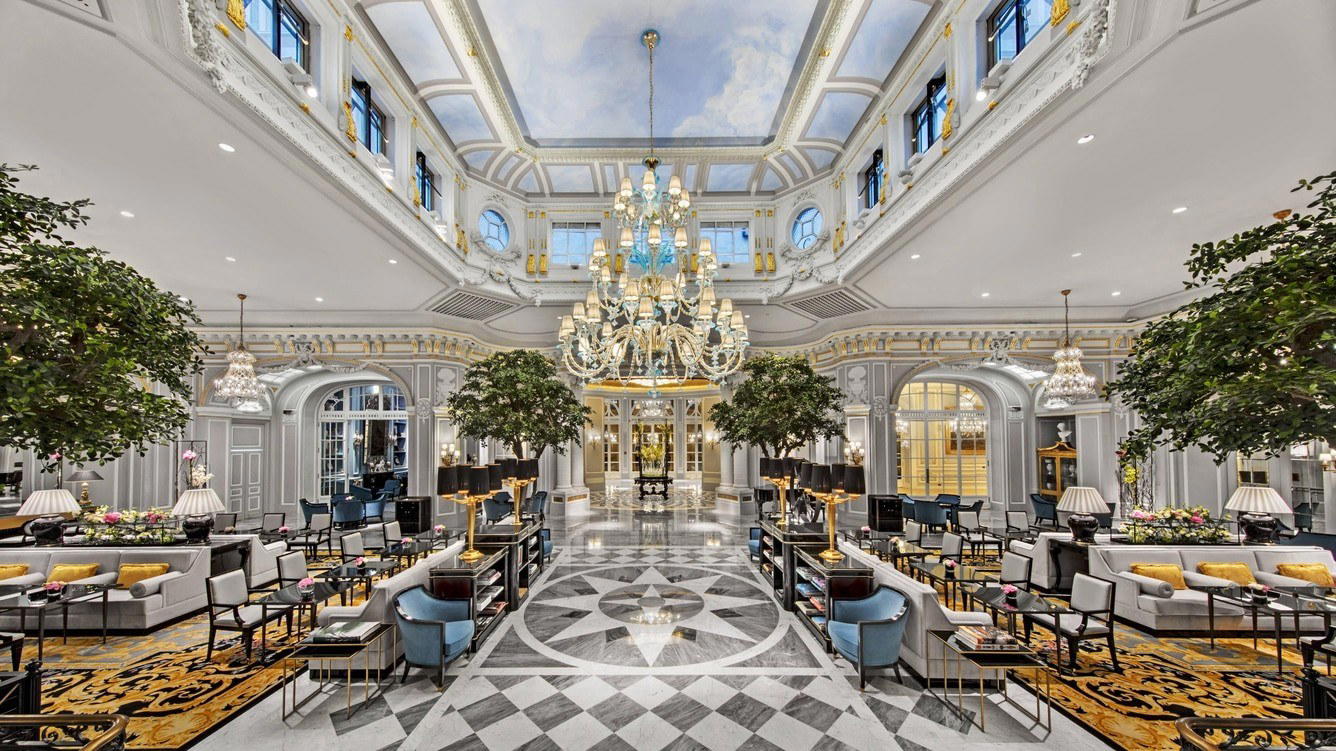
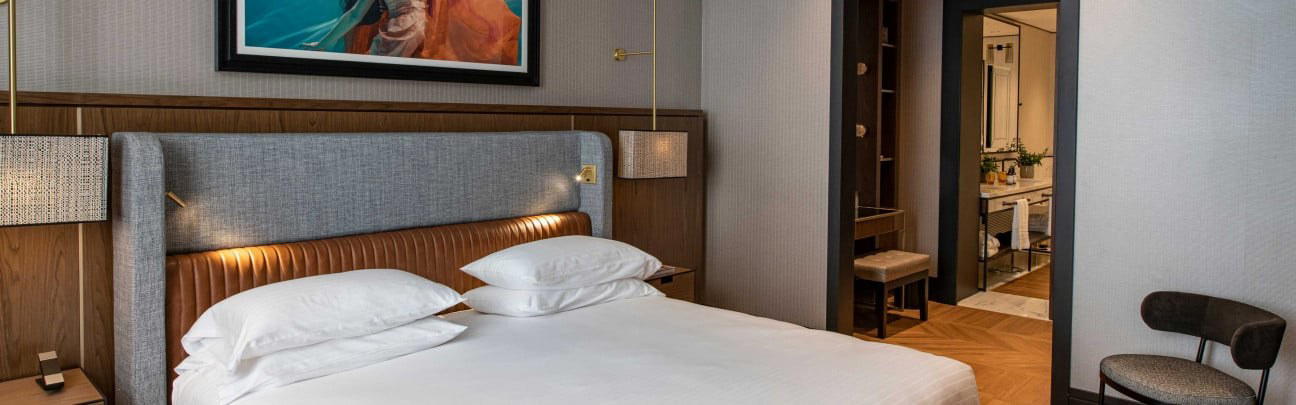
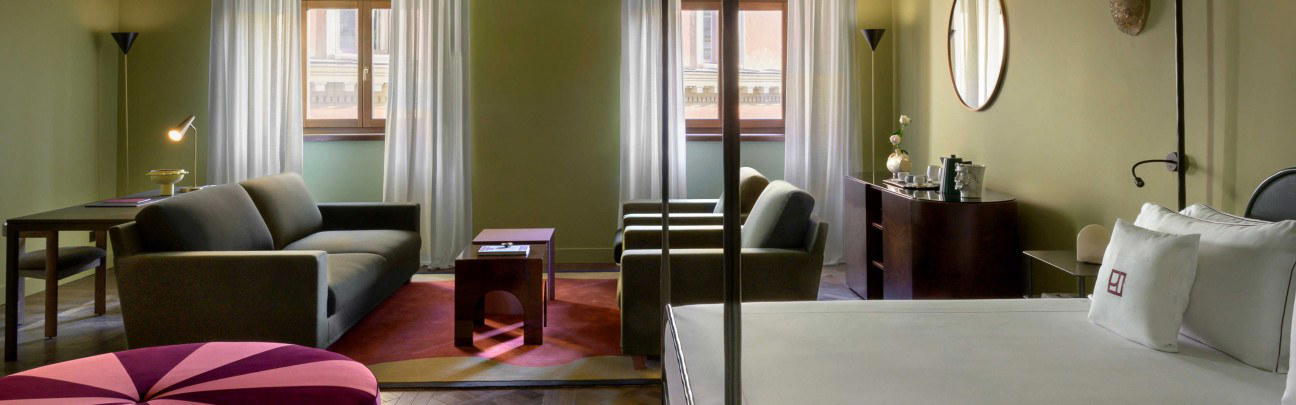
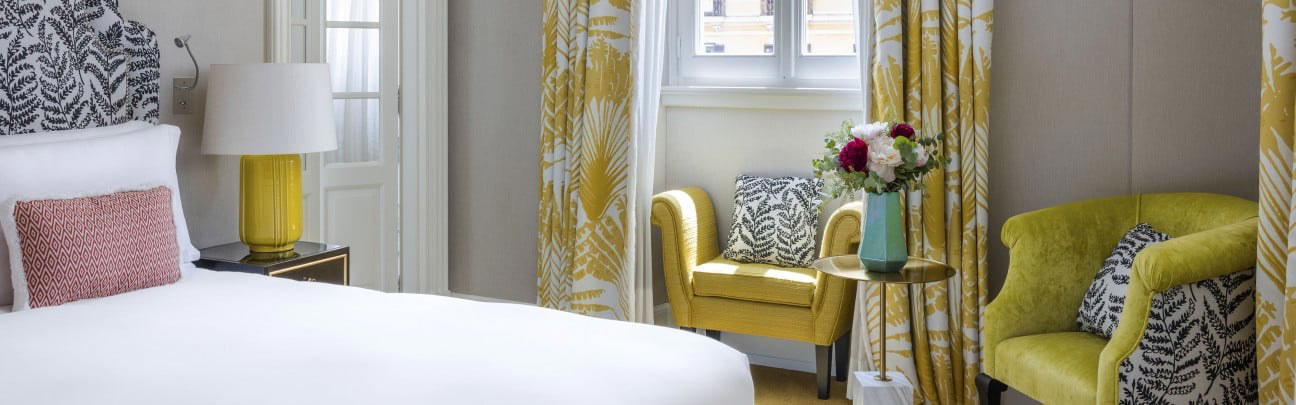
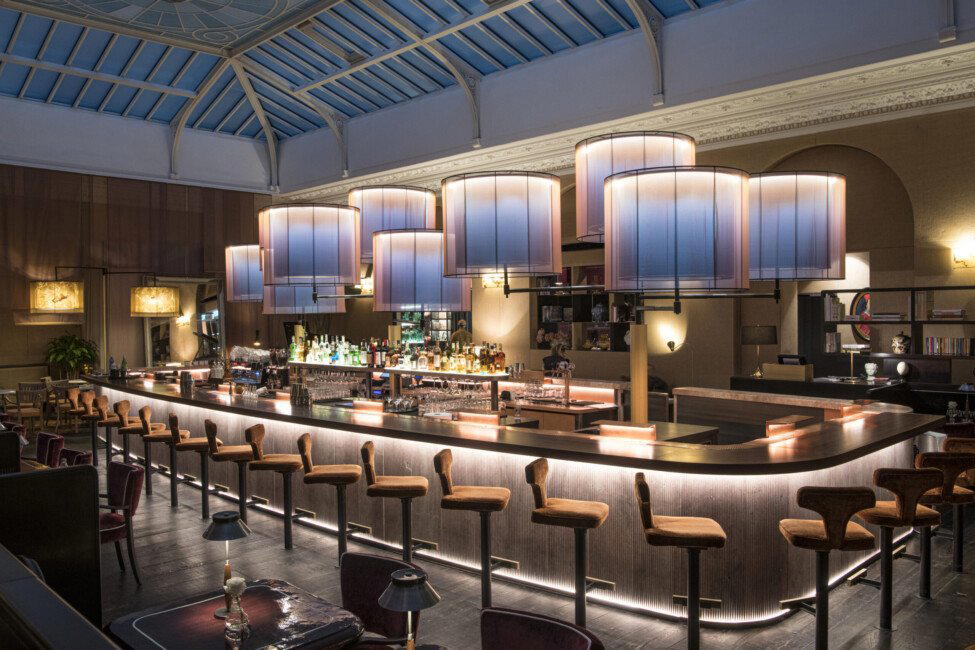
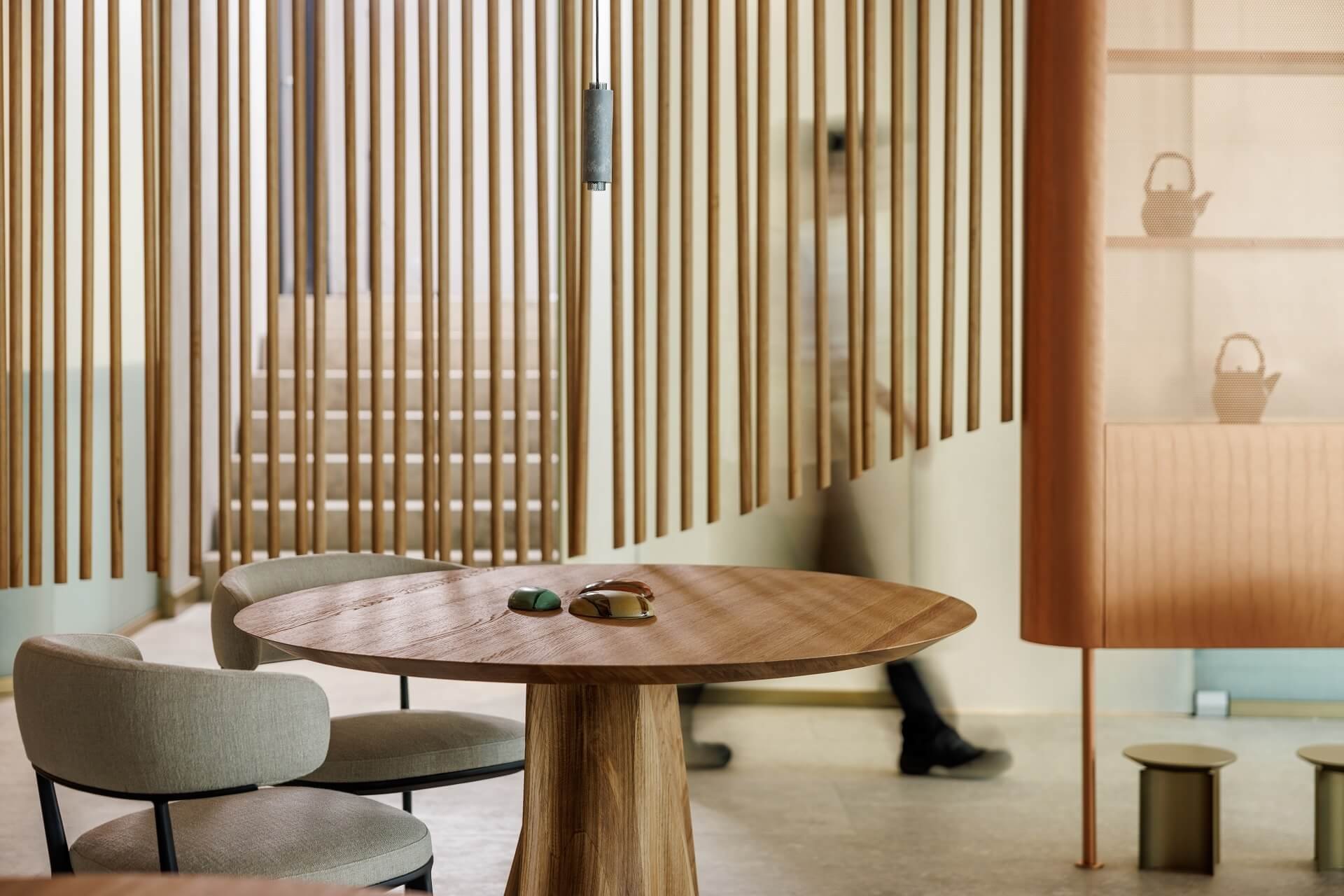
Homey and gently sophisticated atmosphere with chic elegance, contemporary colors, vintage furniture, and a cool retro vibe in light, soft grey, or petrol blue tones.