
Small Luxury Hotels of the World Member
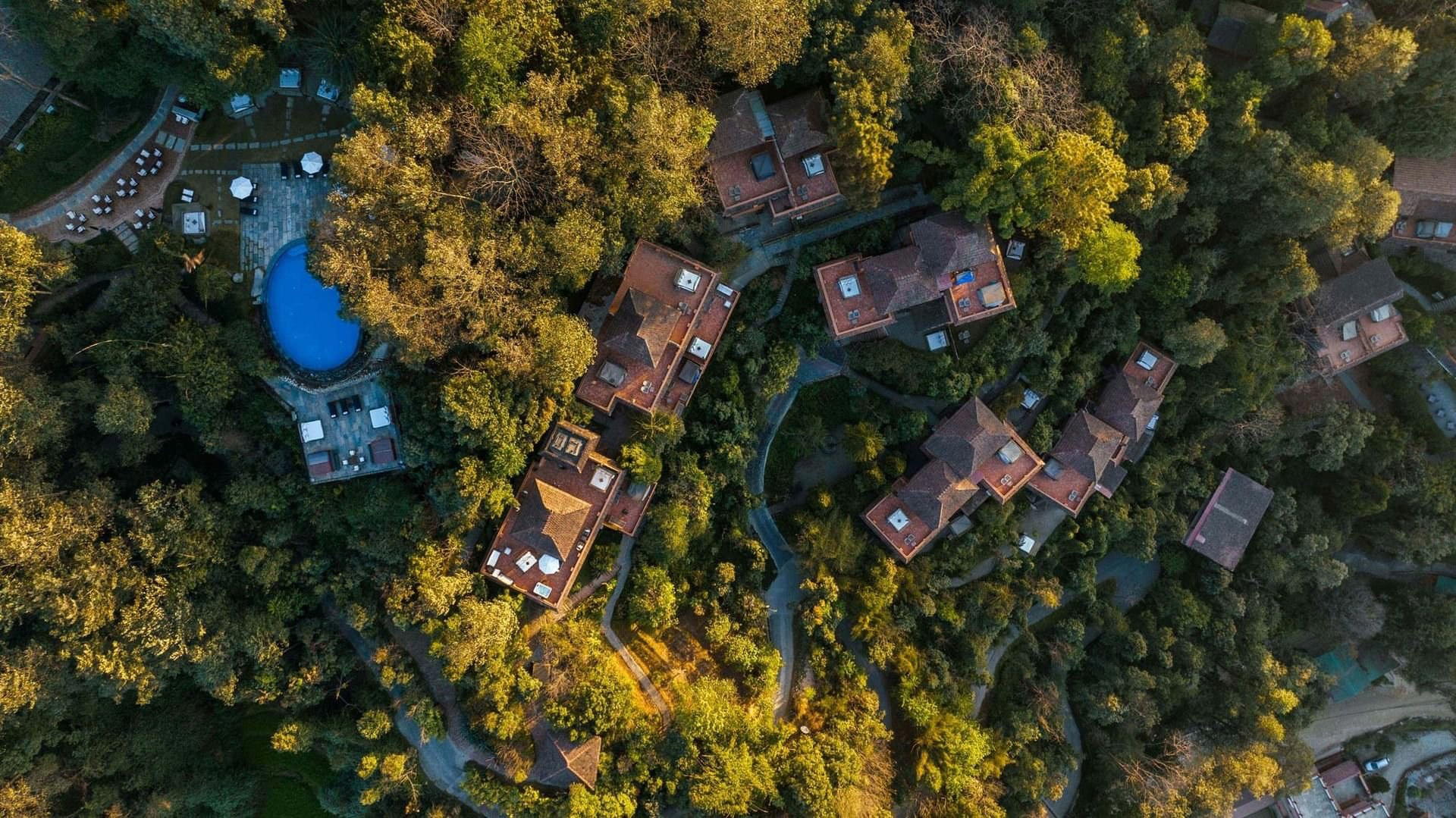
Varnabas Museum Hotel rises on Subarna Shamsher Marg in central Kathmandu, its modern architecture referencing the vertical drama of the surrounding Himalayas. The hotel weaves Nepalese heritage through its interiors while a rooftop pool delivers skyline views above the city's historic density. It positions itself at the design-conscious end of Kathmandu's growing premium hotel tier.

Pearl is the En Primeur Club membership app, where members save venues, book tables and use the concierge.
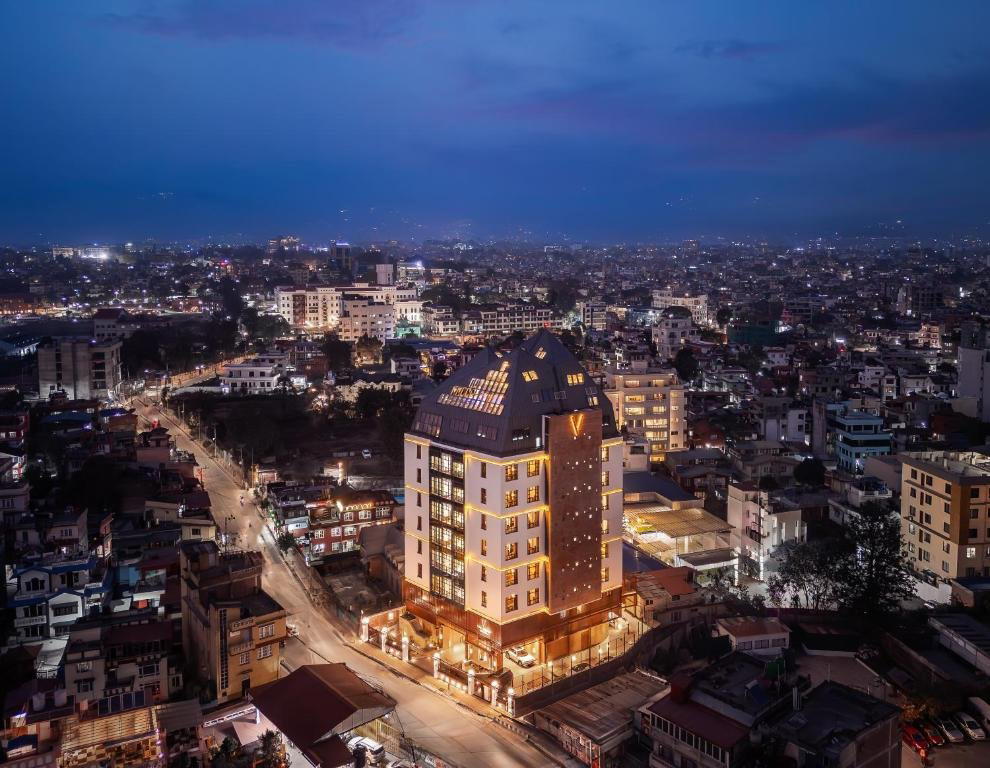
Architecture as Altitude
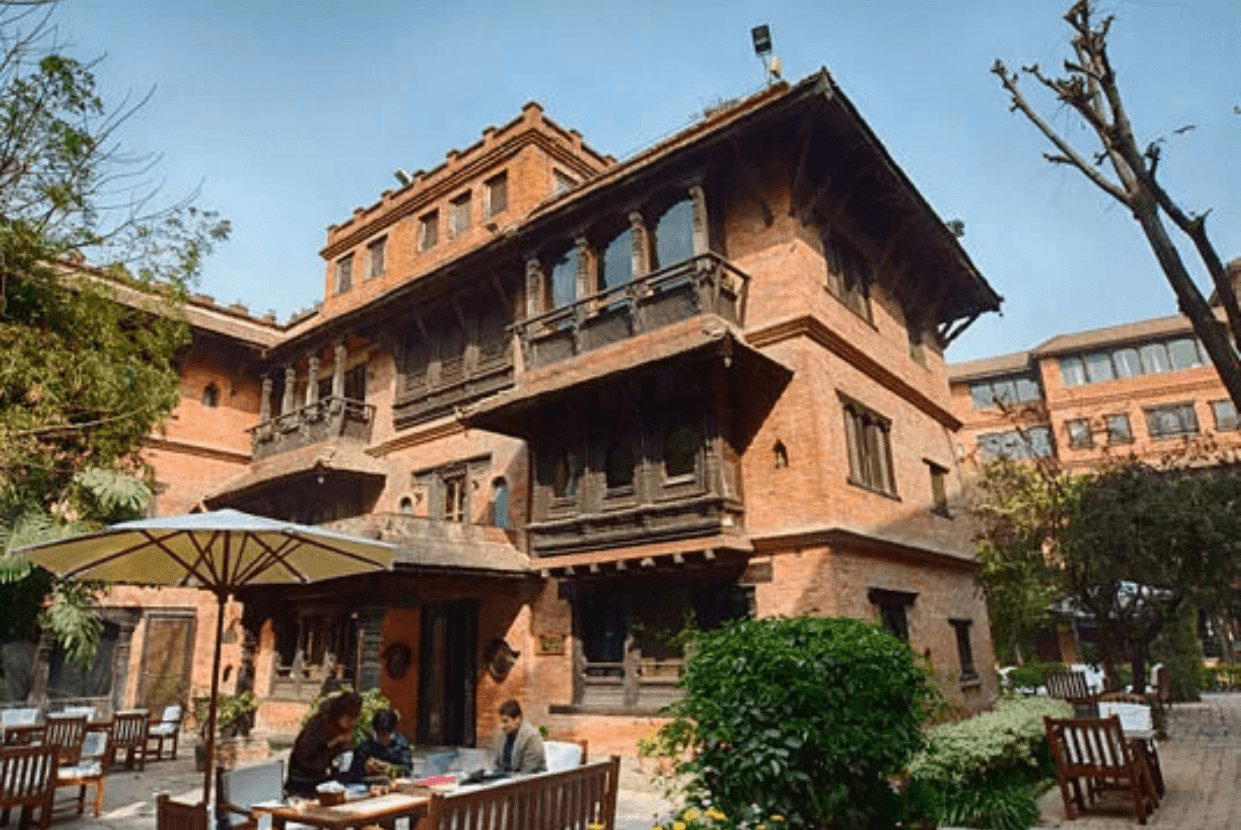
Kathmandu's hotel market has fractured into distinct tiers over the past decade. At one end sit the heritage conversions, properties like The Dwarika's Hotel that anchor their identity in restored Newari architecture and cultural preservation. At the other, a newer cohort of contemporary builds is making a different argument: that modern construction can engage Nepalese identity just as seriously, through materials, programming, and spatial logic rather than salvaged woodwork. Varnabas Museum Hotel sits in this second category, and it makes its case from the outside in.
The building on Subarna Shamsher Marg rises with a deliberate verticality that reads, in context, as an architectural echo of the peaks that define Kathmandu's horizon. This is not incidental. The Himalayas exert a gravitational pull on almost every design decision made in premium Nepali hospitality, and how a hotel responds to that pressure tells you a great deal about what it is trying to be. Varnabas answers with height and layering: guests ascend through the property to reach its most dramatic point, a rooftop pool that skims the city's skyline and frames the mountains beyond. The structure is organised around the idea of ascent, which gives it a narrative coherence that many contemporary hotels in this price band lack.
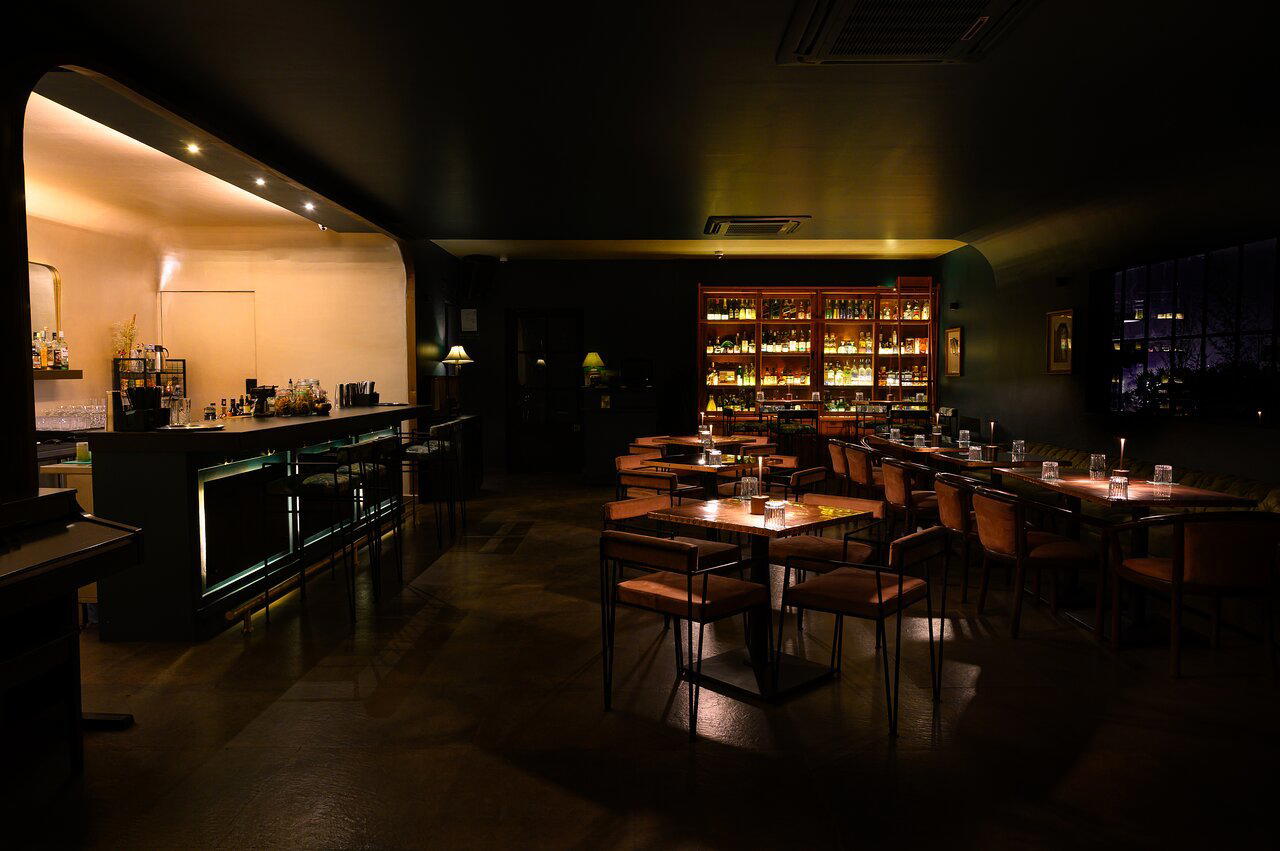
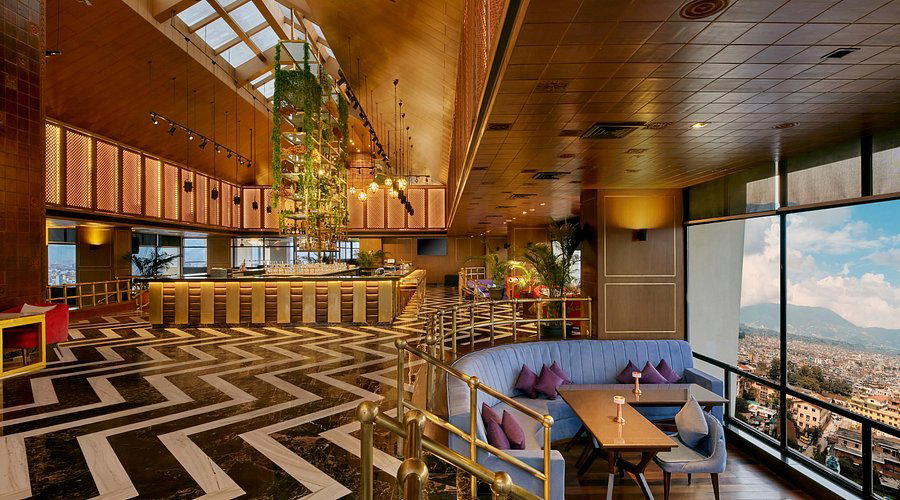
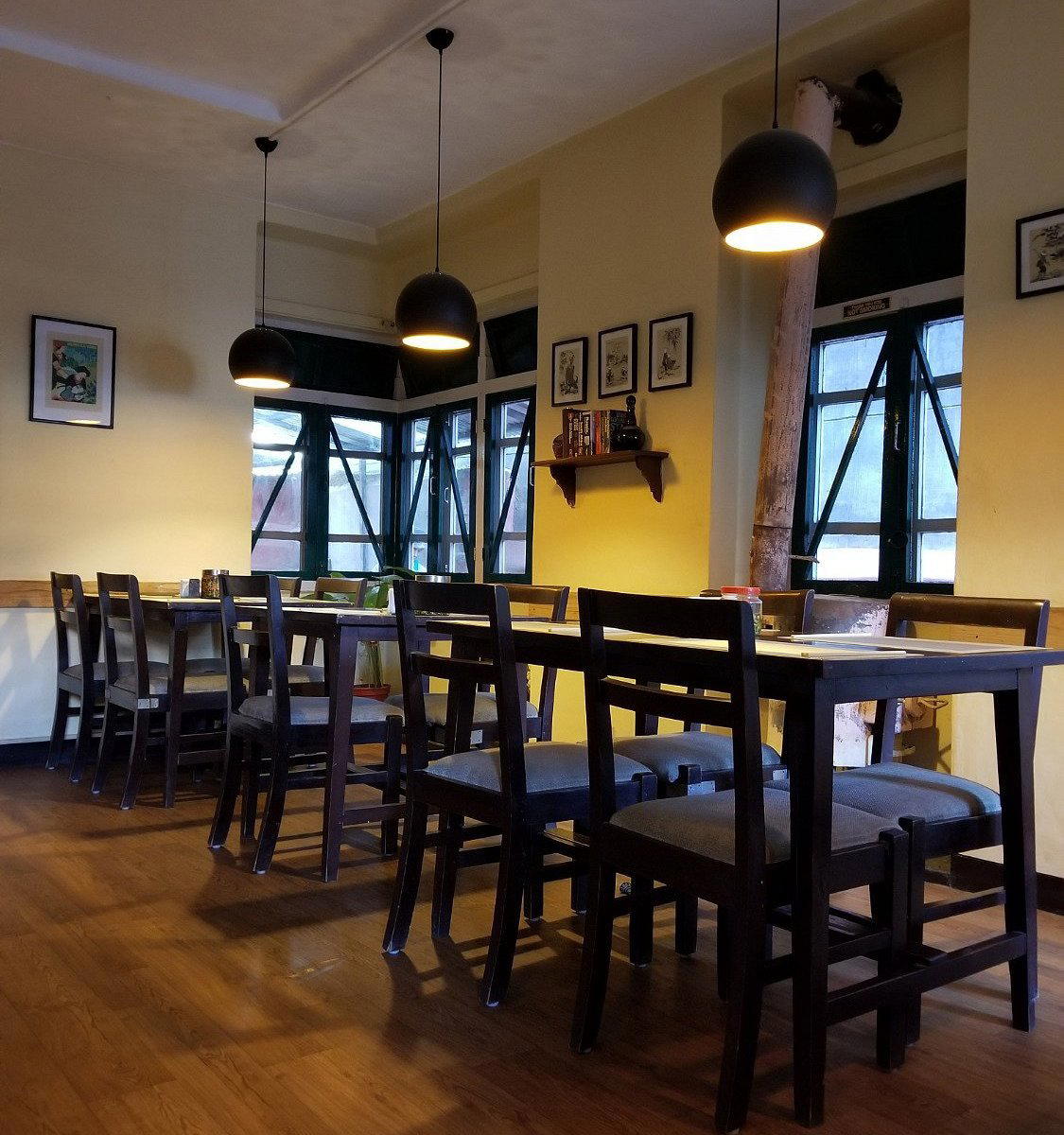
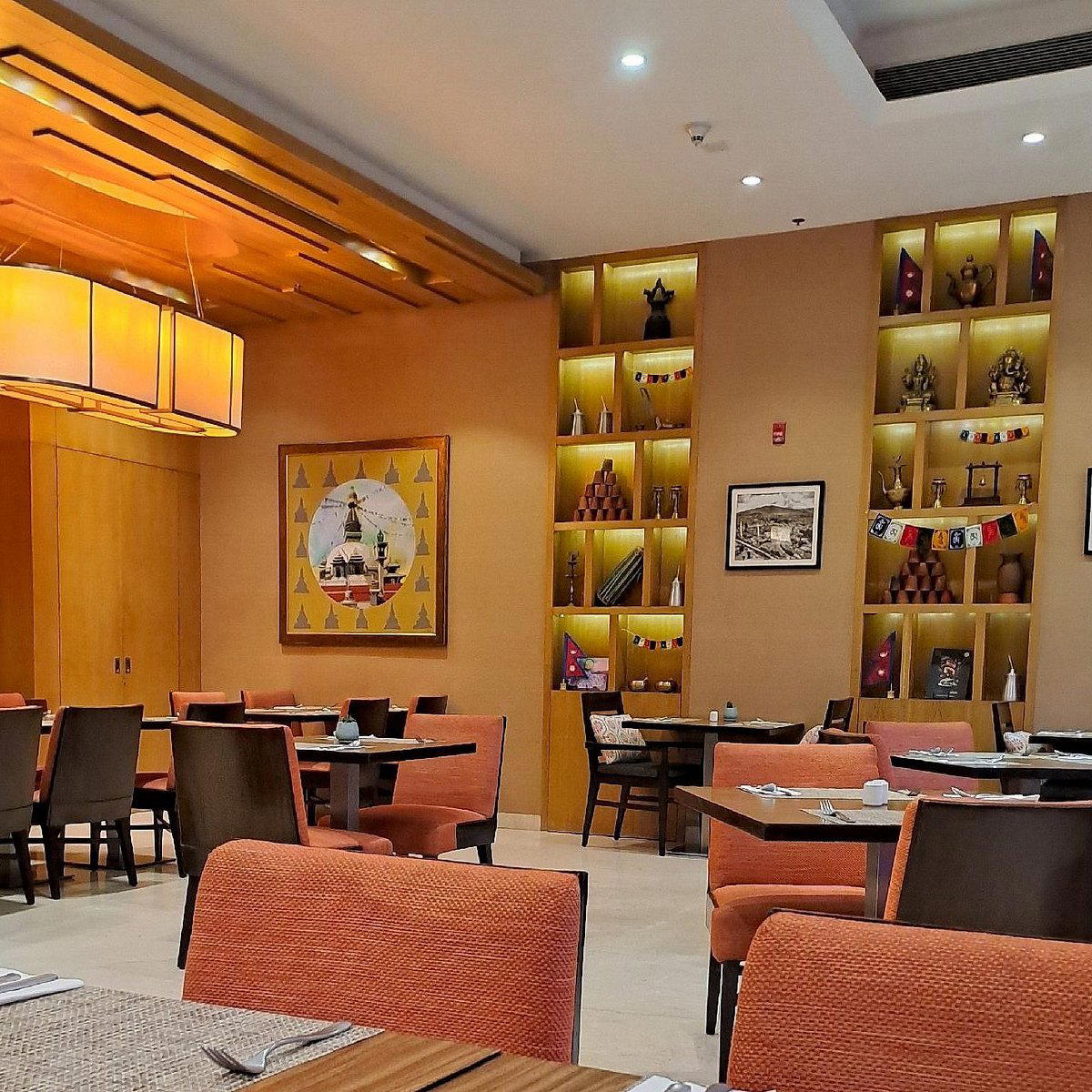
Inside, the design programme shifts from structural ambition to cultural curation. Nepalese heritage is woven into the interiors in a way that the hotel frames as museum-like, hence the name. This places it in a small but growing category of South and Southeast Asian luxury properties that treat local material culture as a serious design discipline rather than decorative shorthand. For context, compare the approach at The Terraces Resort and Spa or the contemporary energy of Aloft Kathmandu Thamel to understand where Varnabas positions itself: it is aiming for something more considered than lifestyle-brand efficiency, and more contemporary than pure heritage restoration.
The Dining Position in Kathmandu's Emerging Food Scene
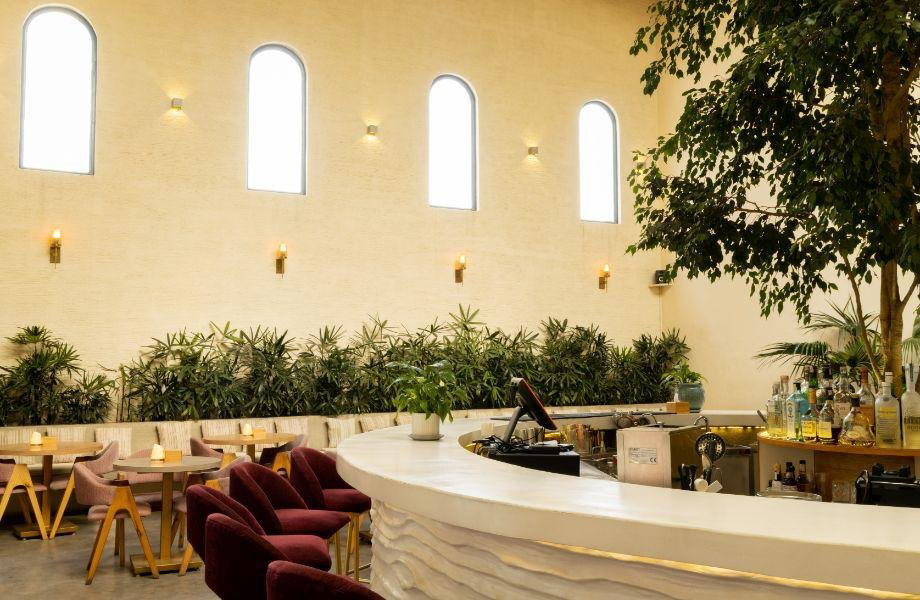
Kathmandu's restaurant scene has been developing steadily, driven partly by the growth of long-stay international visitors, partly by a domestic middle class with expanding expectations, and partly by the city's growing appeal as a staging point for Himalayan expeditions. Hotels in this tier are increasingly being judged not just on rooms but on whether their food and beverage operations hold up as destinations in their own right. The question for Varnabas, as with any property carrying cultural ambitions in its name and interiors, is whether the dining programme extends that seriousness to the plate.
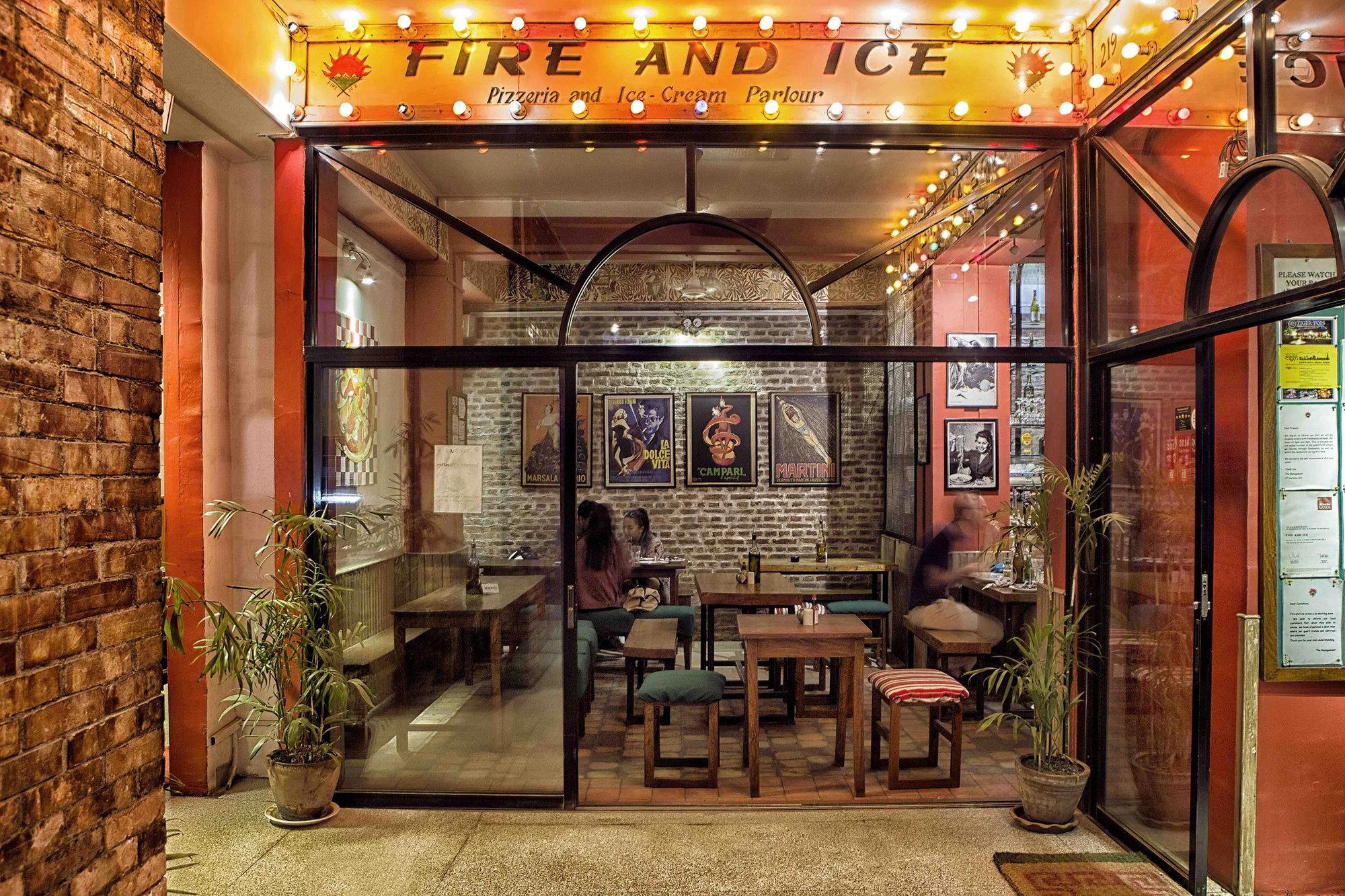
The hotel's position at the premium end of Kathmandu's contemporary market means its food and beverage offering competes not only with other hotel restaurants but with the city's growing roster of independent dining venues. Visitors spending time in the capital before or after trekking departures increasingly treat Kathmandu as a city worth eating in seriously, not just a logistics hub. For anyone building a more thorough picture of the city's dining options, our full Kathmandu restaurants guide covers the broader field.
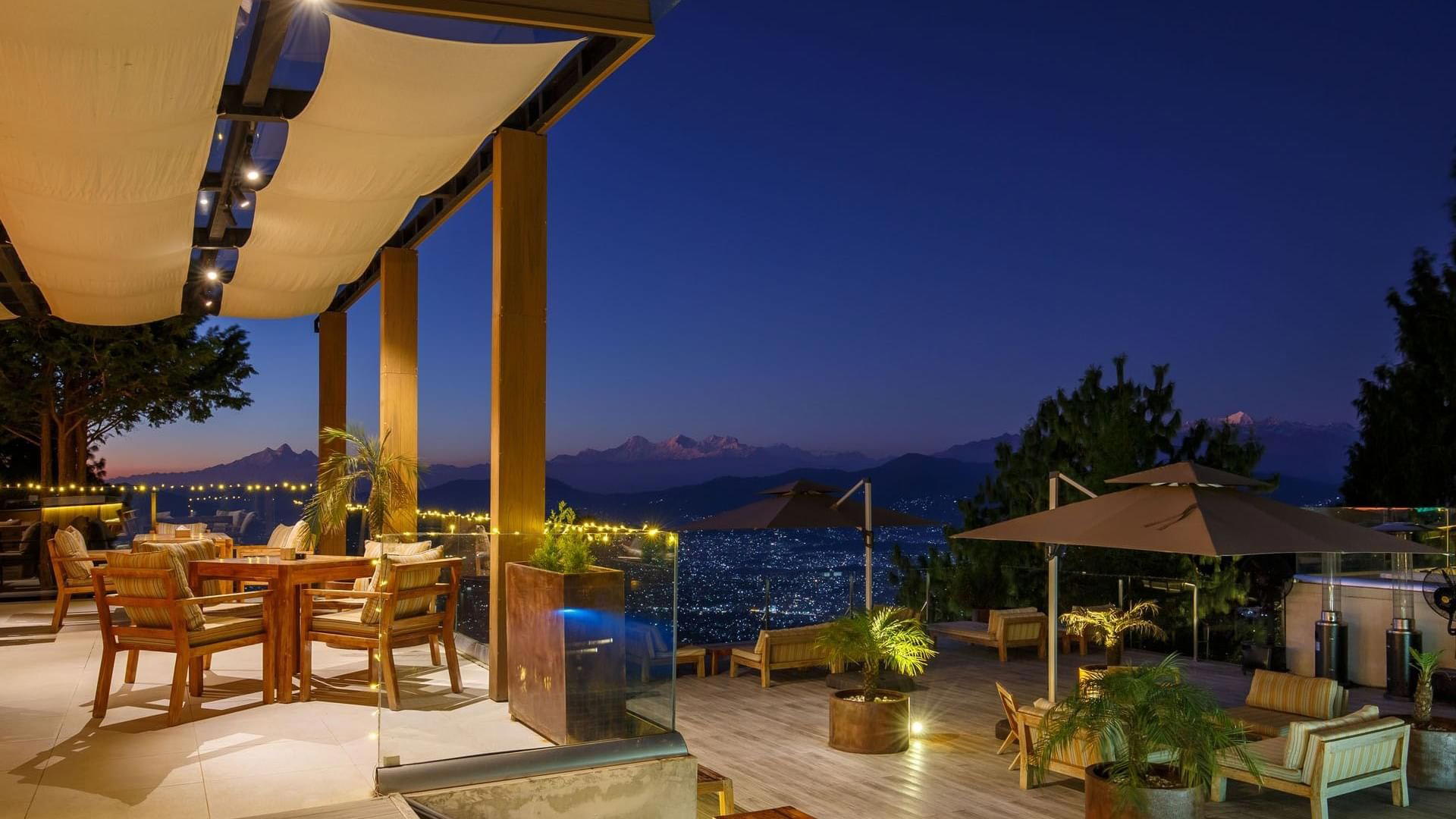
The rooftop element is worth noting in this context. In cities where outdoor dining is weather-dependent and views are a genuine differentiator, a skyline-level food and beverage offering can function as a meaningful draw beyond hotel guests. Kathmandu's rooftop culture has developed considerably in recent years, and a pool terrace at this height, positioned to frame the Himalayan panorama, gives the hotel a food and beverage asset that extends its reach beyond room nights alone.
Kathmandu as a Base: The Wider Nepal Network
Understanding Varnabas requires understanding the type of traveller Kathmandu now attracts at the premium level. These are not visitors who treat Nepal as a single destination but as a network: arrival and departure through the capital, with time in the city before and after time in the hills. The hotel's location on Subarna Shamsher Marg places it within the central city, accessible to the key cultural sites and to Tribhuvan International Airport, though specific transit times depend on traffic conditions that vary considerably by time of day in Kathmandu.
For travellers building a Nepal itinerary that moves beyond Kathmandu, the country's premium accommodation options spread across markedly different environments. In the Khumbu region, properties like Hikers Inn in Chaunrikharka, Dingboche Inn, Thukla Kalapathar Lodge, and Trekker's Holliday Inn in Pangboche serve trekkers on the Everest approach routes, while Zambala Lodge and Restaurant and Sherpa Lodge Lobuche provide the kind of functional shelter that high-altitude trekking demands. The contrast between these properties and a museum-concept hotel in the capital captures the full range of Nepal's hospitality infrastructure.
Further afield, Shinta Mani Mustang in Jomsom represents the international design-led camp end of the spectrum, while Himalayan Hideaway Resort Pokhara and See You Lodge and Restaurant in Dhampus Phedi anchor the Pokhara valley segment. Day-trip distance from Kathmandu, Dwarika's Sanctuary in Dhulikhel and The Happy House in Phaplu offer further options for those extending their time in the region. Kathmandu, and a property like Varnabas, functions as the natural bookend for itineraries that move across all of these.
For those using Nepal as one stop in a wider Asia or global journey, it is worth noting how Kathmandu's premium hotel offer now compares to other capital cities in the region. The design ambition visible at Varnabas is consistent with what has happened at comparable properties internationally, where cultural programming and architectural identity have become primary competitive differentiators, whether in a city-centre position or a remote landscape. Properties like Aman Venice, Castello di Reschio, or Bvlgari Hotel Tokyo operate the same basic premise in different contexts: architecture and cultural curation as the primary guest proposition.
Planning a Stay
Varnabas Museum Hotel is located at Subarna Shamsher Marg, Kathmandu 44600. Visitors should contact the hotel directly or consult their preferred travel agent for current availability. Kathmandu's peak seasons track closely with the main trekking windows: October through November and March through May see the highest demand across premium accommodation in the city, and forward planning in those periods is advisable. The shoulder months of early autumn and late spring offer a useful combination of manageable weather and slightly lower pressure on availability.
Budget Reality Check
Comparable venues nearby, for context on price, style, and recognition.
| Venue | Price | Awards | Notes |
|---|---|---|---|
| Varnabas Museum HotelThis venue (the venue you are viewing) | $100–200 | Small Luxury Hotels of the World Member | Not listed |
| Aloft Kathmandu Thamel | $100–200 | World Luxury Hotel Awards WLHA Country Winner | Thamel, Next-generation stylish urban hotel blending modern design with local Nepali culture |
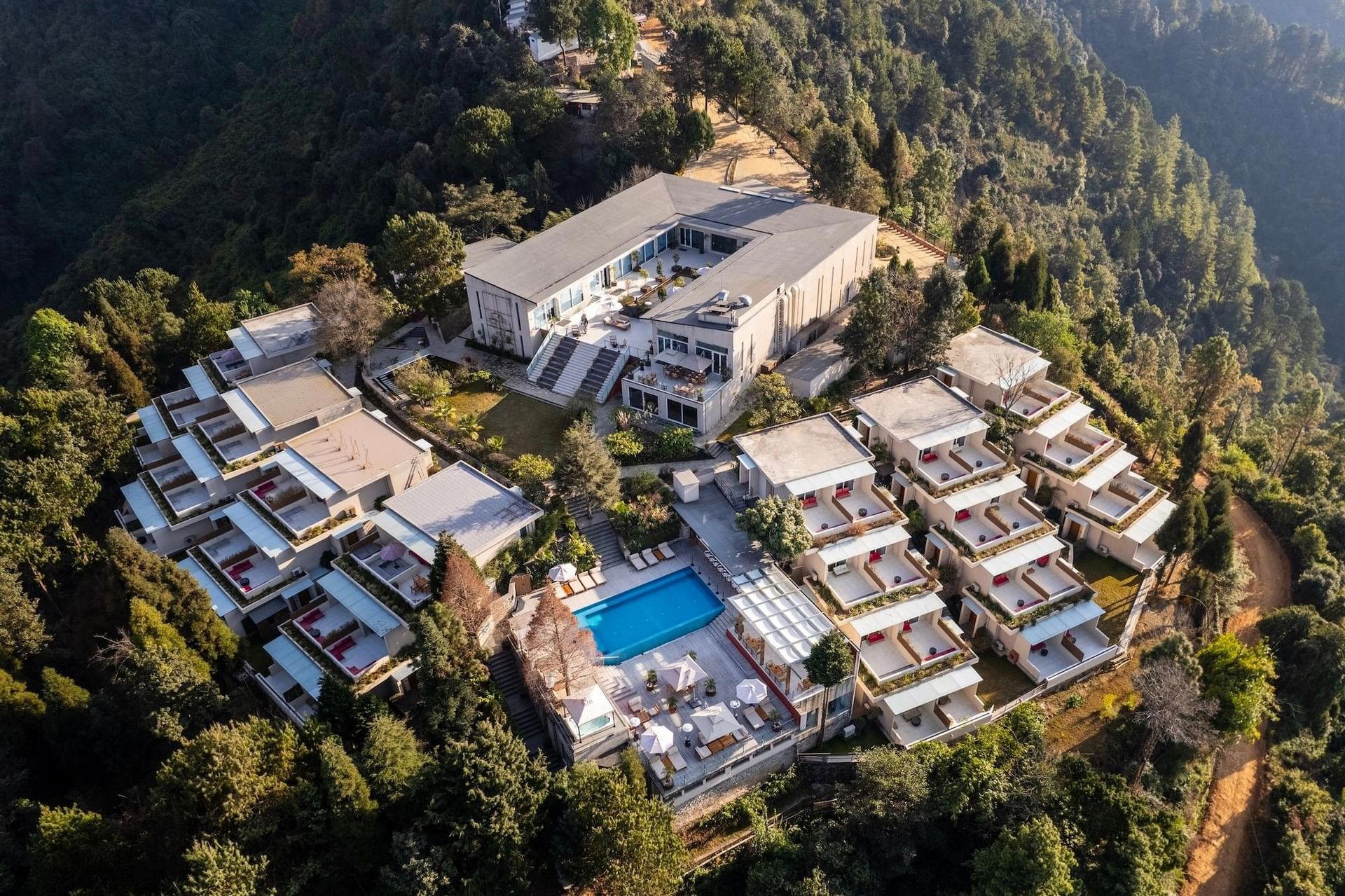
| The Terraces Resort and Spa | $200–300 | World Luxury Hotel Awards WLHA Country Winner | Lamatar, Luxury resort with Mediterranean architecture built in 2021, featuring private balconies and expansive terraces. |
| The Dwarika's | $300–500 | 1 Michelin Key · La Liste Top Hotels | Battisputali, Newari heritage palace with restored ancient artifacts |
| The Dwarika's Hotel | $300–500 | 1 Michelin Key · La Liste Top Hotels | Kathmandu, Heritage Newari palace-style architecture with modern luxury amenities |
| Hikers Inn | Not listed | Not listed | Khumbu Pasang Lhamu Rural Municipality, Mountain lodge blending modern comfort with traditional Sherpa charm |
Recognition history
Dated appearances from independent guides and award organizations, with the underlying list record or original source where available.
Small Luxury Hotels of the World Member
Small Luxury Hotels of the World
Continue exploring
More in Kathmandu
Hotels in Kathmandu
All hotels in Kathmandu →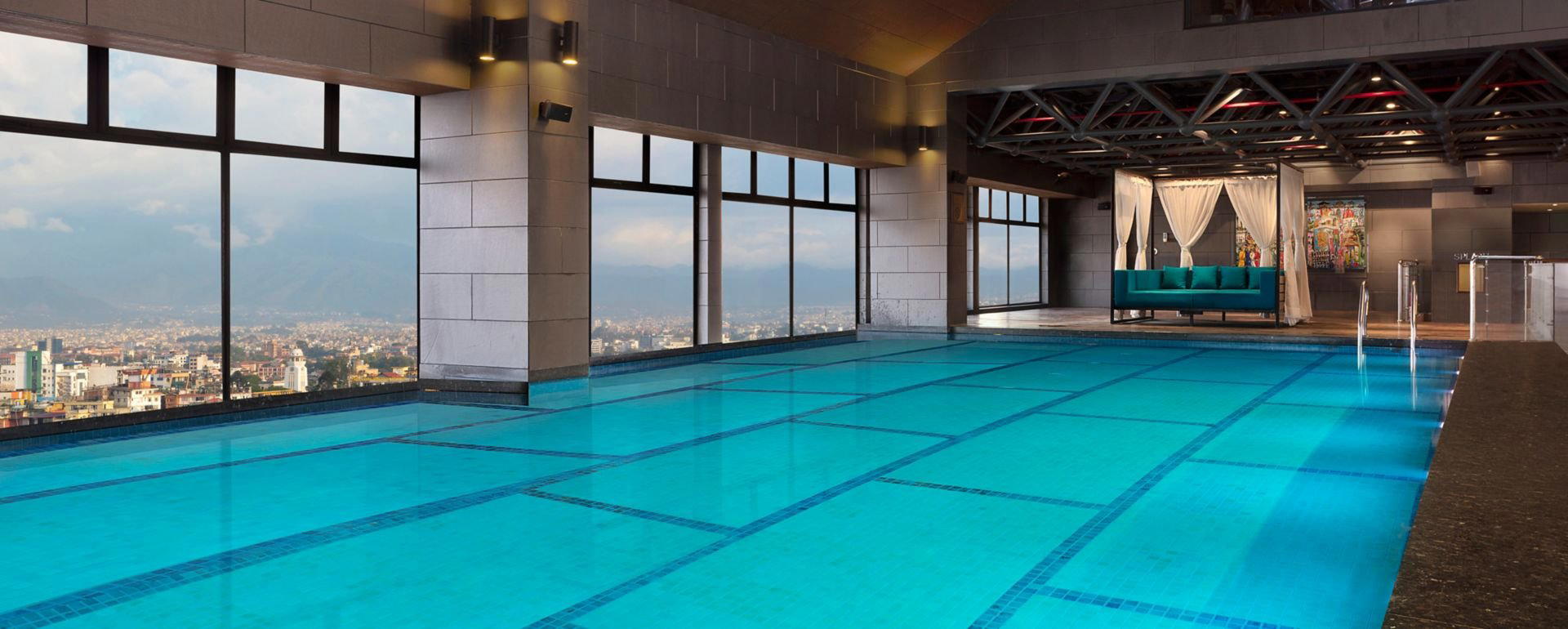
Details
- Elegant
- Cozy
- Sophisticated
- Scenic
- Romantic Getaway
- Business Trip
- Weekend Escape
- Rooftop Pool
- Historic Building
- Panoramic View
- Wi Fi
- Pool
- Spa
- Fitness Center
- Room Service
- Concierge
- Restaurant
- Bar
- Skyline
- Wheelchair Accessible
- Elevator
Beautifully stylish with subtle cultural design touches, spacious suites, comfortable beds, and a relaxing rooftop pool atmosphere.