
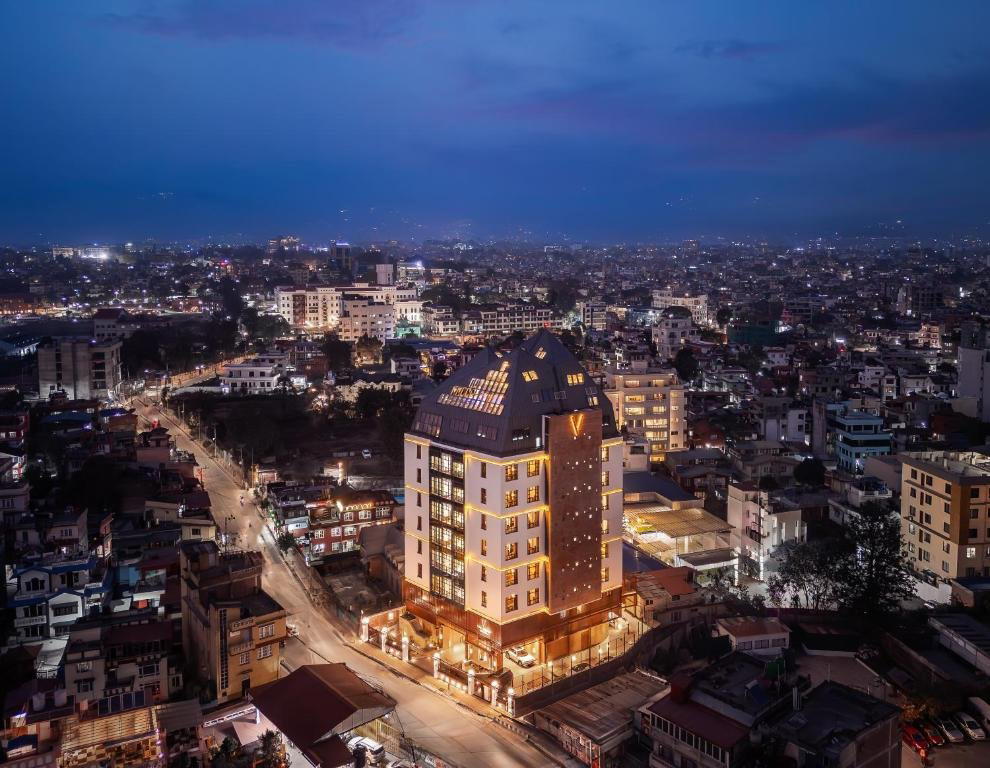
Aloft Kathmandu Thamel sits at the intersection of Thamel's trekker-district energy and a design-forward hospitality model that has earned recognition as a Regional Winner for Luxury Art Hotel and Country Winner for Best General Manager. The property occupies the Chhaya Devi Complex on Amrit Marg, placing guests within the dense commercial and cultural grid of Kathmandu's most internationally trafficked neighbourhood.
Pearl is the En Primeur Club membership app — saves, bookings, and concierge access live there. Same editors, same standards.
- Address
- Chhaya Devi Complex, Amrit Marg, Kathmandu 44600, Nepal
- Phone
- +977 1-5252000
- Website
- marriott.com
- Directions
- Get directions
 Saves & bookings on Pearl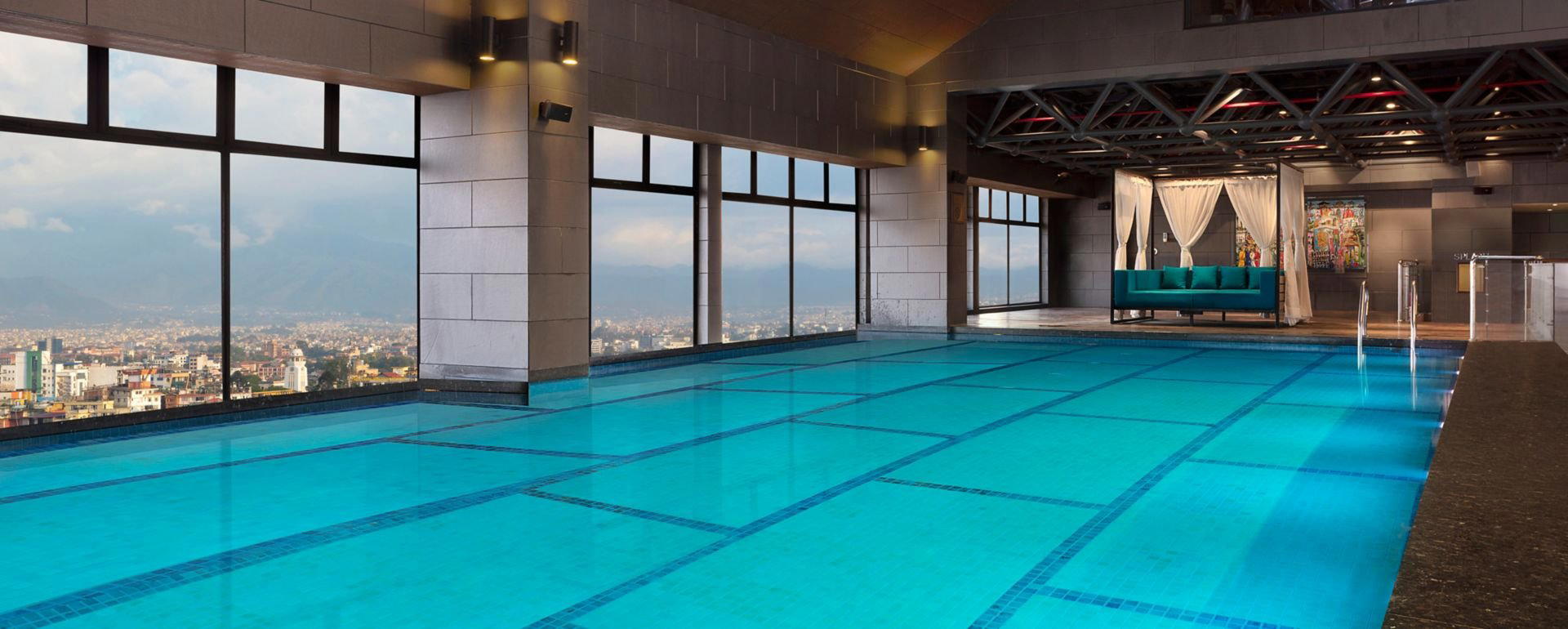
Design Against the Grain of Thamel
Thamel has long operated as Kathmandu's threshold neighbourhood: the place where most international arrivals land before dispersing toward the Annapurna circuit, the Khumbu, or the Kathmandu Valley's quieter cultural sites. The streetscape runs dense with trekking outfitters, currency exchange stalls, and restaurants calibrated to the post-flight traveller. Against that backdrop, the emergence of design-attentive hotels in the district reflects a broader regional pattern: the same shift toward architecture-led urban hospitality that has reshaped comparable gateway districts in Southeast Asian capitals. Aloft Kathmandu Thamel, positioned within the Chhaya Devi Complex on Amrit Marg, belongs to that newer tier, where the physical environment is meant to do more than shelter a transit guest.
The Aloft brand operates globally within a positioning that prioritises spatial clarity and visual energy over the plush-and-muted formula of traditional business hotels. In Kathmandu, that approach carries different weight. A city whose architectural identity spans Newari timber courtyards, colonial-era civic buildings, and rapid post-earthquake reconstruction presents an unusual design context for a globally affiliated property. The question any such hotel has to answer here is how it holds its aesthetic position without either ignoring its surroundings entirely or performing a superficial local pastiche. Recognition as a Regional Winner for Luxury Art Hotel suggests the property has found a working answer to that question.
The Art Hotel Designation in Context
Across South and Southeast Asia, the "art hotel" category has expanded quickly over the past decade, sometimes as a genuine programming commitment and sometimes as a marketing layer applied to an otherwise conventional property. The credential carries more weight when it corresponds to a coherent spatial logic: art integrated into circulation spaces, guest rooms, and public areas as part of a considered programme rather than as decorative fill. Regional award recognition for that category, as Aloft Kathmandu Thamel holds, places the property in a competitive set that includes properties in larger regional markets, making the designation meaningful rather than merely local.
Kathmandu has a specific relationship with contemporary art that is worth understanding before arrival. The city's art scene, while small by the standards of South Asian capitals, has a distinct character shaped by Buddhist and Hindu iconographic traditions, a generation of artists trained abroad and working between those traditions and contemporary practice, and an institutional base that includes the Siddhartha Art Gallery. A hotel that takes its art positioning seriously in Kathmandu has access to genuinely interesting material. Whether Aloft Kathmandu Thamel engages with that local scene at depth, or operates within a more globally generic art-hotel framework, is a distinction that matters to visitors who travel partly for that kind of cultural access.
Where It Sits in the Kathmandu Hotel Market
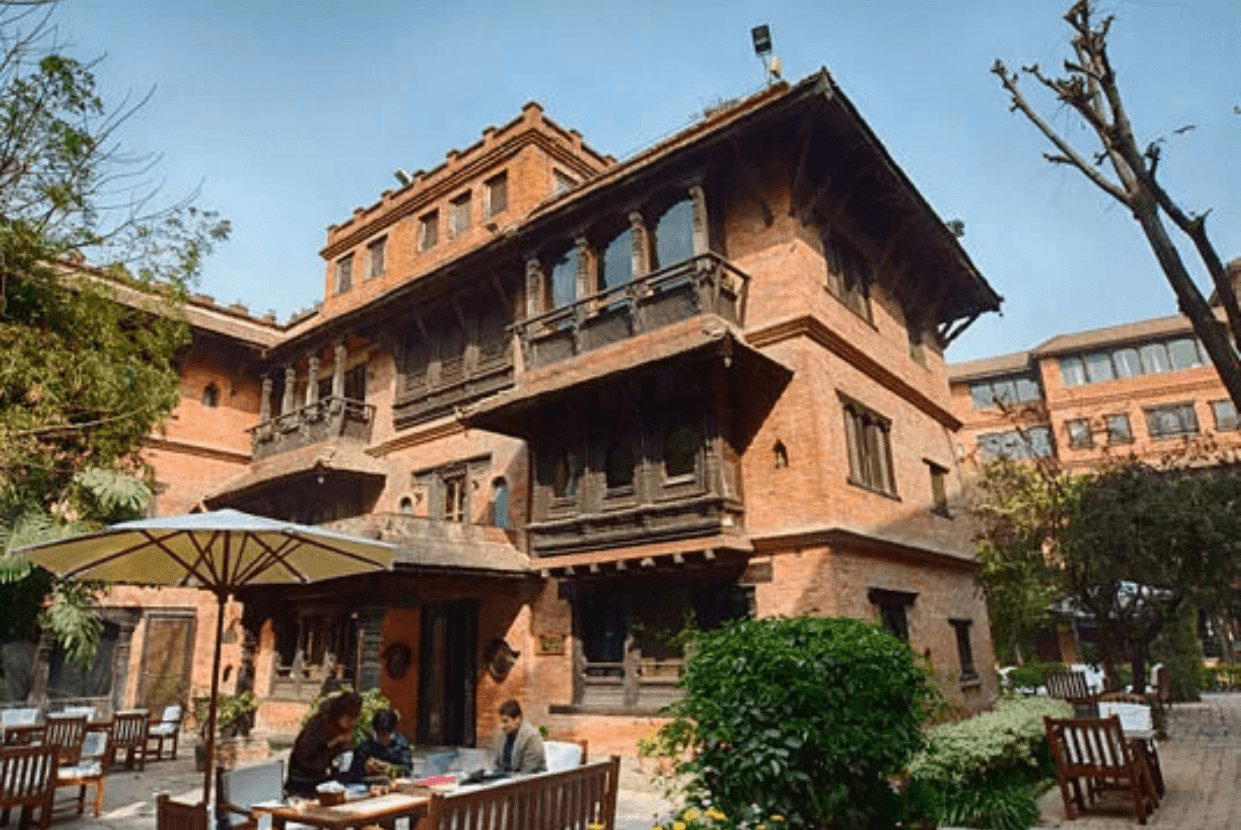
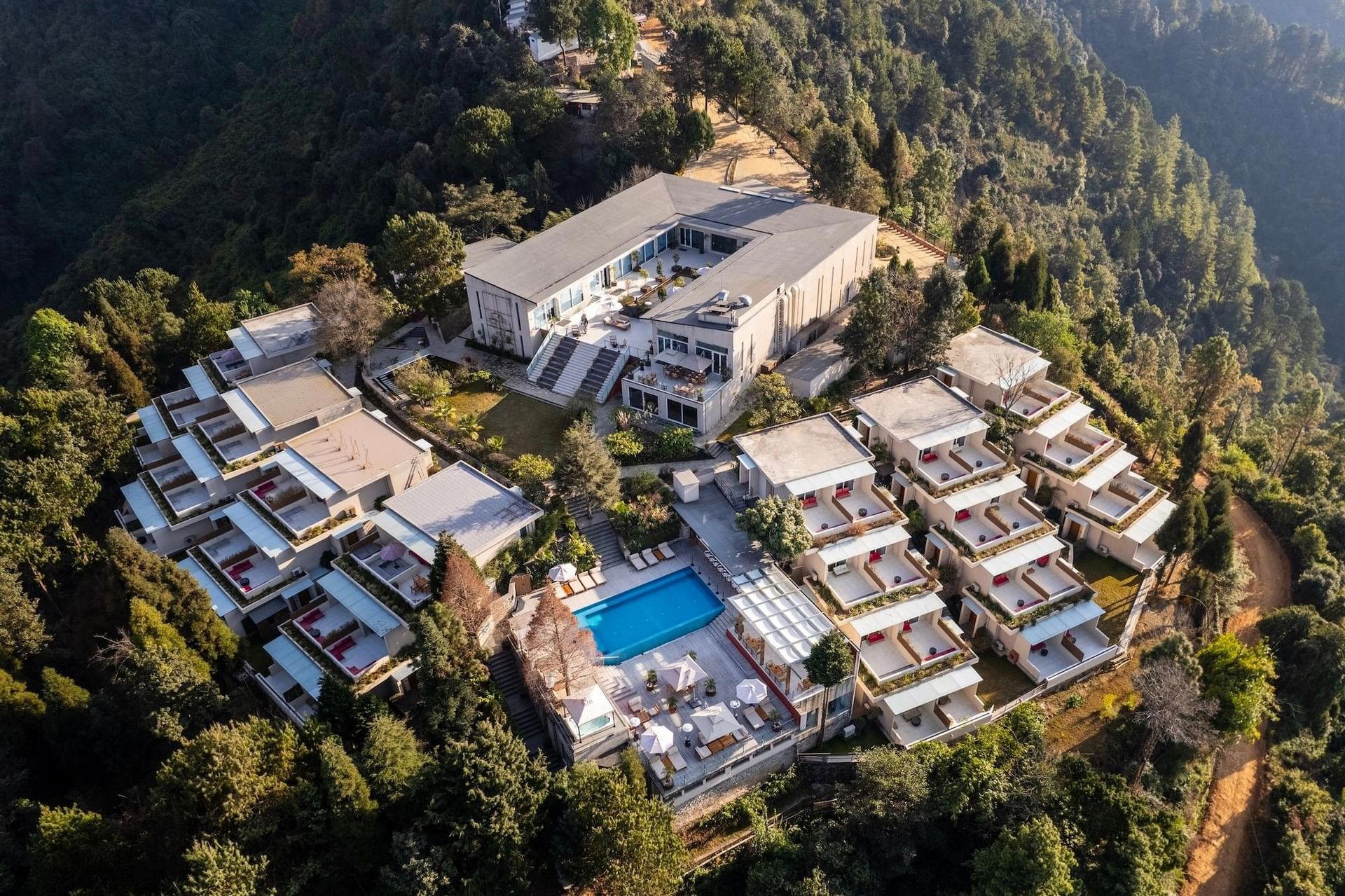
The Kathmandu premium hotel market divides into several clear tiers. At one end, heritage properties have built their reputations around deep local material culture. The Dwarika's Hotel operates in that register, with a design programme built from salvaged Newari woodwork and a cultural mission that extends well beyond accommodation. Varnabas Museum Hotel sits in a comparable niche, where the property's identity is inseparable from its collection and architectural approach. The Terraces Resort and Spa offers a different model again, with a focus on setting and wellness that draws on the valley's topography.
Aloft Kathmandu Thamel occupies different ground. The Aloft brand's global positioning emphasises energy, design legibility, and connectivity over the slower, more curatorial approach of heritage independents. That makes it a different kind of choice rather than a lesser one: for travellers whose Kathmandu stay is a staging point for a longer Nepal itinerary rather than a destination in itself, the combination of design quality, location in Thamel, and operational reliability under a global brand carries practical value. The Country Winner recognition for Leading General Manager also signals that the operational side of the property is being run with attention, which matters in a city where service consistency varies considerably across the hotel sector.
Thamel as a Base and Its Implications
Amrit Marg sits within the core of Thamel, which means proximity to the concentration of trekking agencies, gear hire shops, and restaurants that serve as the logistical hub for most Nepal adventure itineraries. That proximity is genuinely useful: permits, porters, and last-minute equipment adjustments are all within walking range. It also means noise levels and street activity that differ substantially from the quieter valley positions of properties like Dwarika's Sanctuary in Dhulikhel, where the Kathmandu Valley's agricultural fringe provides a more contemplative setting.
For travellers planning onward movement into Nepal's trekking regions, the Thamel location functions as a practical advantage. Routes toward the Khumbu pass through hubs like Lukla, where properties such as Hikers Inn in Chaunrikharka serve as early-stage stops, while the higher elevations involve options like Dingboche Inn, Trekker's Holliday Inn in Pangboche, Thukla Kalapathar Lodge, and Sherpa Lodge Lobuche. The contrast between a design-attentive urban hotel and those high-altitude lodges is extreme by almost any measure, which is part of what makes Kathmandu an interesting transit city rather than merely a functional one. Those heading toward Pokhara might also consider Himalayan Hideaway Resort Pokhara, while the remote Mustang region has its own offer in Shinta Mani Mustang in Jomsom. Other valley options worth noting for different stages of a Nepal itinerary include See You Lodge in Dhampus Phedi, The Happy House in Phaplu, and Zambala Lodge and Restaurant.
Planning a Stay
The property's address at Chhaya Devi Complex, Amrit Marg, Kathmandu 44600, Nepal places it in a recognisable part of Thamel navigable on foot from the major landmarks. Booking is generally handled directly through Aloft's reservation channels or via established travel platforms. Kathmandu's peak travel periods align with the pre-monsoon trekking season (March to May) and the post-monsoon window (October and November), when demand across all accommodation tiers rises sharply and advance booking becomes essential. Those travelling outside these windows will find the city considerably quieter and room availability less constrained.
Frequently Asked Questions
Is Aloft Kathmandu Thamel more low-key or high-energy?
The Aloft brand globally positions itself toward the higher-energy end of the design hotel spectrum, with public spaces intended to encourage social interaction rather than retreat. In Thamel specifically, that orientation fits the neighbourhood's own character. Travellers seeking a quieter, more contemplative base would be better served by valley properties further from the Thamel core. If the Aloft's awards and Thamel location both signal energy and engagement, that alignment is consistent rather than contradictory.
What's the leading suite at Aloft Kathmandu Thamel?
Specific room tier details and suite configurations are not available for this property. The Regional Winner recognition for Luxury Art Hotel indicates that the property operates at a premium tier within the Kathmandu market. For current room categories and availability, direct contact with the property or the Aloft booking platform provides reliable information.
What's the standout thing about Aloft Kathmandu Thamel?
The combination of its two award designations is the clearest differentiator in the available record: Regional Winner for Luxury Art Hotel places it in a competitive set that extends beyond Nepal, while Country Winner for Leading General Manager points to operational quality that is less common than design ambition alone. In a city where the hotel market includes properties with deep heritage programming like The Dwarika's Hotel, the Aloft's position as a design-and-operations-led property with international brand backing fills a distinct gap in what Kathmandu's accommodation market offers.
Comparison Snapshot
Comparable venues nearby, for context on price, style, and recognition.
| Venue | Cuisine | Price | Awards | Notes |
|---|---|---|---|---|
| Aloft Kathmandu ThamelThis venue — the venue you are viewing | Next-generation stylish urban hotel blending modern design with local Nepali culture | $$$ | 5-Star | Not listed |
| Varnabas Museum Hotel | Cultural museum-style luxury boutique | $$$$ | 5-Star | Kathmandu |
| The Terraces Resort and Spa | Luxury resort with Mediterranean architecture built in 2021, featuring private balconies and expansive terraces. | $$$$ | 5-Star | Lamatar |
| The Dwarika's | Newari heritage palace with restored ancient artifacts | $$$$ | 5-Star | Battisputali |
| The Dwarika's Hotel | Heritage Newari palace-style architecture with modern luxury amenities | $$$$ | Michelin 1 Key | Kathmandu |
| Shinta Mani Mustang | Eco-friendly luxury resort inspired by traditional Tibetan homes using local stone, slate, and wood. | $$$$ | 5-Star | Jomsom |
Recognition history
Dated appearances from independent guides and award organizations, with the underlying list record or original source where available.
World Luxury Hotel Awards WLHA Country Winner
World Luxury Hotel Awards
World Luxury Hotel Awards WLHA Regional Winner
World Luxury Hotel Awards
At a Glance
- Modern
- Lively
- Trendy
- Business Trip
- Weekend Escape
- Rooftop Pool
- Infinity Pool
- Wi Fi
- Pool
- Spa
- Fitness Center
- Room Service
- Concierge
- Restaurant
- Skyline
- Mountain
- Wi Fi
- Pool
- Spa
- Fitness Center
- Room Service
- Concierge
- Restaurant
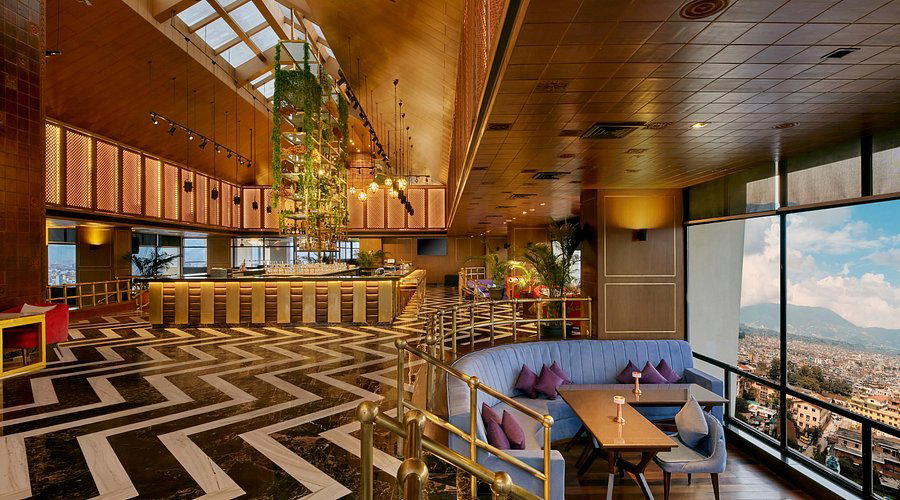
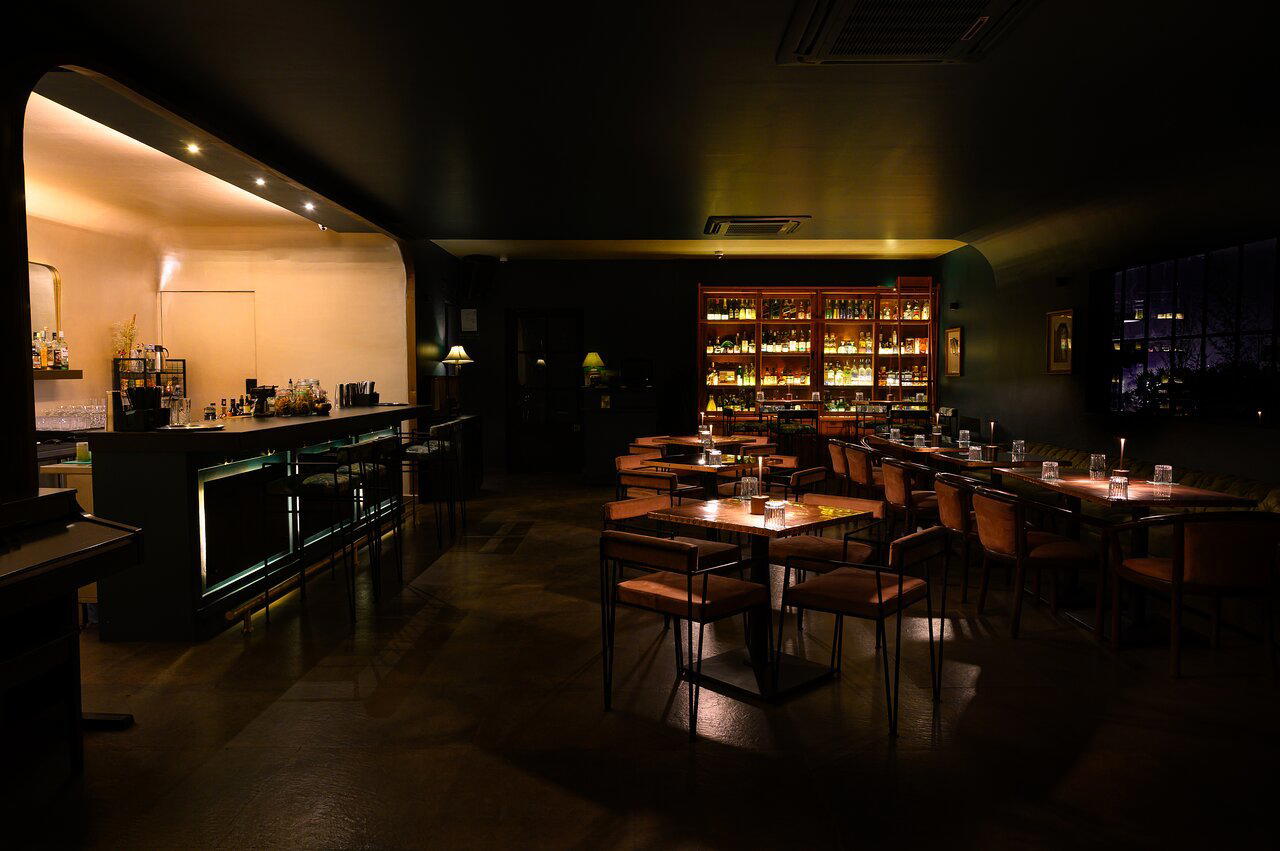
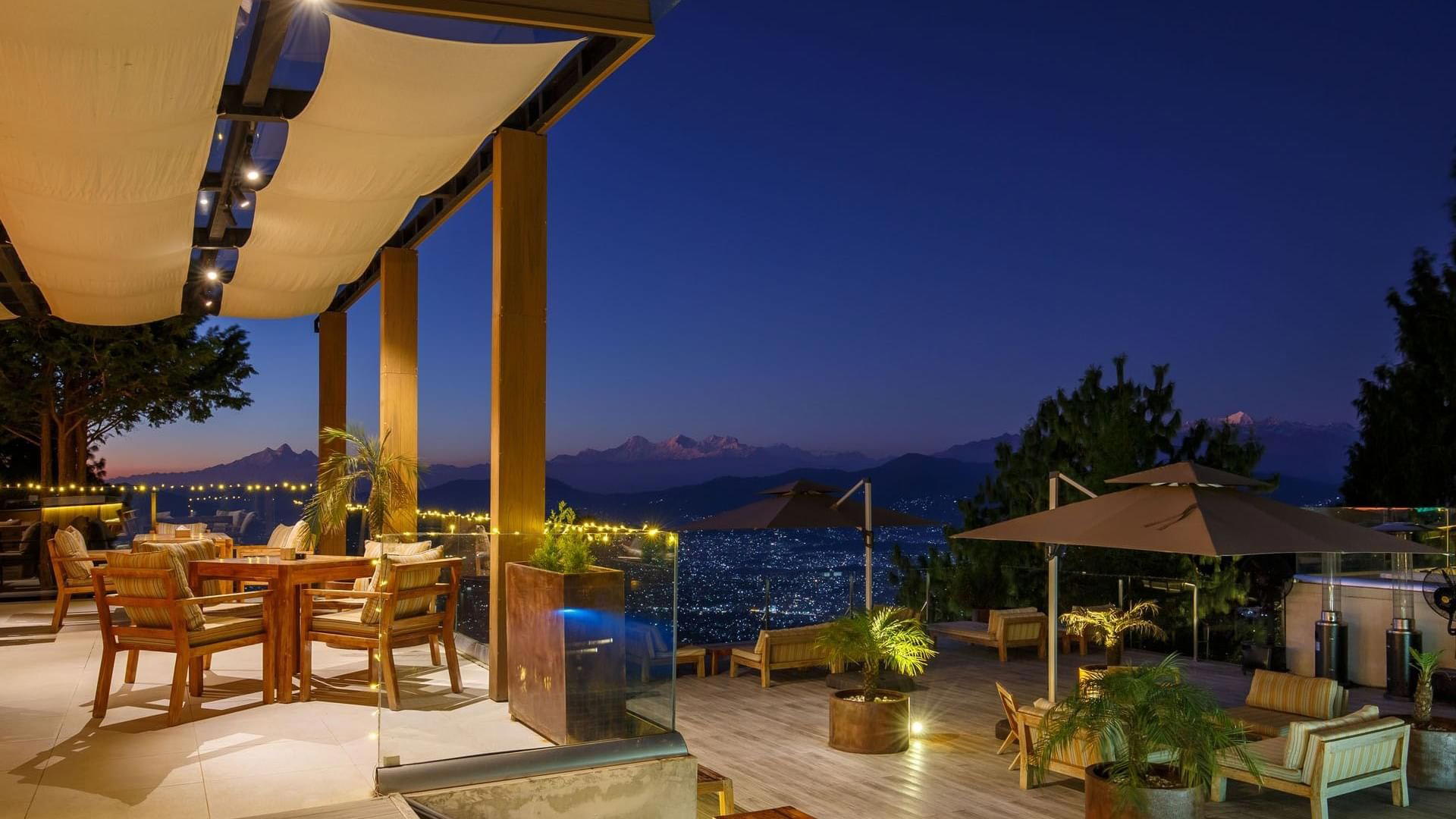
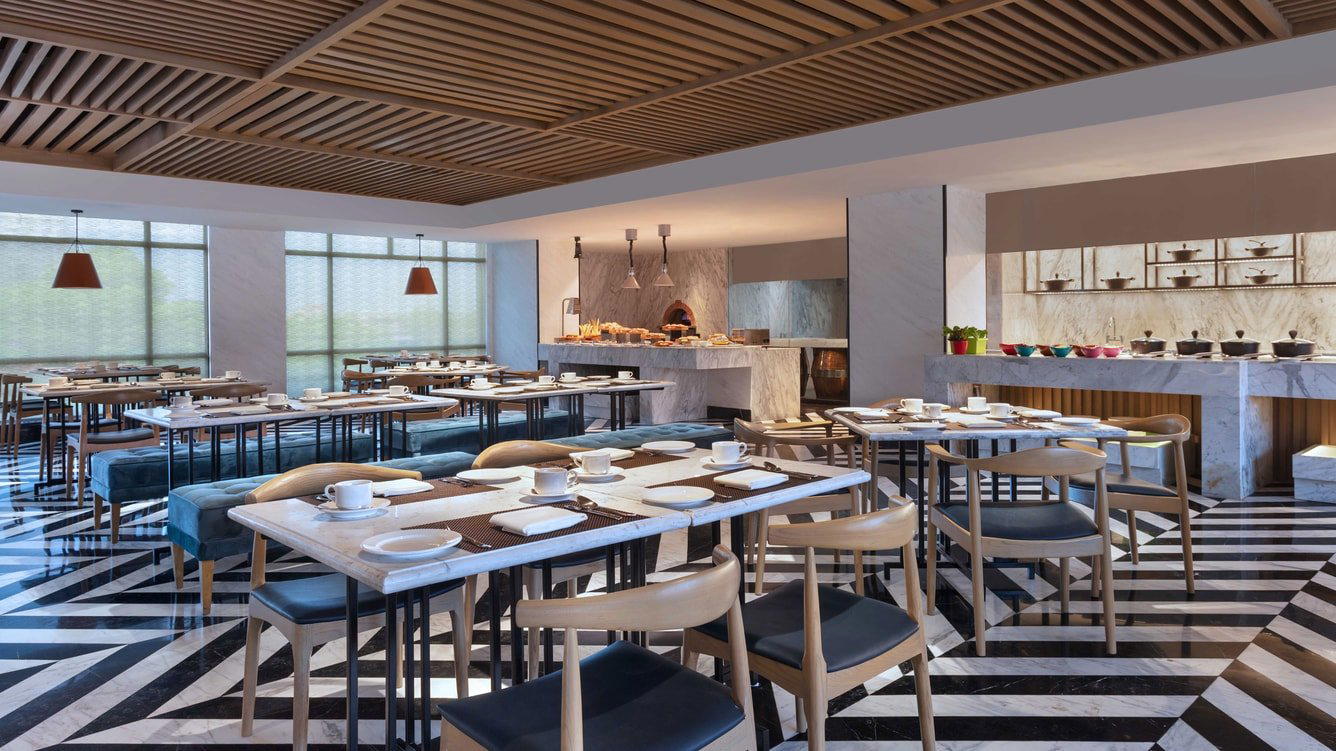
Lively and social with lively bar lounges, modern lighting, and energetic atmosphere blending comfort and local culture.