At around 4,600 metres on the Everest Base Camp trail, Thukla Kalapathar Lodge occupies one of the most demanding overnight stops in the Khumbu region. Trekkers passing through the Thukla valley use it as a staging point before the steep climb to Lobuche and the memorials at Thukla Pass. The lodge sits within a circuit where altitude, cold, and logistics define the experience as much as any amenity.

Pearl is the En Primeur Club membership app — saves, bookings, and concierge access live there. Same editors, same standards.
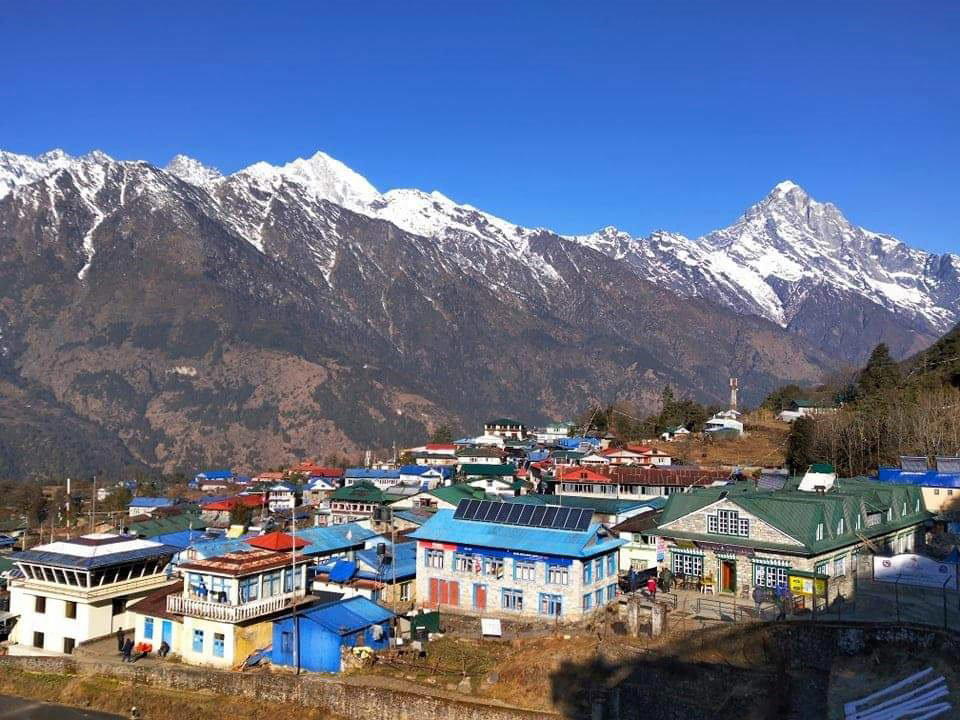
Stone Walls at Altitude: How the Khumbu Lodge Operates at 4,600 Metres
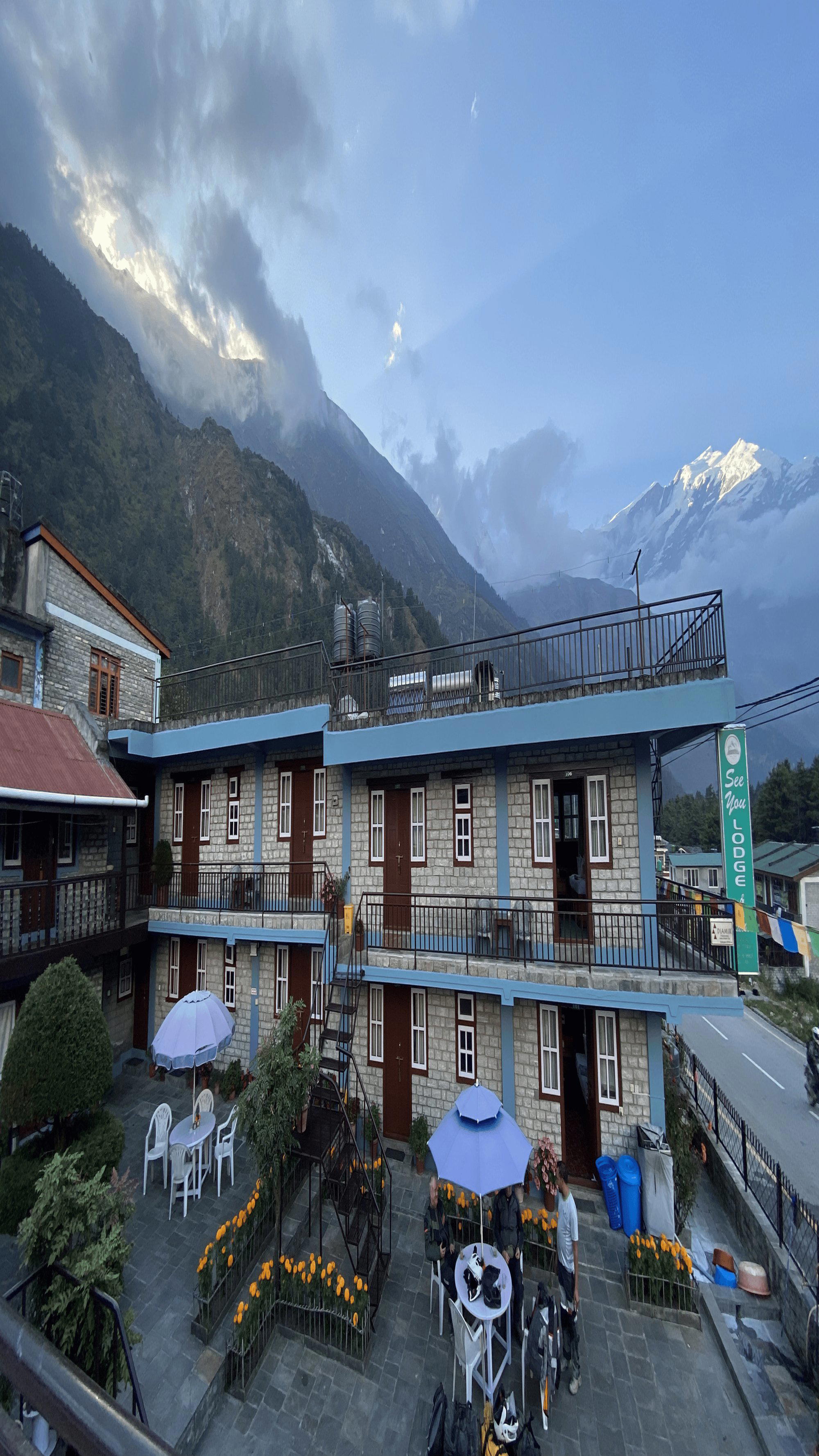
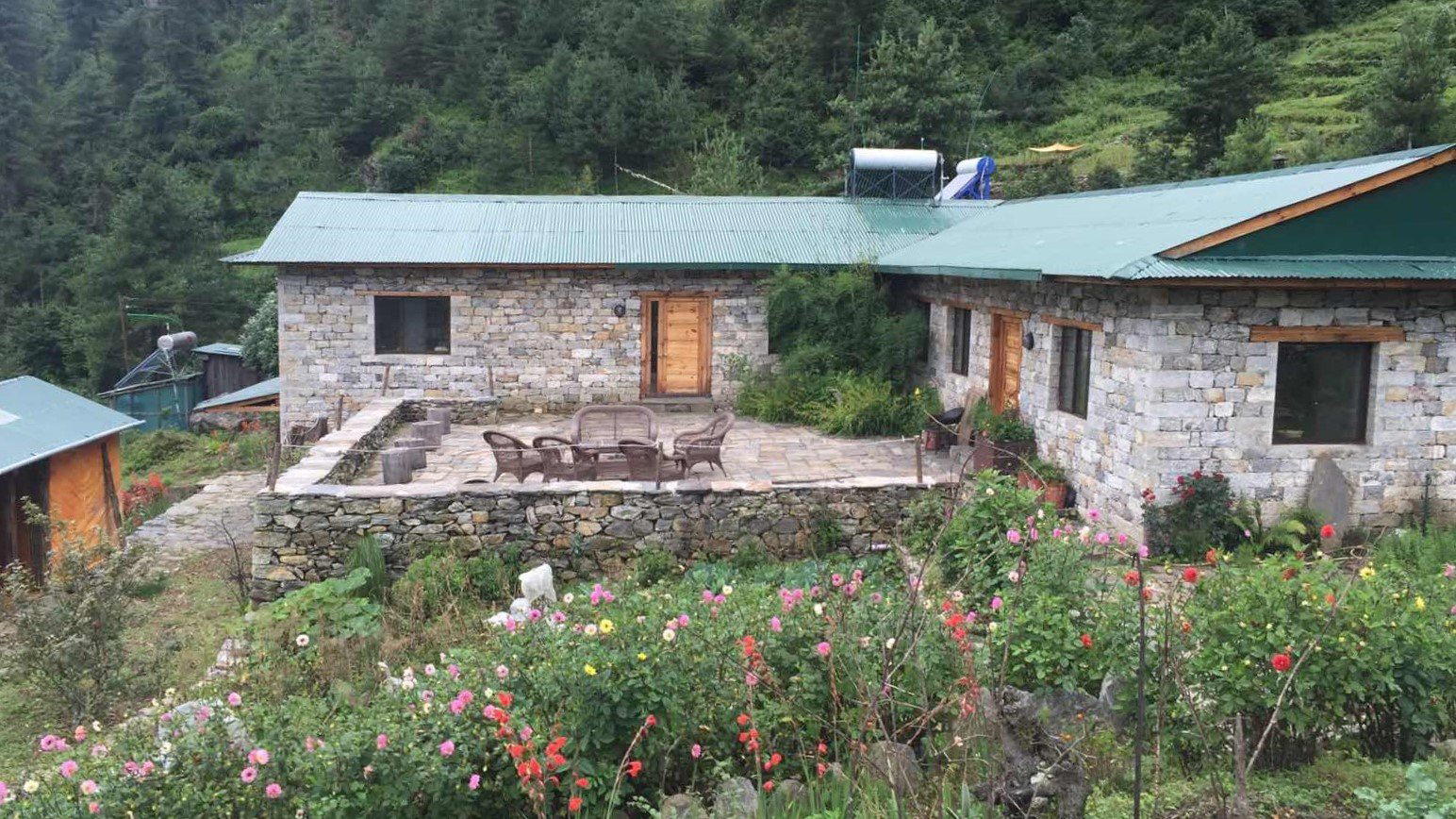
The built environment of the Khumbu high country tells you more about the trekking lodge tradition than any amenity list could. At Thukla, roughly 4,600 metres above sea level on the Everest Base Camp route, the lodges that survive are the ones whose architecture respects the conditions rather than fights them: thick stone or block walls, low-clearance doorways that hold heat, small windows that frame the Khumbu Glacier valley without surrendering insulation. Thukla Kalapathar Lodge operates within this structural grammar. The design is functional in the way that high-altitude buildings across the Himalaya have always been functional, where every material choice answers to cold, wind, and the near-impossibility of moving heavy construction resources above the tree line.
This is the context that separates Khumbu lodges from every other category of accommodation. Properties like Amangiri in Canyon Point or Aman Venice are designed around a concept of environmental integration from a position of plenty. Khumbu lodges achieve a different kind of integration: one born from scarcity of materials, altitude-imposed weight limits, and the pragmatic ingenuity of Sherpa construction culture. The result is an architectural honesty that resort design rarely achieves by intention.
The Thukla Position: What This Stop Means on the Route
Thukla sits at a critical juncture on the Everest Base Camp trail, above Dingboche and below Lobuche, at the point where the valley narrows and the terrain becomes unambiguously high-altitude. The Dingboche Inn in Sagarmatha Zone represents the last substantial overnight cluster before the ascent steepens. After Thukla, the trail climbs past the stone memorial chortens at Thukla Pass, each one commemorating climbers lost on Everest and the surrounding peaks, before reaching Lobuche at around 4,940 metres.
For trekkers on a standard acclimatisation schedule, Thukla is either a lunch stop or an overnight choice that shortens the next day's climb to Lobuche. The decision to stay here rather than push through has logistical and physiological weight. At this elevation, the body's response to exertion is no longer predictable in the way it is below 4,000 metres, and the shelter a lodge provides is a genuine medical asset, not a comfort preference. The Sherpa Lodge Lobuche is the next comparable stop above, which gives Thukla Kalapathar Lodge a clear position in the accommodation sequence regardless of its tier or amenity level.
Physical Space and the Architecture of Warmth
High-altitude lodge architecture in the Khumbu follows patterns shaped over decades of trekking tourism that began expanding seriously in the 1970s. The central dining room with a yak-dung or kerosene stove became the social and thermal anchor of the lodge format, a design solution so effective it has persisted unchanged across four decades of otherwise evolving trek infrastructure. Sleeping quarters radiate from or sit above this communal core, and insulation is achieved through mass rather than engineered materials. Stone, compressed earth, and locally hewn timber do work that fibreglass or foam panels cannot be transported up to do.
At Thukla's elevation, solar panels have become a reliable secondary power source in the months when the sun angle is sufficient, supplementing the generators that lodges along this route have historically depended on. Water is sourced from glacial streams and, in the colder months, from snow melt. The plumbing visible at lodges in this zone is minimal by design: pipes freeze, and systems that work at 1,500 metres fail at 4,600. Trekkers who have stayed at properties like Cheval Blanc Paris or Hotel Plaza Athenee encounter a total inversion of hospitality logic here. The question is not what amenities the lodge offers but what the structure does that the open mountain cannot.
The Khumbu Accommodation Spectrum
Nepal's trekking lodge category has stratified considerably over the past fifteen years. Below in Kathmandu and Pokhara, properties like Aloft Kathmandu Thamel and Himalayan Hideaway Resort Pokhara operate in an entirely different register of comfort and amenity. At lower elevations on the EBC trail itself, lodges in Namche Bazaar and Phakding have been renovated to offer heated rooms, attached bathrooms, and reliable Wi-Fi. The further the trail climbs, however, the more that stratification collapses. Above 4,000 metres, the distinction between a basic lodge and a mid-range one narrows sharply because altitude imposes constraints that money alone cannot remove.
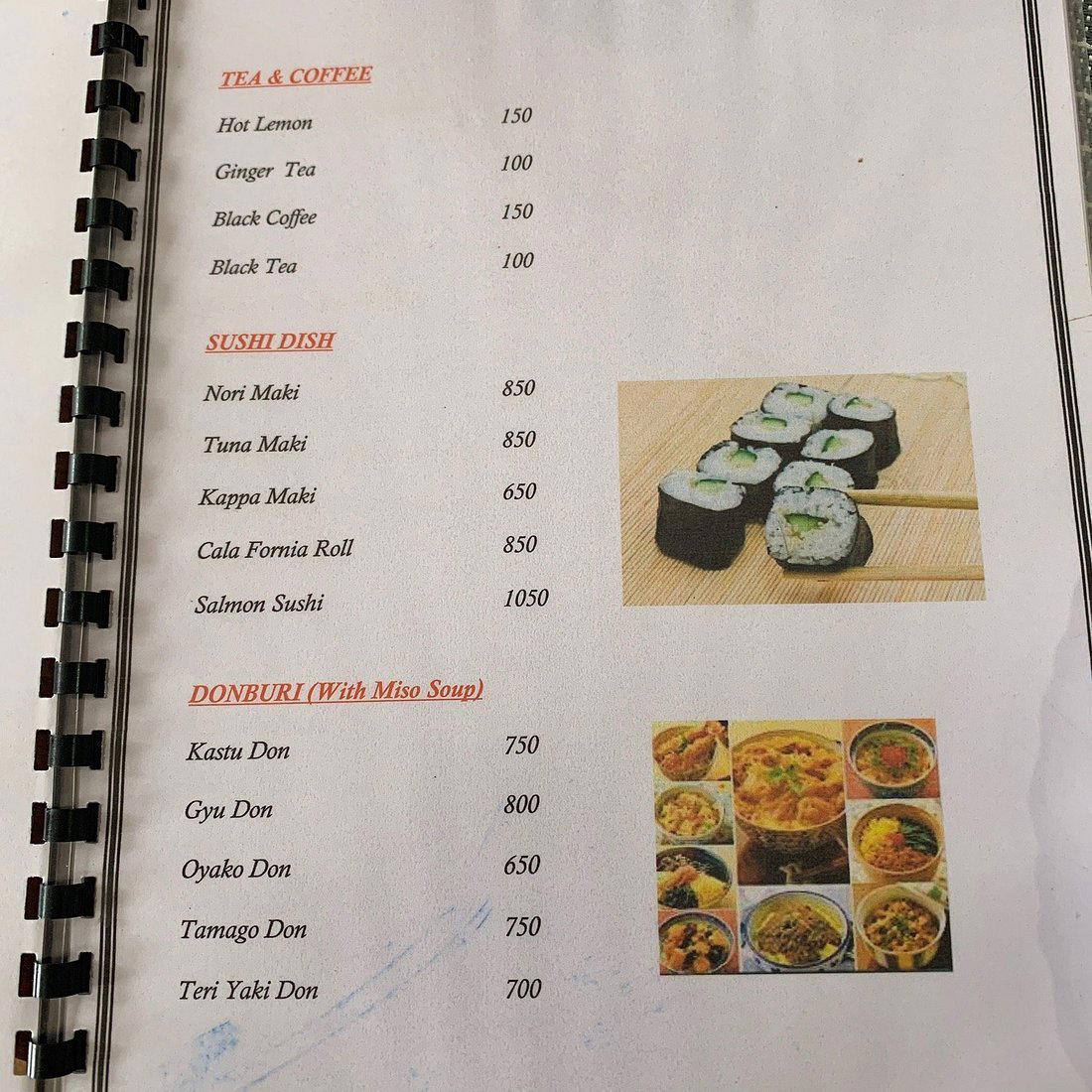
For comparative context elsewhere in Nepal's mountain accommodation tier, Shinta Mani Mustang in Jomsom represents what investment in high-altitude design can achieve in a lower-elevation mountain context. In the Khumbu above 4,500 metres, that level of finish is not available because the infrastructure required to build and supply it does not exist. Lodges like the one at Thukla are evaluated against what the route provides, not against the broader Nepal hospitality spectrum. See our full Thukla restaurants guide for context on what food and lodging options exist in this part of the valley.
Planning Your Stay
The Everest Base Camp route operates on two primary trekking seasons: pre-monsoon from March through May and post-monsoon from late September through November. October and November are the most heavily trafficked months, when clear skies and stable temperatures make the upper Khumbu accessible to the widest range of trekkers. During these periods, lodges at Thukla and nearby Lobuche fill without advance reservation systems in the way lower-altitude properties do. Trekkers typically arrange overnight stops through their guide or agency rather than booking directly, since most high-altitude Khumbu lodges do not operate conventional reservation channels. The Trekkers Holiday Inn in Pangboche and Zambala Lodge and Restaurant lower on the route follow similar operational patterns. Payment is typically settled in cash at departure; lodge rates at this altitude are generally modest in absolute terms but variable based on season and whether meals are included. Arriving with Nepalese rupees in sufficient quantity is standard practice, as card infrastructure does not extend reliably above Namche Bazaar.
In Context: Similar Options
| Venue | Price | Awards |
|---|---|---|
| Thukla Kalapathar LodgeThis venue (the venue you are viewing) | $1–100 | Not listed |
| The Dwarika's Hotel | $300–500 | 1 Michelin Key · La Liste Top Hotels |
| Aloft Kathmandu Thamel | $100–200 | World Luxury Hotel Awards WLHA Country Winner |
| Dwarika’s Sanctuary | Not listed | 1 Michelin Key · Virtuoso Luxury Hotel Partner |
| Varnabas Museum Hotel | $100–200 | Small Luxury Hotels of the World Member |
| Shinta Mani Mustang | $1,500–2,500 | 1 Michelin Key · Michelin Guide New Hotels New Hotel |
Continue exploring
More in Thukla
Hotels in Thukla
All hotels in Thukla →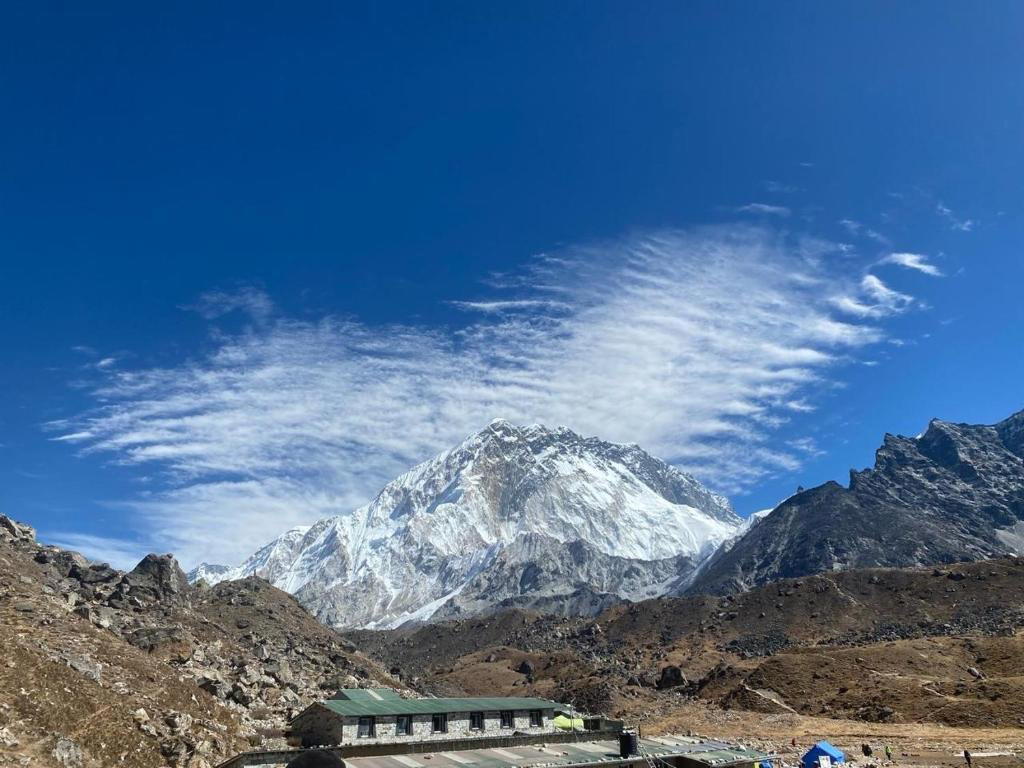
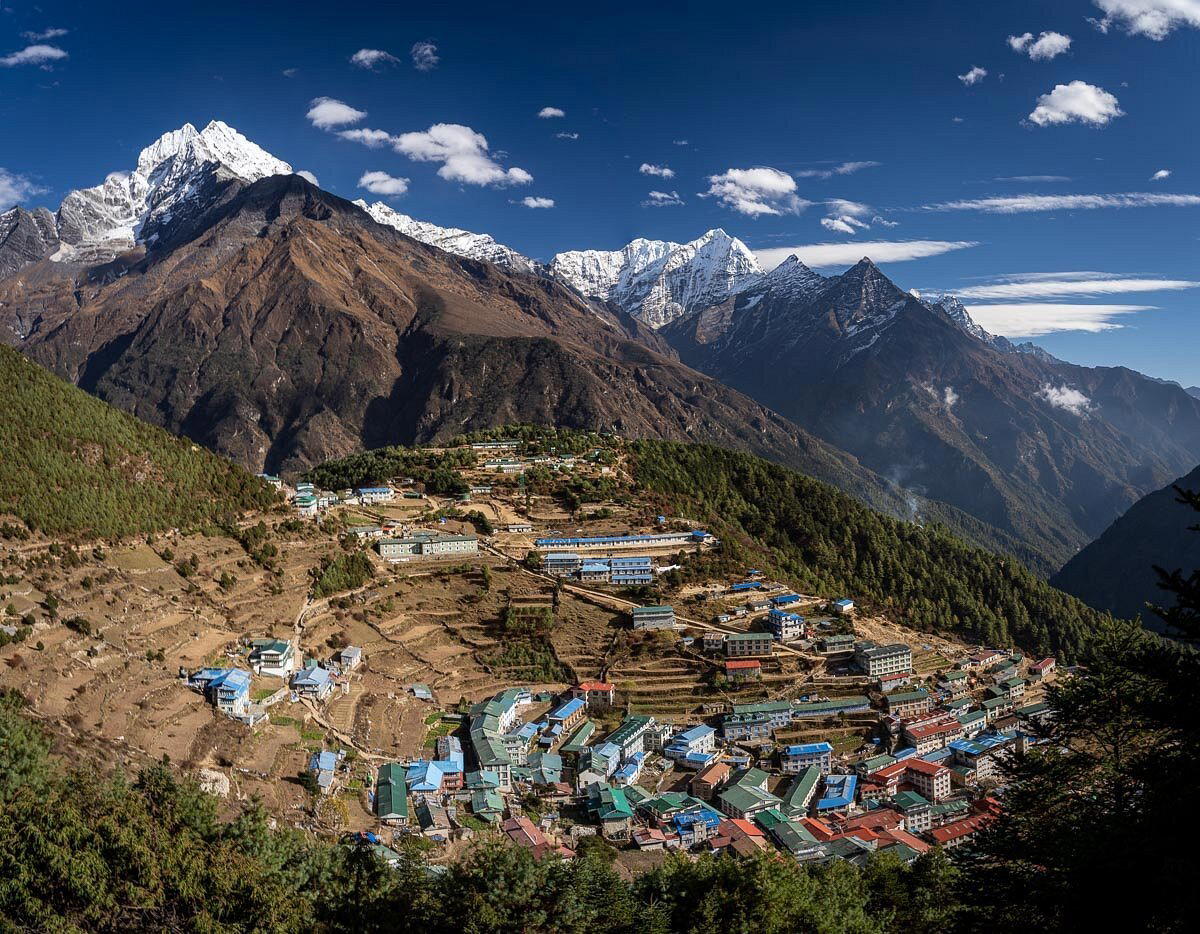
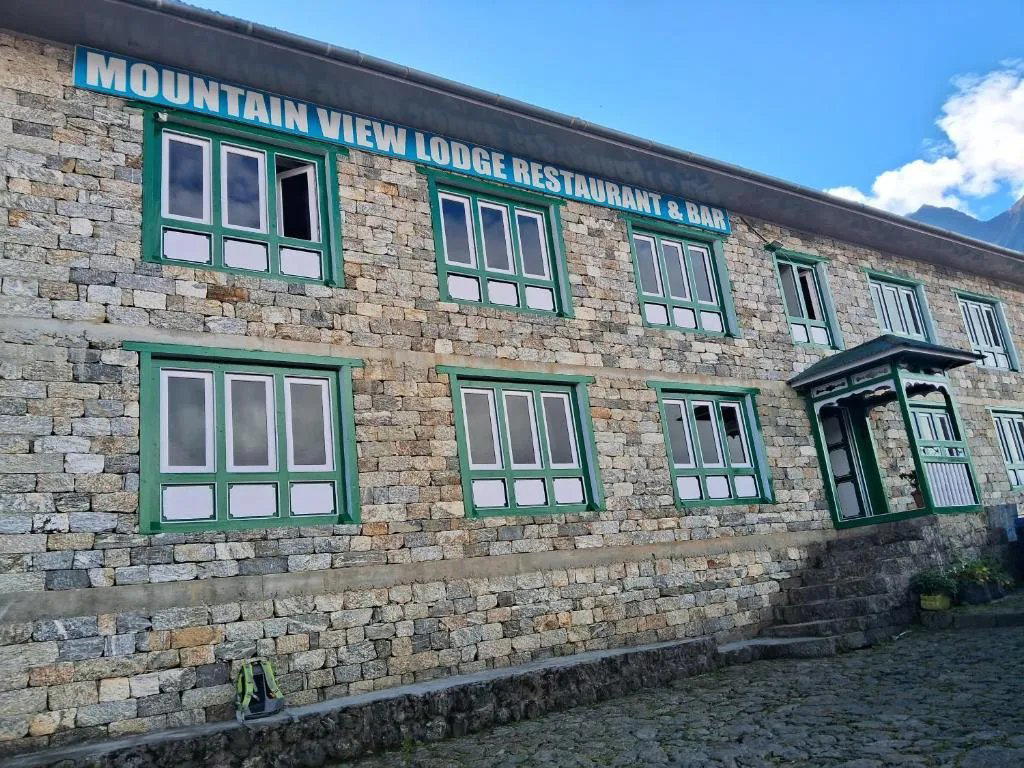
Restaurants in Thukla
Browse all →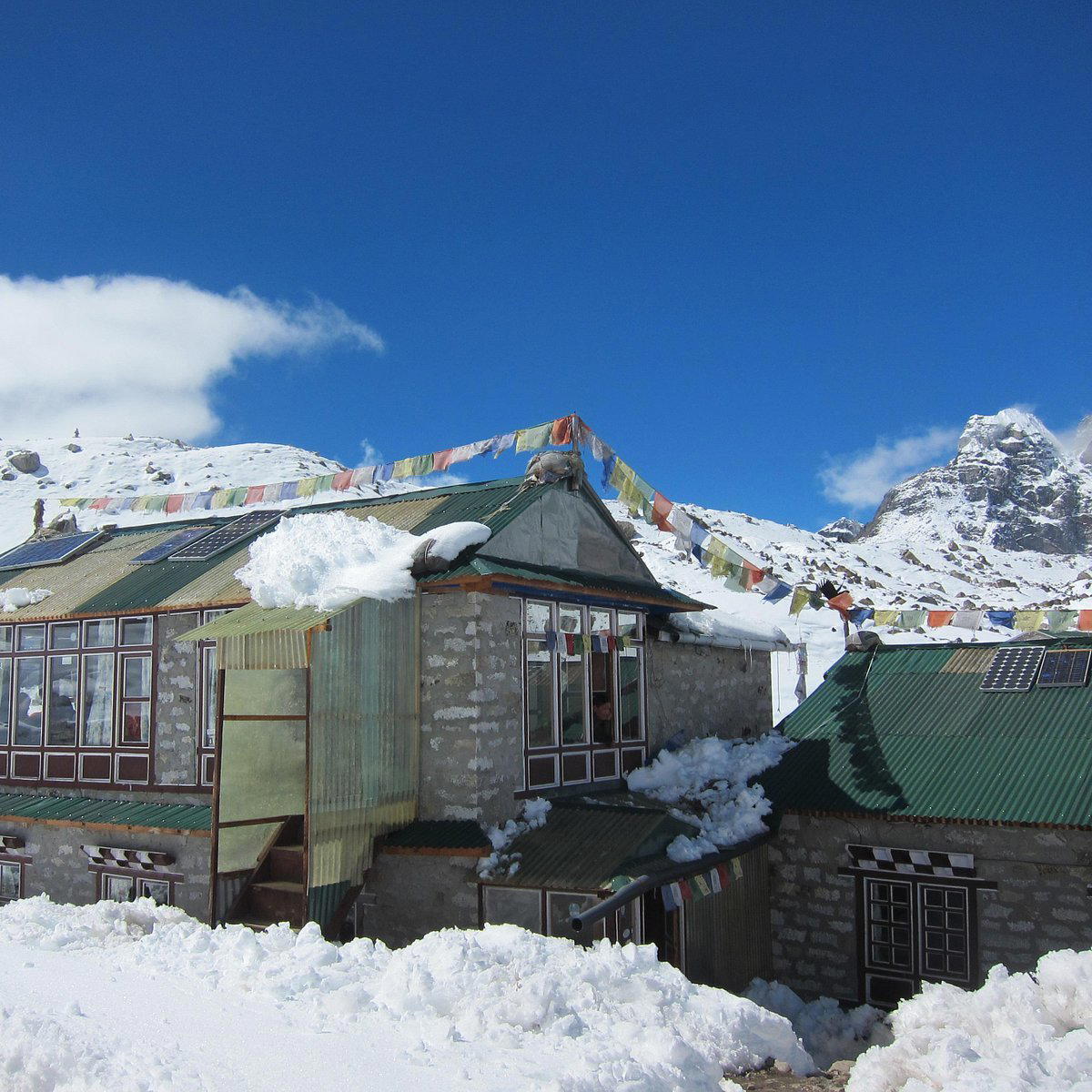
Details
- Rustic
- Scenic
- Quiet
- Group Retreat
- Panoramic View
- Mountain
Simple, rustic atmosphere with basic but warm accommodations; minimal electricity and heating; communal dining areas with traditional Nepali meals; prayer flags and Buddhist cultural elements throughout.