Hikers Inn
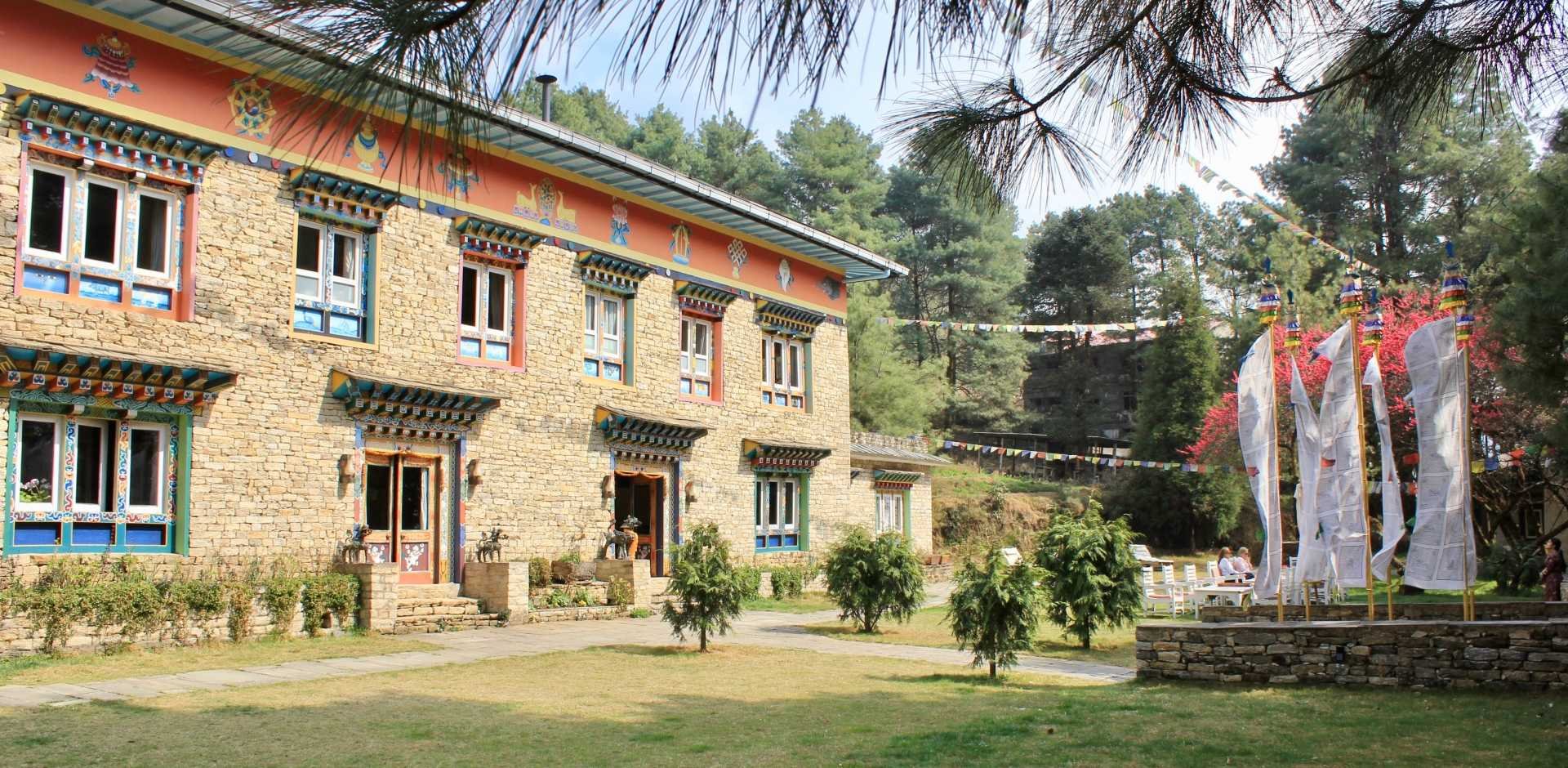
Chaunrikharka sits at the gateway to the Khumbu, the last significant village before the trail climbs toward Namche Bazaar, and Hikers Inn occupies that threshold position in a literal sense. Lodges here serve a specific traveller: acclimatising, route-checking, and watching the weather. Hikers Inn is a working stop on one of the world's most consequential trekking corridors.
Pearl is the En Primeur Club membership app — saves, bookings, and concierge access live there. Same editors, same standards.
- Address
- Chaunrikharka 56000
- Directions
- Get directions
 Saves & bookings on Pearl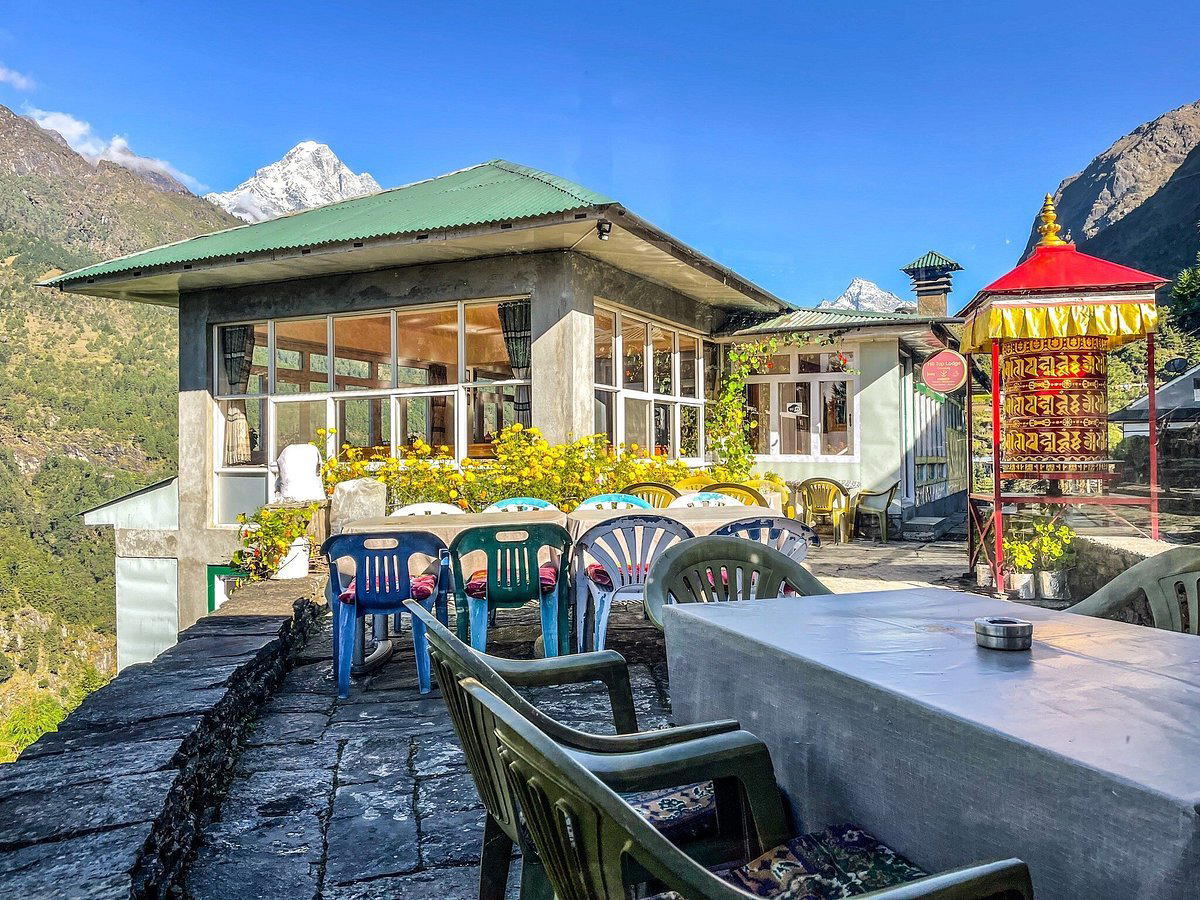
A Lodge at the Edge of the Khumbu
The approach to Chaunrikharka from Lukla airport takes roughly an hour on foot, descending through rhododendron forest before the trail levels into the village. By the time most trekkers arrive, they have already made the crossing from Lukla and started planning the days ahead. It is in this transitional psychological state, somewhere between the logistics of Lukla and the commitment of Namche Bazaar, that Chaunrikharka functions as a calibration point, and Hikers Inn sits within that rhythm.
Lodges along the Everest Base Camp corridor occupy a different category from the branded mountain properties that have appeared in Pokhara and Kathmandu over the past decade. Properties like Himalayan Hideaway Resort Pokhara, The Centara Collection or Aloft Kathmandu Thamel belong to an urban hospitality conversation; Chaunrikharka lodges answer a different set of questions entirely, ones about altitude, warmth, hot meals, and whether the route ahead is passable.
The Physical Logic of a Khumbu Lodge
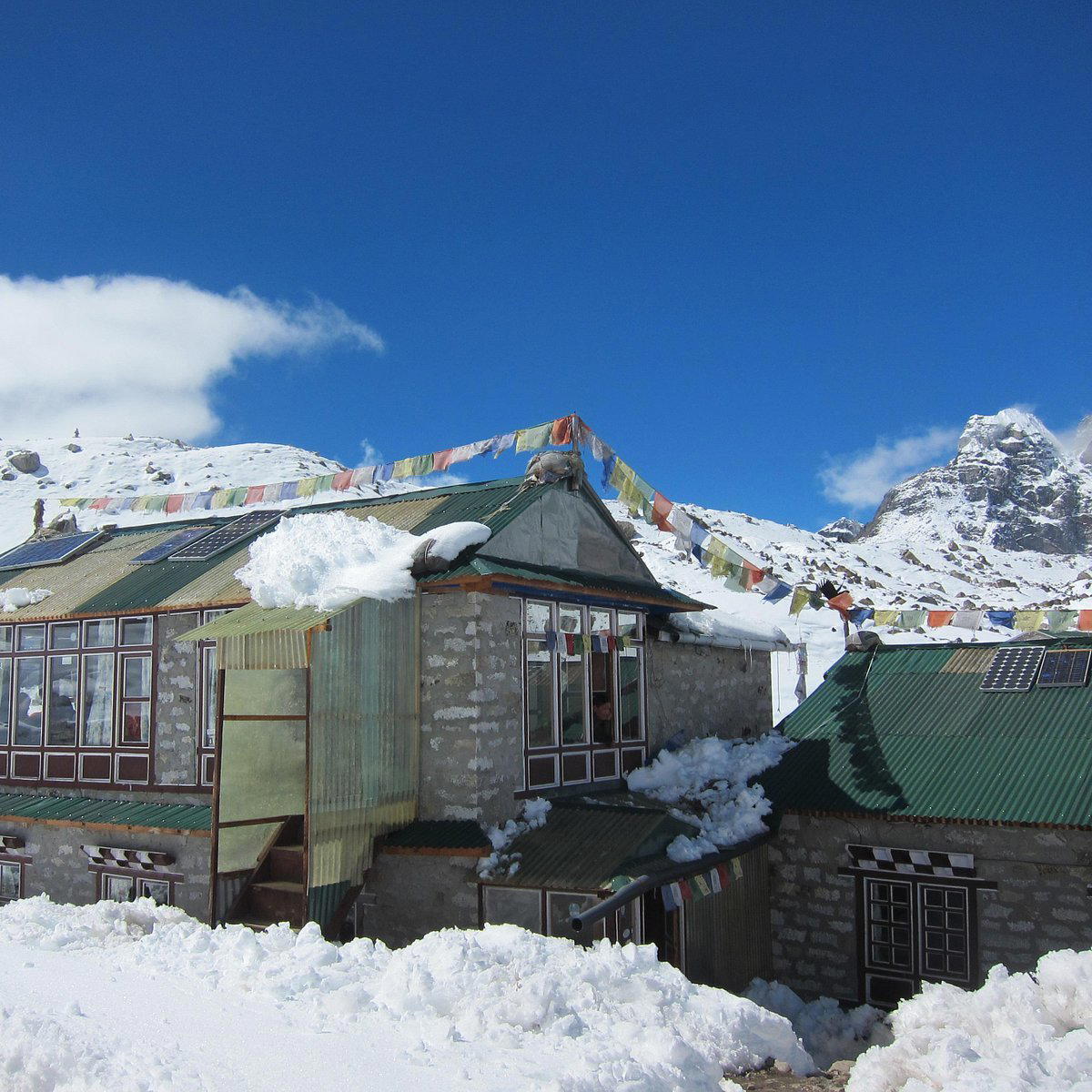
The architecture of teahouses and lodges along the Khumbu corridor has evolved from practical necessity rather than design intention, and that pragmatism reads clearly in how they are built. Stone foundations, low-pitched roofs weighted against high-altitude wind loads, and enclosed dining rooms centred on a stove are the structural grammar of the region. Windows are kept modest in most traditional builds, a trade-off between natural light and heat retention at elevations where nights drop sharply even in October.
Chaunrikharka sits at approximately 2,700 metres, lower than many of the famous stopping points along the EBC route. That elevation means the lodge design here does not yet need to contend with the extreme cold-management strategies visible further up the trail, at places like Thukla Kalapathar Lodge or Dingboche Inn in the Sagarmatha Zone. At this elevation, a lodge's physical environment is defined more by its relationship to the forest and the valley than by brute insulation.
The spatial logic of a working trekking lodge places the communal dining room at the centre of social life. It is where route conditions get discussed, where trekkers compare notes on permits and timing, and where the inevitable convergence of nationalities produces an informal information exchange that no app has yet replaced. The sleeping rooms in lodges at this level are functional rather than considered: a bed, sometimes a window, sometimes not much else. The measure of a good lodge here is not thread count but the reliability of the hot water and the temperature of the dining room after dark.
Where Chaunrikharka Sits in the Trek
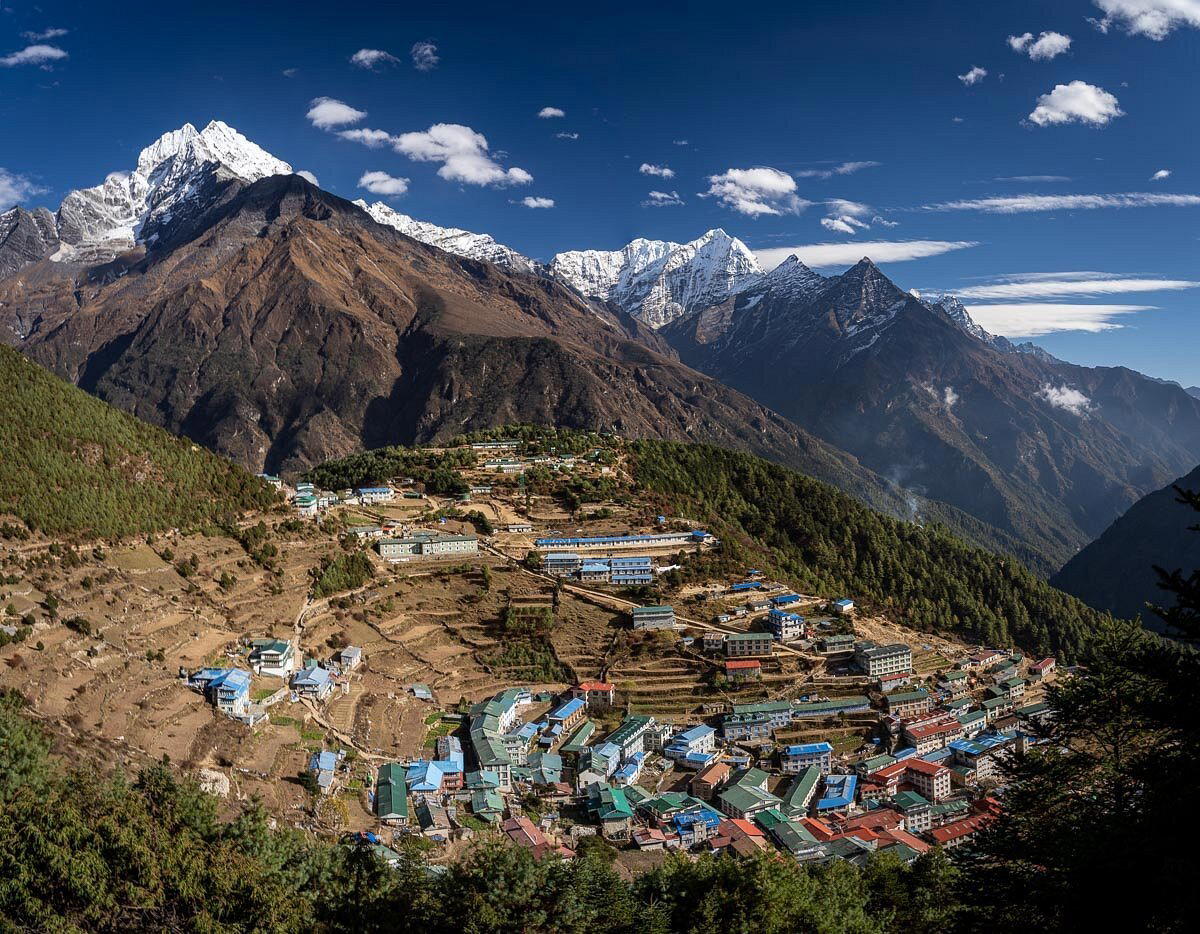
The Everest Base Camp trail draws trekkers through the Khumbu region, supported by teahouses, lodges, porter services, and altitude medicine posts.
Chaunrikharka is not on every itinerary. Many trekkers arriving at Lukla push directly to Phakding or Namche on their first day, skipping the village entirely. Those who stop here tend to be operating on a slower acclimatisation schedule, have arrived on a late flight, or are returning from the high route and using the descent to decompress. That self-selecting traveller profile shapes what a lodge in Chaunrikharka needs to be: less a destination than a reliable rest point, valued for availability and basic comfort rather than atmosphere or programme.
For context on how the wider region's lodge infrastructure varies, the Trekker's Holliday Inn in Pangboche and Sherpa Lodge Lobuche serve the higher-altitude stages where the physical environment demands more from the building. Lower on the route, the The Happy House in Phaplu represents the Solu Khumbu variant of this lodge typology, where slightly lower altitude allows for marginally more comfort in the build.
Planning Around a Stay in Chaunrikharka
The October to November window is the primary trekking season in the Khumbu, when post-monsoon skies clear and trail conditions stabilise. March through May is the secondary peak. Lodges at this elevation fill quickly during those windows, particularly on days when Lukla flights run behind schedule and trekkers cluster at the nearest overnight stop. Advance contact is advisable during peak season, though walk-in remains common on this stretch of the trail.
Currency is cash-only in Chaunrikharka, as it is throughout the trail beyond Namche Bazaar, where ATMs exist but are unreliable. Trekkers should carry sufficient Nepali rupees before leaving Lukla or Kathmandu. Lukla's banking infrastructure is minimal; Kathmandu, where properties like Dwarika's Sanctuary and Aloft Kathmandu Thamel provide more complete pre-trek preparation facilities, is the logical place to sort finances before the trail begins.
For those approaching the Khumbu from a different angle entirely, Shinta Mani Mustang in Jomsom represents the higher-design end of Nepal mountain hospitality, a useful reference point for understanding how far the range runs between a trail lodge and a destination property in this country. The two occupy entirely different segments of the same geography.
A Quick Peer Check
Comparable venues nearby, for context on price, style, and recognition.
| Venue | Cuisine | Price | Awards | Notes |
|---|---|---|---|---|
| Hikers InnThis venue — the venue you are viewing | Mountain lodge blending modern comfort with traditional Sherpa charm | $$ | 3-Star | Not listed |
| Dingboche Inn | Traditional family-run teahouse lodge integrated into the Everest trekking circuit | $$ | 3-Star | Dingboche |
| Thukla Kalapathar Lodge | Traditional Sherpa mountain lodge with basic alpine accommodations | $$ | 3-Star | Thukla |
| The Terraces Resort and Spa | Luxury resort with Mediterranean architecture built in 2021, featuring private balconies and expansive terraces. | $$$$ | 5-Star | Lamatar |
| sherpa lodge lobuche | Traditional Sherpa teahouse with stone construction and basic amenities | $ | Not listed | Lobuche |
| The Dwarika's | Newari heritage palace with restored ancient artifacts | $$$$ | 5-Star | Battisputali |
Continue exploring
More in Chaunrikharka
Hotels in Chaunrikharka
Browse all →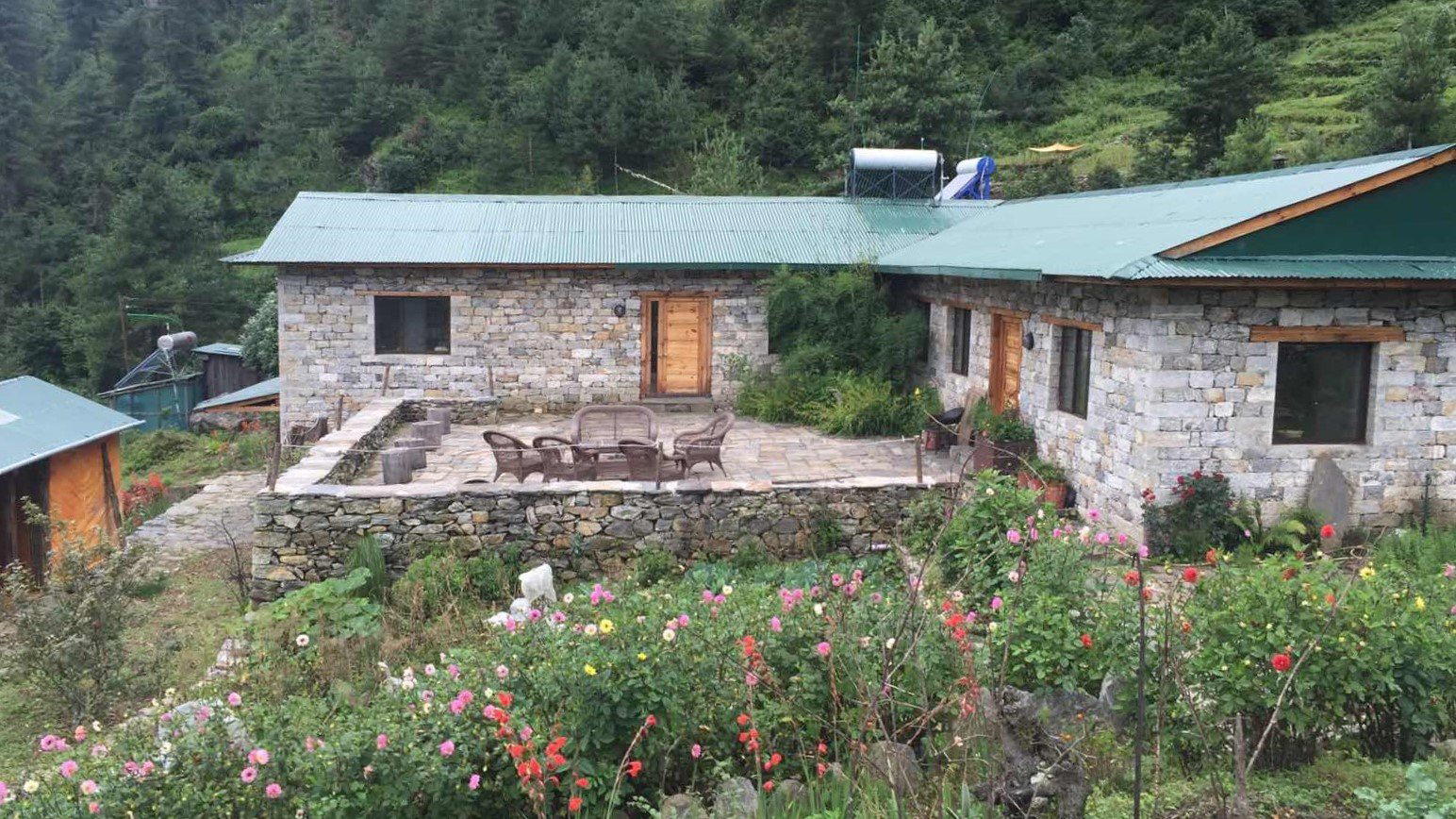
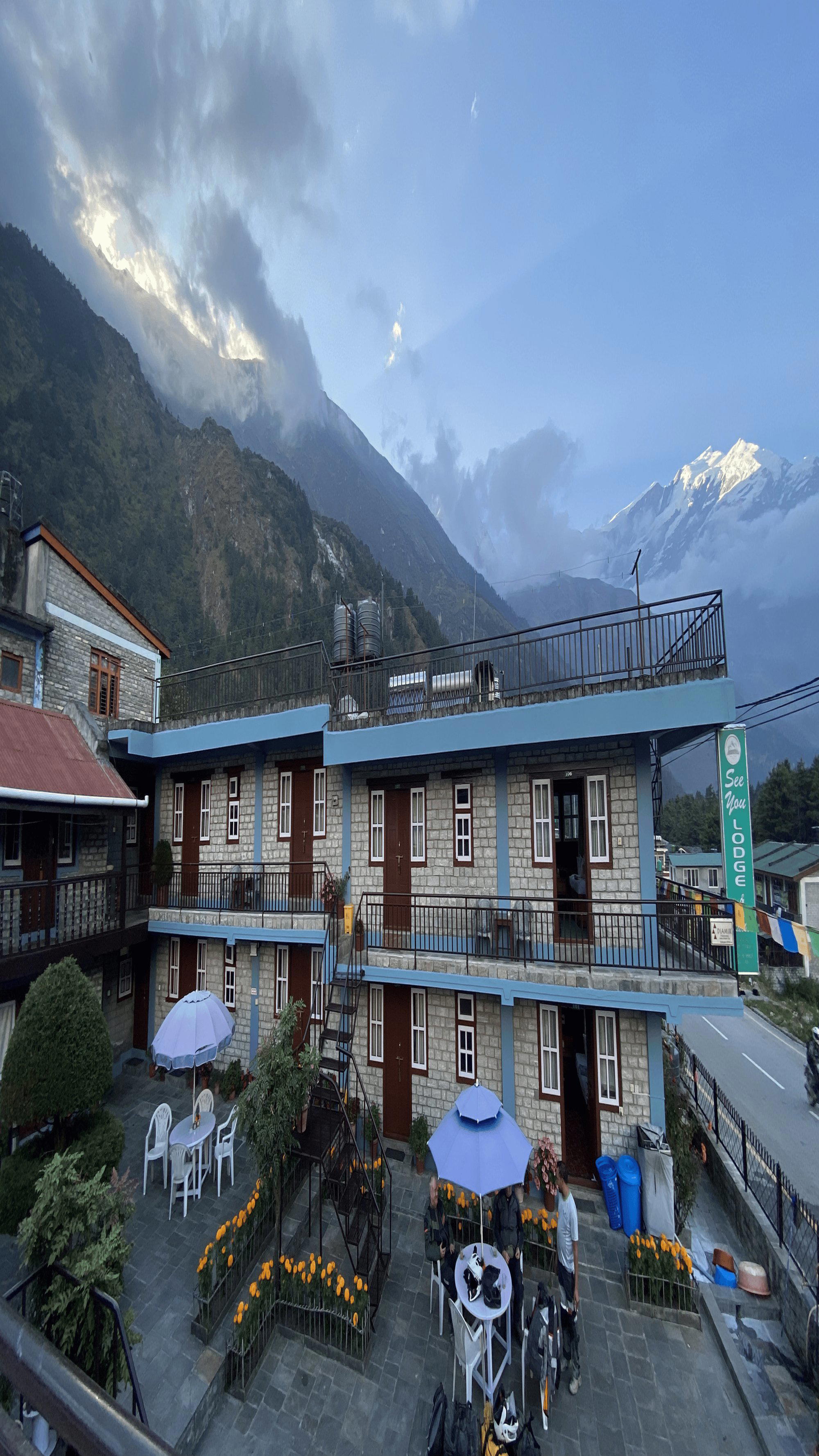
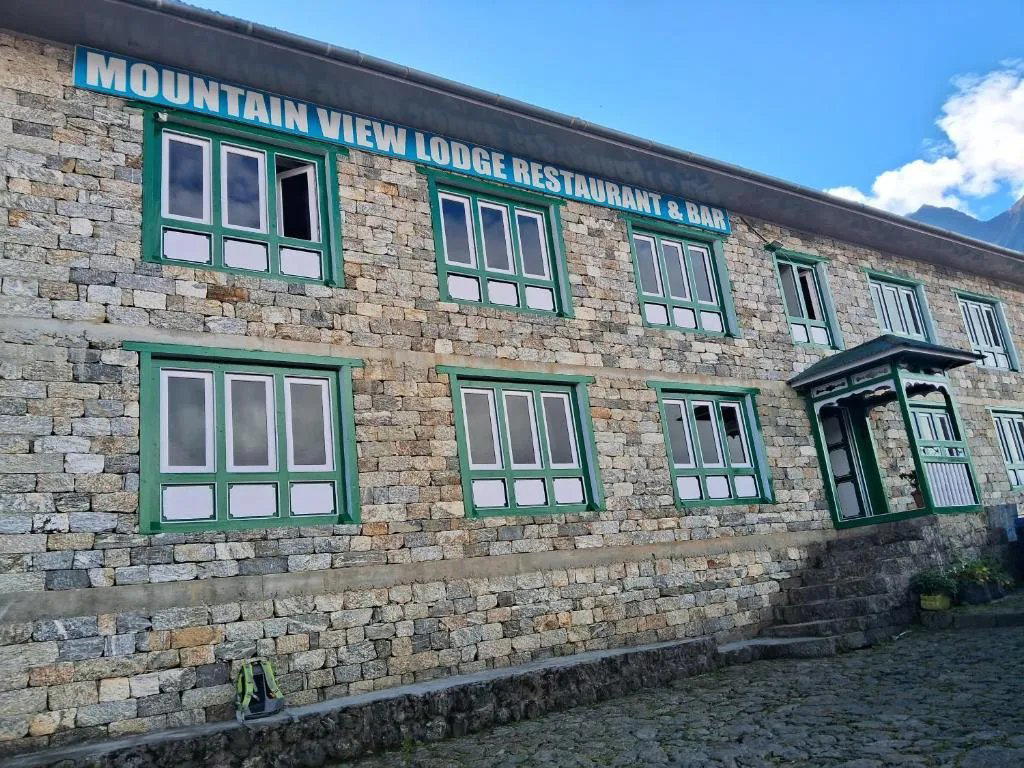
Restaurants in Chaunrikharka
Browse all →
At a Glance
- Cozy
- Scenic
- Rustic
- Weekend Escape
- Group Retreat
- Panoramic View
- Terrace
- Wi Fi
- Restaurant
- Bar
- Spa
- Laundry Service
- Room Service
- Airport Transfer
- Mountain
- Wi Fi
- Restaurant
- Bar
- Spa
- Laundry Service
- Room Service
- Airport Transfer
Welcoming and relaxed atmosphere ideal for trekkers, with modern functionality combined with traditional Sherpa detailing.