
Conde Nast Gold List
A mountain lodge in Phaplu with a documented connection to Sir Edmund Hillary, The Happy House sits at the edge of the Solu-Khumbu region where trekking routes begin and Sherpa culture runs deepest. For travellers moving through the Eastern Himalayas on foot, it occupies the kind of position that no amount of urban luxury can replicate: a warm room at altitude, in a valley that matters.

Pearl is the En Primeur Club membership app, where members save venues, book tables and use the concierge.
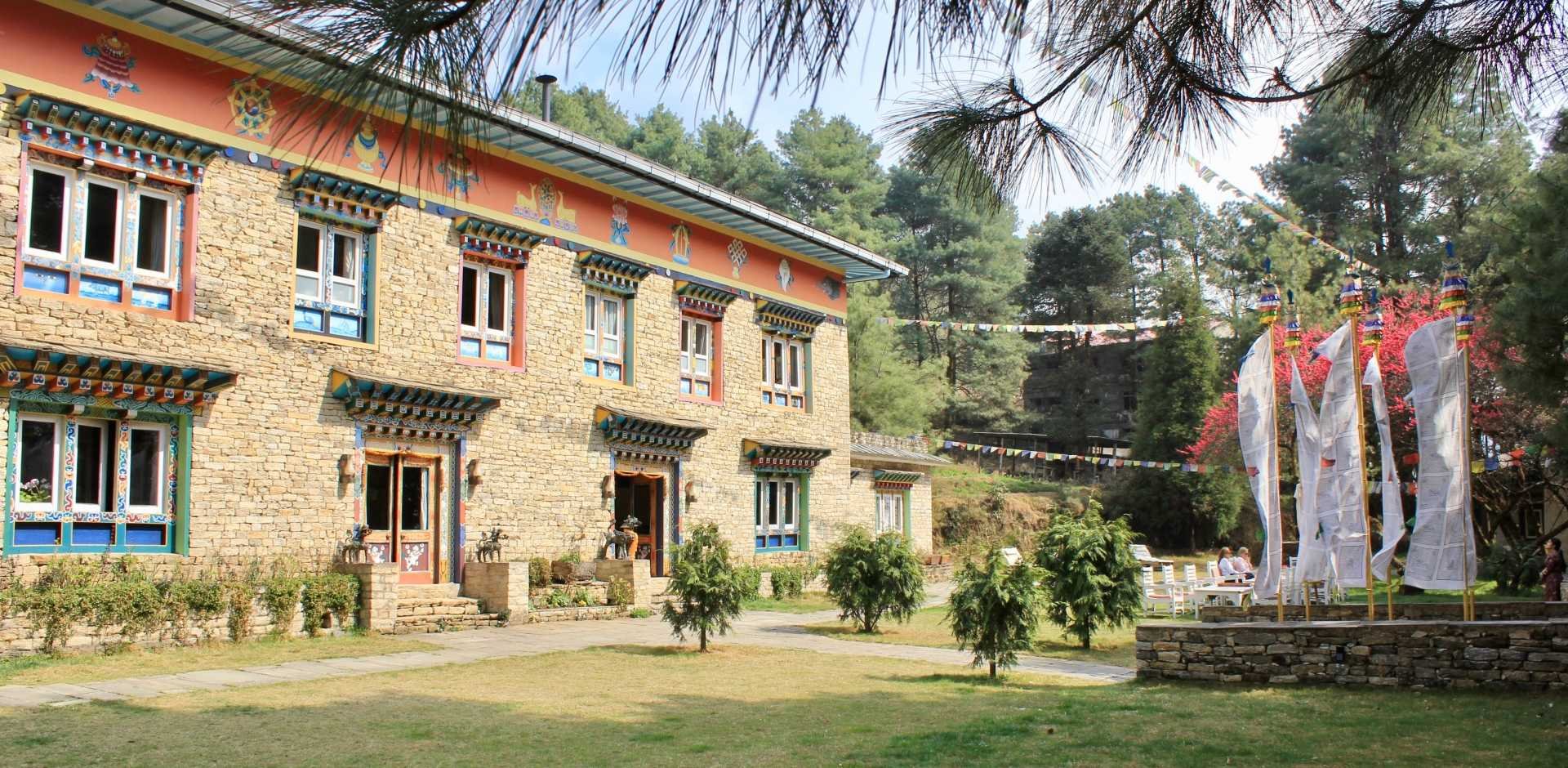
Where the Trail Begins to Mean Something
Phaplu does not announce itself. Arriving by small aircraft from Kathmandu, the airstrip appears suddenly between ridgelines, and the settlement below reads as a cluster of stone buildings against a backdrop that makes distance hard to judge. This is the Solu-Khumbu region, the administrative and cultural heartland of the Sherpa people, and it sits a day's walk or more below the altitude thresholds that most trekking itineraries treat as their starting point. That relative obscurity is precisely what gives Phaplu, and lodges like The Happy House, their particular character. The infrastructure here is honest: built for function, shaped by terrain, and lent meaning by the people who have moved through it over generations. If you want to understand our full editorial coverage of the area, see our full Phaplu restaurants guide.
A Structure With a Story Written Into Its Walls
The architecture of high-altitude lodges in the Solu-Khumbu region is rarely designed in the conventional sense. It is accumulated: rooms added as demand required, walls thickened against cold, windows positioned for light rather than view, hearths placed where smoke could escape without filling the living space. The Happy House fits within this tradition of pragmatic mountain construction, but it carries an additional layer of historical weight that sets it apart from the lodges that have opened along these routes in recent decades.
The property has a documented connection to Sir Edmund Hillary, the New Zealand mountaineer who, with Tenzing Norgay, made the first confirmed ascent of Everest in 1953. Hillary subsequently spent decades working in the Solu-Khumbu region, building schools, hospitals, and infrastructure for the Sherpa communities he credited with making his mountaineering possible. The Happy House sits within the fabric of that period, a place that hosted Hillary and therefore absorbed something of the mid-twentieth-century relationship between outside mountaineers and local Sherpa families. That relationship, complicated and generous in roughly equal measure, shaped the built environment of this region as much as any architectural movement did elsewhere.
What this means for a contemporary guest is less about monument and more about material honesty. The building does not perform its history; it simply contains it. Stone and timber construction, low ceilings calibrated for warmth, spaces that compress rather than expand, surfaces worn by use rather than finished for appearance. At altitude, the design argument for restraint makes itself without needing a manifesto. For comparison with how other Himalayan properties have approached the balance between heritage and comfort, the Dwarika's Sanctuary in Dhulikhel represents the other end of that spectrum: a property where historical Nepali craftsmanship has been formally curated and preserved within a luxury framework.
The Sherpa Cultural Frame
Solu-Khumbu lodges occupy a different category from the mountain resorts of Pokhara or the urban hotels of Kathmandu. The frame of reference here is cultural proximity rather than amenity provision. A property like The Happy House sits within a living Sherpa community, not adjacent to one, which means that the texture of daily life in the village, the movement of people, the sounds of monastery bells from the ridge above Phaplu, and the rhythms of agricultural and religious calendars, forms part of what the stay actually is.
This distinguishes Phaplu accommodation from higher-altitude lodges further along the Everest Base Camp route, where trekking infrastructure has been built specifically for international foot traffic and the population is increasingly seasonal. For those interested in comparing the range of Khumbu-region options, Hikers Inn in Chaunrikharka, Dingboche Inn in Sagarmāthā Zone, Sherpa Lodge in Lobuche, Trekker's Holliday Inn in Pangboche, and Thukla Kalapathar Lodge in Thukla each represent different points along the altitude and infrastructure curve. The Happy House, at the Phaplu end, trades in cultural depth rather than route convenience.
Planning a Stay: What the Logistics Actually Require
Reaching Phaplu involves a flight from Kathmandu to Phaplu Airport, operated by small carriers on a schedule that weather conditions regularly interrupt. Travellers should build flexibility into their itineraries on both ends; the mountain microclimate around Solu-Khumbu makes fixed departure windows unreliable, particularly in the shoulder seasons. The alternative is a multi-day overland journey from Kathmandu, which adds time but removes the dependency on mountain air operations.
Altitude at Phaplu sits below the threshold where acclimatisation becomes a medical concern for most travellers, which makes it a sensible staging point for those beginning an extended trek toward higher elevations. The town itself has basic amenities, and the lodge operates within that context: expect functional mountain accommodation rather than resort infrastructure. Specific room configurations, current rates, and booking channels are best confirmed directly with the property, as details at this category of lodge change seasonally and are not reliably captured by third-party platforms.
For travellers arriving into Kathmandu before this leg of the journey, Aloft Kathmandu Thamel sits in the Thamel district and provides a reliable urban base before the mountain transfer. Those wanting something more design-considered in Kathmandu might look at Dwarika's Sanctuary as a pre-trek option, though it requires additional transfer time.
For travellers approaching the Himalayan region from a different angle, Himalayan Hideaway Resort Pokhara and Shinta Mani Mustang in Jomsom represent the western Nepal alternatives, each positioning mountain access within a more developed hospitality structure. See You Lodge in Dhampus Phedi and Zambala Lodge in the Khumbu region round out the mid-range trekking lodge tier for those comparing options across the broader network.
What The Happy House Represents in Its Category
The Himalayan trekking lodge sector has split in recent years between basic teahouse accommodation, which operates on thin margins and charges accordingly, and purpose-built luxury camps that import high-thread-count linens and generator-powered Wi-Fi to altitudes where such things require considerable logistical effort. The Happy House sits closer to the first category by origin, but the Hillary connection and its Phaplu location lend it a cultural specificity that puts it in a different conversation from the anonymous teahouses that multiply along the main Everest corridor.
For readers whose frame of reference is drawn from the international luxury tier, the contrast is instructive rather than disappointing. Properties like Amangiri in Canyon Point, Castello di Reschio in Lisciano Niccone, or Aman Venice achieve their authority through different means: design investment, service ratios, curatorial restraint. The Happy House achieves what authority it has through historical proximity and geographic placement. Neither approach is transferable to the other's context. This is simply a different kind of argument for why a place matters, and in the Eastern Himalayas, the argument holds.
| Venue | Cuisine | Price | Awards |
|---|---|---|---|
| The Happy HouseThis venue (the venue you are viewing) | This venue | Not listed | Conde Nast Gold List |
| The Dwarika's Hotel | Not listed | $300–500 | 1 Michelin Key · La Liste Top Hotels |
| Aloft Kathmandu Thamel | Not listed | $100–200 | World Luxury Hotel Awards WLHA Country Winner |
| Dwarika’s Sanctuary | Not listed | Not listed | 1 Michelin Key · Virtuoso Luxury Hotel Partner |
| Varnabas Museum Hotel | Not listed | $100–200 | Small Luxury Hotels of the World Member |
| Shinta Mani Mustang | Not listed | $1,500–2,500 | 1 Michelin Key · Michelin Guide New Hotels New Hotel |
Recognition history
Dated appearances from independent guides and award organizations, with the underlying list record or original source where available.
Conde Nast Gold List
Conde Nast
Continue exploring
More in Phaplu
Hotels in Phaplu
All hotels in Phaplu →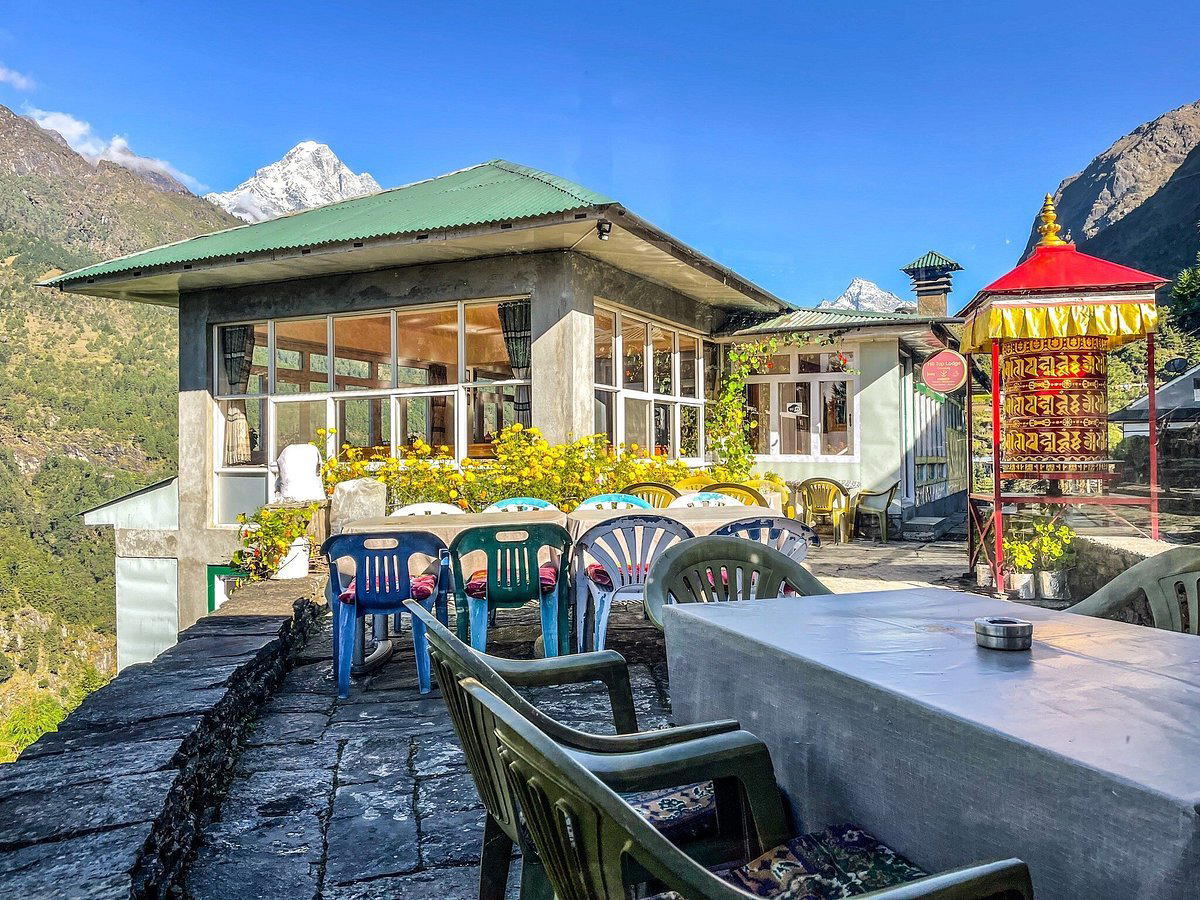
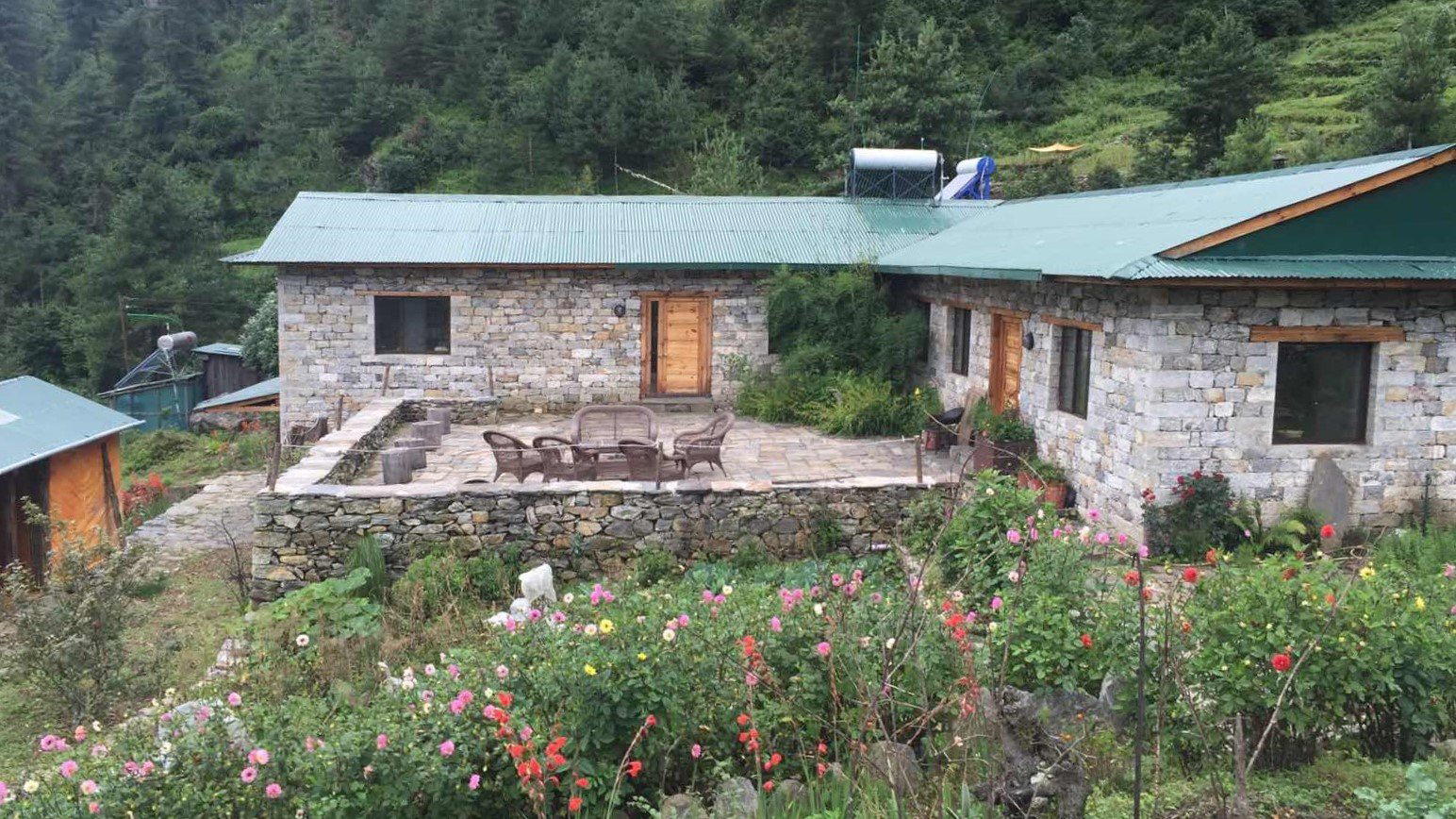
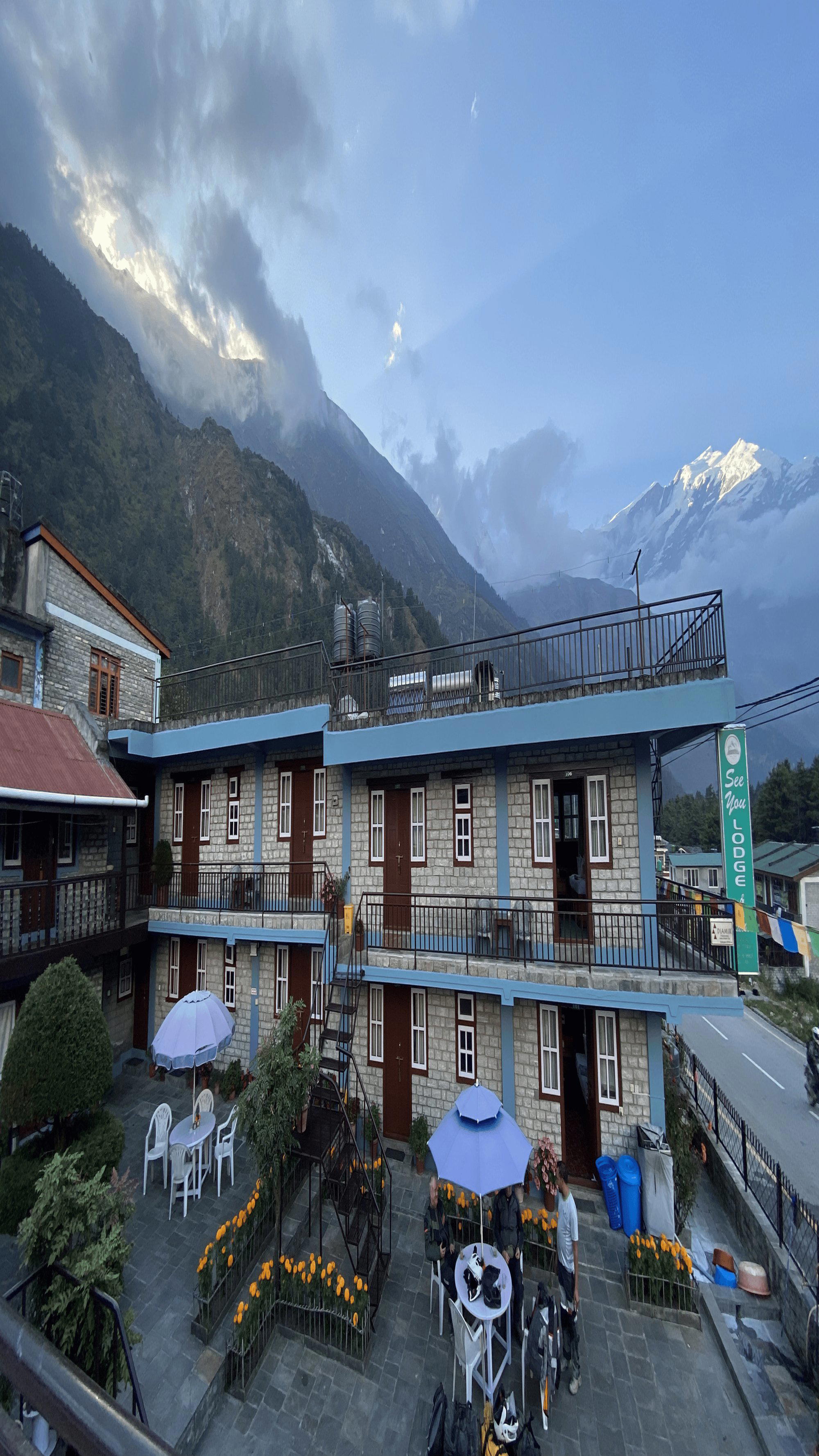
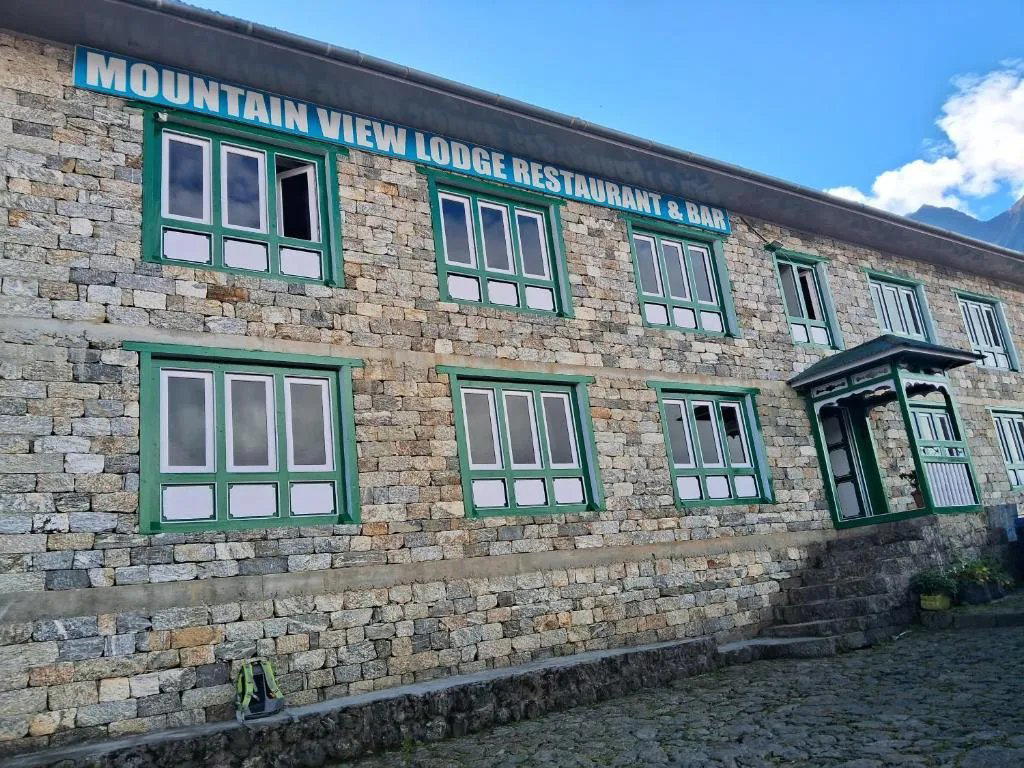
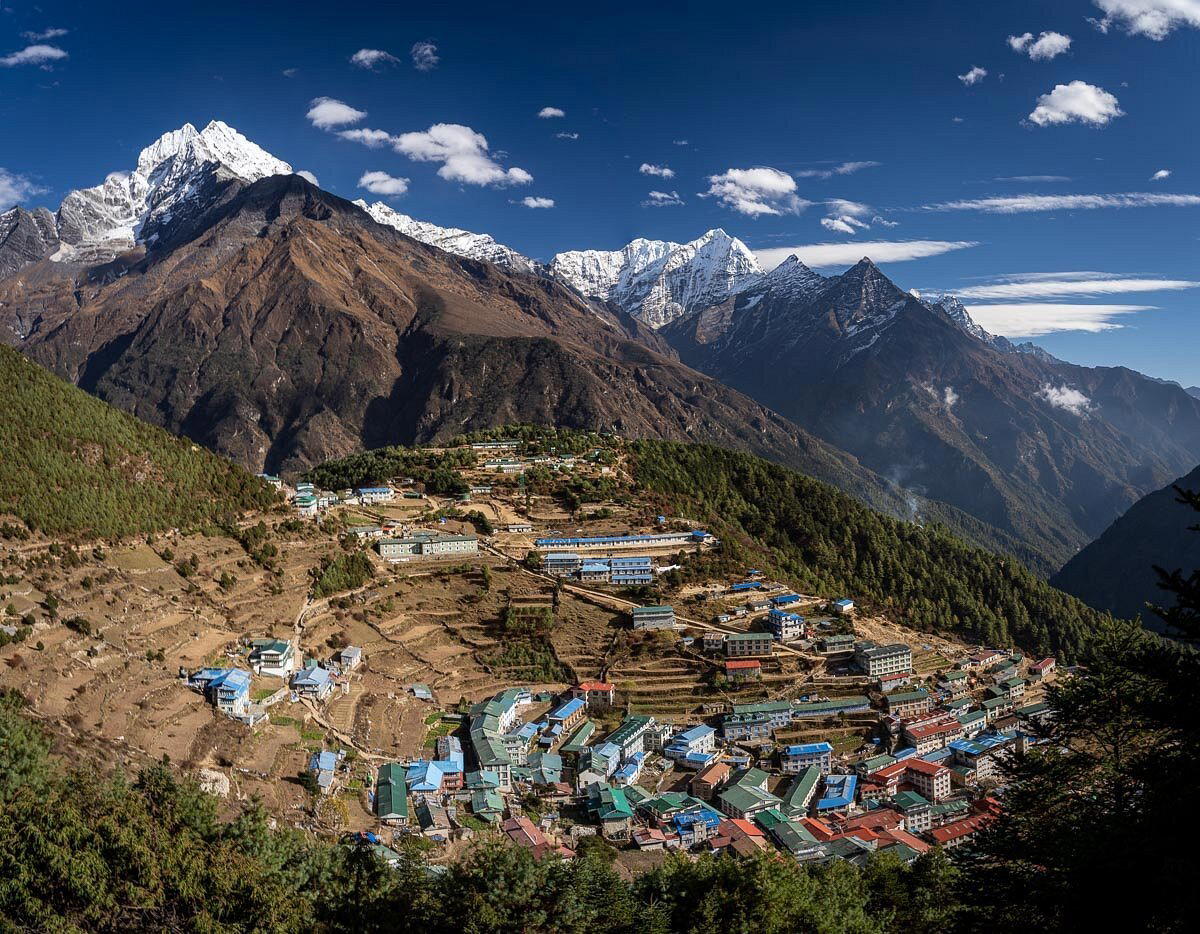
Restaurants in Phaplu
Browse all →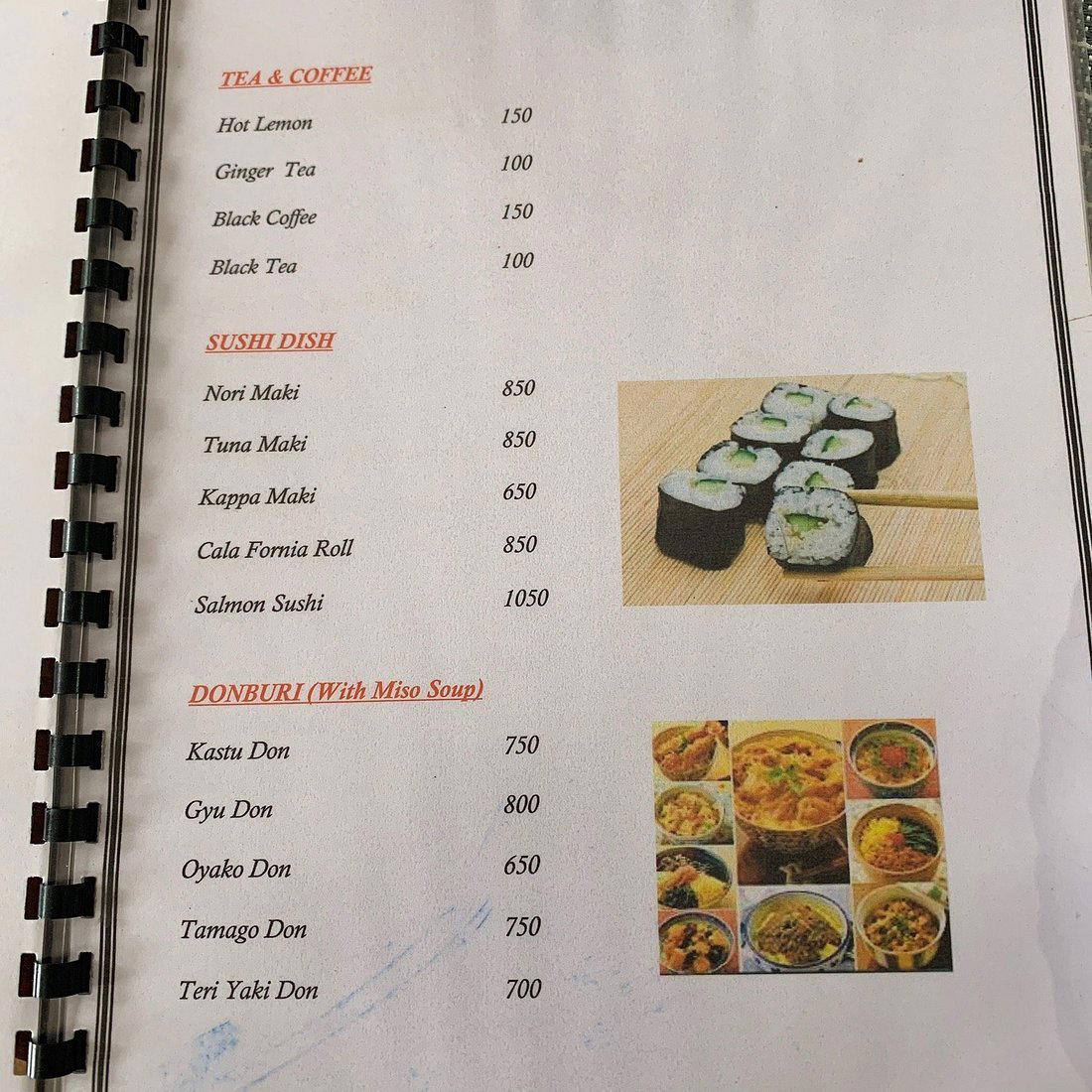
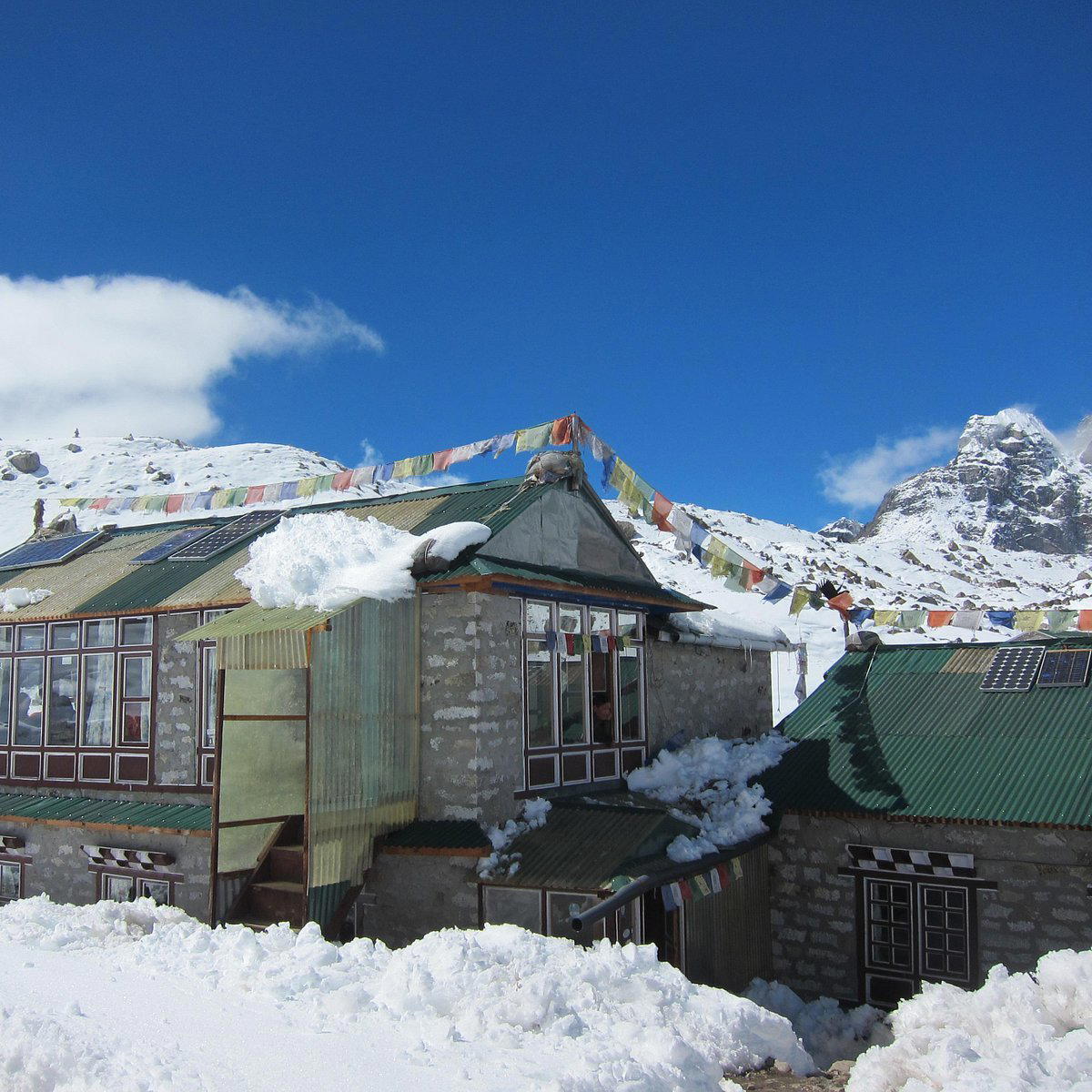
Details
- Cozy
- Rustic
- Scenic
- Intimate
- Wellness Retreat
- Romantic Getaway
- Weekend Escape
- Panoramic View
- Garden
- Terrace
- Spa
- Sauna
- Massage
- Garden
- Mountain
Warm, cozy interiors with wooden accents, painted murals, roaring fireplaces, and plush furnishings creating a relaxing, family-like atmosphere.