At roughly 3,900 metres above sea level on the Everest Base Camp trail, Trekker's Holliday Inn occupies a position that most hotels never have to consider: altitude as a primary design constraint. Pangboche sits above the treeline, where stone walls, low ceilings, and wind-resistant construction are not aesthetic choices but functional ones. For trekkers moving between Namche Bazaar and Dingboche, it serves as a logical and well-placed overnight stop.
Pearl is the En Primeur Club membership app — saves, bookings, and concierge access live there. Same editors, same standards.
- Address
- Pangboche
- Directions
- Get directions
 Saves & bookings on Pearl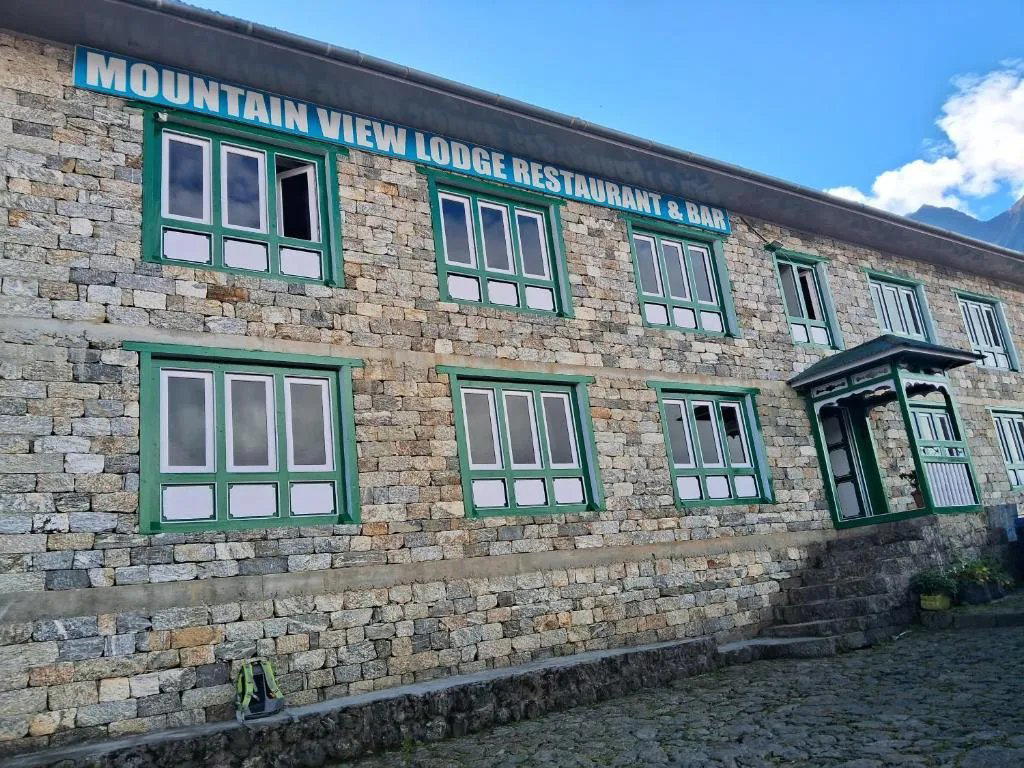
Where the Mountain Dictates the Architecture
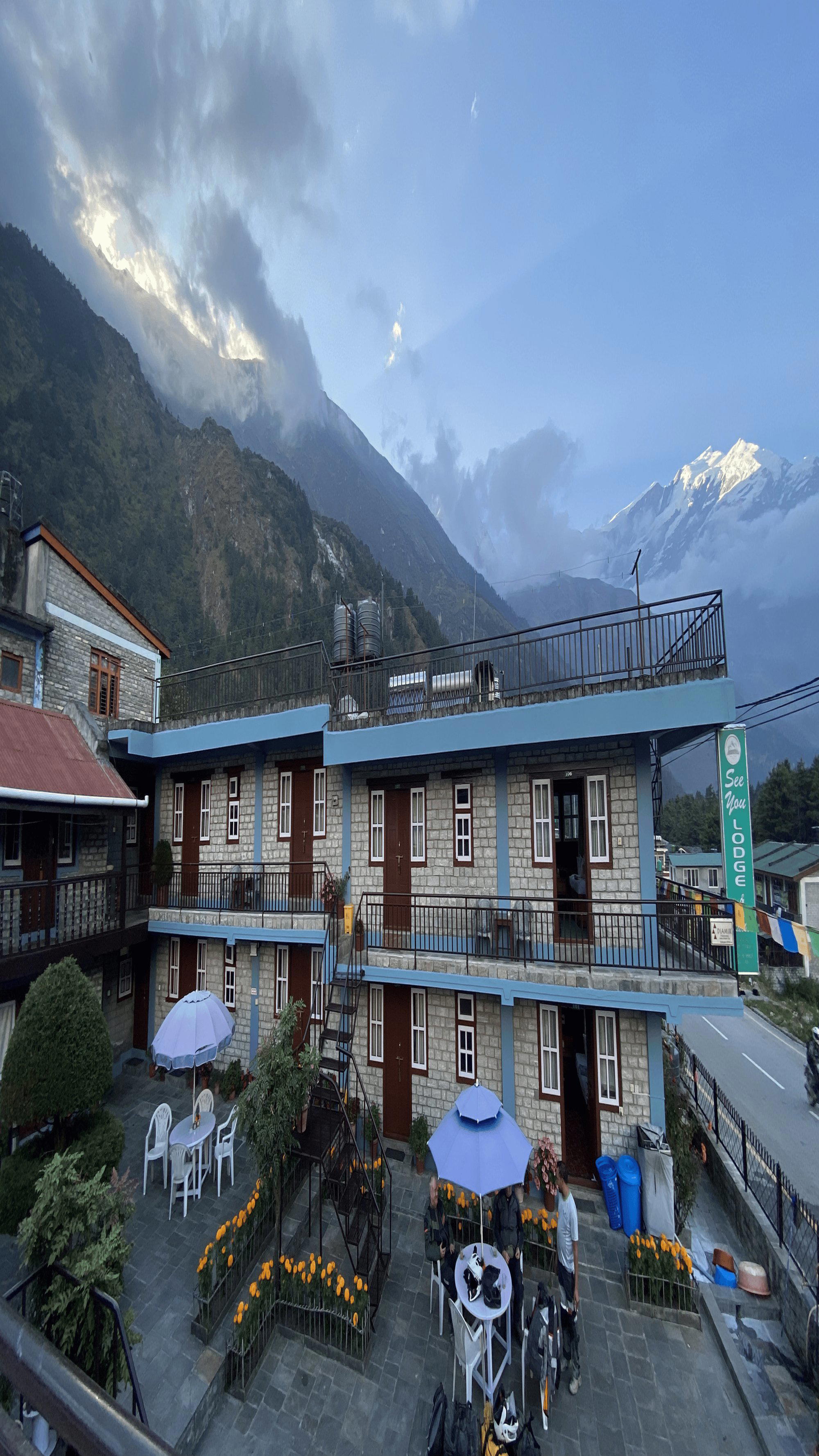
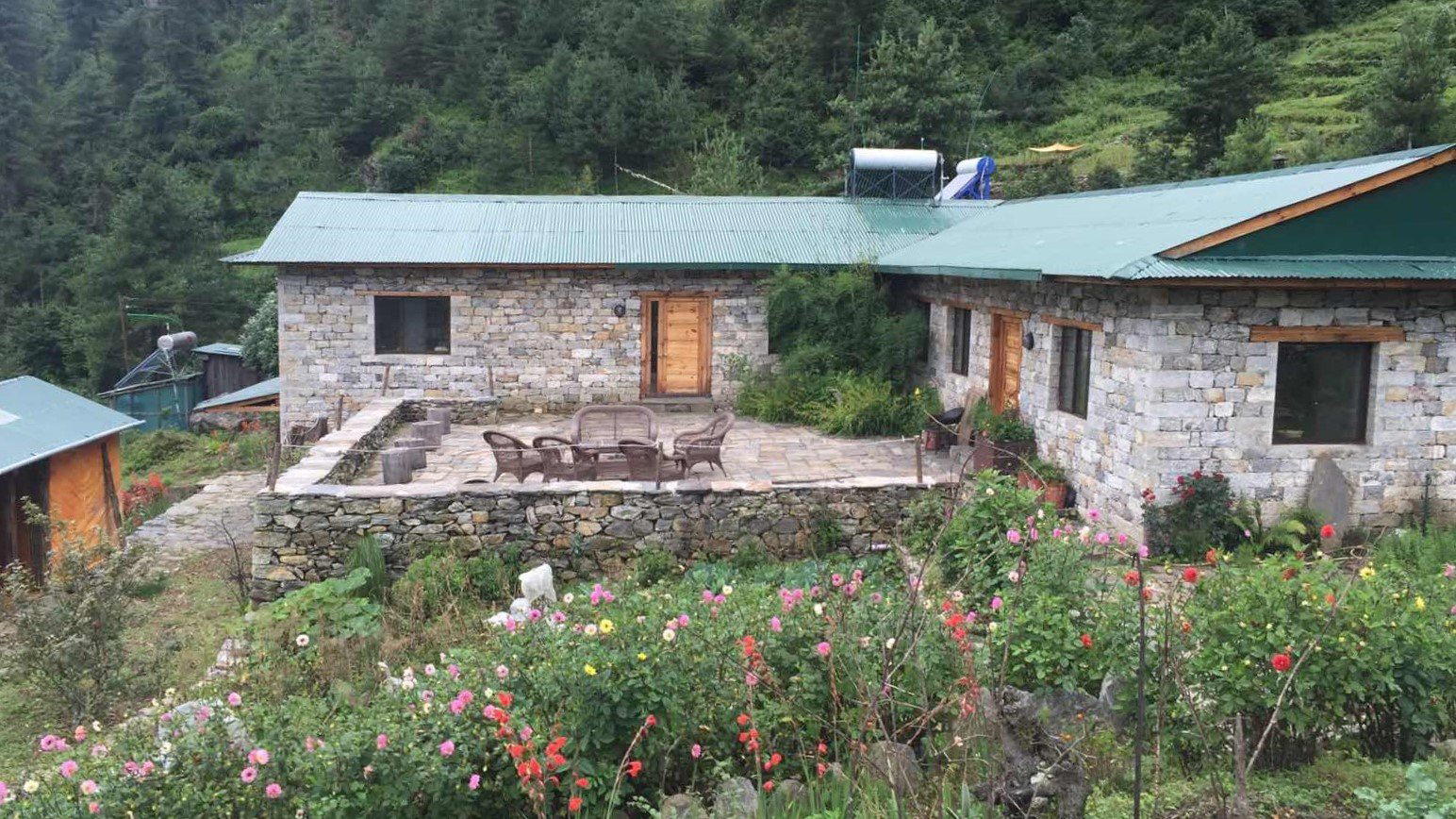
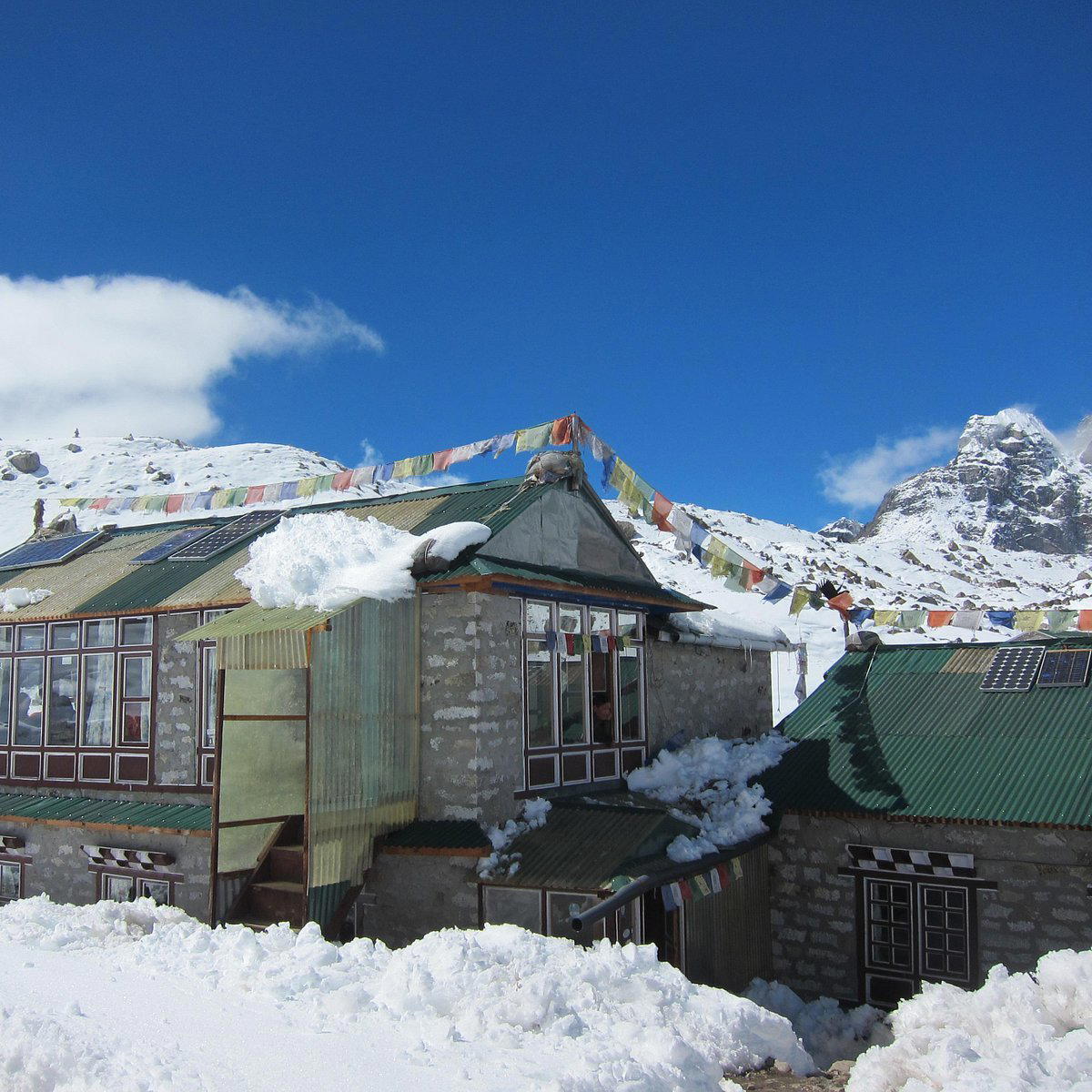
At 3,900 metres, Pangboche is not a place where hotels compete on lobby design or thread-count hierarchies. The village sits above the treeline on the southern flank of the Khumbu Valley, exposed to the wind patterns that funnel down from Ama Dablam and Lhotse. Here, the physical environment is not a backdrop, it is the primary structural brief. Every building in Pangboche, including Trekker's Holliday Inn, is a response to altitude, cold, and the logistical reality that all materials arrive on foot or by porter. That constraint produces an architectural vernacular that no amount of design intent can replicate at lower elevations: thick dry-stone walls, low-pitched roofs weighted against wind, small windows that balance light against heat retention, and interiors organised around a single heat source.
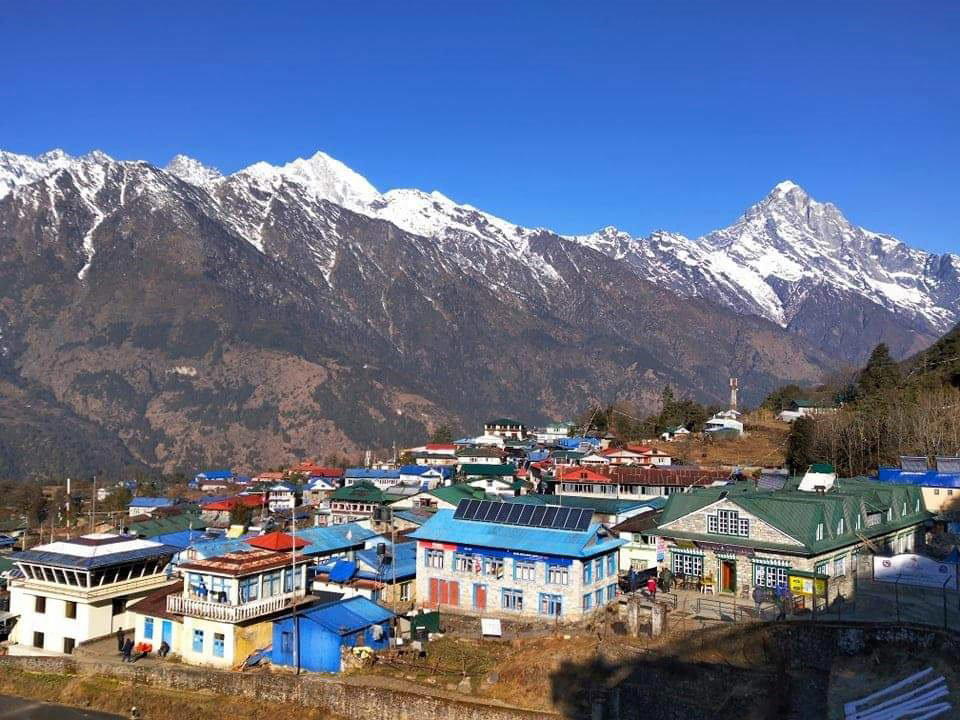
This is the defining characteristic of Khumbu-region lodges at this altitude tier. Unlike the more developed hospitality infrastructure of Namche Bazaar at 3,440 metres, or the relative comfort available in Lukla after a flight from Kathmandu, the lodges above Tengboche operate under a different set of parameters. Trekker's Holliday Inn belongs to this upper-altitude cohort, where the architecture is less about style and more about survival engineering adapted over generations of Sherpa building practice.
The Pangboche Position on the Everest Trail
Pangboche occupies a specific and useful position in the Everest Base Camp trekking itinerary. Most guided and independent trekkers reach it on the fourth or fifth day out of Lukla, having passed through Namche, Tengboche, and sometimes Dingboche depending on acclimatisation schedules. The village splits into upper and lower sections; the upper village contains what is considered one of the oldest gompas in the Khumbu region, and the lower village sits along the main trail corridor. Lodges in this zone serve a traveller who has already made several altitude gains and is either resting before the push to Dingboche and beyond, or descending and looking for a familiar stopping point.
Compared to the lodge density of Namche Bazaar or the more recent accommodation development around Dingboche, Pangboche remains a quieter node. For trekkers following a standard acclimatisation itinerary, an overnight in Pangboche before continuing to Dingboche at 4,410 metres is a medically sensible strategy. The altitude gain between the two villages is significant enough that Pangboche functions as a useful intermediate rest point, particularly for trekkers who find the Namche-to-Tengboche-to-Dingboche pace aggressive. Lodges here, including Trekker's Holliday Inn, draw their relevance from that geographic logic as much as from any specific amenity offering.
What High-Altitude Lodge Architecture Actually Involves
To understand what staying at the hotel involves, it helps to understand what high-altitude Khumbu lodges have always been. The Sherpa building tradition in this region developed not from aesthetic preference but from available materials and thermal necessity. Stone from local quarries, timber when it could be sourced before deforestation restrictions, corrugated metal roofing for weight and wind resistance: these are the inputs. The result is an architecture that reads as austere from the outside and functional from the inside. Common areas in lodges at this altitude are almost always organised around a central stove or heating unit, where trekkers congregate in the late afternoon as temperatures drop. Sleeping rooms are typically compact, with minimal insulation beyond the wall mass itself.
This model is consistent across the Khumbu's mid-to-upper altitude lodges, from Dingboche Inn in the Sagarmatha Zone to the Sherpa Lodge in Lobuche further up the trail. The hotel operates within the same tradition. The distinction between lodges at this level is rarely dramatic in architectural terms; it tends to show in management details: how reliably the stove is lit, how the kitchen handles the limited supply chain, how staff communicate with trekkers about weather and trail conditions.
Further down the trail toward the airstrip at Chaunrikharka, lodge infrastructure becomes more varied, with options like Hikers Inn in Chaunrikharka operating at a different altitude and therefore a different comfort tier. The contrast illustrates how dramatically the Khumbu's hospitality character shifts with every few hundred metres of elevation. For trekkers also considering the Mustang circuit or Pokhara as part of a broader Nepal trip, Shinta Mani Mustang in Jomsom and Himalayan Hideaway Resort Pokhara represent the higher-amenity end of Himalayan lodge hospitality, where design intent and physical environment interact on more balanced terms.
Planning a Stay: Practical Framing
Reservations are typically made in person, through a trekking agency, or via a local guide network. Reservations are typically made in person, through a trekking agency, or via a local guide network. Trekkers arriving independently during peak season (late September through November, and again in March through May) will find that lodges in Pangboche fill quickly, particularly when bad weather on higher sections pushes groups back down the trail.
Pricing at Pangboche-level lodges follows a broadly consistent model across the trail: room costs are kept low and operators generate margin through food and drink sales, meaning meal purchases in the lodge dining area are effectively expected. This is not specific to the hotel but is a structural feature of Khumbu lodge economics at this altitude tier. Trekkers should budget accordingly and not expect to self-cater from outside supplies without some social friction.
Closer to the trail's eastern variations, The Happy House in Phaplu covers a lower-altitude approach route with different infrastructure characteristics.
Quick Comparison
Comparable venues nearby, for context on price, style, and recognition.
| Venue | Cuisine | Price | Awards | Notes |
|---|---|---|---|---|
| Trekker's Holliday InnThis venue — the venue you are viewing | rustic trekking lodge | $ | Not listed | Not listed |
| sherpa lodge lobuche | Traditional Sherpa teahouse with stone construction and basic amenities | $ | Not listed | Lobuche |
| The Happy House | Traditional Nepali/Tibetan style luxury home with modern comforts | $$ | Not listed | Phaplu |
| Zambala Lodge & Restaurant | Traditional Sherpa teahouse with stone and wood construction. | $$ | Not listed | Khumbu Pasanglhamu Rural Municipality |
| Thukla Kalapathar Lodge | Traditional Sherpa mountain lodge with basic alpine accommodations | $$ | 3-Star | Thukla |
| Himalayan Hideaway Resort Pokhara, The Centara Collection | Secluded sanctuary blending modern comforts with authentic Nepali charm and Thai-inspired hospitality. | $$$$ | Not listed | Kaskikot |
Continue exploring
More in Pangboche
Hotels in Pangboche
Browse all →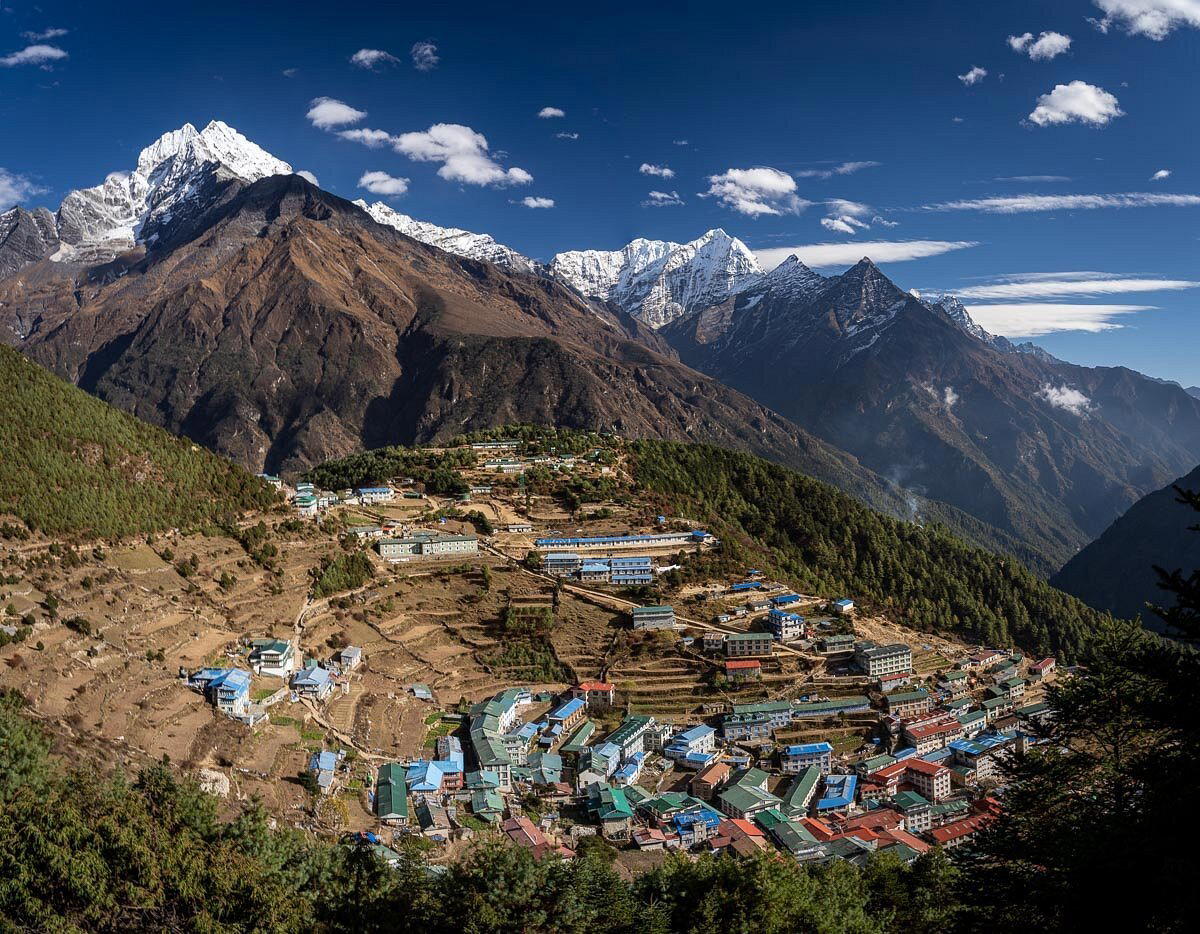
Restaurants in Pangboche
Browse all →
At a Glance
- Rustic
- Cozy
- Scenic
- Weekend Escape
- Panoramic View
- Wi Fi
- Garden
- Parking
- Laundry Service
- Mountain
- Wi Fi
- Garden
- Parking
- Laundry Service
Rustic trekking lodge atmosphere with cozy garden areas and mountain surroundings.