Our verdict
On Thamel Marg, Ofukurono Aji (おふくろの味) brings the register of Japanese home cooking to Kathmandu's most internationally layered dining street. The name translates literally as 'mother's taste', a phrase that signals the cuisine's domestic rather than restaurant-formal DNA. For travellers moving through Thamel, it represents one of the city's more considered detours into everyday Japanese food culture.

Pearl is the En Primeur Club membership app, where members save venues, book tables and use the concierge.
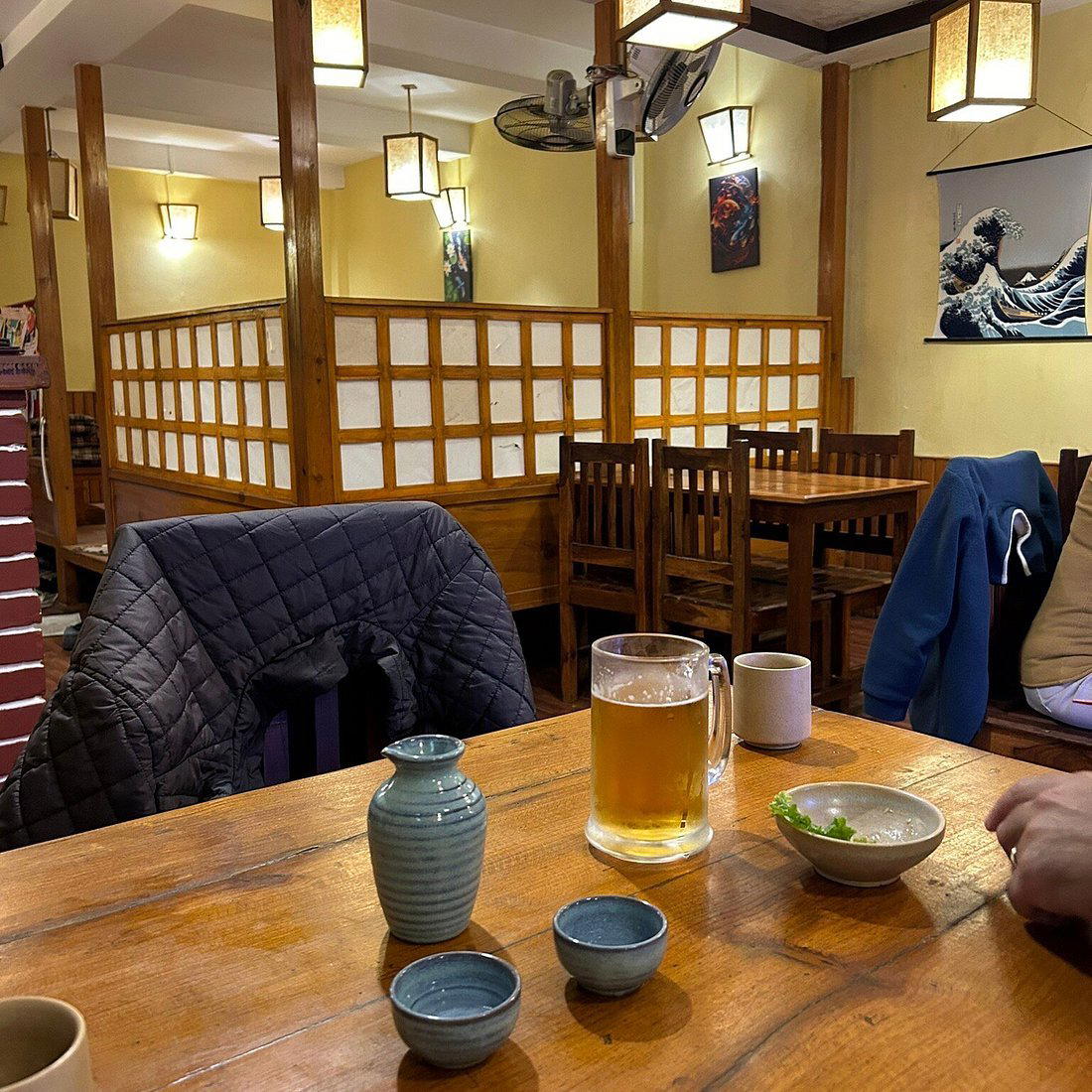
Japanese Home Cooking in the Middle of Thamel
Thamel has long functioned as Kathmandu's most compressed cross-section of international appetite. Within a few blocks of Thamel Marg, a traveller can move from Thakali dal bhat at BAGAAN Thakali Kitchen to Sichuan-inflected dishes at Dongfang Palace China, or settle into the cocktail-forward territory of Bitters & Co. That density is part of what makes Thamel function as a testing ground for cuisines that might otherwise struggle to find a foothold in the city. Within that context, Ofukurono Aji (おふくろの味) occupies a deliberate position: it does not chase the formal end of Japanese dining, the omakase counters or multi-course kaiseki formats that define premium Japanese experiences in cities like Tokyo, Hong Kong, or New York. Instead, it takes its name and its orientation from a different register entirely.
The phrase ofukuro no aji is a fixed expression in Japanese, meaning 'mother's taste' or 'home cooking.' It carries the same emotional weight as the French concept of cuisine de grand-mère or the Italian idea of cucina casalinga, food defined not by technical elaboration but by familiarity, comfort, and the accumulated logic of a domestic kitchen. In Japanese food culture, this register is taken seriously. The dishes associated with ofukuro no aji tend to be modest in presentation but precise in seasoning: miso soup calibrated to a specific balance of dashi and fermented paste, braised root vegetables in a soy and mirin reduction, rice that requires attention to water ratio and resting time. These are not dishes that announce themselves; they reveal themselves through repetition and attention.
The Dining Ritual and What It Requires
The customs of a Japanese home meal differ in meaningful ways from the sequential, course-by-course structure that most Western diners associate with formal restaurant eating. At a Japanese table in the domestic tradition, rice, soup, pickles, and several small side dishes arrive together rather than in progression. Each component is complete in itself but also functions in relation to the others, a piece of pickled vegetable cuts through a richer braised dish, miso soup provides warmth between bites of rice. The meal is assembled rather than narrated.
For a diner encountering this format for the first time, the instinct to eat sequentially can work against the experience. The practice is to move between components, using rice as a steady base and returning to it throughout. This rhythm is slower than it appears and more considered than casual dining in most other traditions. The absence of a theatrical pacing structure, no amuse-bouche, no intermezzo, no dramatic main-course reveal, is itself a statement about what Japanese home cooking values. The flavours are typically restrained relative to the spice-forward or heavily sauced dishes of other regional cuisines, which means they reward attention rather than volume.
In Kathmandu's Thamel district, where the dining offer leans heavily toward traveller-accessible formats and bold flavour profiles, a venue oriented around this quieter eating tradition occupies genuinely different ground. It sits at the opposite end of the experience spectrum from the kind of theatrical or high-production dining associated with places like Alinea in Chicago or Atomix in New York City, where the meal is explicitly structured as a sequence of designed moments. The ofukuro no aji tradition asks something different from the diner: patience, attention to subtlety, and a willingness to find satisfaction in the unfussy.
Japanese Food Abroad: The Translation Problem
Japanese cuisine transplanted outside Japan faces a consistent set of translation challenges. The ingredient supply chain for key fermented and fresh components, specific grades of dashi, fresh tofu, high-quality short-grain rice, particular misos and soy sauces, is considerably thinner in a landlocked city like Kathmandu than in Tokyo, Hong Kong, or even a major European capital. Venues at the formal end of the Japanese restaurant spectrum, from the three-Michelin-starred kitchens of Hong Kong's leading tables to the rigorous French-Japanese crossovers found at Alléno Paris au Pavillon Ledoyen, can absorb the cost of sourcing precisely. Smaller venues in less-connected cities work within tighter constraints.
The home-cooking register, in this context, has a practical advantage. Dishes built around braising, pickling, and miso-based preparations are more adaptable to locally sourced vegetables and proteins than, say, a sushi counter dependent on specific grades of fish. Daikon, sweet potato, burdock root, and tofu, staples of the ofukuro no aji tradition, are ingredients that translate reasonably well across supply chains. The question, always, is whether the foundational stocks and seasonings are being sourced and handled with the same attention they receive in Japan. That is not a question with a universal answer, and it is the central variable for any Japanese home-cooking venue operating in a city like Kathmandu.
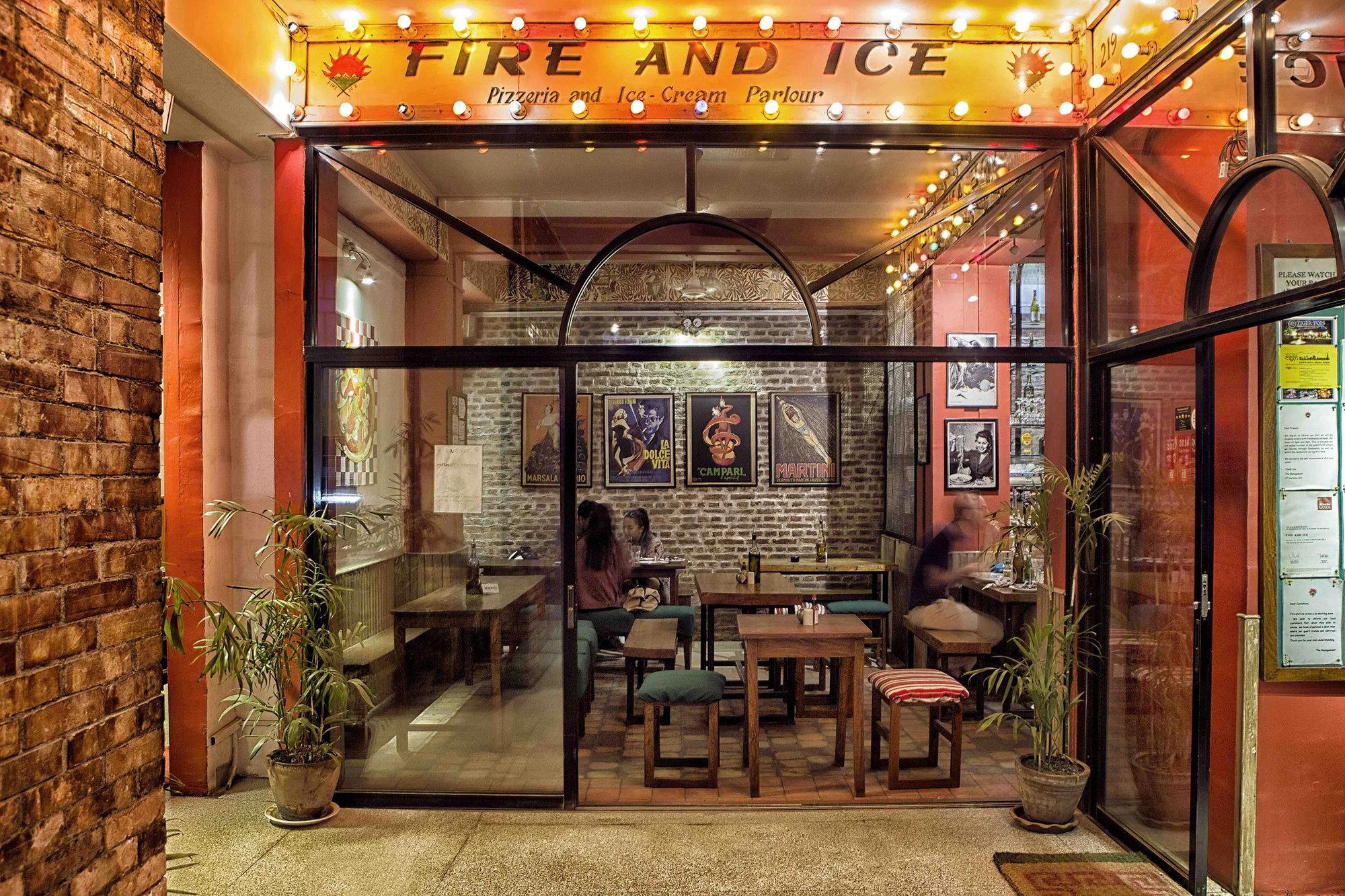
For a broader picture of the city's restaurant options across cuisines and price points, the EP Club Kathmandu restaurants guide maps the full range. Those venturing further into Nepal will also find Japanese-adjacent comfort food formats at mountain-route stops like Tomodachi Restaurant in the Sagarmatha Zone and the practical simplicity of Buddha Lodge in Gorak Shep, both of which serve trekkers rather than diners seeking a deliberate culinary position. Closer to Thamel, the Italian-influenced Fire & Ice and the bar-centric Barc show the range of international formats competing for the same traveller audience. The domestic Japanese register that Ofukurono Aji pursues is a narrower bet than any of those, and a more specific one.
Planning Your Visit
Ofukurono Aji is located on Thamel Marg, Kathmandu 44600, within walking distance of most Thamel accommodation. Travellers planning a Nepal itinerary that extends beyond Kathmandu may find the Scenic Tea House at Himalayan Hideaway Resort in Pokhara or the veg and vegan options in Butwal useful reference points for the rest of the country's dining offer. Closer to home, the full Thamel dining circuit rewards building a loose programme rather than committing to a single venue for every meal.
Frequently asked questions
Where do I go for Ofukurono Aji Japanese Home Dishese (おふくろの味)?
Ofukurono Aji Japanese Home Dishese (おふくろの味) is located at Thamel Marg, Kathmandu 44600, Nepal, Kathmandu.
What's the must-try dish at Ofukurono Aji?
The restaurant's name, おふくろの味, meaning 'the taste of mother's cooking', signals a menu built around everyday Japanese home dishes rather than izakaya snacks or sushi counter omakase. Ask staff on arrival what is freshest that day, as home-kitchen formats typically rotate based on ingredient availability.
How far ahead should I plan for Ofukurono Aji Japanese Home Dishese (おふくろの味)?
Reservations are recommended for Ofukurono Aji Japanese Home Dishese (おふくろの味) in Kathmandu. Confirm current policy via the venue's official channels.
What is Ofukurono Aji Japanese Home Dishese (おふくろの味) known for?
Ofukurono Aji Japanese Home Dishese (おふくろの味) is best approached by focusing on the core concept and signature offerings.
Cuisine Lens
Comparable venues nearby, for context on price, style, and recognition.
| Venue | Cuisine | Price | Notes |
|---|---|---|---|
| Ofukurono Aji Japanese Home Dishese (おふくろの味)This venue (the venue you are viewing) | Japanese Home Dishes | $10–20 | Not listed |
| Healthy Smoothie Bowl & Pizzeria | Healthy Smoothie Bowls & Neapolitan Pizza | $10–20 | Thamel |
| Thai Casa En Thamel | Thai Restaurant | Not listed | Thamel |
| Dongfang Palace China | Authentic Chinese Hand-Pulled Noodles | $1–10 | Thamel |
| Bitters & Co. | Cocktail Bar | $10–20 | Lazimpat |
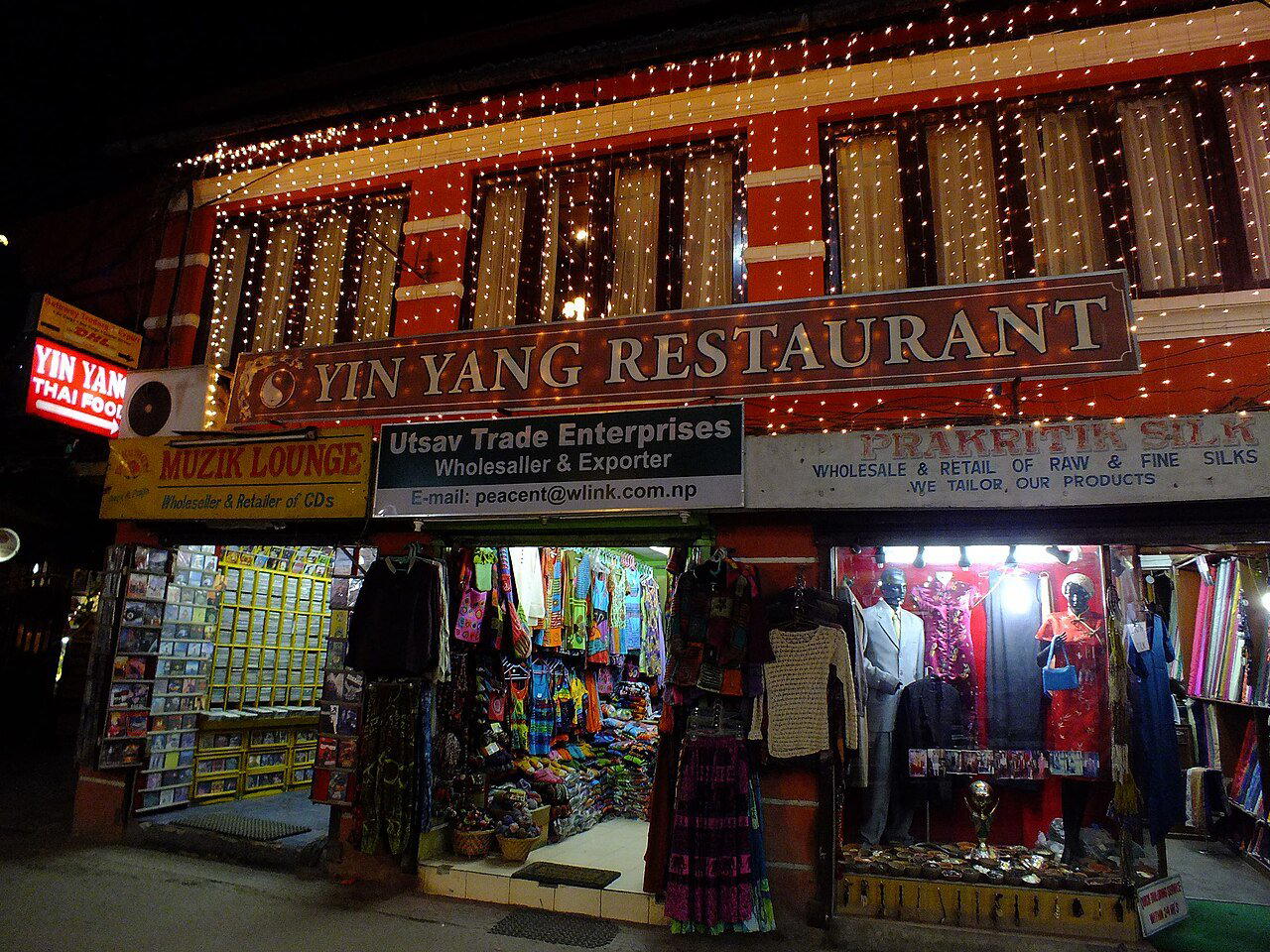
| Yin Yang Restaurant | Authentic Thai with Continental | $10–20 | Thamel |
Continue exploring
More in Kathmandu

Details
- Cozy
- Classic
- Casual Hangout
- Sake Program
- A La Carte
Current opening hours
- Monday
- 9 AM–9 PM
- Tuesday
- 9 AM–9 PM
- Wednesday
- 9 AM–9 PM
- Thursday
- 9 AM–9 PM
- Friday
- 9 AM–9 PM
- Saturday
- 9 AM–9 PM
- Sunday
- 9 AM–9 PM
Hours can change for holidays and private events. Hours as of .
Clean environment with air conditioning on the first floor.