
Shinta Mani Mustang sits in the high-altitude Mustang district of Nepal, reaching a category of lodging that barely existed in this formerly restricted kingdom a decade ago. Named to Tatler Asia-Pacific Best Hotels 2025 as a boutique destination property, it places design-led comfort inside one of the Himalayas' most geologically and culturally layered corridors, making it the reference point for considered travel through the upper Kali Gandaki valley.
Pearl is the En Primeur Club membership app — saves, bookings, and concierge access live there. Same editors, same standards.
- Address
- Marpha-5, Jomsom 33100, Nepal
- Phone
- +977 980-1192031
- Website
- shintamanimustang.com
- Directions
- Get directions
 Saves & bookings on Pearl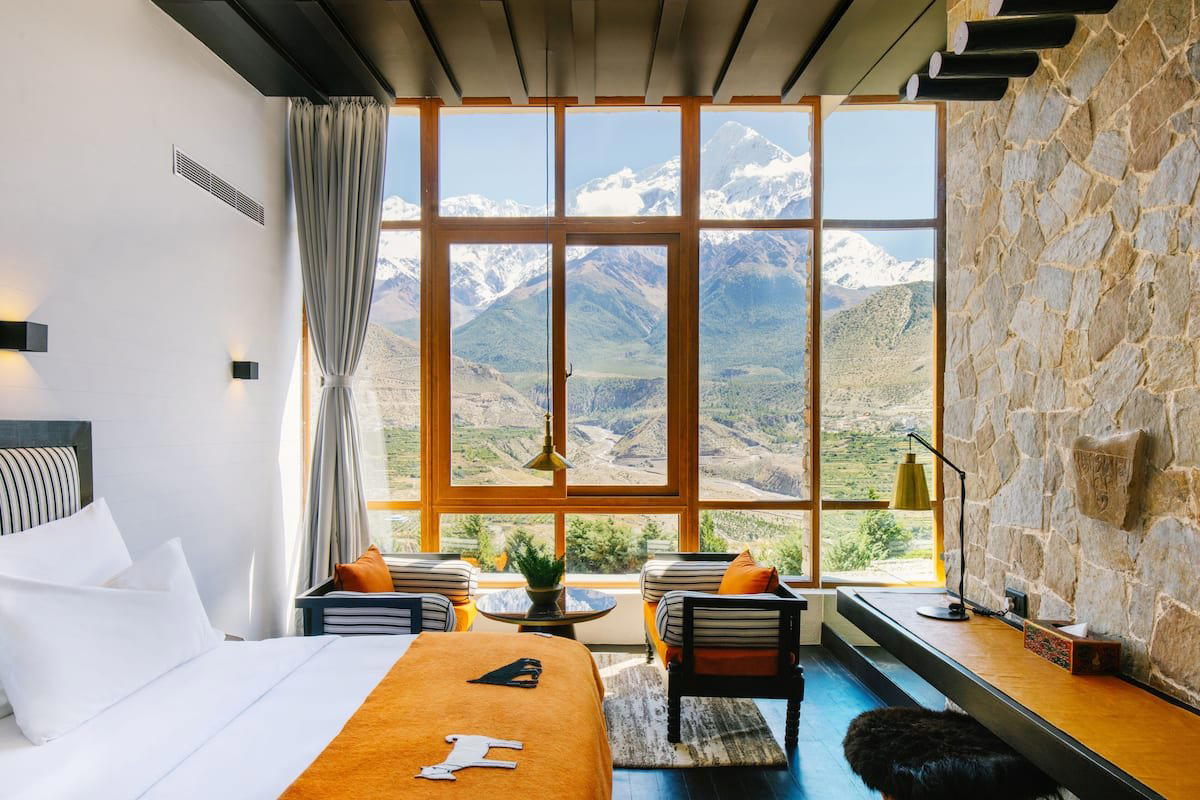
Where the Architecture Has to Earn Its Place
At elevations above 2,700 metres, building anything is a statement. In the Mustang district of Nepal, where wind funnels hard through the Kali Gandaki gorge and the surrounding plateau has the colour and texture of fired clay, a structure either submits to the environment or fights it. Shinta Mani Mustang, addressed in the village of Marpha near Jomsom, is a 5-star hotel in Nepal with 29 rooms and a smart casual dress code. Its design draws from the flat-roofed, thick-walled vernacular that has defined Mustang architecture for centuries, a tradition shaped by altitude, cold, and the need to shed snow rather than collect it.
The broader shift in Himalayan lodging over the past decade has been from functional teahouse accommodation to a smaller tier of properties that treat the physical environment as a design brief rather than an obstacle. Himalayan Hideaway Resort in Pokhara operates in the foothills at a lower altitude; Dwarika's Sanctuary in Dhulikhel works heritage craftsmanship into its rooms and common spaces. Shinta Mani Mustang operates at the upper end of that movement, in a location that is considerably more remote and, until recently, considerably more restricted.
The Context: A Kingdom That Only Opened Its Borders Relatively Recently
Upper Mustang remained a restricted area under Nepalese permit regulation until 1992, and even after that opening it required a separate trekking permit that kept visitor numbers far below those on the Annapurna or Everest circuits. The landscape reads like a plateau that drifted south from Tibet: ochre cliffs, ancient cave monasteries carved into eroding faces, and settlements that maintained their Tibetan-Buddhist identity through centuries of geographic isolation. Jomsom, the main hub at the valley's lower end, sits at approximately 2,720 metres and serves as the gateway airport for both trekking groups and the small number of travellers arriving for stays at properties like Shinta Mani Mustang.
For travellers accustomed to the rhythm of boutique destination hotels elsewhere, this context matters. Tatler Asia-Pacific named Shinta Mani Mustang to its Leading Hotels 2025 list, categorising it explicitly under Boutique Hotels and Destination Hotels. That dual classification captures the property's positioning accurately: it operates at the scale of a boutique, but the reason for being here is the destination itself, not the hotel's urban or resort amenity set. The comparison is with a handful of destination properties where the surrounding landscape sets the agenda.
Design Philosophy at Altitude
The Mustang vernacular is not decorative; it is a response to extreme conditions. Walls are thick enough to provide thermal mass against night temperatures that drop sharply year-round. Rooflines are flat because the high plateau receives minimal precipitation compared with Nepal's middle hills, and the flat surface doubles as usable outdoor space in warmer months. Window apertures are small and strategically placed to capture solar gain while limiting wind exposure. These are not aesthetic choices but climate solutions, and any property attempting to integrate into this context has to work within them or it reads as alien.
Design-led properties in comparably austere landscapes, from the Atacama in Chile to the Jordanian desert, have found that one durable approach is material honesty: local stone, natural pigments, and handcraft traditions that connect the interior to the ground it sits on. Shinta Mani's positioning within Mustang follows that trajectory, with the physical setting providing the visual anchoring that in urban luxury hotels comes from art collections or architectural signature moves.
Getting There and Planning the Stay
Jomsom is reachable by Twin Otter flights from Pokhara, a route that operates in the morning window before valley winds make the approach too turbulent for small aircraft. Flights typically take around twenty minutes but are weather-dependent; delays and cancellations are part of the operational reality. Travellers arriving by road from Pokhara face a long overland journey on a road that, while now connected, requires appropriate vehicle logistics.
Visitors require a standard Nepal visa and, for trekking into Upper Mustang beyond Kagbeni, an Upper Mustang Restricted Area Permit. Jomsom itself and Marpha village, where the hotel is addressed, sit within the lower Mustang zone accessible without the restricted permit, though many guests arrive with the intention of accessing the upper valley. The hotel operates in a different category to all of these, with the level of design intent and operational infrastructure that Tatler's recognition implies.
The leading seasonal window is broadly pre-monsoon (March to May) or post-monsoon (September to November). The Mustang corridor is rain-shadowed and therefore drier than much of Nepal during the monsoon, which makes it a viable destination in the June-to-August period when the Everest and Annapurna circuits are at their wettest, though temperatures and wind must be factored against that advantage.
Where Shinta Mani Mustang Sits in the Regional Picture
Lodging in the Mustang valley has historically split between basic teahouse guesthouses serving trekkers and a small number of properties attempting something more considered. The properties attempting to bridge that gap have varied in their success and longevity; altitude logistics, supply chain constraints, and the seasonal nature of the visitor economy make sustaining quality a genuine operational challenge. A Tatler Leading Hotels listing is a recognition that this gap has been addressed credibly, placing the hotel within the same citation framework that covers properties such as Castello di Reschio in Umbria and Hotel Esencia in Tulum: different latitudes entirely, but the same editorial instinct toward design authenticity and location specificity over brand ubiquity.
For travellers calibrating Nepal itineraries, the wider valley offers limited dining beyond the hotel itself. The Mustang corridor is thin on supplementary dining infrastructure, which makes in-property food and beverage more central to the stay. Consider that when allocating nights: this is not a base from which you rotate through external options, but a stay where the property itself anchors the experience.
For context on the broader Nepal premium lodging picture, Dingboche Inn in the Sagarmatha Zone, The Happy House in Phaplu, and See You Lodge and Restaurant in Dhampus Phedi each illustrate the spectrum of what considered hospitality can mean at altitude in Nepal, from the converted home-stay format through to the Shinta Mani tier.
Side-by-Side Snapshot
Comparable venues nearby, for context on price, style, and recognition.
| Venue | Cuisine | Price | Awards | Notes |
|---|---|---|---|---|
| Shinta Mani MustangThis venue — the venue you are viewing | Eco-friendly luxury resort inspired by traditional Tibetan homes using local stone, slate, and wood. | $$$$ | 5-Star | Not listed |
| The Terraces Resort and Spa | Luxury resort with Mediterranean architecture built in 2021, featuring private balconies and expansive terraces. | $$$$ | 5-Star | Lamatar |
| The Dwarika's | Newari heritage palace with restored ancient artifacts | $$$$ | 5-Star | Battisputali |
| Varnabas Museum Hotel | Cultural museum-style luxury boutique | $$$$ | 5-Star | Kathmandu |
| Aloft Kathmandu Thamel | Next-generation stylish urban hotel blending modern design with local Nepali culture | $$$ | 5-Star | Thamel |
| Hikers Inn | Mountain lodge blending modern comfort with traditional Sherpa charm | $$ | 3-Star | Khumbu Pasang Lhamu Rural Municipality |
Recognition history
Dated appearances from independent guides and award organizations, with the underlying list record or original source where available.
Michelin Guide New Hotels New Hotel
Michelin Guide New Hotels
Robb Report The 50 Greatest Luxury Hotels on Earth #1 · No. 1
Robb Report · 2026 Robb Report The 50 Greatest Luxury Hotels on Earth
Michelin Selected
Michelin
Tatler Listed in Best Hotels Asia-Pacific
Tatler
Continue exploring
More in Jomsom
Hotels in Jomsom
Browse all →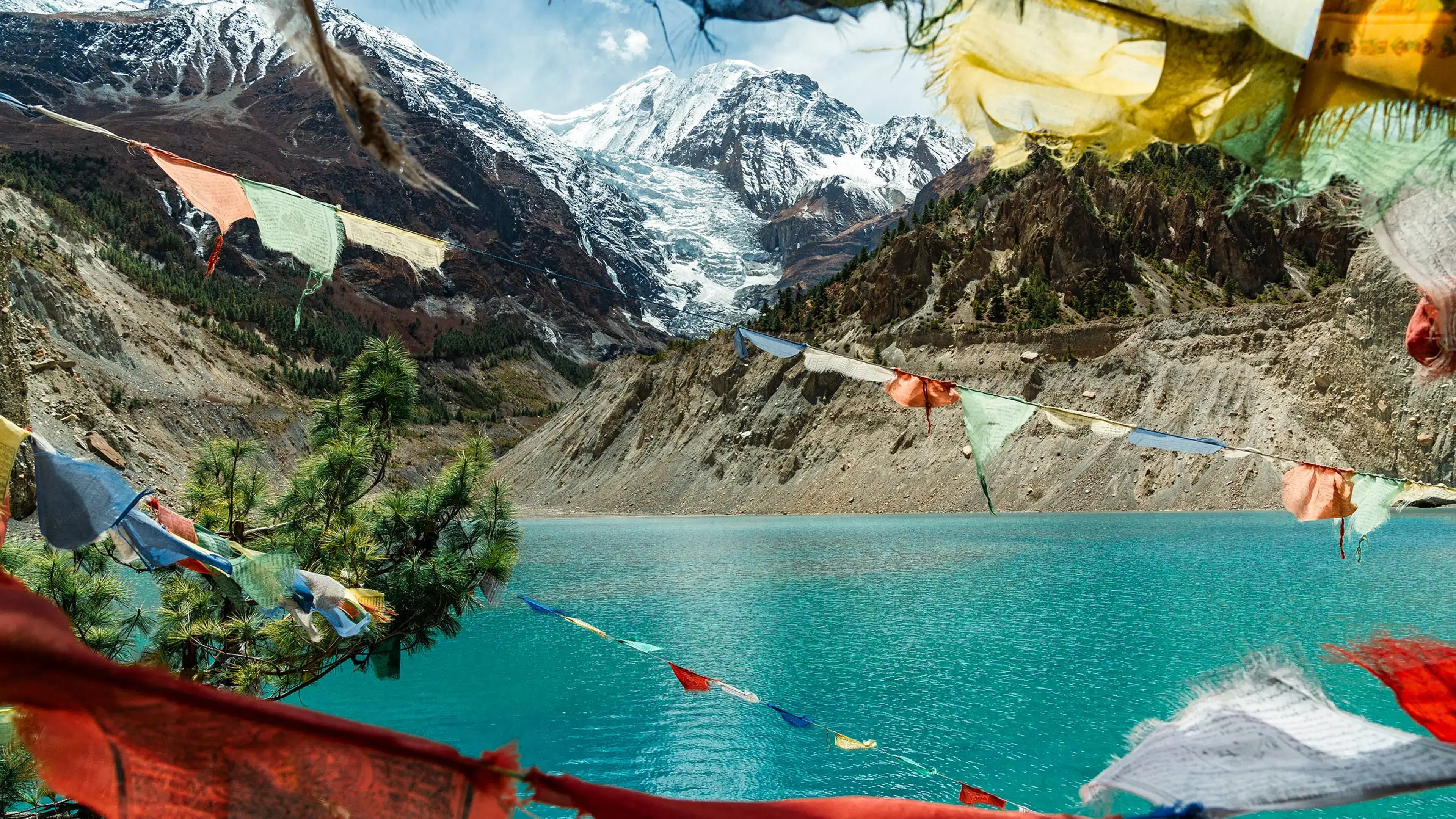
Bars in Jomsom
Browse all →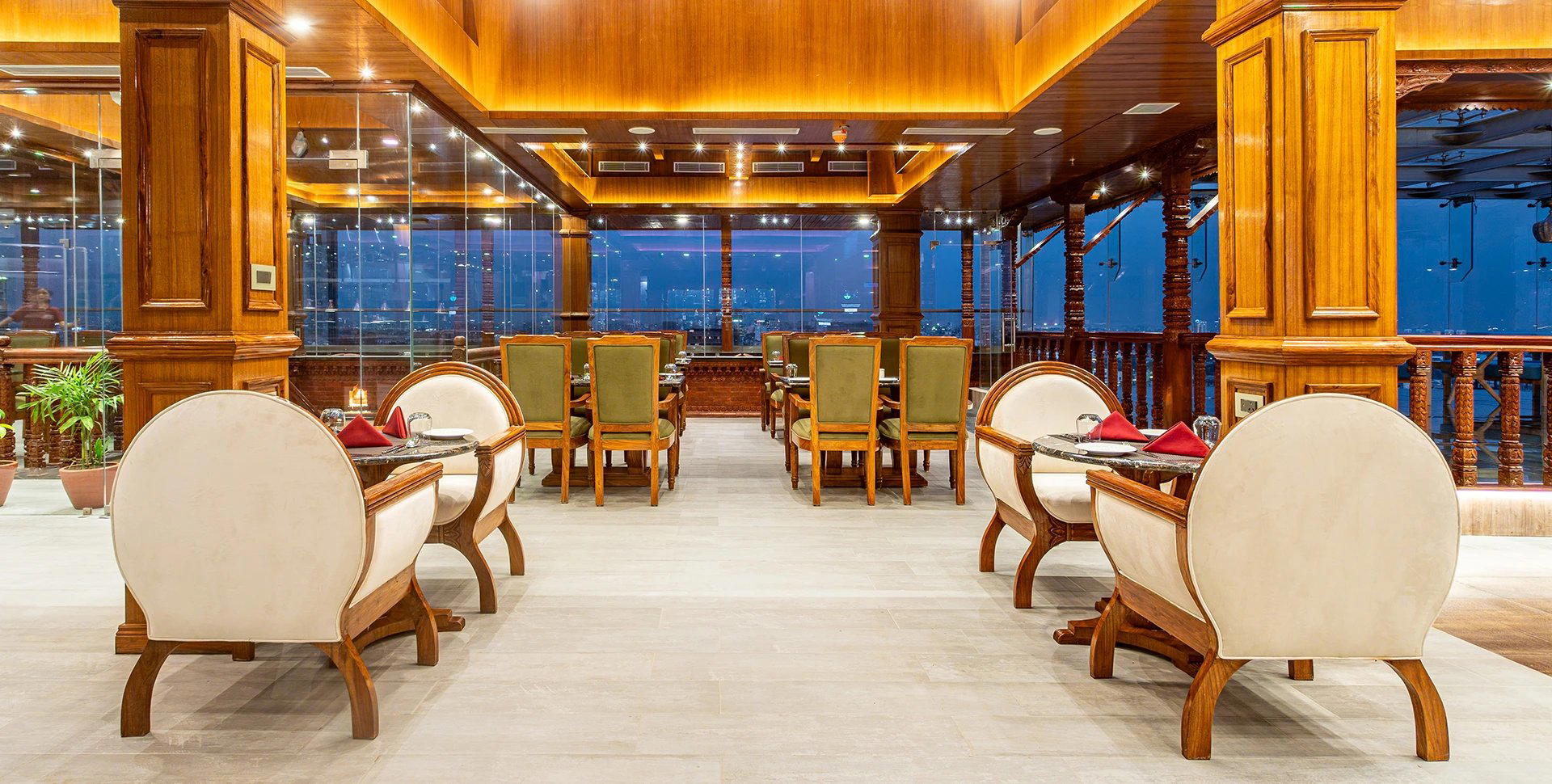
Restaurants in Jomsom
Browse all →
At a Glance
- Scenic
- Quiet
- Elegant
- Rustic
- Intimate
- Sophisticated
- Honeymoon
- Romantic Getaway
- Wellness Retreat
- Anniversary
- Group Retreat
- Panoramic View
- Historic Building
- Wi Fi
- Spa
- Hot Tub
- Sauna
- Massage
- Garden
- Restaurant
- Bar
- Mountain
- Wi Fi
- Spa
- Hot Tub
- Sauna
- Massage
- Garden
- Restaurant
- Bar
Serene and tranquil with calming mountain vistas through floor-to-ceiling windows, rich colorful Bill Bensley styling, cozy carved wood furnishings, and a relaxing spa atmosphere.