



1 Michelin Key · La Liste Top Hotels · Fodor's Most Incredible Hotels in the World
A living archive of Newari craftsmanship in Kathmandu's Battisputali neighbourhood, The Dwarika's Hotel was assembled piece by piece from rescued architectural fragments, carved eaves, latticed windows, painted pillars, and now holds 80 rooms, three restaurants, and a La Liste Top Hotels 2026 rating of 95 points. Rates from $410 per night place it at the upper end of the city's independent luxury tier.

Pearl is the En Primeur Club membership app, where members save venues, book tables and use the concierge.
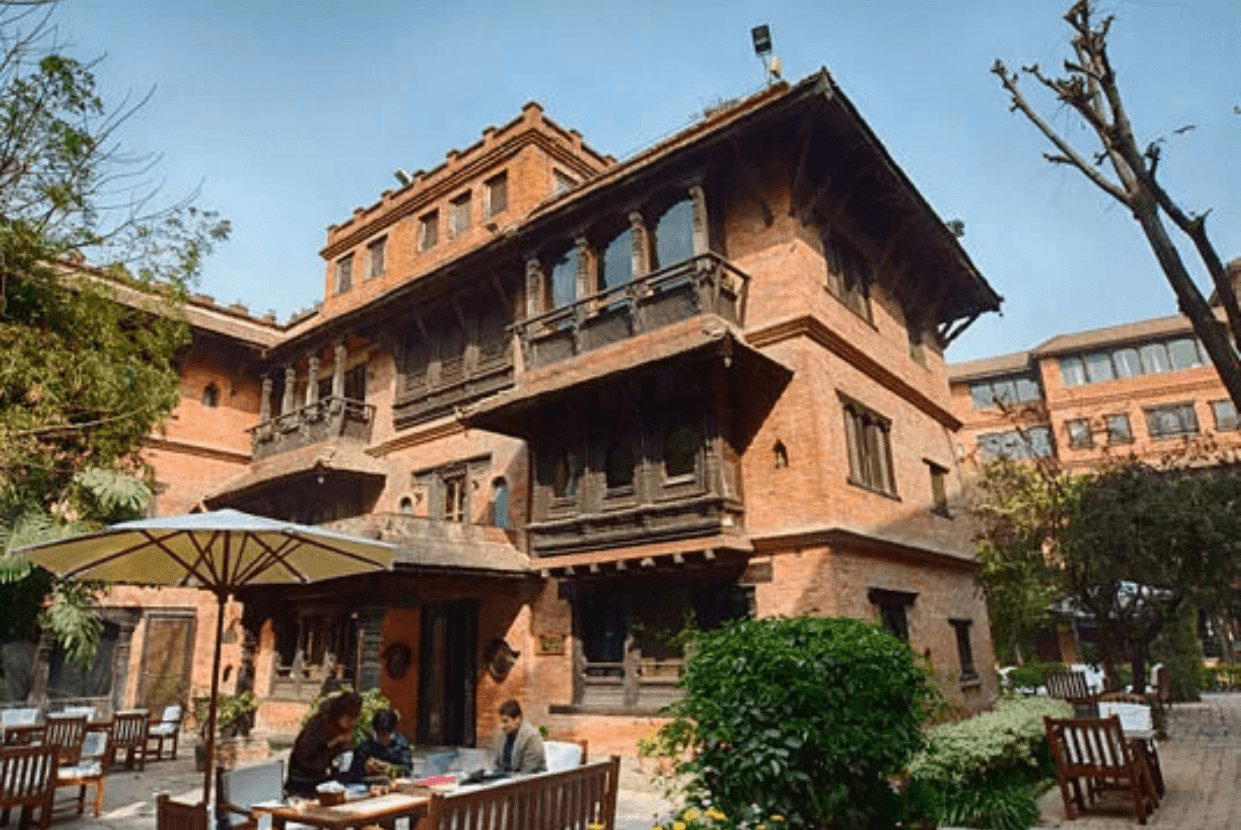
A Courtyard at the Centre of Kathmandu's Architectural Memory
Luxury hotels in Asia broadly split between two operating philosophies: the internationally branded tower that signals consistency across cities, and the place-specific property that only makes sense in one location. Kathmandu has examples of both, but The Dwarika's Hotel, on Battisputali Road a short distance from the sacred Pashupatinath Temple, belongs firmly to the second category. Its competitive set is not the city's business hotels or the trekking-adjacent lodges; it sits closer in spirit to properties like Castello di Reschio in Umbria or Amangiri in Utah, places where the physical fabric of the building is inseparable from the experience of staying there.
What distinguishes The Dwarika's from comparable heritage properties elsewhere is its origin story, which is less an act of preservation than of assembly. The hotel was built incrementally from Newari architectural salvage: carved timber eaves, latticed peacock windows, painted pillars, and decorated facades that were rescued from demolition across the Kathmandu Valley. The result is not a reconstruction of a single historic building but a composite of several centuries of craft tradition, now operating as an 80-room hotel. La Liste placed it among its Leading Hotels for 2026 with a score of 95 points, a recognition that positions it within a small international cohort of properties where design integrity and cultural specificity are the primary evaluation criteria.
The Courtyard as Social Architecture
The boutique-hotel movement of the 1980s made a virtue of the lobby as social theatre. At The Dwarika's, that logic is rotated ninety degrees outward: the courtyard, not the reception desk, is where the property's atmosphere concentrates. Enclosed by carved wooden facades and audible mainly through birdsong, it functions as a decompression chamber between the dense traffic of Kathmandu and the quieter rhythms inside the property. For guests arriving from the city's main arteries, this transition is immediate and deliberate. The acoustic shift alone, from horns and engines to relative stillness, registers as part of the service proposition.
This matters because Kathmandu is not an easy city to decompress in. Its traffic is dense, its air quality is variable, and its street-level energy is relentless. Properties that manage to create genuine separation from that environment, rather than simply naming themselves retreats, occupy a specific and valued position. The Dwarika's courtyard achieves that separation through architecture rather than geography, which is more difficult and, when successful, more interesting. Compare this approach to a property like Aman Venice, which uses its palazzo walls and canal-facing orientation similarly to enforce a boundary between the property and the surrounding city.
Service in a Living Heritage Context
Staff culture at properties with this kind of heritage mandate tends to develop differently from international chain hotels. The building itself carries information that staff interpret for guests, which means depth of local knowledge becomes part of the service architecture rather than an optional extra. For guests who have stayed at properties like Cheval Blanc Paris or Bvlgari Hotel Tokyo where service is expressed through technical polish, The Dwarika's offers a different register: contextual intelligence over procedural precision. Neither is superior; they address different needs.
The property is now led by René, grandson of founder Dwarika Das Shrestha, as CEO of the Dwarika's Group of Hotels and Resorts. This continuity of family stewardship is not uncommon in South Asian hospitality, it carries its own service implication, specifically that the institutional knowledge of why certain decisions were made and what they mean remains accessible within the organisation rather than filed away in a corporate archive.
Where The Dwarika's Sits in Nepal's Wider Hotel Context
Nepal's hotel options span a wide range, from trail-side teahouses like Hikers Inn in Chaunrikharka, Dingboche Inn, and Sherpa Lodge Lobuche serving trekking routes into the Khumbu, to design-led mountain properties such as Shinta Mani Mustang in Jomsom and Himalayan Hideaway Resort Pokhara. Within Kathmandu itself, the contemporary end of the market is represented by places like Aloft Kathmandu Thamel, while the Varnabas Museum Hotel occupies an adjacent heritage-focused niche. The Terraces Resort and Spa adds a spa-led option to the city's mid-to-upper tier.
The Dwarika's sits above all of these in terms of heritage specificity and international recognition. Its 95-point La Liste score is a data point that means something in the context of global luxury travel, it places the property in company with Badrutt's Palace, Hotel Bel-Air, and Hôtel de Paris Monte-Carlo within La Liste's evaluation framework, even if the category and price point differ sharply. For Nepal, that recognition is significant because it validates the property on international terms without requiring it to adopt international conventions.
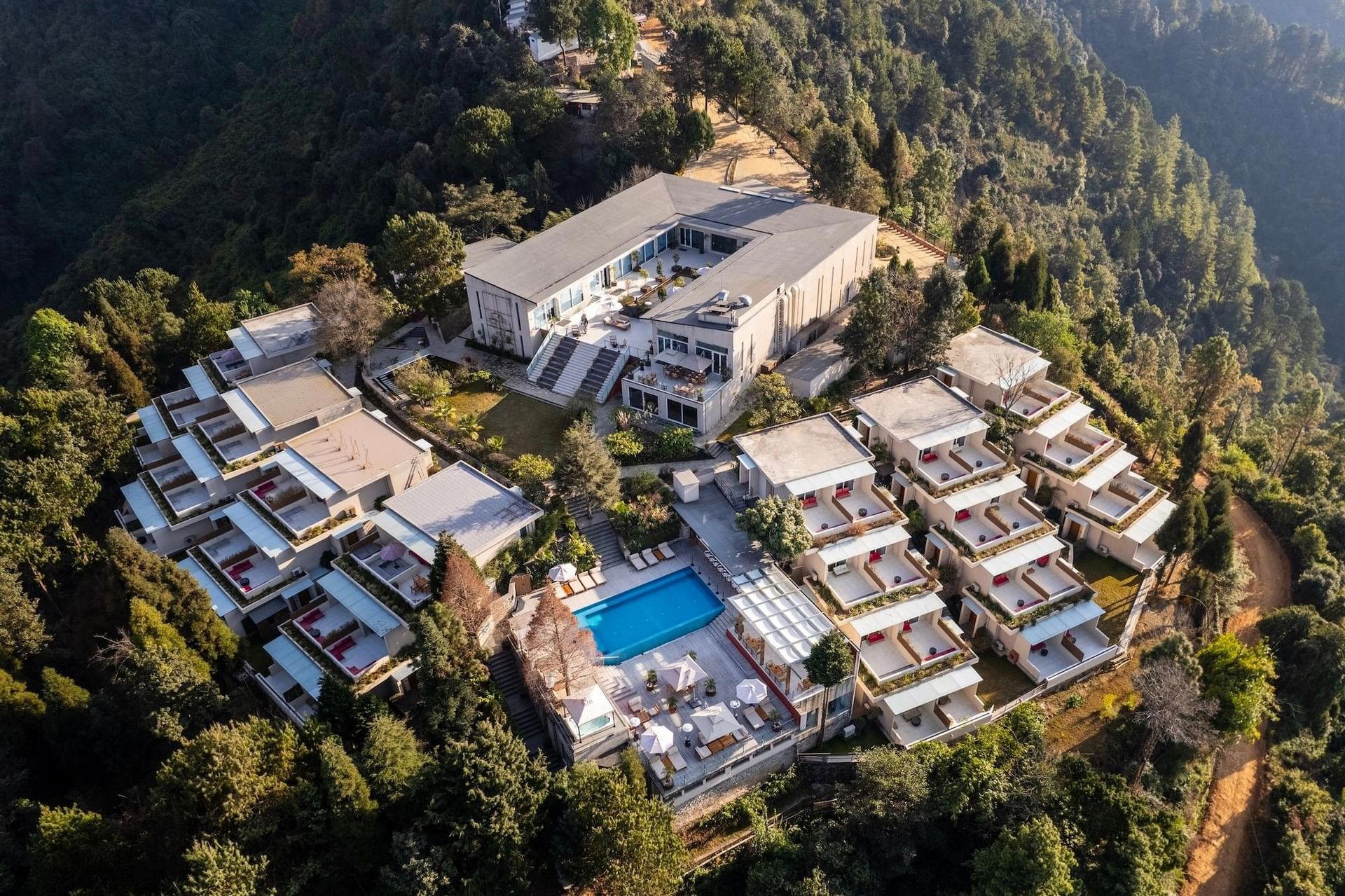
The Dwarika's Group also operates Dwarika's Sanctuary in Dhulikhel, which extends the group's philosophy into a more remote mountain setting for guests who want to continue the experience beyond Kathmandu. That pairing, city heritage hotel and mountain sanctuary under the same curatorial approach, is a coherent extension of the original premise.
Planning Your Stay
Rates at The Dwarika's start from $410 per night across 80 rooms, placing it at the upper end of Kathmandu's independent hotel pricing. The address on Battisputali Road puts it within a short drive of Pashupatinath Temple and Boudhanath Stupa, two of the valley's most significant religious sites, while maintaining enough distance from the tourist concentration of Thamel to feel genuinely residential. Guests combining the property with broader Nepal itineraries that include Pokhara, the Annapurna region, or Everest-area trekking routes will find the Kathmandu base useful as both an arrival point and a reentry buffer after time at altitude. Booking directly through the Dwarika's Group is recommended for accurate rate and availability information. For broader context on where the property fits within the city's dining and hospitality scene, the EP Club Kathmandu guide maps other options across the capital.
Cuisine and Credentials
Comparable venues nearby, for context on price, style, and recognition.
| Venue | Cuisine | Price | Awards | Notes |
|---|---|---|---|---|
| The Dwarika's HotelThis venue (the venue you are viewing) | Heritage Newari palace-style architecture with modern luxury amenities | $300–500 | 1 Michelin Key · La Liste Top Hotels | Not listed |
| The Dwarika's | Newari heritage palace with restored ancient artifacts | $300–500 | 1 Michelin Key · La Liste Top Hotels | Battisputali |
| The Terraces Resort and Spa | Luxury resort with Mediterranean architecture built in 2021, featuring private balconies and expansive terraces. | $200–300 | World Luxury Hotel Awards WLHA Country Winner | Lamatar |
| Varnabas Museum Hotel | Cultural museum-style luxury boutique | $100–200 | Small Luxury Hotels of the World Member | Kathmandu |
| Aloft Kathmandu Thamel | Next-generation stylish urban hotel blending modern design with local Nepali culture | $100–200 | World Luxury Hotel Awards WLHA Country Winner | Thamel |
| Dwarika’s Sanctuary | Himalayan wellness resort seamlessly blended into 25 acres of natural forest | Not listed | 1 Michelin Key · Virtuoso Luxury Hotel Partner | Dhulikhel |
Recognition history
Dated appearances from independent guides and award organizations, with the underlying list record or original source where available.
Michelin 1 Key
Michelin
La Liste Top Hotels
La Liste
Fodor's Most Incredible Hotels in the World
Fodor's
Conde Nast Gold List
Conde Nast
Full recognition history (5 entries)
Michelin 1 Key
Michelin
Continue exploring
More in Kathmandu
Hotels in Kathmandu
All hotels in Kathmandu →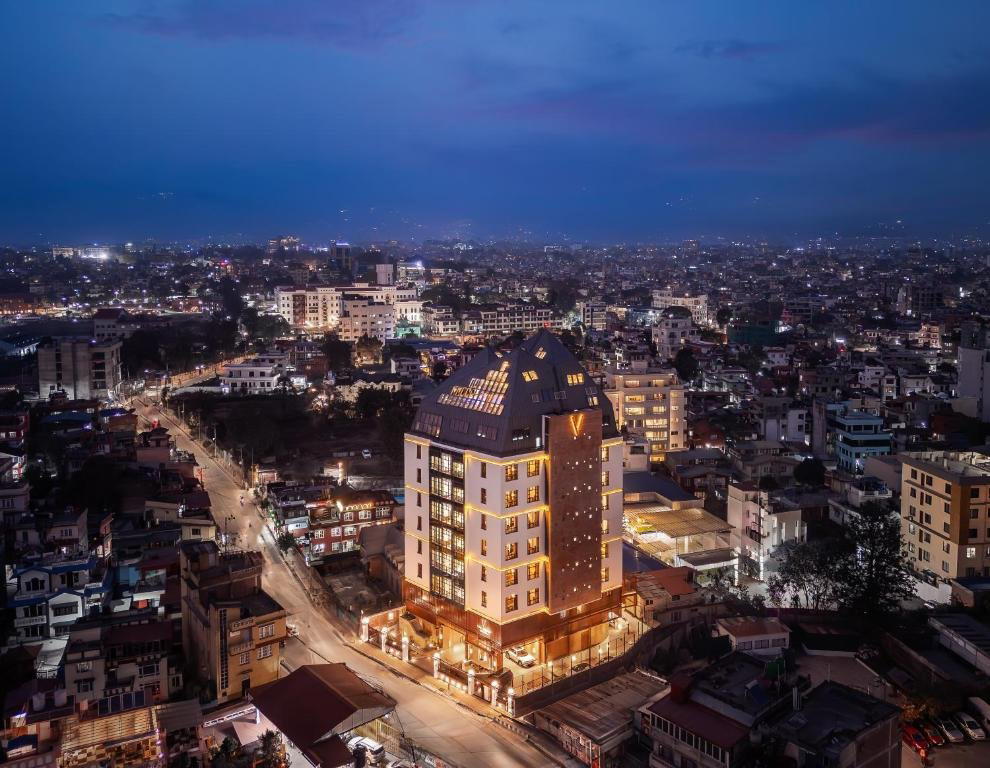

Details
- Elegant
- Sophisticated
- Ornate
- Quiet
- Scenic
- Romantic Getaway
- Honeymoon
- Wellness Retreat
- Historic Building
- Terrace
- Panoramic View
- Wi Fi
- Pool
- Spa
- Fitness Center
- Room Service
- Concierge
- Business Center
- Valet Parking
- Garden
- Wheelchair Accessible
- Elevator
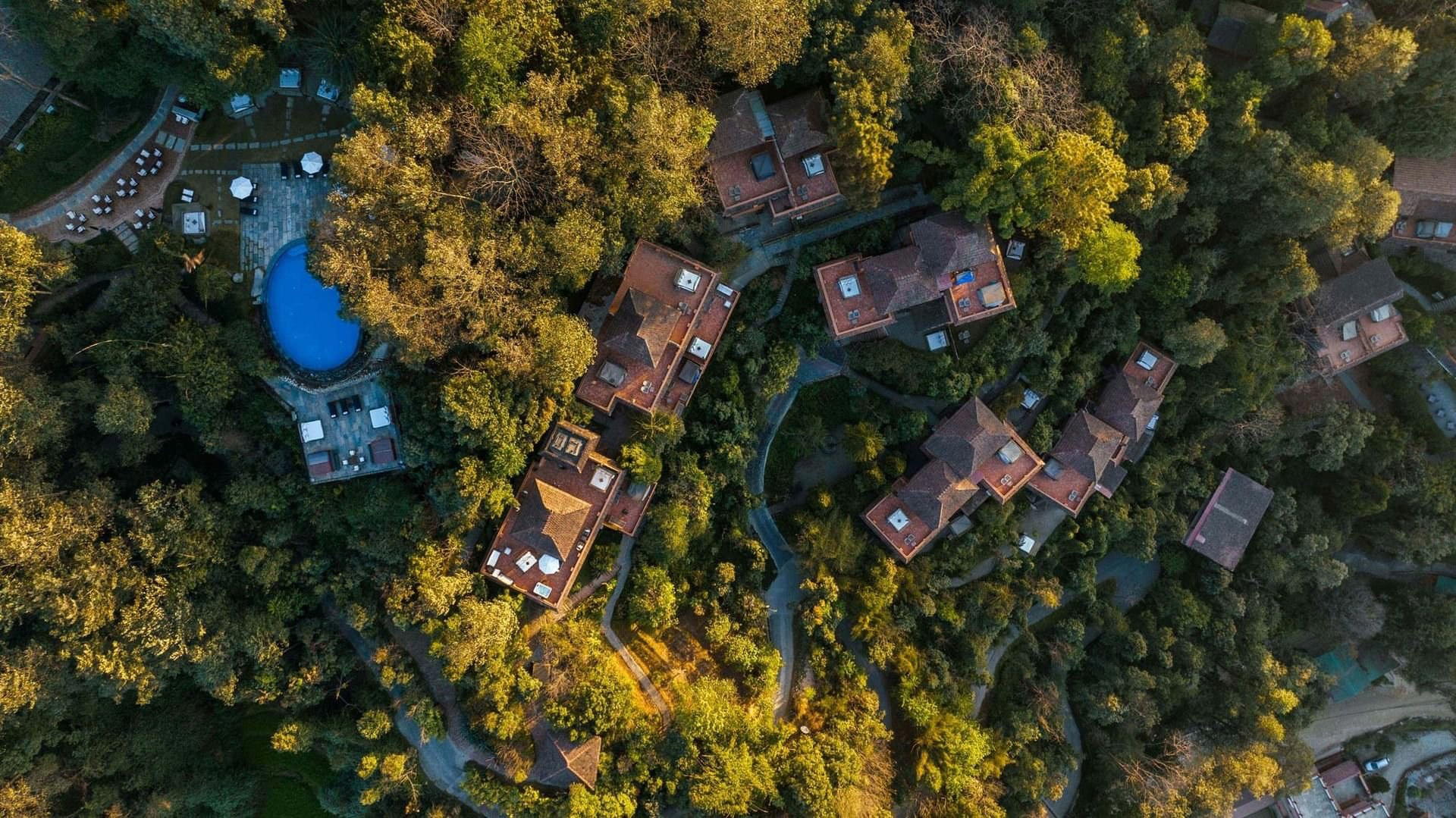
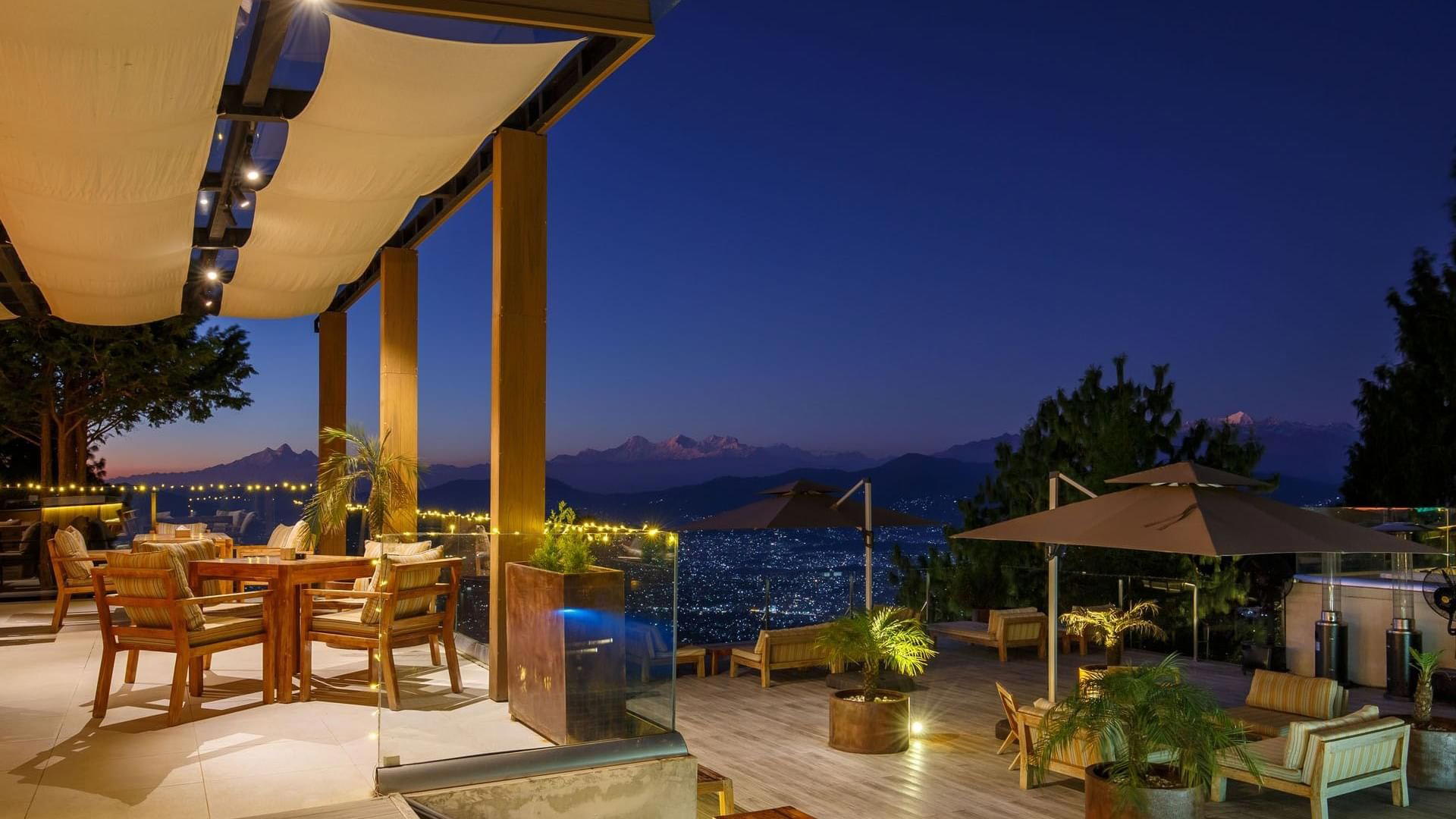
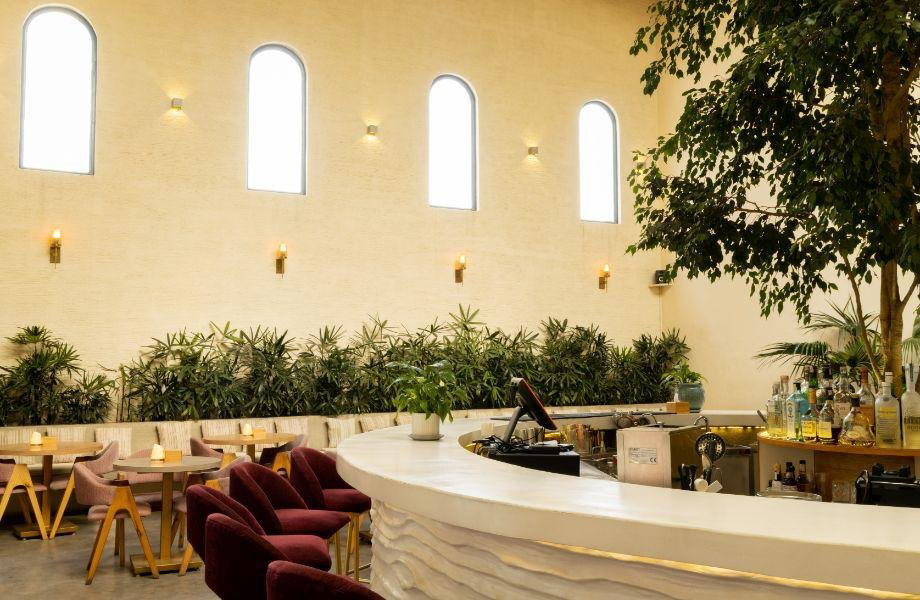
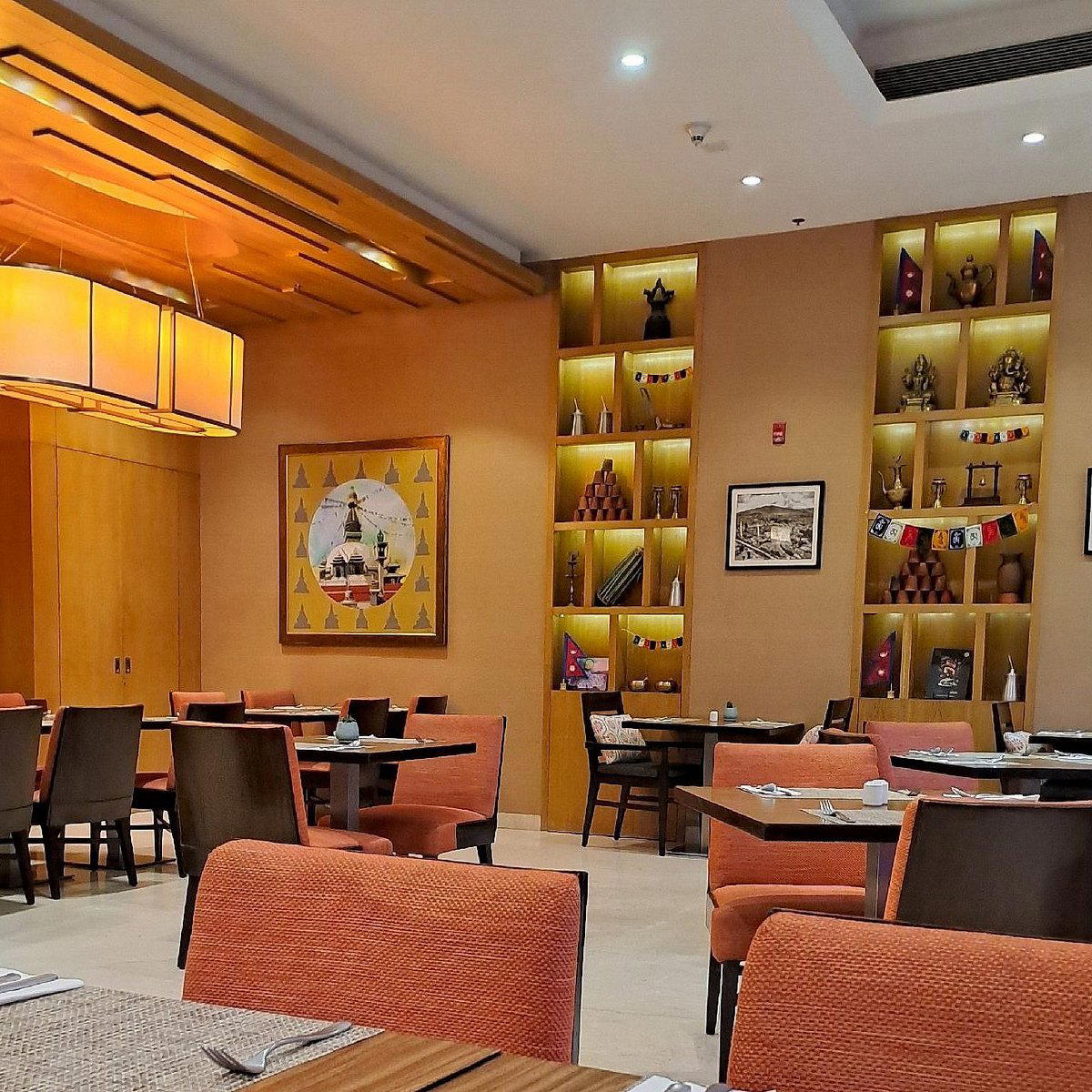
Tranquil and luxurious with natural light, well-tended gardens, and an atmosphere evoking a traditional Nepali palace.