At 4,940 metres above sea level, Sherpa Lodge Lobuche is one of the highest-altitude lodges on the Everest Base Camp trail, positioned where the Khumbu Glacier's lateral moraine meets the final steep approach to Gorak Shep. For trekkers arriving after the long climb from Dingboche, it offers shelter, warmth, and the practical basics that matter most at this elevation.

Pearl is the En Primeur Club membership app — saves, bookings, and concierge access live there. Same editors, same standards.
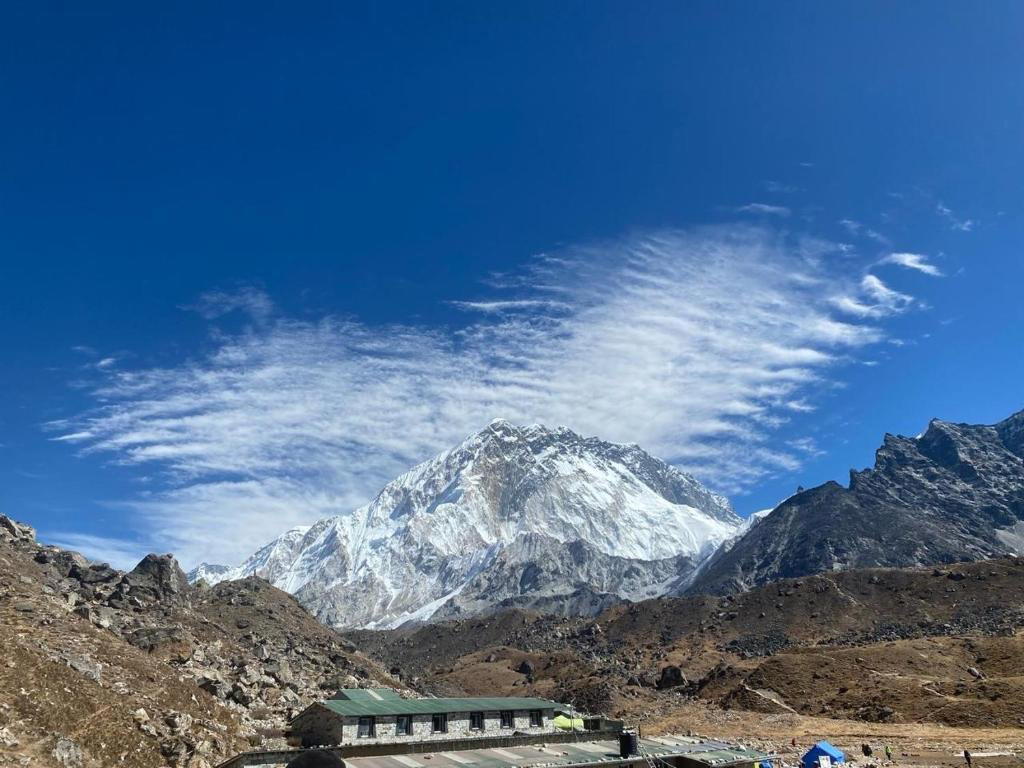
Where the Trail Narrows and the Air Thins
The approach to Lobuche does most of the talking before you arrive. By the time trekkers reach this settlement at 4,940 metres, they have already passed through Dingboche, crossed the lateral moraine of the Khumbu Glacier, and climbed one of the more psychologically demanding stretches of the Everest Base Camp route. What greets them is not a resort or a boutique property. It is a working high-altitude lodge built around a specific and unambiguous purpose: keeping people warm, fed, and rested at an elevation where those three things require genuine effort to provide.
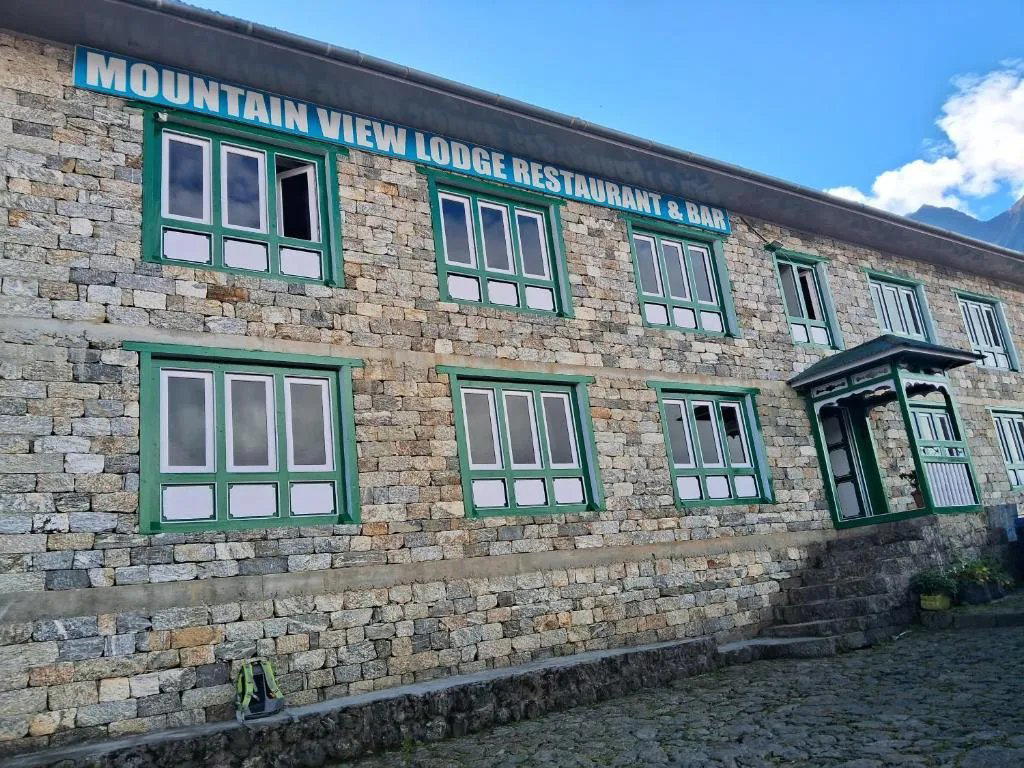
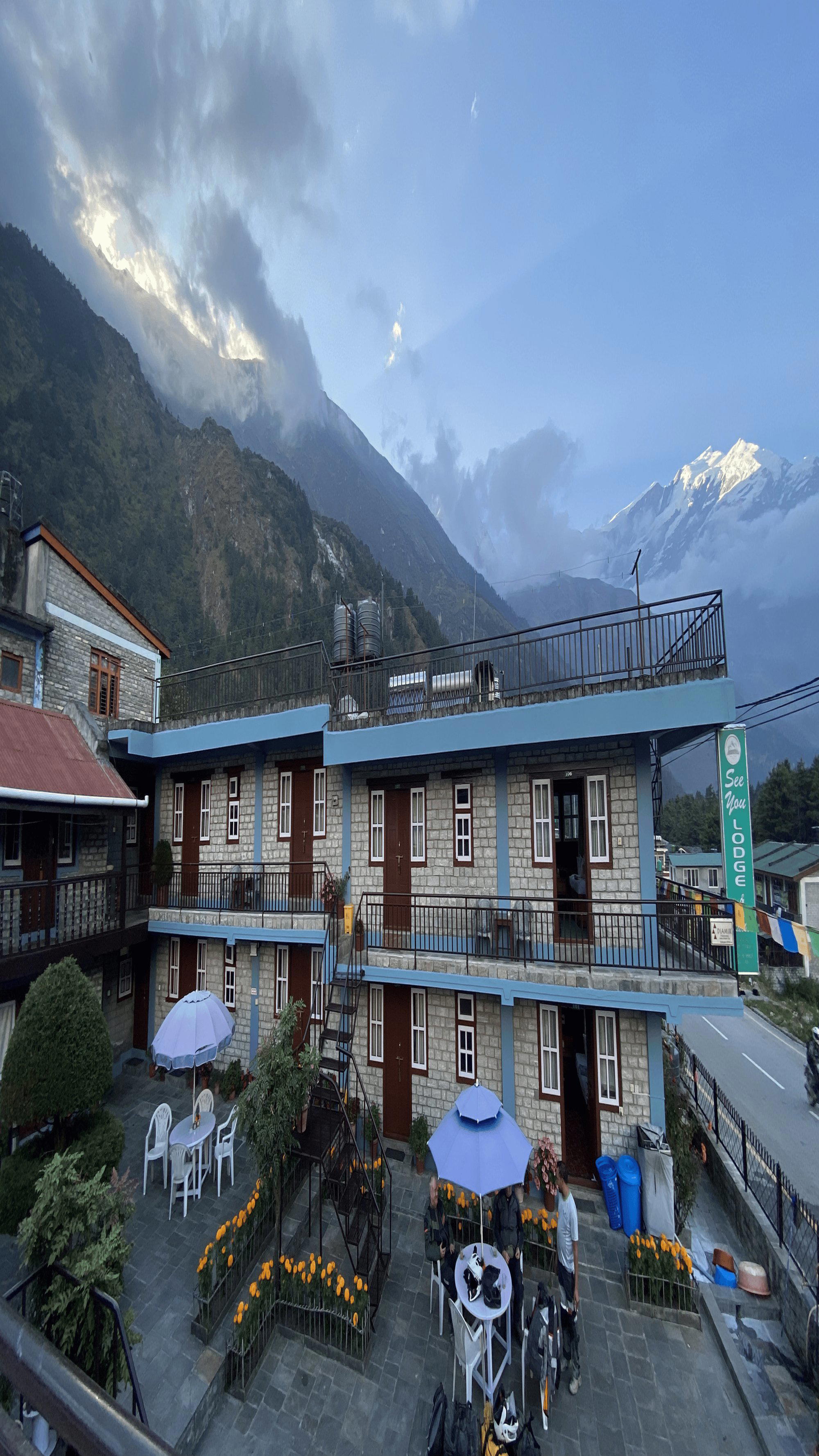
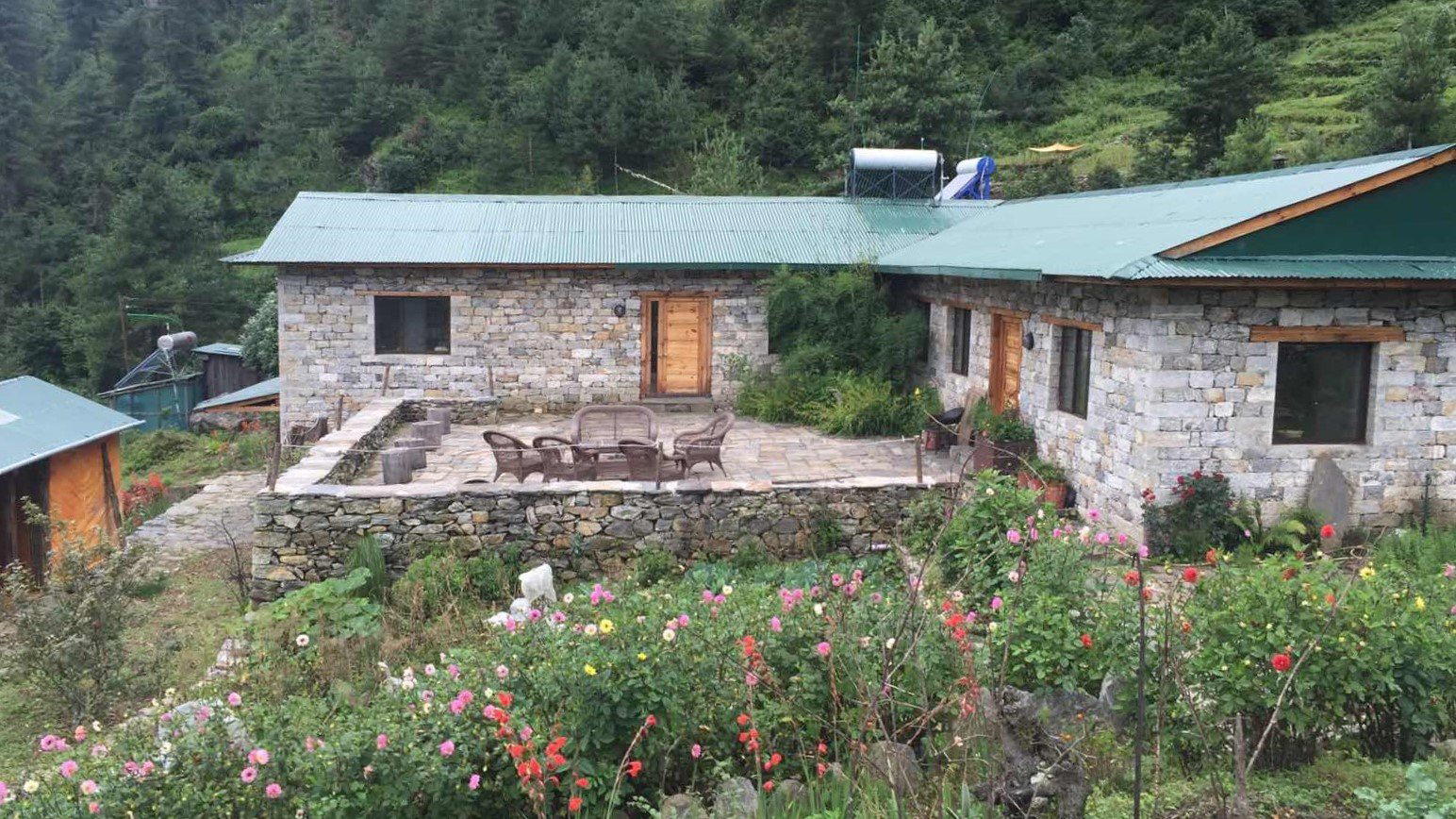
Sherpa Lodge Lobuche sits inside a very particular category of accommodation that exists almost nowhere else in the world. The lodges at this altitude, concentrated in the narrow window between Dingboche and Gorak Shep, operate under physical constraints that no amount of design ambition can override. Stone and timber construction is the norm because both materials are available at altitude and provide superior insulation against temperatures that regularly drop well below freezing overnight. The architectural language of high Khumbu lodges is therefore not aesthetic choice but engineering necessity, which gives these structures a coherent visual identity across the settlement: low profiles, thick walls, small windows, and a dining room built around a central heating source.
The Design Logic of High-Altitude Shelter
To frame Sherpa Lodge Lobuche through the lens of architecture and design is to understand that this building category has its own disciplined logic, one that shares more with mountain refuges in the Alps or Andes than with any urban hospitality typology. The challenge at 4,940 metres is thermal, structural, and logistical simultaneously. Materials arrive by yak or porter. Foundations must account for permafrost and seasonal freeze-thaw cycling. Wind loading at this elevation is severe enough to dictate roof pitch and window placement. Every element of a high Khumbu lodge that looks simple has been refined over decades of trial by the families and communities who built and operate these structures.
The dining room in lodges of this type functions as the social and thermal core of the building. A yak-dung or wood stove, or increasingly a metal cylinder heater, occupies the centre or end wall, and all other furniture orients around it. Benches run along the walls. Tables seat groups that arrived separately but will share space naturally, because altitude fatigue and shared purpose reduce the social distance that would otherwise separate strangers. This spatial arrangement is not designed by architects in any formal sense. It evolved through the practical demands of altitude hospitality, and it has proven so functional that it replicates across virtually every lodge on the upper Khumbu trail. For more on how this pattern plays out across different elevations on the trek, see Thukla Kalapathar Lodge in Thukla and Dingboche Inn in Sagarmāthā Zone, both of which sit on the same trekking corridor at lower elevations.
Positioning on the Everest Base Camp Corridor
Lobuche as a settlement occupies a specific and non-negotiable position on the Everest Base Camp itinerary. Most guided itineraries of 12 to 14 days place a night here before the final push to Gorak Shep and Base Camp. Acclimatisation schedules, which are driven by altitude medicine rather than preference, mean that the lodges at Lobuche receive a fairly predictable flow of trekkers during the two main seasons: the pre-monsoon window from March to May, and the post-monsoon window from late September through November. Outside those seasons, the trail sees dramatically fewer visitors and some lodges operate on reduced capacity or close entirely.
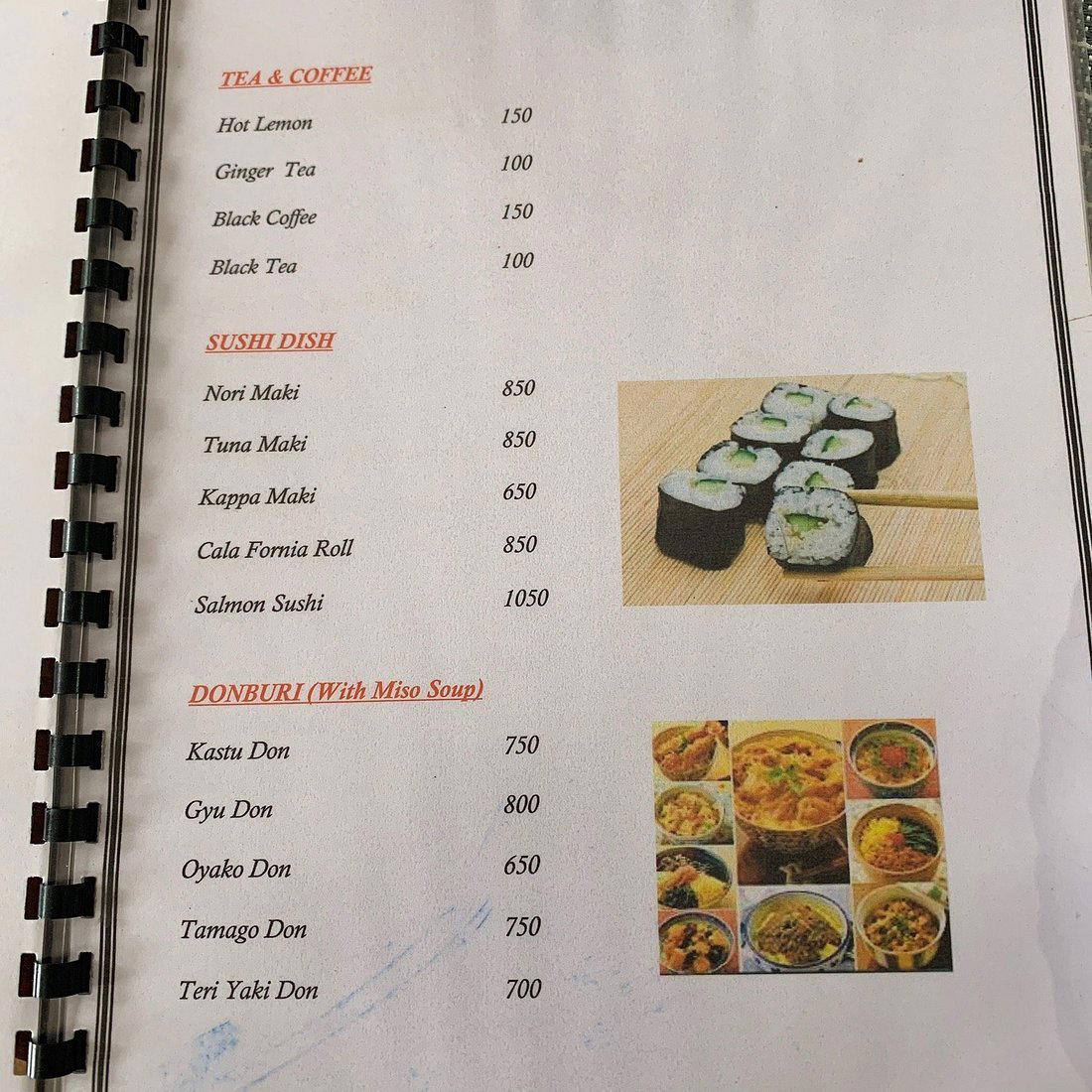
Within that trekker flow, the lodges at Lobuche compete on proximity, heating reliability, and the quality of basic provisions: hot drinks, dal bhat, noodle dishes, and the protein options that remain viable at altitude. There is no meaningful differentiation on design or luxury at this elevation. The competitive set is defined entirely by altitude, position on the trail, and operational consistency. In that context, Trekker's Holliday Inn in Pangboche and the lodges at Thukla represent the immediate lower tier, while Gorak Shep lodges above represent the upper extreme of altitude on the same route.
For trekkers planning the full corridor, the booking and accommodation picture looks quite different from urban Nepal. Properties like Aloft Kathmandu Thamel in Kathmandu or Dwarika's Sanctuary in Dhulikhel operate with conventional reservation systems and year-round staff. High Khumbu lodges function differently: many operate on walk-in basis during peak season, with group leaders or independent trekkers securing beds on the day or a day ahead. Pre-booking is advisable during the peak April and October windows, when teahouse capacity at Lobuche can fill by early afternoon.
What the Setting Provides
The physical environment around Lobuche is among the most dramatic on the entire Himalayan trekking network. The Khumbu Glacier's lateral moraine runs immediately to the east. The pyramid of Pumori (7,161m) is visible to the northwest on clear days. Lobuche Peak (6,119m) to the northeast attracts mountaineering groups using the settlement as a staging base, which adds a different category of visitor to the standard trekking crowd. The interaction between these groups, high-altitude mountaineers and independent trekkers, gives Lobuche a particular atmosphere that lower-altitude stops on the route do not share.
None of that landscape context is incidental to the experience of staying here. The lodge exists in a place where the surroundings are so dominant that interior design, in any conventional sense, is irrelevant. The window view is the design. The silence at 4 a.m. broken only by wind, is the atmosphere. Lodges like this one on the Khumbu trail sit at the opposite end of the hospitality spectrum from properties such as Amangiri in Canyon Point or Castello di Reschio in Lisciano Niccone, where architecture is a deliberate act of placing human craft in conversation with landscape. Here, the lodge does not compete with the mountain. It concedes to it entirely, and that relationship is precisely what makes this category of accommodation worth understanding on its own terms.
For trekkers assembling an end-to-end itinerary that starts lower in the Solukhumbu region, Hikers Inn in Chaunrikharka and The Happy House in Phaplu provide useful reference points for the lower-altitude lodge tier. For full context on accommodation options across the Lobuche settlement and the broader Khumbu area, see our full Lobuche restaurants guide. Those planning alternative high-altitude Himalayan routes might also consider Shinta Mani Mustang in Jomsom, which occupies a different Himalayan corridor and represents a more designed intervention in extreme-altitude hospitality.
How It Stacks Up
| Venue | Price | Awards |
|---|---|---|
| sherpa lodge lobucheThis venue (the venue you are viewing) | Not listed | Not listed |
| The Dwarika's Hotel | $300–500 | 1 Michelin Key · La Liste Top Hotels |
| Aloft Kathmandu Thamel | $100–200 | World Luxury Hotel Awards WLHA Country Winner |
| Dwarika’s Sanctuary | Not listed | 1 Michelin Key · Virtuoso Luxury Hotel Partner |
| Varnabas Museum Hotel | $100–200 | Small Luxury Hotels of the World Member |
| Shinta Mani Mustang | $1,500–2,500 | 1 Michelin Key · Michelin Guide New Hotels New Hotel |
Continue exploring
More in Lobuche
Hotels in Lobuche
All hotels in Lobuche →
Restaurants in Lobuche
Browse all →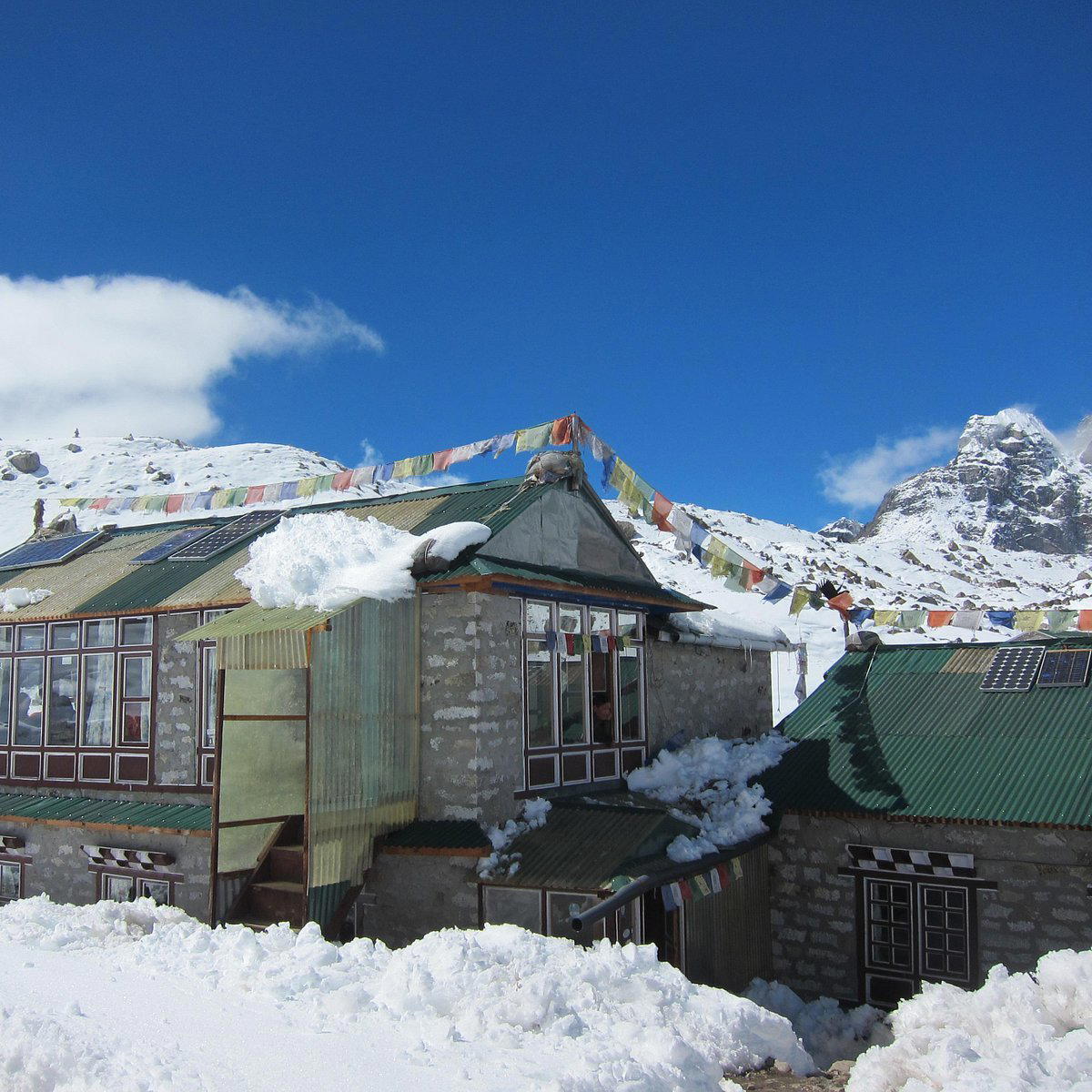
Details
- Rustic
- Cozy
- Scenic
- Weekend Escape
- Group Retreat
- Panoramic View
- Wi Fi
- Mountain
Cozy communal dining areas warmed by wood-burning stoves in a rustic stone-built structure amid harsh Himalayan conditions.