Barc sits inside the Bluestar complex in Kathmandu, positioning itself within a city where the dining scene is increasingly shaped by the tension between Himalayan ingredient traditions and international format expectations. With limited public data available, Barc rewards those willing to seek it out in person, which in Kathmandu's more considered dining circles is often how the better rooms get discovered.
 Discover on Pearl
Pearl is the En Primeur Club membership app — saves, bookings, and concierge access live there. Same editors, same standards.
- Address
- Bluestar complex, Kathmandu 44600, Nepal
- Phone
- +97715357894
- Website
- barc.com.np
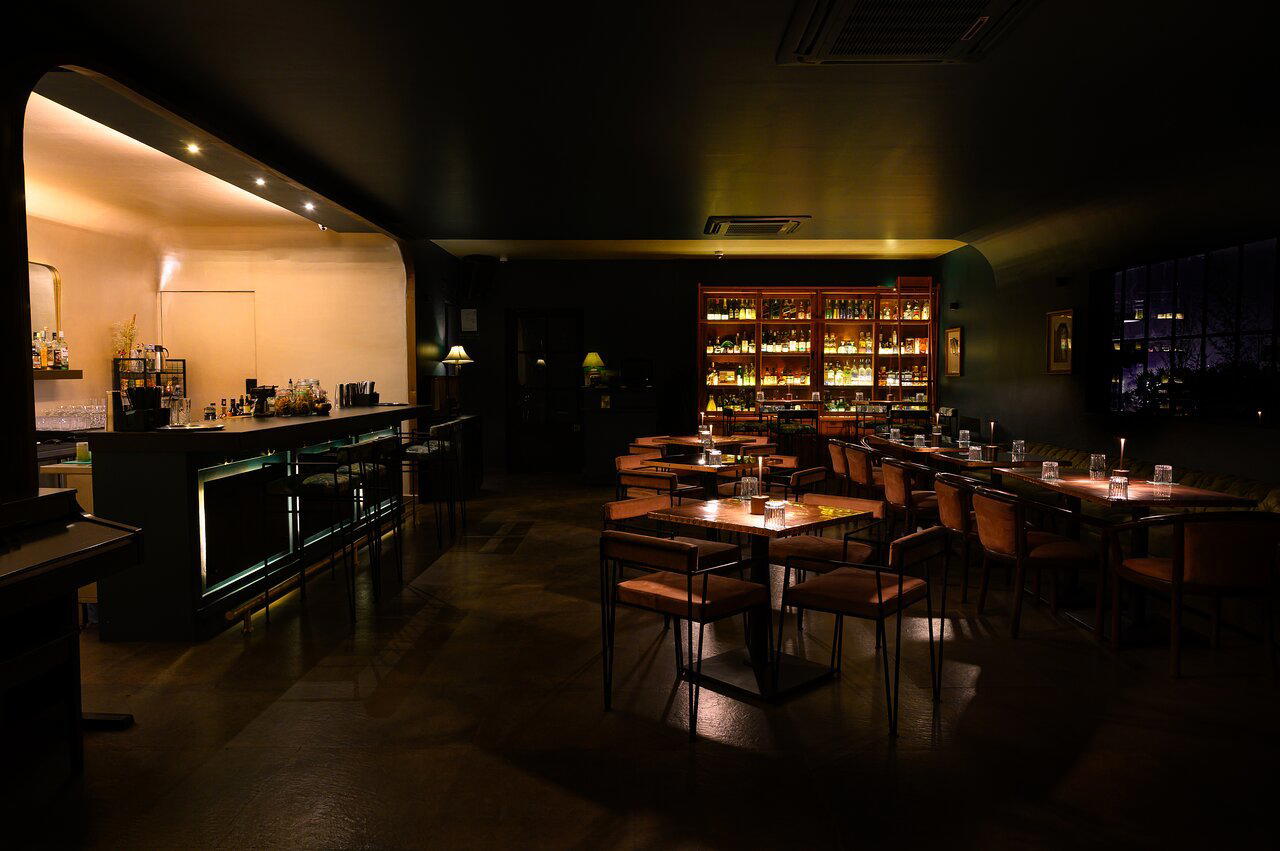
The Bluestar Address and What It Signals
Kathmandu's dining geography has never mapped neatly onto a single neighbourhood. Unlike cities where restaurant districts consolidate around a postcode or a strip, the Nepali capital distributes its more considered food addresses across commercial complexes, hotel annexes, and unmarked upper floors. The Bluestar complex in Kathmandu 44600 is part of that pattern, a multi-use structure that functions as a practical landmark rather than a destination address in the way a standalone townhouse might. Barc is a restaurant serving Pan-Asian Fusion with Nepali Influences, and that placement already says something about how the room operates: not performing for foot traffic, but drawing on a specific local knowledge of where to look.
That dynamic is common across Kathmandu's mid-to-upper dining tier. Venues like Kava Grill & Lounge and Bitters & Co. sit within similar commercial frameworks, relying on word-of-mouth and returning clientele rather than streetside signage. The result is a dining culture that rewards the visitor who has done some research over the one who follows the loudest facade.
Kathmandu's Ingredient Geography
To understand the context any Kathmandu kitchen operates within, it helps to understand Nepal's ingredient supply. The country spans one of the most compressed ecological ranges on earth, from subtropical Terai lowlands to high-altitude valleys, producing everything from aromatic mustard greens and black cardamom to temperate-climate stone fruits and river fish. The Kathmandu Valley itself sits at roughly 1,400 metres, which places it in a temperate zone capable of supporting seasonal vegetables, dairy traditions, and spice corridors that arrive from the south via Madhesh.
For any kitchen working in this city, that geography is both a resource and a constraint. Procurement from hill farmers or small mountain cooperatives requires either direct relationships or reliable intermediaries. The restaurants that get this right, sourcing Jumla red rice, Mustang apples, or high-altitude honey from verified supply chains, produce food that reads differently from venues importing commodity ingredients. This is the distinction that matters most in Kathmandu's current dining conversation, more than cuisine category or format. Venues such as BAGAAN Thakali Kitchen have drawn attention precisely for anchoring menus to regional ingredient traditions rather than adopting a pan-Asian or pan-continental shorthand.
Whether Barc operates within that ingredient-first framework or takes a different route is something the venue's publicly available record does not confirm. The Bluestar address alone does not determine it. What it does suggest is a room operating at a remove from tourist-circuit interpolations of Nepali food, the kind of positioning that, in this city, often correlates with more considered sourcing decisions.
The Kathmandu Dining Tier Barc Inhabits
Kathmandu's restaurant scene in the 2020s has split along a few legible axes. There are long-running international-format rooms, Fire & Ice for Italian-American, Dongfang Palace China for Chinese regional, that serve an established expatriate and tourism population and have built their reputations over years of consistent output. Then there is a smaller, less documented tier of venues whose identity is harder to pin from the outside: rooms that do not maintain a strong web presence, that change their menus seasonally without press releases, and that accumulate a loyal local following rather than chasing listing rankings.
Barc sits somewhere in that second grouping by default. That is not a criticism. Some of the more interesting kitchens in cities like Kathmandu operate below the documentation threshold precisely because their primary audience is not arriving via aggregator search. They are the rooms that locals recommend specifically because they are not over-indexed on visibility.
For context on how that compares globally, the willingness to operate without award-chasing infrastructure appears across dining cultures at very different price points. Atelier Moessmer Norbert Niederkofler in Brunico built its reputation on Alpine ingredient sourcing before accolades followed. Dal Pescatore in Runate sustained decades of standing through consistency rather than media cycle. The pattern of substance preceding visibility is not exclusive to any tier.
Navigating a Visit
For those planning a trip to Kathmandu and trying to build a considered itinerary, the Bluestar complex is a navigable landmark in the city's central zone. The address, Bluestar complex, Kathmandu 44600, gives enough orientation to locate the building via maps. In a city where the better dining rooms are often discoverable through hotel concierges and guesthouse staff rather than online booking platforms, that is a standard mode of access rather than an inconvenience.
Timing a Kathmandu visit around the dining calendar is worth considering separately. Barc is open Tuesday through Sunday, with Monday closed. The city's food supply shifts meaningfully between the October-November post-monsoon window, when the valley's produce is at its most varied, and the February-March pre-monsoon period, which tends to bring a different set of mountain-sourced goods to market. Visitors arriving in those windows are likely to encounter menus that reflect seasonal availability more faithfully than those visiting during the monsoon months of June through August, when supply chains from hill districts can be interrupted by weather.
For a broader map of Kathmandu's dining options, the EP Club Kathmandu restaurants guide covers the full range, from Thakali kitchens to international-format rooms. Elsewhere in Nepal, Scenic Tea House in Pokhara and Buddha Lodge & Restaurant in Gorak Shep represent different points on the country's hospitality spectrum, the latter operating at altitude on the Everest Base Camp trail, where ingredient sourcing takes on an entirely different set of logistical constraints. Tomodachi Restaurant in the Sagarmatha Zone sits within that high-altitude bracket as well.
What the Gaps in the Record Actually Mean
It is tempting to treat sparse documentation as a negative signal about a venue. In Kathmandu, it rarely is. Nepal's hospitality sector has not uniformly adopted the review-platform and social-media infrastructure that makes venues in London or New York legible from a distance. A room can be operating at a high level of consistency, with loyal repeat clientele and considered sourcing, and still register as nearly invisible on the aggregated public record simply because its audience does not communicate through those channels.
Barc's limited public footprint does not confirm quality, but it does confirm that the room is not operating primarily as a tourism product. Barc has a Google rating of 4.5 from 335 reviews and is priced at about $25 per person. That is a meaningful distinction in a city where the distance between a room built for visitors and one built for residents is often the most reliable proxy for where the food takes its reference points seriously.
Visitors looking for a comparable level of editorial grounding in other dining contexts might reference how rooms like Lazy Bear in San Francisco or Atomix in New York City built reputations before broad public recognition followed. The dynamic is different at every price point and in every city, but the pattern of a venue finding its audience before its press coverage is not unusual among the more considered rooms in any market.
A Quick Peer Check
Comparable venues nearby, for context on price, style, and recognition.
| Venue | Cuisine | Price | Awards | Notes |
|---|---|---|---|---|
| BarcThis venue — the venue you are viewing | Pan-Asian Fusion with Nepali Influences | $$$ | , | |
| Bitters & Co. | Cocktail Bar | $$$ | , | Lazimpat |
| Ofukurono Aji Japanese Home Dishese (おふくろの味) | Japanese Home Dishes | $$ | , | Thamel |
| Healthy Smoothie Bowl & Pizzeria | Healthy Smoothie Bowls & Neapolitan Pizza | $$ | , | Thamel |
| Saigon Pho | Authentic Vietnamese Pho | $$ | , | Lazimpat |
| BAGAAN Thakali Kitchen | Traditional Thakali Kitchen | $ | , | Thamel |
Continue exploring
More in Kathmandu
Restaurants in Kathmandu
Browse all →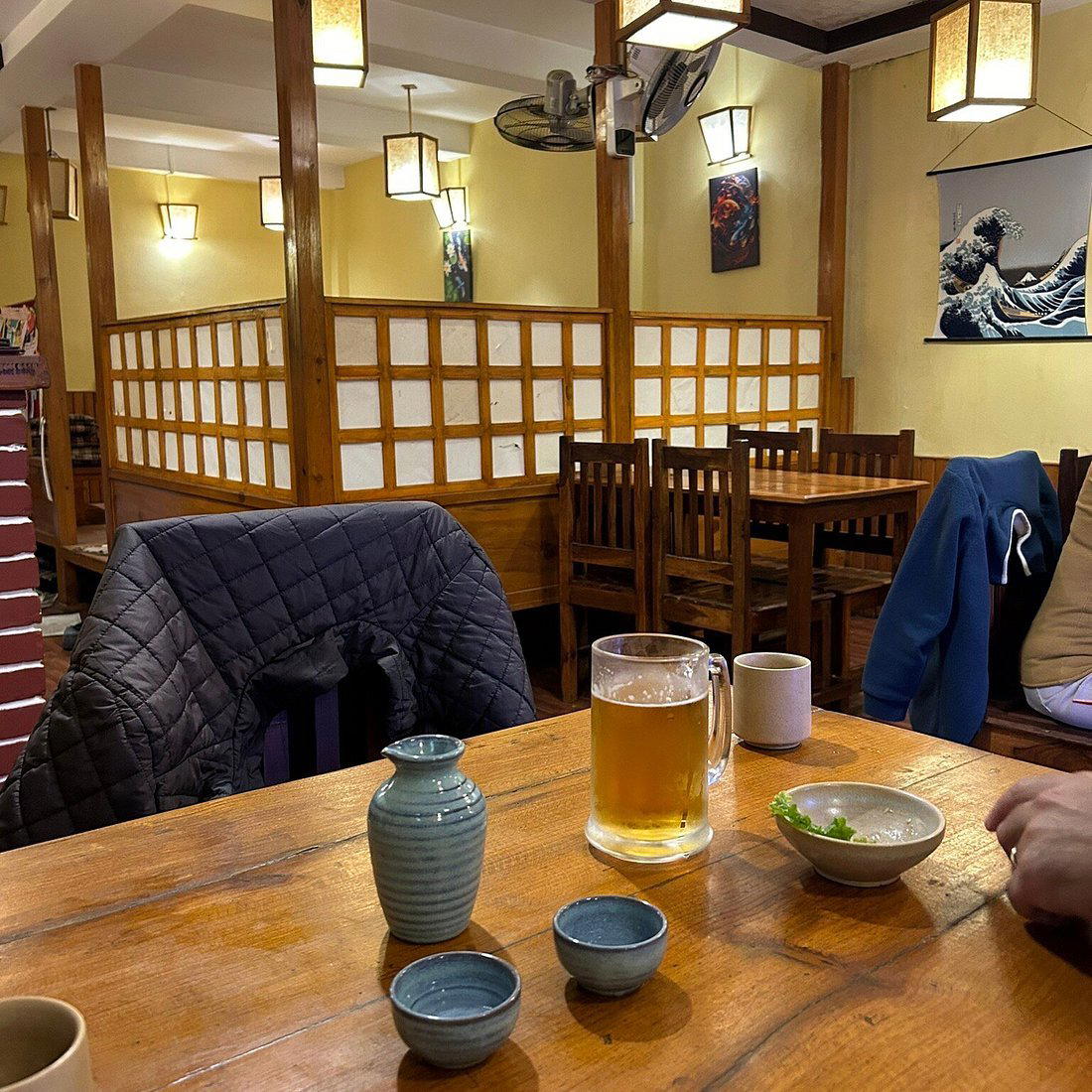
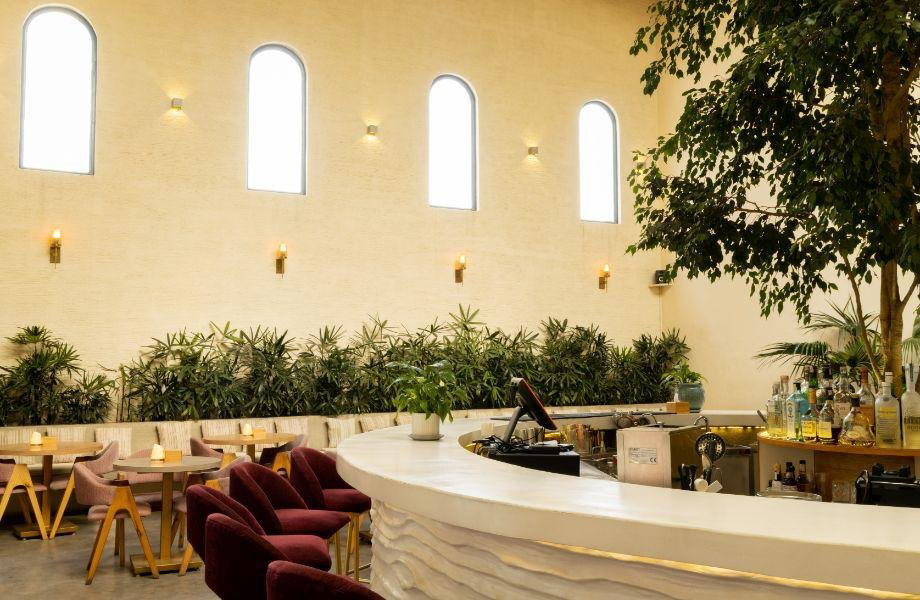
Bars in Kathmandu
Browse all →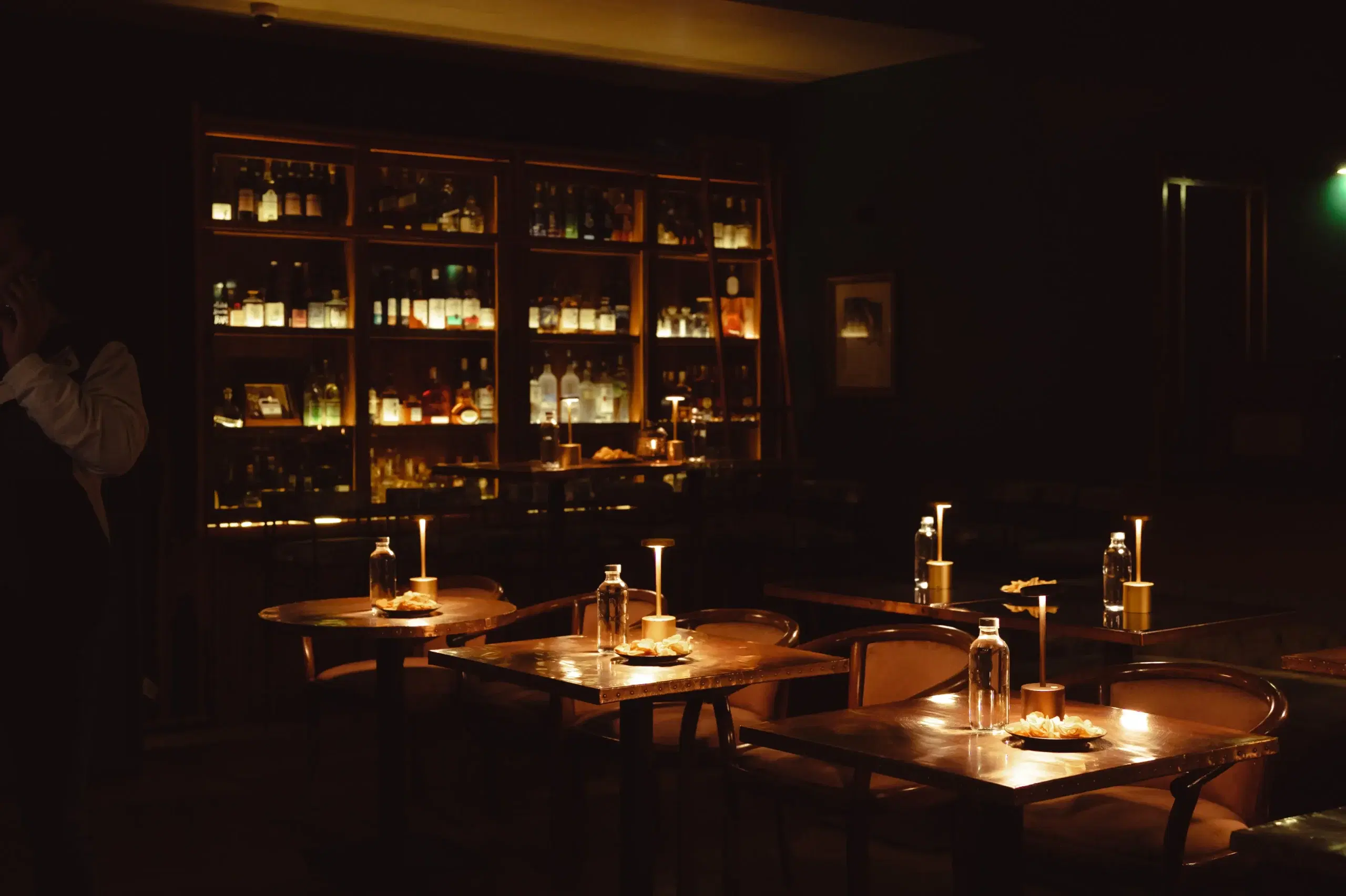
At a Glance
- Cozy
- Elegant
- Trendy
- Intimate
- Sophisticated
- Date Night
- Casual Hangout
- After Work
- Terrace
- Craft Cocktails
- Local Sourcing
Chic décor with cozy lighting, Lo-fi Jazz playlist, and sleek contemporary style creating a perfect setting for conversations.