See You Lodge And Restaurant
Positioned on the approach to the Annapurna foothills above Pokhara, See You Lodge And Restaurant occupies a stretch of the Nepal trekking circuit where altitude and landscape shape every decision about where to eat and sleep. The property sits within a lodge-and-restaurant format common to this elevation, serving trekkers and travellers moving between Phedi and the higher trail sections above Dhampus.
Pearl is the En Primeur Club membership app — saves, bookings, and concierge access live there. Same editors, same standards.
- Address
- Dhampus Phedi, Nepal
- Directions
- Get directions
 Saves & bookings on Pearl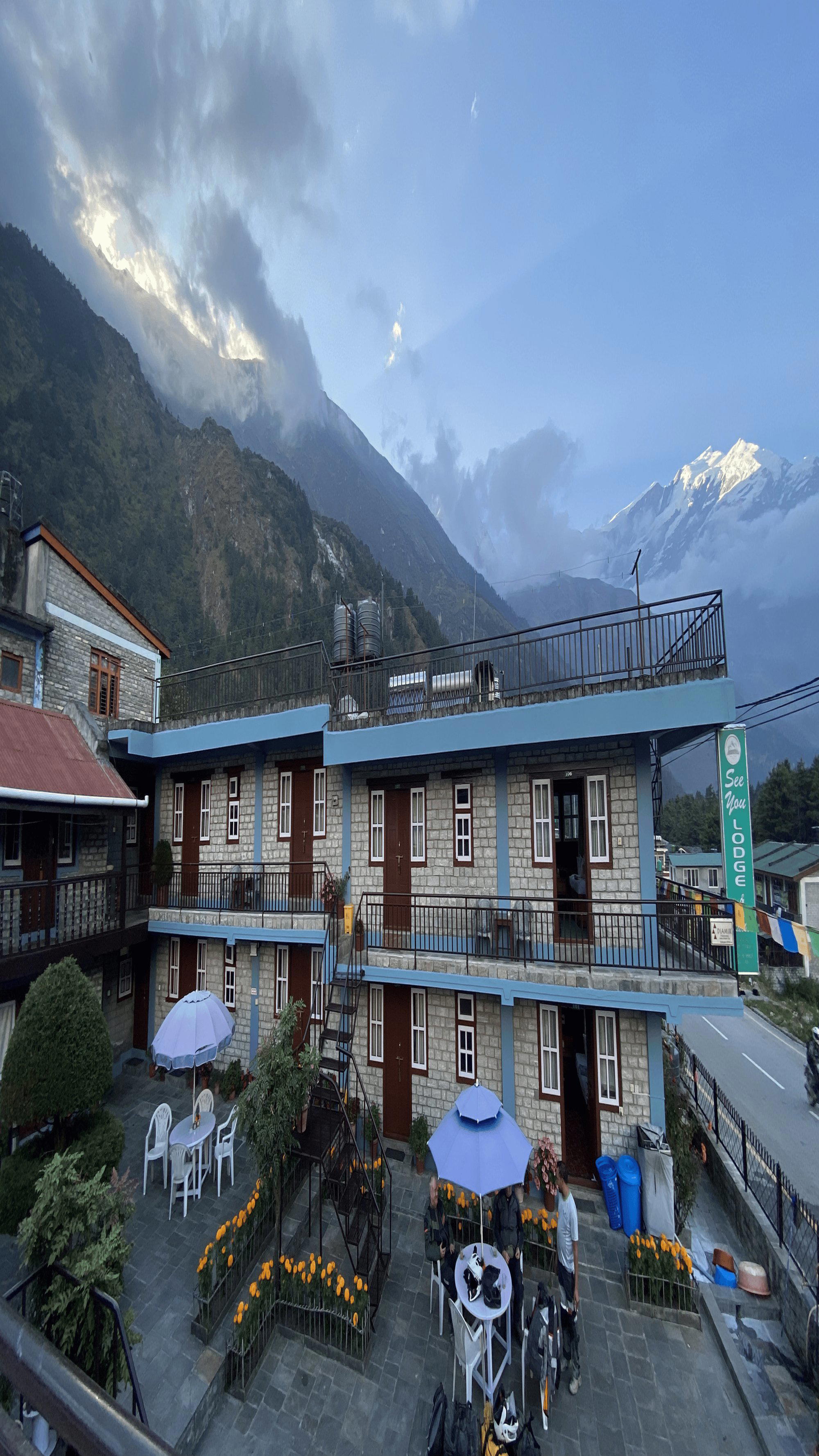
Where the Trail Dictates the Architecture
The approach to Dhampus Phedi establishes the terms before you arrive. This is not a destination you reach by taxi from a city hotel lobby; it sits at the base of the ascent toward Dhampus village, where the Annapurna foothills begin in earnest and the built environment shifts from valley floor infrastructure to the compact, functional lodge vernacular that defines trekking Nepal. At this elevation and in this context, the physical form of a property is shaped as much by the trail conditions, local material availability, and the rhythms of trekker movement as by any deliberate design philosophy. See You Lodge And Restaurant operates within that tradition. For readers planning routes through this section of the Annapurna circuit, our full Dhampus Phedi restaurants guide maps the wider field of options along this approach.
The Lodge Format at This Altitude
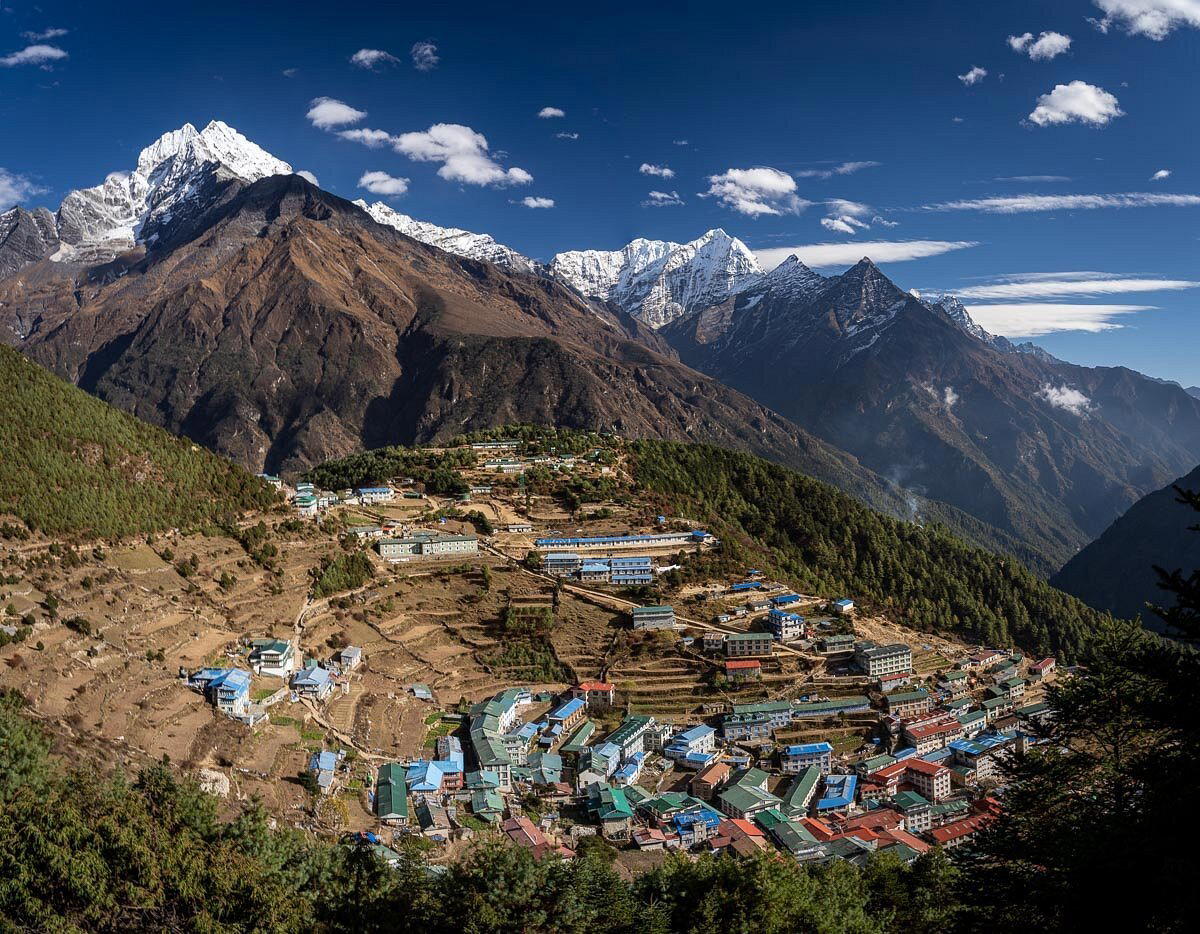
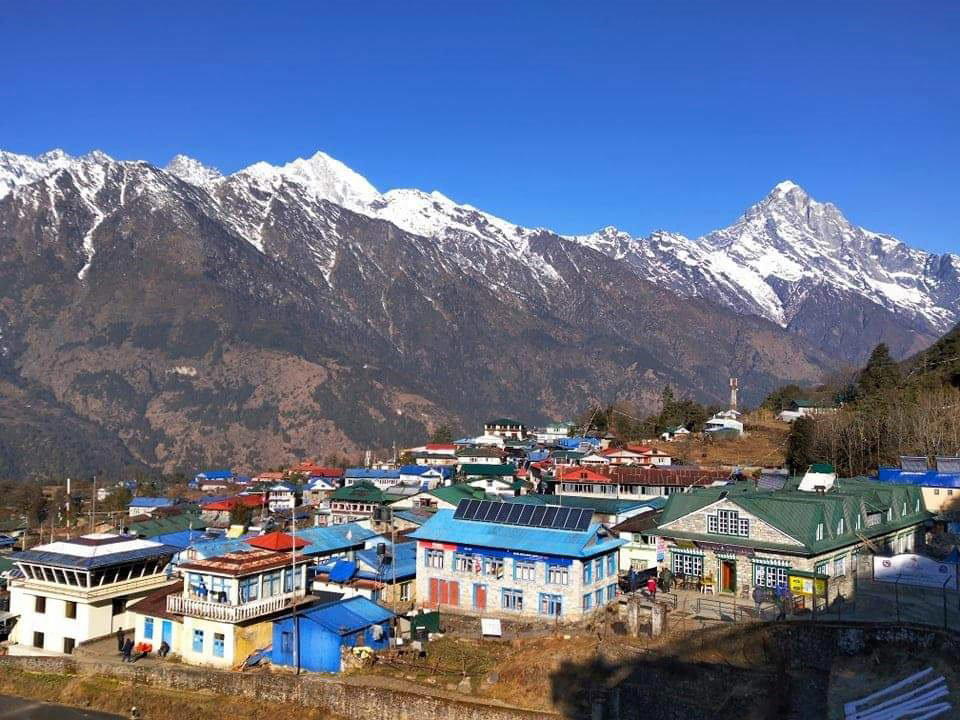
Nepal's trekking lodge category has its own architectural logic, one that diverges entirely from the design-led boutique properties found in Pokhara or Kathmandu. Structures are built low, oriented toward the available light and the ridge views, and constructed primarily from local stone and timber where supply chains allow. The restaurant function is typically integrated with the lodge rather than operating as a separate destination, meaning the dining room serves the same population as the sleeping quarters: trekkers arriving from the trail, day-hikers using Phedi as a staging point, and the occasional traveller using the lodge as a first-night acclimatisation stop before the climb to Dhampus proper.
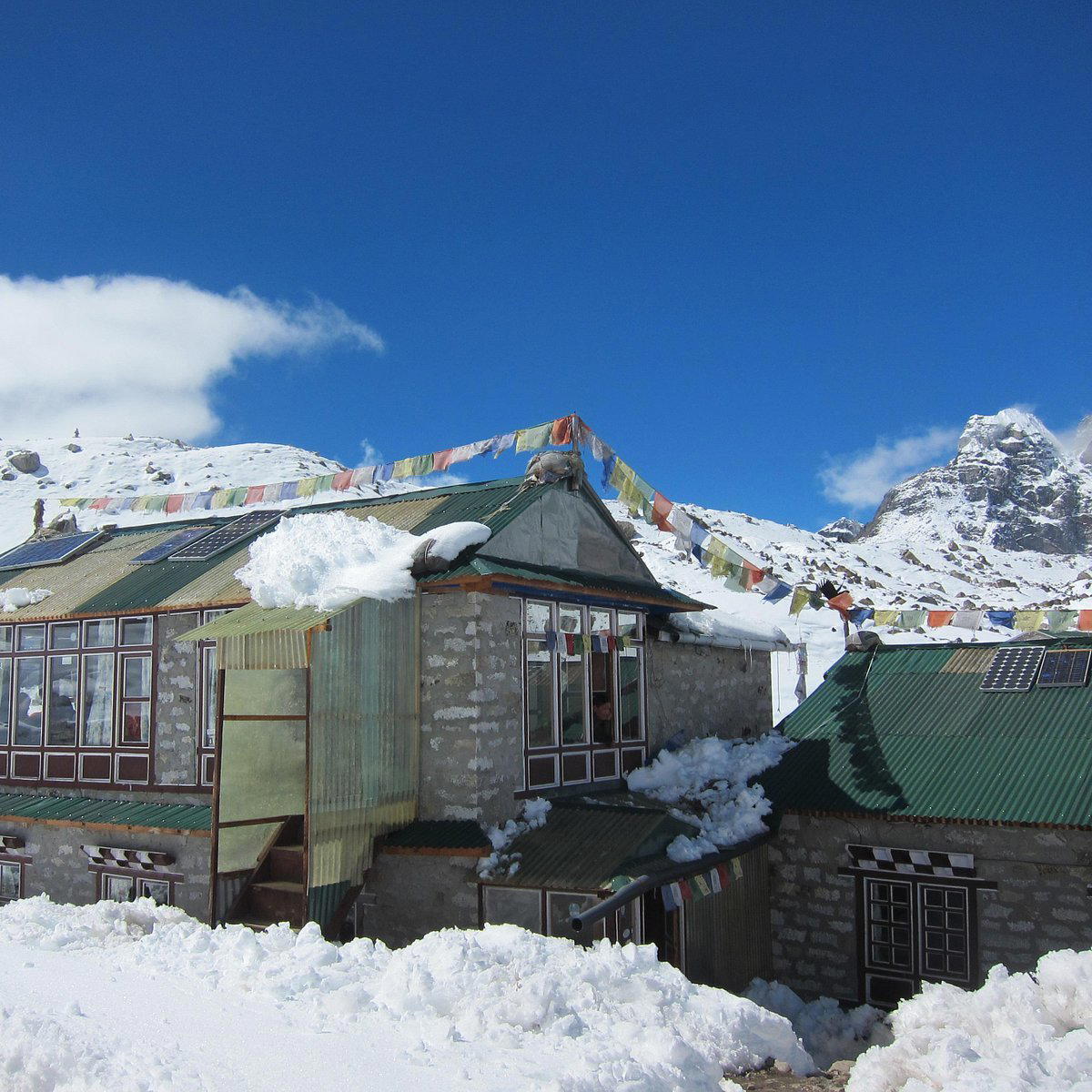
This integration of sleeping and eating under one roof is a defining feature of the mid-range trekking lodge tier across Nepal, and See You Lodge And Restaurant sits within that category. The architecture of such properties prioritises utility without discarding comfort entirely. Stone walls provide thermal mass against the cold that descends quickly after sunset at this altitude. Covered verandas or open-fronted dining areas capture the mountain sight lines that are, functionally, the central amenity. The design is not curated in the way that properties like Shinta Mani Mustang in Jomsom or Dwarika's Sanctuary in Dhulikhel are curated, but it is calibrated to a specific kind of traveller with specific physical needs at a specific point in a journey.
The Annapurna Foothills Context
Dhampus Phedi sits at the junction where Pokhara's relative ease gives way to the conditions of the lower Annapurna trails. Properties at this transition point serve a dual function: they operate as the last stop of comfort before the ascent steepens, and as the first point of recovery on the descent. That dual role shapes how lodges at this altitude are used across the trekking season, which runs primarily from October through November and from March through April, when weather conditions make the upper trails accessible and the foothills draw significant foot traffic.
Within Nepal's trekking accommodation spectrum, Phedi-area lodges occupy a middle tier below the managed luxury of valley-based properties and above particularly basic teahouses higher on the trail. For context on the full range of what Nepal's trekking corridor offers, properties like the Hikers Inn in Chaunrikharka, the Dingboche Inn in Sagarmāthā Zone, and the Thukla Kalapathar Lodge in Thukla represent how the lodge format evolves as elevation increases on the eastern Everest side. The Trekker's Holliday Inn in Pangboche and the Sherpa Lodge in Lobuche illustrate how amenities contract and the shelter function comes to dominate entirely as altitude rises. At Phedi, you are still at the comfortable end of that spectrum.
Food as Function, Not Destination
The restaurant component of a lodge at this stage of the Annapurna approach reflects a cuisine tradition built around carbohydrate density, warming broths, and local staples. Dal bhat, the rice-and-lentil foundation of Nepali meals, is the operational standard across this tier. Trekkers with high caloric output requirements eat it twice daily without variation. Noodle soups, egg dishes, and simple vegetable preparations extend the menu, with the range narrowing as supply chains become more difficult further up the trail.
At Phedi, supply is more reliable than at altitude, which means lodge restaurants here can offer a broader spread than their higher-elevation counterparts. The food function here is practical but not without pleasure: a well-made dal bhat at the right moment in a trek carries a satisfaction that has nothing to do with fine-dining mechanics. That is the honest register in which the restaurant half of a property like See You Lodge And Restaurant should be evaluated, not against the kitchen ambitions of Himalayan Hideaway Resort in Pokhara or the dining programs at Aloft Kathmandu Thamel, but against what a tired trekker needs at the end of a day's walking.
For reference on how lodge-and-restaurant formats function across Nepal's broader trekking network, the Zambala Lodge and Restaurant and The Happy House in Phaplu represent comparable integrated formats in different geographic sections of the trail system.
Planning Your Stay
Trekking season timing governs everything at this tier of the Annapurna approach. October and November bring stable skies, clear ridge views, and high foot traffic across all Phedi-area lodges. March and April offer similar conditions with rhododendron cover on the lower slopes. Monsoon months from June through August make the approach trails slick and the mountain views intermittent at leading. Booking for peak season in advance is advisable, though the lodge format here does not typically require the kind of extended lead time associated with high-design properties in Nepal's urban centres or with internationally recognised luxury operators. Arriving with a degree of flexibility remains a viable strategy outside the busiest October window. For travellers anchoring to Kathmandu before or after the trek, Aloft Kathmandu Thamel and Dwarika's Sanctuary in Dhulikhel represent distinct options at either end of the urban-to-heritage spectrum.
Comparison Snapshot
Comparable venues nearby, for context on price, style, and recognition.
| Venue | Cuisine | Price | Awards | Notes |
|---|---|---|---|---|
| See You Lodge And RestaurantThis venue — the venue you are viewing | Eco-friendly mountainside lodge inspired by local designs | $$ | Not listed | Not listed |
| Zambala Lodge & Restaurant | Traditional Sherpa teahouse with stone and wood construction. | $$ | Not listed | Khumbu Pasanglhamu Rural Municipality |
| sherpa lodge lobuche | Traditional Sherpa teahouse with stone construction and basic amenities | $ | Not listed | Lobuche |
| The Happy House | Traditional Nepali/Tibetan style luxury home with modern comforts | $$ | Not listed | Phaplu |
| Hikers Inn | Mountain lodge blending modern comfort with traditional Sherpa charm | $$ | 3-Star | Khumbu Pasang Lhamu Rural Municipality |
| Dingboche Inn | Traditional family-run teahouse lodge integrated into the Everest trekking circuit | $$ | 3-Star | Dingboche |
Continue exploring
More in Dhampus Phedi
Hotels in Dhampus Phedi
Browse all →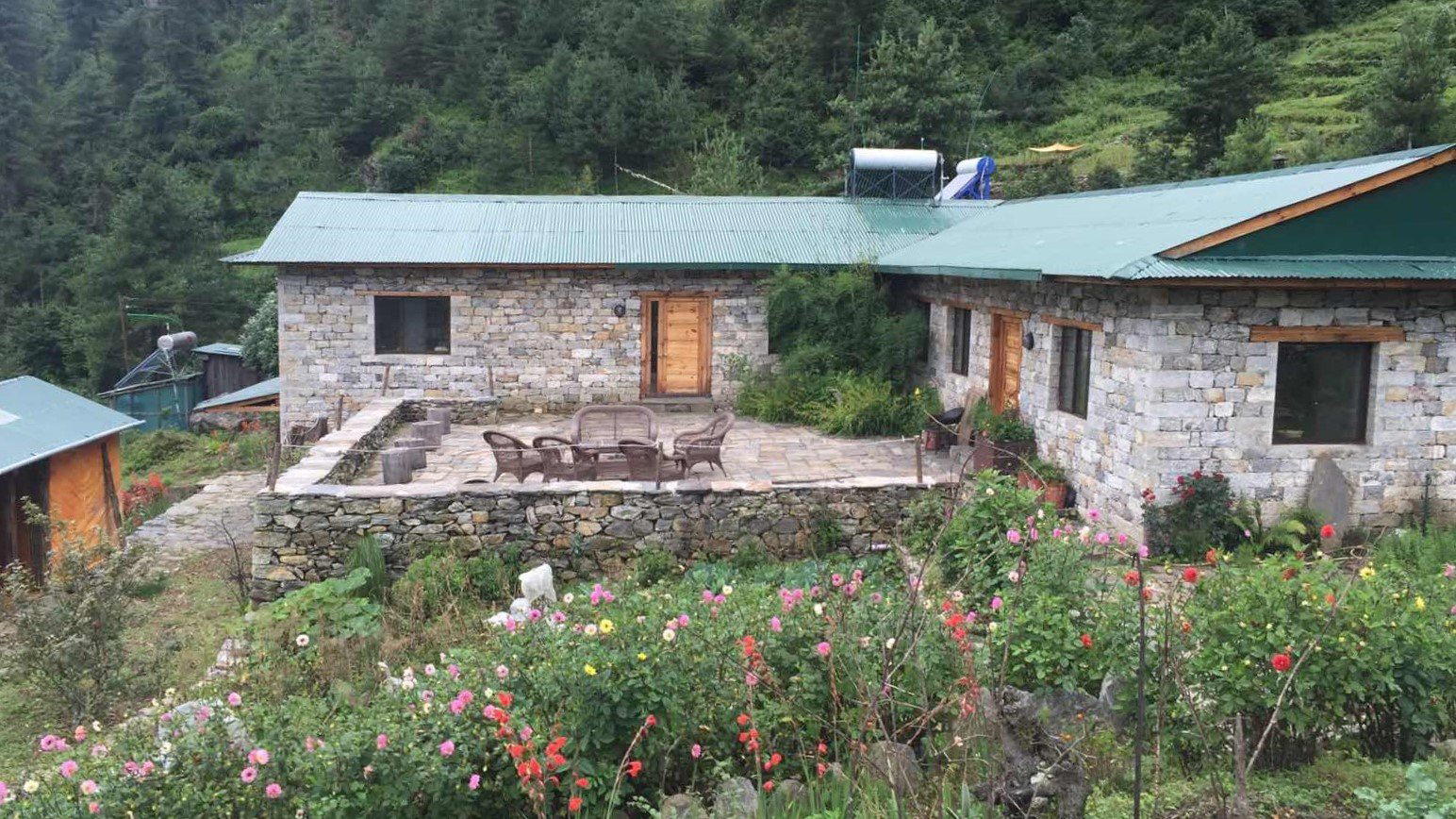
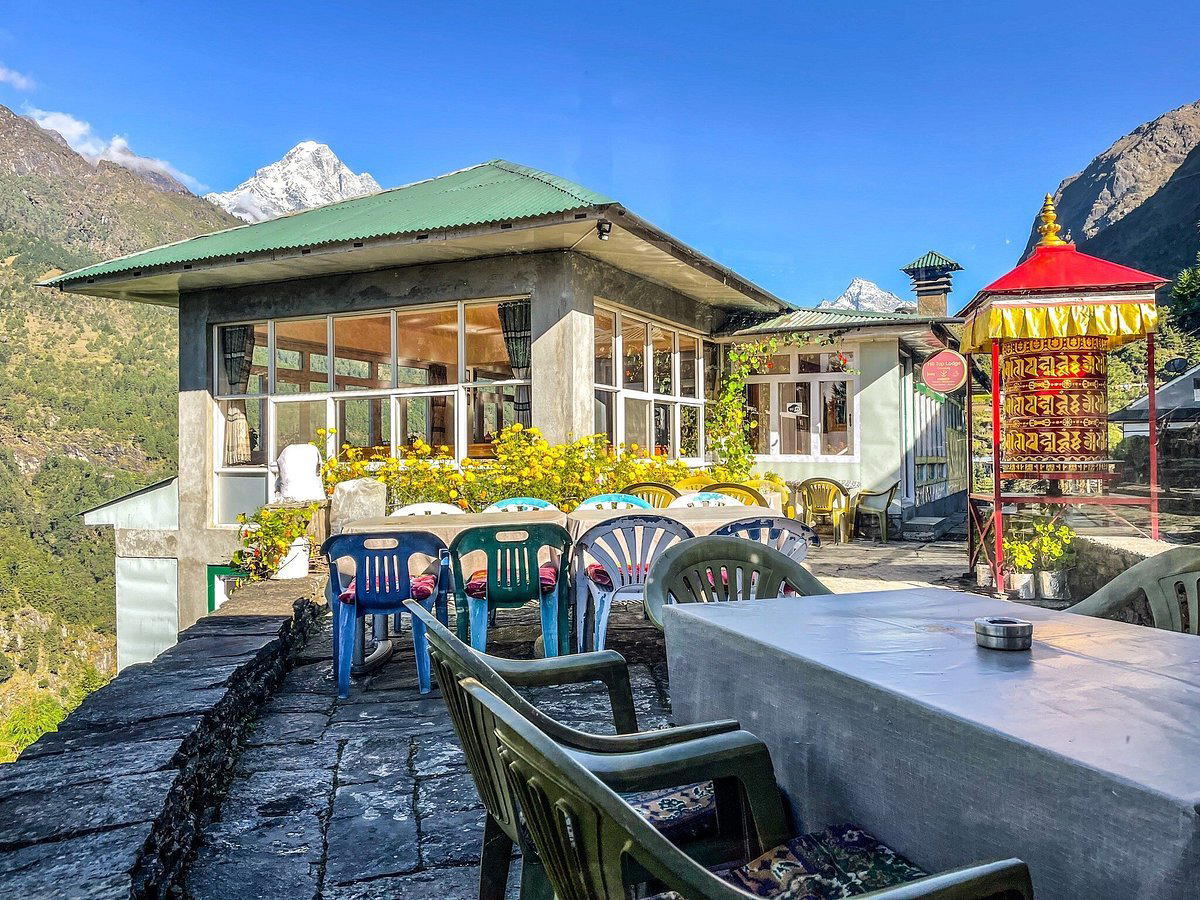
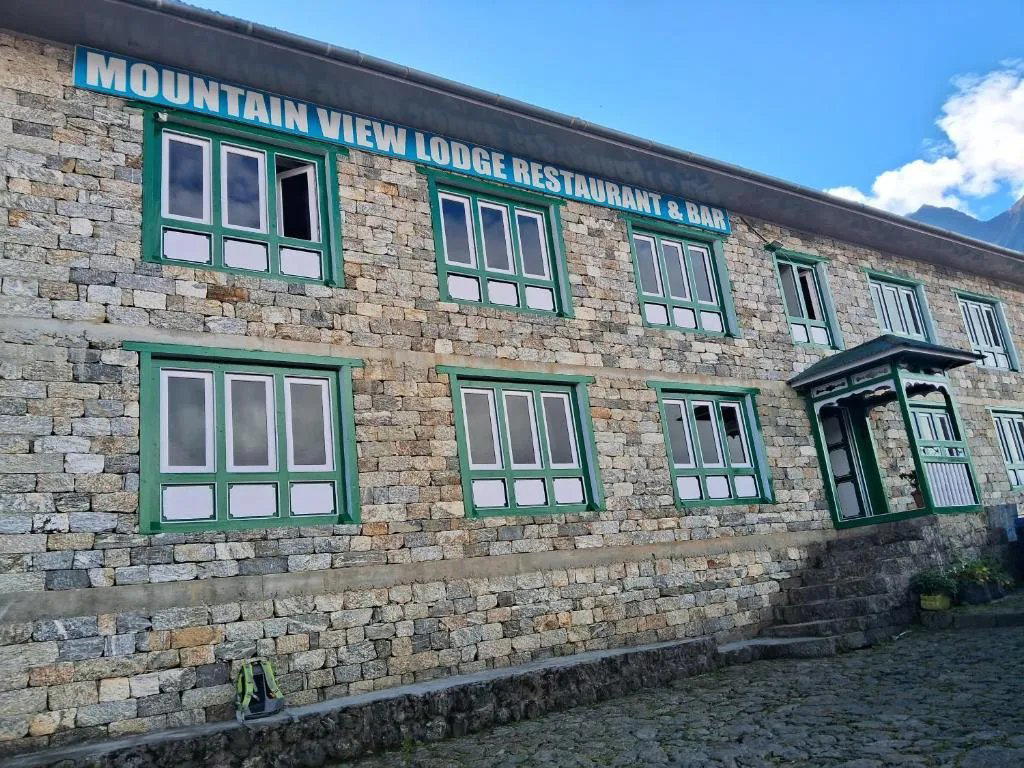
Restaurants in Dhampus Phedi
Browse all →
At a Glance
- Quiet
- Scenic
- Cozy
- Rustic
- Romantic Getaway
- Wellness Retreat
- Weekend Escape
- Panoramic View
- Garden
- Terrace
- Wi Fi
- Restaurant
- Bar
- Mountain
- Garden
- Wi Fi
- Restaurant
- Bar
Retreat ambiance with simple pleasures, natural surroundings, cozy dining room with roaring fire, and grassy terrace for sunset drinks.