Dingboche Inn
At 4,410 metres in the Khumbu, Dingboche Inn occupies one of the highest and most logistically demanding positions in Nepal's teahouse circuit. The settlement of Dingboche sits on the acclimatisation loop between Namche Bazaar and Everest Base Camp, making any lodge here less a destination choice than a necessary station on a longer journey. What distinguishes one teahouse from another at this altitude is architecture, warmth retention, and the reliability of basic provisions.
Pearl is the En Primeur Club membership app — saves, bookings, and concierge access live there. Same editors, same standards.
- Address
- Sagarmatha Zone, Nepal
- Directions
- Get directions
 Saves & bookings on Pearl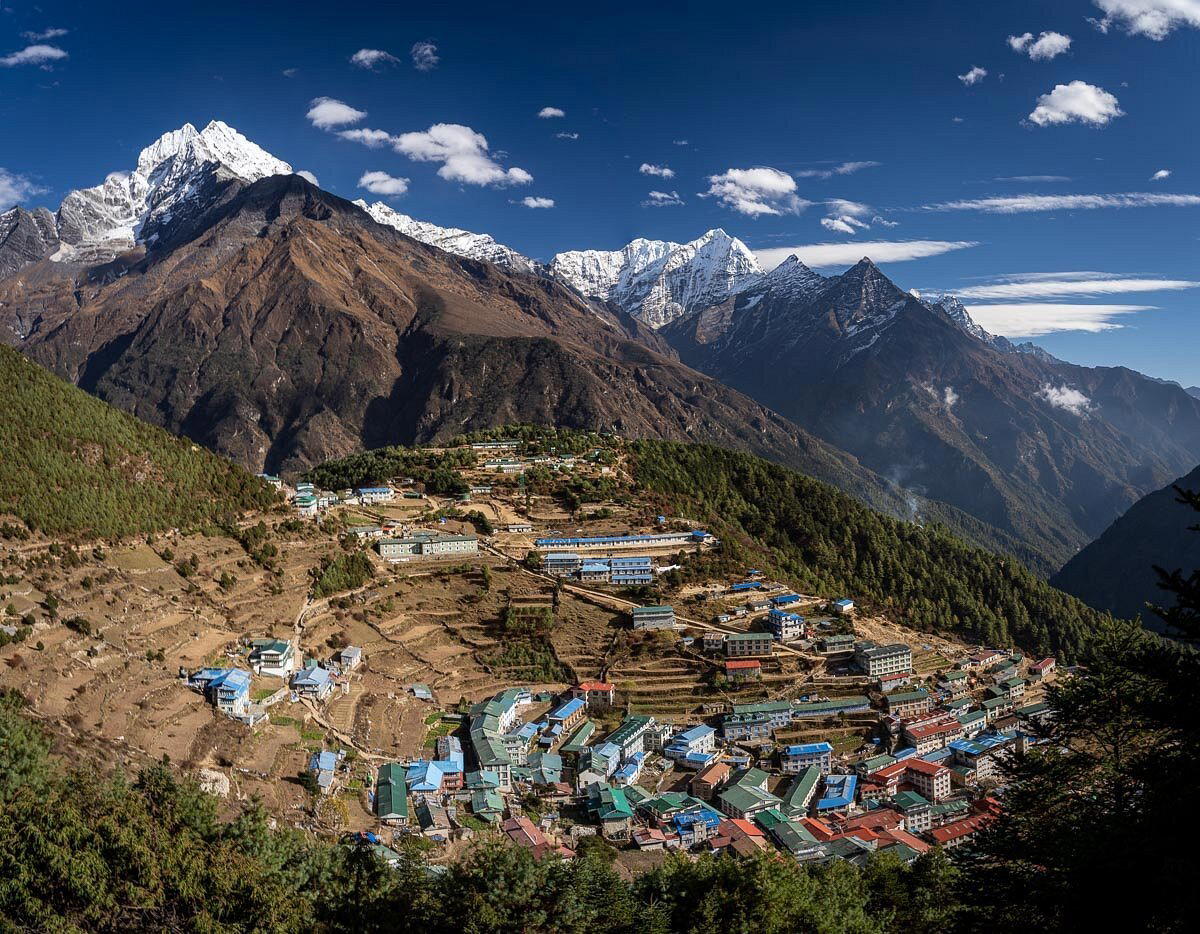
Where the Trail Ends and the Teahouse Begins
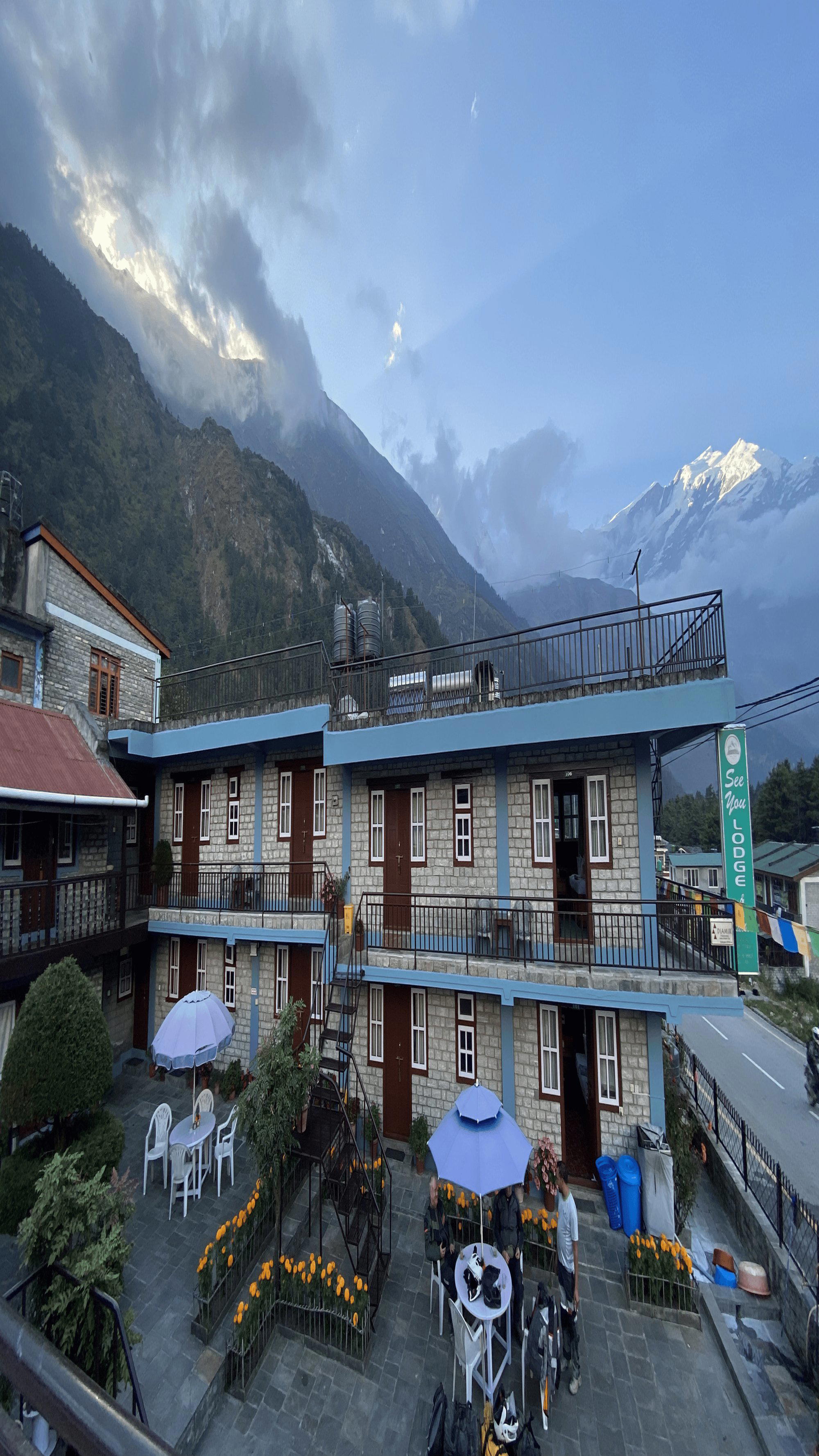
At roughly 4,410 metres above sea level, Dingboche sits in the upper Khumbu valley at a point where the terrain shifts decisively from alpine meadow to high-altitude austerity. The village occupies a wide, wind-scoured basin below the flanks of Ama Dablam and Island Peak, and the structures that have grown here over decades share a common logic: stone walls thick enough to hold heat, small windows that frame the peaks rather than expose the interior to cold, and flat or gently pitched roofs weighted against the valley gusts. Dingboche Inn belongs to that vernacular. Its physical form is a product of altitude and material constraint as much as any design intention, which makes it a representative example of what high-Himalayan lodge architecture looks like when it is working properly.
The teahouse model that defines accommodation along the Everest Base Camp and Three Passes circuits is one of the more quietly sophisticated hospitality formats in mountain travel. Unlike purpose-built alpine huts in the European tradition, Khumbu teahouses evolved from domestic structures, and the transition from family home to traveller shelter happened gradually, with each generation of building adding a dining room here, a row of sleeping rooms there. The result is an architecture of accretion rather than plan, and Dingboche Inn reflects that history in the way its spaces feel inhabited rather than designed.
The Physical Logic of High-Altitude Shelter
The dining room in a Khumbu teahouse performs more functions than its counterpart anywhere else in the hospitality world. It is the social centre, the warming station, the information exchange, and the acclimatisation waiting room all at once. The stove, typically yak-dung or wood-burning, positioned centrally or against an interior wall, defines the hierarchy of the space: tables closest to the heat fill first, and the social dynamics of any given evening are largely determined by who arrived earliest and claimed the warm bench. This is architecture as climate management, and it is worth understanding before you arrive.
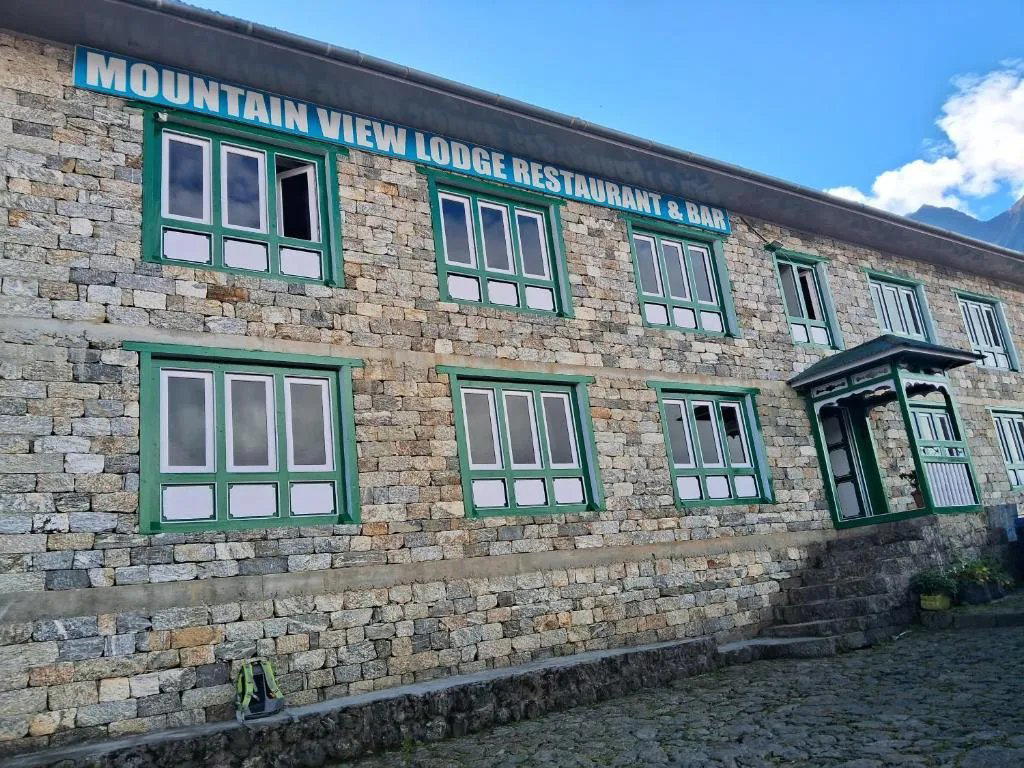
Stone construction at this altitude is not an aesthetic choice but a thermal one. The mass of the walls absorbs what heat the thin air and weak-angle sun can deliver during the day and releases it slowly through the night, moderating the temperature swing that would otherwise make sleep difficult. The sleeping rooms, typically arranged in a separate wing or upper floor, are deliberately minimal: a platform bed, a foam mattress, blankets in varying states of adequacy, and a small window. The spareness is functional. Anything that cannot survive the cold, the dust, or the altitude gets removed. What remains is what the environment permits.
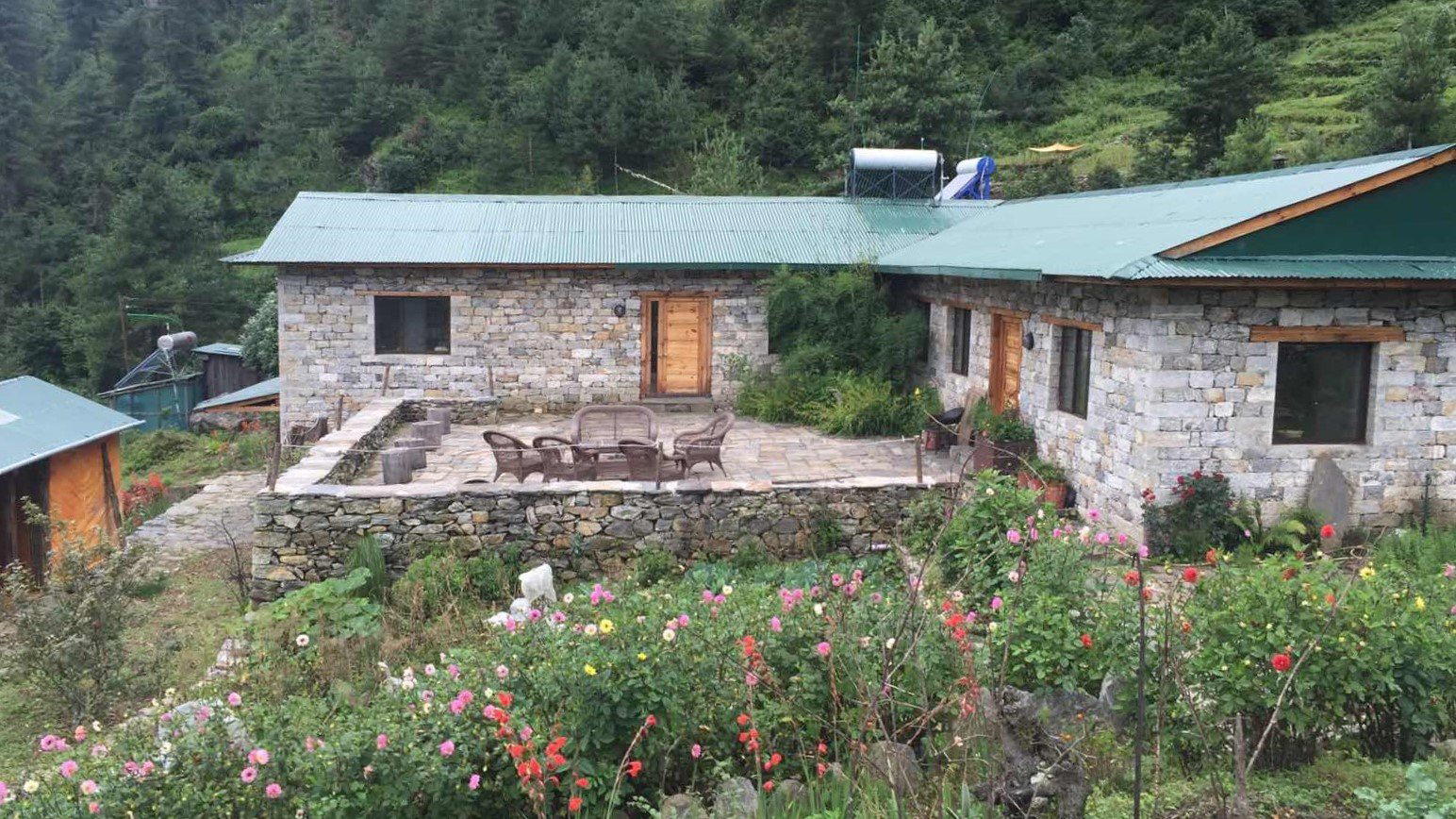
For travellers accustomed to the considered materiality of properties like The Beyul Hermitage Lodge And Farm or the design-led mountain lodges emerging in the lower Himalayan foothills, the Dingboche teahouse register is a deliberate step back into utility. That contrast is part of what makes the upper Khumbu compelling as a travel experience: the further you climb, the more the physical environment asserts itself over any human attempt at comfort.
Dingboche in the Context of the Upper Khumbu Circuit
The village functions as a rest day base for trekkers following both the Everest Base Camp route and the Three Passes circuit. Its position makes it one of the few stops on either route where an acclimatisation day is not only recommended but effectively required by the altitude gain from Namche Bazaar and Tengboche below. That logistical fact shapes the character of the place: Dingboche sees trekkers for longer average stays than many intermediate stops, and the teahouses here have evolved to accommodate people who are waiting as much as passing through.
The lodges at this elevation occupy a different competitive tier from those in Namche Bazaar, where electricity supply is more reliable, menus broader, and hot showers more consistently available. Dingboche sits in the upper-altitude bracket alongside stops like Lobuche, served by sherpa lodge lobuche, and Thukla, where Thukla Kalapathar Lodge represents a similar format. At these elevations, the differentiators between lodges narrow considerably: solar power reliability, the warmth of the common room stove, the quality of the dal bhat, and the thickness of the sleeping-room blankets matter more than any design consideration.
Further down the valley, the hospitality infrastructure widens. Hikers Inn in Chaunrikharka operates at a lower altitude with correspondingly more options, and the The Happy House in Phaplu represents the kind of lower-Khumbu base that trekkers using the Salleri road approach often use.
Planning Your Stay in the Upper Khumbu
Trekkers reaching Dingboche have typically flown into Lukla, spent nights in Phakding, Namche, Tengboche or Dingboche itself depending on their pace. The standard approach involves a rest day in Namche before continuing, and a second rest day in Dingboche before pushing to Lobuche and Gorak Shep. Arriving at Dingboche without prior altitude staging is not advisable and most responsible guided itineraries build the rest day in automatically.
The pre-monsoon window of late March through May and the post-monsoon period of late September through November are the main trekking seasons. Both offer reasonable conditions at altitude, though the post-monsoon period typically delivers clearer skies and more stable weather after the rains clear. The shoulder months on either side carry higher risk of unseasonal snowfall at 4,400 metres, which can strand trekkers at a teahouse for an unplanned extra night. Packing accordingly is not optional at this altitude.
For those building a broader Nepal itinerary around a Khumbu trek, the contrast between the upper-altitude teahouse experience and the hotels available in Kathmandu and Pokhara is considerable. Properties like Aloft Kathmandu Thamel and Himalayan Hideaway Resort Pokhara, The Centara Collection serve as effective decompression stops before or after the trek, while Dwarika's Sanctuary in Dhulikhel offers a culturally grounded alternative for the Kathmandu Valley leg.
For trekkers who want the mountain experience with more comfort below the snowline, Shinta Mani Mustang in Jomsom represents a different model entirely: a designed lodge at high altitude in a rain-shadow valley, sitting at a different price point and comfort tier than anything in the upper Khumbu. The comparison is instructive. What the teahouse circuit offers that no designed lodge can replicate is the experience of shelter as a serious, altitude-dictated proposition rather than an amenity.
Side-by-Side Snapshot
Comparable venues nearby, for context on price, style, and recognition.
| Venue | Cuisine | Price | Awards | Notes |
|---|---|---|---|---|
| Dingboche InnThis venue — the venue you are viewing | Traditional family-run teahouse lodge integrated into the Everest trekking circuit | $$ | 3-Star | Not listed |
| The Beyul Hermitage Lodge And Farm | rustic hermitage with farm elements | $$$ | Not listed | Chhuserma |
| Thukla Kalapathar Lodge | Traditional Sherpa mountain lodge with basic alpine accommodations | $$ | 3-Star | Thukla |
| The Happy House | Traditional Nepali/Tibetan style luxury home with modern comforts | $$ | Not listed | Phaplu |
| Shinta Mani Mustang | Eco-friendly luxury resort inspired by traditional Tibetan homes using local stone, slate, and wood. | $$$$ | 5-Star | Jomsom |
| Trekker's Holliday Inn | rustic trekking lodge | $ | Not listed | Pangboche |
Continue exploring
More in Sagarmatha Zone
Hotels in Sagarmatha Zone
Browse all →
Restaurants in Sagarmatha Zone
Browse all →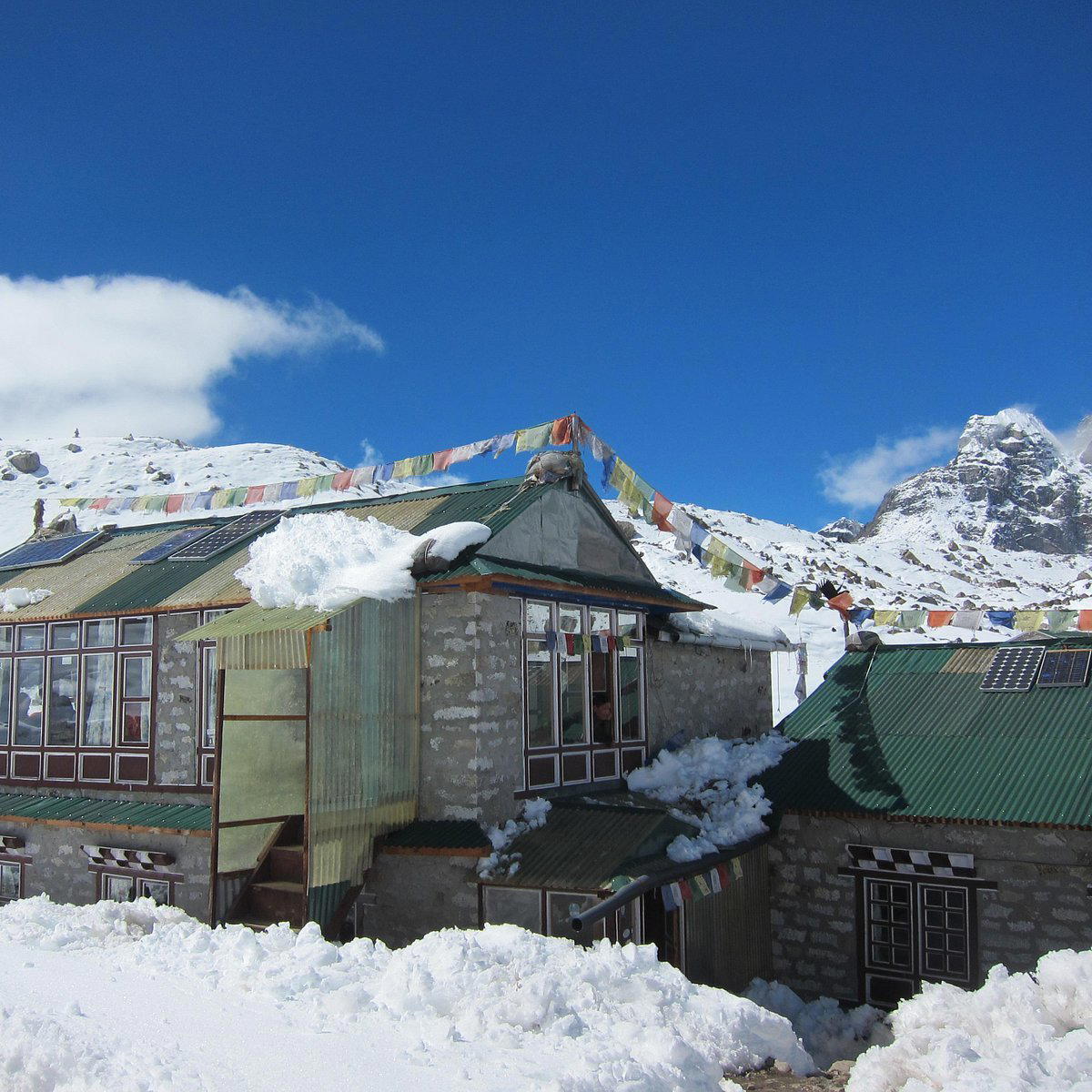
At a Glance
- Rustic
- Cozy
- Scenic
- Quiet
- Weekend Escape
- Group Retreat
- Panoramic View
- Historic Building
- Wi Fi
- Mountain
- Wi Fi
Warm and inviting dining area with a cozy stove, simple wooden furnishings, and traditional teahouse atmosphere typical of family-run Khumbu lodges.