Tree Charme sits along the Lungotevere della Farnesina near Piazza Trilussa, where Trastevere's older residential rhythm meets the Tiber. In a city where hospitality increasingly divides between grand historic palazzi and design-forward boutique properties, this address occupies a quieter register, closer to the neighbourhood than to the monument. For travellers who want Rome at street level, the location alone sets expectations.
Pearl is the En Primeur Club membership app — saves, bookings, and concierge access live there. Same editors, same standards.
- Address
- Lungotevere Della Farnesina, Piazza Trilussa, 2, 00165 Roma RM, Italy
- Phone
- +39 06 581 6320
- Website
- treecharme.com
- Directions
- Get directions
 Saves & bookings on Pearl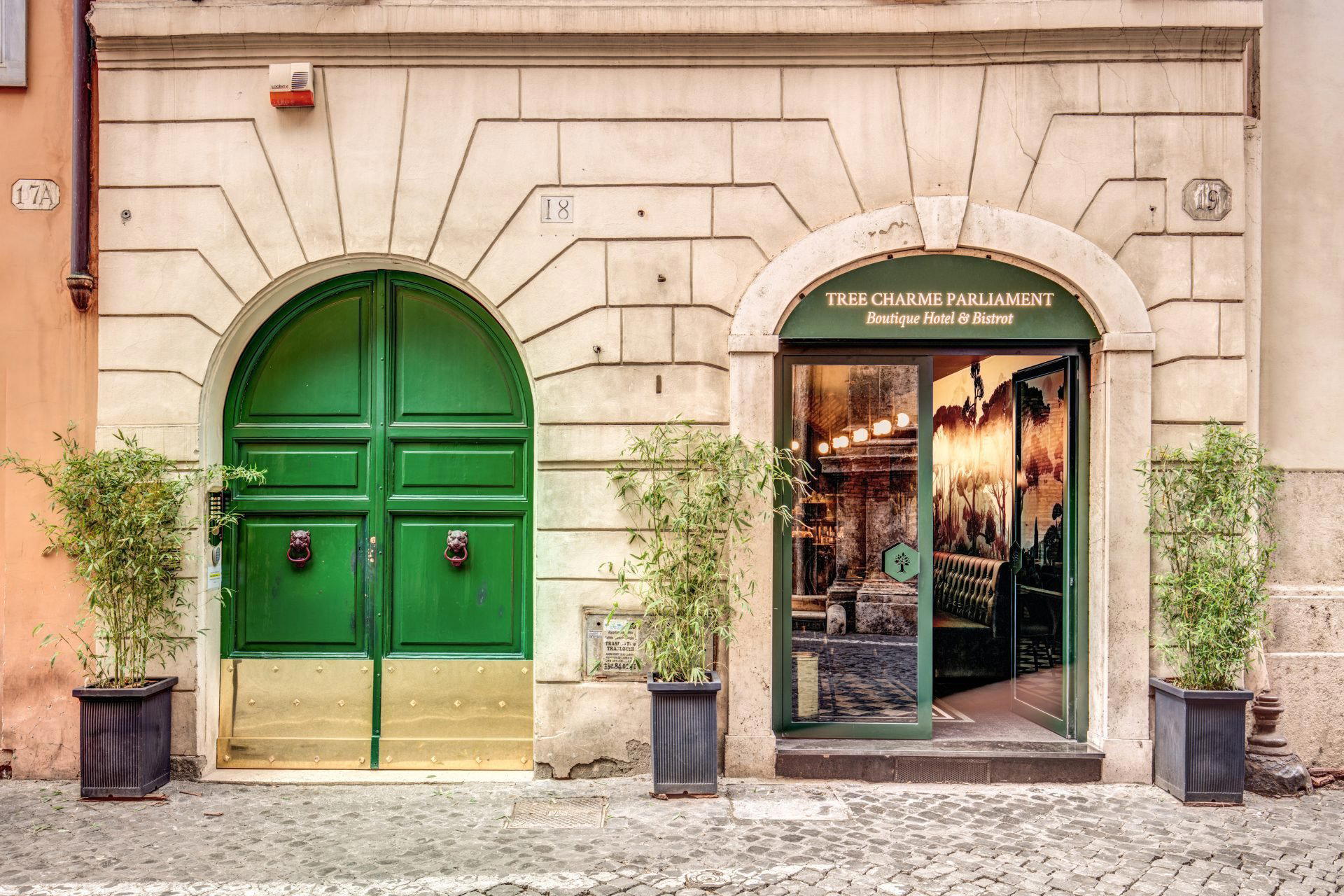
Where the Tiber Slows Rome Down
Tree Charme is a small boutique guest house in Rome near Piazza Trilussa, with rooms and apartments rather than a 29-room hotel inventory. Approach Piazza Trilussa in the early evening and the city's pace noticeably shifts. The square, named after the Roman dialect poet whose statue anchors it, sits at the foot of the Gianicolo slope, where Trastevere's cobbled alleys empty onto the Lungotevere. Traffic moves along the river embankment, but the piazza itself belongs to the neighbourhood: students on the steps, older residents on benches, the kind of ambient hum that belongs to lived-in Rome rather than tourist-facing Rome. Tree Charme occupies an address here, at Lungotevere della Farnesina 2, which places it in one of the city's more quietly sought-after corners.
Trastevere has long operated as Rome's most visited neighbourhood that still considers itself a local one. The tension between those two identities has sharpened over the past decade, as short-term rentals and international restaurant openings have pressed further into streets that once moved on a purely Roman schedule. Smaller hospitality properties in this quarter now carry a particular weight: they either compound the displacement or anchor something more durable. The address alone at Piazza Trilussa suggests a quieter, more durable kind of stay.
The Sustainability Register in Roman Hospitality
Italian hospitality has been slower than some other regions to foreground environmental practice as a primary identity signal. The default credentials in Rome remain heritage, design lineage, and culinary pedigree, the kind of authority that properties like Bulgari Hotel Roma, Hotel Eden, and Hassler Roma have accumulated across decades. But a smaller cohort of Roman properties has begun staking its identity on a different set of values: local material sourcing, reduced operational footprint, community embedding.
Tree Charme's position near Trastevere places it within that emerging conversation. The neighbourhood's scale, dense and walkable, makes it a logical base for travellers who want to minimise movement while maximising depth. Staying close to Piazza Trilussa means the Tiber walks, the market at Porta Portese, and the slow-food trattorias of the inner rioni are all accessible without a car or a taxi. That kind of locational intelligence has its own sustainability logic, even before any property-level practice is considered.
Across Italy, properties that take responsible hospitality seriously tend to share a few operational traits: smaller key counts, supply relationships with regional producers, and design choices that avoid the high-turnover renovation cycles common in larger chains. Properties like Castello di Reschio in Lisciano Niccone and Casa Maria Luigia in Modena have built recognition on exactly this model. Borgo Egnazia in Savelletri di Fasano has formalised community embeddedness as a product feature. In each case, the property functions as an expression of a specific place rather than a portable luxury format dropped into it.
The Boutique Tier in Rome: Context and Competition
Rome's boutique hotel market has compressed around two poles. One is the design-forward small property with strong editorial credentials and a loyal international following, Hotel Vilòn and Portrait Roma operate in this register, both with Lungotevere or central adjacency and a clear aesthetic point of view. The other pole is the quietly residential property that earns repeat business through consistency and neighbourhood integration rather than spectacle. Hotel Locarno and Maalot Roma sit closer to that end of the spectrum.
The hotel, based on its Trastevere-adjacent address near Piazza Trilussa, appears to occupy the latter category. The location signals residential priority over central monuments. Travellers who benchmark against JK Place Roma's central positioning or the grand-hotel register of Hassler Roma will find a different proposition here: smaller scale, a less curated public profile, and an address that rewards those who already know the city well enough to value Trastevere over the historic centre.
For travellers planning broader Italian itineraries, the Trastevere base also connects logically to slow-travel patterns. Rome as a southward anchor pairs naturally with properties in other Italian regions that share a similar philosophy: Four Seasons Hotel Firenze in Florence for northward movement, Borgo Santandrea on the Amalfi Coast or Il San Pietro di Positano for a southern extension, and Aman Venice for those moving northeast. Each represents a different version of place-specific hospitality, the kind that makes an itinerary feel deliberate rather than assembled from a global brand catalogue.
What the Address Implies
The Lungotevere della Farnesina is not a tourist corridor. It runs along the western bank of the Tiber between Trastevere and Prati, used primarily by Romans moving between districts. Piazza Trilussa marks the informal entrance to Trastevere from the river side, a transitional space that feels local even at peak evening hours. An address here means that the nearest coffee is Roman-priced, the nearest pharmacy serves neighbourhood residents, and the nearest restaurant is as likely to be a family-run trattoria as anything aimed at an international audience.
That specificity of place is what smaller properties in this tier trade on. Where Rosewood Castiglion Del Bosco in Montalcino or Passalacqua in Moltrasio achieve rootedness through estate ownership and landscape, urban boutique properties achieve it through neighbourhood positioning and the granular daily life it makes accessible. Piazza Trilussa, with its poet's statue and its evening crowd, is that kind of anchor.
Know Before You Go
- Address: Lungotevere della Farnesina, Piazza Trilussa, 2, 00165 Roma, Italy
- Neighbourhood: Trastevere/Lungotevere, residential, walkable, well-connected to central Rome by tram and on foot
- Nearest landmark: Piazza Trilussa, approximately 300 metres from the Ponte Sisto pedestrian bridge
- Getting there: Tram 8 connects Trastevere to Largo di Torre Argentina and central Rome; the neighbourhood is also a 25-minute walk from Campo de' Fiori
- Booking: Contact the property directly when booking.
- Price range: about $205 per night
- Leading for: Travellers already familiar with Rome who want a neighbourhood base over a monumental one
A Credentials Check
Comparable venues nearby, for context on price, style, and recognition.
| Venue | Cuisine | Price | Awards | Notes |
|---|---|---|---|---|
| Tree CharmeThis venue — the venue you are viewing | Art Deco boutique guesthouse | $$$ | 3-Star | Not listed |
| Gigli d'Oro Suite Hotel | Historic boutique palazzo with modern luxury suites | $$$ | 3-Star | Ponte |
| Nerva Boutique Hotel | Family-run boutique blending classical Roman architecture with contemporary Italian design | $$$ | 3-Star | Monti |
| Hotel Viminale | Refined historic hotel blending timeless elegance with contemporary design. | $$$ | 4-Star | Monti |
| Leon's Place | Restored 19th-century palazzo with neo-gothic Venetian influences | $$$ | 4-Star | Castro Pretorio |
| Relais Palazzo Taverna | Historic palazzo converted to intimate guesthouse | $$$ | 3-Star | Ponte |
Continue exploring
More in Rome
Hotels in Rome
Browse all →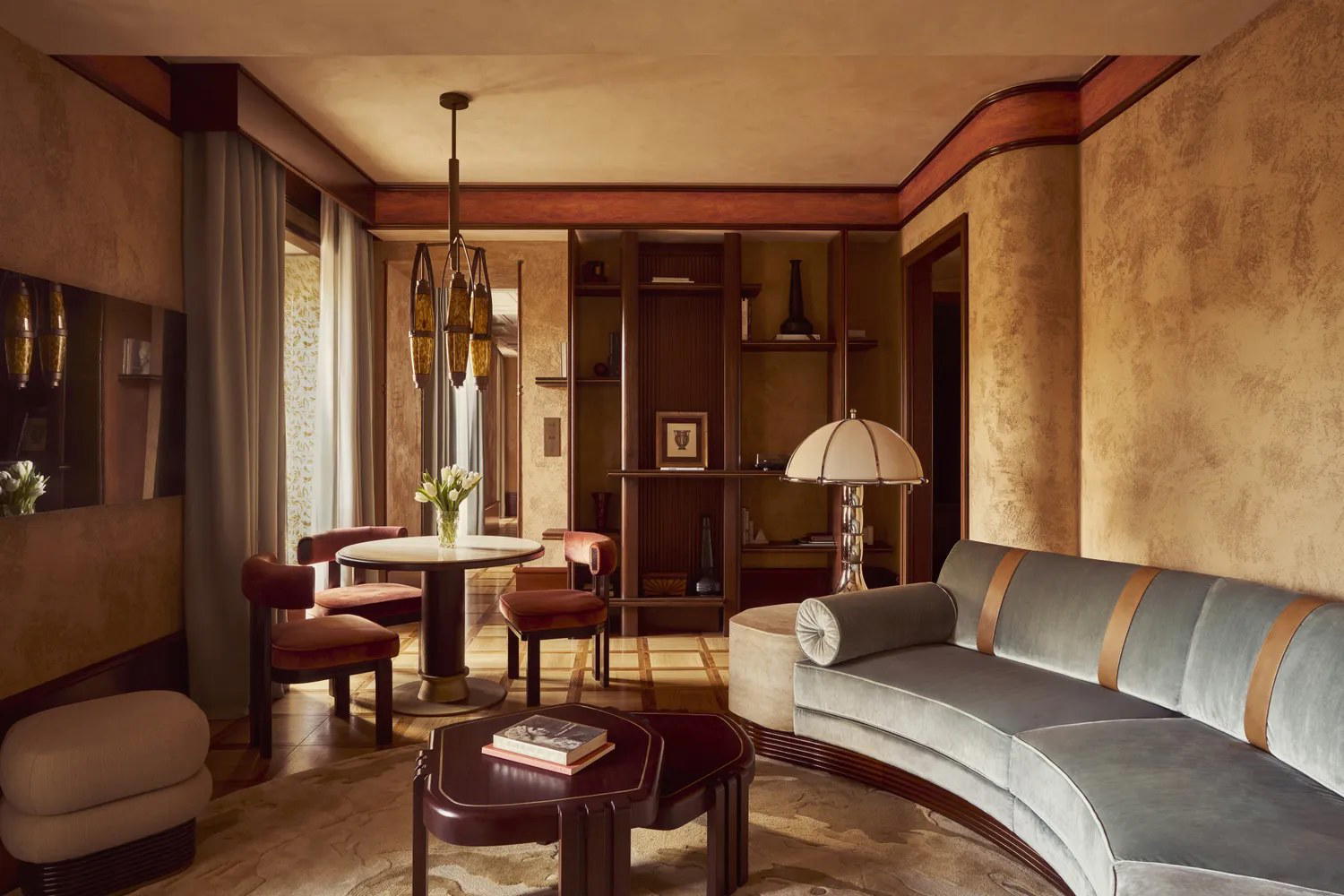
Bars in Rome
Browse all →
Restaurants in Rome
Browse all →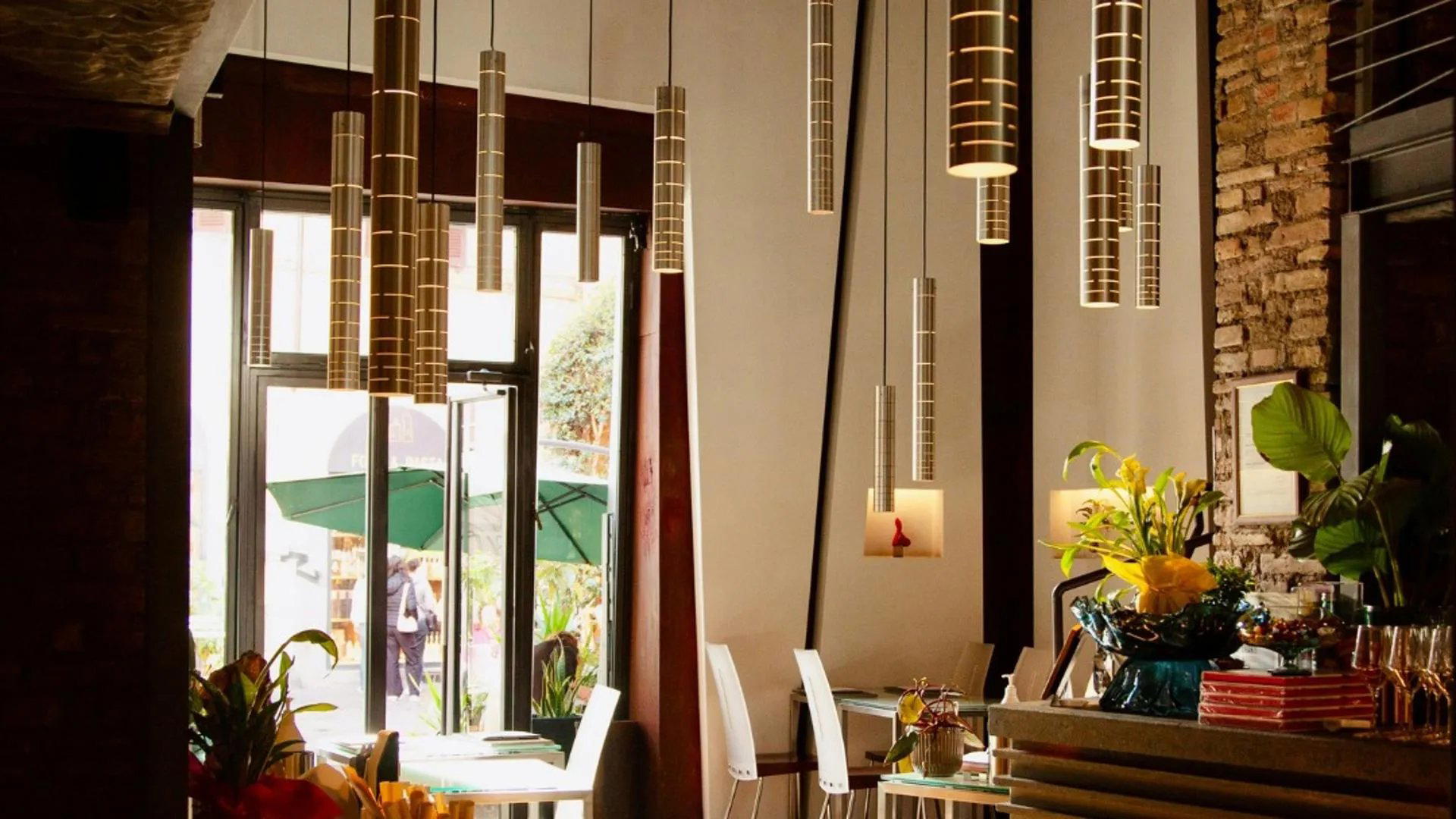

At a Glance
- Romantic
- Elegant
- Cozy
- Intimate
- Romantic Getaway
- Weekend Escape
- Terrace
- Historic Building
- Wi Fi
- Garden
- Air Conditioning
- Concierge
- Street Scene
- Wi Fi
- Garden
- Air Conditioning
- Concierge
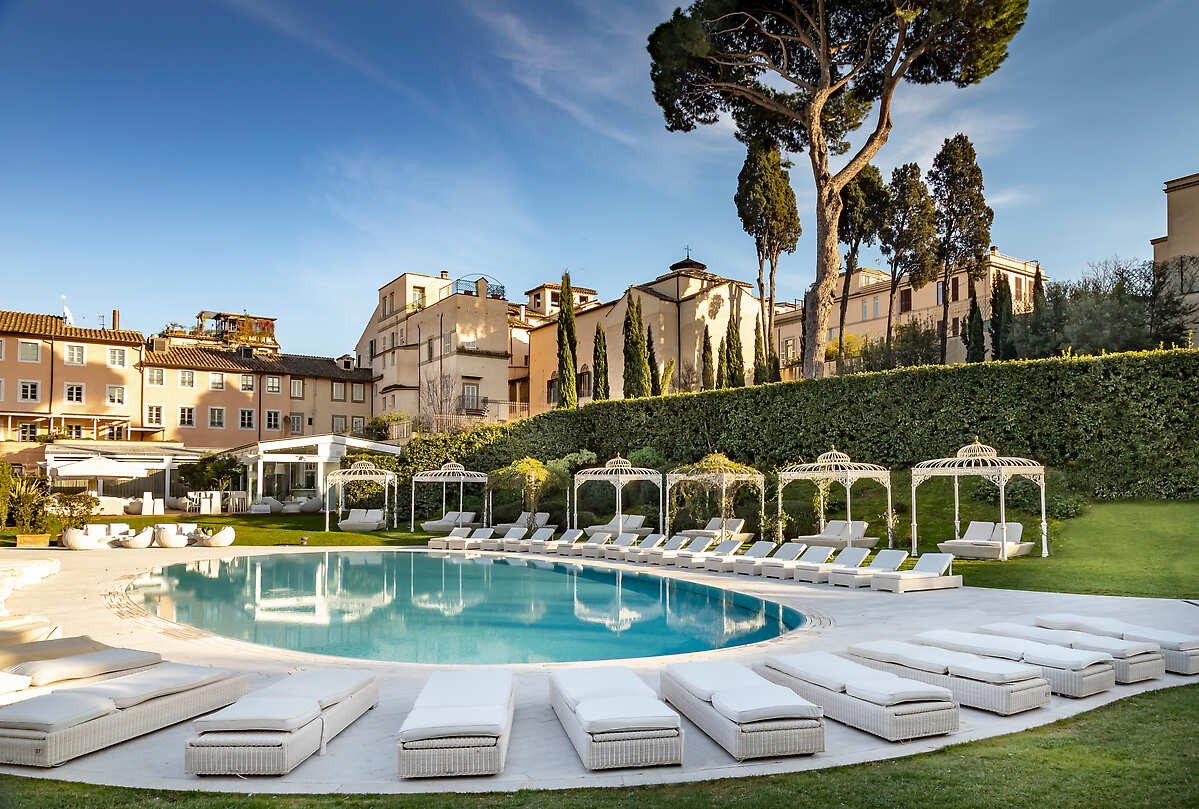
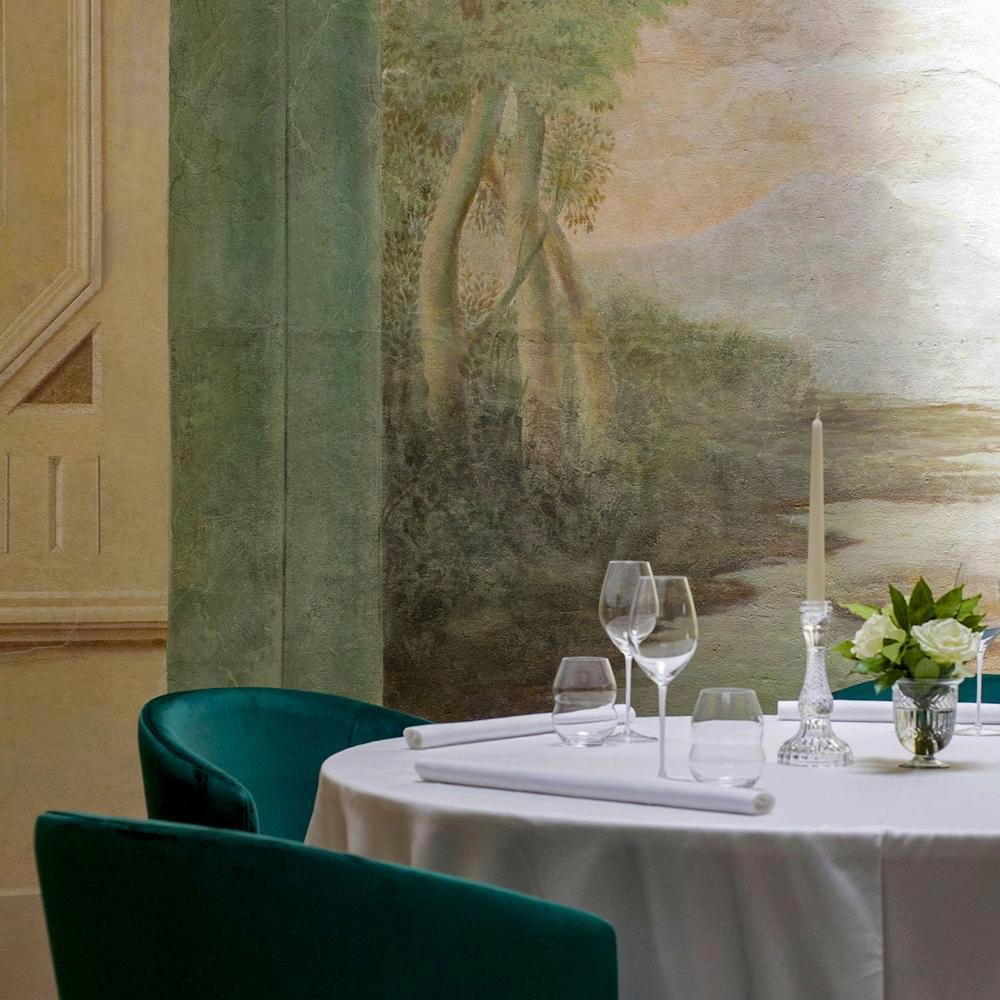
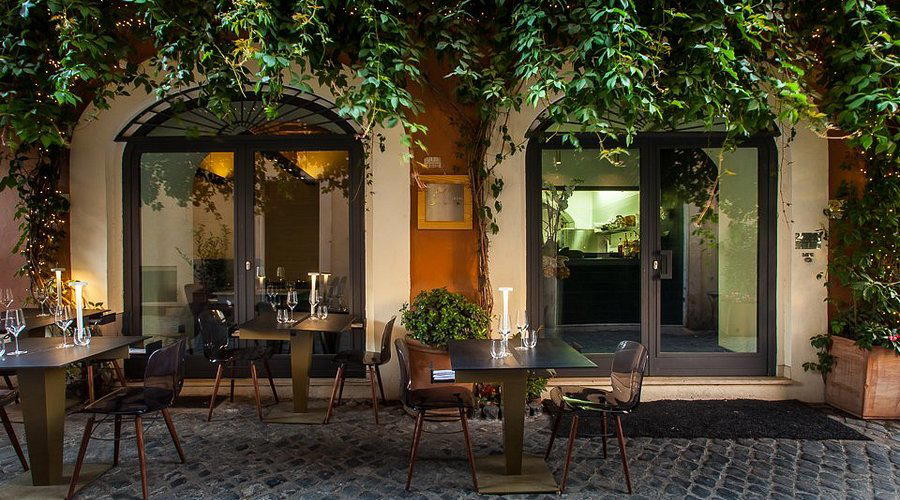
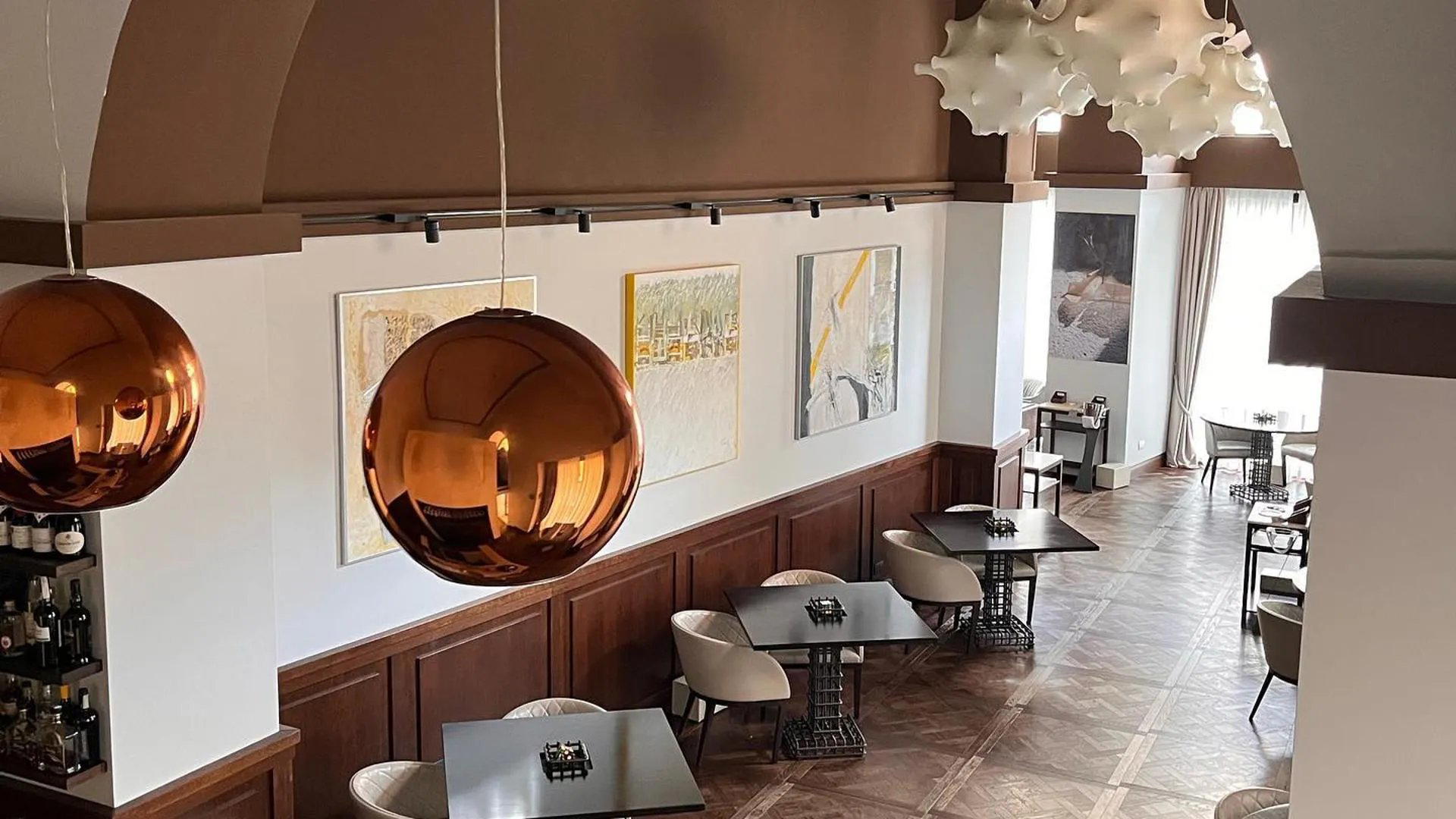
Serene and elegant Art Deco style with garden tranquility and sunny terrace views.