A palazzo stay in Rome's historic centro storico, Relais Palazzo Taverna occupies a building on Via Gabrielli in the 00186 district, where the density of medieval and Renaissance fabric is higher than almost anywhere in the city. Compared to the large-footprint luxury hotels along Via Veneto, it belongs to a smaller, character-led tier that trades scale for architectural intimacy and proximity to Campo de' Fiori and the Tiber bend.
Pearl is the En Primeur Club membership app — saves, bookings, and concierge access live there. Same editors, same standards.
- Address
- Via Gabrielli, 92, 00186 Roma RM, Italy
- Phone
- +39 06 2039 8064
- Website
- relaispalazzotaverna.com
- Directions
- Get directions
 Saves & bookings on Pearl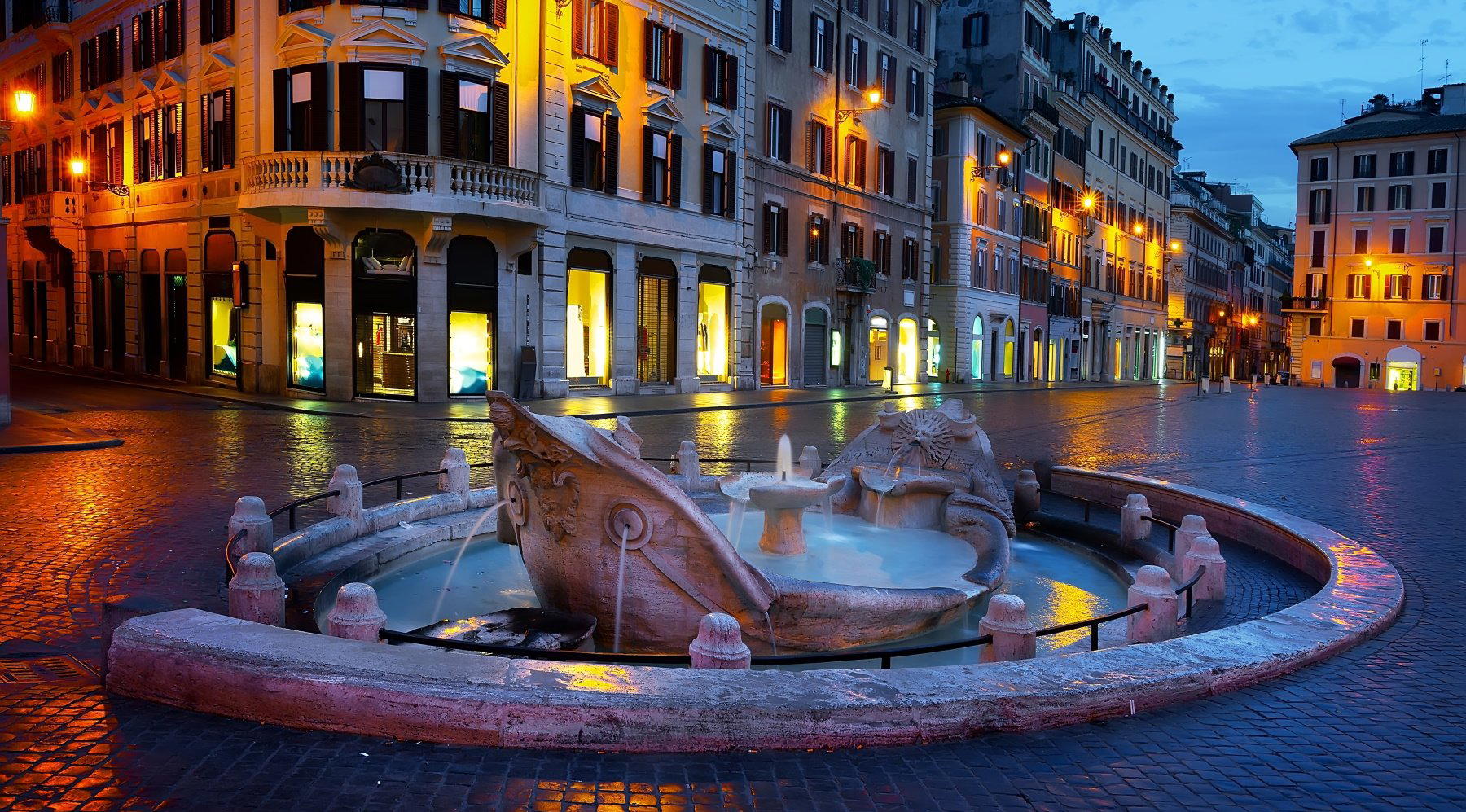
A Street Where the City Hasn't Changed Much Since the Renaissance
Via Gabrielli sits in one of Rome's most legible historic quartieri, a few minutes on foot from Campo de' Fiori and within easy reach of Piazza Navona. The street itself is narrow enough that buildings on opposite sides feel like a conversation, and the stonework along this stretch of the 00186 district dates in places to the medieval period. Arriving here is a different experience from pulling up to a broad avenue hotel: the scale is compressed, the light filtered, and the surrounding fabric of the city does a significant share of the atmosphere's work before you've crossed a threshold. Relais Palazzo Taverna sits inside that environment, and the address is as much an argument for the stay as anything within the property itself.
Rome's boutique accommodation tier has grown considerably over the past decade, with a number of palazzo conversions and small relais properties now competing for travellers who find the grand international hotels, however well-executed, at some remove from the city's actual texture. Properties like Hotel Vilòn and Maalot Roma occupy a similar niche: limited keys, buildings with documented histories, and a positioning that relies on neighbourhood intimacy rather than programmatic amenities. Against the larger branded addresses, Bulgari Hotel Roma, Hotel Eden, Hassler Roma, Relais Palazzo Taverna competes on entirely different terms. The decision to stay here is a decision about what kind of Rome you want to be in.
The Centro Storico as Competitive Advantage
Location in Rome's historic centre is not simply a matter of convenience; it shapes the entire rhythm of a stay. The 00186 district, which covers the bend in the Tiber from Campo de' Fiori north through Piazza Navona, is one of the few zones in Europe where a fifteen-minute walk on any morning will take you past Roman, medieval, Renaissance, and Baroque layers in honest succession. Hotels in this quarter don't need roof terraces with skyline views in the same way that properties further from the centre do, because the city itself is the spectacle at street level. Guests at properties on or near Via Gabrielli are within walking distance of some of the city's most concentrated monuments without ever boarding a taxi.
That density has a practical implication for how the small relais model functions here. Where a larger hotel might compensate for a peripheral location with extensive in-house programming, a well-positioned centro storico property can afford to be quieter internally because the city supplies what a full-service resort would have to manufacture. Portrait Roma and Hotel Locarno both demonstrate that model at different price points: the neighbourhood is the amenity, and the property's job is to be a considered base rather than a destination in itself.
What Front-of-House Means in a Historic Palazzo Setting
The person who checks you in is frequently the person who recommends a trattoria, arranges a transfer, fields a late-night request, and sets the tone for the stay. That compression of roles either works as a coherent, human-scale experience or it exposes the gaps that a larger team would paper over. The quality of a small Roman relais is therefore often a direct function of the people on the floor rather than the systems behind them.
This is a pattern visible across Italy's character-led accommodation sector. At Aman Venice or Castello di Reschio in Lisciano Niccone, the guest experience is shaped as much by individual staff relationships as by the physical product. At Casa Maria Luigia in Modena, the intimacy of the property makes team coherence the central variable. In Rome, where the competition for attention from well-travelled guests is high and the city's own complexity can be disorienting, a front-of-house team with local knowledge and genuine engagement is worth considerably more than a well-designed lobby.
Placing Relais Palazzo Taverna in Its comparable set
Within Italy's wider small-property tier, the relais category has diversified significantly. Some properties anchor identity in landscape and food production, as Rosewood Castiglion Del Bosco in Montalcino does with its wine estate context, or as Borgo Egnazia in Savelletri di Fasano does with its regional cultural programming. Others, like Il Pellicano in Porto Ercole or Borgo Santandrea on the Amalfi Coast, anchor identity in coastal setting and leisure. Urban relais properties in historic centres operate differently: what they sell is access to a city, framed by an intimate physical container. The hotel's position on Via Gabrielli in Rome's dense centro storico places it in that urban subtype, alongside properties like JK Place Roma, which occupies a similar logic of palazzo conversion and small-scale luxury in the historic fabric.
For travellers calibrating where the hotel sits relative to other Italian small properties, the useful comparisons are Rome-specific rather than national. The relevant question is not whether it competes with Passalacqua in Moltrasio or Four Seasons Hotel Firenze, but whether it suits a traveller who wants the centro storico's architecture, proximity, and human scale rather than the facilities and brand legibility of Rome's larger hotel tier. Those are different stays, and the decision is largely a matter of what the city is for on a given trip.
The Short List
Comparable venues nearby, for context on price, style, and recognition.
| Venue | Cuisine | Price | Notes |
|---|---|---|---|
| Relais Palazzo TavernaThis venue — the venue you are viewing | Not listed | $$$ | Not listed |
| Boutique Hotel Anahì | Not listed | $$$ | Campo Marzio, Art Nouveau boutique in historic building |
| Tree Charme | Trastevere, Art Deco boutique guesthouse | $$$ | Not listed |
| The Radical Hotel Roma | Not listed | $$$ | Via Veneto, Minimalist boutique in Rome's historic center |
| Hotel Alexandra | Not listed | $$$ | Ludovisi / Via Veneto, Family-owned historic noble house with refined hospitality. |
| Gigli d'Oro Suite Hotel | Not listed | $$$ | Ponte, Historic boutique palazzo with modern luxury suites |
Continue exploring
More in Rome
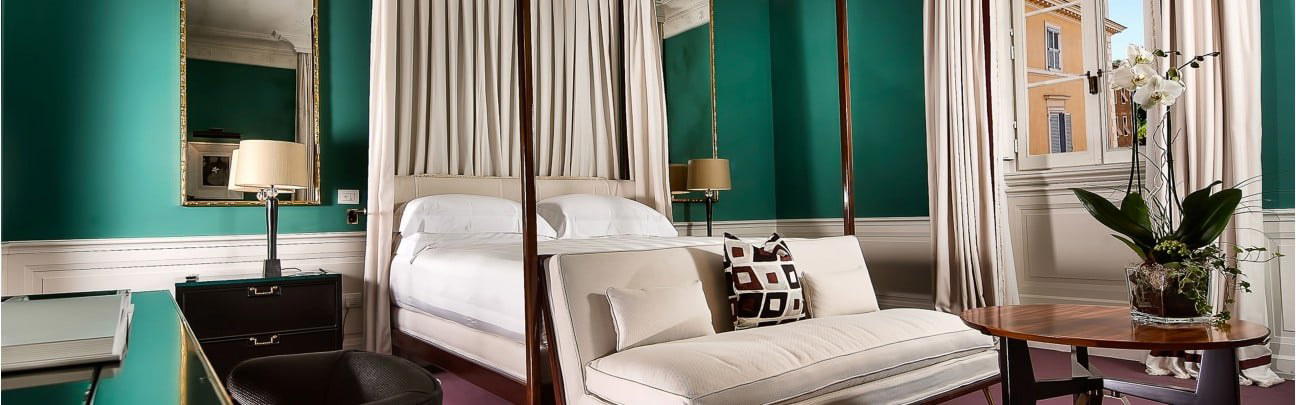
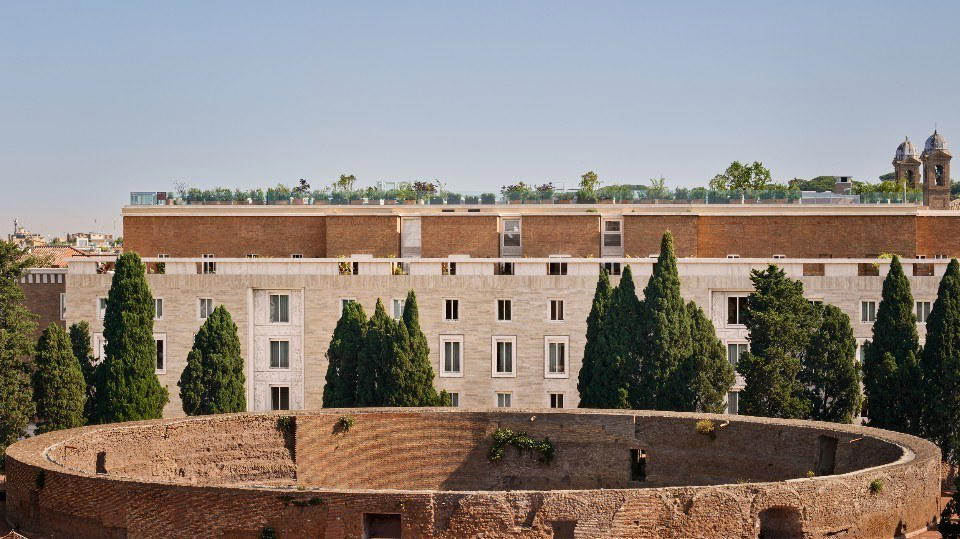
Hotels in Rome
Browse all →
Bars in Rome
Browse all →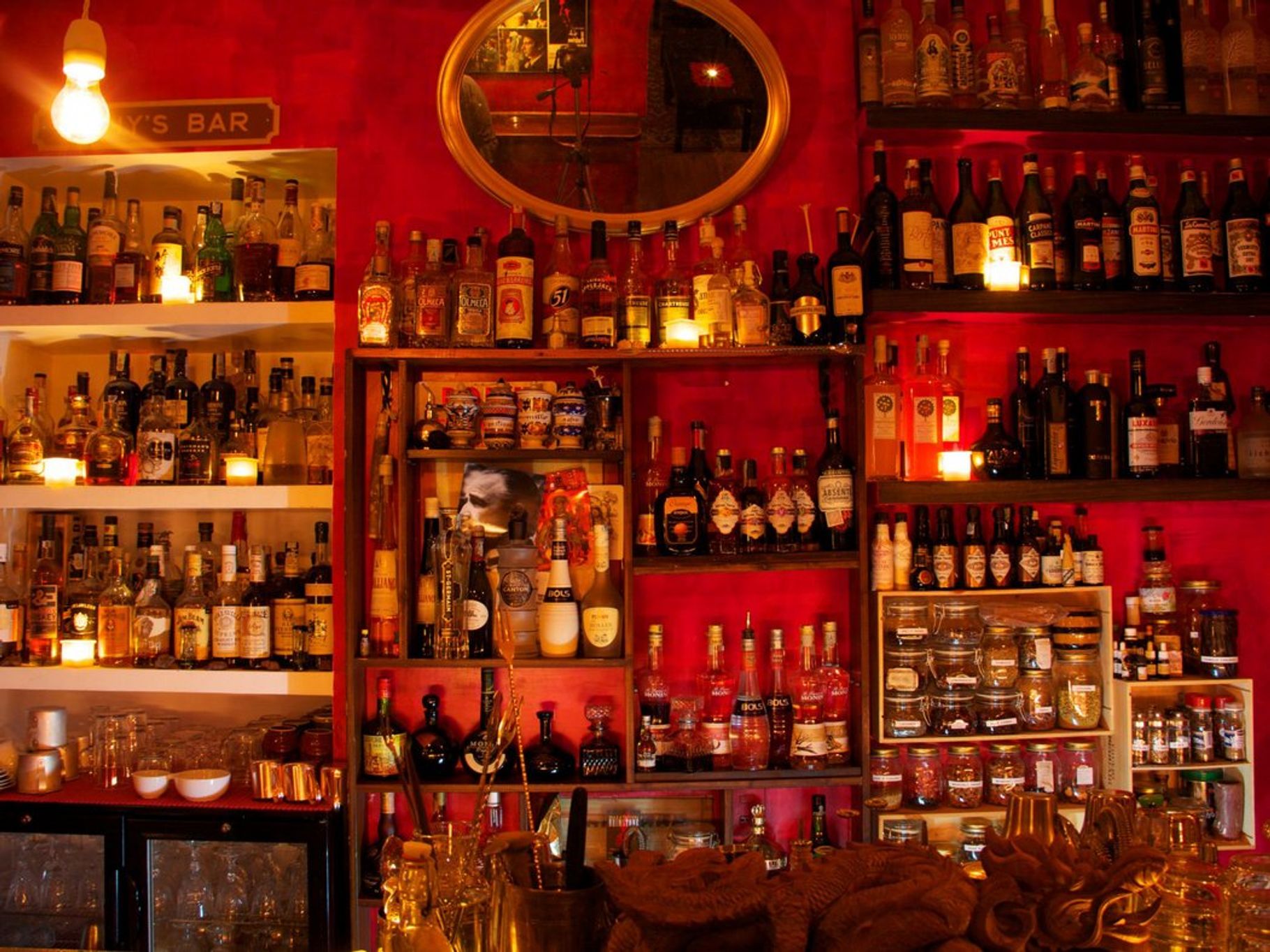
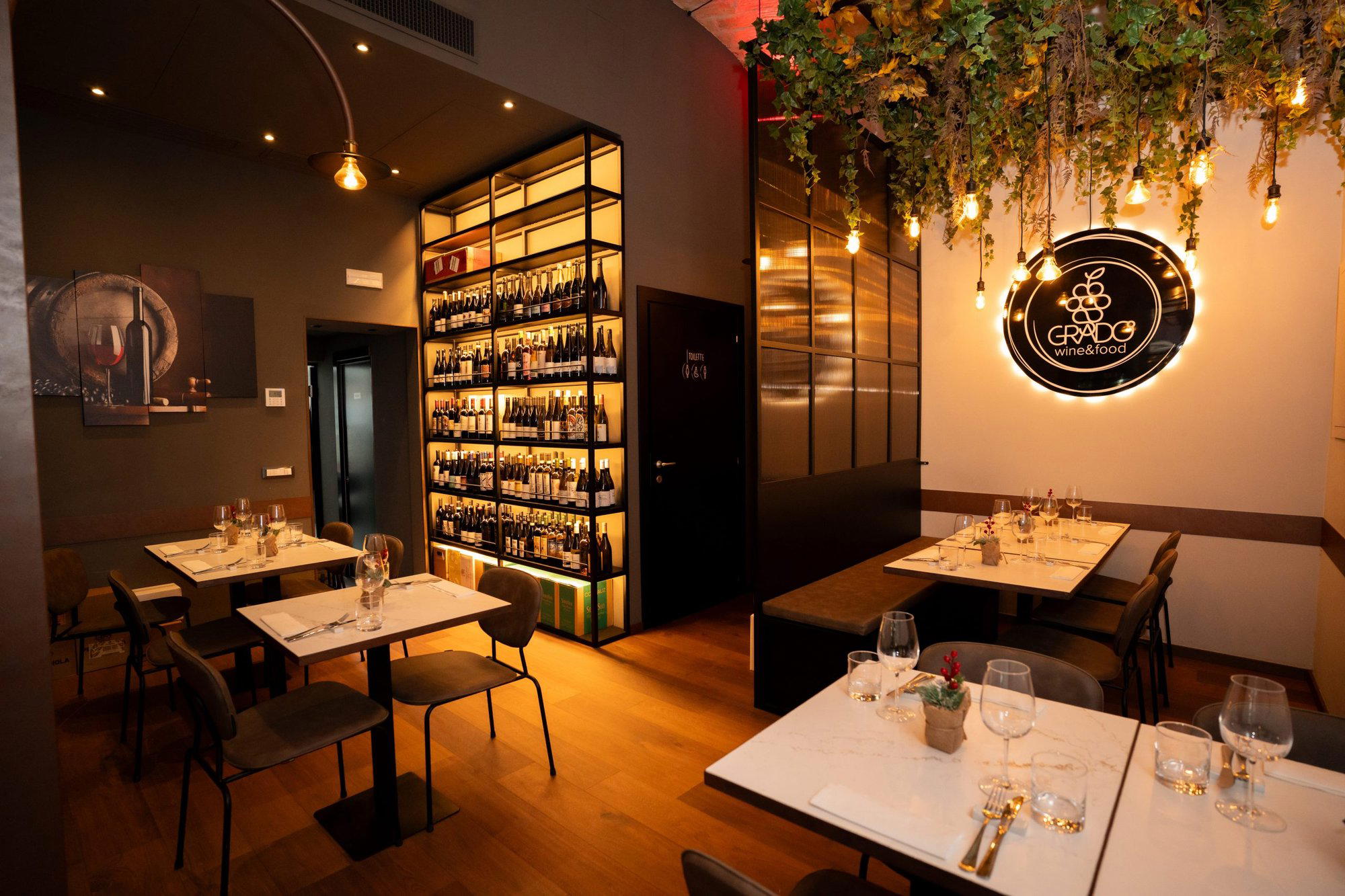
Restaurants in Rome
Browse all →

At a Glance
- Elegant
- Intimate
- Classic
- Cozy
- Romantic Getaway
- Weekend Escape
- Historic Building
- Terrace
- Wi Fi
- Air Conditioning
- Concierge
- Luggage Storage
- Room Service
- Street Scene
- Wi Fi
- Air Conditioning
- Concierge
- Luggage Storage
- Room Service
Warm, quiet retreat in a historic building with a cozy and elegant atmosphere.