
Hotel Viminale, selected for the Michelin Hotels guide 2025, sits on Via Cesare Balbo in Rome's Esquilino district, within walking distance of Termini, Santa Maria Maggiore, and the Baths of Diocletian. The property occupies a quieter pocket of central Rome where mid-century residential architecture meets the city's major rail hub, making it a practical and considered base for travellers who prefer position over spectacle.
Pearl is the En Primeur Club membership app — saves, bookings, and concierge access live there. Same editors, same standards.
- Address
- Via Cesare Balbo 31, Rome, Italy
- Directions
- Get directions
 Saves & bookings on Pearl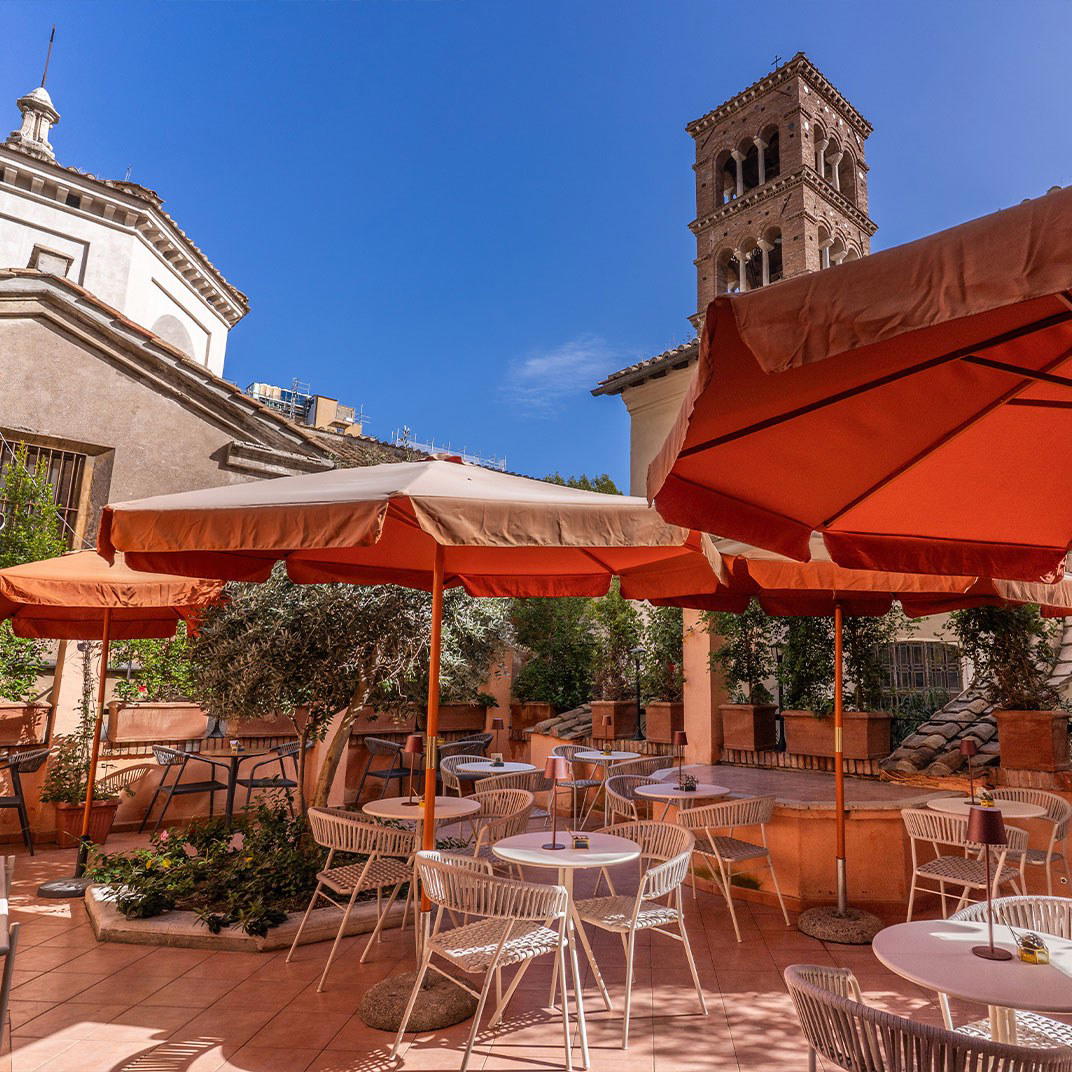
A Corner of Rome That Most Visitors Walk Past
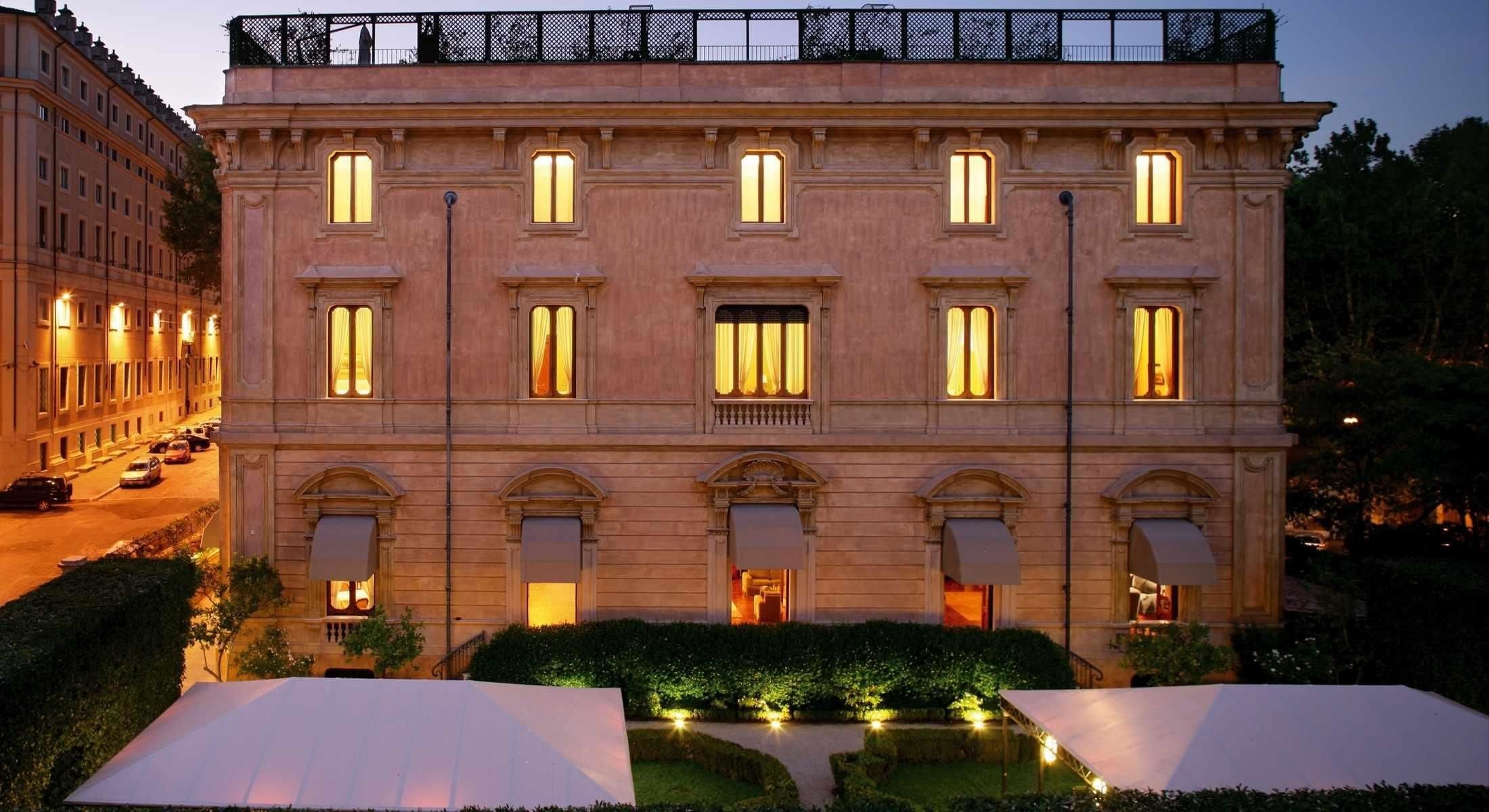
The Esquilino district does not compete for attention the way Trastevere or the centro storico do. Via Cesare Balbo sits in that quieter register: a residential stretch close to Termini station where the streets carry more local foot traffic than tourist coaches. Hotel Viminale, a 4-star hotel with 53 rooms on Via Cesare Balbo 31, occupies this block with a low profile that suits the neighbourhood's character. The approach is understated, the building blending into the mid-century fabric of the area rather than announcing itself against a piazza backdrop. For a certain kind of traveller, that restraint is the point.
Rome's accommodation market has bifurcated sharply over the past decade. On one side sit the grand-scale flagships, Bulgari Hotel Roma on Via Condotti, Hotel Eden on the Pincian Hill, Hassler Roma above the Spanish Steps, each projecting heritage and position as primary selling propositions. On the other sit the smaller, more deliberately calibrated properties: Hotel Vilòn, JK Place Roma, Maalot Roma, and Portrait Roma, where scale is deliberately contained and position is a considered choice rather than a legacy circumstance. Hotel Viminale sits at the intersection of these two currents: recognised by a credentialed editorial framework, yet occupying a neighbourhood that neither commands a premium address premium nor tries to.
The Michelin Selection in Context
Michelin's hotel selection framework, which expanded significantly through the 2020s, operates as a quality filter rather than a star-rating hierarchy in the traditional sense. Inclusion signals that the property meets a threshold of character, comfort, and hospitality coherence, not that it competes at the ultra-luxury ceiling. For Hotel Viminale, that distinction matters. The Michelin Selected mark places it in a credentialed comparable set that includes properties across Rome's price and style spectrum, from boutique design hotels near the Pantheon to character-led residences in Prati.
In a city where hotel options range from aggressively priced short-let apartments to the full-service grandeur of Hotel Locarno's art nouveau rooms, the Michelin filter helps travellers identify properties where the basics have been curated rather than assembled by default. That context shapes how Hotel Viminale should be read: as a considered mid-tier choice in a city whose accommodation ecology is complex and unevenly signposted.
Location as Editorial Position
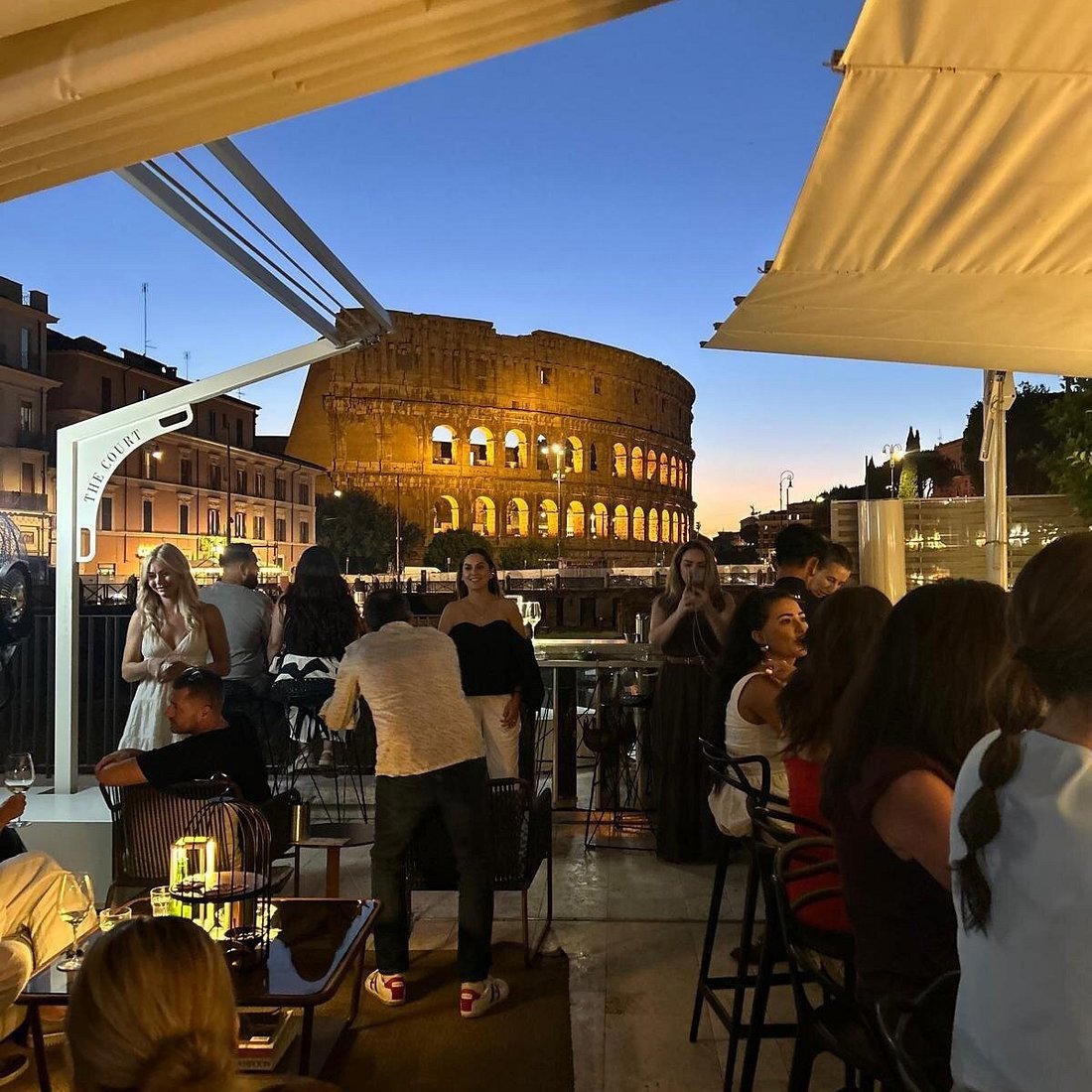
The Viminale hill, one of Rome's seven original hills, gives the property its name and its neighbourhood its particular identity. The area around Via Cesare Balbo carries practical advantages that the more photogenic districts cannot match. The hotel is a 4-star hotel with 53 rooms. Termini station, Rome's primary rail hub connecting to Fiumicino airport and the national high-speed network, is walkable. Santa Maria Maggiore, one of the four major basilicas of Rome and a significantly undervisited monument relative to its historical weight, sits within a short walk. The Baths of Diocletian, the largest of Rome's imperial bath complexes, are similarly accessible on foot.
This positioning places the hotel in a different conversation from the centro storico properties. Guests staying near the Pantheon or Campo de' Fiori pay for proximity to the high-density tourist circuit. Guests at the hotel are trading some of that visual glamour for a neighbourhood that moves at a different pace, where daily life involves the market stalls of the Esquilino, the Ethiopian and Eritrean restaurants that have made this one of Rome's most culturally textured quarters, and the kind of corner bars that close early because they serve residents rather than late-night tourists.
Responsibility and the Quieter Rome
Responsible travel in Rome has become a more pressing editorial subject as overtourism pressure concentrates in a handful of postcard districts. The Spanish Steps, Trevi Fountain, and Trastevere all operate under increasing visitor management pressure, with local authorities periodically trialling crowd controls and time-limited access. Properties located outside these zones contribute, however modestly, to a more distributed spread of visitor footfall across the city.
The hotel's Esquilino address places guests in a part of Rome that absorbs tourism without being defined by it. The neighbourhood's food market, the Mercato Esquilino, functions primarily for the local community, a mix of long-established Roman families, recent immigrant communities, and students from nearby institutions. Spending time and money in this part of the city supports a commercial ecosystem that is not dependent on tourist flows in the way that the historic centre's souvenir economy is. For travellers thinking carefully about where their presence has the least distorting effect on a city's residential fabric, the Esquilino represents one of Rome's more honest addresses.
This connects to a broader pattern visible across Italian hospitality. Properties like Corte della Maestà in Civita di Bagnoregio and Rosewood Castiglion Del Bosco in Montalcino operate in locations where visitor numbers are low enough that hotel presence generates net positive economic activity for surrounding communities. In an urban context, the equivalent logic applies to properties sited in residential districts rather than saturated tourist corridors.
How It Compares Across Italy
Michelin's Italian hotel selection covers a broad range of property types and price points. At the upper register, properties like Aman Venice, Passalacqua in Moltrasio, and Il Pellicano in Porto Ercole carry international reputations that extend well beyond the guide. At the mid-range tier, where the hotel sits, the selection includes properties whose primary value is quality and character at a price point that does not require the same planning commitment as a flagship booking. Casa Maria Luigia in Modena, Four Seasons Hotel Firenze in Florence, and Borgo Santandrea on the Amalfi Coast each represent different points on that Italian hospitality spectrum. The hotel's Rome address gives it a different practical utility: it is a credentialed base in a working city neighbourhood, not a destination in itself.
Planning Your Stay
Via Cesare Balbo 31 is the address, and the neighbourhood rewards walking as the primary mode of movement. The Esquilino sits within comfortable reach of Termini, which connects to both Fiumicino and Ciampino airports and to the national high-speed rail network serving Florence, Milan, and Naples. For guests arriving from other Italian cities, Portrait Milano in Milan or JK Place Capri to the south, the Termini adjacency makes the hotel a logical Rome node within a broader Italian itinerary. Booking through standard hotel channels is the expected route; current rates are typically around USD 253 per night.
Budget and Context
Comparable venues nearby, for context on price, style, and recognition.
| Venue | Price | Awards | Notes |
|---|---|---|---|
| Hotel ViminaleThis venue — the venue you are viewing | $$$ | 4-Star | Not listed |
| citizenM Roma Isola Tiberina | $$$ | 4-Star | Isola Tiberina, affordable design hotel in historic mid-century building |
| Campo de Fiori Suits | $$$ | 4-Star | San Eustachio, Elegant independent boutique blending historic charm with modern comforts. |
| Trastevere | $$$ | 4-Star | Borgo, Historic convent transformed into elegant boutique hotel |
| Hotel Scenario | $$$ | 4-Star | Pigna, Modern boutique in historic 18th-century palazzo |
| Hotel Lord Byron | $$$$ | 4-Star | Pinciano, Art Deco luxury boutique in a historic patrician villa. |
Recognition history
Dated appearances from independent guides and award organizations, with the underlying list record or original source where available.
Michelin Selected
Michelin

At a Glance
- Classic
- Modern
- Lively
- Weekend Escape
- Business Trip
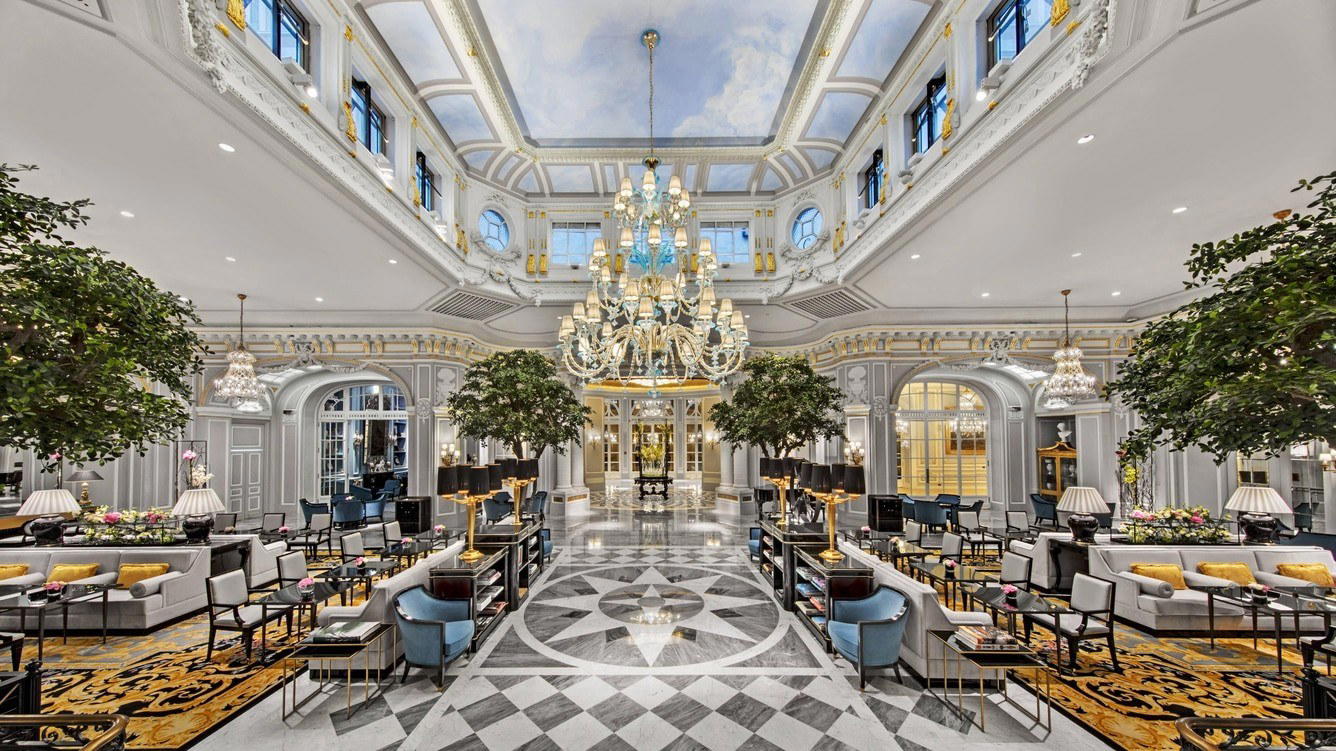
- Historic Building
- Terrace
- Wi Fi
- Restaurant
- Fitness Center
- Room Service
- Concierge
- Air Conditioning
- Street Scene
- Wi Fi
- Restaurant
- Fitness Center
- Room Service
- Concierge
- Air Conditioning
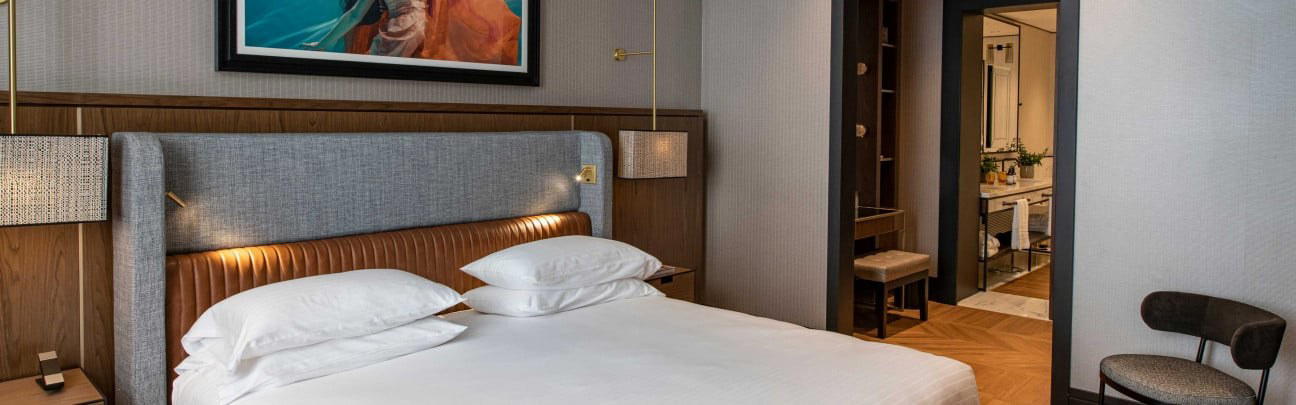
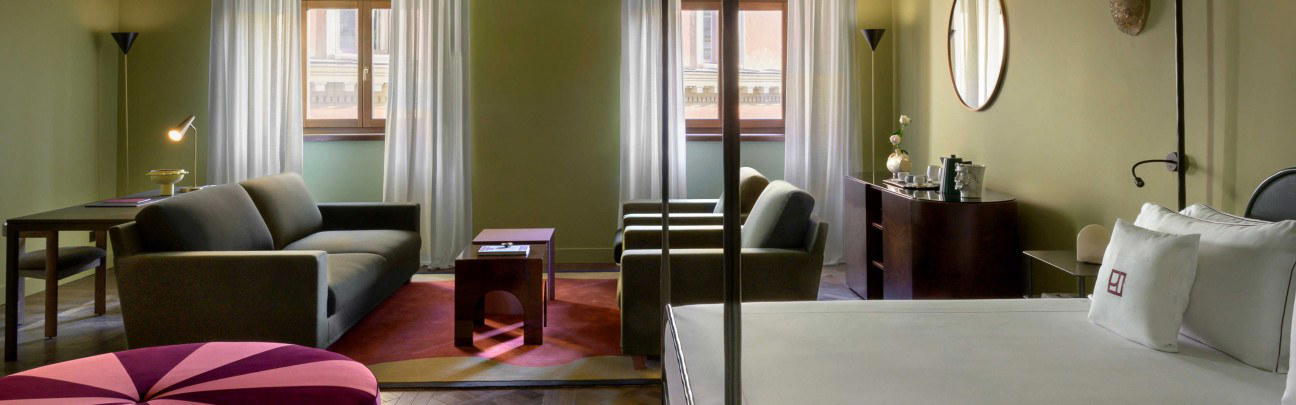
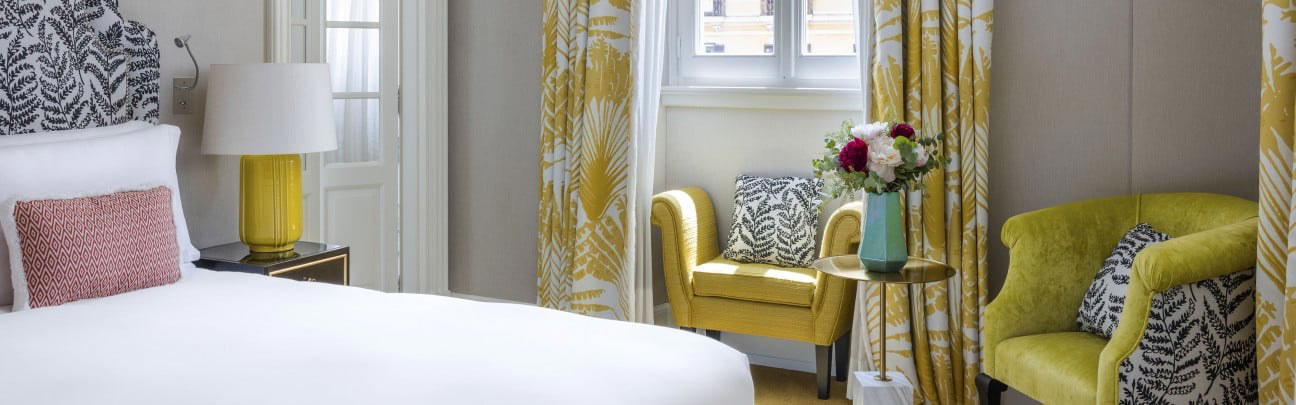
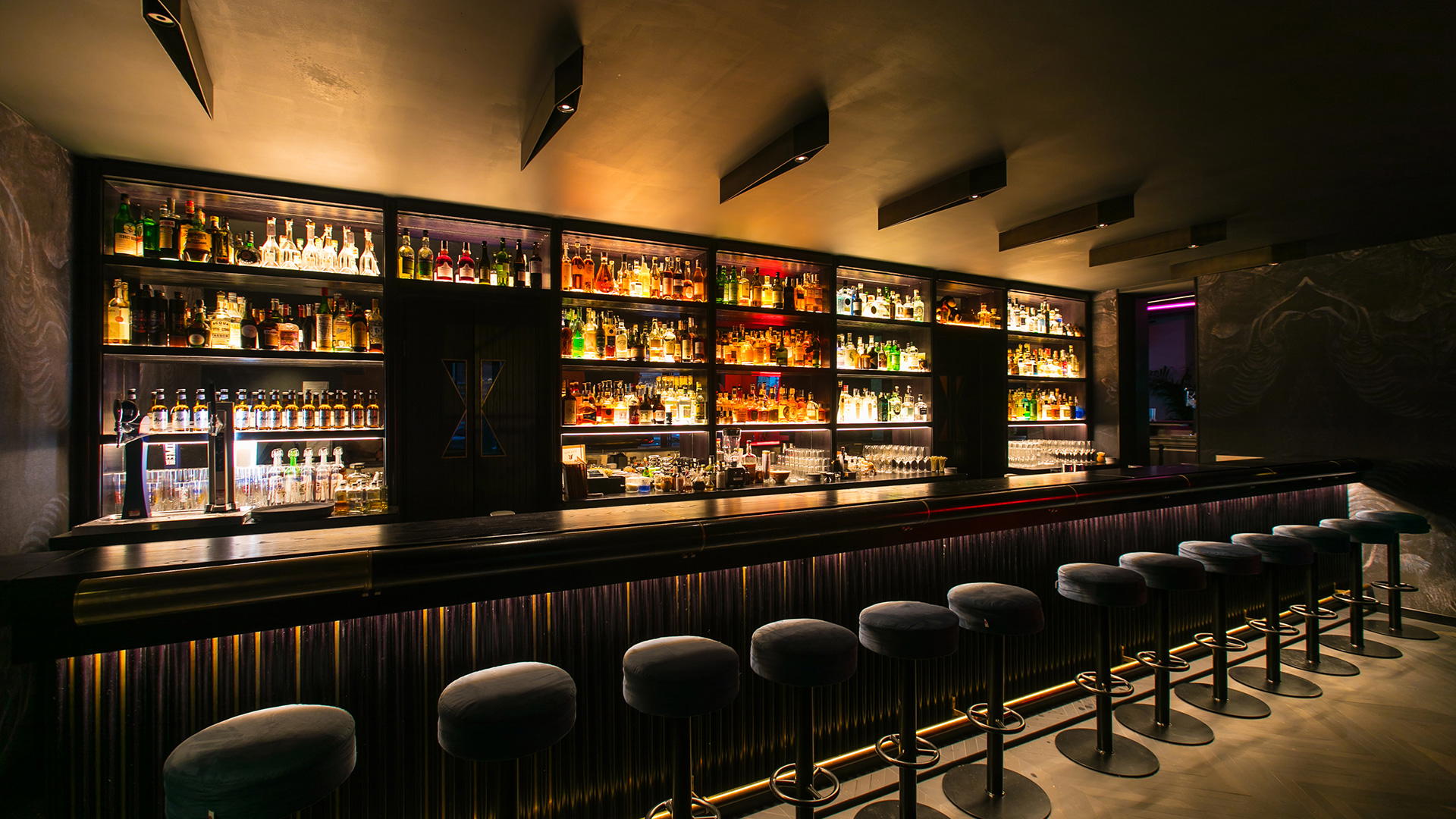
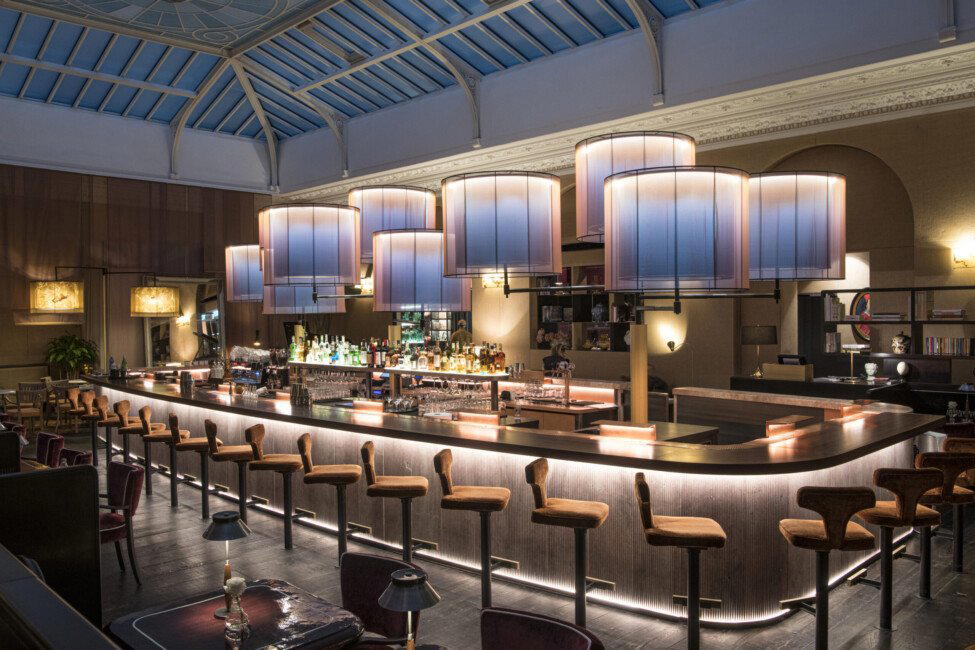
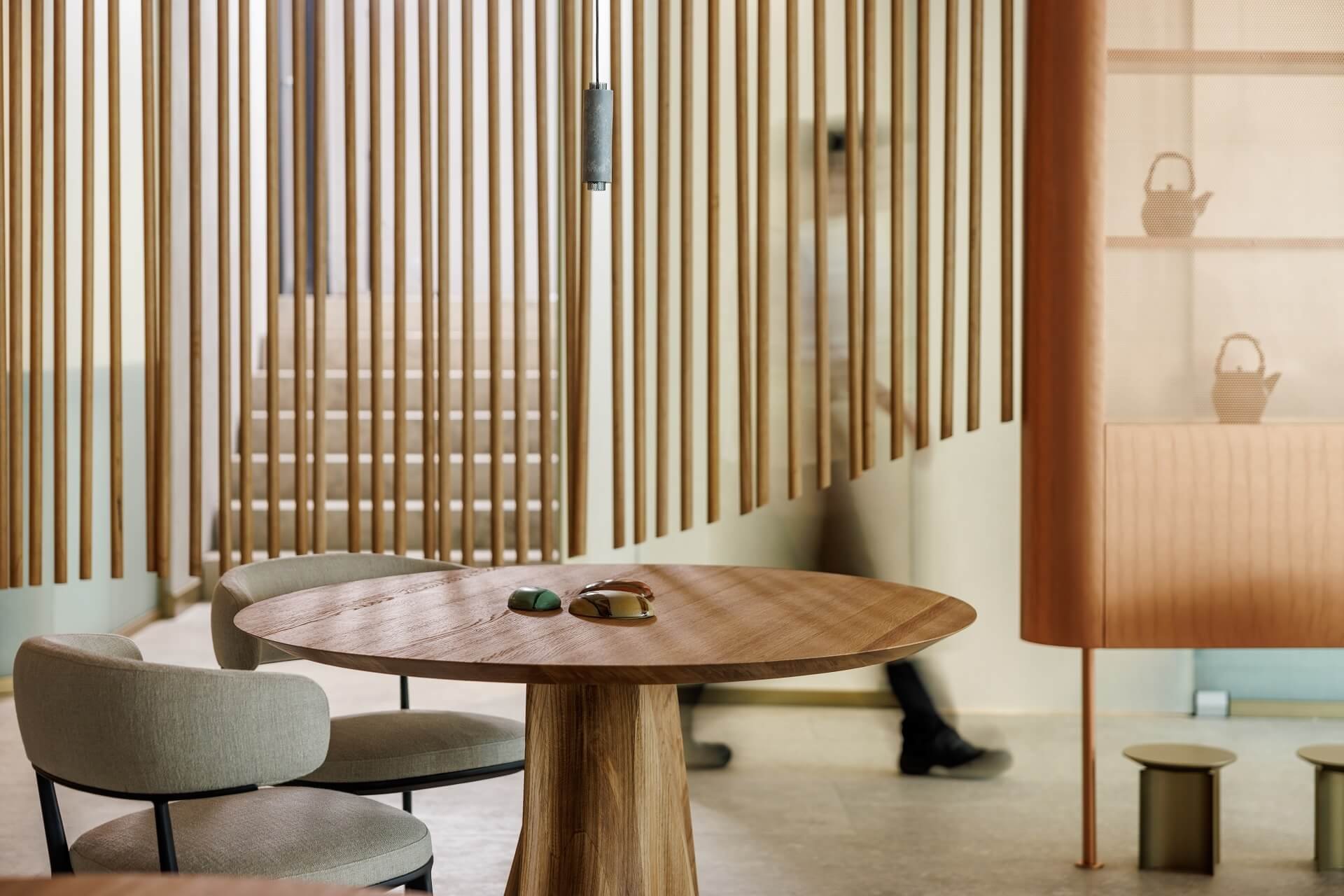
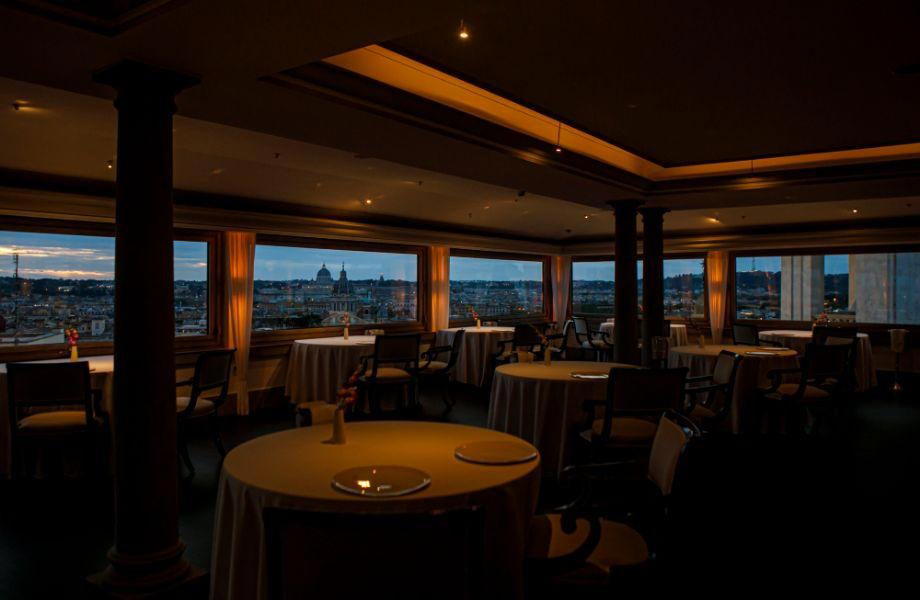
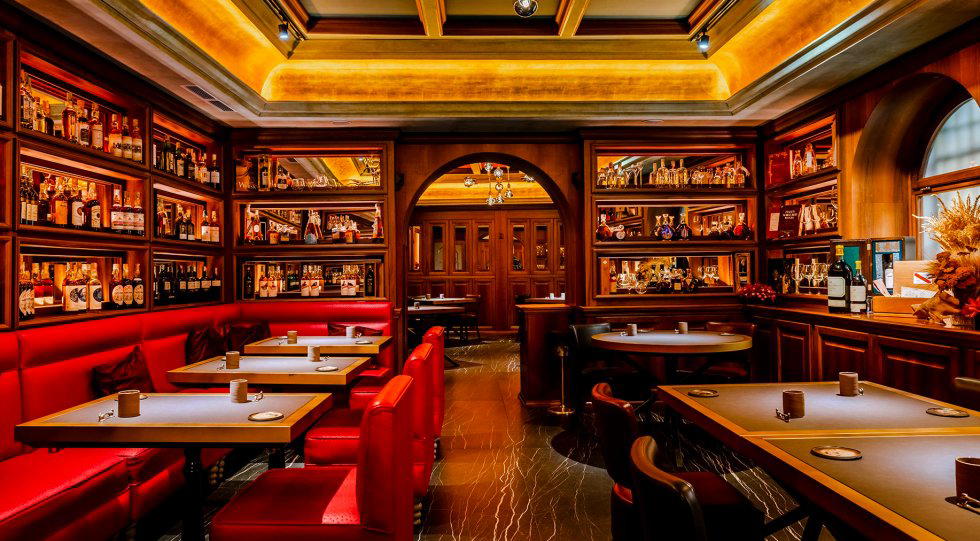
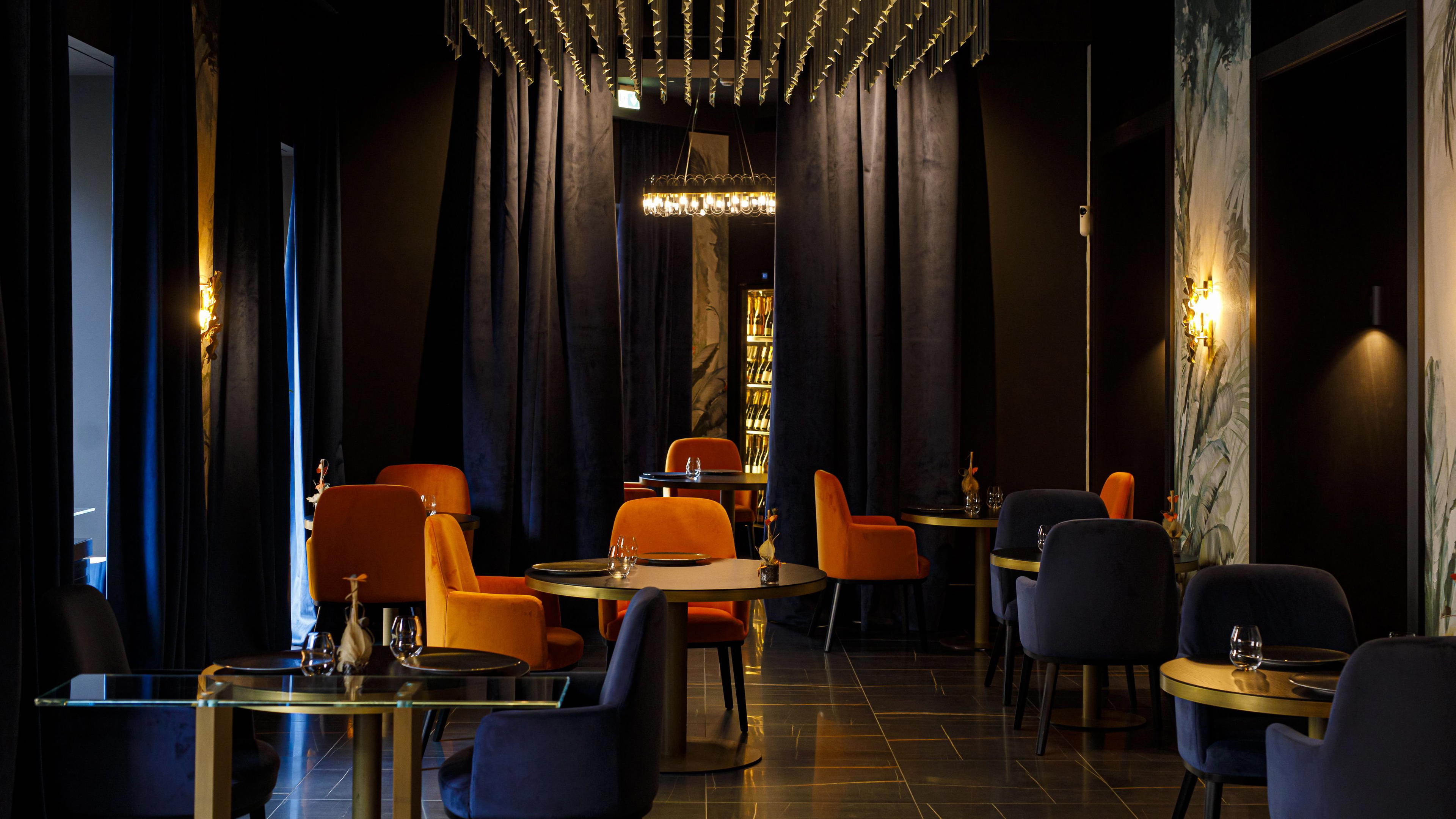
Clean-lined modernist aesthetic with neutral tones, colorful contemporary art, parquet floors, and a lively yet comfortable atmosphere in compact boutique spaces.