

Fusaki Beach Resort Hotel & Villas sits on the western shore of Ishigaki Island, a location that positions it among the more recognized beach resort addresses in the Okinawa archipelago. Holding both a Regional Winner award for Luxury Family Beach Resort and a Continent Winner designation for Luxury Beach Resort, it occupies a distinct tier among Yaeyama-area properties. The resort draws families and couples seeking extended beachfront stays in Japan's southernmost island chain.
Pearl is the En Primeur Club membership app — saves, bookings, and concierge access live there. Same editors, same standards.
- Address
- 1625 Arakawa, Ishigaki, Okinawa 907-0024, Japan
- Phone
- +81 980-88-7000
- Website
- fusaki.com
- Directions
- Get directions
 Saves & bookings on Pearl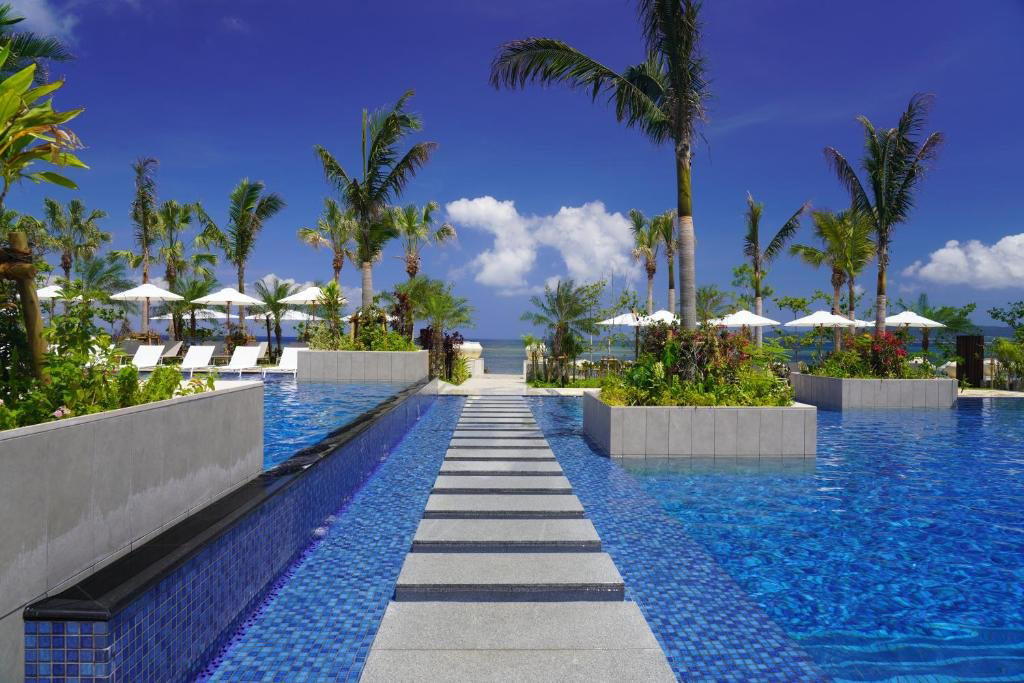
Where Ishigaki's Reef Meets a Serious Resort Pedigree
The western coast of Ishigaki Island follows a particular rhythm: long, shallow water graduating from turquoise to cobalt, framed by coral formations that make the Yaeyama archipelago among the more biodiverse marine zones in Japanese territory. Fusaki Beach Resort Hotel & Villas occupies this coastline at 1625 Arakawa, positioned to face the East China Sea sunsets that Ishigaki's western shore is specifically known for. Arriving here, the setting does a significant part of the work before the resort itself begins.
That recognition is specific and documented. Fusaki holds a Regional Winner designation for Luxury Family Beach Resort and a Continent Winner award for Luxury Beach Resort, placing it in a small bracket of Asia-Pacific properties that have been assessed across both family programming depth and broader beach resort quality. In the Okinawa context, this positions Fusaki in a different tier from the design-led boutique properties further north along the main island, such as Hyakuna Garan, and equally distinct from the thalassotherapy-centered approach at The Terrace Club Wellness Thalasso at Busena. Fusaki competes across both the family and premium beach resort categories simultaneously, which narrows its peer group considerably.
The Retreat Logic of the Yaeyama Islands
Japan's resort wellness tradition has historically concentrated in volcanic onsen towns, properties like Gora Kadan in Hakone, Asaba in Izu, or ENOWA Yufu in Yufu, where thermal bathing and kaiseki form the structural core of a stay. The Yaeyama Islands offer a different proposition: the recovery logic here is tropical rather than thermal, oriented around open water, reef snorkeling, mangrove kayaking, and a slower pace defined by the Ryukyu cultural inheritance rather than mainland Japanese formality. Ishigaki, the largest island in the Yaeyama group, sits roughly 400 kilometers southwest of the Okinawa main island, closer to Taiwan than to Tokyo, and that geographic distance produces a genuinely different atmospheric register.
For guests approaching Fusaki with a retreat mindset, this context matters. The wellness proposition at a western Ishigaki resort is not about thermal infrastructure or curated silence in the manner of a ryokan. It is about sustained exposure to a specific marine environment, the physiological effects of consistent outdoor activity in clean air and warm water, and a decompression from both urban density and the structured programming of more intensively designed wellness properties. Sankara Hotel & Spa Yakushima offers a forest-centered version of this logic in a UNESCO biosphere setting; Fusaki's version is reef and beach-oriented, shaped by the particular character of the Yaeyama coastline.
Family Infrastructure at Scale
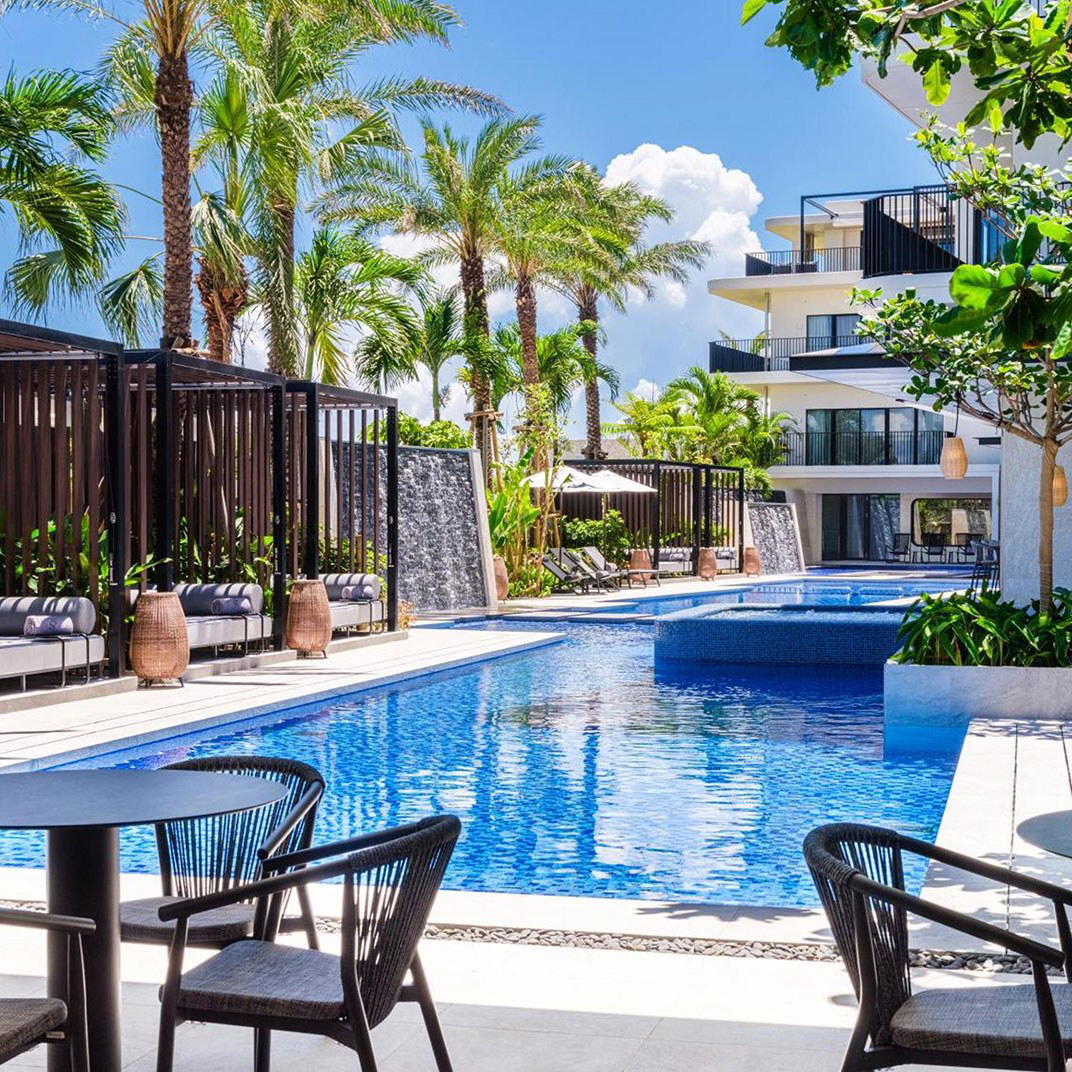
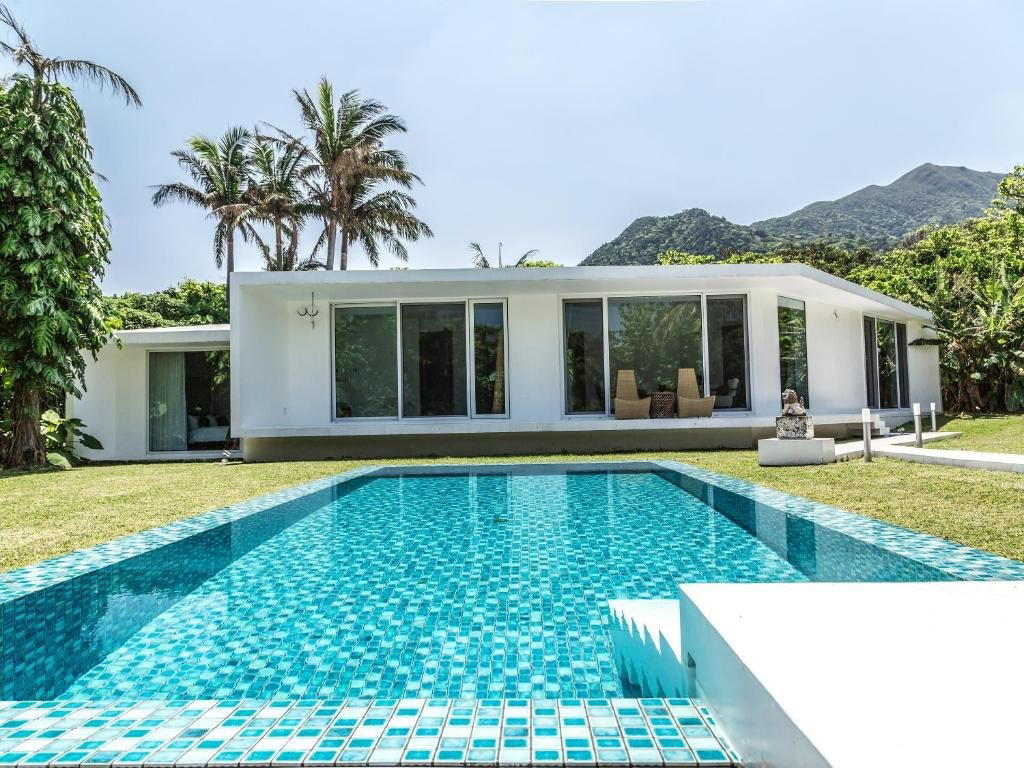
The Continent Winner designation for Luxury Beach Resort applies to overall resort quality, while the Regional Winner for Luxury Family Beach Resort signals family-friendly infrastructure at the regional level. Family resort programming in the luxury segment requires investment in dedicated pools, activity coordination, age-appropriate programming, and room configurations that allow families to operate without compressing adult guests into standard double-occupancy format. Properties that do this well, and Fusaki's recognition suggests it operates in that bracket, tend to have accommodation flexibility that supports both couples and multi-generational groups traveling simultaneously.
In the broader Okinawa context, the family resort category is competitive. Miyakojima Tokyu Hotel & Resorts occupies a similar beach-and-family positioning on Miyako Island, while Halekulani Okinawa on the main island pitches at the premium adult end of the spectrum with its Hawaii lineage and more restrained atmosphere. Fusaki's double-category recognition separates it from properties that do one or the other well.
Ishigaki Versus the Broader Yaeyama Circuit
Travelers building an extended Yaeyama itinerary will encounter Ishigaki as the hub island: the point of air access, the ferry departure point for Taketomi, Iriomote, and the smaller atolls, and the location with developed resort infrastructure in the group. HOSHINOYA Taketomi Island and Jusandi in Ishigaki offer contrasting reference points: the former is a design-driven low-key village experience on a neighboring island; the latter a smaller Ishigaki property. Fusaki, by comparison, operates at resort scale, which gives it the activity and amenity range that smaller properties cannot match.
For guests who want the Yaeyama experience anchored on Ishigaki with day excursions to Taketomi or Iriomote, Fusaki's location and scale make it a practical base. The western shore positioning, specifically, keeps sunset orientation in view, a non-trivial consideration on an island where the light quality in the late afternoon is one of the defining environmental conditions.
Awards and Standing
Comparable venues nearby, for context on price, style, and recognition.
| Venue | Cuisine | Price | Awards | Notes |
|---|---|---|---|---|
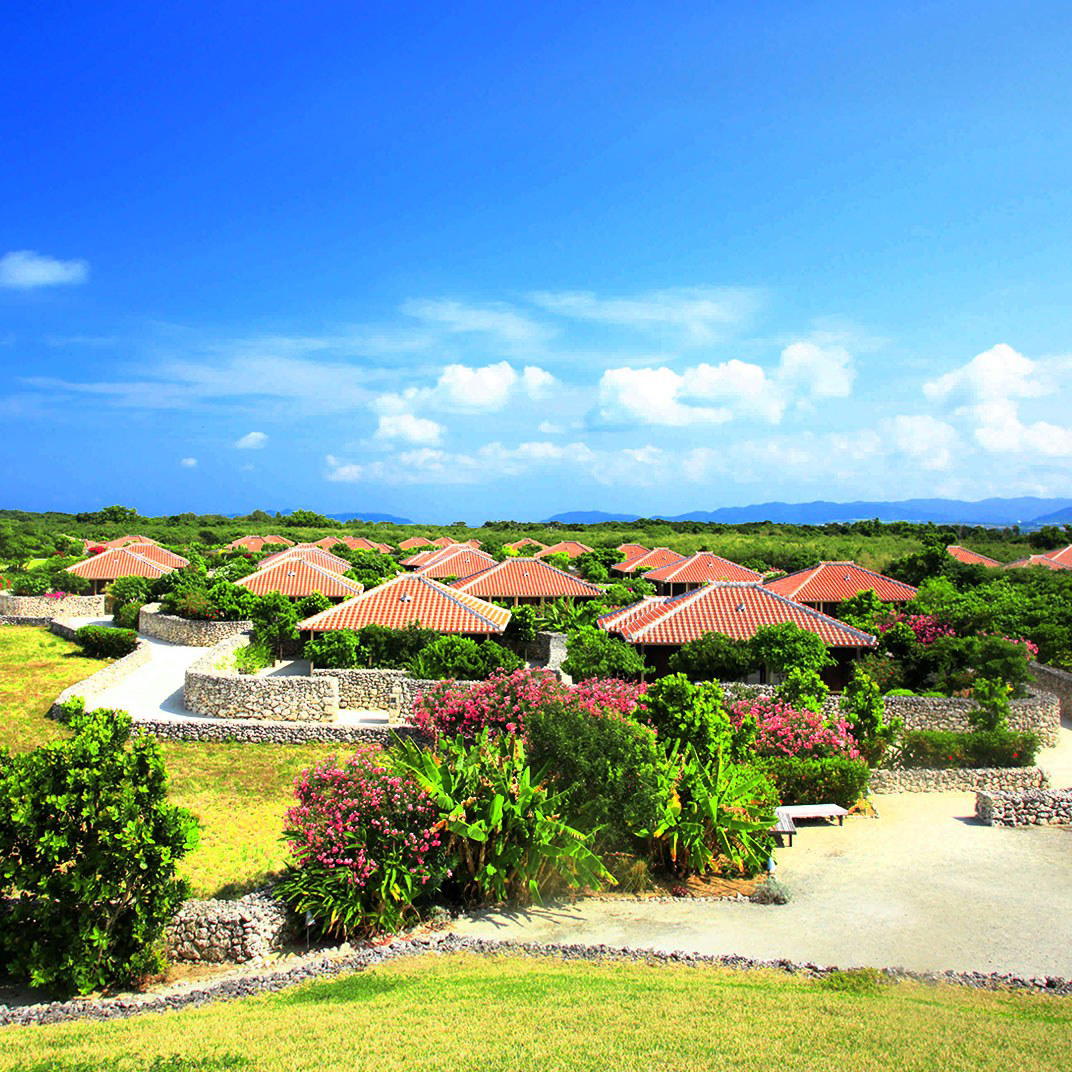
| Fusaki Beach Resort Hotel & VillasThis venue — the venue you are viewing | Sprawling tropical beachfront resort with villas and garden terraces | $$$ | 4-Star | Not listed |
| HOSHINOYA Taketomi Island | Ryukyu-inspired traditional village resort with contemporary comforts | $$$$ | 5-Star | Taketomi Island |
| Miyakojima Tokyu Hotel & Resorts | Classic beachfront resort with modern updates | $$$$ | 4-Star | Maehama Beach |
| The Terrace Club Wellness Thalasso at Busena | Luxury wellness resort with club-floor privileges and personalized service. | $$$$ | 5-Star | Cape Busena |
| Hoshinoya Taketomi Island | Ryukyu-inspired luxury resort mimicking a traditional village | $$$$ | Not listed | Taketomi Island |
| Hyakuna Garan | Japanese-Okinawan fusion with Ryukyu limestone and red tile roofs | $$$$ | Michelin 1 Key | Nanjo |
Recognition history
Dated appearances from independent guides and award organizations, with the underlying list record or original source where available.
Michelin Selected
Michelin
World Luxury Hotel Awards WLHA Regional Winner
World Luxury Hotel Awards
World Luxury Hotel Awards WLHA Continent Winner
World Luxury Hotel Awards

At a Glance
- Scenic
- Lively
- Family Vacation
- Romantic Getaway
- Weekend Escape
- Beachfront
- Private Villa
- Infinity Pool
- Pool
- Spa
- Beach Access
- Kids Club
- Fitness Center
- Room Service
- Concierge
- Wi Fi
- Waterfront
- Garden
- Pool
- Spa
- Beach Access
- Kids Club
- Fitness Center
- Room Service
- Concierge
- Wi Fi
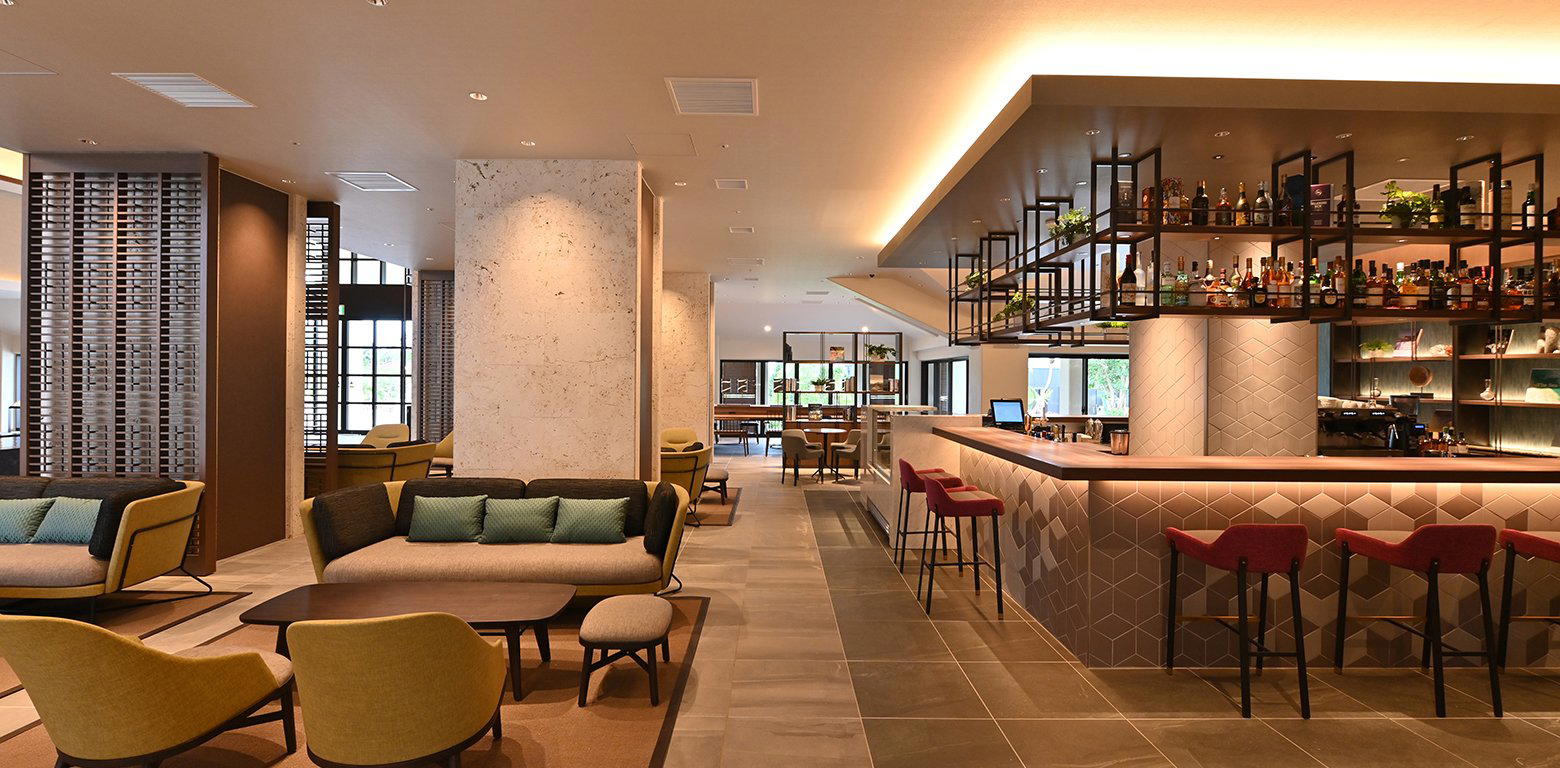
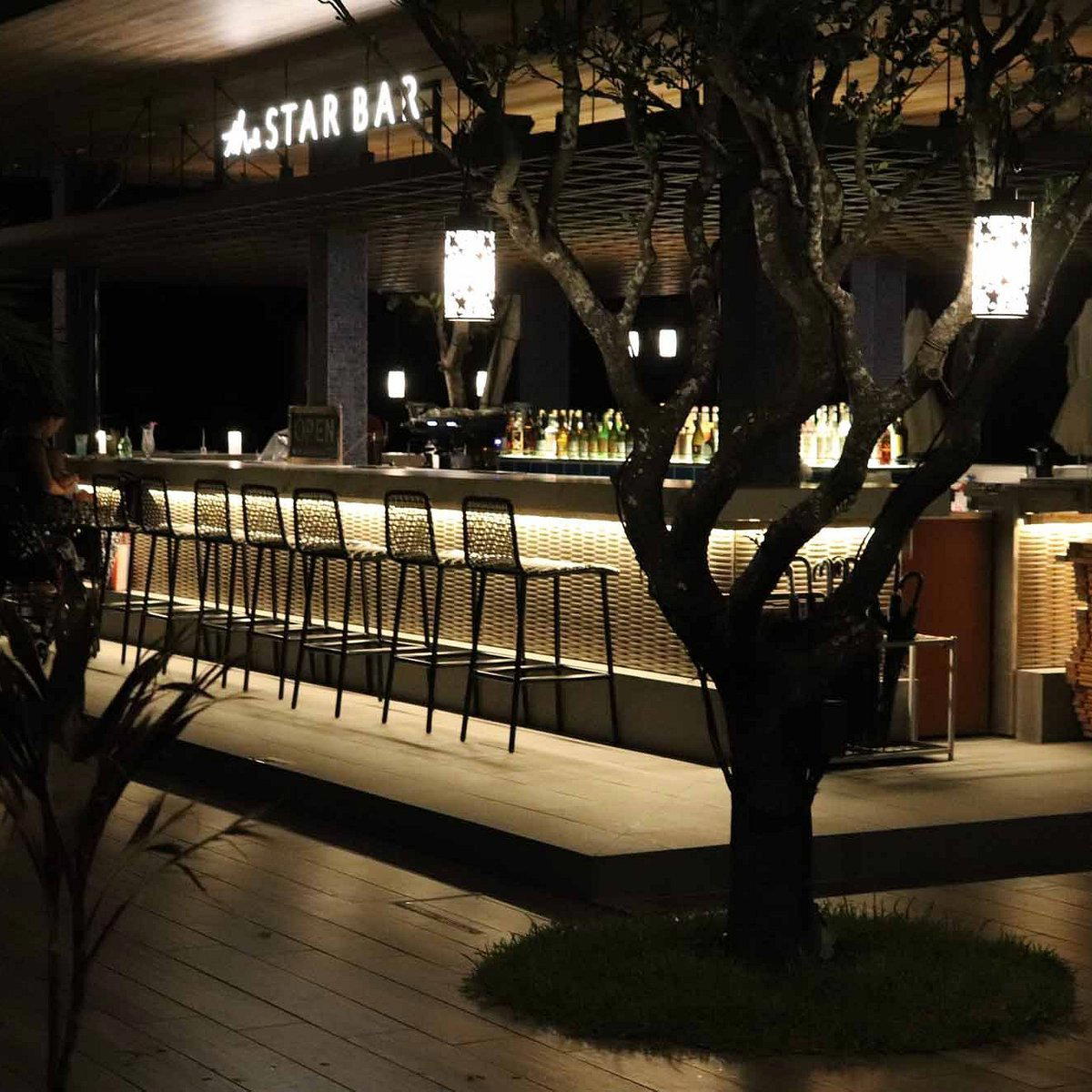
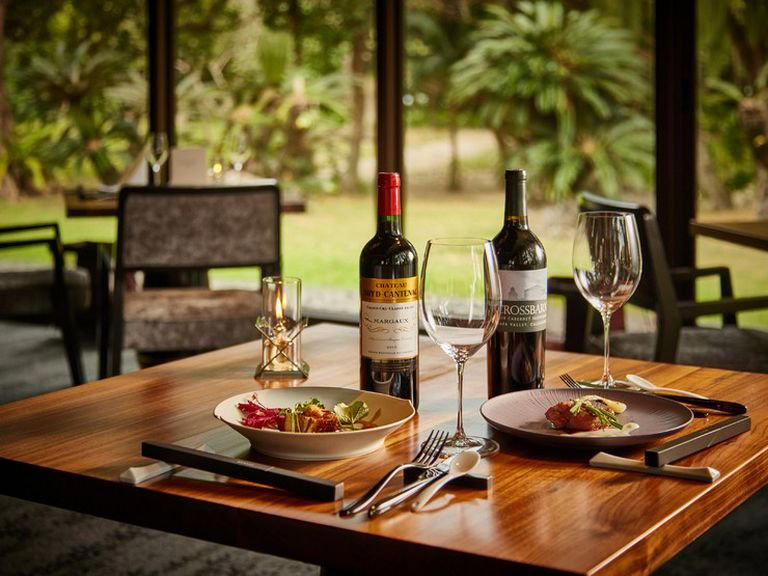
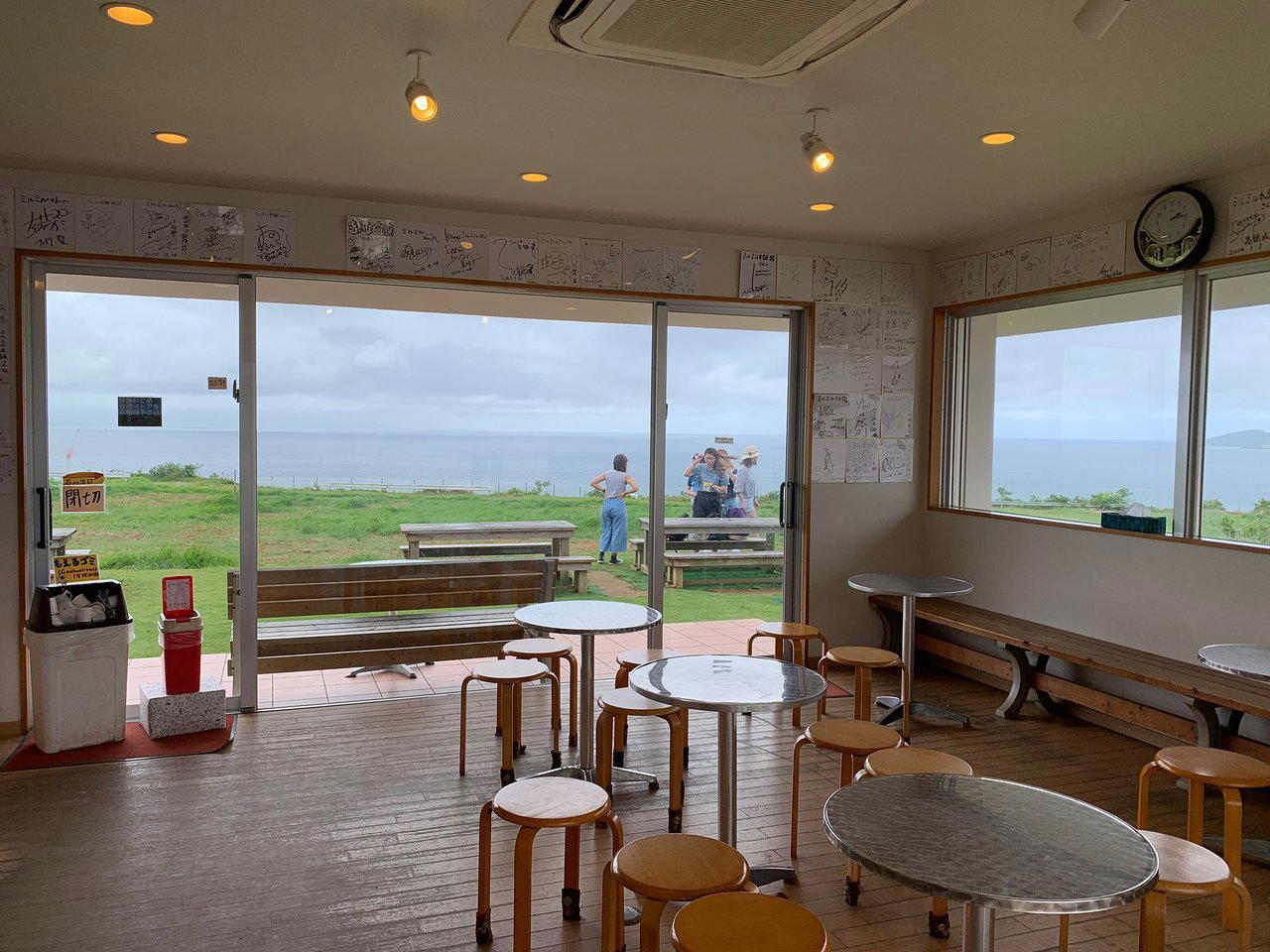
Tropical and lively with verdant greenery, clever lighting in public spaces, and relaxed beachside atmosphere.