
1 Michelin Key
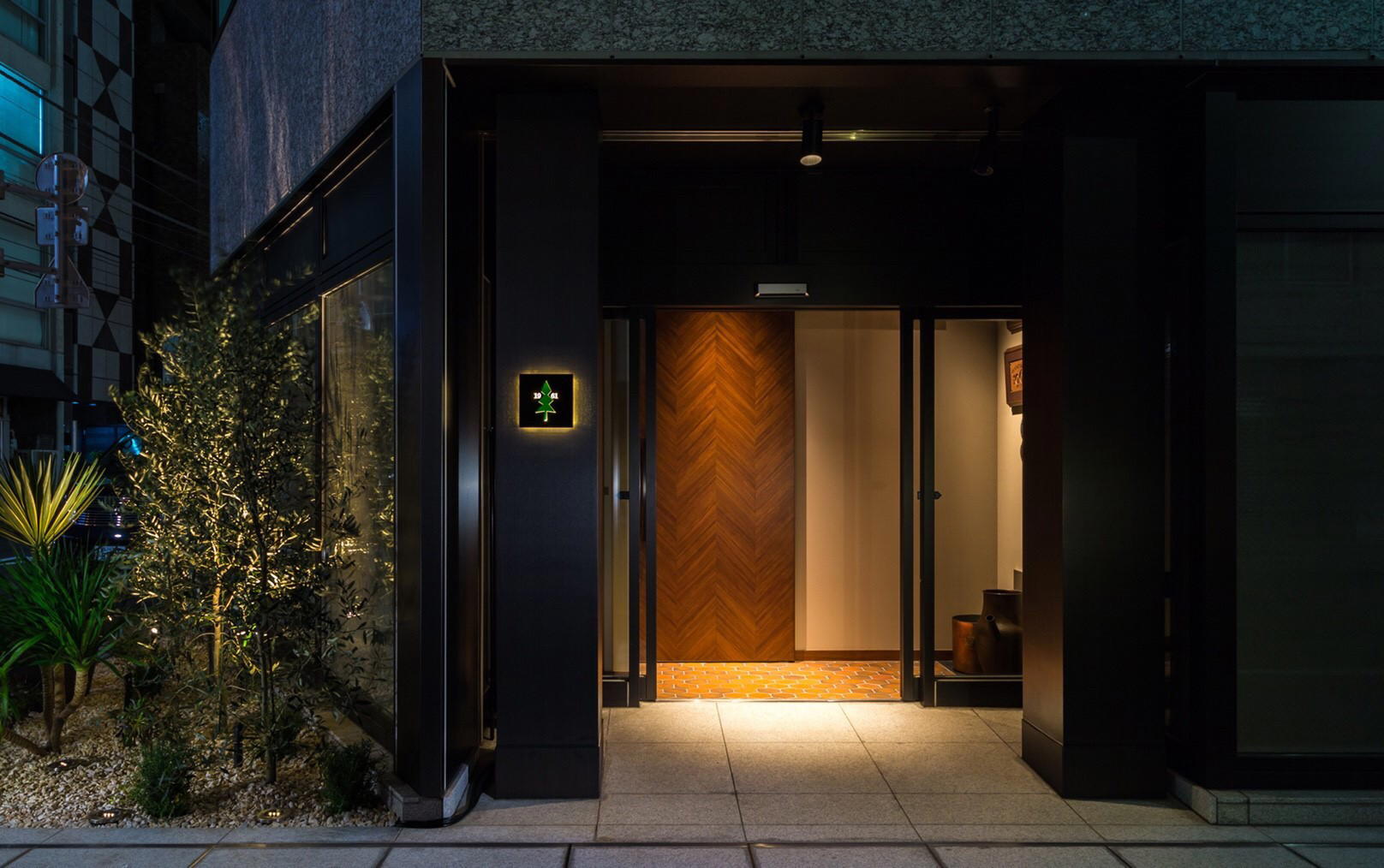
1 Hotel Tokyo brings the brand's nature-forward design philosophy to Akasaka, positioning itself within Tokyo's growing cohort of hotels where environmental commitment shapes the physical experience rather than serving as a marketing footnote. Reclaimed materials, living greenery, and a muted material palette define the room environment, placing it in a distinct niche from the marble-and-gilt luxury tier dominant elsewhere in the city.

Pearl is the En Primeur Club membership app — saves, bookings, and concierge access live there. Same editors, same standards.
- Address
- 2 Chome-17-22 Akasaka, Minato City, Tokyo 107-0052, Japan
- Phone
- +81 3-6441-3040
- Website
- 1hotels.com
- Directions
- Get directions
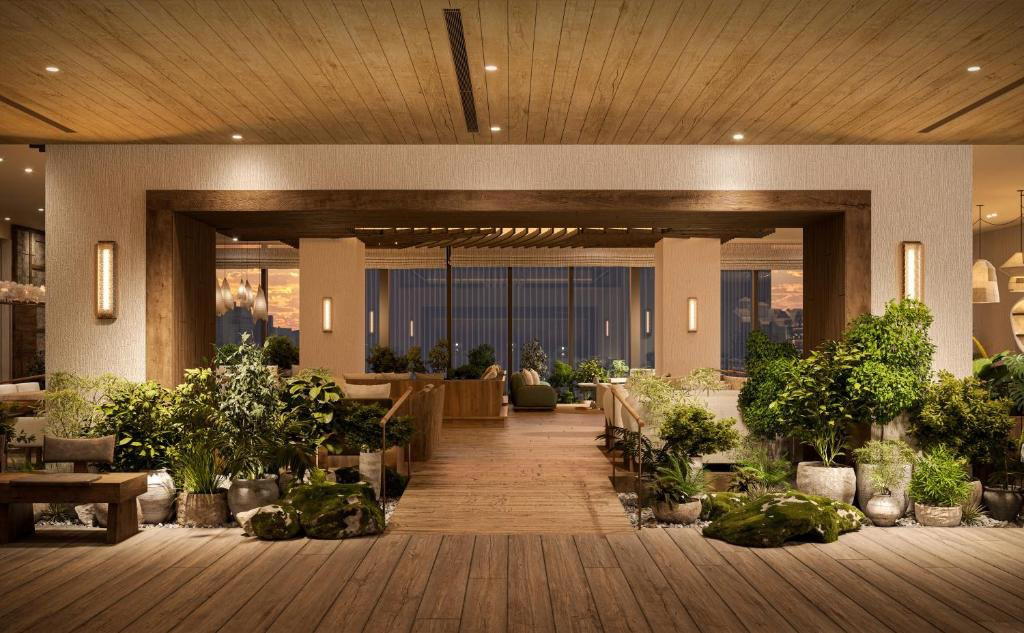
Where Tokyo's Luxury Hotel Market Has Room for a Different Argument
Tokyo's upper hotel tier has long been anchored by a particular set of expectations: lacquered surfaces, white-glove formality, and a design language that signals prestige through material cost. Properties like Bvlgari Hotel Tokyo and Aman Tokyo work within that tradition, each interpreting it through a different cultural lens. 1 Hotel Tokyo, located in Akasaka's Minato City district, occupies a deliberately different position. The 1 Hotels brand, which operates properties across New York, Miami, and other major cities, built its identity on the premise that premium hospitality and environmental accountability can share the same address without either compromising the other. In Tokyo, that argument lands in a city already attuned to material precision and craft — which raises the standard considerably.
Akasaka itself sets a particular context. The neighbourhood sits between the political weight of Nagatacho and the retail energy of Roppongi, carrying a quieter, more business-district register than either. It is not a neighbourhood that demands attention, which suits a property whose aesthetic is built around restraint and natural texture rather than spectacle.
The Room as the Primary Statement
The 1 Hotels approach to room design treats natural material not as decoration but as the structural logic of the space. Across the brand's portfolio, this translates consistently: reclaimed wood, raw stone finishes, woven textiles, and a deliberate suppression of synthetic surfaces. In Tokyo, where hotel interiors tend toward either traditional Japanese minimalism or international luxury polish, this palette occupies a readable middle position — it references the Japanese sensitivity to material honesty without attempting a literal ryokan translation.
Bedding in 1 Hotels properties typically uses organic cotton and natural-fill materials, with the tactile register of the room calibrated to feel considered rather than curated. The absence of heavy synthetic layering in the sleep environment is a genuine differentiator at this tier, most competitors at comparable price points still default to high-thread-count white cotton with synthetic fills, which perform well on visual inspection but differently on extended contact. The emphasis here is on what the room feels like over eight hours rather than what it photographs like in thirty seconds.
Bathrooms in the 1 Hotels format tend to extend the material logic of the bedroom: stone surfaces, low-intervention finishes, and amenity programs sourced from brands aligned with the hotel's environmental positioning. The bathroom is treated as a continuation of the room's argument rather than a separate performance space, which distinguishes the format from competitors like Four Seasons Hotel Tokyo at Otemachi or JANU Tokyo, where the bathroom frequently functions as the room's most theatrical element.
Technology integration in 1 Hotels properties tends toward functional invisibility rather than conspicuous innovation. Controls exist, connectivity is addressed, but the room is not framed as a demonstration of what smart-hotel systems can do. For a segment of travellers who have grown fatigued by properties where the lighting panel requires a tutorial, this is a considered choice rather than an omission.
Positioning Within Tokyo's Premium Field
Tokyo's luxury hotel market now spans a wide competitive range. At one end, heritage properties like Palace Hotel Tokyo and The Capitol Hotel Tokyu offer deep institutional credibility rooted in their relationship with the city's civic and political geography. At the design-led end, Andaz Tokyo and Bellustar Tokyo deploy architecture and view as primary selling propositions. 1 Hotel Tokyo's competitive positioning is neither of those, it is closer to the values-alignment model, where the traveller's choice of property is partly a statement about what kind of hospitality they want to support.
This is a smaller but growing cohort within Tokyo's hotel market. The city's international visitor base has expanded significantly in the years since pandemic travel restrictions lifted, and within that inbound audience, a measurable segment actively selects accommodation on environmental and material criteria. 1 Hotel Tokyo addresses that segment directly, without the awkwardness of a conventional luxury hotel that retrofits sustainability messaging onto a fundamentally unchanged physical product.
For travellers whose Japan itinerary extends beyond Tokyo, the contrast is instructive. Properties like Gora Kadan in Hakone, Zaborin in Kutchan, or Asaba in Izu engage with natural material and environmental integration from a deeply rooted ryokan tradition. 1 Hotel Tokyo approaches the same values from a global brand framework, less embedded in Japanese hospitality culture, but legible to an international traveller who may not have the context to fully read a traditional ryokan's codes. The two approaches are not in competition so much as in conversation, and spending time in both produces a more complete picture of what Japanese hospitality actually encompasses.
For those whose Japan plans include further travel, HOTEL THE MITSUI KYOTO offers a useful urban counterpoint in Kyoto, while more remote properties like Amanemu in Mie, Benesse House in Naoshima, Halekulani Okinawa, Jusandi in Ishigaki, Nishimuraya Honkan in Kinosaki-cho, Sekitei in Hatsukaichi-shi, ENOWA Yufu, and Fufu Kawaguchiko each represent distinct registers of Japanese accommodation that reward direct comparison. Fufu Nikko is worth consideration for travellers routing north. The 1 Hotels brand also has reference points outside Japan: Aman New York, The Fifth Avenue Hotel, and Aman Venice all operate in the same global premium tier, providing context for how the brand's Tokyo property fits within international expectations at this level.
Planning a Stay
The property sits at 2 Chome-17-22 Akasaka in Minato City, within reasonable distance of both Akasaka and Tameike-Sanno subway stations, making access to central Tokyo direct without requiring taxis for most journeys. For dining beyond the property, our full Tokyo restaurants guide covers the city's dining scene with the depth the subject demands, Akasaka and the surrounding Minato wards contain a concentration of serious restaurants that repays deliberate research rather than spontaneous choice.
Side-by-Side Snapshot
Comparable venues nearby, for context on price, style, and recognition.
| Venue | Cuisine | Price | Awards | Notes |
|---|---|---|---|---|
| 1 Hotel TokyoThis venue — the venue you are viewing | Sustainable luxury lifestyle hotel with biophilic design | Not listed | 1 Michelin Key | Not listed |
| Fufu Tokyo Ginza | Small luxury resort blending Japanese onsen tradition with urban Ginza location | $750–1,000 | 1 Michelin Key · TIME 2026 TIME World's Greatest Places | Ginza |
| Ascott Marunouchi Tokyo | Luxury serviced residence in a skyscraper with residential comforts and hotel services | $750–1,000 | Michelin Selected | Chiyoda |
| Hotel Chinzanso Tokyo | Luxury urban sanctuary combining Japanese botanical heritage with contemporary hospitality, formerly a Four Seasons property. | Not listed | Forbes 4-Star · Preferred Hotels L.V.X. Collection | Bunkyō |
| TRUNK(WEDDING) | lifestyle boutique hotel with wedding facilities | Not listed | Not listed | Shibuya |
| Kimpton Shinjuku Tokyo | luxury lifestyle boutique hotel with creative New York-inspired flair | Not listed | Michelin Selected · World Luxury Hotel Awards WLHA Country Winner | Shinjuku |
Recognition history
Dated appearances from independent guides and award organizations, with the underlying list record or original source where available.
Michelin 1 Key
Michelin
Full recognition history (2 entries)
Michelin Selected
Michelin
Continue exploring
More in Tokyo
Hotels in Tokyo
Browse all →



Bars in Tokyo
Browse all →


Restaurants in Tokyo
Browse all →
Details
- Modern
- Minimalist
- Elegant
- Sophisticated
- Romantic Getaway
- Business Trip
- Wellness Retreat
- Rooftop Pool
- Panoramic View
- Wi Fi
- Pool
- Spa
- Fitness Center
- Room Service
- Concierge
- Sauna
- Skyline
- Garden
- Elevator
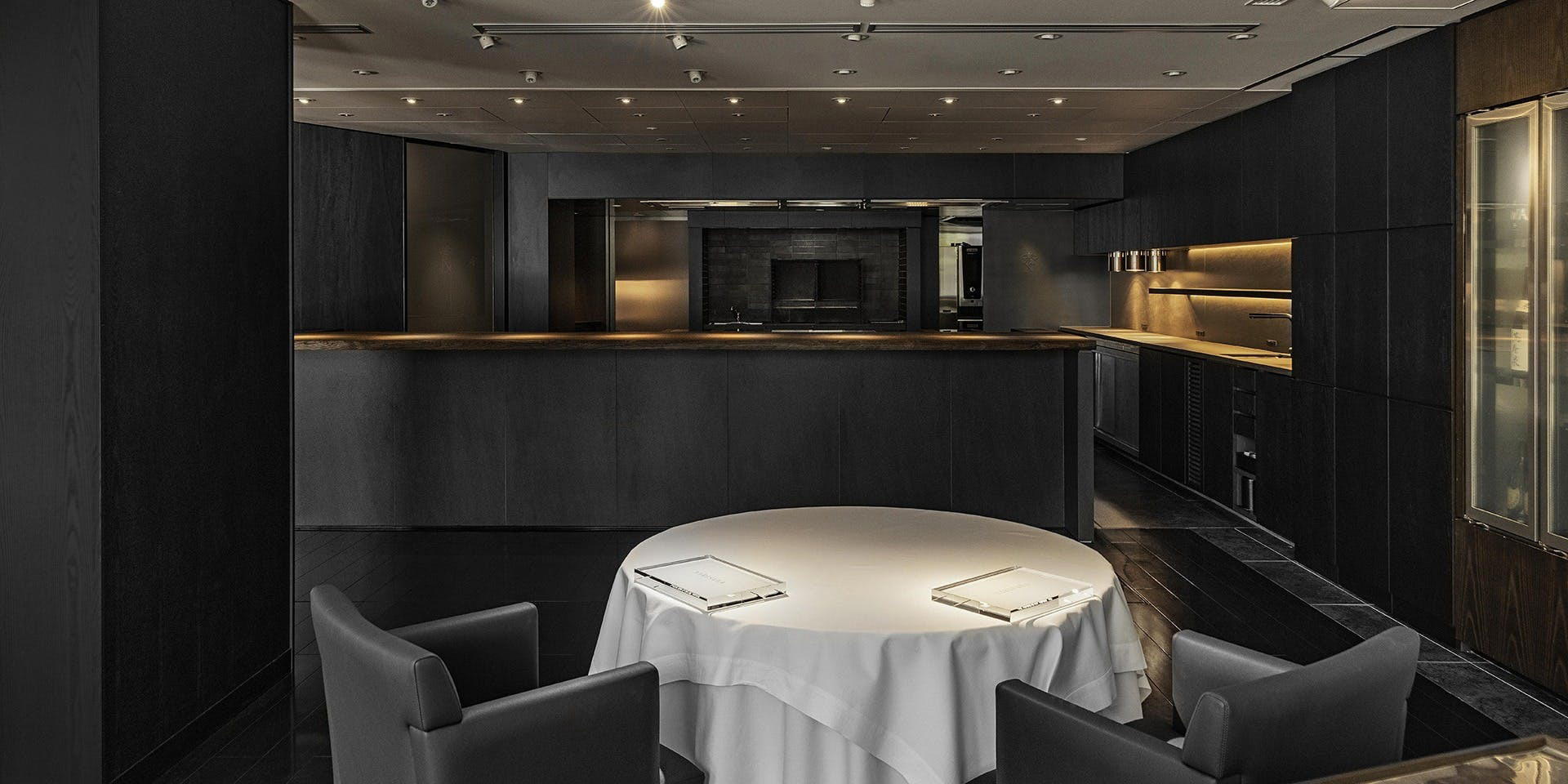
Serene Zen-like atmosphere with natural light, lush greenery, moss walls, and city skyline views creating a tranquil sanctuary above Tokyo.